博客

  • Thailand to open new parliament on Saturday

    Thailand to open new parliament on Saturday

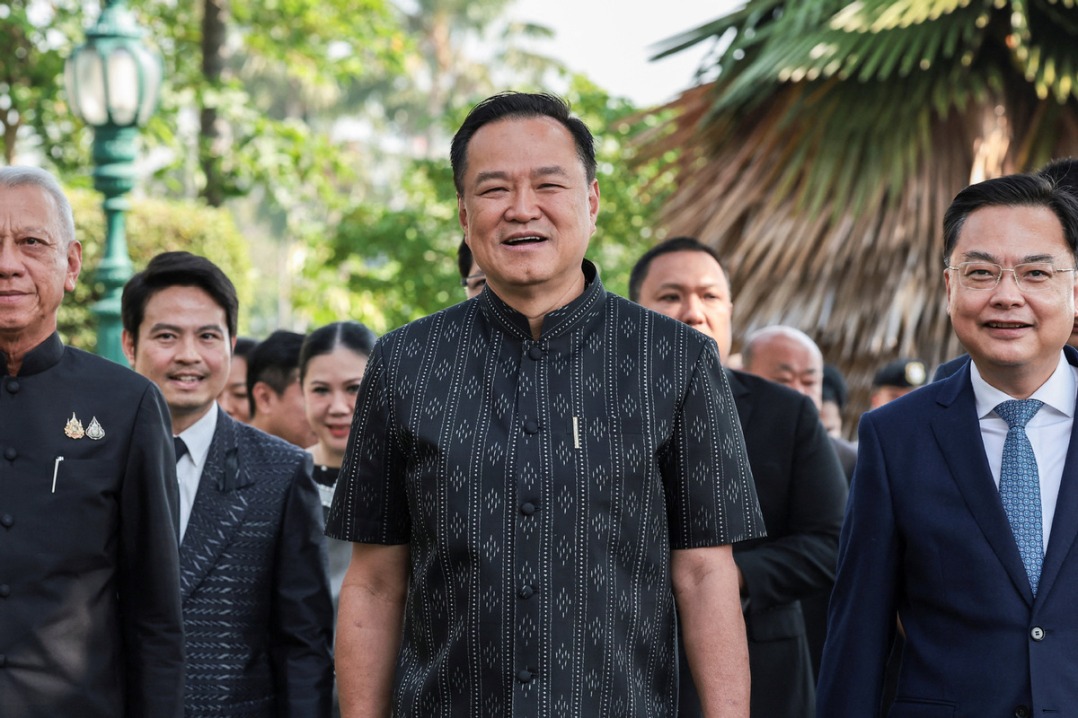
    BANGKOK – Thailand’s political landscape enters a new chapter as the nation prepares to convene its freshly elected parliament this Saturday, March 14, following last month’s decisive general election. The official proclamation, published in the Royal Gazette on Wednesday and bearing the endorsement of King Maha Vajiralongkorn alongside Prime Minister Anutin Charnvirakul’s countersignature, marks a significant constitutional milestone.

    The February 8th electoral contest resulted in a substantial victory for the Bhumjaithai Party under Prime Minister Anutin’s leadership, which secured a commanding 191 seats in the 500-member House of Representatives. The People’s Party emerged as the second-largest faction with 120 seats, while the Pheu Thai Party captured 74 seats, completing the tripartite political structure that will shape the upcoming parliamentary session.

    This convening adheres to Section 121 of Thailand’s constitution, which mandates parliament must assemble within 15 days following the formal certification of election outcomes, thereby initiating the first annual ordinary session. The legislative agenda will commence with the newly constituted House of Representatives convening on March 15 to elect critical leadership positions, including the speaker and deputy speaker positions that will oversee parliamentary proceedings.

    The political process will further advance on March 19 when the assembly is expected to conduct a decisive vote to determine Thailand’s next prime ministerial candidate, setting the course for the nation’s governance in the coming legislative period.

  • EU and UK demand Israel stop surge in West Bank settler violence since Iran war

    EU and UK demand Israel stop surge in West Bank settler violence since Iran war

    The European Union and United Kingdom have issued urgent demands for Israel to contain a dramatic surge in violence perpetrated by Jewish settlers against Palestinian communities in the occupied West Bank. This escalation has coincided with Israel’s ongoing military conflict with Iran, drawing sharp international condemnation.

    According to United Nations documentation, six Palestinian civilians have lost their lives during settler attacks across the West Bank over an eleven-day period. The UK government expressed being ‘appalled by the killings,’ while the EU characterized the intensity of settler violence as ‘unacceptable.’ Both political entities have pressed Israeli authorities to implement immediate measures ensuring accountability and preventing further civilian casualties.

    The Israeli military command has formally condemned these violent incidents, pledging to pursue legal action against those responsible. This commitment comes amid the complex backdrop of approximately 160 Israeli settlements established since the 1967 Middle East war, housing around 700,000 Jewish settlers alongside an estimated 3.3 million Palestinian inhabitants. These settlements maintain illegal status under international law.

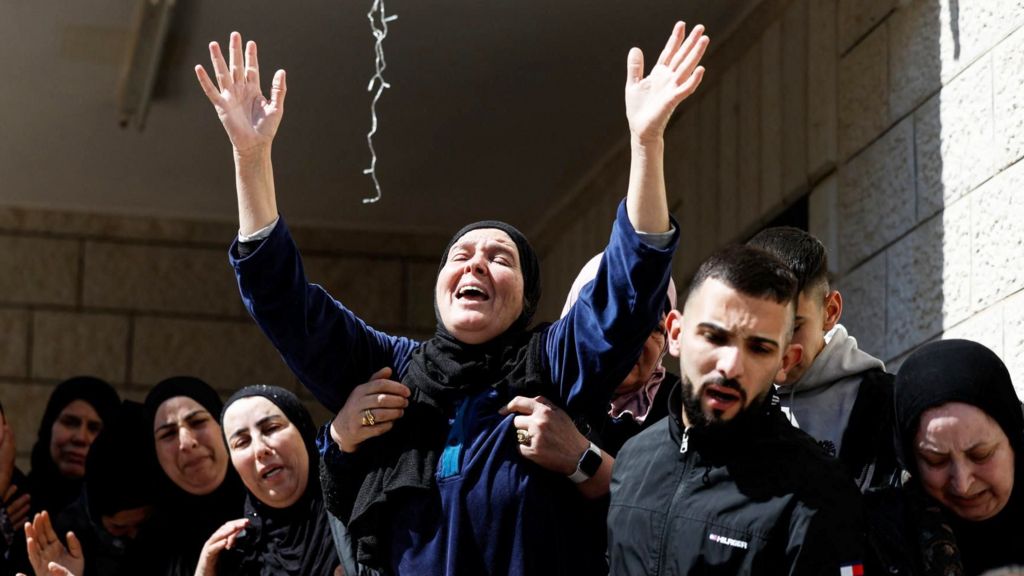
    Recent tragedies include a dawn raid on Khirbet Abu Falah village northeast of Ramallah, where three Palestinians died. Witness accounts describe dozens of settlers initiating the confrontation, with armed individuals subsequently opening fire. Victims included Thaer Hamayel (24) and Farea Hamayel (57), both fatally shot in the head, while Mohammed Murra (55) succumbed to cardiac arrest following tear gas inhalation.

    In a separate incident near Susya, Amir Shanaran (28) was shot dead and his brother Khaled seriously wounded during an attack on their agricultural land. Preliminary military investigations indicate a reserve soldier discharged his weapon during what was described as a ‘violent confrontation.’

    Israeli human rights organizations report alarming patterns: Yesh Din documented 109 distinct incidents of settler violence—including shootings, physical assaults, and property destruction—across 62 Palestinian communities within the first ten days of the Iran conflict. The organization warned that these ‘criminal and deadly attacks are carried out with state backing and near-total impunity,’ advancing territorial dispossession objectives.

    Palestinian Authority Vice-President Hussein al-Sheikh denounced the violence as ‘a major escalation of settler terrorism’ and appealed for international intervention through ‘serious punitive measures.’ Meanwhile, IDF Central Command leader Major General Avi Bluth pledged ‘zero tolerance for civilians who take the law into their own hands,’ emphasizing that internal violence must not undermine regional security during ongoing military operations.

    International diplomatic missions have intensified their responses. The British Consulate-General in Jerusalem demanded that IDF statements be matched with ‘swift, thorough investigations and accountability,’ while the EU spokesperson cautioned that ‘impunity for such acts risks provoking further violence,’ reminding Israel of its obligations under international humanitarian law.
  • Iran war on same disastrous path as Iraq war

    Iran war on same disastrous path as Iraq war

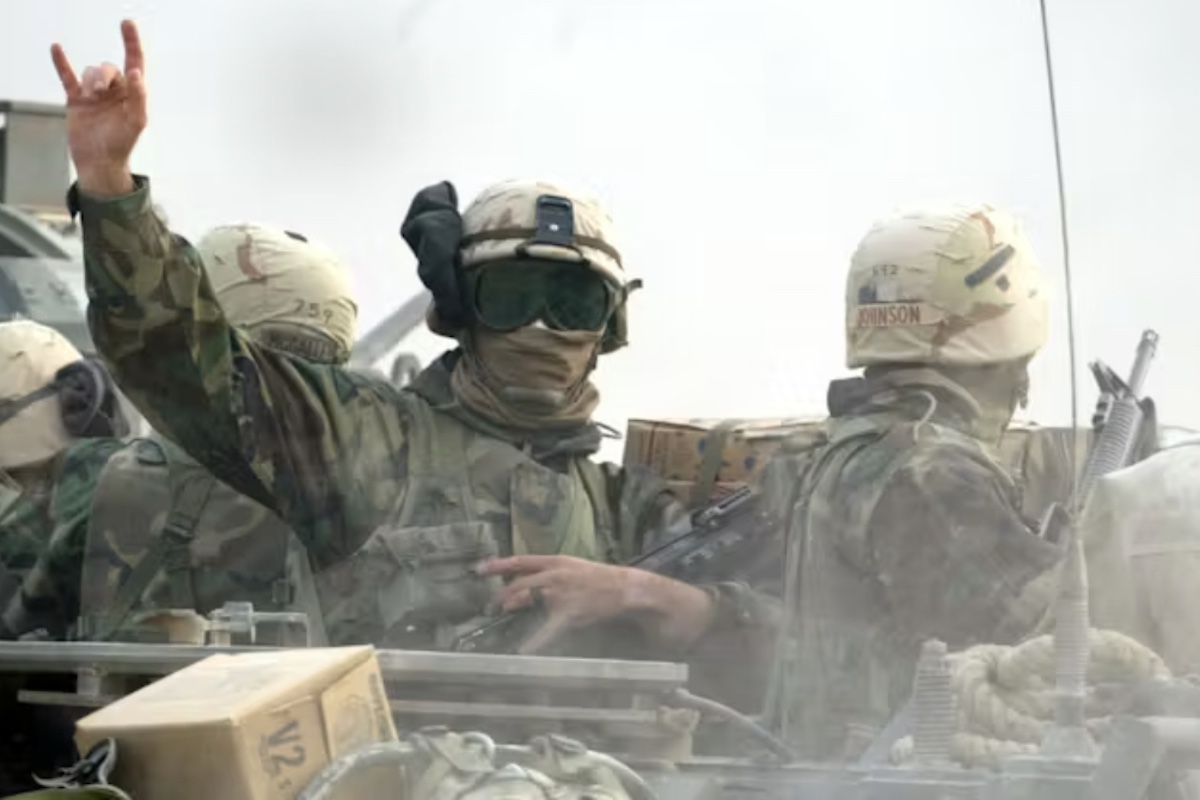
    Two decades after the United States launched its invasion of Iraq, the strategic outcome stands as a stark lesson in the limitations of military power. While American forces achieved their immediate tactical objectives with remarkable efficiency—decapitating Saddam Hussein’s regime within 21 days and establishing total air dominance—the political aftermath reveals a profound strategic failure.

    Despite expending $2 trillion and 4,488 American lives, the United States ultimately transformed Iraq into an authoritarian state firmly within Iran’s sphere of influence. Iranian-backed militias now operate openly on Iraqi soil, with many holding official positions within the government structure. This paradoxical outcome stems from a critical misunderstanding that has plagued American foreign policy: the conflation of military destruction with effective governance.

    The critical turning point came in April 2003 when L. Paul Bremer, head of the Coalition Provisional Authority, issued two fateful orders: Order 1 dissolved the ruling Baath Party and purged all senior members from government positions, while Order 2 disbanded the Iraqi army without disarming it. These decisions effectively eliminated Iraq’s administrative class and created a pool of 400,000 armed, unemployed soldiers who would fuel the insurgency.

    Meanwhile, Iran had spent the previous two decades cultivating Shia political networks, exile parties, and militia groups. When the U.S. dismantled Iraq’s existing institutions, Tehran’s well-established networks were positioned to fill the vacuum. The U.S.-backed opposition figures like Ahmed Chalabi and the Iraqi National Congress enjoyed Washington’s favor but lacked domestic legitimacy and governing experience.

    This pattern repeats across American military interventions. In Libya, the Obama administration’s 2011 regime change brought enduring political instability rather than democratic transformation. The fundamental error remains the assumption that destroying existing orders creates space for improvement, when in reality it creates opportunities for the best-organized, best-armed, and most-willing actors to seize control.

    The contemporary implications for Iran are equally sobering. The Islamic Revolutionary Guard Corps—controlling 30-40% of Iran’s economy and maintaining parallel state infrastructure—represents the organization most likely to fill any power vacuum. External attacks typically produce rally-around-the-flag effects, fusing regime and nation even when citizens despise their leaders.

    With 92 million people, active proxy networks, and an unverified stockpile of highly enriched uranium, Iran presents exponentially greater challenges than Iraq did in 2003. The fundamental question remains unanswered: who would govern 92 million Iranians after regime collapse? Military destruction without a coherent theory of governance represents not strategy but strategic bankruptcy.

  • US inflation stable ahead of Iran shock

    US inflation stable ahead of Iran shock

    New economic data reveals that US inflation maintained a steady pace in February, though analysts warn this stability precedes an anticipated surge driven by geopolitical conflict and energy market disruptions.

    According to the latest Consumer Price Index report, prices increased by 2.4% year-over-year in February, matching January’s rate. This consistency stemmed from counterbalancing forces: rising costs for essential categories including food and housing were offset by declining prices in sectors such as used vehicles.

    Critically, this data captures economic conditions prior to the recent military engagement between the US, Israel, and Iran—an event that has since triggered significant volatility in global energy markets. The conflict has propelled oil prices upward, with Brent crude futures climbing approximately $30 in recent weeks. This surge is already impacting consumers; the national average price for a gallon of gasoline surpassed $3.50 this week, reaching its highest point since 2024.

    Financial experts now project that these developments could drive inflation back above the 3% threshold in coming months. Such a scenario creates substantial uncertainty regarding the Federal Reserve’s timeline for interest rate adjustments. The central bank had aggressively raised borrowing costs throughout 2022 to combat inflation, which has remained persistently above its 2% target since 2021.

    Seema Shah, Chief Global Strategist at Principal Asset Management, characterized the February report as offering ‘some reassurance’ that underlying inflation trends weren’t deteriorating. However, she cautioned that the data effectively represents a ‘historical artifact’ given recent market developments. ‘With oil prices potentially heading toward triple digits, investors are far more focused on how this conflict feeds into inflation over the months ahead,’ Shah noted.

    While the Fed historically exercises caution regarding energy-driven price spikes due to their typically transient nature, Shah suggested the persistent inflation overshoot might make such patience ‘harder to justify this time.’ The central bank’s next policy decisions will likely hinge on whether energy cost increases trigger broader inflationary pressures across the economy.

  • A Putin peace gambit to end two wars at once

    A Putin peace gambit to end two wars at once

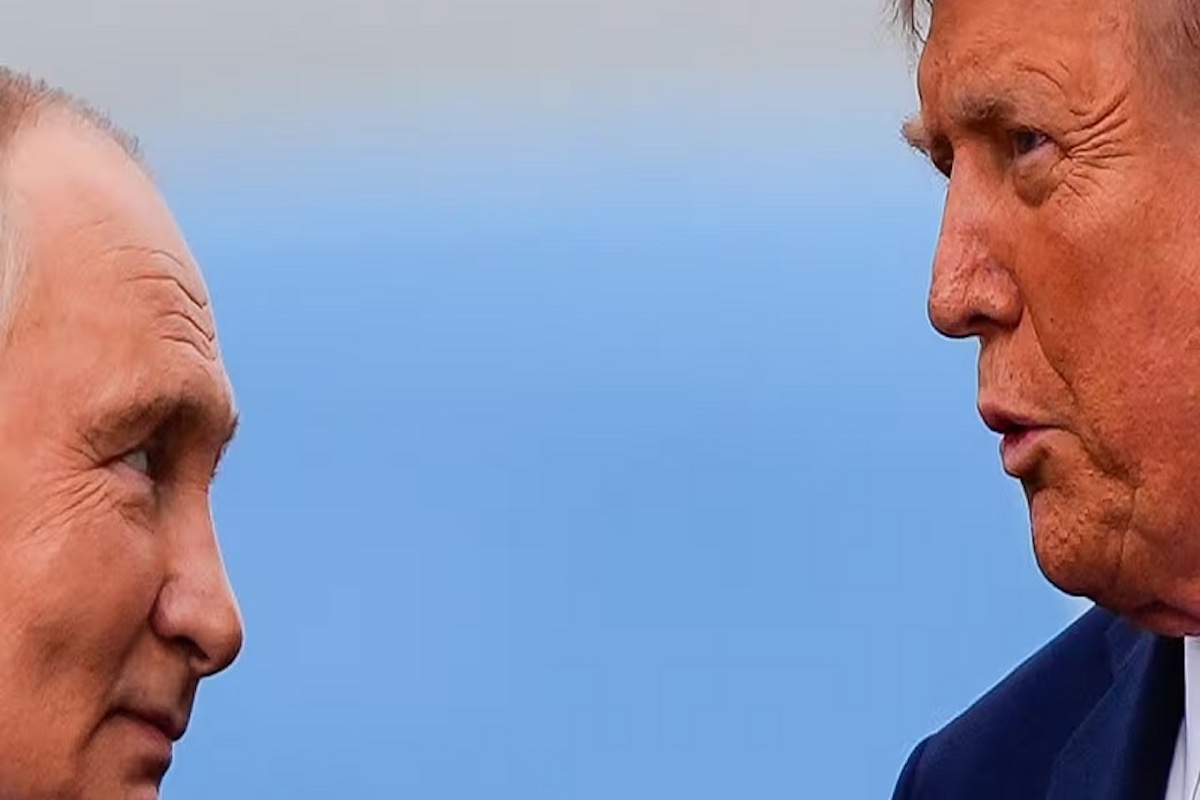
    In a strategically significant development, U.S. President Donald Trump and Russian President Vladimir Putin held their inaugural telephone discussion this year on Monday. The comprehensive dialogue addressed multiple pressing global issues, with particular emphasis on the ongoing Iran conflict and energy market dynamics.

    Kremlin senior aide Yury Ushakov characterized the exchange as “highly substantive” and “productive,” noting that conversations extended to matters concerning Ukraine, Venezuela, and the global energy landscape. This diplomatic engagement occurred alongside President Putin’s energy market consultations, where he reiterated Russia’s conditional willingness to maintain energy exports to European Union nations.

    President Putin articulated a nuanced position: “Should European entities demonstrate commitment to enduring, apolitical cooperation frameworks, Russia remains prepared to accommodate such partnerships.” This statement signals Moscow’s strategic pivot toward Asian markets while maintaining European export possibilities contingent upon sanction relief.

    The geopolitical calculus suggests potential collaboration between the powers. President Trump indicated openness to sanction modifications, stating post-conversation that imposed restrictions might be temporarily lifted during conflict resolution processes. Notably, the American leader acknowledged Putin’s potential constructive role in mediating the Iran confrontation, despite previously demanding Tehran’s unconditional surrender.

    This diplomatic movement coincides with internal White House deliberations regarding exit strategies from the Iranian engagement. With escalating oil prices and diminishing domestic support for military operations, administration advisors reportedly advocate for conflict de-escalation mechanisms.

    A potential resolution framework involves Russian custody of Iran’s highly enriched uranium stockpiles—a critical non-proliferation measure—in exchange for sanctions relief and peace negotiations in Ukraine. Such arrangement could simultaneously address nuclear concerns while facilitating global energy market stabilization through resumed Russian and Gulf energy exports.

    The proposed settlement would enable conflict resolution before U.S. midterm elections while advancing American strategic interests regarding Iranian energy resources, potentially creating future leverage scenarios in great power competition.

  • Efforts intensify to preserve and promote ethnic cultures in Xizang

    Efforts intensify to preserve and promote ethnic cultures in Xizang

    In China’s Xizang Autonomous Region, a comprehensive cultural preservation initiative is safeguarding the traditions of minority ethnic groups through innovative educational programs and cultural tourism integration. The efforts, highlighted by National People’s Congress deputies during the annual legislative session, demonstrate a multi-faceted approach to protecting vulnerable cultural heritage.

    Tashi Gyaltsen, the sole NPC deputy representing the Lhoba ethnic group, reports significant progress in preserving his community’s traditions. With only 4,300 members nationwide, the Lhoba people face particular challenges as they possess solely an oral language without written form. Local governments have implemented structured language programs including school courses and community night classes where elders serve as instructors, ensuring intergenerational knowledge transfer.

    The Doyu township government has allocated over 8 million yuan ($1.16 million) toward comprehensive cultural protection efforts encompassing language, history, traditional crafts, performing arts, and distinctive architecture. The recently expanded Lhoba Ethnic History Museum now serves as a cultural showcase, featuring exhibits from agricultural traditions to textile craftsmanship. However, authorities emphasize that preservation extends beyond museum walls, actively integrating Lhoba clothing, songs, and dances into educational curricula and daily life.

    Parallel developments are occurring among the Monba ethnic community in Metog county, where cultural commissioner Norbu Yangzom reports successful cultural-tourism integration. The county, home to approximately 8,500 Monba people within its 15,300 residents, has transformed traditional elements into experiential tourism products. Recent initiatives include establishing clothing factories, cultural shops, and culinary standardization programs that have identified eleven distinct Monba dishes for promotion.

    Metog’s transformation from isolation to popular destination exemplifies this cultural-economic synergy. As the last Chinese county connected by paved road (in 2013), the Himalayan region now attracts substantial tourism—hosting over 700,000 visitors in 2025 and generating approximately 470 million yuan in revenue. This development, coupled with rural revitalization policies, has dramatically increased visibility for previously little-known ethnic communities while creating sustainable frameworks for cultural preservation through economic participation.

  • French aid worker killed in drone strikes in rebel-held DR Congo city

    French aid worker killed in drone strikes in rebel-held DR Congo city

    A French humanitarian worker serving with UNICEF has been killed in a drone attack on the eastern Congolese city of Goma, which remains under rebel control. French President Emmanuel Macron confirmed the death of Karine Buisset in a social media statement, calling for “respect for humanitarian law” in the conflict-ridden region.

    The attack occurred early Wednesday morning when explosive drones struck a residential building frequently occupied by expatriates and aid workers near Lake Kivu. Witnesses reported hearing the distinct buzzing of drones followed by powerful explosions that tore through the structure, creating a large hole in the roof and scattering debris throughout the neighborhood. Social media footage showed flames engulfing the building as thick smoke billowed into the night sky, with panicked residents scrambling for safety.

    The targeted residence was located near the home of former DR Congo President Joseph Kabila, who has been sentenced to death for allegedly supporting the M23 rebels—charges he denies. The rebel group, which seized control of Goma early last year, condemned the attack as a “terrorist act” by government forces.

    Buisset’s colleagues remembered her as a deeply committed humanitarian passionate about child protection programs in the region. UNICEF Cameroon announced that UN flags would be flown at half-mast in her honor, stating “The humanitarian family mourns a woman of conviction.”

    The incident highlights the expanding use of drone warfare in DR Congo’s protracted conflict, which has displaced millions and drawn in regional powers. Both government forces and rebel groups have increasingly deployed explosive drones along front lines, despite multiple ceasefire agreements brokered over the past three years. The latest peace deal, signed in December at the urging of US President Donald Trump, has failed to halt the violence.

    International observers continue to accuse Rwanda of backing the M23 rebels—allegations that Rwanda denies. The conflict continues to devastate eastern DR Congo, with humanitarian workers facing increasingly dangerous conditions as the violence escalates.

  • Feral grass ‘changing the nature’ of Australia’s deserts, traditional owners warn

    Feral grass ‘changing the nature’ of Australia’s deserts, traditional owners warn

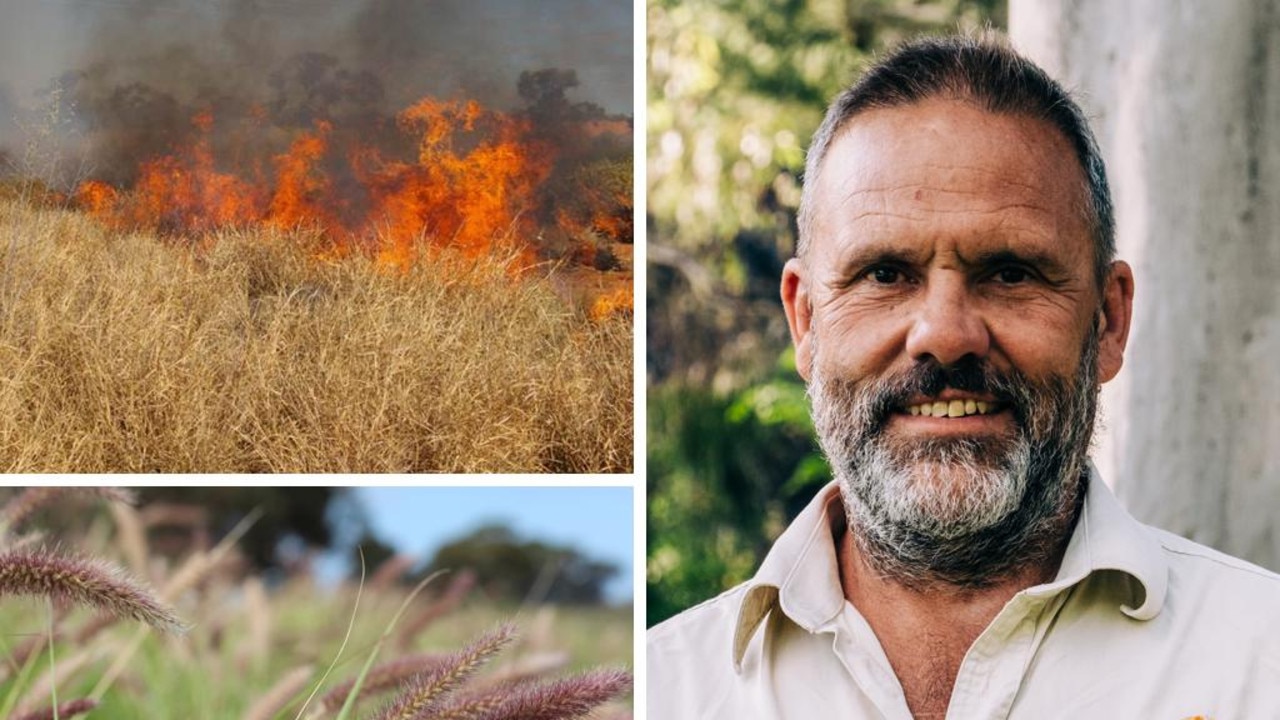
    A coalition of Indigenous leaders and environmental advocates is converging on Australia’s capital to demand urgent federal action against an invasive grass species that is fundamentally transforming the nation’s desert landscapes. The controversial buffel grass, originally native to Africa and parts of Asia, burns with unprecedented intensity and frequency, creating ecological havoc across Central Australia.

    Traditional owners have identified the plant as tjanpi kura (bad grass) or mamu tjanpi (devil grass) due to its destructive characteristics. The species spreads aggressively, choking waterways and creating dense fuel loads that result in catastrophic fires. These infernos reach temperatures and frequencies previously unknown to these ancient ecosystems, destroying centuries-old desert oaks and mulga trees that have long defined the region’s character.

    The federal government recently postponed a critical decision on whether to designate buffel grass as a Weed of National Significance—a classification that would trigger coordinated national response measures. This hesitation has prompted Indigenous Ambassador Richard Swain, a Wiradjuri man representing the Invasive Species Council, to characterize the situation as requiring immediate national leadership.

    Beyond the Northern Territory where it’s already declared a weed, buffel grass has established dominance across hundreds of kilometers in Central Australia and continues its expansion into Western Australia, South Australia, New South Wales, and Queensland. This geographical spread places numerous native species at risk and threatens First Nations cultural practices tied to the land.

    The delegation arriving in Canberra includes senators David Pocock and Sarah Hanson-Young alongside traditional owners. They advocate for a three-pronged approach: official designation as a Weed of National Significance, classification as a Key Threatening Process under national environmental law, and dedicated funding for a national coordinator position alongside a comprehensive action plan.

    Senator Hanson-Young emphasized the dual threat to both ecosystems and Indigenous culture, noting that worsened fire conditions endanger plants, animals, and communities simultaneously. Eastern Arrernte Traditional Owner Camille Dobson highlighted structural challenges, explaining that remote communities lack properly trained firefighters and equipment, while Aboriginal ranger programs remain chronically underfunded and overstretched despite being positioned as primary responders to the crisis.

  • Interwoven communities in China foster cultural unity and development, says national political adviser

    Interwoven communities in China foster cultural unity and development, says national political adviser

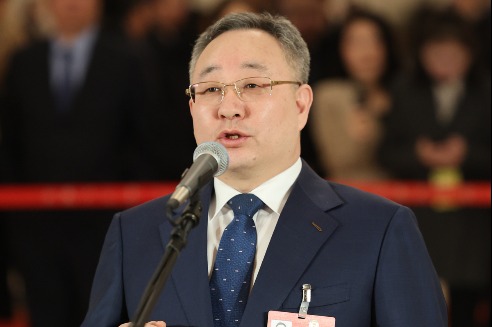
    During the closing proceedings of the 14th Chinese People’s Political Consultative Conference (CPPCC) National Committee session, a compelling narrative of China’s interwoven communities took center stage. Cui Haiyang, a CPPCC National Committee member and vice-president of Guizhou Minzu University, presented compelling evidence of how these ethnically diverse residential areas are transforming both cultural preservation and economic development across the nation.

    As an experienced researcher of ethnic cultures, Cui has extensively documented the social dynamics within Guizhou province’s ethnic regions. His findings reveal that these intentionally designed mixed communities—where Han, Miao, Bouyei, Tujia and other ethnic groups coexist—have evolved beyond mere residential spaces into vibrant hubs of cultural exchange and mutual economic advancement.

    The case study of a Bouyei woman identified as Yang illustrates this transformative impact. Relocated from remote mountainous terrain through poverty alleviation initiatives, Yang’s life has undergone remarkable changes. Where vehicle ownership was once an unattainable dream, car ownership has now become commonplace among community households. More significantly, Yang’s traditional skill in Bouyei eight-tone singing has gained formal recognition, earning her status as an intangible cultural heritage inheritor—a testament to how cultural preservation and modern development intersect within these environments.

    These communities operate on principles of mutual support, with neighbors assisting each other during agricultural seasons and daily life. Modern educational facilities serve children from all ethnic backgrounds, while integrated systems provide equal access to employment opportunities and developmental resources. This structural integration has fostered a collective dream-seeking environment where diverse ethnic groups jointly pursue better livelihoods.

    The underlying philosophy, as articulated by Cui, emphasizes that these communities enable people from different ethnic backgrounds to ‘take root and flourish’ through daily interactions and shared experiences. This approach has transformed basic survival aspirations into confident expressions of cultural identity and regional storytelling. These interwoven communities are increasingly regarded as practical manifestations of the Chinese nation’s shared future concept, demonstrating how cultural diversity can become a driving force for social harmony and economic progress.

  • Iran war has blocked the Strait of Hormuz, a vital oil chokepoint. Reopening it is a big challenge

    Iran war has blocked the Strait of Hormuz, a vital oil chokepoint. Reopening it is a big challenge

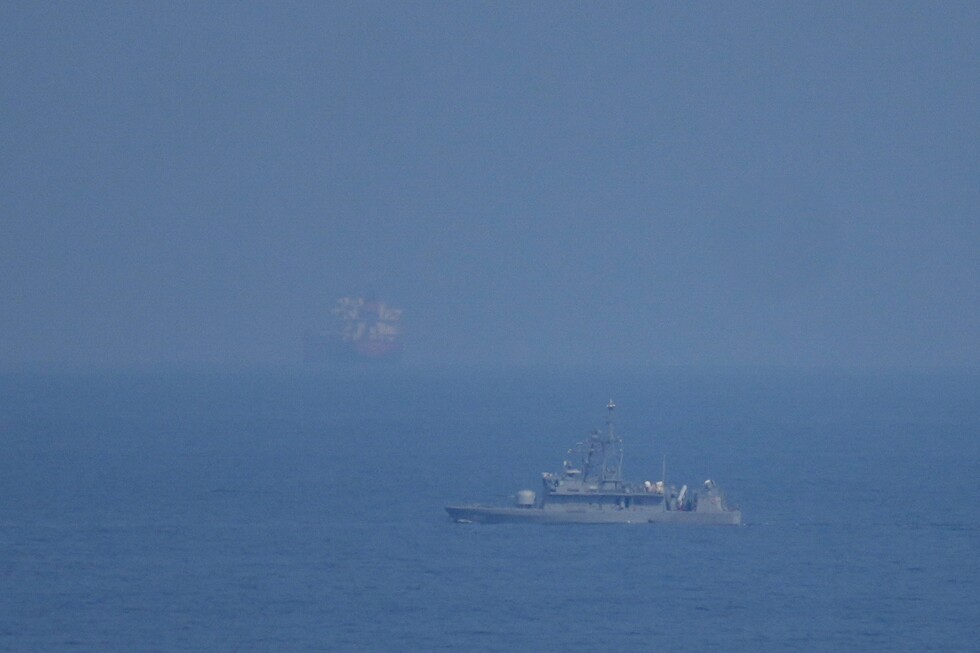
    The ongoing conflict in Iran has triggered a severe global energy crisis through the effective closure of the Strait of Hormuz, sending gasoline prices skyrocketing worldwide. This narrow maritime passage, vital for approximately 21 million barrels of oil daily, represents one of the most critical chokepoints for global energy transportation.

    French President Emmanuel Macron is spearheading international efforts to develop contingency plans for reopening the strategic waterway once hostilities subside. The proposed solution involves multinational naval forces providing armed escorts for commercial tankers and container vessels. However, military experts warn that any attempt to force reopening during active combat operations would prove catastrophic.

    Retired French Vice Admiral Pascal Ausseur characterized such efforts as “suicidal” under current conditions, noting that only a formal ceasefire could reduce the threat level from “suicidal to dangerous.” Naval strategists emphasize that the narrow shipping lanes leave vessels virtually defenseless against Iran’s sophisticated anti-ship capabilities.

    The international naval community has gained valuable experience from Red Sea operations against Houthi rebels, where French, American, and British forces successfully defended commercial shipping from drone and missile attacks. French frigates notably intercepted ballistic missiles while escorting container ships in 2024. However, experts unanimously agree that Iran presents a far greater threat than its Yemeni proxies, possessing advanced Chinese-developed anti-ship cruise missiles, drones, and naval mines that can target vessels throughout the strait and its approaches.

    Beyond military challenges, the economic viability of resuming shipments faces significant hurdles. Insurance premiums for Hormuz transit have reached unprecedented levels, described by France’s transport minister as “insane.” Maritime insurers indicate that rates for oil tankers now approach those charged for Ukrainian grain shipments during the Russia conflict. Industry experts note that even with naval protection, shipping companies cannot operate profitably with current insurance costs, creating a critical barrier to resuming energy flows through the region.

    Military analysts conclude that comprehensive elimination of Iran’s coastal offensive capabilities, coupled with continuous surveillance and intelligence operations, must precede any safe reopening attempt—a scenario unlikely to materialize in the immediate future.