博客

  • Nigerian film star Ogogo dies from cancer aged 66

    Nigerian film star Ogogo dies from cancer aged 66

    One of the most iconic figures in Yoruba-language cinema and a beloved veteran of Nigeria’s world-famous Nollywood industry, Taiwo Hassan — universally known by his stage name Ogogo — has passed away at the age of 66 following a battle with cancer.

    The news of his death was confirmed by his daughter, Kira Hassan, during a heartbreaking live broadcast on Instagram Sunday. Visibly emotional, Hassan shared that her family was still struggling to process the loss of their patriarch.

    Fellow Nollywood veteran Prince Jide Kosoko later shared details of Ogogo’s funeral arrangements, confirming that the actor will be laid to rest on Monday in his hometown in Ogun State, southwestern Nigeria, in accordance with Islamic burial customs that require interment shortly after death.

    Before rising to household-name status across Nigeria and beyond, Ogogo built an entirely different career working as a mechanic for 13 years at the Ogun State Water Corporation. He first began balancing his day job with acting roles in 1981, gradually building his reputation as a talented performer on screen. It was not until 1994 that he made the leap to full-time acting, devoting himself entirely to the craft he had grown to love.

    Over his decades-long career, Ogogo collected numerous industry awards and earned widespread critical acclaim for his standout performances. One of his most celebrated roles came in the hit film *Anikulapo*, where he portrayed the Alaafin of Oyo — the historically most powerful and revered monarch in Yorubaland — a role that cemented his status as one of Yoruba cinema’s most skilled and recognizable stars.

    In the wake of his passing, current and former colleagues, as well as generations of fans, have flooded social media with tributes honoring Ogogo’s legacy, his contributions to Nigerian film, and the warm personality that made him a favorite across audiences. Additional reporting for this story was completed by BBC News Yoruba.

  • Obstacles will prevent wider use of China’ new Arctic trade route

    Obstacles will prevent wider use of China’ new Arctic trade route

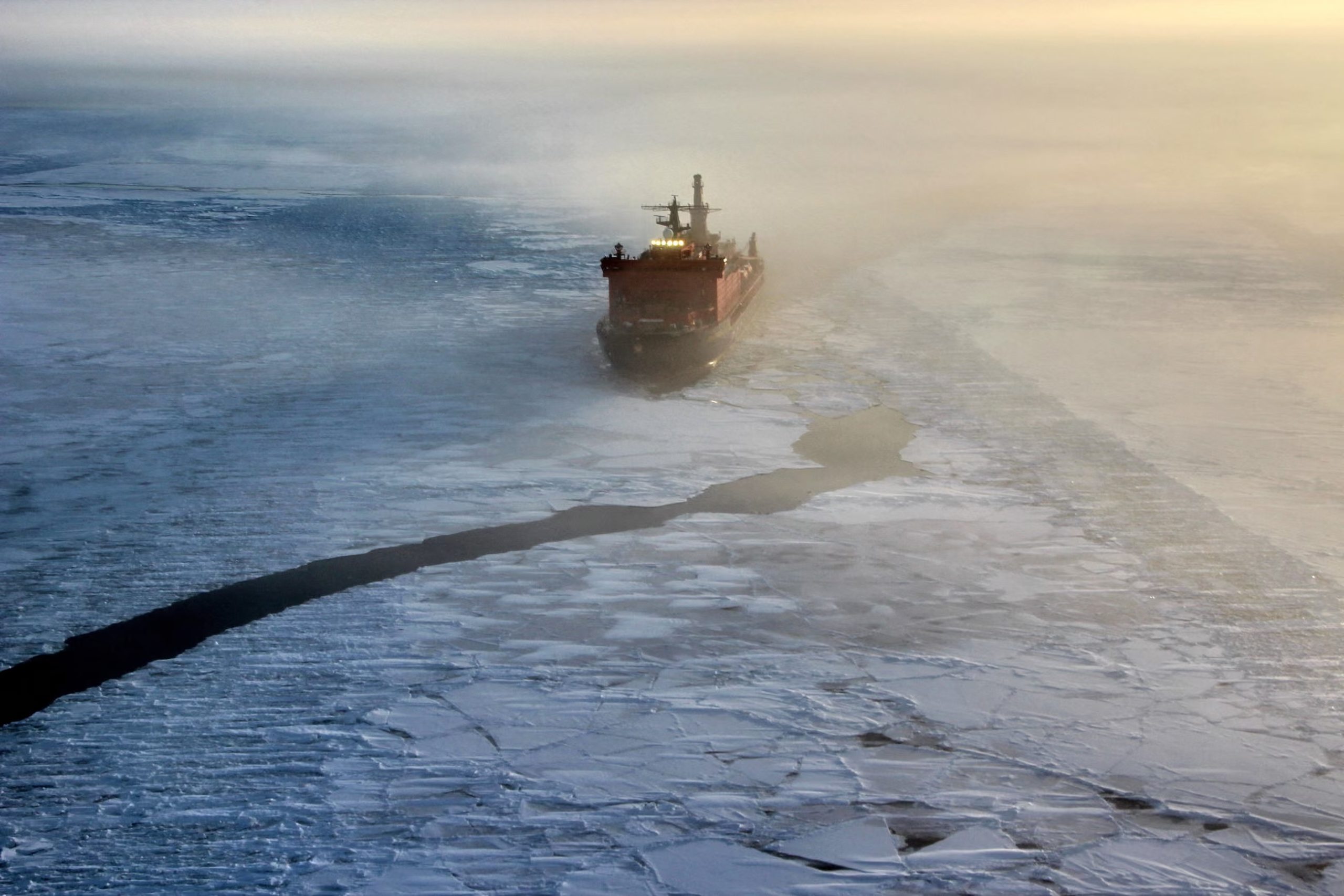
    Against a backdrop of heightened shipping insecurity through the Red Sea and decades-old geopolitical and climate shifts, Chinese shipping company Sea Legend has made a landmark announcement: the launch of the first regular container shipping service connecting China and Europe via the Arctic Northern Sea Route. This move follows a successful 2025 trial voyage, where a container vessel completed the journey from China’s Ningbo-Zhoushan Port to the United Kingdom’s Felixstowe in just 20 days, a milestone that has drawn sharp attention from shipping and policy circles across the Western world.

    Today’s growing interest in the Arctic route is directly tied to ongoing geopolitical instability in the Middle East. While ongoing tensions around Iran have not fully blocked traffic through the Suez Canal, they have drastically increased risk for commercial vessels transiting the Red Sea, disrupting the core trade artery connecting Europe and Asia. For carriers struggling with rising costs and uncertain delivery timelines, the Arctic route offers a compelling potential solution: it cuts total travel distance between the two continents by up to 40 percent, translating to lower fuel costs and faster delivery times. Yet major obstacles, both physical and geopolitical, continue to limit the route’s widespread adoption.

    The dream of a navigable Northern Sea Route has captured the attention of global policymakers for more than a century. The first major test of its strategic value came during the 1904–1905 Russo-Japanese War, when Russia’s Baltic Fleet was forced to abandon plans to surprise Japanese forces via the icy Siberian Arctic waters. Instead, the fleet sailed thousands of miles around the Cape of Good Hope, across the Indian Ocean to East Asia, where it was ultimately destroyed by the Japanese Navy at the Battle of Tsushima Strait.

    After the 1917 Russian Revolution, Soviet planners prioritized systematic surveys of Russia’s northern Arctic coast. Soviet leaders framed the route as critical to expanding industrial development across Russia’s far northern regions, and as Cold War tensions escalated after 1945, it became a key strategic asset for building out northern military infrastructure. It was not until 1987, as Cold War tensions began to ease, that Soviet leader Mikhail Gorbachev first proposed opening the passage to commercial traffic from foreign nations.

    Shortly after Gorbachev’s announcement, the International Northern Sea Route Program—a collaborative research effort between Japanese, Norwegian, and Russian institutions—was launched to build the scientific and technical foundation for commercial shipping in the region. The program’s findings confirmed the route’s potential but also outlined severe physical and technical limitations: shallow waters in eastern sections of the route and persistent year-round ice imposed strict size limits on passing vessels. At the time, researchers calculated the maximum safe deadweight tonnage for vessels using the route was between 20,000 and 50,000 tons, far smaller than the 70,000 to 80,000-ton container ships that were being rolled out on major global trade routes by the late 1990s.

    Over the past three decades, rapid climate change has dramatically altered the Arctic’s landscape. The region is warming at almost three times the global average rate, leading scientists to project that the Arctic Ocean could see its first completely ice-free summer as early as 2030. While this warming has triggered catastrophic harm for Arctic wildlife, coastal infrastructure, global climate systems, rising sea levels, and the traditional way of life for the 400,000 to 500,000 Indigenous people who call the region home, it has also drawn growing global interest to the newly accessible Northern Sea Route.

    Several major East Asian economic powers have already integrated development of the route into their official Arctic policy frameworks, and all three—China, Japan, and South Korea—possess the domestic shipbuilding capacity to construct the heavy icebreakers that remain essential for Arctic navigation, a capability the United States has struggled to maintain in recent years following decades of declining domestic shipbuilding output. Earlier in 2026, South Korea passed sweeping legislation to redevelop its southern port of Busan as a major hub for Arctic shipping, and in mid-August announced plans to launch its own trial container transit of the route this September. The planned trial has sparked quiet concern among European diplomats, as it requires close coordination with Russian authorities to complete.

    Of all non-Arctic nations, China has emerged as the most proactive in advancing development of the Northern Sea Route. For Beijing, the route offers a critical alternative to the congested, strategically vulnerable Malacca Strait, which currently handles roughly 80 percent of China’s imported oil and the vast majority of its overall trade volume. In 2018, China launched the Polar Silk Road initiative as part of its broader Belt and Road global infrastructure project. After decades of scattered trial transits by Chinese vessels, primarily between China and Russia, Sea Legend’s new regular service to Europe marks a key turning point from experimental voyages to established commercial operations.

    Japan also views the Arctic route as a strategically important energy shortcut, with deep-water ports on Hokkaido and Honshu ideally positioned to serve as import hubs for Arctic liquefied natural gas. Still, Japan has adopted a far more cautious approach than its neighbors, shaped by its longstanding tense diplomatic relations with Russia.

    Despite growing interest and climate-driven changes to the Arctic, multiple operational, economic, and geopolitical barriers still prevent the Northern Sea Route from becoming a mainstream alternative to conventional trade routes. Currently, the route remains only navigable during a narrow window in late summer, with ice conditions and weather varying dramatically from year to year. Vessels require reinforced hulls, specially trained crews, and official permits to transit, and Russian law mandates that all commercial vessels be escorted by Russian icebreakers through sections of the route.

    Additionally, shipping insurers charge steep premium rates for voyages along the route, in large part because the region lacks sufficient emergency response infrastructure to address accidents or mechanical failures. While further Arctic warming may ease some operational constraints over time, it will not eliminate the region’s inherent natural hazards.

    Geopolitics adds an additional layer of friction. Widespread Western sanctions and diplomatic tension with Russia have discouraged European shipping firms from engaging with Northern Sea Route development, leaving East Asian nations to lead the push for commercialization. For the foreseeable future, the Northern Sea Route remains far less a full replacement for the Suez Canal and far more a seasonal, high-stakes alternative—blocked as much by geopolitical divides as it once was by physical sea ice.

  • Watch: Wildfire seen near Reno as tens of thousands told to evacuate

    Watch: Wildfire seen near Reno as tens of thousands told to evacuate

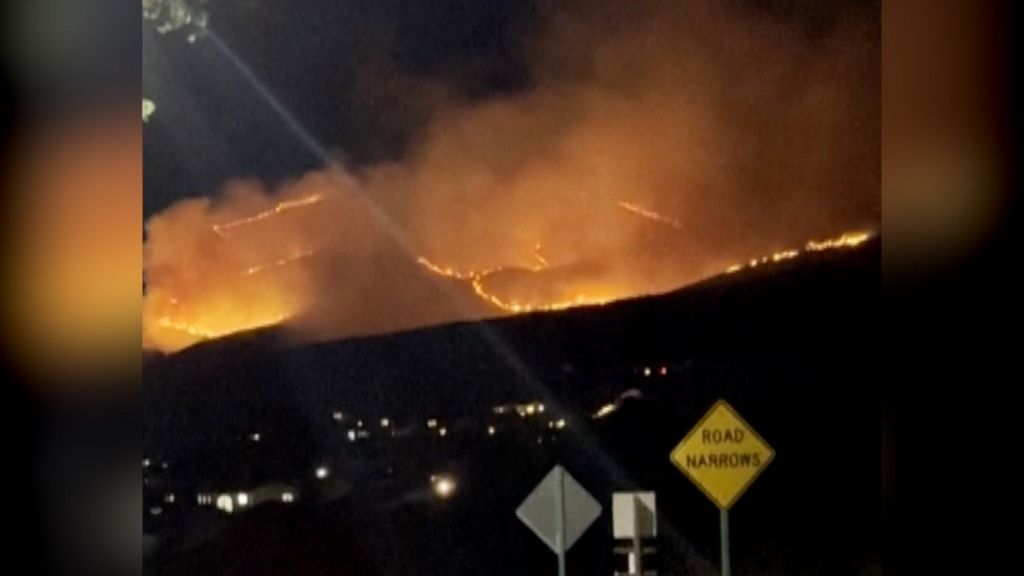
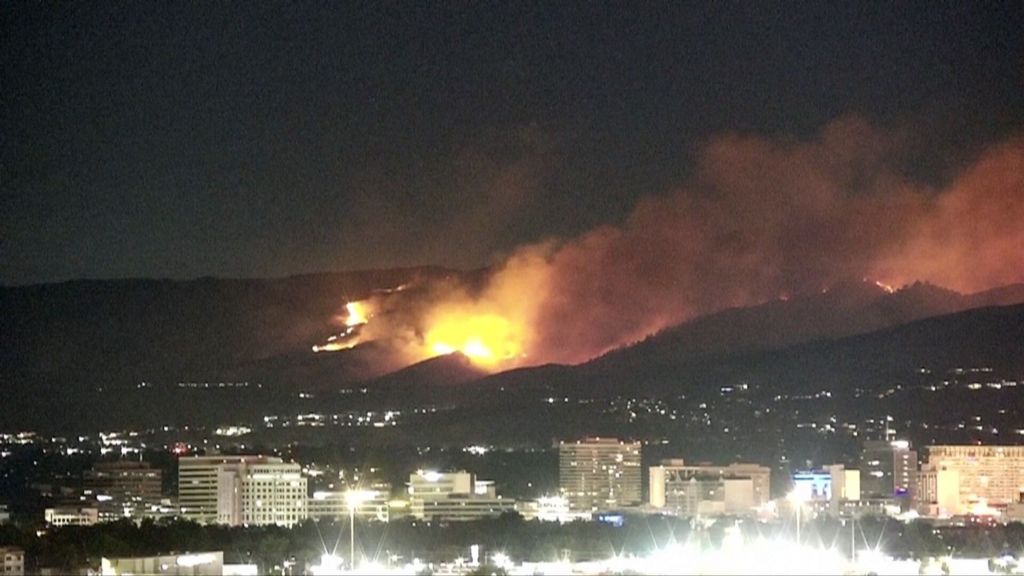
    A rapidly expanding wildfire burning on the outskirts of Reno, Nevada has forced emergency officials to issue mandatory evacuation orders for tens of thousands of residents, as dangerous fire conditions continue to push the blaze closer to populated areas. Video footage captured from the region shows thick plumes of dark smoke billowing into the sky over the Reno metropolitan area, with visible flames advancing through dry brush and vegetation that have primed the landscape for explosive fire growth this season. Local emergency management agencies activated their full response protocols immediately after the fire broke out, urging residents in at-risk zones to leave their homes quickly and relocate to designated emergency shelters set up across the region. The evacuation orders cover multiple residential neighborhoods on Reno’s northern and western edges, affecting tens of thousands of people who have been told not to return until fire crews have fully contained the blaze. Officials have warned that warm temperatures, low humidity and strong gusty winds are creating extremely challenging conditions for fire crews working to slow the fire’s advance, and have asked the public to avoid the affected area to let emergency responders do their work safely. This wildfire is the latest in a string of large blazes burning across the western United States, where prolonged drought and a warming climate have lengthened the wildfire season and increased the risk of extreme fire events.

  • Dutch say won’t participate in ‘no longer’ neutral Eurovision

    Dutch say won’t participate in ‘no longer’ neutral Eurovision

    In a move that underscores deepening geopolitical rifts within the world’s most watched live music competition, Dutch public broadcaster AVROTROS announced Monday that the Netherlands will not participate in the 2026 Eurovision Song Contest, arguing the event can no longer claim political neutrality amid ongoing divisions over the Gaza war. Taco Zimmerman, AVROTROS Director-General, framed the withdrawal as a values-driven decision in an official statement, noting that international conflicts have steadily eroded the contest’s long-held apolitical identity and transformed it into a stage for global division.

    The Netherlands’ exit comes amid a growing boycott movement targeting Eurovision over its decision to allow Israel to compete in recent years. Earlier this month, contest organizers introduced a new rule barring countries actively engaged in armed conflict from hosting the competition, but Zimmerman emphasized that this incremental policy shift does not go far enough to repair Eurovision’s damaged neutral standing. “The recently announced changes… do not provide sufficient confidence that the independent and neutral character of the Eurovision Song Contest has been restored,” the AVROTROS statement read.

    Next year’s competition, scheduled for May 15 in Bulgaria’s Black Sea coastal city of Burgas, will mark the first time the Balkan nation has hosted the event. The hosting opportunity follows Bulgarian singer Darina Yotova, professionally known as Dara, claiming victory at the 2025 contest held in Vienna with her upbeat dance hit “Bangaranga”.

    Founded in 1956, Eurovision has grown from a small post-war European collaboration into a global cultural phenomenon, launching the careers of legendary acts ranging from Swedish pop icons ABBA to Grammy-winning vocalist Celine Dion. The 2025 contest drew 131 million global viewers, a sharp drop of 35 million from the 2024 edition after five countries boycotted over Israel’s participation. The Netherlands joined Iceland, Spain, Ireland, and Slovenia in withdrawing from the 2025 contest, with the latter three countries refusing to broadcast the event at all.

    The Netherlands boasts one of the longest legacies in Eurovision history, having competed in the very first contest in 1956 and claimed the top prize five times across the decades. The nation’s most recent victory came in 2019, when Duncan Laurence’s ballad “Arcade” took first place before going on to become the first Eurovision entry in history to hit one billion streams on Spotify, per official contest data.

    Zimmerman described the decision to withdraw as a painful one for Dutch public broadcasting, which has deep historical ties to the competition. “It is painful as we would have very much liked to be part of the Contest again next year,” he said. “As a public broadcaster, we remain committed to our values. They guide us in everything we do, even when that means stepping away from an event that is very close to our hearts.”

  • Nearly 90,000 told to evacuate as wildfire approaches Reno, Nevada

    Nearly 90,000 told to evacuate as wildfire approaches Reno, Nevada

    A rapidly spreading human-caused wildfire has pushed into the outskirts of Reno, Nevada, triggering one of the largest mass evacuation orders in the region’s recent history and prompting an official state of emergency.

    As of Sunday evening, more than 42,000 local residents had been ordered to evacuate their properties immediately, while an additional 45,000 people were placed under preliminary evacuation warnings to prepare to leave at a moment’s notice. Local emergency management officials confirmed the blaze was first documented at 11:15 a.m. local time on Saturday, and already the uncontrolled fire has scorched approximately 10,500 acres of land with zero containment achieved as of the latest update.

    Six people have been injured in the fire’s progression, including three emergency responders who were on the front lines battling the blaze. The unpredictable growth of the wildfire has been largely driven by erratic, windy conditions that have made containing and extinguishing the blaze extremely challenging for firefighting teams.

    In response to the crisis, Nevada Governor Joe Lombardo issued an official state of emergency for Washoe County, activating the Nevada National Guard to support firefighting operations and local law enforcement. A total of 72 Guard personnel, alongside a Chinook heavy-lift helicopter and a Black Hawk utility helicopter, have been deployed to assist with the response. Local emergency services have established two temporary shelters to accommodate the thousands of displaced residents, with roughly 13,700 homes falling within the mandatory evacuation zone.

    In coordination with emergency response efforts, all but one public school in Washoe County will remain closed on Monday, and major road closures have been implemented across the affected region to restrict access to dangerous areas and clear routes for emergency vehicles.

    Reno, a city of roughly 280,000 residents located in western Nevada near the California state line, has seen visible plumes of smoke rising across the cityscape as the fire advances, putting communities on edge amid the fast-changing crisis. Governor Lombardo emphasized the dynamic nature of the emergency in his public statement, urging residents in impacted zones to stay alert, monitor official updates, and strictly follow guidance from local public safety officials.

    The blaze, confirmed by local authorities to be human-caused, marks another major early-season wildfire event in the western United States, where dry conditions and shifting weather patterns have increased wildfire risk across the region in recent years.

  • Four arrested over boxing champion’s murder in South Africa

    Four arrested over boxing champion’s murder in South Africa

    South African law enforcement officials have taken four people into custody in connection with the fatal shooting of celebrated two-time world boxing champion Zolani Tete, who was killed in an ambush outside his Eastern Cape home last Friday. The 38-year-old former titleholder, who had recently completed a four-year doping ban and was actively training for a much-anticipated comeback to the ring, was gunned down in Mdantsane as he waited in his vehicle for his residential gate to open. A 27-year-old woman who was travelling with Tete was also wounded in the attack and remains hospitalized for treatment.

    According to official accounts of the incident, two armed attackers wearing balaclavas exited a separate vehicle and opened fire with multiple rounds at Tete and his passenger. The first suspect, a 22-year-old man taken into custody on Saturday, is scheduled to make his initial court appearance on Monday, where he will face formal charges of murder and attempted murder. The three remaining suspects were arrested on Sunday, and are set to appear in court this coming Tuesday. Two of these three suspects are already facing charges of unlawful possession of firearms and ammunition, though it has not yet been confirmed whether they will also face murder and attempted murder charges connected to Tete’s killing.

    Tete leaves behind a decorated combat record in professional boxing, with a career total of 29 wins, four losses, and one no-contest ruling across 34 bouts. He claimed his first world title in 2014, when he won the IBF super-flyweight belt, before holding the WBO bantamweight crown from 2017 to 2019. He also secured a place in Guinness World Records for the fastest knockout in the history of professional title fights, stopping his opponent Siboniso Gonya just 11 seconds into their 2017 bout. Tete fought eight times across the United Kingdom during his career, including memorable bouts against Paul Butler in 2015 and Jason Cunningham in 2022. That 2022 knockout win over Cunningham was later overturned to a no-contest after Tete tested positive for the anabolic steroid stanozolol, leading UK Anti-Doping Agency to issue a four-year competition ban that expired just last month.

    In the weeks following the end of his ban, Tete had returned to full training to prepare for a comeback fight, his manager Mla Tengimfene confirmed following his death. Since news of the champion’s killing broke, tributes have poured in from across South Africa’s sporting and political communities. South Africa’s current Sports Minister Gayton McKenzie called the loss a devastating blow for the nation, saying “South Africa has lost one of the finest fighters it has ever produced.” Former Sports Minister Fikile Mbalula also honored Tete’s legacy, remembering him as a “great South African who has made an immense contribution in the sport of boxing”.

  • King of Norway’s health has worsened, palace says

    King of Norway’s health has worsened, palace says

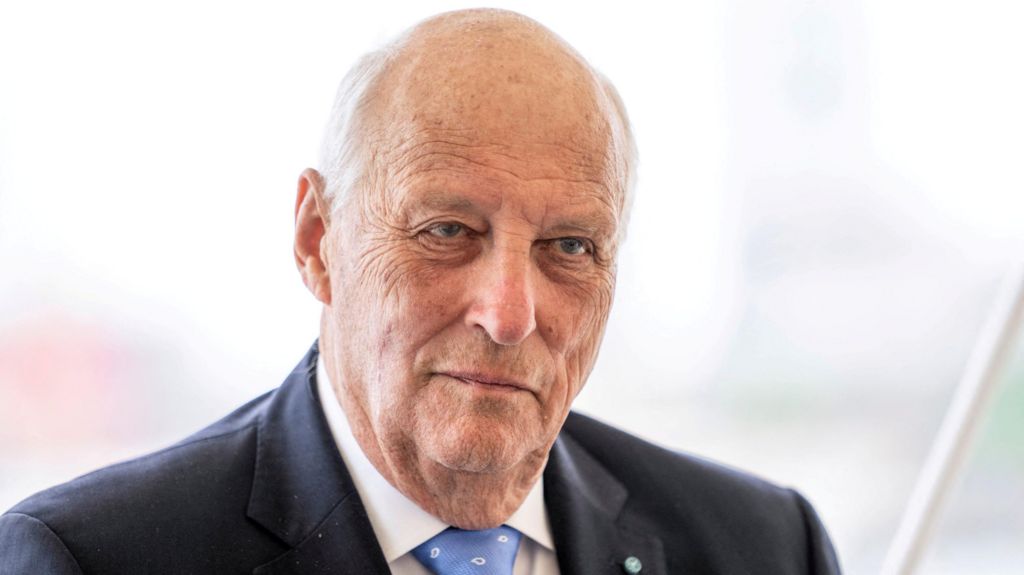
    Oslo, Norway – The Norwegian Royal Palace has announced a concerning update for the nation’s 89-year-old monarch, King Harald V: his overall health has deteriorated while he remains hospitalized to treat a life-threatening bacterial bloodstream infection. Though the king’s condition has taken a turn for the worse, palace officials confirmed that he has shown a measurable positive response to ongoing antibiotic treatment administered at Oslo’s Rikshospitalet, Oslo University Hospital. To prioritize his recovery, King Harald will extend his leave from all official royal duties until a new health assessment is completed, with no timeline set for a return to public service. This extended sick leave comes exactly one week after the monarch was first admitted to the medical center and stepped back from his obligations. King Harald, who has held the Norwegian throne since 1991, has already managed a series of chronic health issues in recent months. For several weeks, he has undergone cortisone treatment for hemolytic anemia, a rare blood disorder that lowers red blood cell counts, leaving affected patients struggling with persistent fatigue and shortness of breath. As the king continues his recovery, his 53-year-old son, Crown Prince Haakon, has stepped into the role of regent to carry out official royal functions on his father’s behalf. The current health update for King Harald caps a turbulent and deeply challenging 2026 for the entire Norwegian royal family. Just two months prior, in June, Crown Princess Mette-Marit – wife of Crown Prince Haakon – underwent a life-saving lung transplant. The procedure came eight years after she was diagnosed with a rare form of pulmonary fibrosis, a progressive and irreversible lung condition. The transplant was carried out just 48 hours after a Norwegian court handed down a four-year prison sentence to Marius Borg Høiby, Mette-Marit’s 29-year-old son, following his conviction on two counts of rape. Høiby, who was four years old when his mother married Crown Prince Haakon and holds no formal royal title, has consistently denied the most serious charges against him, and his legal team has confirmed they intend to appeal the conviction and sentence. Earlier this year, public tensions also rose after newly released documents exposed multiple years of personal contact between Mette-Marit and the late convicted sex offender Jeffrey Epstein. The Crown Princess subsequently issued a public apology to King Harald and Queen Sonja for her three-year friendship with Epstein, acknowledging she had exercised “poor judgment” in maintaining the relationship. In a televised national address, she added that she deeply regretted the connection and wished she had never met Epstein. Political observers and royal analysts note that the string of overlapping personal and health crises has put the Norwegian monarchy under an unprecedented level of public scrutiny this year, as the nation adjusts to a temporary shift in royal leadership during King Harald’s extended recovery.

  • Bessent says new US sanctions aim to block all potential sources of revenue for Iran

    Bessent says new US sanctions aim to block all potential sources of revenue for Iran

    The United States has launched a new round of harsh economic penalties against Iran, with Treasury Secretary Scott Bessent announcing Monday that the measures are designed to cut off every potential revenue stream for Tehran, warning any nation maintaining economic ties with the Iranian government will face U.S. retaliation.

    In remarks to a Washington press conference, Bessent emphasized that operating in ambiguous gray economic zones related to the ongoing Middle East conflict is no longer tolerated by the U.S. “Let there be no ambiguity as to the position of the United States,” he stated. “An economic engagement of any kind with this murderous regime will expose those responsible to the full reach of American power.”

    While Bessent declined to name specific countries that could face secondary U.S. sanctions, the move targets China, Turkey, and the United Arab Emirates—Tehran’s three largest remaining trade partners. Just one week before the announcement, the UAE, long a key hub for Iranian imports, already suspended all bilateral trade with Iran in a pre-emptive step to comply with the incoming U.S. measures.

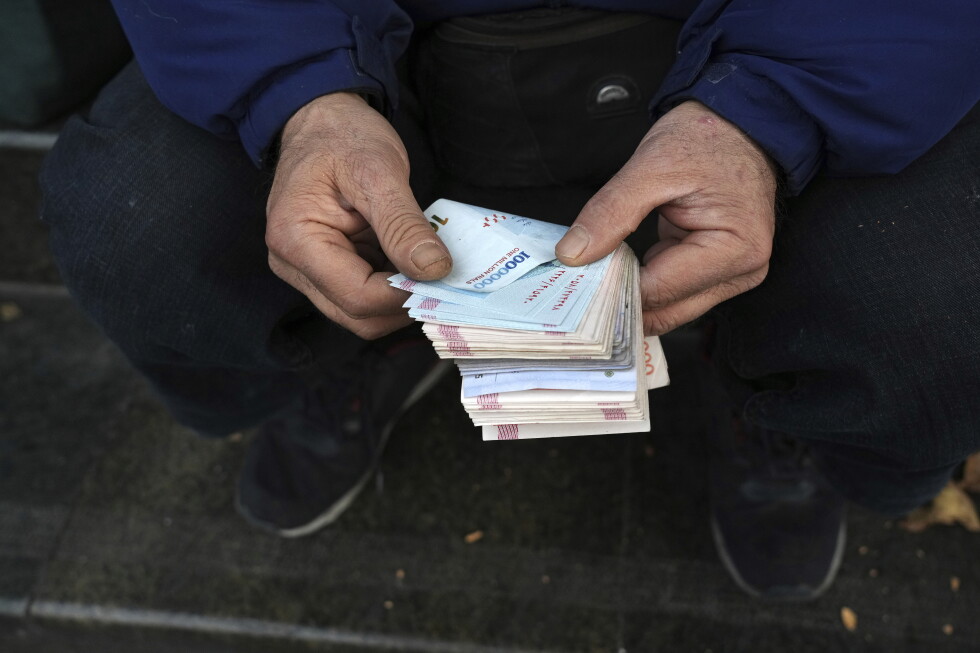
    The announcement comes as Iran’s national currency, the rial, has plummeted to an all-time historic low. When currency markets opened Monday, the free-market exchange rate hit 2.02 million rial to one U.S. dollar, far outstripping the Iranian central bank’s official pegged rate of roughly 1.5 million rial to the dollar, which has little bearing on most ordinary Iranians’ daily transactions.

    Economic pressures on Iran have been mounting for months: even before the U.S. and Israeli military strike on Iran on February 28, the country was grappling with double-digit inflation and negative GDP growth. Nearly six months of open conflict have worsened the crisis, pushing the rial to repeated record lows and making basic food staples unaffordable for many Iranian households. Since the outbreak of war, domestic rice prices have surged roughly 60%, while beef prices have jumped more than 150%. The International Monetary Fund now projects Iran’s gross domestic product will contract by more than 5% this year.

    To date, however, crippling economic pressure has failed to translate into meaningful domestic political pressure on the Iranian regime, which has retained a critical strategic leverage over global energy markets by shutting down most traffic through the Strait of Hormuz— the strategic waterway that carried one-fifth of the world’s traded oil before the conflict began. Iran’s repeated attacks and threats against commercial shipping in the strait have brought transit to a near-standstill, inflicting widespread damage on the global economy and increasing political pressure on U.S. President Donald Trump ahead of upcoming congressional elections.

    The conflict has since devolved into a standoff over control of the key waterway. Tehran has refused to fully reopen the strait to international traffic unless it is allowed to charge transit fees to commercial vessels. Regional diplomatic efforts are ongoing: Tehran and Muscat are reportedly in the final stages of negotiating a joint management plan for the strait, and Oman’s foreign minister is scheduled to travel to Tehran Tuesday to advance the talks.

    The Trump administration says the expanded sanctions are an effort to break the current impasse. Ahead of Bessent’s announcement, Trump took to social media to declare, “IRAN IS COMPLETELY COLLAPSING!!!” In a Sunday opinion piece published in the *Financial Times*, Bessent argued that Trump’s existing policies have already gutted Iran’s economy to an unprecedented degree. “President Trump decimated Iran’s economy to a point where the rial has never been weaker and inflation has rarely been higher,” Bessent wrote. “The regime’s final refuge now lies in the self-deception of fearful nations that still believe accommodating aggression can secure a durable peace.”

    Iran has already warned that it will respond harshly to the new U.S. measures. “Any escalation of this situation will undoubtedly bring about consequences,” Iranian Foreign Ministry spokesperson Esmail Baghaei told reporters in Tehran Monday. “Our hands are not tied,” he added.

    Amid rising escalation, regional diplomatic efforts to de-escalate tensions continue. Pakistan, which brokered a 60-day ceasefire between Washington and Tehran in June, has sent a high-level delegation headed by army chief Field Marshal Asim Munir to Tehran Monday, with the goal of encouraging both sides to return to negotiating the table. Two senior Pakistani officials confirmed the trip on condition of anonymity, as they were not authorized to speak publicly about the sensitive diplomatic mission.

    A person familiar with private discussions confirmed to reporters that Trump spoke with Munir ahead of the army chief’s trip to Iran, a conversation first reported by Reuters citing Pakistani sources. Pakistan’s military has only publicly confirmed Munir’s visit, saying its goal is to reduce regional tensions. Munir was accompanied by Pakistani Interior Minister Mohsin Naqvi and other senior security and diplomatic officials, and met with Iranian Interior Minister Eskandar Momeni shortly after arriving in Tehran. He is expected to stay overnight in the Iranian capital for additional meetings with Iranian President and other top government officials before returning to Pakistan. This marks Munir’s second trip to Tehran this year; his May visit helped lay the groundwork for the June ceasefire memorandum signed by the U.S. and Iran.

    For many ordinary Iranians, however, there is little optimism for a near-term resolution to the crisis. In downtown Tehran, 73-year-old Sadegh Mahmoudi told reporters he joined a queue of a dozen Iranians to exchange his remaining rial savings for U.S. dollars to protect his savings from further devaluation. “There is no hope for a deal and peace,” he said.

  • AFL 2026: Carlton defender Billy Wilson wins Rising Star nomination

    AFL 2026: Carlton defender Billy Wilson wins Rising Star nomination

    AFL side Carlton’s remarkable late-season resurgence has unearthed another exciting young talent, with 22-year-old defender Billy Wilson named the club’s fourth Rising Star nominee of the current campaign. Wilson’s nomination comes off the back of a standout performance against ladder-topping Fremantle in Round 24, capping a stunning breakout season that few could have predicted when head coaching changes rocked the club earlier this year.

    Before new coach Josh Fraser took over the senior role from Michael Voss, Wilson had only featured in a single senior game for the Blues. But under Fraser’s leadership, which has been credited with erasing the culture of fear of failure that had lingered under the previous regime, Wilson has evolved into one of Carlton’s most reliable and impactful players across the halfback line. He is now part of a wave of promising young talent including Jagga Smith, Harry Dean and Talor Byrne that is driving the club’s return to finals contention.

    What many fans do not know is that four-fifths of this exciting young cohort already live and breathe Carlton football together on a daily basis. Wilson shares a home just a short walk from Carlton’s training ground with teammates Harry Dean, Talor Byrne and Flynn Young, and the group has developed a quirky pre-game ritual that they credit for their consistent on-field form: a shared pesto rigatoni pasta with chicken ahead of every match.

    “We’ve stuck with the same routine all season, and we’ve won a lot of games eating this pasta – it’s just pesto rigatoni with some chicken,” Wilson explained in an interview after his Rising Star nomination was announced. “I jump in to help here and there, but Flynn Young is definitely the head chef of the house – he loves cooking for all of us.”

    Off the field, the young group keeps a surprisingly low profile compared to many young professional athletes. Wilson says aside from Dean and Byrne occasionally zooming around the house to burn off excess energy late in the day, the household is quiet and focused on preparation. “We’re a pretty cruisy, measured group,” Wilson said. “Most nights before a game, we just end up sitting down to watch some old footy together. We don’t get up to much crazy stuff, that’s for sure. We’re all just really excited to be here, and we can’t wait for what comes next.”

    Carlton will now face Melbourne in a wildcard final this week, a knockout match that marks the club’s return to finals football after years of rebuilding. Wilson acknowledges that this weekend’s contest carries more weight than a standard regular-season game, but says the entire squad is ready to lean on the roaring support of Carlton fans to push for an upset win.

    “At the end of the day, our job is still just to go out and play the footy we’ve been playing,” Wilson said. “All we need is for our supporters to get behind us, and that’s what’s really driving us right now. We’re ready for the challenge.”

  • Insurance shows Hormuz is a balance sheet, not just a battlefield

    Insurance shows Hormuz is a balance sheet, not just a battlefield

    When discussing the ongoing crisis in the Strait of Hormuz, raw missile counts and military deployments tell only a small fraction of the story. The most revealing metric of the current instability can be found not in defense briefings, but in global shipping insurance ledgers.

    Before the latest escalation of tensions, war-risk premiums for tankers transiting the strategic waterway averaged just 0.15% of a vessel’s total value – a negligible expense that rarely registered on shipping company balance sheets. At the peak of conflict this year, however, that same premium skyrocketed to between 5% and 10% of a tanker’s value, with some reports noting brief spikes thousands of times higher than pre-crisis levels.

    To put that surge in perspective: for a $100 million supertanker, the cost of war-risk insurance jumped from $150,000 per one-way voyage to between $5 million and $10 million per trip. This pricing shock has gutted commercial traffic through the strait, which carries roughly a fifth of global oil supplies. Where daily transits once averaged around 178 vessels, traffic fell by as much as 95% at the most tense points of the crisis.

    This quiet disruption reveals a core reality of Iran’s asymmetric strategy: Tehran does not need to formally close the Strait of Hormuz to achieve its geopolitical goals. It only needs to inject enough uncertainty into the market to push global underwriters to pull coverage or raise costs to prohibitive levels, turning the private insurance industry into an unintended ally of Iranian policy.

    ### A Problem Military Power Cannot Fix
    For decades, U.S. strategy in the Persian Gulf has rested on a single core assumption: overwhelming naval force would deter aggression and keep commercial shipping lanes open. This framework worked for generations, but it has failed to address Iran’s unorthodox approach.

    Instead of building a conventional fleet to match U.S. naval power, Iran has invested in asymmetric capabilities: naval mines, fast attack craft, drones, and anti-ship missiles. These weapons are not designed to win a full-scale war against the U.S. Instead, their purpose is to generate enough persistent risk to force London-based Lloyd’s of London underwriters to reprice the cost of transiting the strait, until shipping companies choose to avoid the route entirely.

    This reality explains why traditional U.S. responses – naval escort missions and the Trump administration’s $40 billion reinsurance backstop through the International Development Finance Corporation – have only treated the symptoms of the crisis, not its root cause. While escorts can get individual vessels through the strait, they do little to convince global underwriters that the region has returned to sustainable safety. As a Crisis Group analyst bluntly notes, there is no military solution to this standoff: the strait will only fully reopen through negotiation, not show of force.

    This is the essence of the current asymmetric standoff: Iran cannot defeat the U.S. Navy, and it has no intention of trying. It only needs to rattle global insurance markets long enough to make “freedom of navigation” too expensive for U.S. partners to sustain.

    ### The High Cost of Every Policy Path
    None of Washington’s available policy options come without significant tradeoffs. Further military strikes risk targeting critical Gulf energy infrastructure, which would only drive risk premiums even higher. Decades of economic sanctions have proven they can cripple Iran’s economy, but they have failed to force Tehran to surrender to U.S. demands.

    Negotiation remains a viable path, with recent reporting indicating that new Iranian President Masoud Pezeshkian has internally pushed to de-escalate the confrontation from a position of strength, opposing hardline factions that favor continued tensions. Yet neither Washington nor Tehran has been willing to appear as the first party to back down – a dynamic that led to the quick collapse of the Islamabad Memorandum ceasefire. While the deal managed temporary political de-escalation, it failed to address the underlying economic reality: every new attack on commercial shipping resets market risk pricing from scratch.

    ### Pakistan’s Overlooked Stakes in the Hormuz Crisis
    Most analysis of Pakistan’s role in the crisis focuses on its obvious positioning: it shares a border with Iran, maintains security ties with Gulf states, has deep economic links to China, and preserves working relations with Washington, leading it to adopt a hedging stance. But this framing misses the direct economic impact that a Hormuz insurance shock has on Pakistan’s own economy, as well as the unique opportunities the crisis creates for Islamabad.

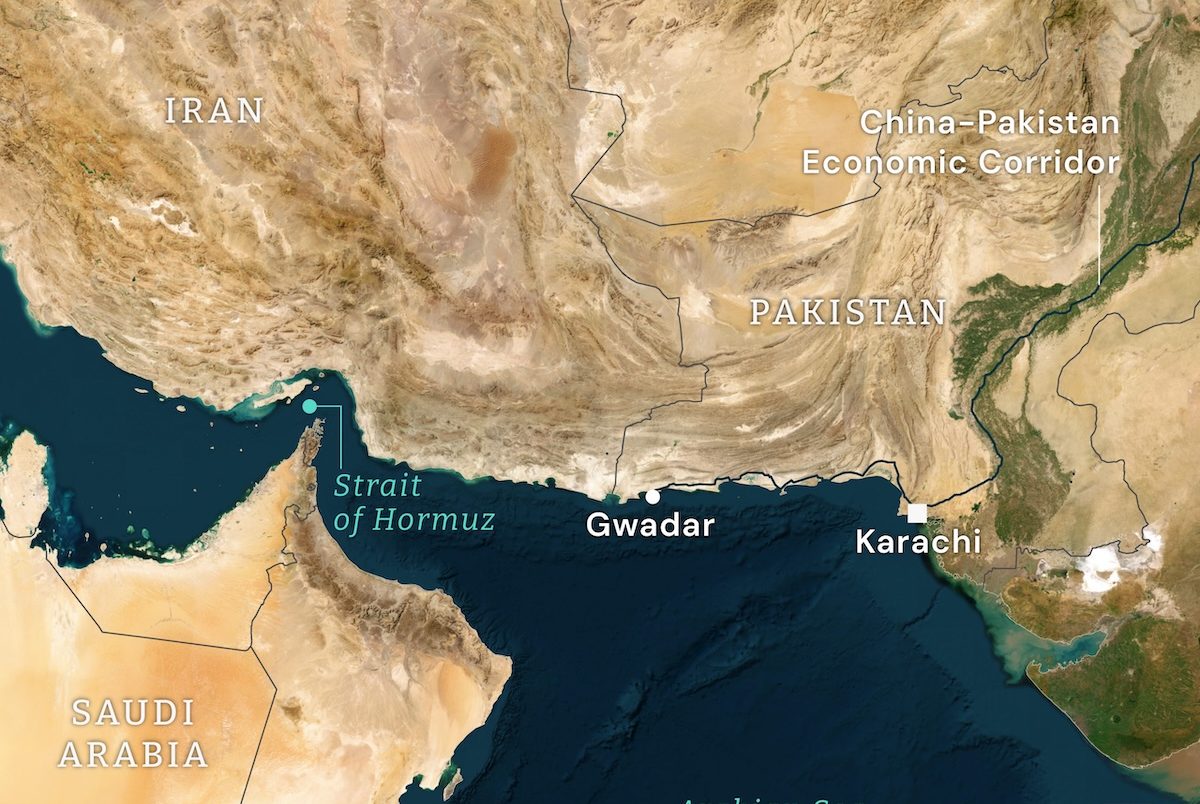
    Three key points outline Pakistan’s stake. First, Pakistan imports nearly all of its oil via the Gulf, so war-risk premiums added to every tanker bound for Karachi or Port Qasim are not a distant geopolitical issue – they directly raise domestic fuel prices and widen Pakistan’s already strained current account deficit. This is an immediate, tangible concern for economic policymakers in Islamabad.

    Second, the port of Gwadar – long framed primarily as a showcase project for the China-Pakistan Economic Corridor (CPEC) – offers a unique alternative for shippers. Located on the open Arabian Sea, entirely outside the Strait of Hormuz, Gwadar is one of the few major regional ports that does not force commercial vessels to run the gauntlet of high Hormuz war-risk premiums. To date, few Pakistani officials have actively marketed this advantage to shippers and energy traders looking to diversify their routing to cut risk, but the opportunity remains untapped.

    Third, Pakistan’s existing diplomatic and economic ties create a natural buffer against the crisis. Its Makkah Joint Defense Agreement with Saudi Arabia, paired with new investment frameworks for mineral development at Reko Diq and under the Project Vault initiative, function as Pakistan’s own “insurance policy” against Hormuz-related market shocks. A posture that combines Gulf security partnerships with economic and connectivity ties to both Gulf states and China gives Pakistan far more leverage than a generic neutral stance.

    This exposes a common trap for Pakistani policy: treating “active neutrality” as an end in itself, rather than a foundation for a proactive economic strategy. Neutrality without a targeted economic plan is just unmanaged risk disguised as diplomatic prudence. A productive approach would turn Pakistan’s unique geographic advantages – Gwadar’s position outside the strait, its border with Iran, its ties to both Riyadh and Washington – into concrete shipping contracts and infrastructure investment, rather than just praise for avoiding direct conflict.

    ### A Broader Global Pattern
    Zooming out from Pakistan’s specific situation, the Hormuz crisis reveals a new global mechanism of coercion that is not unique to the Persian Gulf. A near-identical dynamic played out in the Red Sea during Houthi attacks on commercial shipping: war-risk premiums rose roughly fivefold, and shipping volumes collapsed even though most vessels never encountered an actual mine or missile attack.

    Analysts who study this phenomenon note that the formula works anywhere with three core features: a narrow maritime chokepoint, few viable alternative routing options, and a functioning private insurance and reinsurance market. This applies to other critical global chokepoints, from the Strait of Malacca to the Taiwan Strait to the Turkish Straits. Coercion through risk pricing has become a powerful new weapon that does not require a single shot to be fired to achieve its goals, and the U.S.-led reinsurance backstops being built for Hormuz may end up serving as a template for future crises around the world.

    For the United States, this is an uncomfortable lesson: even if it dismantles all of an adversary’s conventional military capabilities, it can still lose the quiet argument that matters most to the shipowner deciding whether to route through a high-risk waterway. For Pakistan, the lesson is not just uncomfortable – it is actionable. Few non-belligerent countries are positioned as close to a major chokepoint crisis as Pakistan, and few hold the same combination of strategic assets: Gwadar’s location, existing Gulf security ties, and access to Chinese infrastructure investment. These assets can turn proximity to the crisis into tangible economic leverage, if Islamabad chooses to treat the moment as an opening rather than just a diplomatic high-wire act.

    Most analysts expect the Strait of Hormuz will eventually reopen to full commercial traffic, through talks rather than force. But global insurance markets, which have already completely repriced risk for the entire Persian Gulf, will not forget this shift quickly. The actors that recognize this structural change early will emerge with a lasting advantage over those that only focus on the political theater of the crisis.