博客

  • New satellite to boost early warning capability for extreme weather events

    New satellite to boost early warning capability for extreme weather events

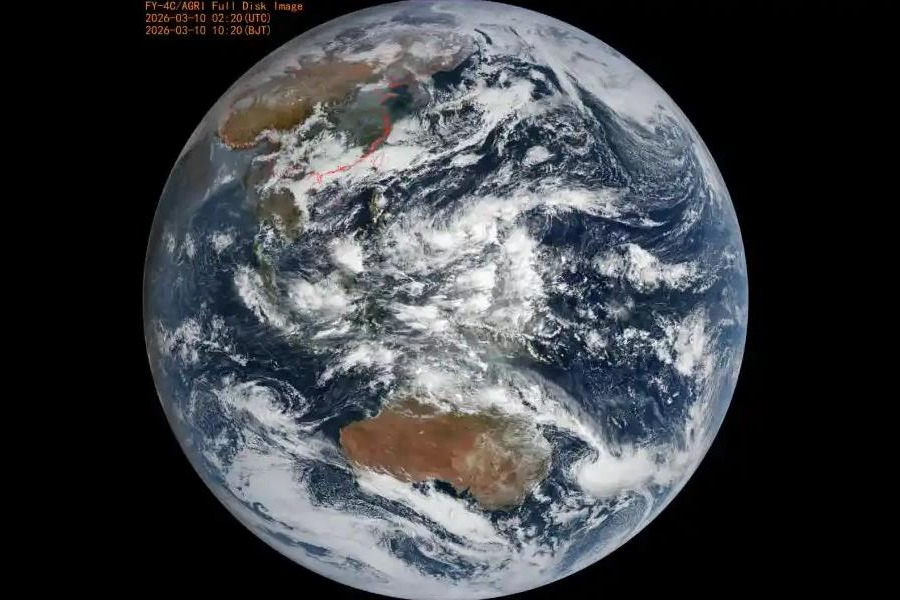
    China has elevated its meteorological monitoring capabilities to unprecedented levels with the operational deployment of the Fengyun-4C (FY-4C) satellite, marking a significant advancement in global weather observation technology. The China Meteorological Administration unveiled the satellite’s first imagery just before World Meteorological Day, demonstrating real-time monitoring capabilities spanning from solar phenomena to terrestrial weather patterns.

    Launched from Xichang Satellite Launch Center on December 27, the FY-4C represents the world’s most sophisticated single geostationary meteorological satellite currently in orbit. The satellite’s deployment aligns with China’s national policy directives emphasizing enhanced extreme weather monitoring and improved disaster prevention mechanisms. Operational trials are scheduled to commence during the upcoming flood season, positioning the satellite as a critical component of China’s meteorological defense infrastructure.

    The satellite’s technological superiority stems from its six advanced payloads meeting international excellence standards. The geostationary radiation imager has captured remarkably detailed weather system textures, while its animation capabilities enable precise tracking of cloud systems moving from Inner Mongolia toward Beijing with exceptional clarity in distinguishing high-level cirrus formations.

    Sophisticated instrumentation includes an interference-based vertical atmospheric sounder providing refined spectral data across multiple temperature layers, significantly enhancing global numerical weather prediction accuracy. The satellite’s lightning imager has already mapped convective activity across South Asia, monitoring storm cells and lightning events in Bangladesh and Myanmar with precision.

    Beyond terrestrial weather monitoring, FY-4C features cutting-edge ultraviolet and X-ray sensors that successfully captured solar flares and ionospheric glow phenomena. These capabilities will help mitigate solar activity’s impact on global communication, navigation, and positioning systems.

    The satellite is poised to become the primary data source for MAZU, China’s AI-powered early warning system. Upon reaching full operational status, FY-4C will contribute to international monitoring initiatives and global environmental governance efforts.

    China Meteorological Administration Director Chen Zhenlin emphasized that China has established the world’s most comprehensive meteorological observation system, featuring coordinated land, sea, air, and space monitoring. With ten Fengyun satellites currently operational, China remains the only nation maintaining meteorological satellite coverage across four distinct near-Earth orbital types.

  • Chinese autos move up ranks in Australia

    Chinese autos move up ranks in Australia

    In a historic market shift, Chinese automotive manufacturers have overtaken Japan to become Australia’s primary source of new vehicles, ending nearly three decades of Japanese dominance in the sector. February sales data from the Australian Automotive Dealer Association (AADA) reveals China supplied over 22,000 units, propelled by competitive pricing, advanced technology, and compelling design offerings.

    The broader Australian vehicle market experienced a slight contraction with 94,131 units sold in February compared to the same period last year. However, this overall softening masks a significant transformation in consumer preferences, with battery electric vehicles (EVs) now constituting over 11% of monthly sales—a trend accelerated by global economic pressures.

    Speaking at an AADA event in Sydney, Australian Prime Minister Anthony Albanese connected the automotive market dynamics to broader geopolitical tensions. He noted that recent Middle East conflicts, including U.S. and Israeli operations against Iran, are disrupting global supply chains, driving fuel prices upward, and exacerbating inflationary pressures worldwide. “Even if this is a relatively short conflict, it will have a long economic tail,” Albanese stated, outlining government measures to enhance fuel security and accessibility.

    The automotive sector remains a cornerstone of the Australian economy, with AADA figures showing 3,868 dealerships generating A$21.5 billion in economic activity and employing over 64,000 individuals, including thousands of apprentices.

    Chinese brands Chery, GWM, and BYD are recording substantial gains, with EV manufacturers particularly benefiting from rising fuel costs. David Smitherman, CEO of EVDealer Group (Australia’s largest BYD network), reported a more than 50% increase in customer inquiries. “Some consumers have been thinking about transitioning to an EV and the additional costs have tipped them over the edge,” he observed, noting strong customer satisfaction with the technology, design, safety, and performance of Chinese EVs, supported by robust supply chains.

    The Electric Vehicle Council has intensified calls for maintaining Australia’s electric car discount policy, arguing that global oil market volatility underscores the need for energy independence. CEO Julie Delvecchio emphasized that EVs shield households from global oil shocks since their ‘fuel’ comes from electricity—often available at lower off-peak rates or free through rooftop solar installations.

  • China’s plan praised for long-term vision

    China’s plan praised for long-term vision

    International economists have commended China’s recently approved 15th Five-Year Plan (2026-2030) as a testament to strategic foresight and continuity amidst global uncertainties. The development blueprint, unveiled during China’s annual legislative sessions, has drawn particular praise for its comprehensive approach to economic transformation and technological advancement.

    Speaking at Renmin University of China’s forum “Toward 2035: The grand strategies of the US and China in remaking our world,” prominent US economist Jeffrey Sachs highlighted China’s remarkable progress through “forward thinking” that benefits both national development and global stability. Sachs, Director of Columbia University’s Center for Sustainable Development, projected the next decade would represent another significant “period of progress” for China driven by sustained socioeconomic and technological advancement.

    Chinese economist Wu Xiaoqiu detailed the plan’s strategic priorities, emphasizing the development of six emerging industries and six future sectors with particular focus on digitalization and artificial intelligence. Professor Wu revealed China has achieved fundamental breakthroughs in 32 out of 35 critical “bottleneck” technologies over the past decade, creating substantial momentum for continued innovation. He noted China’s vast domestic market, complete industrial system, and sustained technological innovation provide solid foundations for long-term growth despite complex external conditions.

    The forum revealed striking contrasts in strategic approaches between major powers. Sachs criticized the United States for lacking cohesive long-term planning, describing a political system mired in division without consensus on fundamental issues including infrastructure and healthcare. He noted that while the US maintains nominal GDP superiority, this measurement is significantly inflated by higher service prices, particularly in healthcare which consumed 18% of US GDP in 2024.

    Sachs emphasized that China’s economy already surpasses America’s in purchasing power parity terms, with living conditions between the two nations becoming increasingly comparable. He advocated strongly for cooperative approaches aligned with Confucian principles of harmony and win-win cooperation, directly challenging prevailing US political narratives that frame China as a threat.

    The economist projected an inevitable transition toward a multipolar world order, criticizing US pursuit of global dominance as counterproductive. He specifically highlighted the natural evolution toward a “multicurrency world” where the US dollar would no longer maintain singular dominance. Given China’s position as top trading partner for over 100 countries, Sachs argued it is “quite natural that trade should be renminbi-denominated rather than dollar-denominated.”

    Sachs suggested China continue advancing renminbi internationalization, describing targets of the currency accounting for one-fourth of international trade settlements within a decade as “realistic” and “achievable.” Professor Wu echoed calls for equal and transparent competition between China and the United States, emphasizing the importance of jointly injecting stability into global economic governance frameworks.

  • Rescuers try to refloat a stranded humpback whale in Germany’s Baltic Sea

    Rescuers try to refloat a stranded humpback whale in Germany’s Baltic Sea

    BERLIN — A critical rescue operation is underway along Germany’s northern coastline as marine experts battle against time to save a humpback whale stranded in the shallow waters of the Baltic Sea. The 10-meter (30-foot) juvenile male whale remains trapped near Timmendorfer Strand beach despite multiple intensive rescue attempts.

    Marine conservation specialists from Sea Shepherd confirmed the whale remains alive but shows deteriorating vital signs. “The animal continues breathing, produces audible vocalizations, and periodically raises its head,” reported Carsten Mannheimer, a representative from the organization. However, Sven Biertümpfel of the same group delivered a grave assessment: “Without successful refloating, this situation becomes a death sentence for the mammal, with its condition worsening hourly.”

    Rescue teams executed a coordinated strategy involving police vessels, inflatable boats, and drone-assisted monitoring during Monday’s operations. Crews strategically repositioned the whale toward deeper waters and generated artificial waves using coast guard and fire department boats to facilitate movement. Despite these efforts, the whale persistently returned to its stranded position.

    Complicating rescue efforts, the whale’s enormous mass—estimated at several tons—makes direct physical intervention potentially lethal. Rescuers discovered and removed sections of fishing net entangled around its body, though the primary cause of stranding remains undetermined.

    Authorities have established perimeter fencing to minimize human disturbance. “Preventing additional stress to the animal is paramount,” emphasized police spokesperson Ulli Fritz Gerlach, as crowds of spectators gathered along the beach.

    Marine biologists identify this specimen as likely being the same young male humpback previously sighted in Wismar harbor in recent weeks, noting that male whales typically undertake migratory journeys unlike their female counterparts. The ongoing operation continues to evolve as rescuers explore alternative methodologies during tidal cycles.

  • Kenya eyes export surge through zero-tariff access

    Kenya eyes export surge through zero-tariff access

    NAIROBI—Kenyan officials and industry leaders are formulating comprehensive strategies to capitalize on China’s groundbreaking zero-tariff initiative, anticipating a substantial surge in exports to the world’s second-largest economy. The development emerged during a high-level business forum convened by China Council for the Promotion of International Trade and Kenya Export Promotion and Branding Agency on Monday.

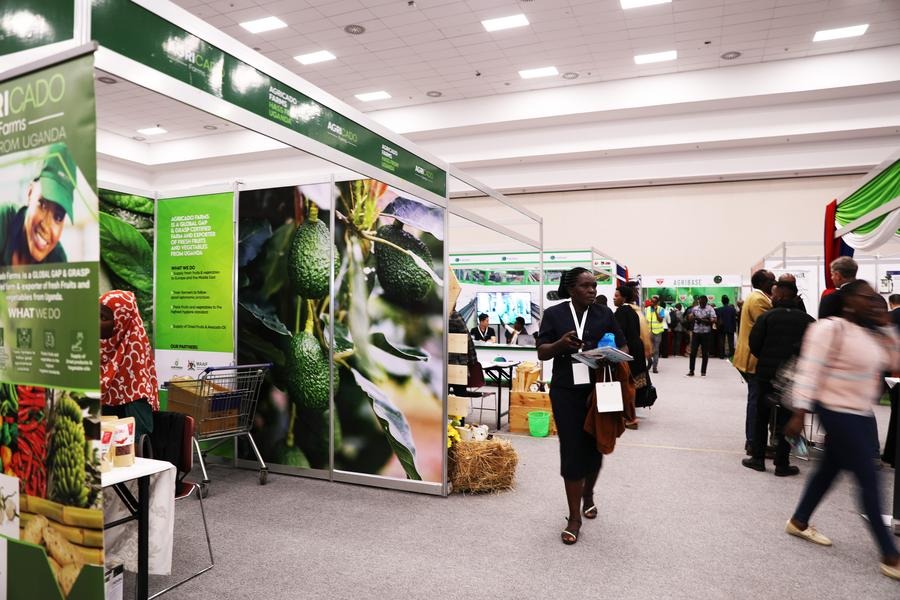
    Deputy President Kithure Kindiki characterized China’s decision to grant duty-free access to African exports, effective May 1, as a transformative catalyst that could fundamentally reshape trade dynamics and industrial cooperation between the nations. “China’s vast consumer market of over 1.4 billion presents unprecedented opportunities for Kenyan exporters,” Kindiki emphasized, outlining governmental efforts to encourage movement up the value chain through processed agricultural exports including coffee, tea, and floral products.

    The policy extension, which China will implement across all 53 African nations with which it maintains diplomatic relations, has been widely acknowledged as a pivotal measure to enhance African market access and export capabilities. Chinese Vice-President Han Zheng, addressing forum participants, framed the initiative as demonstrating China’s “resolve and sincerity in promoting Global South development for common prosperity.”

    Kenya’s strategic approach focuses on value-added transformation, with Trade Principal Secretary Regina Ombam highlighting the shift from raw commodity exports to processed goods such as avocado oil. This methodology aims to simultaneously increase foreign exchange earnings, strengthen domestic enterprises, and generate employment opportunities.

    Industry representatives acknowledged operational challenges in meeting export demands. Erick Rutto, President of the Kenya National Chamber of Commerce and Industry, stressed the necessity for producers to organize collectively to supply larger volumes while adhering to international standards. Meanwhile, Macadamia Nut Association Chairperson Pally Muthathai detailed innovative approaches including cooperative structures, contract farming, and digital platforms to coordinate over 200,000 farmers within complex value chains.

    Complementing these efforts, Cabinet Secretary Lee Kinyanjui confirmed that government agencies are actively collaborating with exporters to ensure certification compliance and facilitate connections with Chinese buyers. Financial institutions are simultaneously exploring partnership models to provide export financing solutions and support production scaling.

  • Thai court holds gold mine operator liable for toxic runoff in a decade-old environmental case

    Thai court holds gold mine operator liable for toxic runoff in a decade-old environmental case

    In a groundbreaking environmental ruling, Thailand’s Bangkok Civil Court has declared the operator of the nation’s largest gold mine legally accountable for widespread contamination affecting local communities. The verdict, delivered Tuesday, represents a significant victory for over 300 villagers from Phichit province who initiated the country’s first environmental class action lawsuit against Australian-owned Akara Resources, operator of the Chatree Gold Mine.

    The court determined the mining company failed to substantiate that toxic heavy metals found in residents’ bloodstreams—including arsenic, cyanide and manganese—originated from sources unrelated to their operations. Consequently, the court mandated compensation ranging from 50,000 baht ($1,535) to 200,000 baht ($6,143) per affected individual, supplemented by payments for medical treatment and psychological distress.

    Legal experts are hailing this decision as a transformative precedent for environmental litigation across Southeast Asia. Emilie Palamy Pradichit of the Manushya Foundation noted the ruling establishes whether communities perceive judicial systems as “a pathway or a dead end” in environmental justice matters.

    The case’s resolution follows years of complex legal battles, including medical surveys, counter lawsuits, and direct intervention from former Prime Minister Prayuth Chan-ocha, who utilized post-coup military authority to suspend mining activities in 2016. Although Kingsgate Consolidated subsequently sued the Thai government for unfair license revocation, both parties reached a settlement last year.

    This verdict emerges amidst a regional surge in ‘polluter pays’ litigation, with similar cases advancing in the Philippines and Indonesia. According to the Grantham Research Institute, approximately 225 climate litigation cases were filed globally in 2024, reflecting a growing trend of communities seeking corporate accountability for environmental damage.

    Georgina Lloyd of the United Nations Environment Program confirmed that “Asia’s share of climate and environmental litigation is increasing,” noting expansion both in case volume and geographical scope. This trend is particularly evident in climate-vulnerable regions like Southeast Asia, where extreme weather events have caused billions in damages.

    Despite compensation falling short of plaintiffs’ expectations, the establishment of corporate liability represents a substantial victory. As plaintiff Thanyalak Boontham stated outside the courtroom: “The fight is also for our future generation. I’d like them to be able to grow up in a good environment.”

  • Zhejiang University researchers pioneer major protein breakthrough

    Zhejiang University researchers pioneer major protein breakthrough

    In a landmark study with profound implications for treating genetic disorders, scientists from Zhejiang University have developed a novel method to engineer artificial proteins capable of rectifying malfunctions in critical cellular receptors. The research, recently published in the prestigious journal Nature, represents a significant departure from conventional drug design paradigms.

    The multidisciplinary team focused on G protein-coupled receptors (GPCRs), a large family of membrane proteins that facilitate cellular communication by transmitting external signals into cells. These receptors are targeted by approximately 30% of all approved pharmaceuticals worldwide, typically through interaction with their primary binding pocket, known as the orthosteric site.

    According to Professor Zhang Yan, Vice-Dean of Zhejiang University’s School of Medicine and a lead researcher on the project, genetic mutations in these receptors can impair their signaling functions, leading to hundreds of clinical conditions including Parkinson’s disease, obesity, and hypercalcemia. Traditional drugs designed to target the receptors’ ‘switches’ generally cannot repair these structural dysfunctions, often leaving patients with long-term chronic burdens.

    The innovative approach developed by the Zhejiang team involves creating artificial transmembrane proteins that function as customizable molecular ‘armor’ or exoskeletons. These modulators attach to malfunctioning receptors, enabling precise regulation of their functions. Professor Zhang likened the technology to ‘installing prosthetic limbs for persons with disabilities, or implanting medical devices supported by brain-computer interface technologies, only at the molecular level.’

    The research team selected the dopamine D1 receptor (D1R) as their prototype model, successfully engineering four modulators that could bind to the receptor and restore activities in various loss-of-function mutants. The complexity of this endeavor was immense—designing a modulator composed of 60 amino acids from 20 available types presents approximately 20^60 possible combinations.

    Critical to overcoming this challenge was the implementation of artificial intelligence. As explained by Professor Zhang Min from the University’s College of Computer Science and Technology, AI-driven protein design, particularly generative models for de novo design, provided tools to create entirely novel proteins with unprecedented speed and accuracy. The team developed an AI-guided probe to thoroughly profile targeted receptor structures and identify potential binding sites, using ‘structural prompts’ analogous to inputs for language models like ChatGPT but specifically for protein structures.

    The resulting technology not only enables precise switching of receptor functions but also offers programmability to a certain degree. More significantly, the team’s findings establish a platform for similar research, potentially revolutionizing treatment approaches for disorders stemming from genetic mutations in cellular receptors.

  • Culinary heritage fuels Shaxian’s prosperity

    Culinary heritage fuels Shaxian’s prosperity

    In the heart of Fujian province’s Shaxian district, a culinary revolution is transforming rural livelihoods through the power of traditional snacks. What began as humble street food carried on shoulder poles has evolved into a global phenomenon generating billions in annual revenue.

    At Yubang village’s Taste of Origins snack street, 60-year-old Zhang Xiuji exemplifies this transformation. After decades operating makeshift eateries across China, she now enjoys stable employment in her hometown, skillfully preparing wontons and noodles that represent Shaxian’s culinary heritage. Her personal journey from debt-ridden migrant to prosperous local mirrors the brand’s extraordinary ascent.

    The Shaxian snack tradition comprises over 200 varieties, with signature dishes including bianrou (springy meat wontons), banmian (peanut sauce noodles), and potstickers. According to Village Party Chief Zhang Changsong, this industry literally built the community: “In the 1980s and 90s, villagers carried this industry on their shoulders.” Of Yubang’s 1,200 residents, nearly 700 now derive their income from snack shops.

    The scale of Shaxian’s success is staggering. From 88,000 outlets in 2020, the network has expanded to 100,000 establishments nationwide, with over 60,000 Shaxian natives operating stores. The industry achieved an extraordinary 55 billion yuan ($7.6 billion) in annual turnover by 2025.

    Global expansion has been equally remarkable, with 241 overseas branches across 81 countries. Crucially, the brand has demonstrated remarkable adaptability, modifying recipes to suit local palates. In Saudi Arabia, pork-filled wontons have been reimagined to respect dietary customs, while Japanese outlets enhance peanut sauce intensity, and French locations add salad oil for local flair.

    This globalization is underpinned by sophisticated supply chains. Where early vendors carried ingredients on poles, modern operators receive standardized ingredients via smartphone orders, eliminating the hardships of earlier generations.

    The culinary success has sparked a homecoming trend, with food tourism drawing crowds to Shaxian’s origin village. As Zhang Xiuji reflects: “The village is thriving. We don’t have to wander anymore” – a sentiment capturing how traditional flavors have built modern prosperity.

  • Woods to return from 13 months out in TGL finale

    Woods to return from 13 months out in TGL finale

    Golf legend Tiger Woods is set to make his competitive return to golf after more than a year away from competition during Tuesday’s TGL season finale. The 50-year-old athlete, who has undergone multiple surgical procedures over the past two years, last competed in February 2025 within the TGL format, with his most recent PGA Tour appearance occurring 20 months ago.

    Woods’ comeback announcement came via social media from his Jupiter Links Golf Club account, which posted a photograph of the 15-time major champion accompanied by the simple declaration: “I’m back.” Throughout the 2026 TGL season, Woods has maintained a non-playing role with Jupiter Links GC, the PGA Tour-supported indoor league that utilizes massive simulator screens within a specially constructed Florida venue.

    The golf icon’s return comes at a crucial moment as his team advanced to the championship round by defeating Rory McIlroy’s Boston Common squad in last week’s semi-final matchup. Jupiter Links will face Los Angeles Golf Club, featuring English professionals Justin Rose and Tommy Fleetwood, in a best-of-three finals series. Woods replaces Kevin Kisner on the roster after Los Angeles claimed victory in the opening match.

    Regarding his physical condition, Woods acknowledged the challenges of recovery from his October disk replacement surgery. “I’ve had a lot of procedures prior to that, so the body doesn’t quite heal like it was when I was 24,” Woods commented last month. “Doesn’t quite bounce back. So I have good days when I can pretty much do anything, and other days where it’s hard to just move around.”

    The athlete’s medical history includes severe leg injuries from a 2021 car accident, a back operation in September 2024, and a ruptured Achilles tendon in March 2025. While Woods has indicated that participation in the upcoming Masters Tournament (April 9-12) remains “not off the table,” the physical demands of Augusta National’s hilly terrain present significantly greater challenges than the controlled environment of TGL’s indoor venue with predominantly flat lies.

    Woods, who captured his fifth Masters title in 2019 ending an 11-year major championship drought, continues to demonstrate resilience in his pursuit of competitive golf despite his extensive injury history and advancing age.

  • Rebels in Congo used containers to hold journalists in brutal conditions, advocacy group says

    Rebels in Congo used containers to hold journalists in brutal conditions, advocacy group says

    DAKAR, Senegal — A prominent media advocacy organization has exposed severe human rights violations perpetrated by the M23 rebel faction in the eastern Democratic Republic of Congo. Reporters Without Borders (RSF) issued a damning report on Tuesday detailing how the Rwanda-backed insurgents are utilizing metal shipping containers as makeshift detention facilities under what they describe as “inhumane” and “degrading” conditions in the city of Goma.

    According to RSF’s investigation, which incorporated witness testimonies, satellite imagery, and photographic evidence gathered in 2025, at least two journalists were among numerous civilians detained within these metal containers situated at the compound of the province’s legislative assembly. The identities of sources providing testimony have been protected for security reasons.

    The report reveals disturbing details of the detention conditions, with up to 80 detainees crammed simultaneously into single containers devoid of both light and ventilation. Prisoners were permitted exit only once daily and received minimal food rations, with multiple accounts describing routine physical beatings. Witnesses described extreme temperature fluctuations—suffocating heat during daylight hours followed by intense cold at night—with some fatalities reported under these brutal circumstances. Detainees typically remained captive for several weeks before being transferred to alternative locations.

    The M23 rebel group, which seized control of Goma last year, has not responded to requests for comment from The Associated Press regarding these allegations.

    This development represents a significant deterioration of press freedom in eastern Congo, where journalists already operated under widespread threats and attacks. RSF notes that the M23 has systematically tightened control over media coverage, including imposing specific linguistic restrictions on how their presence in the region may be described.

    The mineral-rich eastern territories of Congo have endured decades of sustained conflict, with government forces combating over 100 armed groups. The M23 rebellion, backed by Rwanda, emerged as the most potent threat, making unprecedented advances throughout the region early last year by capturing key urban centers.

    Despite a truce agreement brokered by the United States and Qatar, the ongoing conflict has triggered a massive humanitarian emergency, displacing at least 7 million people from their homes.