博客

  • Sister of Pakistan’s ex-PM Imran Khan arrested

    Sister of Pakistan’s ex-PM Imran Khan arrested

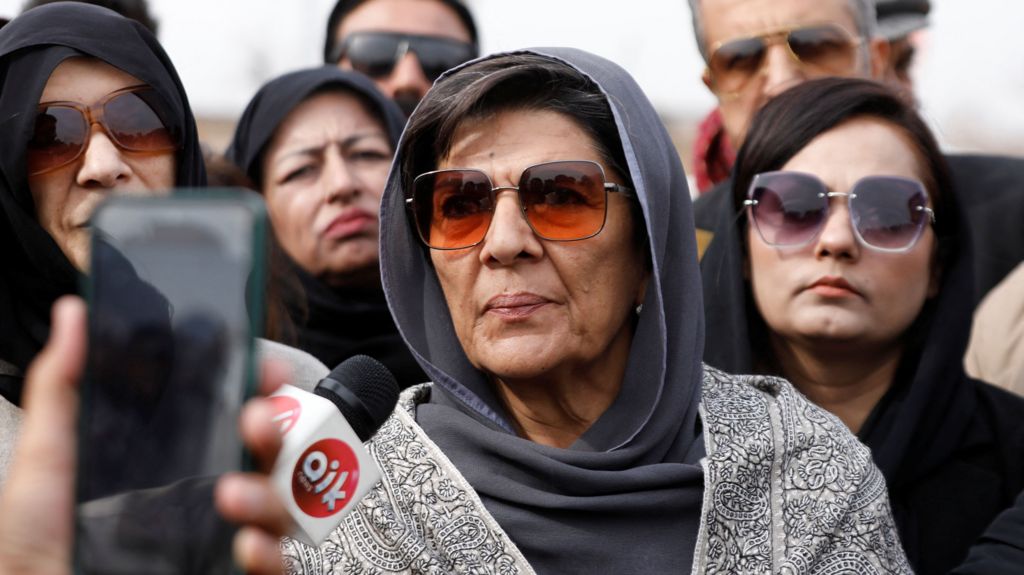
    In a sharp escalation of political tensions ahead of nationwide pro-Imran Khan demonstrations planned for next week, Pakistan’s ruling administration has detained the former prime minister’s outspoken sister, Aleema Khanum, in a move that has drawn immediate condemnation from Khan’s Pakistan Tehreek-e-Insaf (PTI) party. The arrest, carried out Sunday afternoon in the eastern metropolis of Lahore, has been labeled an “illegal detention” by PTI officials, who explicitly tie the action to efforts to suppress the upcoming 27 September protest movement.

    The detention order issued by Lahore’s deputy commissioner lays out the government’s formal justification, alleging that Khanum has organized and mobilized Imran Khan’s supporters across both public gatherings and social media platforms. The order further claims her activities are intended to stir unrest, create disruptions to public law and order, and spread anti-government sentiment through critical slogans. Under the terms of the order, Khanum will remain in custody for 30 days at Lahore’s high-security Kot Lakhpat jail, a location confirmed by a local police official contacted by the BBC.

    In the immediate hours following the arrest, Khanum’s family reported they were cut off from her, with no information about her location or condition. Her son, Shahrez Khan, took to the social platform X to issue a public demand for transparency. “We demand the government immediately disclose her whereabouts and ensure her safe return,” he wrote in his post.

    Political observers and PTI supporters universally connect the timing of Khanum’s arrest to the mass protest mobilization scheduled for 27 September, when thousands of demonstrators plan to march from across Pakistan to the capital city of Islamabad to demand Imran Khan’s release from prison. In preparation for the demonstration, the incumbent government has already deployed large shipping containers to block key streets across Islamabad, positioning the barriers to secure government buildings and block access to central parts of the capital. Local Pakistani media has quoted Interior Ministry officials as saying the protests threaten national stability, and the government will use all available measures to prevent the demonstrations from proceeding.

    This latest political crackdown comes amid a years-long legal and political campaign against Imran Khan, the 71-year-old former cricket star who rose to national power before being ousted from office in 2022. Khan has remained in state custody since 2023, when he was handed an initial three-year prison conviction over charges that he failed to declare income earned from selling state gifts he received during his time in prime minister. Since that first conviction, he has faced more than 100 additional criminal charges, ranging from corruption and unlawful land deals to allegations of leaking state secrets. Khan and his supporters have consistently decried every one of these charges as politically motivated, engineered to remove him from the Pakistani political landscape.

    Last year, a special court handed Khan a 14-year prison sentence in a separate land corruption case, the longest penalty he has received to date. While incarcerated, his physical health has steadily declined, a situation that has drawn growing concern from his supporters. Just last month, Khan was transported from prison to a civilian hospital for urgent medical examinations amid reports of worsening health issues.

    Khanum has long been one of the most visible public faces of the campaign to support Imran Khan since his imprisonment, regularly speaking to media outlets and addressing crowds of his supporters to condemn his detention. Her arrest marks the most high-profile crackdown on PTI leadership ahead of the 27 September protests, signaling the government’s intention to disrupt the protest movement before it can gather momentum.
  • US and Saudi Arabia lack plan as Houthi strikes expose Riyadh’s vulnerability

    US and Saudi Arabia lack plan as Houthi strikes expose Riyadh’s vulnerability

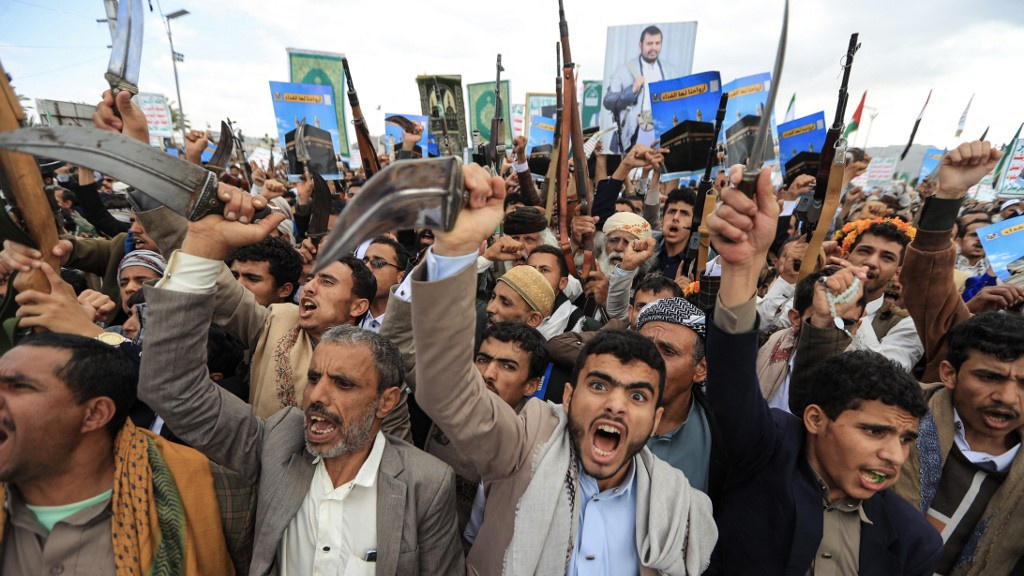
    A major escalation in Yemen’s years-long conflict has laid bare the gap between security cooperation and operational capability between Washington and Riyadh, as multiple sources confirm the two allies have no unified counterstrategy to reverse recent Houthi gains on the strategically critical Red Sea coast. Multiple anonymous U.S. officials confirmed to CNN that even with expanded American intelligence and targeting support provided to Saudi forces, Riyadh has failed to dislodge Houthi fighters from the recently seized island, a position that puts critical commercial shipping lanes at risk.

    For months, U.S. intelligence agencies have warned that the Iran-aligned movement would seek to close off an additional key waterway for global trade, mirroring actions Tehran took earlier this year. Despite a decade of Saudi assurances that it had successfully trained Yemeni government forces loyal to Riyadh to counter Houthi advances, U.S. officials remain convinced that Saudi-led forces lack the capacity to reverse the group’s territorial gains.

    The CNN disclosure follows a surprising early end to U.S. President Donald Trump’s weekend retreat at Camp David, where he cut his stay short Saturday to return to the White House. While the White House attributed the schedule shift to incoming severe weather in rural Maryland, the sudden departure aligned exactly with a major military escalation by the Houthi movement against Saudi Arabia.

    Early Saturday morning, the Saudi-led coalition fighting in Yemen confirmed that the Iran-backed group launched a ballistic missile targeting Riyadh. Local Saudi media reported that authorities issued an uncommon early-morning public alert ordering residents to take shelter indoors. First responders were called to extinguish a blaze at a fuel storage depot near King Khalid International Airport, where an Aramco-branded tanker caught fire following the attack.

    Coalition spokesperson Major General Turki al-Maliki confirmed that Riyadh’s air defenses intercepted the missile over the capital, adding that additional incoming attacks targeting Taif, Baish, Farasan and the Red Sea coastal city of Yanbu were also intercepted before reaching their intended destinations. Houthi spokesperson Yahya Saree immediately claimed responsibility for the coordinated strikes, framing the attacks as retaliation for what he called “criminal attacks by the Saudi enemy on the Yemeni capital Sanaa.”

    In response to the heightened risk of wider conflict, the U.S. State Department and multiple American diplomatic missions across the region issued urgent security warnings for U.S. citizens in the area. The alerts highlighted “the potential for unforeseen escalation” and noted that “Iranian-supported Houthis have engaged in hostilities against Saudi Arabia, including attacks targeting civilian airports.”

    Weekend’s coordinated missile attacks are part of a wider, accelerated Houthi offensive aimed at seizing full control of Yemen’s entire Red Sea coastline and the Bab al-Mandeb strait, one of the world’s most vital chokepoints for global oil and commercial shipping. The rapid advance has exposed critical gaps in Saudi military capabilities: regional defense sources confirm the kingdom is currently facing critical shortages of air defense interceptors needed to protect critical domestic infrastructure, and has already requested urgent air defense support from Paris, London, Islamabad and Cairo.

    Recent defense agreements Riyadh signed with Ankara and Islamabad have failed to deliver immediate tangible military support. While Turkish Foreign Minister Hakan Fidan condemned the Houthi attacks and pledged to uphold the trilateral security pact with Saudi Arabia, he also warned Riyadh against becoming entangled in the broader standoff between Iran and the United States. For its part, Pakistan only stated it would take action “when the time comes,” offering no immediate commitment of support.

    Despite the rapidly deteriorating security situation for Saudi Arabia, the Trump administration has repeatedly ruled out direct U.S. military involvement in the expanding conflict. Administration officials have made clear that the U.S. red line rules out direct American kinetic strikes against Houthi targets, limiting U.S. engagement to intelligence sharing and the provision of targeting data. That said, the State Department recently approved a $24.3 billion sale of F-35 fighter jets to Saudi Arabia, framed as a measure to “deter current and future threats” to the kingdom.

    Saudi Crown Prince Mohammed bin Salman reportedly held two phone calls with Trump last week to formally request U.S. military strikes against Houthi positions, but all requests for direct American intervention were rejected. Trump has repeatedly stated his goal to keep U.S. forces out of the Yemen conflict, telling reporters recently: “The Houthis called us and they don’t want to fight with us… It’s just one country they’re not too happy with, and we’ll get that straightened out.”

    This deliberate hands-off approach from Washington has sparked deep alarm among other U.S. Gulf cooperation partners, who view the expanding Houthi offensive as a dangerous new escalation of broader regional proxy tensions between Iran and Western-aligned states. As Houthi advances worsen an already severe global energy crisis and force Saudi Arabia to reduce crude oil exports, Riyadh is confronting an increasingly grim reality: amid reports that Washington is negotiating its own separate ceasefire with the Houthis through backchannel talks in Oman, the kingdom is left to manage a rapidly expanding conflict largely on its own.

  • Burnham hails Greenland deal ahead of expected first Trump meeting

    Burnham hails Greenland deal ahead of expected first Trump meeting

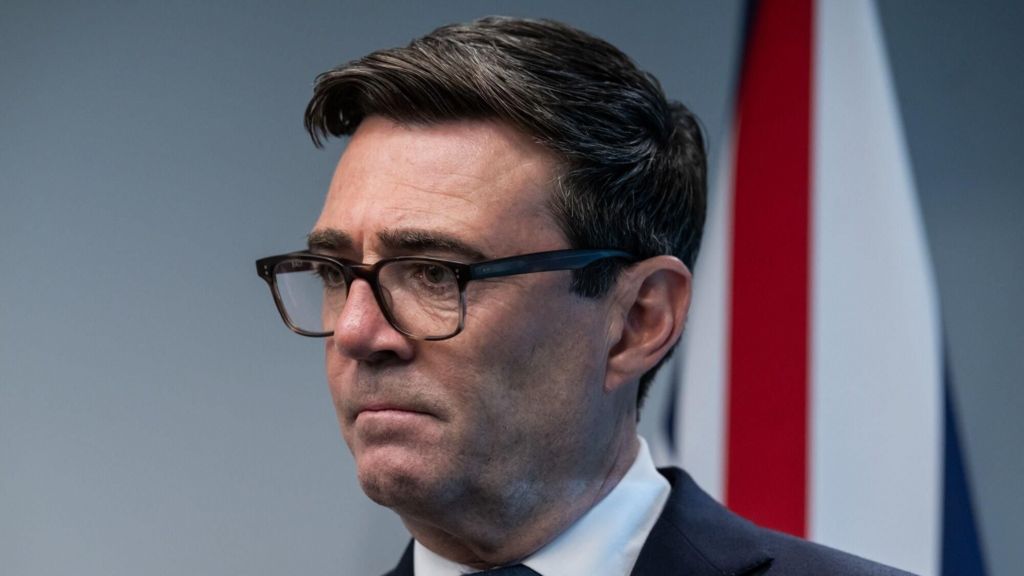
    A months-long diplomatic standoff over the semi-autonomous Danish territory of Greenland has finally come to a close, with the United States and Denmark reaching a landmark agreement that both nations say will bolster Arctic regional security. The breakthrough comes just days ahead of the United Nations General Assembly in New York, where UK Prime Minister Andy Burnham is set to hold his first in-person meeting with US President Donald Trump.

    The conflict ignited months ago when Trump repeatedly made public threats to take control of Greenland, citing its geostrategic importance for North American and European defense and its untapped reserves of valuable critical minerals. Trump framed the push as a necessary national security move to counter growing influence from potential US adversaries in the Arctic region. On Sunday, Downing Street released a readout of a phone call between UK Prime Minister Andy Burnham and Danish Prime Minister Mette Frederiksen, revealing that both leaders welcomed Washington’s new security commitment to the High North.

    Burnham publicly praised the bilateral agreement, noting that it advances shared strategic priorities for Euro-Atlantic security. He also congratulated both Frederiksen and the Kingdom of Denmark on successfully concluding negotiations that benefit all three parties – the US, Denmark, and Greenland – and said he would extend his congratulations to Trump during their upcoming UNGA meeting.

    Details of the full agreement have not been released to the public, but Trump announced the deal on his Truth Social platform, claiming it came at “no cost to the United States” and grants Washington the authority to “do what is necessary” to defend security interests across Greenland. A core provision of the deal, per Trump, bans any US adversary from deploying military personnel to Greenland or pursuing sensitive infrastructure or resource investments in the territory without explicit written approval from the US government. NATO has already publicly backed the agreement, stating it will contribute to greater long-term stability across the Arctic.

    In a joint statement released after the deal was announced, Frederiksen and Greenlandic Prime Minister Jens-Frederik Nielsen said they were pleased to reach a mutually beneficial arrangement that meets the needs of all three parties. The agreement strengthens collective security across the Arctic and North Atlantic while upholding the full territorial sovereignty of the Kingdom of Denmark and the right of the Greenlandic people to self-determination, they confirmed. Once signed at the UNGA next week, the deal will move forward to undergo required parliamentary approval processes before it can enter into force.

    Not all political leaders have welcomed the agreement, however. Ed Davey, leader of the UK’s Liberal Democrats, dismissed the deal as a hollow “pretend” victory for Trump, arguing it is nearly identical to the long-standing security agreement that has governed US activity in Greenland since the 1950s. Speaking at his party’s annual conference, Davey said “Europe, NATO, countries like Canada stood up to him and won,” arguing that no new substantive concessions were granted to the US. The announcement also comes after months of public pushback from Greenlandic residents, who held large protests in the capital city of Nuuk earlier this year to oppose Trump’s expansionist ambitions for the territory.

    Ahead of the UNGA meeting, Downing Street confirmed that Burnham has already held at least two conversations with Trump since he took office as UK prime minister. In addition to discussing the Greenland deal, Burnham plans to use the high-profile international gathering to advance progress on key domestic priorities for UK residents, including addressing the ongoing cost of living crisis and continuing coordinated global support for Ukraine amid its ongoing war with Russia.

  • German Chancellor Merz vows to stay on despite ‘disaster’ in state election

    German Chancellor Merz vows to stay on despite ‘disaster’ in state election

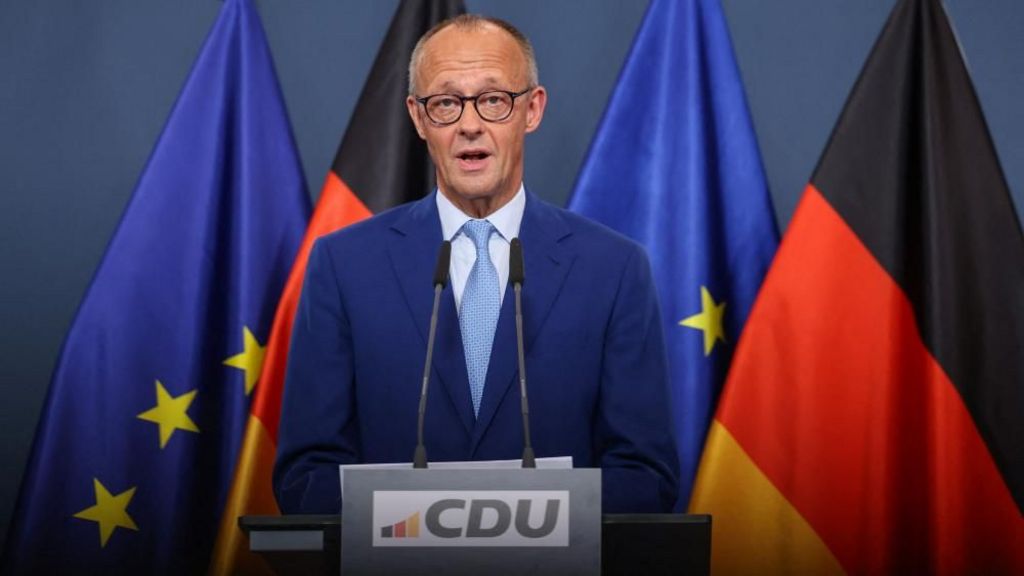
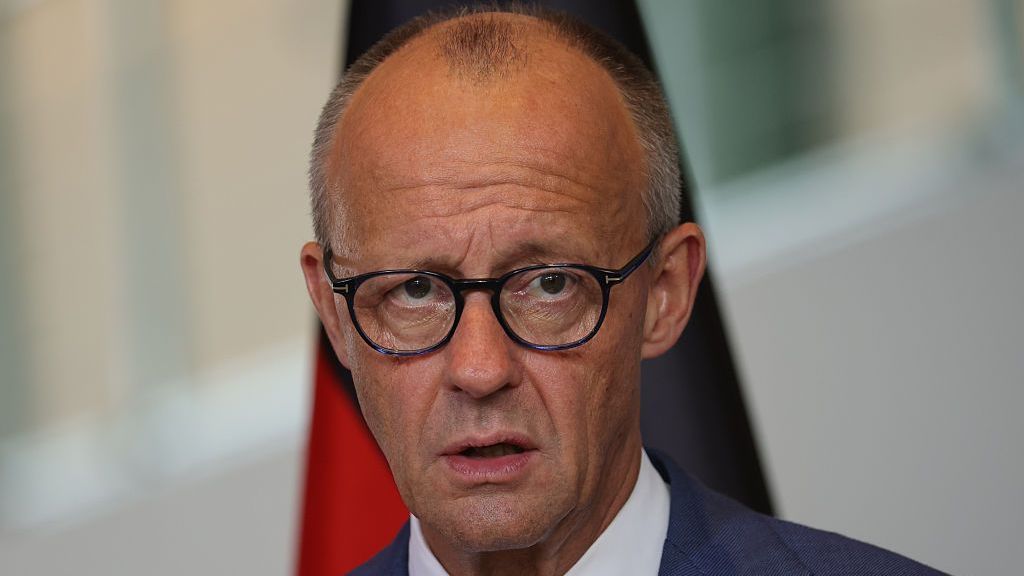
    Embattled German Chancellor Friedrich Merz has insisted he will remain in office after exit polls from two key state elections on Sunday pointed to major losses for his center-right Christian Democratic Union (CDU). The poor electoral results come just two weeks after the party suffered a dramatic collapse in Saxony-Anhalt, where the far-right Alternative for Germany (AfD) secured a historic upset victory that halved the CDU’s vote share.

    In northeastern Germany’s Mecklenburg-Vorpommern, exit polling from public broadcaster ZDF projects the AfD will capture 38% of the vote, putting it on track to win a plurality of support in the state. By contrast, the CDU is projected to barely cross the 5% threshold required to earn seats in the state parliament, a result that Merz himself described as “a disaster”. While the AfD is poised to win the most votes, it remains unlikely to form a governing coalition, as all other major German parties have ruled out working with the far-right group.

    In the capital city of Berlin, where the CDU currently holds power, the party is also facing defeat. ZF projections put the CDU’s vote share at 20%, trailing the left-wing Die Linke party, which is expected to win nearly 26% of the vote.

    These results have amplified already intense pressure on Merz, who has held the chancellorship for just 16 months. Plagued by poor public approval ratings, persistent rumors of a mid-term “chancellor swap” have circulated in German political circles for weeks, with speculation that party figures could oust Merz if the CDU failed to reverse its declining electoral fortunes. Earlier this week, eight regional party leaders publicly reaffirmed their support for Merz in an attempt to quell internal dissent.

    Polling stations closed at 18:00 local time (17:00 BST), and official final results are expected to be released in the coming hours. This is a developing breaking news story and will be updated as more information becomes available.

  • Trump says his planned triumphal arch will double as a military complex to store ammunition

    Trump says his planned triumphal arch will double as a military complex to store ammunition

    Former and current second-term U.S. President Donald Trump has announced significant revisions to his long-proposed triumphal arch project, revealing that the iconic structure will now double as a purpose-built military complex capable of deploying armed drones and sniper teams, in a move that blends symbolic national infrastructure with national security functionality.

    In a post shared Sunday morning on his Truth Social platform, Trump explained that the revisions to the original design came at the “strong request” of the U.S. military, and that the changes are being made explicitly for “national security purposes.” Describing the combined arch and military facility as “top grade,” Trump detailed that the site will be built to house, store, and rapidly deploy large numbers of drones, while also offering positioned placements for sniper teams on both the structure’s roof and adjacent public plaza. The facility will also include dedicated secured storage for large stockpiles of sniper ammunition, per Trump’s description.

    Notably, Trump has so far released no concrete details about construction timelines, budget estimates, or contracting plans for the revised project. It also remains unclear whether the updated plans require additional approval from congressional oversight bodies or federal regulatory agencies. In his post, Trump claimed that “there will be no facility like this anywhere in the World.” He also repeated a longstanding claim that among what he called the 59 top global cities and national capitals, Washington, D.C. is uniquely without a triumphal arch, though he did not elaborate on the list of 59 cities referenced.

    The 250-foot (76-meter) structure is planned for a site located across the Potomac River from Washington, D.C., on land adjacent to Arlington National Cemetery. Initial construction was projected to begin this month. Early design renderings released earlier this year show a golden, winged statue of Lady Liberty atop the arch, flanked by two golden eagles. The inscriptions “One Nation Under God” and “Liberty and Justice for All” will be featured on either side of the structure, rendered in gold lettering. At 250 feet from base to the peak of the Lady Liberty statue, the structure will tower over the nearby 99-foot Lincoln Memorial and stand half the total height of the 555-foot Washington Monument.

    The triumphal arch is just one of several large infrastructure projects Trump has advanced during his second presidential term to reshape the built landscape of the U.S. capital. Other ongoing projects include a gilded renovation of the Oval Office, construction of a new White House ballroom estimated to cost roughly $400 million, a controversial repaving of the historic White House Rose Garden, and renovations to the Lincoln Memorial Reflecting Pool. Of all these projects, the triumphal arch stands out as one of the largest and most ambitious in scope.

    The BBC has reached out to the U.S. Department of Defense for comment and additional context on the revised plans, but as of yet has not received a formal response.

  • GB dominate Ecuador to reach Davis Cup Finals

    GB dominate Ecuador to reach Davis Cup Finals

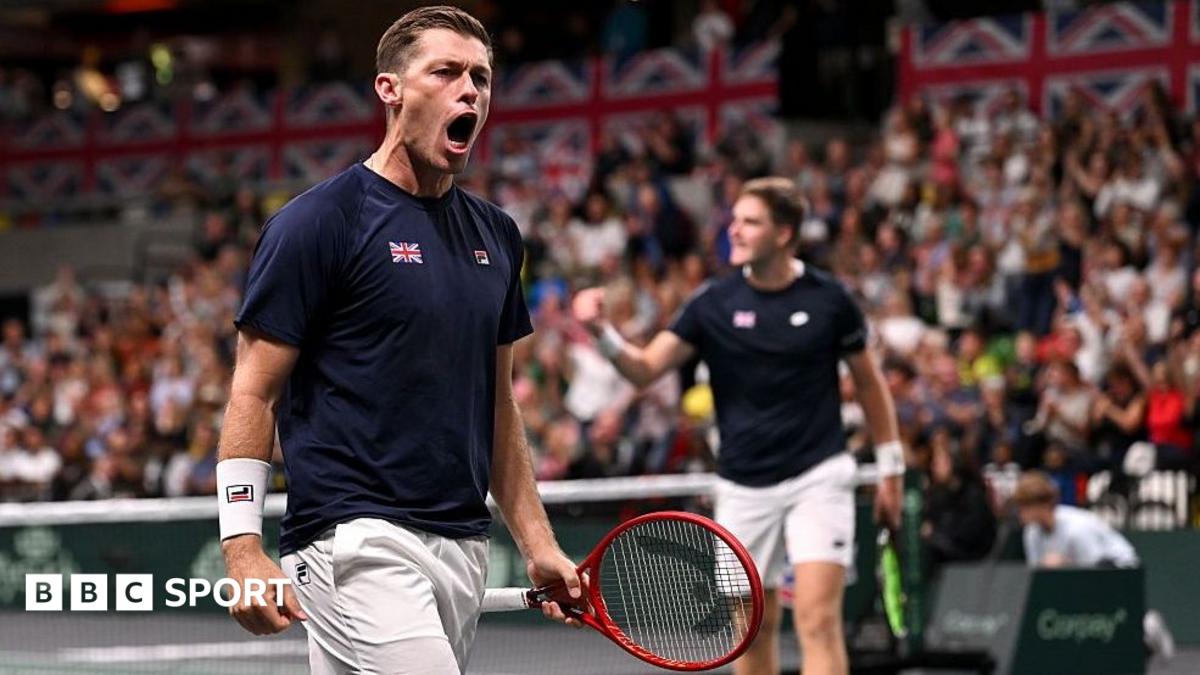
    Great Britain’s men’s tennis team has punched its ticket to the 2025 Davis Cup Finals, wrapping up a lopsided 4-0 qualifying victory against Ecuador to reach the sport’s most prestigious global team competition’s knockout round for the first time in two years. The decisive win came on Sunday in London’s Copper Box Arena, where top British pairing Henry Patten and Neal Skupski delivered a straight-sets 6-3, 6-4 victory over Ecuador’s Gonzalo Escobar and Diego Hidalgo to lock in Britain’s place at November’s eight-team finals, which will be hosted in Bologna, Italy.

    The result gave Great Britain an unassailable 3-0 lead in the best-of-five qualifying tie, even before the final singles match got underway. That lead had been built a day earlier by two young, inexperienced British singles players who stepped up in the face of key absences across the national squad. First-time Davis Cup representative Toby Samuel turned in a comeback win over Ecuador’s Andres Andrade, taking the match 4-6 6-4 6-1, while Arthur Fery, appearing in just his second Davis Cup tie, claimed a confident 7-5 6-0 victory against Alvaro Guillen Meza.

    The final match of the tie still offered a moment of history for 22-year-old Harry Wendelken, who received a late call-up to the British squad after Cameron Norrie, Britain’s second-ranked men’s player, was forced to withdraw ahead of the tie with arm pain sustained in a practice session. On his senior international competition debut, Wendelken wrapped up the clean sweep with a 6-2 6-3 win over Angel Veliz, cementing the 4-0 final scoreline.
    For British captain Leon Smith, the result marks an end to a three-year drought since his team’s last appearance in the Davis Cup Final 8. “To do it in three straight rubbers is really good and I’m actually delighted for the guys to look forward to something at the end of the year,” Smith told BBC Sport following the win. The dominant victory was far from guaranteed heading into the weekend, even against an Ecuador side whose top singles players ranked outside the world’s top 200. Great Britain entered the tie already depleted by injuries: top player Jack Draper cut his season short early due to ongoing fitness issues, while Jan Choinski and Jacob Fearnley were both sidelined by injury, leaving Smith with a largely inexperienced roster for the home qualifier.
    The standout performance of the weekend came from 24-year-old Samuel, who has enjoyed a breakout 2025 season that has catapulted him from outside the world’s top 250 to a current ranking of 95th. Just weeks after claiming his first career Grand Slam match win at the 2025 US Open, Samuel overcame first-tie nerves to rally from a set down and secure the opening point for Great Britain. For Sunday’s decisive doubles, Smith was able to call on world No. 1 doubles specialist Patten and newly crowned US Open men’s doubles champion Skupski, who delivered a flawless performance that saw them deny the Ecuadorian pairing a single break point opportunity across two straight sets. Though the pair do not compete together regularly on the ATP Tour, their on-court chemistry came from years of training within Britain’s national tennis system, Patten explained after the match. “We are good friends off the court, which I think always helps, and we spend time with each other when we are on the tour anyway. [LTA coach] Louis Cayer has created the British system so it’s quite easy for Brits to play together – we both have a good idea of what the other player is going to do, where they are going to hit it, where they are going to move to.”
    Great Britain’s last trip to the Davis Cup Final 8 in 2023 ended in a 2-0 quarter-final defeat to Novak Djokovic-led Serbia, with Norrie and Draper both dropping their singles matches. Looking ahead to November’s tournament in Bologna, Smith acknowledged that Great Britain will face stiff competition from top global contenders, including potential matchups against in-form hosts Italy led by Jannik Sinner and Spanish star Carlos Alcaraz, who has already confirmed his commitment to competing. Still, the captain said he sees a clear path to an upset for his team: “When you get to the Final 8 and you play one of the seeded teams, they are extremely strong… but you’ve got a chance. You try and steal one of the singles, and it goes to the doubles and you’ve got a good doubles team. There’s a lot of excitement about it, it brings the team together again.”
    Three-time defending champion Italy qualifies for the 24-29 November finals automatically as tournament hosts. Great Britain is one of seven other qualifying nations that have secured their place in the Final 8 this weekend, with a number of surprising results shaking up the global qualifier round. Record 32-time Davis Cup champion the United States will miss the knockout stage for a second consecutive year after falling to a 3-2 defeat against the Czech Republic. The Americans held a 2-1 lead heading into the final two singles matches, but US Open runner-up Ben Shelton fell to Jakub Mensik, before Jiri Lehecka sealed the comeback win for the Czechs by defeating Learner Tien.
    Other qualifying nations included South Korea, who advanced to the Davis Cup knockout stage for the first time in the country’s history after a 3-1 win over India. Austria secured their spot with a victory over Belgium, while 2022 tournament champion Canada earned qualification with a 3-1 win against France. In one of the standout individual performances of the qualifier round, newly crowned US Open singles champion Alexander Zverev won both of his singles matches to lead Germany to a 3-1 victory over 2023 runner-up Croatia. Spain, who are without star Carlos Alcaraz as he continues his recovery from a wrist injury, still secured qualification after building an unassailable lead against Chile to wrap up their qualifying tie.

  • Ngetich breaks women-only half-marathon record

    Ngetich breaks women-only half-marathon record

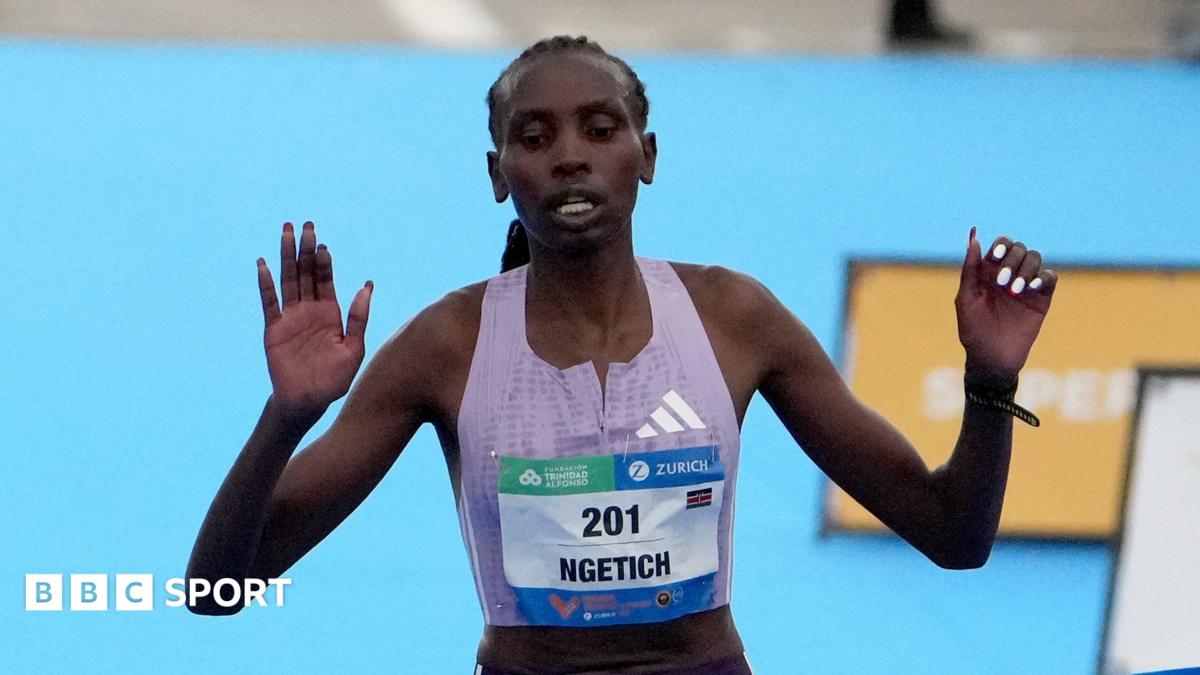
    At the 2025 World Road Running Championships held in Copenhagen, Denmark, 25-year-old Kenyan long-distance runner Agnes Ngetich delivered a historic performance that etched her name into the record books. Ngetich claimed the women’s gold medal in the half marathon with a blistering time of one hour, five minutes and 15 seconds, shaving one full second off the previous women-only half marathon world record set by her compatriot Peres Jepchirchir, who set the former benchmark when she won World Half Marathon gold back in 2020.

    It is important to note that Ngetich’s record only applies to women-only competitions. Ethiopia’s star runner Letesenbet Gidey still holds the overall women’s half marathon world record (which includes mixed-gender races) with a time of 1:02:52, a mark that remains one of the most impressive in all of distance running.

    This historic breakthrough in Copenhagen is far from the first time Ngetich has redefined what is possible for women’s distance running. In 2024, she made history at a mixed road race in Valencia, Spain, when she became the first woman ever to complete a 10km race in under 29 minutes, crossing the line in 28:46 to break the existing world record. Just one year later, in April 2025, she did it again: she set a new 10km world record for women-only races, clocking 29:27 to become the first woman to break the 30-minute barrier in an all-women’s 10km event.

    In a post-race interview with reporters, Ngetich expressed her overwhelming joy and gratitude for the milestone victory, crediting her coaching team for believing in her potential when others doubted it. “My coach believed in me and told me that I could do it, that I could win the gold medal,” Ngetich said. “So, I am very happy and very grateful to now hold the world half marathon record, too.”

    Looking ahead to the next chapter of her already decorated career, Ngetich has already set a new, ambitious goal that she is determined to achieve. The Kenyan star says her next focus is preparing for the 2027 World Athletics Championships, where she plans to make her mark on the track rather than the road. “I am now going to discuss with my coach what is ahead of me. But I know I am coming back to track races in 2027, because there is a World Athletics Championships,” she explained. “It is my dream to win a gold medal on the track. It is the only one I am missing.”

    In the men’s half marathon competition at the same Copenhagen event, Sweden’s Andreas Almgren also turned in a record-breaking performance to take the men’s gold medal. Almgren crossed the finish line in 58:06, breaking his own previously held European record by an impressive 35 seconds to claim the top spot on the podium.

  • Townsend run over by pitch roller in Thailand

    Townsend run over by pitch roller in Thailand

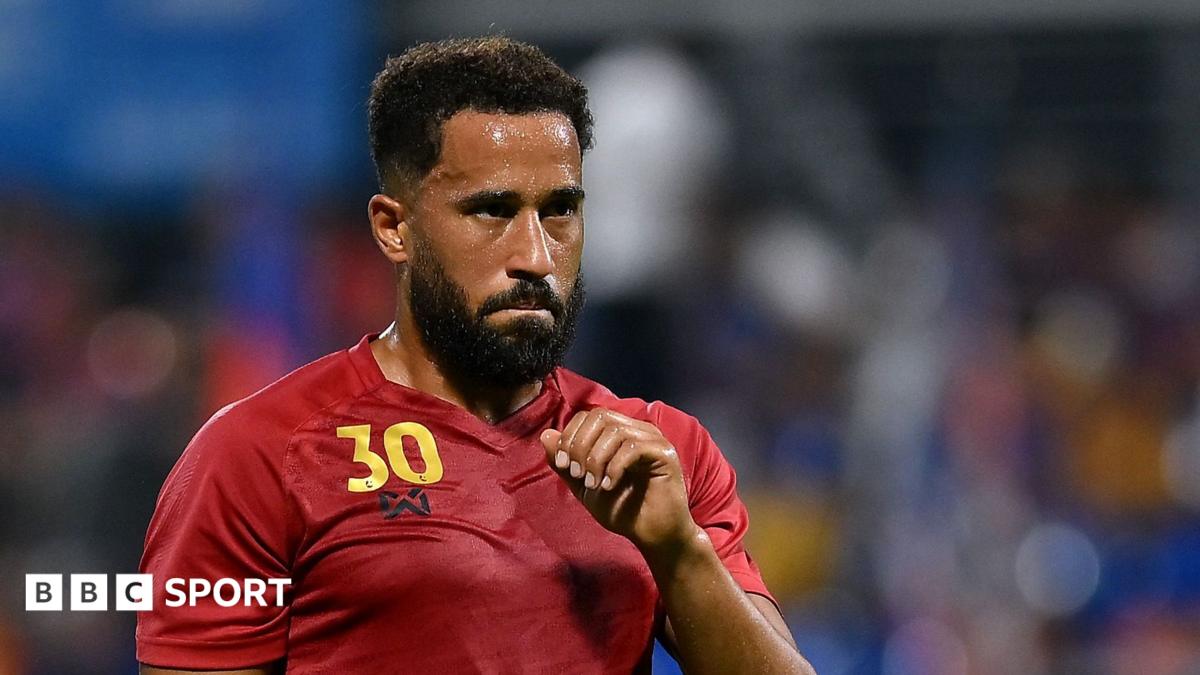
    A freak accident on a Thai football pitch has former England international winger Andros Townsend reconsidering just how bad his toughest away days in English football really were. The 35-year-old, who once represented top-flight English clubs including Tottenham Hotspur, Crystal Palace and Luton Town, currently plies his trade with PT Prachuap in Thailand’s top-tier Thai League 1, having moved to the Southeast Asian country to join the club earlier in 2025.

    The bizarre incident unfolded over the weekend before Townsend’s side was due to face off against Pattani. As the experienced winger went through his pre-match warm-up routine on the sidelines, a ground staff member operating a heavy pitch maintenance roller reportedly lost control of the vehicle. The heavy machine rolled over Townsend’s left leg, trapping the limb underneath it briefly before the situation was brought under control.

    Remarkably, the former Premier League footballer walked away from the incident without any injuries. In a further show of his good form after the scare, Townsend came off the substitutes bench late in the match to help his side secure a comfortable 3-0 victory over their opponents.

    Always one with a sense of humor about his career moves, Townsend took to Instagram to share the story of the incident with his followers, leaning into an old joke he had made just weeks prior. In a previous social media post, Townsend had drawn a lighthearted comparison between sun-soaked away trips in Thailand and tough, chilly visits to Stoke City’s Bet365 Stadium during his time playing in England. Following the pitch roller incident, he updated that take with a new punchline: “It turns out Stoke away wasn’t so bad after all. Swipe to see why.”

    Townsend, who earned 13 senior caps for England during his international career, has become a fan favorite among followers of Thai football since his move, with his lighthearted take on the scary incident winning praise across football social media for his good humor.

  • German elections under way which could decide fate of Chancellor Merz

    German elections under way which could decide fate of Chancellor Merz

    On Sunday, two critical state elections will kick off across Germany, with results widely expected to escalate political pressure on sitting Chancellor Friedrich Merz. Latest opinion polling from the battleground states of Berlin and Mecklenburg-Vorpommern paints a grim picture for Merz’s center-right Christian Democratic Union (CDU), which faces the prospect of damaging defeats that could reignite open questions about the chancellor’s hold on power just 16 months after his party took office.

    The high-stakes vote comes on the heels of a devastating defeat for the CDU in Saxony-Anhalt just two weeks prior, where the far-right Alternative for Germany (AfD) secured a landslide victory and the CDU’s vote share was cut in half. German political analysts and insiders have widely speculated that Merz could face a mid-term leadership challenge if the CDU fails to reverse its declining electoral fortunes this weekend. While the chancellor has publicly pledged to remain in office, his approval ratings have plummeted, and internal party discussions of a potential “chancellor swap” have grown more common, even as would-be challengers have not yet made their moves public, according to leading German broadcaster Tagesschau.

    In Berlin, polling indicates the CDU is locked in a tight race for first place with the left-wing Die Linke party, and could end up losing control of the state government. In the northeastern state of Mecklenburg-Vorpommern, the CDU is barely polling above the 5% threshold required to secure seats in the state parliament, on track for what would be its worst ever result in a regional German election.

    This rapid decline in support for Merz, who has only led the country for 16 months, stems from two overlapping trends: the collapsing popularity of his own CDU, and the continued electoral rise of the AfD, the far-right movement Merz built his leadership campaign to counter. Several regional branches of the AfD are classified as right-wing extremist organizations by Germany’s domestic intelligence service, a designation the party has repeatedly rejected. Despite this, the AfD’s anti-immigration platform, pro-Russia foreign policy and nationalist “Germany-first” agenda has gained significant traction in the country’s former East German states, where discontent with mainstream parties runs high.

    The AfD is aiming to capitalize on its recent Saxony-Anhalt win to secure a first-place finish in Mecklenburg-Vorpommern. But the center-left Social Democratic Party (SPD), the CDU’s junior coalition partner at the national level, has mounted a late comeback surge in the state, driven by the popularity of its incumbent state premier and lead candidate Manuela Schwesig. Schwesig has positioned herself as “Die Frau gegen Blau” — “The Woman against Blue”, referencing the AfD’s official party color — and is rallying all anti-AfD voters to her camp. While Schwesig enjoys strong personal support locally, her national party remains deeply unpopular, stuck in an uneasy governing alliance with Merz’s CDU.

    For many voters, frustration with Merz runs deep. Reinhart, an AfD supporter waiting in line for a campaign event in Neubrandenburg, argued that mainstream traditional parties are collapsing across Europe, not just in Germany. When asked about Merz, he said, “He is arrogant, out of touch, not on the same level as the general public.”

    Merz’s allies have pushed back against this criticism, arguing that the chancellor inherited a host of intractable problems from previous governments, and has been forced to navigate a series of damaging global economic shocks that are outside of his control. Even so, public faith in Merz’s ability to address Germany’s challenges has eroded sharply, and few voters express strong positive approval of his leadership.

    A former corporate lawyer, Merz’s decision to shift the CDU further to the right on issues including immigration was intended to siphon support away from the AfD. Instead, the strategy has failed to cut into AfD voter numbers, while simultaneously alienating left-leaning moderate voters. His blunt, unapologetic communication style has also rubbed many voters the wrong way: his comments dismissing the value of work-life balance, and urging Germans to work more and take less sick leave, drew widespread public backlash.

    Merz’s supporters frame his approach as a necessary tough love — he is willing to deliver the unpopular reforms the country needs, even if voters do not like the short-term pain. But Germany’s ongoing sluggish economic growth, persistently high energy costs, and divisive national debates over immigration have combined to create a widespread sense of national malaise that has dragged down support for the ruling coalition.

    Earlier this week, the leaders of eight German state CDU branches issued a public statement backing Merz, arguing that rebuilding public trust in the party requires “listening and taking political action, not in debates over personnel.” Even so, while no sitting party figure has launched an open challenge to Merz’s leadership, internal grumbling over his performance has grown louder.

    Martin Rohloff, the CDU’s own candidate for the Neubrandenburg district, argued that Merz lacks the “Fingerspitzengefühl — the feeling for the small persons.” When asked if Merz should step down, Rohloff acknowledged it was a difficult question, but said, “If I have to answer yes or no, I would say yes. There are other people who maybe have better feelings for the public.” While Rohloff noted that Merz may be pushing for the right policy goals, he criticized the chancellor for poor communication with voters.

    Merz has reaffirmed his commitment to staying in office, and his ruling coalition is preparing to push a sweeping package of economic, tax and welfare reforms through parliament this autumn. But Sunday’s election results could cut his tenure short before the reform package is finalized. In a move that signals the chancellor is already preparing for potential crisis, Merz has canceled a planned trip to New York scheduled for next week, and will meet with senior CDU leaders in Berlin Sunday evening to assess the results.

    For European security, a change in German leadership carries significant risks. Merz has been a staunch supporter of Ukraine in its war against Russia, and his departure would add further instability to a continent already grappling with heightened fears of Russian aggression.

  • Two killed in ‘massive’ Ukrainian drone attack on Moscow region, says Russia

    Two killed in ‘massive’ Ukrainian drone attack on Moscow region, says Russia

    The long-running Russia-Ukraine conflict has entered a new phase of intensified violence, with back-to-back large-scale drone strikes leaving multiple civilians dead and critical infrastructure damaged across both nations. The most recent escalation unfolded overnight, when Ukraine launched what regional Russian authorities described as a massive drone attack targeting the Moscow region.

    Andrei Vorobyev, governor of the Moscow region, confirmed that the attack left at least two civilians dead and six others injured. According to Vorobyev’s official statement, Russian air defense systems intercepted and shot down a total of 249 incoming drones during the assault. The wreckage of downed drones and direct strikes sparked blazes across multiple residential properties, a large commercial warehouse, and a key oil refinery located within Moscow city limits. In response to the security threat, Russian authorities implemented immediate flight restrictions at two of Moscow’s major civilian airports, Sheremetyevo, the capital’s busiest air hub, and Vnukovo, disrupting hundreds of scheduled passenger flights.

    Local casualty reports paint a grim picture of the civilian impact. In the town of Sofyino, a drone strike on a three-story residential building killed a 44-year-old woman and wounded five additional people, including two children. In the Orekhovo-Zuevo district, an elderly man was killed when a private residence was directly hit. Moscow Mayor Sergei Sobyanin later confirmed that a drone also hit a low-rise building near a central Moscow boulevard, and that sustained damage to the oil refinery forced facility operators to pause operations temporarily. Unverified footage circulated widely on social media platforms overnight captured large plumes of smoke rising from the burning warehouse and explosions lighting up the night sky over the Moscow region. Conflicting figures on intercepted drones have emerged from different Russian officials: Sobyanin put the number of downed drones targeting Moscow at 152, while Vorobyev cited a total of 249 across the wider region.

    This latest attack came just hours after Russian strikes targeting Ukrainian territory left seven civilians dead, including two children, across the Kyiv and Sumy regions on Saturday. In Fastiv, a city located outside of Kyiv, Kyiv regional governor Tymur Tkachenko confirmed that a Russian attack killed a mother and her two young children, a boy and a girl, and damaged multiple private homes. In the northeastern Sumy region, local administrative head Oleh Hryhorov reported that four civilians were killed when a Russian drone struck the passenger car they were traveling in.

    In recent weeks, both Russian and Ukrainian forces have sharply increased the frequency and scale of cross-border strikes, strategically targeting critical infrastructure including energy generation facilities, transport networks, and key logistics hubs. The escalating exchange of long-range attacks marks a significant widening of the conflict, which began when Russian President Vladimir Putin launched a full-scale invasion of Ukraine in February 2022.