博客

  • Shanghai researchers unveil promising clinical trial results in glioblastoma treatment

    Shanghai researchers unveil promising clinical trial results in glioblastoma treatment

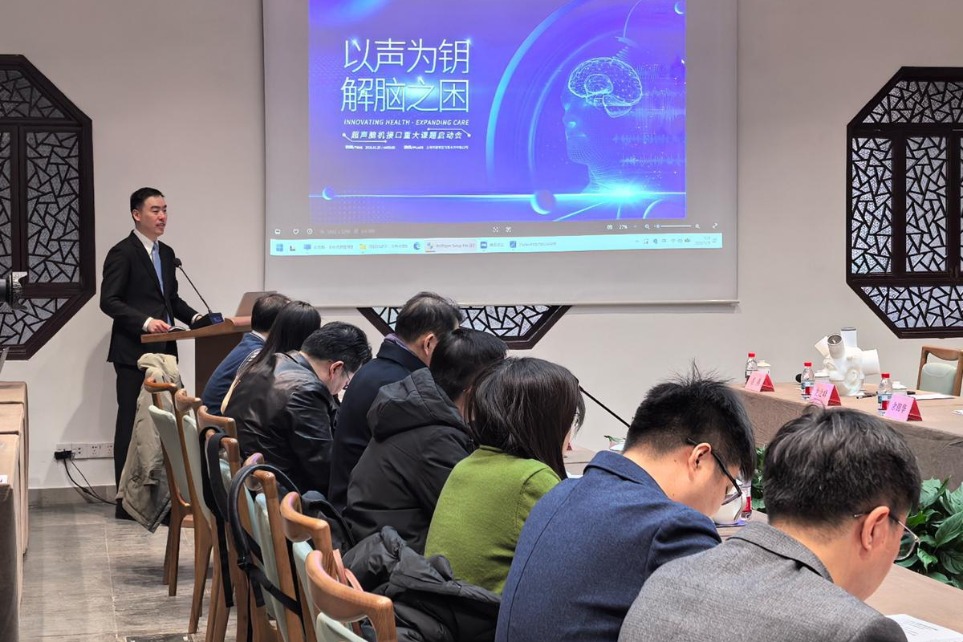
    In a significant medical advancement, researchers from Fudan University and Huashan Hospital in Shanghai have announced groundbreaking clinical trial results for glioblastoma treatment using the domestically developed ‘UltraBrainPad’ device. The innovative ultrasound-based technology has demonstrated remarkable success in temporarily opening the blood-brain barrier—a protective mechanism that typically prevents most medications from reaching brain tissue—thereby dramatically enhancing drug delivery to cancerous cells.

    The breakthrough represents China’s first clinically proven ultrasound diagnostic and therapeutic tool with clear efficacy against glioblastoma, one of the most aggressive and treatment-resistant forms of brain cancer. According to Dr. Shi Zhifeng, a leading researcher from Huashan Hospital, the technique achieves rapid blood-brain barrier opening within just three minutes, resulting in an average eightfold increase in drug concentration compared to untreated brain tissue.

    The UltraBrainPad system employs a semi-invasive approach utilizing a handheld ultrasound probe that provides real-time imaging of the patient’s brain. Physicians can select multiple treatment targets through touch interface, with ultrasound waves simultaneously opening the barrier in all designated areas. Artificial intelligence integration further enhances safety by visually monitoring the degree of barrier opening during the procedure.

    Notably, the blood-brain barrier naturally restores itself approximately six hours after treatment, with reported efficacy and safety parameters surpassing international standards. The research team has established optimized ultrasound parameters through extensive preliminary in vitro and animal experiments before progressing to human trials.

    Looking forward, researchers plan to initiate clinical studies for recurrent glioblastoma patients while exploring the broader potential of ultrasound brain-machine interfaces. This technology may revolutionize treatments for other neurological disorders including Alzheimer’s disease, opening new therapeutic possibilities in neuroregulation and brain-machine integration that could benefit millions worldwide.
  • CCG organizes 134 patrols around the Diaoyu Islands since 2021

    CCG organizes 134 patrols around the Diaoyu Islands since 2021

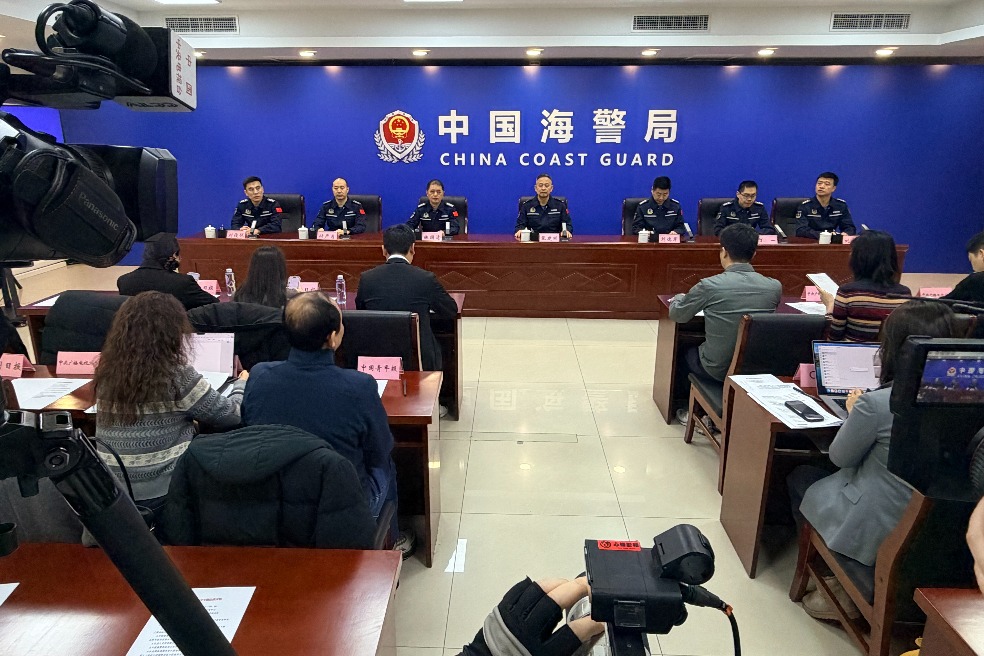
    The China Coast Guard (CCG) has significantly escalated its maritime presence around the Diaoyu Islands, conducting 134 patrol missions within the territorial waters since 2021. Recent operational data reveals an exceptionally high tempo of patrol activities throughout 2025, with vessels deployed for rights protection and sovereignty enforcement missions on 357 days during the year.

    Over the past five years, the coast guard has demonstrated substantial operational capability through the deployment of approximately 550,000 ship sorties and 6,000 aircraft missions dedicated to maritime rights protection. These persistent patrol operations represent China’s determined efforts to reinforce its territorial claims and maintain constant presence in the contested waters.

    The intensified patrol schedule coincides with ongoing regional tensions regarding maritime sovereignty in the East China Sea. The Diaoyu Islands, known as the Senkaku Islands in Japan, have been subject to longstanding territorial disputes between China and Japan, with both nations asserting historical claims to the strategically significant archipelago.

    China’s coast guard operations have evolved significantly in recent years, with enhanced vessel capabilities and increased operational range enabling more sustained presence missions. The reported patrol statistics demonstrate Beijing’s commitment to advancing its maritime interests through continuous law enforcement presence rather than intermittent demonstrations of sovereignty.

  • Burkina Faso junta announces ban on all political parties

    Burkina Faso junta announces ban on all political parties

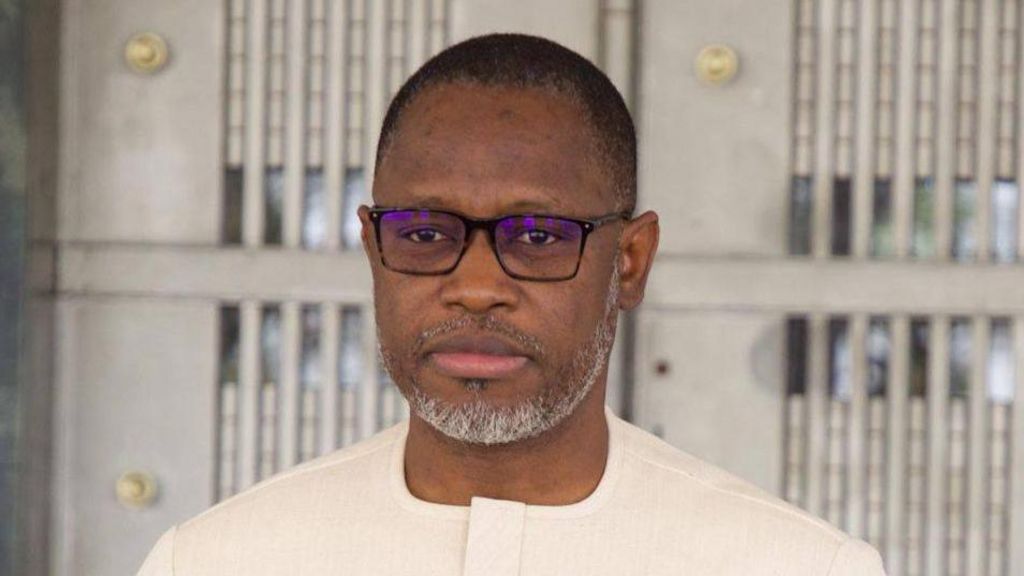
    Burkina Faso’s military regime has formally outlawed all political organizations in a decisive consolidation of power, marking the most significant authoritarian shift since Captain Ibrahim Traoré’s 2022 coup. Interior Minister Emile Zerbo declared the comprehensive ban as part of broader state reconstruction efforts, citing what authorities describe as systemic abuses within the nation’s multiparty framework.

    The junta administration contends that political parties have exacerbated societal divisions and undermined national cohesion through their operations. This sweeping prohibition extends beyond previous restrictions on public assemblies to completely eliminate party operations across the territory. According to the decree, all assets belonging to the dissolved political entities will be transferred to state ownership.

    A formal draft legislation enacting these measures will be presented to the Transitional Legislative Assembly imminently. Before the military takeover, Burkina Faso’s political landscape featured over 100 registered parties, with 15 holding parliamentary seats following the 2020 general elections.

    Captain Traoré, who seized power from Paul-Henri Sandaogo Damiba in September 2022, had initially committed to restoring civilian governance by July 2024. However, the junta recently announced a five-year extension to military rule, just two months prior to the promised transition deadline.

    Despite international criticism of his authoritarian methods, the 37-year-old leader has garnered substantial popularity across Africa for his pan-Africanist ideology and vocal opposition to Western influence. Burkina Faso joins several West African nations experiencing military takeovers in recent years, raising profound concerns about regional democratic stability and governance patterns.

  • Ethiopia’s national carrier cancels flights to Tigray region as fears grow of renewed fighting

    Ethiopia’s national carrier cancels flights to Tigray region as fears grow of renewed fighting

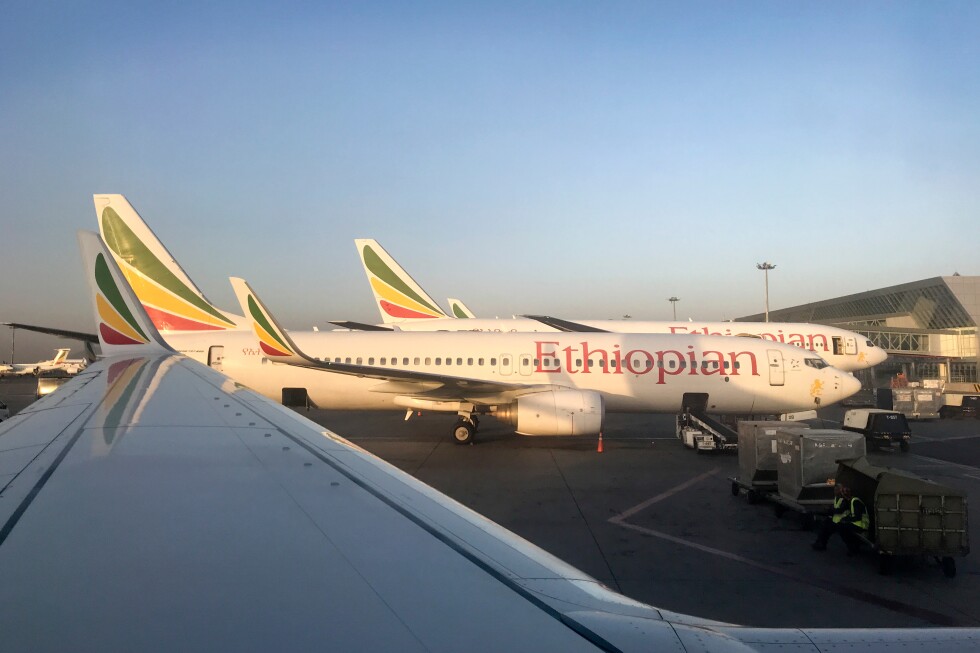
    Ethiopian Airlines has abruptly suspended all flights to and from the northern Tigray region, citing “unplanned circumstances” as tensions escalate between federal forces and Tigrayan authorities. The cancellation, now extending into its second day, signals deteriorating security conditions with reports of drone surveillance and military movements in western and southern Tigray.

    Anonymous security officials confirm the flight suspensions are directly linked to renewed hostilities, triggering civilian exodus attempts by road. In Mekele, Tigray’s capital, transportation services face overwhelming demand with bus bookings to Addis Ababa completely full until next Tuesday. Residents report forming extensive queues at banks and ATMs, many of which have exhausted their cash reserves, as panic buying intensifies.

    This crisis emerges just three years after the landmark 2022 peace agreement that ended a devastating two-year civil war claiming hundreds of thousands of lives. Both sides now accuse each other of violating the truce—Tigray leaders cite federal government drone strikes while Ethiopia alleges Eritrean mobilization of armed groups along their shared border.

    The geopolitical landscape has shifted dramatically since the previous conflict. Peace and conflict experts note the potential formation of a strategic alliance between Tigray’s ruling party (TPLF) and Eritrean President Isaias Afwerki, which could fundamentally alter regional dynamics. Unlike the 2020-2022 war where Tigray was encircled by hostile forces, this configuration might provide Tigray with open supply lines and military support from Eritrea.

    The escalating situation occurs against broader regional tensions regarding sea access. Ethiopian Prime Minister Abiy Ahmed, who previously won the Nobel Peace Prize for reconciling with Eritrea, has recently adopted assertive rhetoric about securing Red Sea access—comments perceived as provocative by neighboring nations. With Ethiopia currently dependent on Djibouti’s ports amid high fees, and Eritrea accusing Ethiopia of harboring “war agendas” targeting its ports, the region faces compounded instability.

  • ‘She’s done a great job’ – Donald Trump praises Melania’s film

    ‘She’s done a great job’ – Donald Trump praises Melania’s film

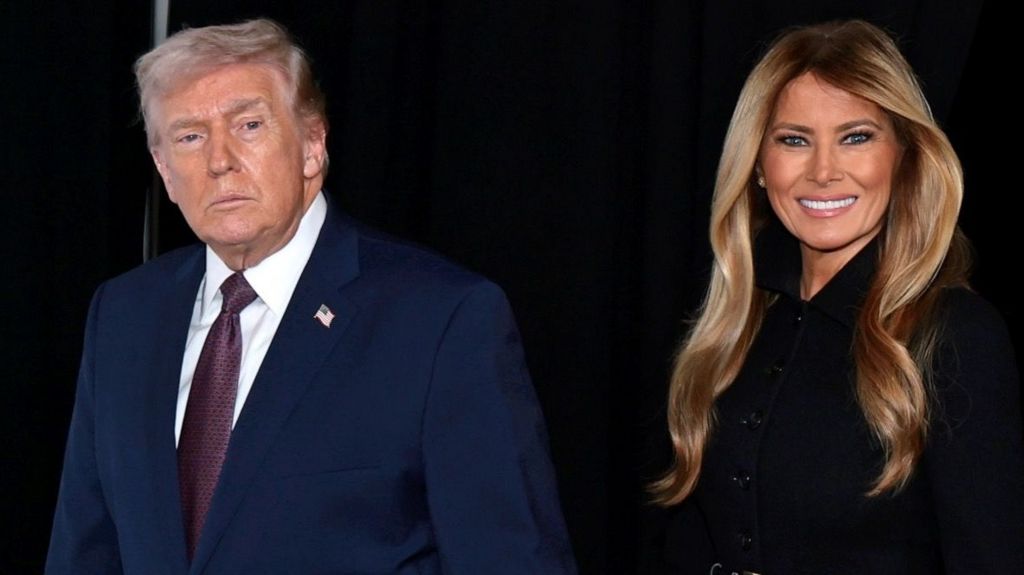
    President Donald Trump and First Lady Melania Trump made a striking appearance on the black carpet for the world premiere of a new documentary centered on the First Lady. The event showcased a rare public display of mutual admiration between the presidential couple, with President Trump openly commending his wife’s work. “She’s done a great job,” the President stated, highlighting his support for the project that offers an intimate portrayal of Melania Trump’s journey and initiatives. The premiere attracted significant media attention, serving as a high-profile platform for the First Lady’s independent ventures beyond traditional political spheres. The documentary is anticipated to provide viewers with unprecedented insights into her personal narrative and philanthropic efforts during her time in the White House.

  • Worried families in India urge return of crew on ship seized by Iran

    Worried families in India urge return of crew on ship seized by Iran

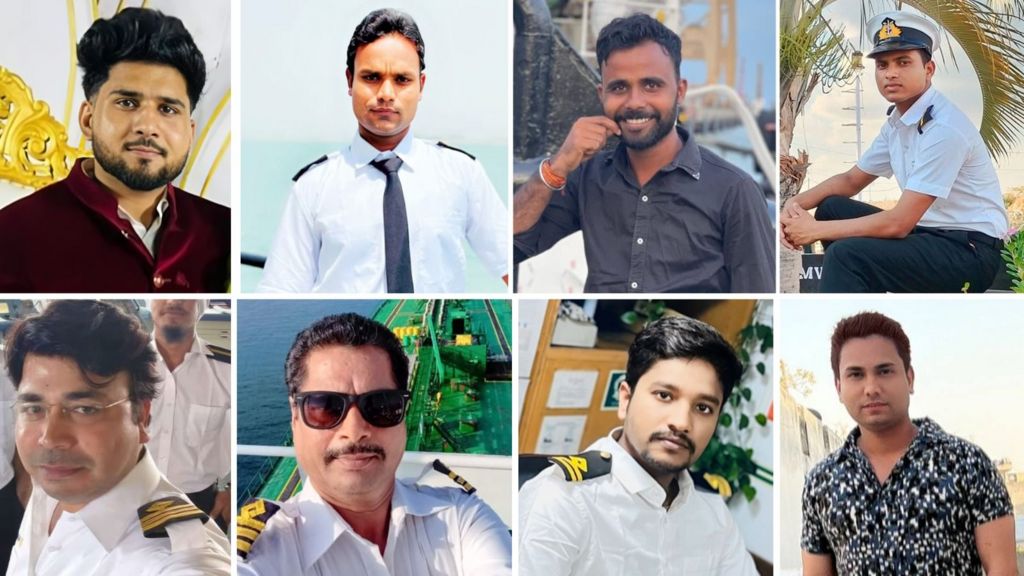
    Sixteen Indian nationals remain detained in Iran following the controversial seizure of oil tanker MT Valiant Roar in international waters on December 8th. The vessel, operated by Dubai-based Prime Tankers LLC, was apprehended by Iranian authorities alleging transportation of 6,000 metric tonnes of illegal diesel—a claim vehemently denied by the shipping company.

    The geopolitical landscape has complicated resolution efforts, with Iran experiencing significant domestic unrest since late December and increased US military presence in the region creating additional tensions. According to documents filed by India’s foreign ministry in Delhi High Court, ten Indian crew members have been formally arrested and transferred to Bandar Abbas prison, while six remain confined aboard the vessel under deteriorating conditions.

    Families report severe humanitarian concerns, citing inadequate food supplies, limited potable water, and unsanitary living conditions as generators fail and waste disposal systems malfunction. Most personal communication devices have been confiscated, though one phone permits intermittent contact with relatives.

    Diplomatic channels have achieved partial success, with consular access secured for the imprisoned seafarers though not yet for those remaining onboard. The Indian embassy indicates Iranian authorities will facilitate access pending clearances from naval and prosecutorial offices.

    The vessel’s owner, Jugwinder Brar—currently under US sanctions—maintains the ship carried legitimate Very Low Sulphur Fuel Oil (VLSFO) for company operations. Brar alleges Iran previously seized another Prime Tankers vessel under similar pretenses in December 2023, with three crew members still imprisoned after nine months.

    Maritime unions and families condemn the detention of crew members as fundamentally unjust. ‘Cargo disputes should be settled with companies, not workers,’ stated Gayatri Singh, wife of detained Chief Officer Anil Kumar Singh, echoing sentiments that seafarers are being used as ‘human shields’ in broader geopolitical conflicts.

    The situation remains critical for families awaiting reunification, particularly with contractual end dates having passed in January and personal milestones like planned weddings now in jeopardy.

  • Panama voids Hong Kong-based firm’s canal port contracts

    Panama voids Hong Kong-based firm’s canal port contracts

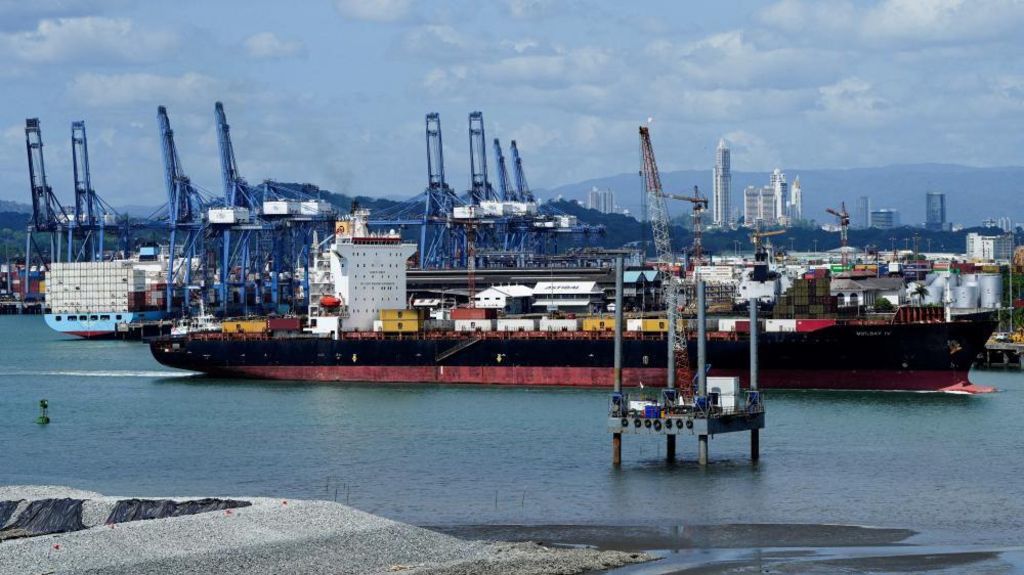
    In a landmark ruling with significant geopolitical implications, Panama’s Supreme Court has declared unconstitutional the contracts permitting Hong Kong-based CK Hutchison Holdings to operate critical container ports along the Panama Canal. The decision invalidates the legal framework under which subsidiary Panama Ports Company (PPC) has managed Balboa and Cristobal terminals since the 1990s.

    The judicial verdict arrives amid escalating tensions between the United States and China regarding influence over global trade corridors. Former US President Donald Trump repeatedly asserted Chinese control over the strategic waterway, with his administration pressuring Panama to address perceived Chinese dominance. Secretary of State Marco Rubio previously demanded ‘immediate changes’ to China’s influence over canal operations.

    Panamanian President José Raúl Mulino has consistently maintained national sovereignty over the canal, rejecting US claims of foreign control. The court’s determination followed extensive deliberation but was immediately challenged by PPC as legally unfounded. The company warned the decision jeopardizes stability for thousands of Panamanian families dependent on port operations and disregards over $1.8 billion in infrastructure investments.

    The ruling potentially disrupts CK Hutchison’s planned $22.8 billion global port divestiture to a consortium led by US investment firm BlackRock and shipping group MSC. This sale, previously praised by Trump as restoring US ownership while criticized by China, represented a strategic effort to reduce political exposure in sensitive regions.

    Financial markets responded swiftly, with CK Hutchison shares dropping 4.6% in Hong Kong trading, dragging the Hang Seng Index down over 2%. The reaction underscores both the company’s market significance and growing investor apprehension regarding geopolitical risk.

    Despite Chinese companies representing substantial canal users (21.4% of cargo volume), no public evidence suggests direct Chinese government control over waterway operations. The Panama Canal Authority, a government agency, maintains full operational control of the vital shipping corridor that accommodates approximately 14,000 annual transits and handles 5% of global maritime trade.

  • Yangtze finless porpoise population increases in China

    Yangtze finless porpoise population increases in China

    China’s landmark conservation efforts have yielded unprecedented success with the Yangtze finless porpoise population reaching 1,426 individuals according to the latest survey data released at a Friday press conference. This represents a significant increase of 177 porpoises since the previous census in 2022, marking a dramatic reversal for the critically endangered species.

    The population recovery is directly attributed to the comprehensive 10-year fishing ban implemented across the Yangtze River basin effective January 1, 2021. This ambitious ecological restoration initiative has created optimal conditions for the species’ natural habitat regeneration and prey population recovery.

    As a national first-class protected wild animal and the only freshwater subspecies within the finless porpoise family, this ancient species has inhabited the middle and lower reaches of the Yangtze River for approximately 25 million years. Conservation biologists consider the porpoise’s population status the most accurate barometer for assessing the overall health of the Yangtze River ecosystem.

    The latest population figures demonstrate the effectiveness of China’s coordinated environmental protection policies and provide encouraging evidence that targeted conservation measures can successfully reverse species decline. Wildlife experts emphasize that continued habitat protection and monitoring will be essential to sustain this positive trajectory for the iconic freshwater cetacean.

  • Trains undergo inspections ahead of Spring Festival travel rush

    Trains undergo inspections ahead of Spring Festival travel rush

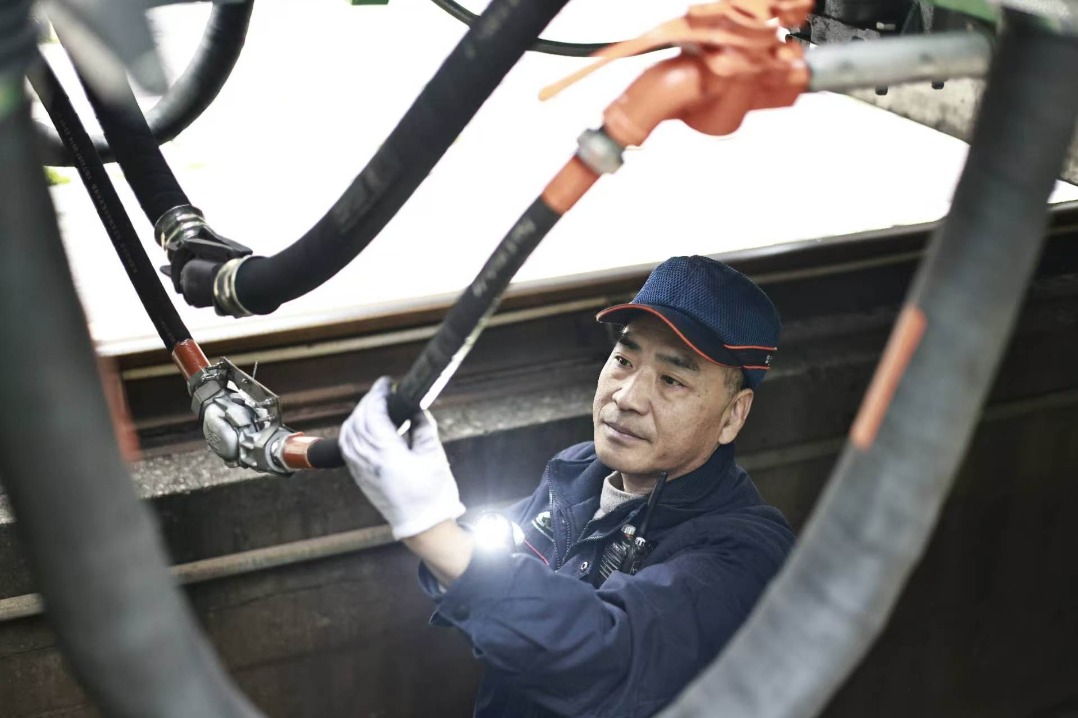
    Chinese railway operators have launched extensive safety inspection campaigns in preparation for the upcoming Spring Festival travel peak, implementing rigorous maintenance protocols to ensure transportation safety during the country’s largest annual human migration event.

    At the forefront of these preparations, the Chongqing North EMU Depot and Chongqing North Depot under China Railway Chengdu Group have deployed specialized maintenance teams to conduct comprehensive examinations of their rolling stock. These inspections focus specifically on CR200J bullet trains and conventional-speed trains that will serve millions of passengers during the holiday period.

    The meticulous verification process encompasses multiple critical systems including upper service facilities, lower suspension mechanisms, running gear components, coupler-buffer apparatus, and passenger carriage electrical equipment. Each system undergoes thorough testing to identify potential issues before they can affect operational safety.

    This year’s Spring Festival travel rush, officially scheduled from February 2 to March 13, 2026, will span 40 days of intensified railway operations. The extended duration reflects both the traditional holiday travel patterns and the continued expansion of China’s railway network capacity.

    Maintenance personnel at the Chongqing facilities have been working extended shifts to complete inspections ahead of the February 2 commencement date. Their efforts represent a critical component of China’s broader transportation strategy to accommodate what authorities predict will be record-breaking passenger volumes during the 2026 holiday season.

    The preventive maintenance initiative demonstrates the railway operator’s commitment to implementing proactive safety measures rather than reactive responses. This approach aligns with China’s ongoing improvements in transportation infrastructure management and passenger safety protocols.

  • Niger’s junta leader accuses France, Benin and Ivory Coast of being behind airport attack

    Niger’s junta leader accuses France, Benin and Ivory Coast of being behind airport attack

    NIAMEY, Niger — Niger’s military leadership has leveled explosive allegations against the presidents of France and two West African nations, claiming they sponsored armed militants who launched a brazen assault on a strategic air force base in the capital. The attack early Thursday resulted in four soldiers wounded and significant damage to military aircraft.

    General Abdourahamane Tchiani, Niger’s military ruler, delivered a fiery address on state television Thursday evening, directly implicating French President Emmanuel Macron, Benin’s President Patrice Talon, and Ivorian President Alassane Ouattara in supporting the mercenary operation. “We have sufficiently heard them bark, and they should now in turn be prepared to hear us roar,” Tchiani declared, though he presented no concrete evidence to substantiate his claims.

    The assault targeted the Diori Hamani International Airport complex in Niamey, a strategically critical installation housing military bases, the headquarters of the Niger-Burkina Faso-Mali Joint Force, and substantial uranium reserves currently at the center of a diplomatic dispute with French nuclear conglomerate Orano. Security footage from the scene captured intense explosions that illuminated the night sky during the two-hour firefight that began around midnight.

    Nigerien defense forces responded with decisive force, neutralizing 20 attackers and capturing 11 others according to official reports. State television additionally claimed one slain assailant was a French national, displaying graphic footage of bloodied bodies at the scene, though verification remained impossible.

    The attack damaged an Air Côte d’Ivoire aircraft parked on the tarmac, with projectiles striking both the fuselage and right wing. No armed group has claimed responsibility for the assault, which occurs amid deteriorating security conditions across Africa’s Sahel region.

    This incident exacerbates already strained relations between Niger’s military junta and former Western allies. Since seizing power in 2023, Niger’s leadership—along with neighboring Mali and Burkina Faso—has severed security ties with France and other Western nations while increasingly embracing Russian military support. The juntas regularly accuse Benin and Ivory Coast, both maintaining close French relations, of acting as proxies for Paris.

    Security analysts note that jihadist violence has intensified dramatically across the Sahel since 2025, with al-Qaida and Islamic State-affiliated militants exploiting the political instability created by military takeovers in Niger, Mali, and Burkina Faso. These nations have experienced worsening security conditions under military rule despite their rhetoric of strengthened sovereignty.