
Ukrainian President Volodymyr Zelenskyy and European leaders have accused Russian President Vladimir Putin of deliberately delaying diplomatic efforts to end the ongoing invasion of Ukraine. They have firmly opposed any suggestion of Ukraine surrendering territory to Russia in exchange for peace, a proposal occasionally floated by U.S. President Donald Trump. In a joint statement, eight European leaders and senior EU officials announced their intention to utilize billions of dollars in frozen Russian assets abroad to support Ukraine’s war efforts, despite concerns over the legality and potential repercussions of such a move. The statement also expressed support for Trump’s peace initiatives but emphasized their commitment to the principle that international borders must not be altered by force. Trump’s shifting stance on the issue has added complexity to the situation. After initially suggesting Ukraine could reclaim all lost territory, he recently urged both Kyiv and Moscow to halt hostilities at the current front lines. European and Ukrainian leaders are working to maintain Trump’s support while ramping up pressure on Russia through economic sanctions and diplomatic efforts. An EU summit in Brussels is expected to discuss further sanctions, while the Coalition of the Willing, a group of 35 countries supporting Ukraine, will convene in London later this week.
博客
-

Drone attack hits Sudan’s capital ahead of planned airport reopening
A drone strike targeted the vicinity of Khartoum International Airport in Sudan’s capital on Tuesday, just one day before the airport was scheduled to resume domestic flights for the first time since the outbreak of war in 2023. Residents reported hearing explosions across multiple districts early in the morning, and unverified social media images appeared to depict a series of blasts. No casualties or damage have been confirmed, and no group has claimed responsibility for the attack. This incident marks the third assault on the capital within a week, following strikes on two army bases in northwest Khartoum last week. The Sudan Tribune cited a security source stating that anti-aircraft defenses intercepted several drones after 04:00 local time, though details on damage remain unclear. The airport had been closed since April 2023, when fighting erupted between the Sudanese army and the Rapid Support Forces (RSF), which had seized control of the facility. Since the army regained Khartoum in March, the city has remained relatively calm, but the RSF has been accused of targeting civilian and military infrastructure from a distance. The conflict, which began as a power struggle between the army and the RSF, has since drawn in other armed groups and foreign backers, escalating into what the UN describes as the world’s worst humanitarian crisis. Tens of thousands have been killed, and millions displaced. Meanwhile, Port Sudan remains the country’s only operational international airport, though it has also faced drone attacks. The RSF has intensified efforts to capture el-Fasher, the army’s last stronghold in the western Darfur region, as the war continues to devastate the nation.
-

China OKs world’s first functional cure for hepatitis B
China has made a groundbreaking advancement in the global fight against hepatitis B by approving the world’s first domestically developed drug designed to achieve a functional cure for the chronic liver infection. The drug, named Pegbing, was developed by Amoytop Biotech, a company based in Xiamen, Fujian province. According to a recent notice from the National Medical Products Administration, Pegbing is approved for use in combination with antiviral medication to achieve sustained clearance of the hepatitis B surface antigen in adults with chronic hepatitis B. This approval marks the first time a drug aimed at achieving a functional cure for hepatitis B has received market authorization globally, heralding a new era in the battle against the viral infection. Hepatitis B affects approximately 254 million people worldwide and is responsible for over 1 million deaths annually. In China alone, there are about 75 million chronic hepatitis B patients. A functional cure for hepatitis B is defined as the sustained loss of the hepatitis B surface antigen after treatment ends, contrasting with conventional therapies that suppress viral replication but do not eliminate the virus entirely. Data from the Chinese Foundation for Hepatitis Prevention and Control indicates that more than 92 percent of liver cancer cases in China are caused by hepatitis B infection. The incidence of liver cancer can be reduced to 10.7 percent among patients receiving antiviral treatment, compared with nearly 15 percent among those who do not. For those who achieve a clinical cure, the rate drops to just 1 percent. ‘Such a significant difference underscores the critical importance of achieving clinical cure for hepatitis B patients,’ the foundation stated. In a clinical trial evaluating the efficacy and safety of Pegbing combined with antiviral treatment, 31.4 percent of patients achieved a clinical cure 24 weeks after discontinuing all medications, a rate significantly higher than that observed in patients following conventional treatment regimens. According to an action plan released last month by the National Disease Control and Prevention Administration and eight other government departments, China aims to raise the antiviral treatment rate for newly reported cases to at least 80 percent by 2030. The plan also emphasized intensified efforts in innovative drug research and development and the exploration of new solutions for the functional cure of hepatitis B.
-

Two Chinese scientists selected to lead disaster risk reduction project
Two distinguished Chinese scientists have been appointed to lead the UNESCO Chair for Mountain Disaster Risk Reduction and Resilience, a significant initiative aimed at addressing the escalating challenges posed by natural disasters in mountainous regions. The announcement was made during the unveiling ceremony held in Beijing on Sunday, coinciding with the opening of the 2nd International Conference on Climate Change and Disaster Risk.
Cui Peng, an academician of the Chinese Academy of Sciences and chief scientist at the China-Pakistan Joint Research Center on Earth Sciences, has been named the chair of the project. Yang Saini, executive director of the Integrated Research on Disaster Risk program and a professor at Beijing Normal University, will serve as assistant chair.
The initiative comes at a critical time when global climate change is exacerbating the frequency and intensity of natural disasters, particularly in mountainous areas. Liu Weidong, director-general of the international cooperation bureau of the Chinese Academy of Sciences, highlighted the growing complexity of these disasters, which are becoming harder to predict and mitigate.
Cui Peng emphasized the vulnerability of mountainous regions, which account for 70% of China’s territory and 30% of the global land area. He stressed that these regions must not be overlooked in the pursuit of high-quality development. The UNESCO Chair aims to reduce the loss of life and property caused by disasters and explore ways to integrate disaster reduction with regional economic development.
Yang Saini noted that China will leverage global resources and share its extensive experience in disaster risk reduction through the UNESCO platform, while also adopting effective international practices. Shahbaz Khan, director of the UNESCO Beijing Office, congratulated the scientists and underscored the importance of the UNESCO Chair program in advancing the United Nations Sustainable Development Goals and building capacity in the Global South.
Wang Fawu, a professor at Tongji University and chairholder of the UNESCO Chair on Geoenvironmental Disaster Reduction, expressed confidence that the new chair would produce globally impactful deliverables, further enhancing China’s role in the global disaster risk community.
-
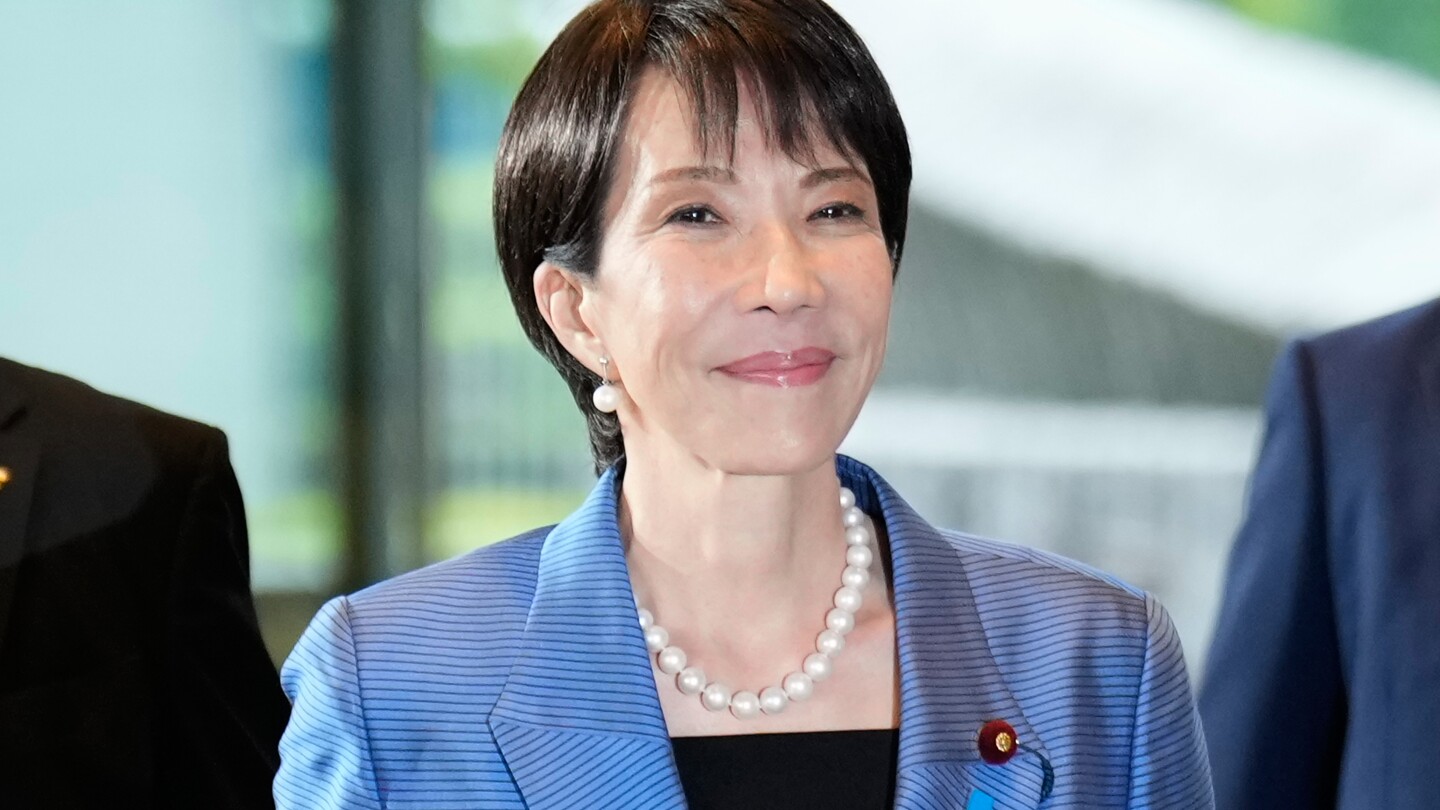
Japan’s first female leader is an ultraconservative star from a male-dominated party
In a historic milestone for Japan, Sanae Takaichi has been elected as the nation’s first female prime minister, shattering the glass ceiling in a political landscape long dominated by men. At 64, Takaichi also becomes the first woman to lead the Liberal Democratic Party (LDP), which has been the cornerstone of Japan’s postwar governance. Known for her ultraconservative stance, Takaichi is a staunch admirer of former British Prime Minister Margaret Thatcher and a proponent of Shinzo Abe’s nationalist policies. Her hardline views on China and her frequent visits to the controversial Yasukuni Shrine, which critics argue glorifies Japan’s wartime past, have drawn international scrutiny. Despite Japan’s poor global ranking in gender equality, Takaichi has rarely addressed the issue during her campaign, though she acknowledged the symbolic significance of her election by stating, ‘Now that the LDP has its first female president, its scenery will change a little.’ Takaichi, who first entered parliament in 1993, has held key ministerial roles, including economic security and internal affairs, though her diplomatic experience remains limited. She advocates for a stronger military, increased fiscal spending, nuclear fusion development, and stricter immigration policies. A self-proclaimed workaholic, Takaichi has vowed to abandon the concept of ‘work-life balance,’ emphasizing relentless dedication to her role. Her election has sparked mixed reactions, with critics questioning her commitment to diversity and gender equality. Takaichi has pledged to increase female representation in her government but supports traditionalist policies such as male-only imperial succession and opposes same-sex marriage. Her hard-right views on history and security, including her revisionist stance on Japan’s wartime actions, may strain relations with neighboring countries like China and South Korea. Despite these challenges, Takaichi’s leadership marks a significant, albeit controversial, turning point in Japanese politics.
-

Simone Gbagbo, Ivory Coast’s iron lady, eyes presidential palace in unlikely comeback bid
Simone Ehivet Gbagbo, the former first lady of Ivory Coast, is making a bold bid for the presidency in the upcoming election, marking a potential historic moment for the West African nation. At 76, Gbagbo is running under the Movement of Skilled Generations party, challenging incumbent President Alassane Ouattara, who is seeking a fourth term. If successful, she would become the country’s first female president, a milestone she believes Ivorians are now ready to embrace. ‘The idea of a female president is much less shocking than it was 20 years ago,’ Gbagbo told The Associated Press during a campaign stop in Guibéroua. ‘It’s good for a woman to run, and if it’s me, then so much the better.’ Gbagbo’s political journey has been marked by both power and controversy. As first lady during her ex-husband Laurent Gbagbo’s presidency, she earned the nickname ‘iron lady’ for her influential role and tough stance against opposition and rebel forces. Her tenure coincided with a civil war and a violent electoral crisis in 2010-2011, which left thousands dead and brought the country to the brink of collapse. Following her husband’s refusal to concede defeat in the 2010 election, the couple was arrested in 2011 after a siege on their bunker in Abidjan. Laurent Gbagbo faced charges at the International Criminal Court (ICC) but was acquitted, while Simone was sentenced to 20 years in prison by Ivorian authorities for ‘undermining state security.’ She was granted amnesty in 2018 and has since reemerged as a political figure. Despite her controversial past, Gbagbo is campaigning on promises of social welfare programs to address poverty and inequality, as well as national reconciliation to heal the scars of the civil war. However, her candidacy faces significant challenges, including a fragmented opposition and allegations of a clampdown on rival candidates. Gbagbo remains undeterred, urging Ivorians to ‘turn out en masse to vote and defeat the candidate they don’t want.’
-
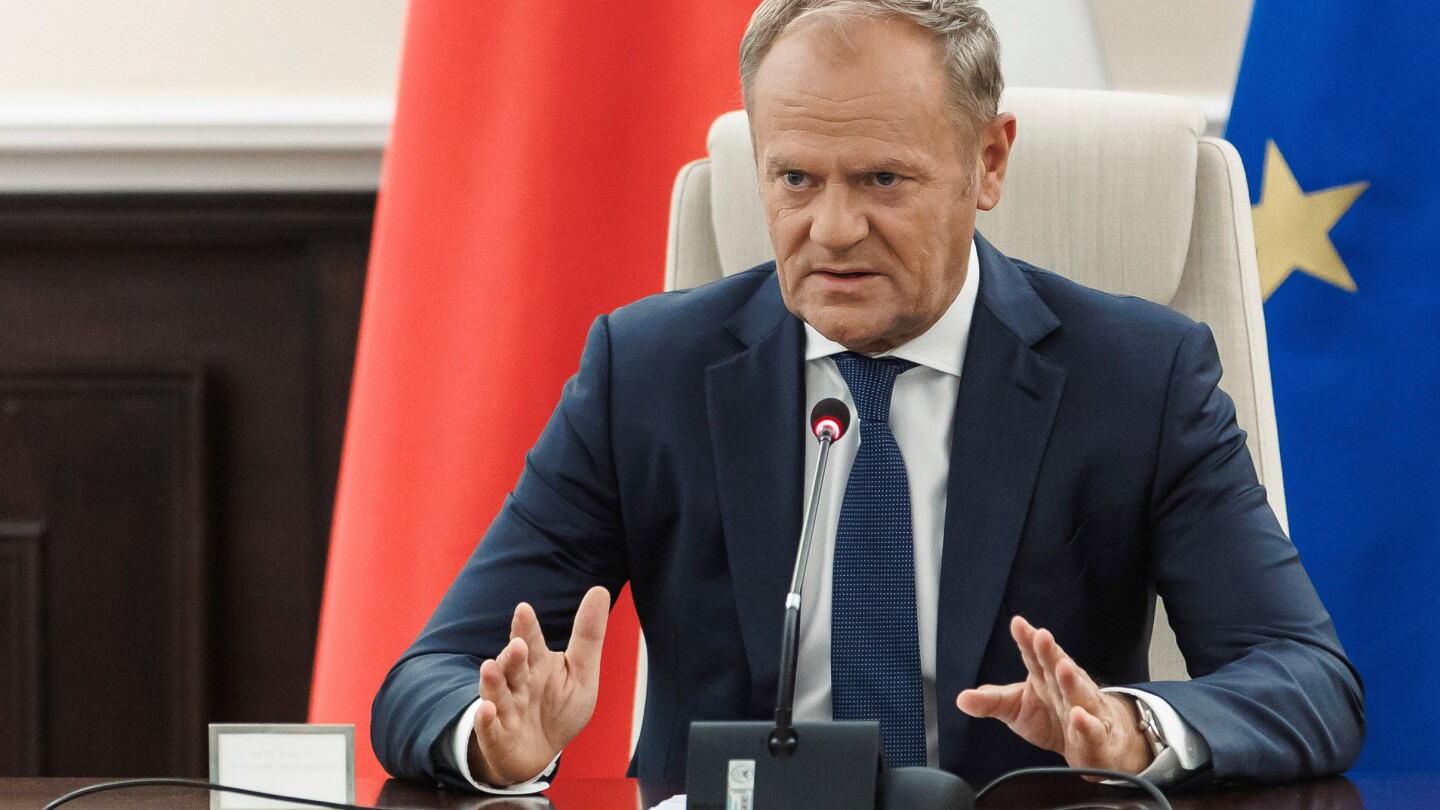
Polish authorities detain 8 in suspected sabotage plot, says Tusk
Polish Prime Minister Donald Tusk announced on Tuesday via social media platform X that authorities have apprehended eight individuals suspected of planning sabotage operations across the country. The suspects are accused of conducting reconnaissance on military installations and critical infrastructure, gathering resources for sabotage, and preparing to execute direct attacks. Tomasz Siemoniak, Poland’s minister overseeing special services, corroborated the details on X, emphasizing the seriousness of the alleged activities. This development comes amidst heightened security measures in Poland, which has detained numerous individuals on suspicion of sabotage and espionage since Russia’s invasion of Ukraine in February 2022. The arrests underscore Poland’s ongoing vigilance in safeguarding its national security and infrastructure against potential threats.
-

Sanae Takaichi makes history as Japan’s first female prime minister
Sanae Takaichi has made history by becoming Japan’s first female prime minister, securing a decisive victory in both houses of parliament. The 64-year-old leader of the ruling Liberal Democratic Party (LDP) garnered 237 votes in the Lower House and 125 in the Upper House on Monday, marking a significant milestone in Japanese politics. Known for her staunch conservative views and admiration for former British Prime Minister Margaret Thatcher, Takaichi assumes office during a period of economic uncertainty and public discontent. Her election comes as Japan grapples with rising living costs and a series of short-lived premierships, with Takaichi being the fourth prime minister in just five years. Despite initial obstacles, including the withdrawal of support from the LDP’s coalition partner, Komeito, a last-minute deal with another opposition party secured her position. Takaichi’s leadership will be tested both domestically and internationally. Domestically, she faces the challenge of restoring public trust in the LDP, which has recently suffered significant electoral losses. Internationally, her right-wing, nationalist leanings have raised concerns in South Korea, while her hawkish stance towards China mirrors that of her predecessors. A crucial test lies ahead with an upcoming meeting with U.S. President Donald Trump, where she must navigate complex bilateral issues, including defense spending and security treaties. Takaichi’s conservative policies, such as her opposition to same-sex marriage and her stance on married women retaining their maiden surnames, have drawn mixed reactions, particularly among younger women. Despite these challenges, her election has injected a sense of optimism into the markets, offering a glimmer of hope for Japan’s economic future.
-

Broken jaws and smashed records – Mooney eyes more glory
Beth Mooney, a cornerstone of Australia’s dominant women’s cricket team, has faced adversity with unwavering determination. In January 2022, she suffered severe facial injuries during a net session when a delivery from coach Matthew Mott fractured her jaw. Despite the setback, Mooney returned to the field just ten days later, playing a pivotal role in Australia’s Ashes victory. Her resilience is emblematic of her career, which boasts four World Cups, a Commonwealth Games gold medal, and three Ashes series triumphs. Earlier this year, she became the first Australian woman to score a century in all three formats of the game. Mooney’s humility shines through in a team brimming with stars like Ellyse Perry and Alyssa Healy. She prefers to stay out of the limelight, focusing on her contributions to the team’s success. Her ability to thrive under pressure was evident in the recent World Cup match against Pakistan, where she rescued Australia from a precarious position of 76-7. Mooney’s work ethic is unparalleled, as demonstrated in the 2025 Women’s Ashes, where she scored 94 runs, including 54 non-boundary runs, a record for an Australian in T20 cricket. She attributes her success to relentless hard work and a commitment to continuous improvement. Mooney’s journey is a testament to the values of perseverance and teamwork that define Australian cricket.
-

Ukrainians brace for another winter of power cuts as Russia shifts tactics
As winter approaches, millions of Ukrainians are preparing for another season of power outages and potential blackouts, exacerbated by Russia’s renewed assault on the country’s energy infrastructure. This year, Moscow has shifted its tactics, focusing on specific regions and gas facilities, making the attacks more effective and devastating.