博客

  • Watch: Mamdani says press allowed at event with Trump regardless of ‘critique’

    Watch: Mamdani says press allowed at event with Trump regardless of ‘critique’

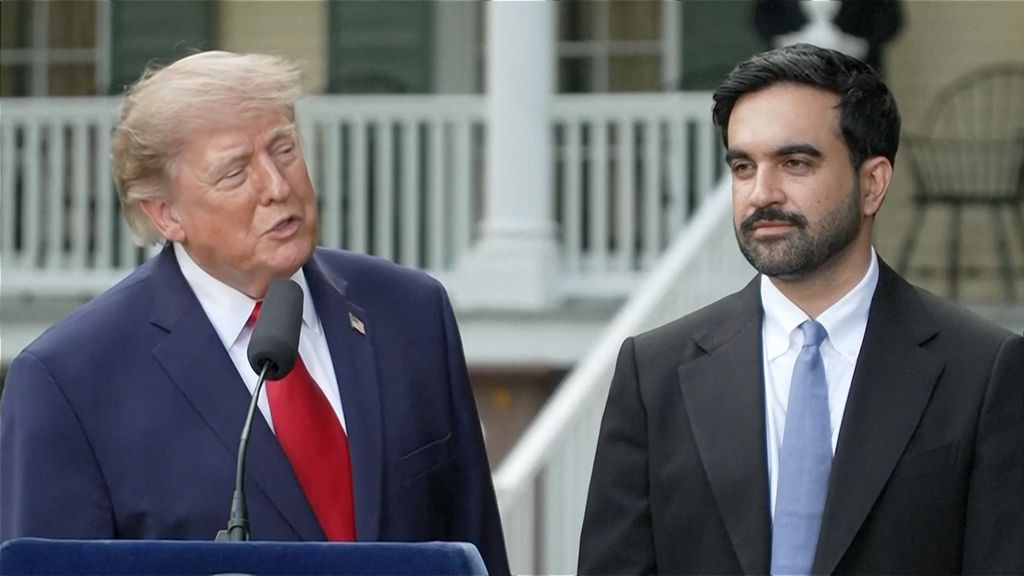
    In a bold rebuke of the Trump White House’s restrictive media policies, New York Mayor Mamdani has publicly reaffirmed that all journalists will be granted full access to an upcoming event featuring former President Donald Trump at the city’s official mayoral residence, Gracie Mansion.

    In an on-camera statement, the mayor confirmed that he personally communicated this commitment to Trump, making clear that even reporters who have been vocal critics of the former president will not be turned away from the event. This stance directly contrasts with Trump’s longstanding policy of barring specific media outlets that he has labeled as “fake news” from access to White House press briefings and official presidential events during his time in office.

    Mamdani emphasized that his administration’s commitment to an open and free press outweighs any personal or political disagreements that may arise between event attendees and media covering the public gathering. The move has drawn attention for highlighting the stark divide between local governance practices around press freedom and the restrictive media policies implemented during the Trump presidential administration.

  • Fat Bear Week: Which bear has put on the most weight?

    Fat Bear Week: Which bear has put on the most weight?

    Every autumn, as Alaska’s Katmai National Park prepares for the long, frozen winter ahead, one of the most beloved public wildlife competitions returns: Fat Bear Week. Now a global cultural phenomenon that draws millions of voters each year, the 2025 edition of the iconic contest is scheduled to run from September 22 through September 29, organizers at the national park have officially confirmed.

    The core premise of the fan-favorite event is simple yet captivating: participants and wildlife lovers around the world cast their votes online to select which of Katmai’s famous brown bears has packed on the most fat in preparation for months of hibernation. For these massive Alaskan predators, bulking up is far more than a trivial competition — it is a matter of survival. Brown bears rely on thick layers of adipose tissue to sustain them through up to six months of sleeping and fasting through Alaska’s harsh, snow-covered winters, when food becomes entirely unavailable.

    What began as a small local celebration of the park’s thriving brown bear population has grown into a global viral event, turning individual bears into household names for wildlife enthusiasts and casual audiences alike. The online format means anyone, regardless of where they live, can follow the progress of their favorite bears through live webcams set up around the park’s salmon-rich rivers, then cast their vote to support the bear they think has done the best job packing on pounds ahead of hibernation.

    Park officials note that beyond the fun of the competition, Fat Bear Week also serves an important educational purpose: it raises public awareness about brown bear ecology, the health of Katmai’s ecosystem, and the role of protected wilderness in supporting vulnerable wildlife populations. As the 2025 contest approaches, excitement is already building among returning fans and first-time voters alike, who are gearing up to follow the bears’ final feeding frenzy and pick their winner.

  • Gulf states need ‘good relations’ with Iran as part of new security framework, Qatar’s PM says

    Gulf states need ‘good relations’ with Iran as part of new security framework, Qatar’s PM says

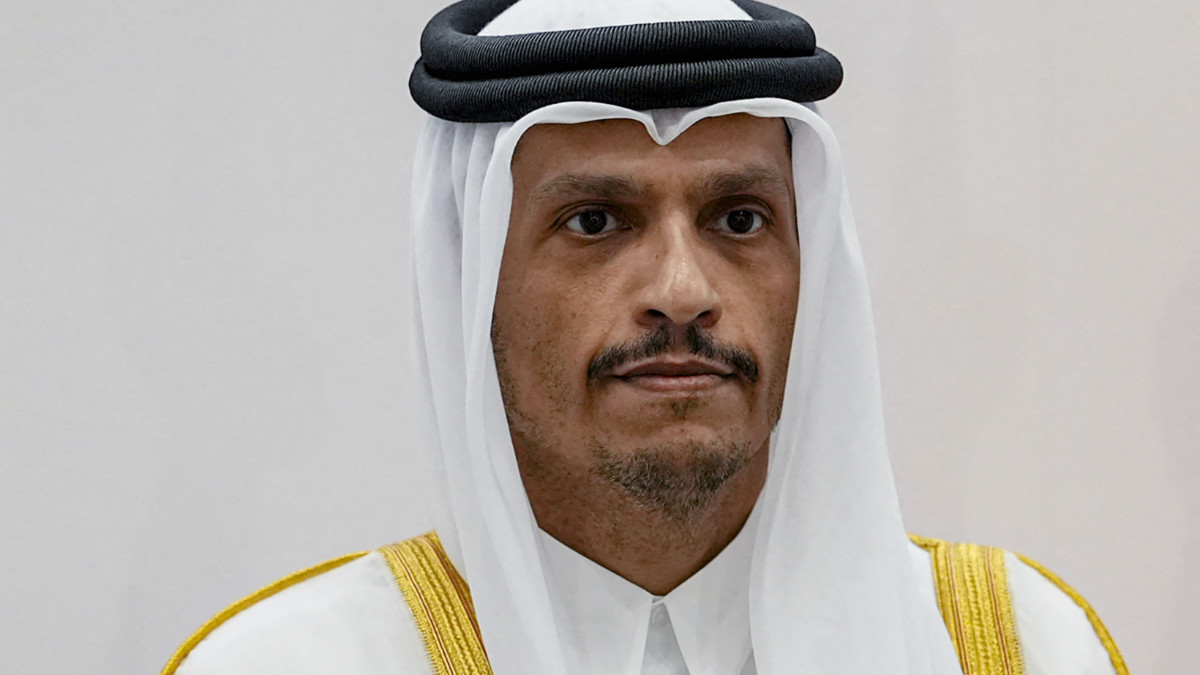
    As six months of open conflict between the United States, Israel and Iran have thrown the Middle East into chaos and disrupted global energy supplies, Qatar’s top leader has issued a urgent call for a transformative, inclusive new regional security architecture that directly includes the Islamic Republic.

    Speaking at the Qatar Economic Forum held in New York on Sunday, Qatari Prime Minister Mohammed bin Abdulrahman Al Thani framed the ongoing full-scale war as a critical wake-up call for all regional states to reset decades of fractured relations. “Iran is our neighbour,” Al Thani emphasized. “We have to act together responsibly as a region and to make sure that we are having good relations with Iran. We are hoping this war is a wake-up call for everyone.”

    Al Thani’s landmark remarks came just hours after unconfirmed regional reports emerged that Washington was preparing to resume large-scale direct military strikes against Iran, ending months of relatively muted offensive action amid the ongoing conflict. The announcement coincided with a series of unusual developments in Washington: US President Donald Trump cut short a scheduled weekend retreat at Camp David with no formal public explanation, while the US State Department issued a urgent blanket security alert for all American citizens currently residing or traveling across the Middle East.

    In comments to Fox News, Trump teased imminent major developments in the region, telling reporters that “very big things are going to be happening in the not-so-distant future.” The president laid out the three broad options his administration is currently weighing: “wiping Iran out, letting them rot economically or making a deal.”

    The conflict, which began more than six months ago when the US and Israel launched open military action against Iran, has hit Gulf Arab states the hardest, as Iran has launched repeated retaliatory strikes across the region. Multiple Iranian attacks on US military bases stationed in Gulf nations have caused widespread infrastructure damage, photos obtained by Middle East Eye confirm, though the Trump administration has so far refused to publicly disclose the full scale of damage sustained.

    Beyond the human and security costs, the war has inflicted severe damage on the global economy, particularly after Iran moved to close the Strait of Hormuz — the world’s most critical chokepoint for global energy trade. Preliminary ship-tracking data compiled by energy analytics firm Kpler shows that traffic through the strategic waterway has plummeted, with just 12 commercial commodity vessels making the crossing over the most recent weekend.

    Al Thani’s call for inclusive dialogue was echoed earlier on Sunday by Anwar Gargash, senior diplomatic advisor to the President of the United Arab Emirates, who told a separate event that the region must adopt a “new mindset” to resolve the crisis. Gargash added that any negotiations to end the conflict must include a dedicated Iranian-Arab negotiating track to address longstanding regional grievances.

    For Qatar and its Gulf neighbors, the ongoing closure of the strait has evolved from a regional crisis to an immediate existential threat to their national economies. Almost all Gulf states — including Qatar, Kuwait, Bahrain, Iraq and the UAE — rely almost exclusively on the Strait of Hormuz for energy exports and critical import shipments. For Qatar, the disruption is already derailing long-planned strategic expansion of its liquefied natural gas (LNG) sector, the backbone of the country’s economy. Earlier this month, Qatar extended a force majeure declaration for LNG shipments through early November, triggered by the effective maritime blockade of the strait.

    Recent weeks have also laid bare the extreme vulnerability of any alternative routes that bypass the Strait of Hormuz. Saudi Arabia’s critical East-West Pipeline, which was designed to allow the kingdom to route oil exports around the strait to the Red Sea port of Yanbu, was disabled last month in a drone attack that Saudi officials blame on Iraqi militias. The attack came amid a sweeping territorial offensive by Yemen’s Houthi movement, which has now seized full control of Yemen’s entire Red Sea coastline. The Houthis have imposed their own blockade on commercial shipping bound for Saudi Arabia, and launched a fresh drone attack on Riyadh’s main international airport over the weekend.

    Before the attack, the East-West Pipeline allowed Saudi Arabia to export roughly 4 million barrels of crude per day — around two-thirds of its pre-war production volume — around the strait. Last week, however, Saudi Arabia canceled all scheduled oil loadings at the Yanbu port and notified European refining customers that it would not be able to fulfill its contracted crude allocation commitments for October.

    While the UAE has emerged as one of the most vocal supporters of accelerating investment in alternative bypass pipelines to render the Strait of Hormuz less strategically critical, many smaller Gulf producers have far fewer alternative options. Speaking alongside the prime minister at Sunday’s forum, Qatari Energy Minister Saad al-Kaabi pushed back against US claims that new pipeline investments could eliminate the strait’s strategic importance within just two years, calling the assertion “completely wrong.”

    “I mean, maybe this is his view. I think this is completely wrong,” Kaabi said. “We have decided not to do pipelines, and I think the decision in Qatar was based on commercial and technical [reasons], and we are only going to be using the straits,” he added, ruling out any future investments in large-scale alternative gas pipeline projects.

  • Flights at major US airports delayed after cable cut by construction workers

    Flights at major US airports delayed after cable cut by construction workers

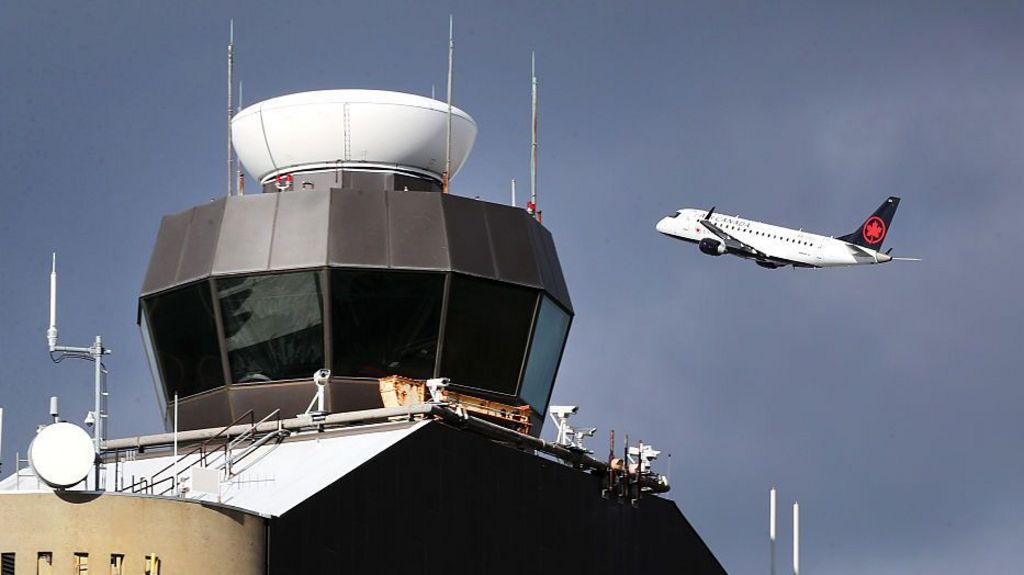
    A routine construction project has triggered widespread travel chaos across major East Coast airports in the United States, after construction crews accidentally severed a key telecommunications cable that supports national air traffic control systems. The incident, which unfolded on Monday afternoon, led to immediate ground stops and lengthy delays for airports spanning New York, New Jersey, Pennsylvania, and Massachusetts.

    The damaged infrastructure affected the Terminal Radar Approach Control system, the critical network that manages aircraft sequencing and guidance during takeoff and landing phases. According to US Transportation Secretary Sean Duffy, the damage was caused by construction workers employed by Amtrak, the country’s national intercity railroad service, who were carrying out infrastructure work in New Jersey. Duffy confirmed via a post on X that the accidental cable cut resulted in a major telecommunications outage, prompting the Federal Aviation Administration (FAA) to issue a ground stop for affected regions to avoid safety risks.

    Officials later clarified that the severed cable was actually part of the backup communications network for air traffic control. The outage was not fully recognized until the primary network also failed, compounding the scope of the disruption. Verizon, the telecommunications giant that owns the affected cable, has stated that its teams are working around the clock to restore service as quickly as possible, but the company has denied any responsibility for the incident.

    Flight tracking platform FlightAware data shows that Newark Liberty International Airport in New Jersey bore the brunt of the disruption, with more than 260 departing flights and 250 incoming flights delayed by mid-afternoon on Monday. Other major regional airports including New York’s John F. Kennedy International Airport and LaGuardia Airport, as well as Philadelphia International Airport in Pennsylvania, also reported significant delays and operational disruptions.

    The timing of this widespread travel disruption is particularly notable, as it comes just one day ahead of the opening of the United Nations General Assembly in New York City. Dozens of heads of state and global delegations are scheduled to travel through New York area airports for the high-profile event, raising concerns about potential disruptions to their arrivals and the overall schedule of the assembly. As of Monday evening, repair crews were still working to fully restore the damaged network, and the FAA has not yet issued a timeline for when full flight operations will resume across the affected airports.

  • Uganda cuts defence ties with Turkey over Somalia dispute, sources say

    Uganda cuts defence ties with Turkey over Somalia dispute, sources say

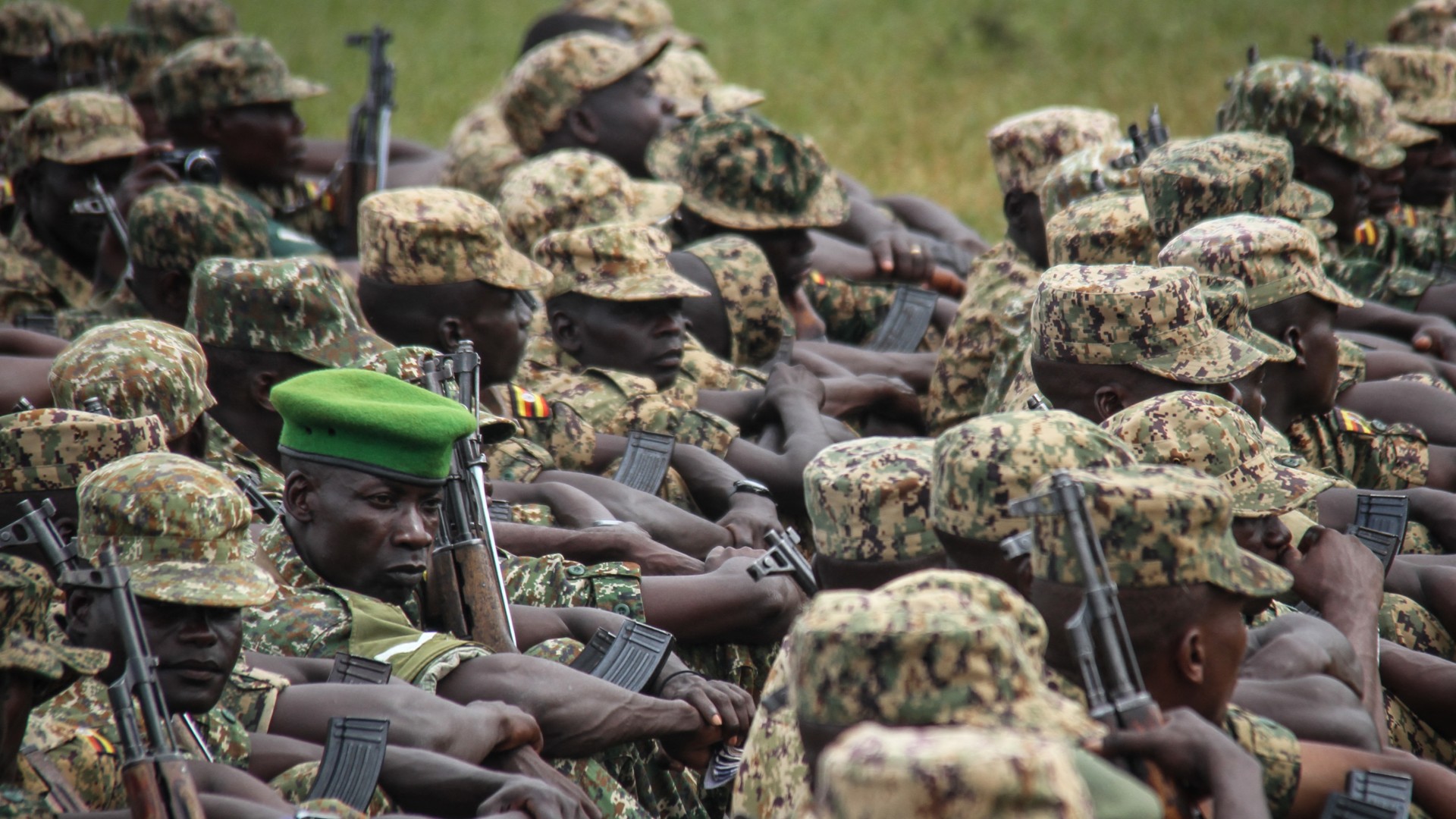
    In a sudden move that grabbed international headlines, the Uganda People’s Defence Forces (UPDF) announced Saturday an immediate suspension of all defense and military cooperation with Turkey. While Ugandan local media initially tied the decision to anti-Turkey demonstrations staged outside the Turkish embassy in Kampala by supporters of the Patriotic League of Uganda (PLU) – a group led by Uganda’s top military general Muhoozi Kainerugaba – multiple insiders close to the situation tell a different story to Middle East Eye.

    The protests, which centered on a demand that Turkey extradite exiled Ugandan political commentator Fred Lumbuye (who has resided in Turkey since 2013), are nothing more than a convenient public pretext, according to sources. The real root of the rift lies in deep-seated disagreements over the future of Uganda’s long-standing military deployment in Somalia, and Ankara’s rapidly expanding influence over the East African nation’s security landscape.

    Uganda currently deploys approximately 4,500 troops to Somalia as part of the African Union Support and Stabilisation Mission in Somalia (Aussom), the primary multinational security force backing the Somali national army. An additional 2,000 Ugandan troops are stationed in the country under a separate bilateral agreement, a military source confirmed to Agence France-Presse. For years, this deployment has generated steady, significant revenue for Kampala: insiders report Uganda receives at least $1,000 per deployed soldier each month, a payment stream that underpins a large portion of its military budget for overseas operations.

    But that revenue stream is now at severe risk. The entire future of the Aussom mission was thrown into uncertainty back in July, when the United States notified the African Union that it would cut all funding to the UN Support Office in Somalia by the end of 2024. That office provides critical logistical backing for the entire AU mission, and its loss of funding has left the mission’s long-term viability and funding structure up in the air – and put pressure on troop-contributing countries like Uganda to reconsider their deployments.

    Compounding this uncertainty, sources tell MEE that the Somali federal government has formally requested Uganda withdraw its military forces, pointing directly to the growing strength of Turkish-trained Somali security units. Over the past decade, Turkey has emerged as the primary external trainer for Somali military personnel: it has trained roughly 25,000 Somali soldiers at facilities in Mogadishu, and an additional 10,000 elite commandos at training bases within Turkey’s own borders. As these trained forces have matured, Somali authorities have increasingly argued they are capable of shouldering the burden of domestic security.

    For Kampala, a full withdrawal from Somalia would carry a massive financial cost. Insiders estimate that Uganda stands to lose between $5 million and $6 million per month, or $60 million to $72 million annually, if the AU mission ends and all troops are pulled out. Facing this steep loss, Uganda has opted to pressure Turkey – which Kampala views as the main powerbroker shaping Somalia’s new security order – to intervene and resolve the looming crisis, sources explained.

    Tunc Demirtas, a security researcher at the Ankara-based think tank Seta, confirmed that the shifting security landscape in Somalia makes a reduced international presence inevitable. “Somalia’s government is now capable of providing its own security for its capital and surrounding regions and as its state capacity is built up, it requires less support from abroad,” Demirtas told MEE, adding that the long-standing foreign military presence in Somalia has spawned a war economy that has benefited foreign troop contributors including Uganda.

    For its part, Turkey is actively working behind the scenes to de-escalate the dispute, according to sources. Ankara is concerned that the breakdown in defense ties could spill over to impact major Turkish commercial projects in Uganda, including large-scale infrastructure and transport contracts. Agence France-Presse reports that Kampala is considering canceling a $3 billion railway contract awarded to leading Turkish construction firm Yapi Merkezi, and could even order the expulsion of Turkish nationals from Ugandan territory – moves that would cause significant economic and diplomatic damage to Ankara.

  • Man guilty of attempted murder for shooting three men of Palestinian descent in Vermont

    Man guilty of attempted murder for shooting three men of Palestinian descent in Vermont

    Nearly three years after a high-profile shooting that left one young man paralyzed and two others injured in Burlington, Vermont, a U.S. jury has delivered a guilty verdict on charges of attempted murder against 51-year-old shooter Jason Eaton, rejecting his legal team’s core argument that he was legally insane at the time of the attack.

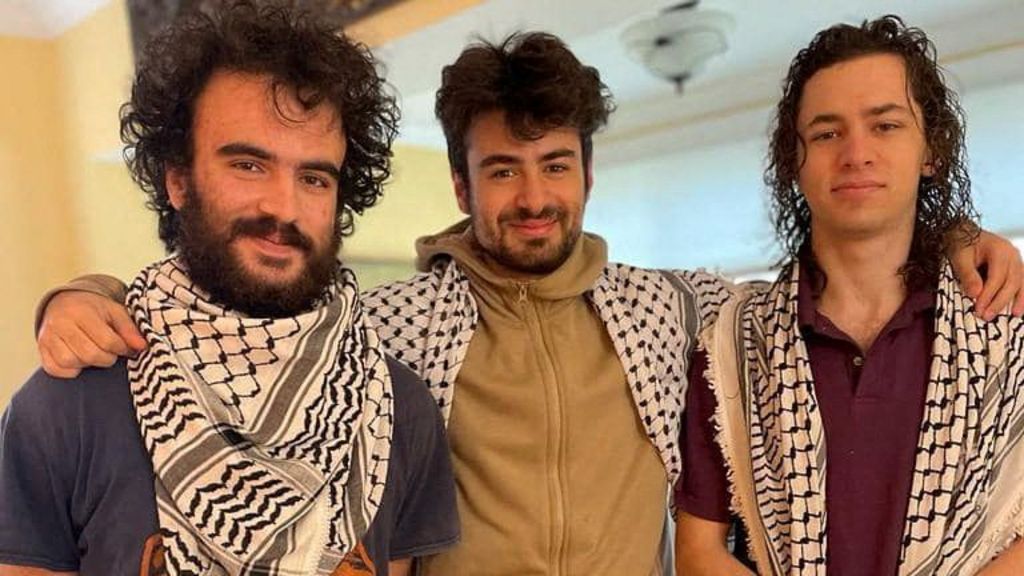
    The November 2023 attack targeted three 20-year-old Palestinian-American students: Hisham Awartani of Brown University, Tahseen Aliahmad of Trinity College, and Kinnan Abdalhamid of Haverford College. The three childhood friends, who had all attended school together in Ramallah, were in Vermont visiting Awartani’s grandmother for the Thanksgiving holiday when the violence occurred. According to court records and witness accounts, the group was walking near Eaton’s residential neighborhood, conversing in a mix of Arabic and English and wearing traditional Palestinian keffiyeh scarves, when Eaton opened fire on them.

    The attack came just one month after the outbreak of the 2023 Israel-Gaza war, a period that documented national and international monitoring organizations have confirmed saw a sharp surge in anti-Palestinian hate, Islamophobia, and antisemitic incidents across the United States. The shooting left Awartani permanently paralyzed from the waist down, while Aliahmad and Abdalhamid recovered from non-fatal gunshot wounds.

    Eaton never disputed that he fired the shots that struck the three students, but he entered a plea of not guilty by reason of insanity. His defense team told the court that Eaton had experienced a severe psychotic breakdown following his unexpected layoff from a local credit union just weeks before the attack. Defense attorneys argued that Eaton had developed delusions that the Central Intelligence Agency (CIA) and Israeli intelligence agency Mossad were sending him instructions to commit violence through local radio broadcasts, claiming their client believed he was following orders from a government body or a divine power.

    The week-long trial drew significant national attention, drawing testimony from all three surviving victims, as well as competing psychiatric evaluations from experts retained by both the prosecution and the defense. When the jury foreperson read the guilty verdict in the Burlington courtroom, multiple witnesses reported that Eaton remained motionless and stared blankly ahead. Awartani, who attended the trial in a wheelchair, and Aliahmad were observed smiling and embracing their loved ones in the courtroom after the verdict was announced.

    Eaton is now scheduled to appear for sentencing at a later date, where he faces the possibility of multiple consecutive life sentences behind bars.

  • Erdogan and Burnham to meet for first time at UN General Assembly in New York

    Erdogan and Burnham to meet for first time at UN General Assembly in New York

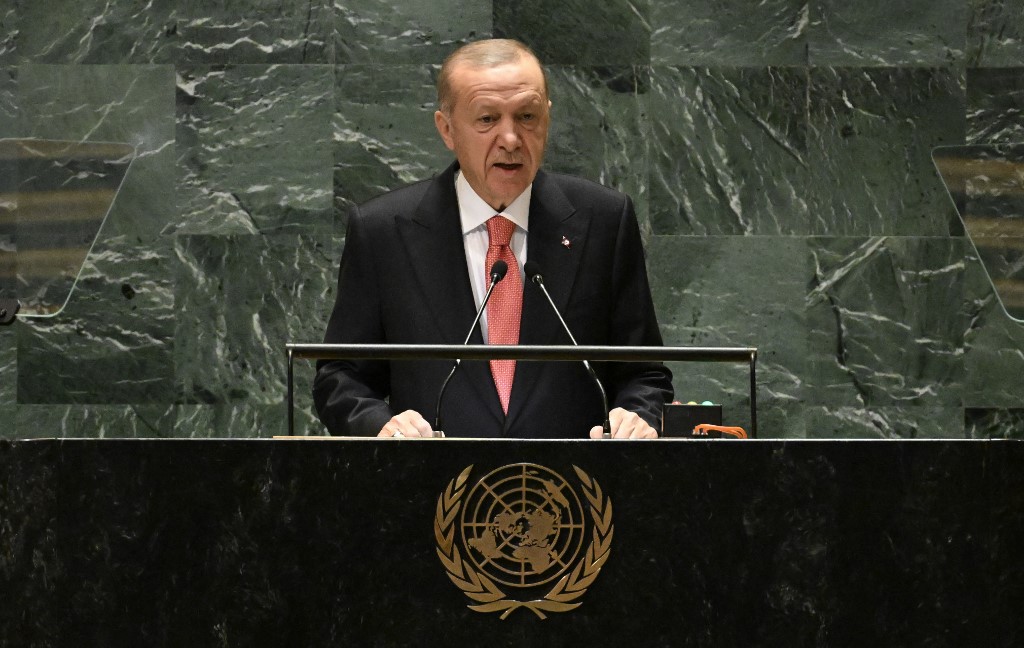
    As world leaders gather in New York for the annual United Nations General Assembly (UNGA), a high-stakes bilateral meeting between Turkish President Recep Tayyip Erdogan and the United Kingdom’s new Prime Minister Andy Burnham is set to kick off on the first day of UNGA’s general debate this Tuesday. This encounter will mark the first face-to-face interaction between the two leaders since Burnham assumed office in July, coming at a moment of shifting global diplomatic dynamics, particularly in the Middle East.

    The meeting takes place just weeks after the UK government implemented new economic sanctions targeting illegal Israeli settlements in the Israeli-occupied West Bank, an action that included a formal accusation that Israel’s current administration has intentionally overlooked what UK officials described as ongoing “ethnic cleansing” of Palestinian communities by extremist settler groups. This regional policy shift from the UK adds an unscripted layer of geopolitical context to the bilateral discussions, as Turkey has long maintained strong diplomatic and public support for Palestinian statehood.

    Against this regional backdrop, bilateral relations between Ankara and London have warmed considerably over the past 18 months. Turkish and UK officials have repeatedly characterized the current bilateral relationship as “excellent,” a shift that followed Ankara’s landmark decision last year to finalize a multibillion-dollar purchase of Eurofighter Typhoon fighter jets from a UK-led consortium.

    The deepening of cooperation has unfolded through a series of formal agreements this year. Back in April, the two countries signed a broad Strategic Partnership Framework, designed to formalize closer dialogue and collaborative action across sectors as NATO allies and committed strategic partners. This foundational agreement was followed by a dedicated security and defence partnership pact signed in July on the margins of the NATO summit hosted in Ankara. A senior Turkish official speaking to Middle East Eye at the time of the signing confirmed that the agreement binds both nations to mutual support across all defence-related priorities, including integrated defence industrial collaboration, counterterrorism coordination, collective response to hybrid threats, and joint cybersecurity initiatives.

    Beyond the high-profile meeting with Burnham, Erdogan has packed his New York schedule with a series of key bilateral engagements with global and regional leaders. Erdogan arrived in New York on Sunday to prepare for the week of diplomacy. On Monday, he is scheduled to hold talks with Mohamed al-Menfi, chairman of Libya’s Presidential Council, as well as Kuwait’s Crown Prince Sheikh Sabah Khaled Al-Sabah. After his opening day meeting with Burnham on Tuesday, Erdogan will hold his first bilateral meeting with newly inaugurated Japanese Prime Minister Sanae Takaichi. Wednesday will bring meetings with Armenian Prime Minister Nikol Pashinyan and Iraqi Prime Minister Ali Zayid, respectively. Sources familiar with the internal planning of Erdogan’s trip note that additional bilateral meetings with other global heads of state could still be added to the itinerary, including a potential last-minute pull-aside encounter with former US President and current 2024 presidential candidate Donald Trump.

  • Carney condemns Yom Kippur shooting outside Canadian synagogue

    Carney condemns Yom Kippur shooting outside Canadian synagogue

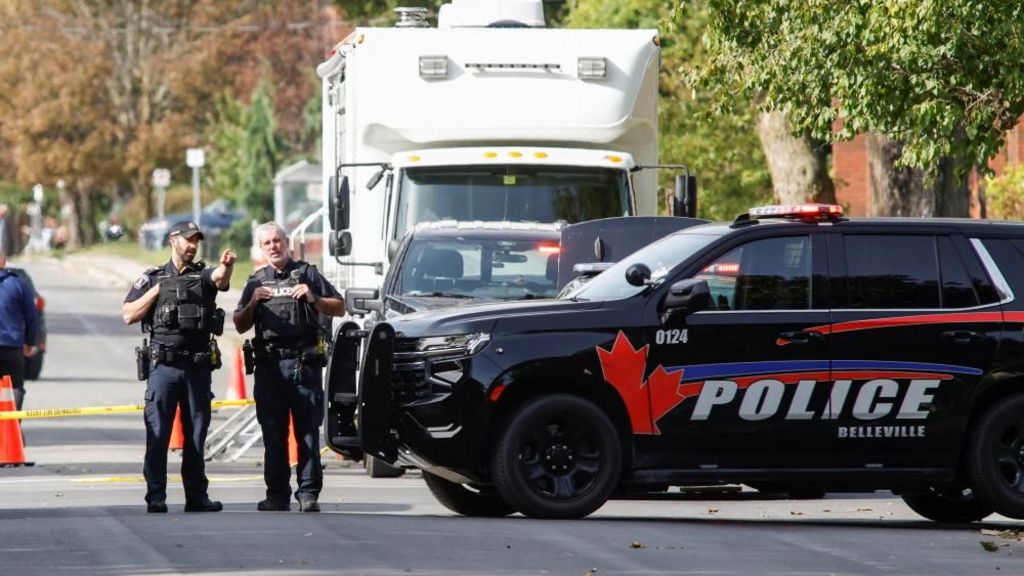
    A brazen shooting outside a Jewish place of worship in Ontario, Canada has left a police officer in critical condition, igniting widespread cross-party condemnation of antisemitic violence and prompting stepped-up security for Jewish communities across the region. The violent incident unfolded Sunday evening outside the Sons of Jacob Synagogue in Belleville, a city roughly 187 kilometers northeast of Toronto, coinciding with Yom Kippur—the most sacred day on the Jewish religious calendar, when hundreds of Jewish worshippers gather annually for prayer and reflection.

    According to official statements from Ontario’s Special Investigations Unit (SIU), the independent watchdog that probes officer-involved shootings, a suspect armed with a shotgun opened fire on a law enforcement officer who was posted outside the synagogue. Two officers returned fire in the exchange, with investigators confirming that roughly 20 to 30 rounds were discharged during the confrontation. The encounter left both the suspect and the targeted officer in life-threatening condition; as of Monday, the officer remained in critical but stable condition, while the suspect’s health status has not been updated beyond confirmation that his injuries are severe.

    When pressed by reporters on whether authorities are treating the incident as a terrorist attack, SIU spokesperson Kristy Denette acknowledged that “common sense would say that probably was the case.” Investigators have not yet released a formal confirmed motive, nor have they explicitly confirmed that the synagogue was intentionally targeted, but the timing and location of the attack have led political leaders across Canada to label it an act of antisemitic violence.

    Canadian Prime Minister Mark Carney was among the first top officials to issue a public rebuke of the violence, writing on social media platform X that “Jewish people must be able to worship safely, to live free, open, proud Jewish lives.” His condemnation was echoed by Ontario Premier Doug Ford, who stated he was “disgusted” by the shooting, emphasizing that members of Canada’s Jewish community “have every right to gather and worship safely and without fear.”

    Pierre Poilievre, leader of Canada’s Official Opposition, also weighed in, calling for urgent government action to address the rise of hate-fueled violence. “This vile antisemitic violence in Canada must end,” Poilievre wrote on social media, urging Prime Minister Carney’s administration to “act now to protect our people.”

    In response to the attack, local law enforcement has moved quickly to bolster community security. Belleville Police Service Deputy Chief Sheri Meeks announced that the department has increased patrols across the city, with a sustained heightened security presence posted near all houses of worship. Toronto Police Service, which serves Canada’s largest city located less than 200 kilometers from Belleville, also announced Sunday night that it would add extra patrols outside synagogues and other religious sites “out of an abundance of caution.”

    As of Monday, both the Belleville Police Service and the SIU are continuing their parallel investigations into the incident, with authorities yet to release the identities of the suspect or the injured officer, or share additional details about the suspect’s potential background or ideological ties. The attack comes amid a documented rise in antisemitic incidents across North America in recent years, prompting renewed calls for improved security and stronger action to combat religious hate.

  • Netanyahu tours tunnels beneath Al-Aqsa as Ben Gvir raids Jerusalem holy site

    Netanyahu tours tunnels beneath Al-Aqsa as Ben Gvir raids Jerusalem holy site

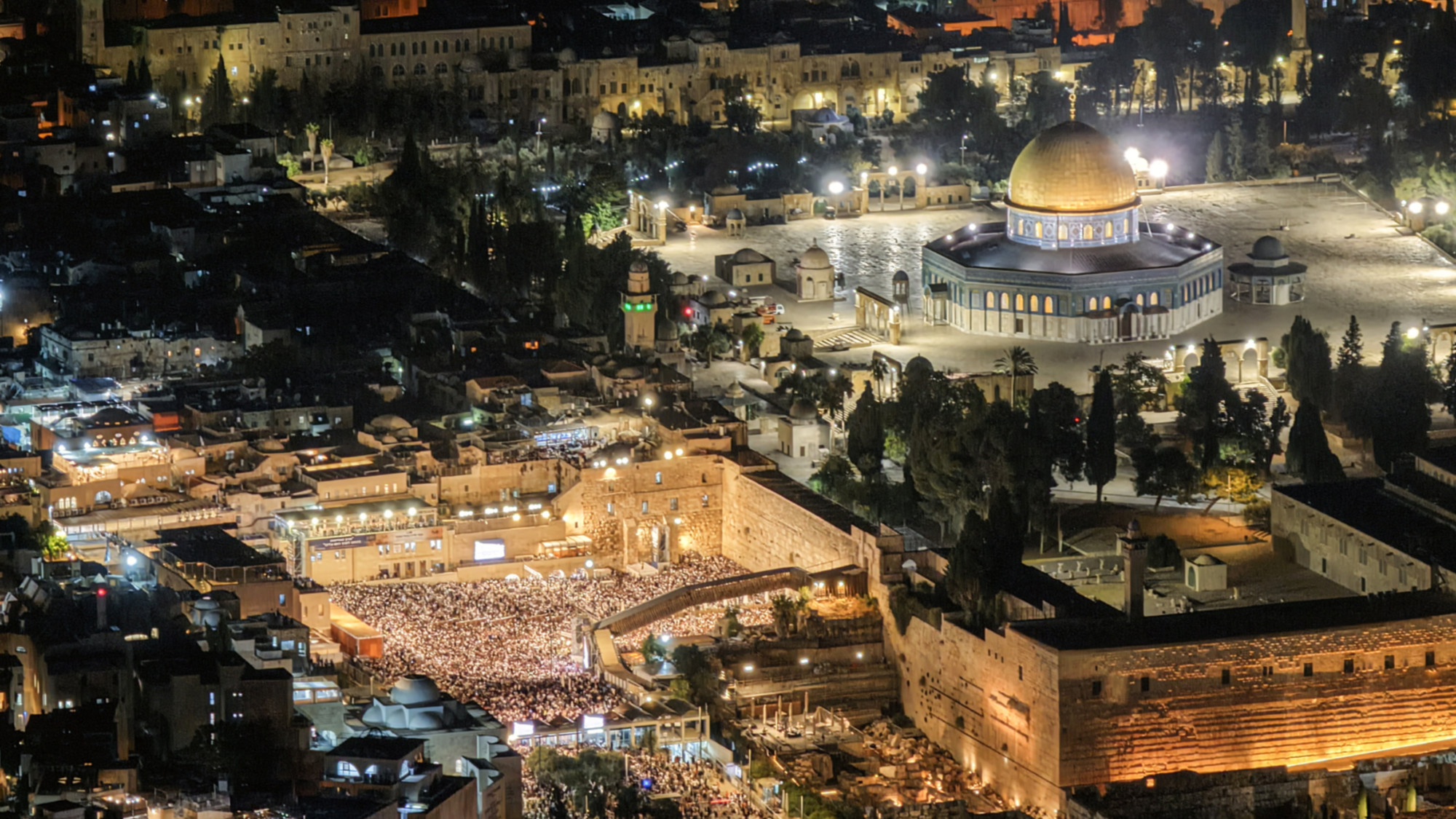
    As the Jewish high holiday season kicked off last weekend, a series of provocative Israeli visits and incursions into the sensitive Al-Aqsa Mosque compound in East Jerusalem have stoked widespread regional and international anger, reigniting debates over the fragile decades-old status quo governing the contested holy site.

  • Pro-Israel think tank urges Israel to weaponise US interdependence amid falling support

    Pro-Israel think tank urges Israel to weaponise US interdependence amid falling support

    Against a backdrop of plummeting public support for Israel across the United States and growing global backlash over its military campaign in Gaza, a prominent Washington-based pro-Israel think tank has laid out a controversial plan to protect Israel from potential international sanctions by weaving the country closer into the United States’ military, technological, intelligence, and economic frameworks. The Foundation for Defense of Democracies (FDD), founded in 2001 with the explicit goal of boosting Israel’s image in North America and funded by high-profile pro-Israel American donors, says deeper integration would make any future sanctions against Israel too costly for the U.S. to implement, effectively sanction-proofing the Israeli state.

    FDD CEO Mark Dubowitz outlined the proposal earlier this month, warning that the same financial sanctions infrastructure the U.S. built over two decades to pressure Iran could eventually be turned against Israel as shifting public opinion erodes Israel’s long-held political protection in Washington. “For two decades, the United States built a formidable financial warfare machine designed to cripple Iran. Ironically, parts of that same machinery are now being assembled against Israel,” Dubowitz argued in his analysis.

    He drew a direct parallel to the Iran sanctions model, noting that the campaign against Tehran worked not just because of official government restrictions, but because private financial institutions overcomplied with sanctions to avoid angering Washington. “The model used against Iran was devastating because it operated like a steadily tightening noose,” Dubowitz warned. “Sanctions set the process in motion, but the real damage was inflicted by banks and investors who, fearful of incurring Washington’s wrath, went far beyond what US law actually required.”

    This warning comes amid a dramatic shift in U.S. public opinion toward Israel since the outbreak of the Gaza war in October 2023. Recent polling from Pew Research Center shows that six in 10 Americans now hold an unfavorable view of Israel, up from 53% in 2023 and just 42% in 2022. This decline in support crosses party lines: even among younger Republicans, 57% now view Israel unfavorably, and for the first time in decades, more Americans sympathize with Palestinians than Israelis.

    Dubowitz acknowledged that this shift in public sentiment is already eroding Israel’s political capital in Washington. “Israel’s political shield is also eroding,” he wrote, noting that U.S. politicians increasingly feel free to take tougher stances on Israel than they have in previous generations. He outlined a worst-case scenario for Israel: a future U.S. president hostile to Israeli interests takes office, the U.S. ends its automatic diplomatic shield for Israel at the United Nations, and both European and American sanctions are imposed. In that scenario, Dubowitz argued, Wall Street’s overcompliance with sanctions would deliver the final blow to Israel’s economy, just as it did to Iran’s.

    To prevent this outcome, Dubowitz is calling for a fundamental deepening of bilateral ties, binding the two countries’ core security and economic systems so closely together that any action targeting Israel would automatically impose significant costs on the United States itself. “If that bond is tight enough, no U.S. administration would be able to impose meaningful sanctions because the economic and political fallout for America would be too great,” he argued.

    The FDD, which says its mission includes strengthening U.S. national security, was founded by wealthy pro-Israel donors Leonard Abramson, Michael Steinhardt, and Edgar Bronfman, with major past funding from other prominent pro-Israel philanthropists including Bernard Marcus, Paul Singer, and the late Sheldon Adelson, who collectively poured millions of dollars into the organization’s work.