博客

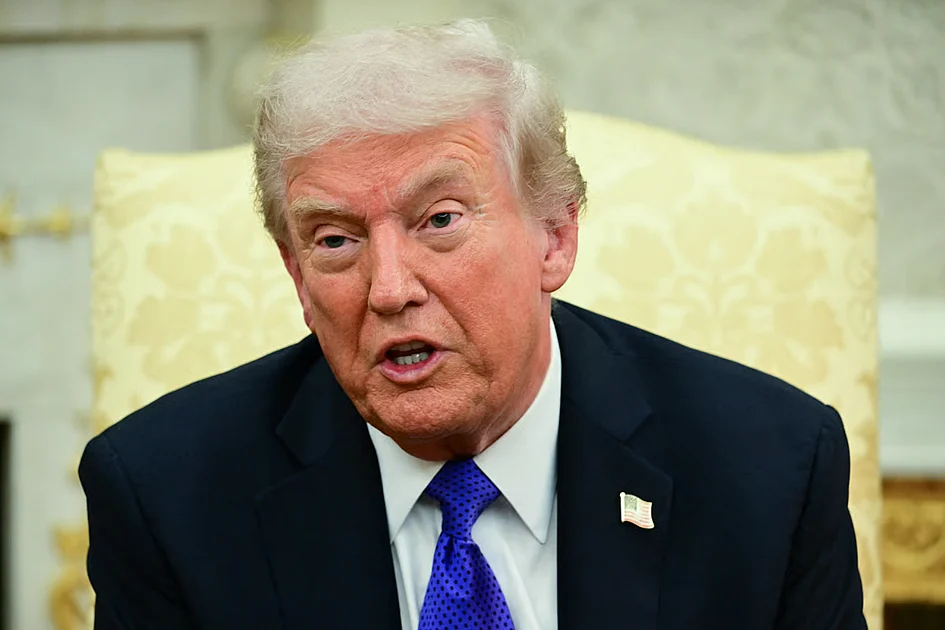
  • Trump threatens tariffs on any nation supplying Cuba with oil

    Trump threatens tariffs on any nation supplying Cuba with oil

    In a significant escalation of foreign policy measures, U.S. President Donald Trump has issued a new threat against nations supplying petroleum products to Cuba. The announcement came Thursday through an executive order authorized under a national emergency declaration, marking the latest development in Washington’s intensified campaign against the Communist-governed island.

    The presidential directive did not specify particular tariff rates or identify specific countries that might face import duties. This development follows the U.S. military’s recent operation in Venezuela that resulted in the capture of ousted President Nicolas Maduro. Emboldened by this successful intervention, the Trump administration has increasingly vocalized its intentions to confront Cuban leadership.

    President Trump asserted this week that ‘Cuba will be failing pretty soon,’ noting that Venezuela, historically Cuba’s primary oil supplier, has ceased both petroleum shipments and financial support to the island nation. The tariff threat represents a continuation of the administration’s use of economic measures as instruments of foreign policy during Trump’s second term.

    Cuban leadership has previously dismissed Washington’s pressure campaign, with President Miguel Díaz-Canel stating earlier this month that the United States lacks moral authority to compel agreements with Cuba. The ongoing tension reflects deepening geopolitical divisions in the Western Hemisphere as the Trump administration expands its efforts to counter left-wing governments throughout the region.

  • How financial centres can reimagine the global dynamics of finance?

    How financial centres can reimagine the global dynamics of finance?

    Global financial centers are undergoing a fundamental transformation as they confront the limitations of aging infrastructure in an era of digital assets, AI innovation, and continuous operational demands. Historically, these hubs have driven remarkable economic growth—economies with international financial centers have achieved 3.3% annual per capita growth since the 1980s, significantly outpacing the global average of 1.4%. Yet their physical environments have largely remained static while the ecosystem of occupants has dramatically evolved.

    Today’s financial districts host not only traditional institutions but technology firms, data-intensive businesses, regulatory specialists, and AI-driven startups operating beyond cyclical patterns. This new reality demands infrastructure that supports closer coordination between regulators and firms across disciplines including FinTech, RegTech, data analytics, and artificial intelligence.

    The challenge extends beyond physical space to talent retention. Senior professionals and technologists now evaluate locations through a practical lens that considers commute times, housing options, and lifestyle amenities alongside professional networking opportunities. Single-use office zones are increasingly giving way to mixed-use environments that integrate residential space, education, hospitality, and public amenities to support round-the-clock activity.

    Dubai International Financial Centre (DIFC) exemplifies this evolution with its expansion into Zabeel District. Rather than creating a disconnected satellite, DIFC is developing a physically contiguous extension designed as a polycentric hub that maintains governance consistency while absorbing future demand. This strategic approach addresses the critical need for infrastructure, governance, and connectivity to scale together—preserving the proximity between institutions that fosters innovation and institutional trust.

    The Zabeel District represents a structural response to growth challenges, positioning DIFC as a regional driver of global finance’s next era. By implementing an integrated masterplan, the expansion supports emerging areas like advanced technology and AI within the same operational environment that made DIFC successful. This model demonstrates how mature financial centers must adapt to remain functional at scale while preserving their competitive advantages.

    As urban populations are projected to exceed two-thirds of humanity by 2050, the success of financial districts will increasingly depend on their ability to sustain density through thoughtful design of streets, public spaces, and pedestrian connections. For investors, mixed-use developments offer diversified income and long-term growth potential despite the challenges of capital investment, land acquisition, and regulatory navigation.

    The transformation underway at DIFC underscores a broader shift in global finance: competitiveness will be determined by whether districts can maintain operational effectiveness, governance coherence, and talent retention as they grow. Zabeel District represents not merely a real estate project but a strategic blueprint for reimagining finance’s global dynamics through integrated, future-ready design.

  • Trump says he plans to talk to Iran while Pentagon prepares for possible action

    Trump says he plans to talk to Iran while Pentagon prepares for possible action

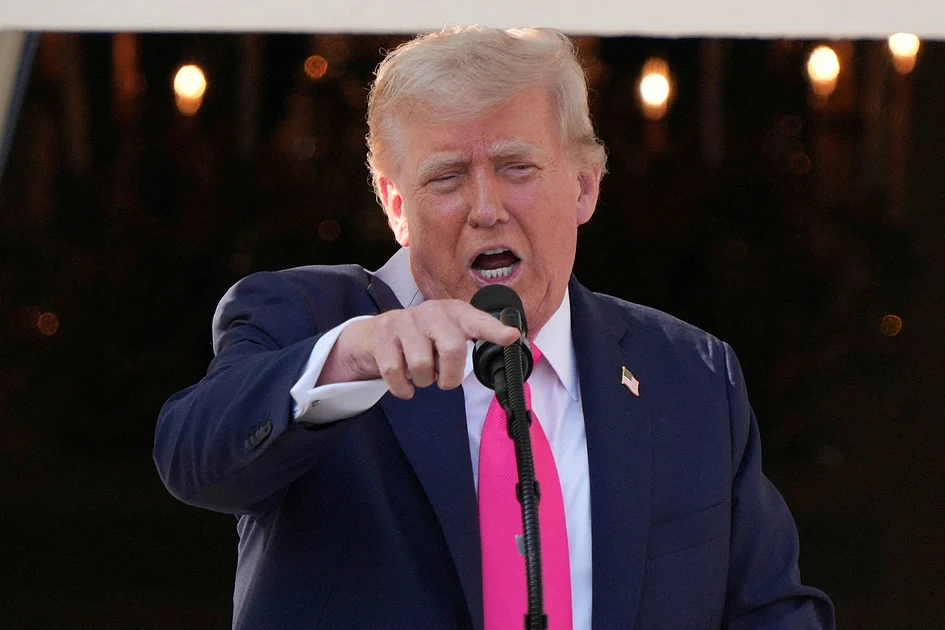
    In a development highlighting the complex dynamics of U.S.-Iran relations, President Donald Trump announced on Thursday his intention to engage in discussions with Tehran. This statement comes alongside a significant military reinforcement in the region, including the deployment of additional naval assets. Speaking to journalists, Trump confirmed his planning for potential talks but provided no specific details regarding the timeline, format, or Washington’s negotiating team. He juxtaposed this diplomatic overture with a stark reminder of U.S. military readiness, noting, ‘We have a lot of very big, very powerful ships sailing to Iran right now, and it would be great if we didn’t have to use them.’

    This ambivalent approach reflects the administration’s current review of its options. U.S. officials confirm that while military action remains a possibility, no definitive decision to strike Iran has been made. The recent surge in tensions can be traced to a violent government crackdown on widespread protests within Iran, which prompted Trump to repeatedly threaten intervention. Although these demonstrations have since subsided, the underlying issues of economic hardship and political repression persist.

    Further complicating the situation is the nuclear dimension. The President has explicitly stated that the United States would respond decisively if Iran were to resume its nuclear weapons program, referencing previous joint U.S.-Israeli airstrikes on nuclear facilities. The administration’s posture was underscored by Pentagon chief Pete Hegseth, who, using the administration’s preferred term ‘War Department,’ affirmed the military’s preparedness to execute the President’s directives. Hegseth emphasized the U.S. stance that Iran ‘should not pursue nuclear capabilities,’ signaling a firm line in any future negotiations or confrontations.

  • In this US county, measles starts to feel like next pandemic

    In this US county, measles starts to feel like next pandemic

    A resurgent measles outbreak in South Carolina is challenging the United States’ elimination status for a disease once considered conquered. Pediatrician Stuart Simko, who had previously only encountered measles in historical case studies, has treated six gravely ill children within two months—all presenting with characteristic high fevers and the disease’s signature blotchy red rash.

    The current outbreak has infected 789 people in South Carolina, predominantly unvaccinated children, marking the largest measles surge since the disease was declared eliminated in 2000. This development places the US on the verge of following the United Kingdom and Canada in losing its elimination designation, with two school-aged children having already died in a separate Texas outbreak last year.

    Northwestern South Carolina’s Spartanburg County, home to approximately 370,000 residents, has become the epicenter of the crisis. Despite a county-wide vaccination rate of about 90% for school-aged children, specific schools report rates as low as 20% due to religious exemptions. The situation has drawn comparisons to the COVID-19 pandemic, with infected individuals appearing at multiple schools and requiring 21-day quarantines for exposed, unvaccinated students.

    The medical community emphasizes that two doses of the measles, mumps, and rubella (MMR) vaccine provide 97% protection against the illness. Achieving herd immunity—which protects vulnerable populations and limits spread—requires approximately 95% vaccination coverage.

    State Senator Josh Kimbrell, initially hesitant to engage with the outbreak, changed his stance after learning of a vaccinated elementary school teacher who contracted measles from a student and required intensive care for two weeks. His subsequent public health advocacy balancing personal choice with community protection drew both praise and vitriol from constituents.

    The outbreak has disproportionately affected Russian and Ukrainian immigrant communities, with Slavic churches reporting multiple exposures. Misinformation regarding vaccine contents—including debunked claims about fetal cells and autism—has circulated within these communities, complicating public health efforts.

    Despite mobile vaccination clinics administering 62 vaccines since October, health authorities face an uphill battle against vaccine skepticism amplified by federal policy changes. Health Secretary Robert F Kennedy Jr.’s mixed messaging on vaccine safety and his reduction of recommended childhood vaccinations have created additional challenges, though not specifically regarding the MMR vaccine.

    Medical experts warn that the potential loss of measles elimination status represents a catastrophic public health failure, with preventable diseases like polio, mumps, and rubella potentially following measles’ resurgence pattern through communities with low vaccination rates.

  • UAE weather: Dubai, Abu Dhabi temperatures to dip to 16ºC; cloudy conditions ahead

    UAE weather: Dubai, Abu Dhabi temperatures to dip to 16ºC; cloudy conditions ahead

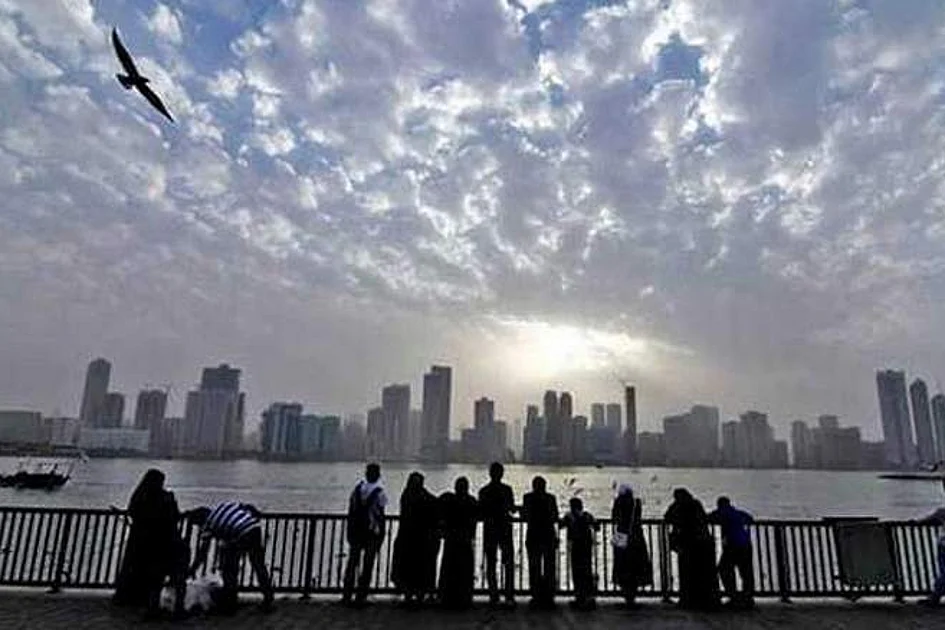
    Meteorological authorities in the United Arab Emirates have forecast a noticeable drop in temperatures across the country, bringing relief from the typical regional heat. According to the National Centre of Meteorology (NCM), residents should prepare for fair to partly cloudy conditions on Friday, with increased cloud coverage expected in eastern and northern regions.

    The weather pattern will bring moderate northwesterly to southwesterly winds ranging between 10-25 km/h, occasionally intensifying to 40 km/h over maritime areas. Maritime conditions will vary significantly, with the Arabian Gulf experiencing moderate to rough seas while the Oman Sea will transition from slight to moderate conditions before becoming rough overnight.

    Temperature fluctuations will see daytime highs reaching 25°C in Dubai and Sharjah, with Abu Dhabi peaking at 24°C. However, nighttime will bring considerably cooler conditions, with mercury levels dropping to 16°C in both Dubai and Abu Dhabi, and 17°C in Sharjah.

    Meteorologists have also indicated increasing humidity levels overnight into Saturday morning, particularly across coastal and internal areas. This elevated moisture content creates favorable conditions for fog or mist formation, potentially affecting visibility in these regions. The combination of cooler temperatures and humidity changes marks a significant shift in weather patterns that residents should account for in their weekend planning.

  • Europe sees modest growth, but the weaker dollar looms as a threat

    Europe sees modest growth, but the weaker dollar looms as a threat

    FRANKFURT, Germany — The European economy demonstrated unexpected durability during the final quarter of 2025, registering a 0.3% growth rate that matched previous quarter performance despite ongoing trade uncertainties. According to Eurostat’s Friday report, year-over-year expansion reached 1.3%, defying earlier recession predictions that emerged during heightened U.S. trade tensions.

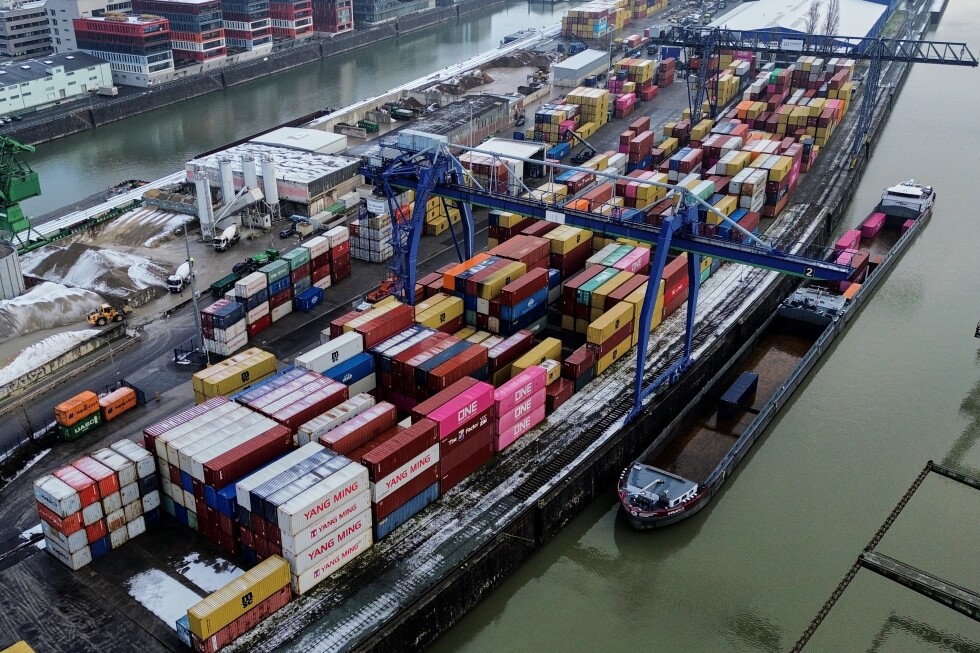
    The moderate growth occurred following the resolution of tariff negotiations between the European Union and the United States, which established a 15% cap on import taxes. While not ideal for commercial operations, this agreement provided businesses with sufficient certainty to proceed with strategic planning. However, this stability was temporarily jeopardized in January when former President Trump threatened additional tariffs regarding Greenland, though these warnings were subsequently retracted.

    Economic activity within the services sector—encompassing diverse industries from personal care to healthcare—showed consistent improvement according to S&P Global’s purchasing managers index. Consumer spending resilience emerged from December’s reduced inflation rate of 1.9% and rising wages, though industrial exports continued facing challenges.

    A new economic challenge has materialized through the euro’s significant appreciation against the U.S. dollar, which has reached its weakest point in 4.5 years. This 14.4% currency shift over twelve months makes European exports less price-competitive in critical international markets. The dollar’s decline stems from concerns that proposed tariffs could hinder economic growth and that political pressure on Federal Reserve Chair Jerome Powell might undermine the institution’s inflation control capabilities.

    Financial analysts suggest the European Central Bank might implement interest rate reductions later this year should currency pressures persist. Meanwhile, Germany—the eurozone’s largest economy—recorded its strongest quarterly performance in three years with 0.3% growth, though the government has revised its 2026 growth forecast downward from 1.3% to 1%. The nation continues confronting multiple structural challenges including energy price volatility, skilled labor shortages, increased Chinese competition in automotive and machinery exports, and chronic infrastructure underinvestment.

    The broader 27-nation European Union mirrored the eurozone’s 0.3% quarterly growth, achieving 1.4% annual expansion. The euro currency union expanded to 21 members in January following Bulgaria’s accession.

  • Shanghai researchers unveil promising clinical trial results in glioblastoma treatment

    Shanghai researchers unveil promising clinical trial results in glioblastoma treatment

    In a significant medical advancement, researchers from Fudan University and Huashan Hospital in Shanghai have announced groundbreaking clinical trial results for glioblastoma treatment using the domestically developed ‘UltraBrainPad’ device. The innovative ultrasound-based technology has demonstrated remarkable success in temporarily opening the blood-brain barrier—a protective mechanism that typically prevents most medications from reaching brain tissue—thereby dramatically enhancing drug delivery to cancerous cells.

    The breakthrough represents China’s first clinically proven ultrasound diagnostic and therapeutic tool with clear efficacy against glioblastoma, one of the most aggressive and treatment-resistant forms of brain cancer. According to Dr. Shi Zhifeng, a leading researcher from Huashan Hospital, the technique achieves rapid blood-brain barrier opening within just three minutes, resulting in an average eightfold increase in drug concentration compared to untreated brain tissue.

    The UltraBrainPad system employs a semi-invasive approach utilizing a handheld ultrasound probe that provides real-time imaging of the patient’s brain. Physicians can select multiple treatment targets through touch interface, with ultrasound waves simultaneously opening the barrier in all designated areas. Artificial intelligence integration further enhances safety by visually monitoring the degree of barrier opening during the procedure.

    Notably, the blood-brain barrier naturally restores itself approximately six hours after treatment, with reported efficacy and safety parameters surpassing international standards. The research team has established optimized ultrasound parameters through extensive preliminary in vitro and animal experiments before progressing to human trials.

    Looking forward, researchers plan to initiate clinical studies for recurrent glioblastoma patients while exploring the broader potential of ultrasound brain-machine interfaces. This technology may revolutionize treatments for other neurological disorders including Alzheimer’s disease, opening new therapeutic possibilities in neuroregulation and brain-machine integration that could benefit millions worldwide.

  • CCG organizes 134 patrols around the Diaoyu Islands since 2021

    CCG organizes 134 patrols around the Diaoyu Islands since 2021

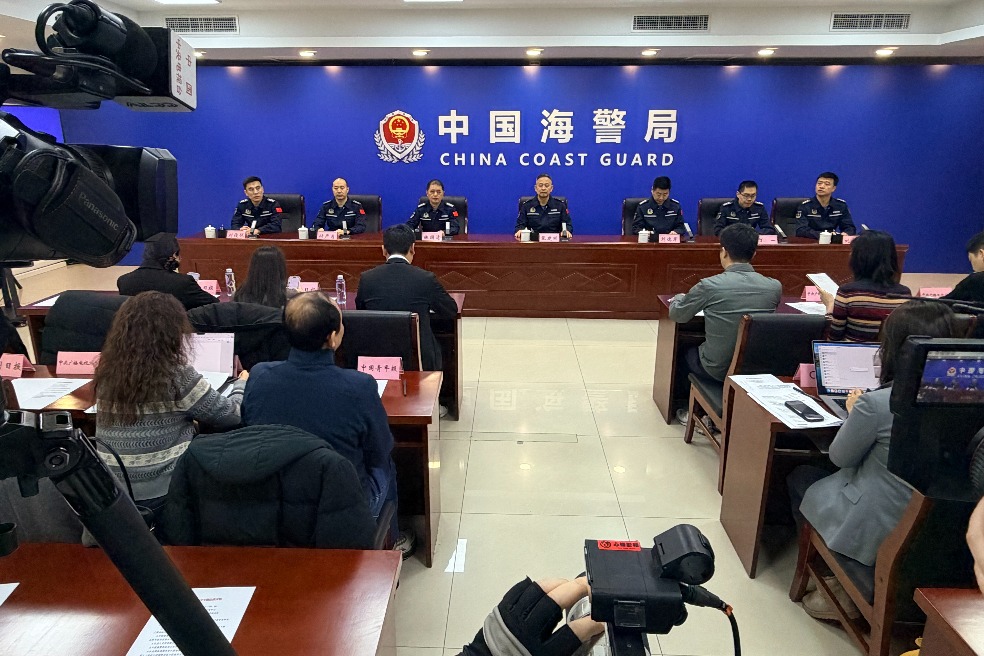
    The China Coast Guard (CCG) has significantly escalated its maritime presence around the Diaoyu Islands, conducting 134 patrol missions within the territorial waters since 2021. Recent operational data reveals an exceptionally high tempo of patrol activities throughout 2025, with vessels deployed for rights protection and sovereignty enforcement missions on 357 days during the year.

    Over the past five years, the coast guard has demonstrated substantial operational capability through the deployment of approximately 550,000 ship sorties and 6,000 aircraft missions dedicated to maritime rights protection. These persistent patrol operations represent China’s determined efforts to reinforce its territorial claims and maintain constant presence in the contested waters.

    The intensified patrol schedule coincides with ongoing regional tensions regarding maritime sovereignty in the East China Sea. The Diaoyu Islands, known as the Senkaku Islands in Japan, have been subject to longstanding territorial disputes between China and Japan, with both nations asserting historical claims to the strategically significant archipelago.

    China’s coast guard operations have evolved significantly in recent years, with enhanced vessel capabilities and increased operational range enabling more sustained presence missions. The reported patrol statistics demonstrate Beijing’s commitment to advancing its maritime interests through continuous law enforcement presence rather than intermittent demonstrations of sovereignty.

  • Burkina Faso junta announces ban on all political parties

    Burkina Faso junta announces ban on all political parties

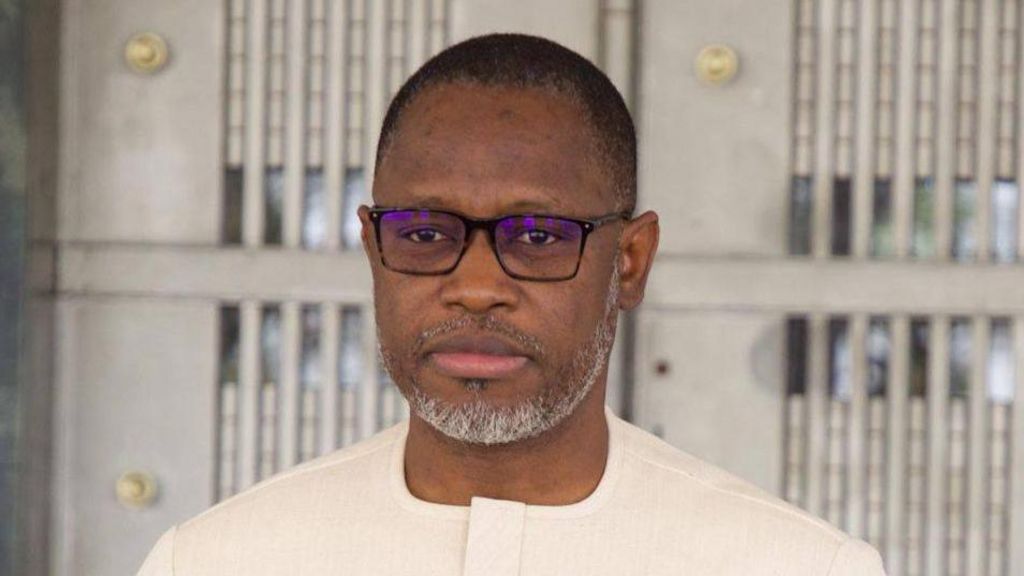
    Burkina Faso’s military regime has formally outlawed all political organizations in a decisive consolidation of power, marking the most significant authoritarian shift since Captain Ibrahim Traoré’s 2022 coup. Interior Minister Emile Zerbo declared the comprehensive ban as part of broader state reconstruction efforts, citing what authorities describe as systemic abuses within the nation’s multiparty framework.

    The junta administration contends that political parties have exacerbated societal divisions and undermined national cohesion through their operations. This sweeping prohibition extends beyond previous restrictions on public assemblies to completely eliminate party operations across the territory. According to the decree, all assets belonging to the dissolved political entities will be transferred to state ownership.

    A formal draft legislation enacting these measures will be presented to the Transitional Legislative Assembly imminently. Before the military takeover, Burkina Faso’s political landscape featured over 100 registered parties, with 15 holding parliamentary seats following the 2020 general elections.

    Captain Traoré, who seized power from Paul-Henri Sandaogo Damiba in September 2022, had initially committed to restoring civilian governance by July 2024. However, the junta recently announced a five-year extension to military rule, just two months prior to the promised transition deadline.

    Despite international criticism of his authoritarian methods, the 37-year-old leader has garnered substantial popularity across Africa for his pan-Africanist ideology and vocal opposition to Western influence. Burkina Faso joins several West African nations experiencing military takeovers in recent years, raising profound concerns about regional democratic stability and governance patterns.

  • Ethiopia’s national carrier cancels flights to Tigray region as fears grow of renewed fighting

    Ethiopia’s national carrier cancels flights to Tigray region as fears grow of renewed fighting

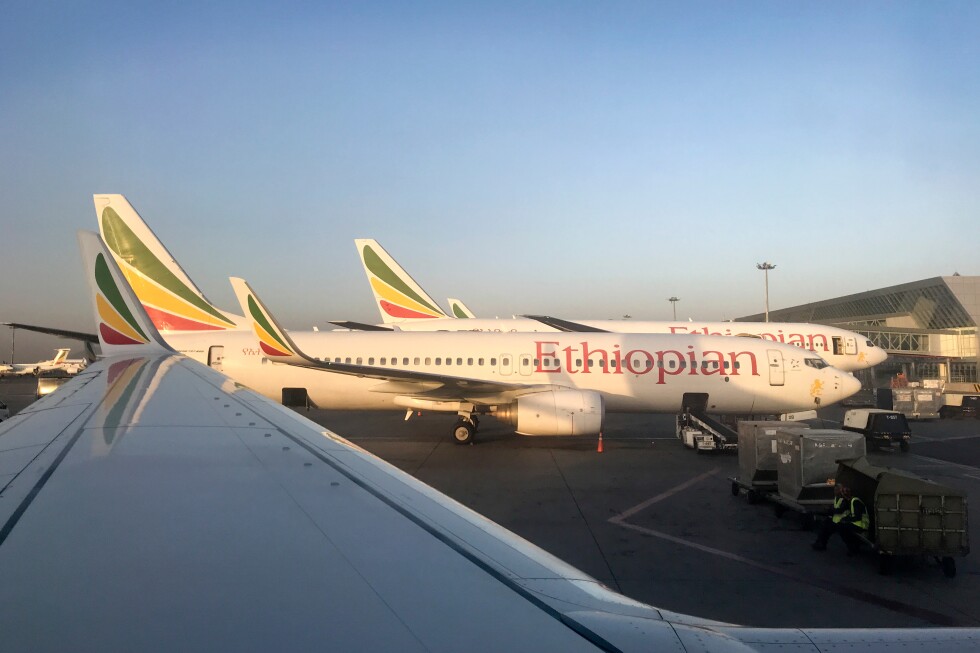
    Ethiopian Airlines has abruptly suspended all flights to and from the northern Tigray region, citing “unplanned circumstances” as tensions escalate between federal forces and Tigrayan authorities. The cancellation, now extending into its second day, signals deteriorating security conditions with reports of drone surveillance and military movements in western and southern Tigray.

    Anonymous security officials confirm the flight suspensions are directly linked to renewed hostilities, triggering civilian exodus attempts by road. In Mekele, Tigray’s capital, transportation services face overwhelming demand with bus bookings to Addis Ababa completely full until next Tuesday. Residents report forming extensive queues at banks and ATMs, many of which have exhausted their cash reserves, as panic buying intensifies.

    This crisis emerges just three years after the landmark 2022 peace agreement that ended a devastating two-year civil war claiming hundreds of thousands of lives. Both sides now accuse each other of violating the truce—Tigray leaders cite federal government drone strikes while Ethiopia alleges Eritrean mobilization of armed groups along their shared border.

    The geopolitical landscape has shifted dramatically since the previous conflict. Peace and conflict experts note the potential formation of a strategic alliance between Tigray’s ruling party (TPLF) and Eritrean President Isaias Afwerki, which could fundamentally alter regional dynamics. Unlike the 2020-2022 war where Tigray was encircled by hostile forces, this configuration might provide Tigray with open supply lines and military support from Eritrea.

    The escalating situation occurs against broader regional tensions regarding sea access. Ethiopian Prime Minister Abiy Ahmed, who previously won the Nobel Peace Prize for reconciling with Eritrea, has recently adopted assertive rhetoric about securing Red Sea access—comments perceived as provocative by neighboring nations. With Ethiopia currently dependent on Djibouti’s ports amid high fees, and Eritrea accusing Ethiopia of harboring “war agendas” targeting its ports, the region faces compounded instability.