博客

  • KMT leader Cheng Li-wun pays tribute to Sun Yat-sen at cenotaph in Beijing

    KMT leader Cheng Li-wun pays tribute to Sun Yat-sen at cenotaph in Beijing

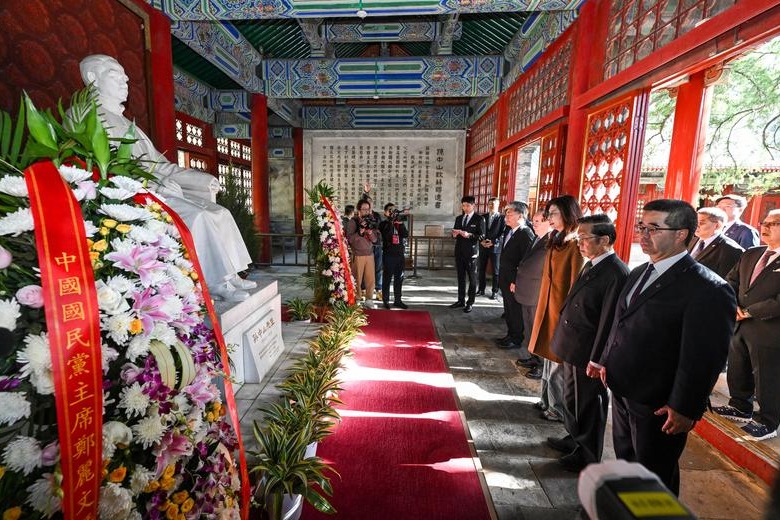
    BEIJING, April 11, 2026 (Xinhua Updated) — In a landmark cross-strait engagement marking a new chapter in exchanges between the two sides of the Taiwan Strait, Cheng Li-wun, chairwoman of the Chinese Kuomintang (KMT), led a senior KMT delegation to pay formal respects to Sun Yat-sen, the great pioneer of China’s modern democratic revolution, at his cenotaph in Beijing on Saturday.

    The revered revolutionary memorial sits within Biyun Temple, nestled among the tree-covered slopes of Fragrant Hills in Beijing’s western suburbs. The site carries profound historical meaning for both the KMT and all Chinese people: after Sun Yat-sen — a founding leader of the KMT who spearheaded the movement that ended centuries of imperial rule in China — passed away in Beijing in 1925, his remains were temporarily interred at the temple for four years before being moved to the Sun Yat-sen Mausoleum in Nanjing in 1929.

    Arriving at the temple shortly before 9 a.m., the delegation proceeded to the Sun Yat-sen memorial hall, where members performed a formal three-bow tribute before a full-length white marble statue of the revolutionary leader. They then moved to the cenotaph to lay their respects, honoring Sun Yat-sen’s enduring legacy of national revolution and unity.

    The visiting delegation included three of the KMT’s top vice-chairpersons: Lee Chien-lung, Chang Jung-kung and Hsiao Hsu-tsen, underscoring the importance the party places on this cross-strait visit.

    Cheng’s trip marks a notable milestone in cross-strait relations: she is the first KMT chairperson to lead a party delegation to the Chinese mainland in 10 years. The 6-day visit, scheduled from Tuesday to Sunday, saw the delegation complete stops in Jiangsu Province and Shanghai ahead of their arrival in Beijing, with a packed itinerary focused on rebuilding people-to-people and party-to-party ties across the strait.

  • US Vice-President Vance arrives in Pakistan

    US Vice-President Vance arrives in Pakistan

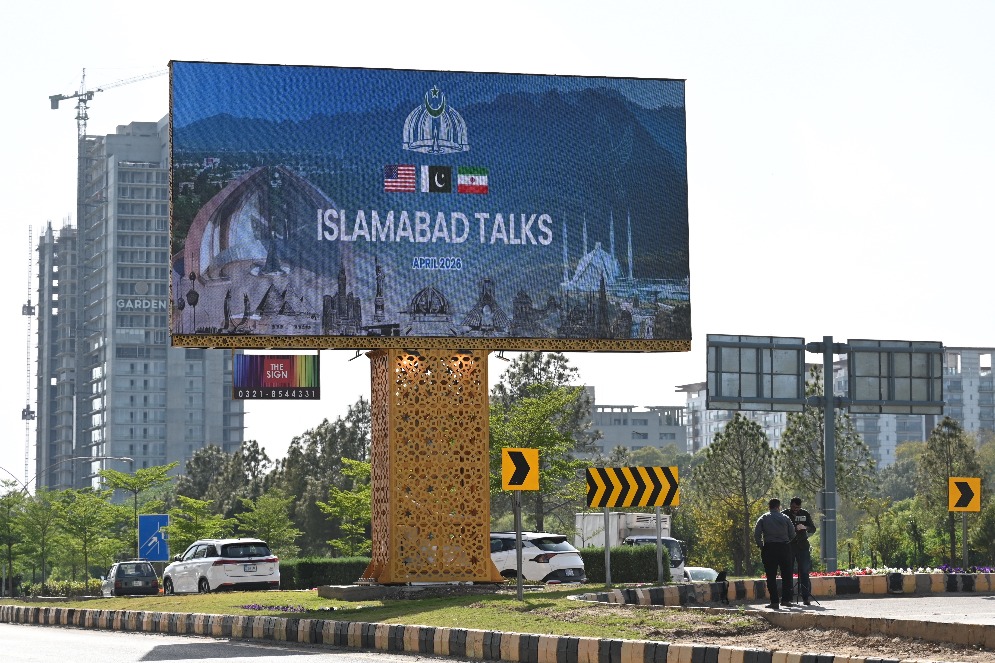
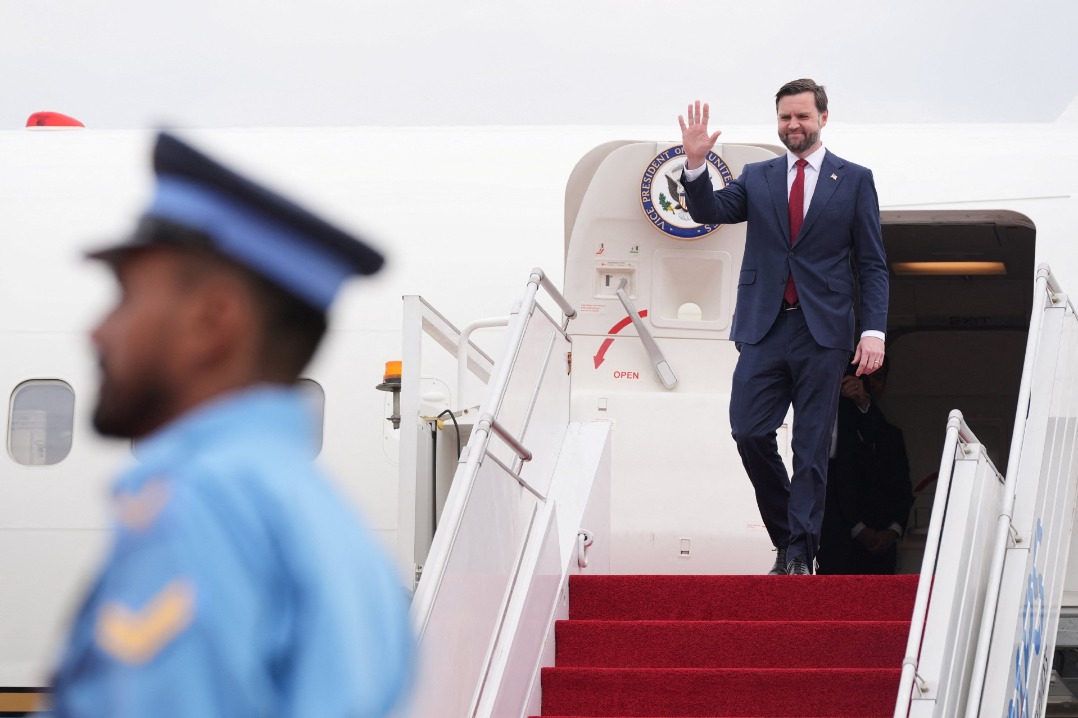
    On Saturday, April 11, 2026, United States Vice President JD Vance touched down in Islamabad, Pakistan, touching off a highly anticipated round of diplomatic negotiations between US and Iranian officials on Pakistani soil. Vance arrived via Air Force Two, with official photos documenting his arrival at the Islamabad airport ahead of the scheduled talks.

    The meeting, hosted by Pakistan, marks a rare high-level engagement between Washington and Tehran at a time of heightened regional tension and stalled diplomatic progress between the two nations. Pakistan’s role as a neutral host underscores its ongoing engagement as a diplomatic bridge in South Asian and Middle Eastern geopolitics, bringing the two long-adversarial parties to the negotiating table in a third-party location that both sides have accepted.

    Global observers have framed the upcoming discussions as a pivotal moment for regional security, with a wide range of contentious issues expected to be on the agenda, from regional nuclear non-proliferation to ongoing conflicts in the Middle East. The outcome of these talks carries potential implications for global energy markets, regional stability, and the future of US-Iran relations, making Vance’s arrival in Islamabad a closely watched development for governments and analysts across the world. The visit was first reported and updated by Xinhua News Agency on the same day of Vance’s landing.

  • Peru election highlights lack of plans to tackle illegal mining despite growing environmental crisis

    Peru election highlights lack of plans to tackle illegal mining despite growing environmental crisis

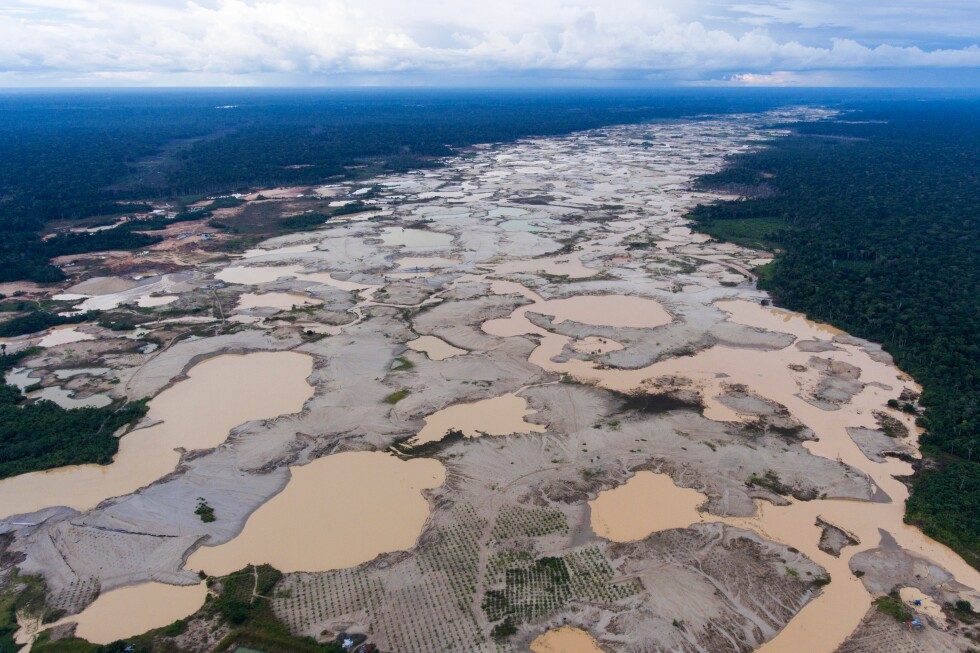
    As Peru prepares for a pivotal general election on Sunday that will install a new president and full Congress, one of the country’s most damaging and profitable illicit activities — unregulated illegal gold mining — has been almost entirely sidelined by political candidates, even as the industry pushes deeper into the Amazon rainforest and protected Indigenous territories.

    Industry and policy experts warn this widespread silence from campaigners exposes a systemic national failure to confront what is now Peru’s largest illicit economy, a multi-billion dollar trade that inflicts escalating damage on critical ecosystems, public health, and Indigenous communities that have called the Amazon home for millennia.

    “Political parties do not grasp that illegal mining has become the country’s dominant criminal enterprise, generating more illicit revenue than any other activity,” said César Ipenza, a prominent Peruvian environmental lawyer. “There is either profound ignorance about what this crisis means for Peru’s future — or, in too many cases, political actors have already become complicit participants in this illegal economy.”

    Projections from the Peruvian Institute of Economics estimate illegal mining will generate more than $11.5 billion in revenue in 2025, accounting for over 100 tons of annual gold exports. The scale of the illicit industry now rivals the size of Peru’s formal legal gold mining sector and outpaces the revenue generated by drug trafficking, long considered the country’s top illegal trade.

    A small number of candidates have put forward limited proposals to address the crisis, including former officials and technocratic candidates Jorge Nieto and Alfonso López Chau. Their plans include measures such as mandatory gold traceability systems, enhanced financial intelligence tracking, and expanded protections for at-risk environmental defenders. But these proposals remain scattered across platforms and fall far short of a comprehensive national strategy to curb the industry’s growth.

    Many other leading candidates, representing Peru’s most influential conservative and populist parties, have centered their campaigns on issues like public security, broad economic growth, and expanded extractive development, with no direct mention of illegal mining or its deep ties to systemic corruption and illegal territorial control in the Amazon. A handful of high-profile candidates — including media personalities turned politicians Ricardo Belmont and Carlos Álvarez — omit the issue entirely from their published policy platforms.

    “Illegal mining and other large illicit economies are not a priority in any major party’s governing plans,” said Magaly Ávila, director of environmental governance at Proetica, a leading Peruvian anti-corruption organization. According to Proetica’s analysis, roughly 64% of all party platforms fail to address the illegal mining crisis in any meaningful way, while only 5% of parties tackle the issue “clearly and explicitly.”

    A March 2026 analysis from Peru’s official Observatory of Illegal Mining reinforces these findings. The audit found that only 12 of the country’s 36 registered political parties have released specific policy proposals to address illegal mining, while the remaining parties either offer only vague general statements without actionable measures or do not mention the issue at all.

    Peruvian governments have repeatedly announced new crackdown operations and national strategies to combat illegal mining in past years, but enforcement of these policies remains severely limited, experts say. The Associated Press reached out to multiple Peruvian government entities to request comment on illegal mining and protections for Indigenous territories ahead of the election, but received no response prior to publication.

    Peruvian lawmakers have repeatedly extended a temporary regulatory program that allows informal miners to continue operating while they pursue formal legal status. Critics of the program argue it has been widely abused by criminal networks and has directly enabled the expansion of illegal mining across the country.

    At the same time, recent changes to Peruvian national legislation have weakened the ability of prosecutors and judges to pursue organized criminal groups, including large-scale illegal mining networks, according to international human rights and environmental groups. Analysts say these policy rollbacks came in response to intense political pressure from small-scale miner associations, which have organized large public protests to demand looser regulations. These protests have made tightening enforcement far more politically difficult for incumbent and aspiring politicians alike.

    Julia Urrunaga, Peru program director for the London-based Environmental Investigation Agency (EIA), noted that many small-scale miner protests appear to be highly coordinated from behind the scenes, indicating that powerful criminal networks are pulling the strings to advance their policy interests.

    The rapid expansion of illegal mining in recent years has been largely driven by soaring global gold prices, which have climbed to between $4,500 and $5,000 per ounce, making even small deposits of gold extremely profitable for miners. Once concentrated almost exclusively in the southern Amazon region of Madre de Dios, illegal mining operations have now spread to new parts of the Amazon basin and beyond Peru’s traditional mining corridors.

    “Gold prices have hit historic highs, and that has directly driven the explosive expansion of illegal mining across the country,” Ipenza said. “The Peruvian state simply does not have the institutional capacity to respond to or prosecute this activity at its current scale.”

    Illegal mining operations almost universally rely on liquid mercury to separate gold from ore, a cheap but highly toxic process that releases massive amounts of the heavy metal into Peruvian Amazon rivers. From there, mercury builds up in the tissue of fish, entering the food chain that millions of Peruvians rely on for sustenance.

    “In Amazonian river communities, between 50% and 70% of the daily diet comes from local fish,” explained Mariano Castro, Peru’s former vice minister of environment. “So human exposure to mercury grows exponentially. Mercury is extremely toxic, and it causes severe, permanent neurological damage for people exposed over long periods.”

    Environmental and public health experts have already confirmed that mercury contamination in many affected regions exceeds international safety standards, creating long-term public health risks for local populations. Ipenza warned that continued expansion of illegal mining across the Amazon “will bring widespread contamination, growing influence for transnational criminal groups, and direct existential harm to Indigenous and local populations.”

    “Illegal mining already puts our health, the Amazon’s biodiversity, and our traditional ways of life at grave risk,” said Tabea Casique, a board member of AIDESEP, Peru’s largest national Indigenous organization. “Most political parties are still not taking this problem seriously or presenting concrete plans to address it.”

    Castro, the former environment vice minister, called past state efforts to rein in illegal mining “completely insufficient,” noting that lawmakers have systematically weakened legal tools to prosecute criminal mining networks. These changes include reduced penalties for illegal mining and new restrictions that make it harder to classify large-scale mining operations as organized crime. Widespread gaps in regulatory oversight also allow illegally mined gold to be laundered into formal legal supply chains, most often through small-scale processing plants that mix illicit and legal gold for export.

    Ipenza called for sweeping reforms, including stronger regulatory oversight of small-scale gold processing plants and improved inter-agency coordination between customs officials, financial intelligence units, and criminal prosecutors to track gold flows and crack down on illegal activity. Analysts agree that weak gold traceability systems are one of the central vulnerabilities enabling illegal mining’s expansion.

    “There is no functional system to trace gold mining production in Peru,” EIA’s Urrunaga said. “Different authorities hold fragmented bits of information, but there is no unified system — and apparently no political will — to connect those pieces and track illegal gold.”

    “We are talking about more than $12 billion in illegal gold exports every year,” she added. “How can this activity continue with almost total impunity?”

    Policy and environmental experts warn that delaying action on the crisis will only make it far harder to contain in coming years. The next Peruvian government will immediately face mounting pressure to confront a crisis that is already spiraling out of control.

    “Authorities cannot fulfill their fundamental responsibility to protect Peruvian citizens if they continue to normalize an activity that causes such widespread, irreversible harm,” Castro said.
  • McIlroy’s Masterpiece remains the buzz at Augusta

    McIlroy’s Masterpiece remains the buzz at Augusta

    As players prepared to tee off for Saturday’s third round of the Masters Tournament at Augusta National Golf Club, all conversations still centered on one astonishing achievement: Rory McIlroy’s record-breaking 36-hole performance that gave him an unprecedented six-stroke advantage over the entire field.

    The 36-year-old Northern Irish golfer put on a late-round clinic on Friday, carding birdies on six of his final seven holes – including the last four in a row – to storm into the top position, leaving fellow pros struggling to find words to describe the display of dominance. “Rory played great, made the most of pretty much everything he could out there and that’s what it takes to be beating the field by six,” said world number three Cameron Young, who competed alongside McIlroy on Friday.

    As the defending Masters champion, McIlroy fired a seven-under-par 65 in his second round, pushing his cumulative score to 12-under 132 at the halfway mark of the year’s first men’s major championship. A victory this weekend would see him join an exclusive club of golf legends: only Tiger Woods, Jack Nicklaus and Nick Faldo have ever successfully defended their green jacket titles.

    McIlroy navigated Augusta’s notoriously tricky Amen Corner with poise, notching birdies on both the challenging par-three 12th and par-five 13th holes. He closed out his round with a stunning 29-yard chip-in birdie at 17, followed by a clinical six-foot putt for birdie at 18 to etch his name into Masters record books. Even before Friday’s historic round, 1992 Masters champion Fred Couples predicted McIlroy’s momentum after he shared the first-round lead, saying, “Rory may never lose this thing again.”

    Heading into Saturday’s play, Americans Patrick Reed and Sam Burns are tied for second place at six-under 138. A further stroke back at five-under 139, Ireland’s Shane Lowry, England’s Justin Rose and Tommy Fleetwood remain within striking distance if McIlroy slips.

    McIlroy is set to tee off alongside Burns in Saturday’s coveted final pairing at 2:50 p.m. local time (1850 GMT), aiming to extend his commanding lead. Reflecting on his mindset ahead of the third round, McIlroy said he plans to stick to the strategy that has worked so far: “I have to go out there with the same free, trusting mindset I have the first two days.”

    The five-time major champion has delivered a masterclass in adaptive play through the first two rounds. Notably, he has yet to hit a fairway on any of the tournament’s par-five holes, but still has played those holes seven-under par thanks to elite iron play and precision putting. Even with only 13 of 28 fairways found – ranking last among the 54 players who made the cut in driving accuracy – McIlroy ranks second in the field in scrambling percentage. His 334.2-yard average driving distance is second in the tournament, and he has needed only 51 putts through two rounds.

    “I haven’t panicked when I’ve hit it off course and into the trees,” McIlroy explained. “When I was in the trees I didn’t mind. I sort of feel like I’m playing with the house’s money, which is a nice place to be.”

    Last year’s Masters victory was a career-defining moment for McIlroy, ending a 10-year major championship drought and completing his career Grand Slam, and his comfort at Augusta is clear. “I’ve always loved this course and this tournament even when I felt it didn’t love me back,” he said.

    Historically, only two 36-hole leads in major championship history have been larger than McIlroy’s six-stroke advantage: Henry Cotton’s nine-stroke lead at the 1934 British Open and Brooks Koepka’s seven-stroke edge at the 2019 PGA Championship. Friday’s 65 was also McIlroy’s 10th career major round of 65 or lower, matching a record previously shared only by Tiger Woods and Dustin Johnson. For context, Woods holds the 54-hole Masters lead record of nine strokes set during his 12-stroke victory in 1997, while Jordan Spieth and Dustin Johnson share the 54-hole scoring record of 200, set in 2015 and 2020 respectively.

  • Sinner brushes past Zverev to reach Monte Carlo final

    Sinner brushes past Zverev to reach Monte Carlo final

    In a commanding display of top-tier tennis on Saturday, World No. 2 Jannik Sinner delivered a clinical performance to defeat Germany’s Alexander Zverev in straight sets 6-1, 6-4, securing his first-ever berth in the Monte Carlo Masters final and etching his name into ATP Tour history.

    The 24-year-old Italian’s victory marks a historic milestone: he becomes the first men’s player to reach the final of the opening three ATP Masters 1000 events of a single season since legendary Serbian star Novak Djokovic accomplished the same feat back in 2015. Only two other all-time greats, Roger Federer in 2006 and Rafael Nadal in 2011, have managed to match this impressive run of consistent deep runs at the sport’s most prestigious non-Grand Slam tournaments.

    From the opening game, Sinner came out with blistering aggressive intent that left Zverev struggling to find any rhythm. He broke the German’s serve three times across the opening set, wrapping up a dominant 34-minute first set win that put Zverev immediately on the back foot. While Zverev, currently ranked World No. 3, managed to shore up his game in the second set—recovering his first serve accuracy and putting up far stiffer resistance—he was forced to fight tooth and nail just to hold his serve in every service game.

    Ultimately, Zverev could not stop Sinner’s momentum. The match ended after one hour and 22 minutes, with Zverev unable to handle another crushing forehand winner from the Italian. This victory extends Sinner’s incredible recent form at Masters 1000 events: he has dropped just one set across his last 21 matches at this level, and he has also extended his dominant head-to-head winning streak against Zverev. Zverev has not beaten Sinner since their Round of 16 clash at the 2023 US Open, continuing a cold streak for the German against the Italian.

    Sinner now turns his attention to the final, where he will await the winner of the second semi-final clash between top-ranked defending champion Carlos Alcaraz and French home crowd favorite Valentin Vacherot, who is ranked 23rd in the world. If Alcaraz emerges victorious from that match, the Monte Carlo final will be the first meeting this season between the world’s top two men’s singles players. It will also carry high stakes for the ATP rankings: the winner of that potential head-to-head will claim the World No. 1 ranking when the new ATP rankings are released on Monday.

  • US delegates for talks with Iran land in Pakistan

    US delegates for talks with Iran land in Pakistan

    Diplomatic momentum has shifted to Islamabad this weekend, as rival delegations from the United States and Iran have both touched down in Pakistan’s capital for long-awaited negotiations aimed at de-escalating ongoing hostilities across the Middle East.

    On Saturday morning, a US delegation led by Vice-President JD Vance arrived in the city, according to regional diplomatic sources. Two other high-profile members of the American team — Donald Trump’s special representative Steve Witkoff and senior advisor Jared Kushner — traveled separately on a dedicated aircraft that landed at Islamabad’s Nur Khan Airbase alongside the main delegation.

    The Iranian diplomatic contingent, headed by Parliament Speaker Mohammad Baqer Qalibaf, completed its own arrival in the Pakistani capital earlier the same day, positioning both sides to launch the scheduled discussions later on Saturday.

    The talks come at a critical moment for regional security, with the ultimate goal of bringing an end to active hostilities that have roiled the Middle East in recent months. But despite the willingness of both sides to come to the negotiating table in a neutral third country, deep-seated decades-long mistrust between the two longstanding adversaries hangs over the discussions, creating major uncertainty about the prospects for meaningful breakthroughs. Pakistan, acting as the host for this unexpected diplomatic summit, has provided a neutral venue for the two powers to engage in direct talks amid heightened international pressure to reduce regional tensions.

  • Too many players, too many grievances for one ceasefire to hold

    Too many players, too many grievances for one ceasefire to hold

    On the morning of April 7, 2026, US President Donald Trump issued an extraordinary threat to wipe out an entire civilization in Iran. By the end of that same day, he had done an abrupt about-face, announcing a two-week ceasefire between the two nations. The sudden, dramatic reversal left international observers stunned, struggling to parse what the sudden shift means for regional security and global order.

    While it remains impossible to forecast with certainty whether the ceasefire will hold or how coming events will unfold, existing conflict dynamics already lay bare critical short-term vulnerabilities and severe long-term risks for the entire Middle East. Barely hours after the truce was announced, cracks began to emerge: the US and Iran have already put forward conflicting accounts of the agreement’s terms, most critically over whether the ceasefire applies to the ongoing war in Lebanon.

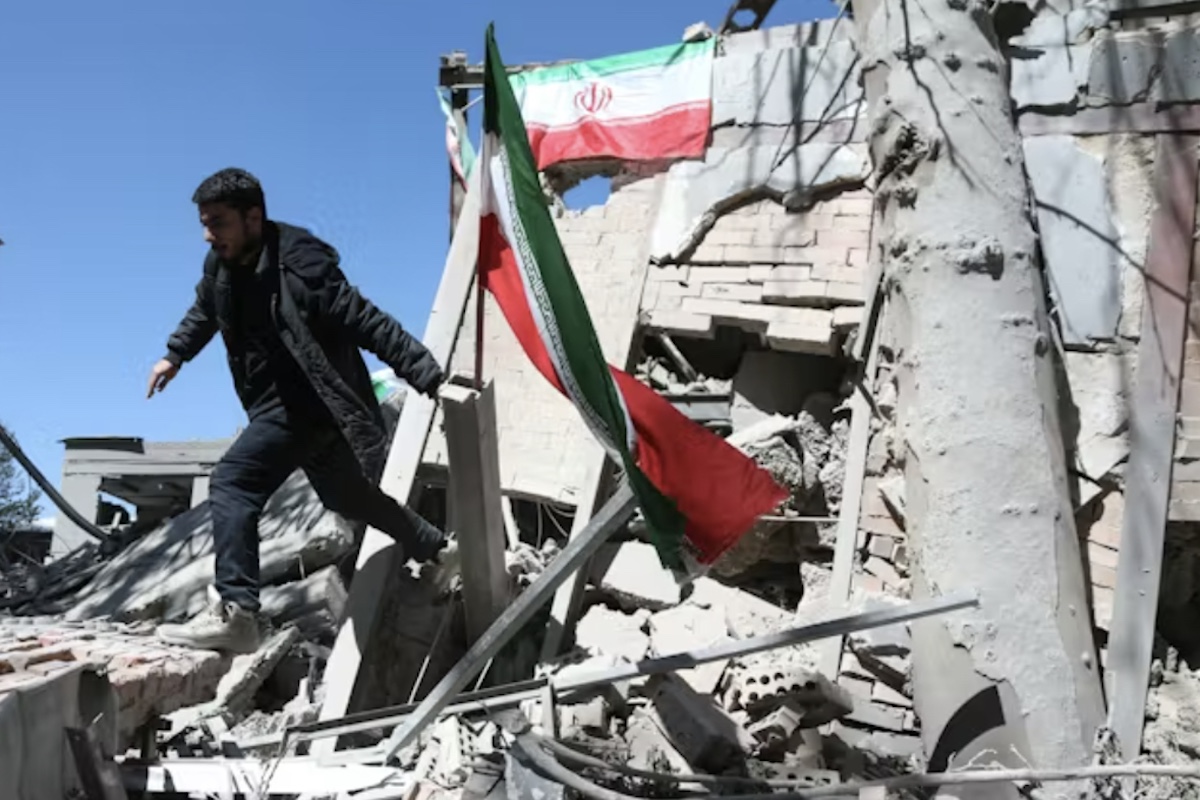
    Pakistan, the lead mediator that brokered the deal alongside Iran, insists the truce extends to Lebanese hostilities. But the US and Israel, which has agreed to abide by Washington’s agreement, reject this framing. Just 24 hours after the ceasefire entered into force, Israel launched one of its most intensive bombing campaigns across Lebanon to date, leaving civilian homes destroyed and displacing hundreds. Photographic evidence captured by AP journalist Emilio Morenatti shows a Lebanese civilian salvaging what few belongings he can from the rubble of his destroyed home, a stark reminder of the human cost even after a formal ceasefire is declared.

    As a scholar specializing in Middle East politics, I argue that the wide web of state and non-state actors involved in both negotiations and the conflict itself makes upholding any short-term truce an uphill battle. Over the past decade, shifting regional alliance structures have pushed many regional powers to pursue increasingly assertive foreign policies, deepening the long-running bitter rivalry between Iran and Saudi Arabia. The current war has only supercharged these competitive dynamics, giving both governments and armed militant groups new openings to gain leverage over their rivals and advance narrow interests.

    This current crisis also underscores a painful truth: decades of external great power intervention, and a repeated preference for military escalation over diplomatic negotiation, have made sustainable conflict resolution exponentially more difficult in a region already scarred by centuries of imperial expansion, great power competition, and intractable political divides.

    ### Widening Regional Fault Lines
    One of the most striking features of the war that erupted in Iran on February 28 is how rapidly it escalated geographically, drawing in a growing cast of actors far beyond the original three core parties: Israel, the United States, and Iran. All three core states are currently grappling with their own internal political crises, deep domestic polarization, and growing challenges to governing legitimacy. Meanwhile, outside powers including China, Russia, and Pakistan have all inserted their own strategic interests and diplomatic capital into the conflict, engaging indirectly to advance their own regional goals.

    The conflict has also pulled in a wide range of regional governments and armed groups, from Saudi Arabia and the Gulf Cooperation Council states to Lebanon’s Hezbollah and Yemen’s Houthi movement. This broadening of the conflict is guaranteed to deepen pre-existing regional fault lines, raising the risk of sustained sectarian conflict and persistent tension for decades to come.

    Already, the war has done profound damage to the United States’ reputation and credibility across the Arab world, while also eroding public trust in international legal and humanitarian frameworks meant to prevent civilian harm. The human toll of the conflict to date is staggering: more than 1,200 Iranian civilian casualties, over 3.2 million Iranians displaced from their homes, and widespread destruction of critical civilian infrastructure. Thirteen US service members have also been killed, alongside more than two dozen casualties in Israel and the Gulf states. This does not account for the catastrophic toll in Lebanon, where more than 1,500 people have died and over 1 million have been displaced since hostilities spilled over the border in early March.

    ### How Local Conflicts Fuel Regional Instability
    The Houthi movement in Yemen offers a revealing case study of how long-running unresolved local disputes become entangled in wider regional conflict. The Houthi movement, a Zaydi Shia rebel group that seized Yemen’s capital Sanaa in 2014, has been the target of sustained military intervention by Saudi Arabia and the United Arab Emirates since 2015. That years-long military campaign pushed the group steadily into closer alignment with Tehran.

    Avowed opponents of the state of Israel, the Houthis declared war on Israel immediately after the October 7, 2023 Hamas attacks and Israel’s subsequent military campaign in Gaza. In 2024, the movement launched a series of attacks on commercial shipping transiting the Red Sea near the Bab el-Mandeb Strait, a critical global maritime chokepoint. That campaign foreshadowed Iran’s own later decision to block the Strait of Hormuz, another key energy transit chokepoint, during the 2026 crisis.

    The Houthi shipping campaign prompted the US to assemble a large international counterattack coalition, launch sustained military strikes against the group, and re-designate the Houthis as a foreign terrorist organization. The confrontation eventually ended with a US-Houthi ceasefire deal in May 2025. But the underlying regional disputes and domestic fractures that drove the Houthi involvement in regional conflict were never resolved. When the 2026 war in Iran broke out, the Houthis re-entered the fray, launching a direct attack on Israel on March 28.

    The group has refrained from resuming Red Sea shipping attacks and is currently abiding by the April ceasefire. But its decision to join the war allowed the politically and militarily weakened Houthi movement to demonstrate its resolve, operational capacity, and loyalty to its alliance with Iran, even as Yemen continues to grapple with a catastrophic economic collapse and one of the world’s worst humanitarian crises. The Houthis now hold new leverage that they can use to derail ongoing diplomatic efforts if it serves their interests.

    ### The Heavy Cost of Rejecting Diplomacy
    The Houthis are far from the only actor that has framed the 2026 war on Iran as an opportunity to expand regional influence. Just as the Houthis and their rivals use regional conflict to boost domestic legitimacy and gain strategic advantages, the core conflict parties – Iran, Israel, and the United States – are also re-fighting decades-old unresolved disputes on the battlefield.

    Amid this cascade of overlapping crises and competing interests, the United States’ own strategic goals in the conflict have remained frustratingly unclear. The Trump administration has flip-flopped between framing the war as a mission to achieve regime change in Tehran and reframing it as an effort to prevent Iran from developing operational nuclear weapons capabilities.

    So far, there is no indication that upcoming talks to extend the current two-week ceasefire into a full, permanent diplomatic agreement will succeed in stopping Iran’s uranium enrichment program. One of the core sticking points in the current negotiating framework is whether the international community will formally accept Iran’s right to conduct civilian nuclear enrichment.

    This issue has a long, well-documented history: in 2018, the first Trump administration withdrew from the Joint Comprehensive Plan of Action (JCPOA), the multilateral Iran nuclear deal. Under that agreement, Iran had accepted strict limits on its uranium enrichment program to block any path to developing a nuclear weapon, and fully complied with inspections by the International Atomic Energy Agency for years. It was only after the US withdrawal from the deal that Iran began expanding its uranium stockpiles and advancing its enrichment program.

    In her 2020 book *Not for the Faint of Heart*, which chronicles the 22-month diplomatic process that led to the JCPOA, former lead negotiator Ambassador Wendy Sherman detailed just how complex, challenging, and delicate multiparty diplomatic negotiations with Iran can be. But the 2026 war on Iran makes clear that the aggressive, military-first approach to Iran and the wider Middle East favored by the current US administration and Israeli government carries severe, long-lasting costs and risks.

    After weeks of war with unclear strategic objectives, vague end goals, and catastrophic human costs, the Middle East is far less stable than it was before hostilities began. That has made the path to a long-term, durable peace far more difficult to achieve, even now that diplomacy has finally returned to the table.

  • Heze launches intl communication center to boost global outreach

    Heze launches intl communication center to boost global outreach

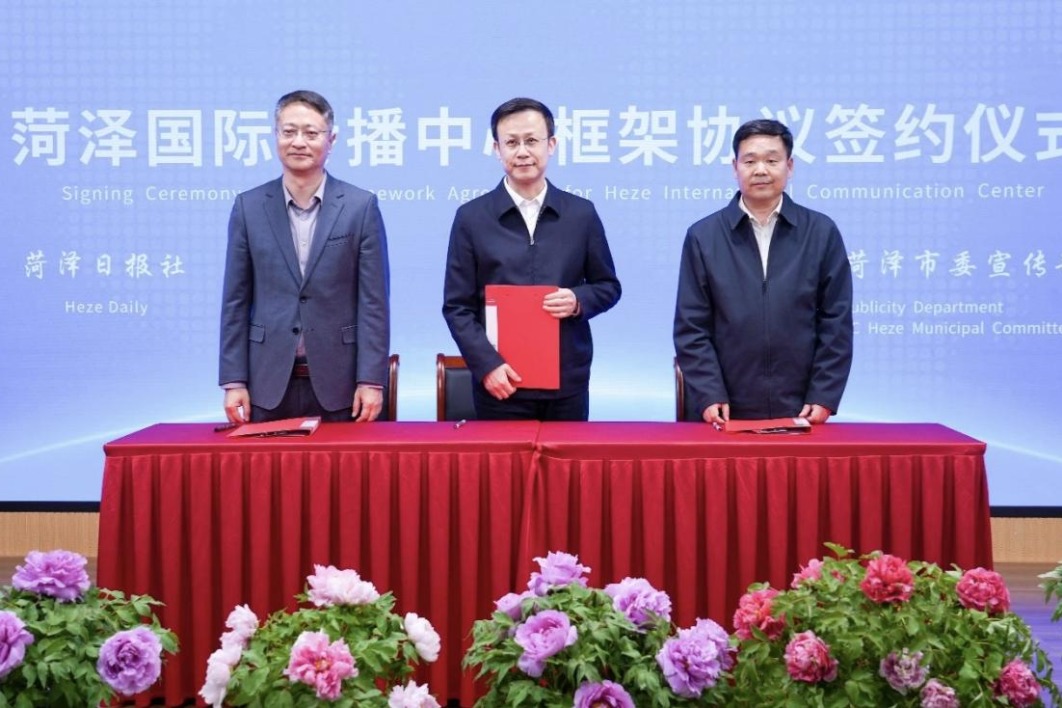
    On April 10, 2026, Heze, the celebrated peony-growing city in eastern China’s Shandong Province, marked a major milestone in its global engagement strategy with the official opening of the Heze International Communication Center. The launch ceremony also featured the signing of a framework cooperation agreement on international outreach, reached by three parties: the Publicity Department of the CPC Heze Municipal Committee, the Business Development Department of China Daily, and Heze Daily.

    As the core governing body leading the initiative, Heze’s municipal publicity department framed the new center as a strategic platform to amplify the city’s voice on the global stage. Cao Lin, director of the department, outlined that the center will draw on Heze’s one-of-a-kind cultural resources — including its world-famous peony heritage, traditional Han Chinese clothing (hanfu), and centuries-old local opera forms — to build genuine connections with international audiences and showcase the city’s distinct cultural charm.

    Beyond promoting local culture, the collaboration also carries a broader mission: to carve out innovative channels for Heze to contribute to the national effort of sharing authentic Chinese stories with global communities. Cao Lin explicitly noted that Heze anticipates China Daily will provide critical support for the development of the city’s official multilingual website, expand its suite of international communication channels, and ultimately strengthen Heze’s visibility and reputation across the world.

    For its part, China Daily has a long-standing track record of supporting Heze’s efforts to boost its international influence, according to Gong Zhengzheng, director of China Daily’s Business Development Department. He emphasized that the establishment of the new communication center creates a valuable opportunity to deepen the existing partnership between Heze’s municipal authorities and China Daily.

    Looking forward, Gong laid out the collaborative agenda: the partnership will not only spotlight Heze’s profound historical and cultural legacy, but also highlight the city’s contemporary progress in advancing balanced, coordinated development between ecological protection and economic growth. The end goal, he confirmed, is to deliver a comprehensive, vivid portrait of Heze — covering both its time-honored cultural appeal and its modern development achievements — to audiences across the globe.

  • Fuel protests disrupt Ireland as over a third of service stations run dry

    Fuel protests disrupt Ireland as over a third of service stations run dry

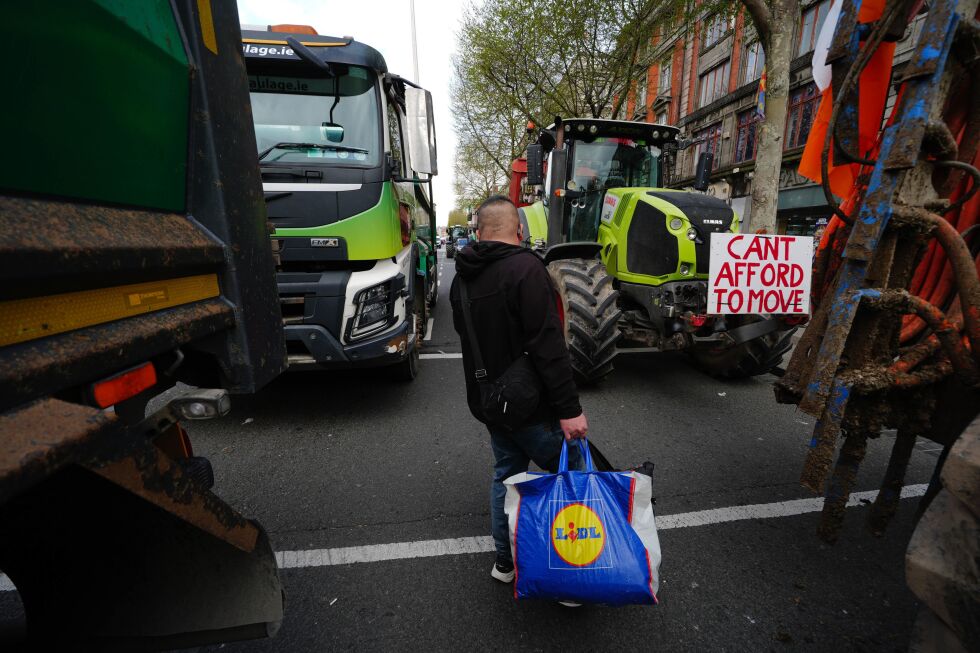
    DUBLIN, Ireland — Growing public anger over skyrocketing fuel costs has spilled into widespread disruption across Ireland, as coordinated blockades led by truck drivers, farmers, and transport operators entered their fifth consecutive day Saturday. What began as small, grassroots demonstrations on Tuesday has expanded rapidly, fueled by viral organizing on social media, bringing key transport routes and fuel distribution networks to a standstill.

    Protesters have concentrated their action at Ireland’s only commercial fuel refinery and multiple key fuel depots, blocking access with vehicles and forcing widespread distribution shutdowns. The blockades have spread to major road networks, closing the capital Dublin’s primary ring highway and six additional high-volume arterial routes across the country. Kevin McPartlan, chief executive of industry group Fuels for Ireland, confirmed that more than one-third of the republic’s 1,500 active service stations have already run out of fuel, with that figure projected to climb sharply if blockades remain in place.

    In response to the escalating crisis, Irish national police have activated all on-leave and off-duty personnel, placing every officer on standby for deployment over the weekend. The Irish military has also been placed on alert to assist with clearing blockaded infrastructure if civil order operations require additional support. The Irish government scheduled a new round of emergency talks with stakeholders Saturday in a push to find a resolution to the standoff.

    Protesters are calling for binding caps on domestic fuel prices, alongside deeper cuts to national excise duties and carbon taxes applied to motor fuels. The demands come even after the Irish government approved a sweeping package of relief measures two weeks prior to offset rising energy costs. That package included a temporary cut to excise taxes on all motor fuels, an expanded rebate program for commercial diesel users including truckers and bus operators, and an extension of support for low-income households covering heating costs. However, those government offsets were quickly erased by continued sharp increases in global crude oil prices, amplifying public frustration.

    Irish leaders have pushed back against the protests, noting that the current global price spike is driven by international factors tied to the Middle East conflict that have restricted global oil exports, rather than domestic policy choices. Prime Minister Micheál Martin warned Friday that the ongoing blockades are pushing the country to the brink of a critical national supply crisis, noting that during a period of global oil shortage, Ireland could see incoming oil tankers diverted away from its ports, worsening existing shortages long-term. Calling the protests “unconscionable” and “illogical,” Martin told national broadcaster RTE that the actions threaten the country’s overall energy security.

    The demonstrations began as slow-moving convoys clogging Dublin’s busiest central streets, before shifting to targeted blockades of fuel depots that together supply half of the nation’s fuel. Many protesters have stayed overnight at blockade sites, sleeping in their vehicles to maintain the action and demanding direct negotiations with government leaders. Justice Minister Jim O’Callaghan alleged Thursday that external actors have been manipulating the legitimate frustrations of participating demonstrators to advance unrelated political agendas, with some actors seeking to “damage the country” through the unrest.

  • Mirandrea in Shanghai

    Mirandrea in Shanghai

    Two decades after the original *The Devil Wears Prada* cemented its place as a global cultural touchstone, the franchise’s most iconic leading duo finally stepped onto Chinese soil for a long-awaited reunion. On April 10, Academy Award-winning acting legends Meryl Streep and Anne Hathaway walked the red carpet for the Shanghai premiere of *The Devil Wears Prada 2*, reprising their legendary roles as the sharp-witted editor Miranda Priestly and her former assistant Andrea Sachs for the sequel.

    The event marked a special full-circle moment for both stars, who took time during the premiere to express their sincere gratitude to Chinese fans who have supported the franchise over the past 20 years. They thanked local audiences for growing alongside their characters, acknowledging the deep connection fans have built with the story and its leading figures since the first film debuted in 2006. Thousands of fans gathered at the premiere venue to catch a glimpse of the pair, with many sharing their excitement about the on-screen reunion decades in the making. Footage from the red carpet and behind-the-scenes moments is available for viewers to explore to see more of the historic event.