博客

  • Djibouti president Guelleh claims landslide election win

    Djibouti president Guelleh claims landslide election win

    One day after polling stations closed across the tiny Horn of Africa nation of Djibouti, sitting President Ismael Omar Guelleh has announced a landslide win in the country’s 2026 presidential election, positioning him to begin a sixth consecutive term in office.

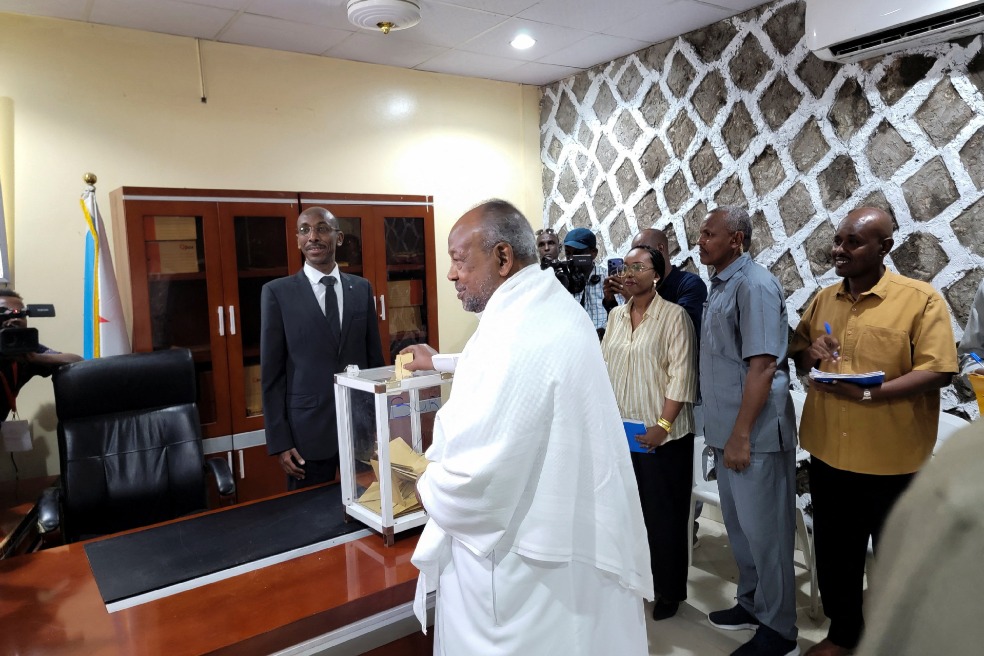
    The 78-year-old leader, who first rose to the nation’s top executive post in 1999, made the victory declaration public via a short post on his official X account on Saturday, April 11. The post simply read “Re-elected,” matching early official returns that show Guelleh securing more than 97% of the popular vote. In total, more than 256,000 registered voters were eligible to cast ballots across the country on April 10, when voting got underway at polling centers including the City Hall station in Djibouti City’s Ras-Dika district, where Guelleh cast his own ballot.

    Guelleh ran against just one opponent in the race: Mohamed Farah Samatar, a one-time member of Djibouti’s ruling party. The incumbent candidate’s ability to appear on the ballot came after a significant change to the nation’s constitution last year. Previously, Djibouti’s constitution barred candidates over the age of 75 from running for the presidency, which would have disqualified Guelleh from seeking a sixth term. A constitutional amendment approved in 2025 removed the age limit, clearing the path for Guelleh’s 2026 campaign.

  • Arsenal suffer title ‘punch’ by Bournemouth, Everton hold Brentford

    Arsenal suffer title ‘punch’ by Bournemouth, Everton hold Brentford

    The 2024-25 Premier League title race has been flipped on its head after Arsenal suffered a shock 2-1 home defeat to Bournemouth on Saturday, while Everton’s late equalizer grabbed a 2-2 draw against Brentford and scrambled the race for Champions League qualification. What was looking like a steady path to a first league title in 22 years for Mikel Arteta’s Gunners is now hanging in the balance, with defending champions Manchester City firmly back in contention.

    Heading into Saturday’s fixture, Arsenal had the chance to stretch their lead at the top of the table to a commanding 12 points. But this defeat marks the Gunners’ third loss in four matches across all competitions, and now hands the initiative to Pep Guardiola’s City side, who hold two games in hand over the league leaders. City will look to capitalize on Arsenal’s slip first with a trip to Chelsea on Sunday, before hosting Arsenal at the Etihad Stadium in a blockbuster title decider next weekend.

    Just a month ago, Arsenal was targeting an historic quadruple of major trophies. But that dream has quickly unraveled: the side fell to City in the League Cup final last month, was knocked out of the FA Cup by Championship side Southampton, and now their long-awaited league crown is slipping out of grasp. A visibly disappointed Arteta acknowledged after the match that his side failed to meet their own season-long standards.

    “It’s a big punch in the face because we wanted to win this game so badly,” Arteta told reporters. “We were very far from the standards that we’ve shown all season. We didn’t cope with the situations when they didn’t go our way.”

    Bournemouth got off to a flying start when Junior Kroupi pounced on a deflected cross from Adrien Truffert to slot home the opening goal inside the first 20 minutes. Arsenal leveled just before halftime through a penalty converted by Viktor Gyokeres, but the Gunners’ familiar second-half lack of cutting edge in the final third proved costly once again. While Arsenal’s tight defensive record has carried them to the top of the table this season, they were carved open far too easily for Bournemouth’s winner: a well-crafted team move finished calmly by Alex Scott in the 74th minute that secured all three points for the visitors.

    For Bournemouth, the upset result is far more than just a giant-killing: it extends their current unbeaten run to 11 matches and lifts them up to 10th in the table, putting them firmly in the race for a surprise spot in next season’s European competitions.

    Down the table, the fight for the five direct Champions League qualification spots also tightened on Saturday, as both Brentford and Everton missed a golden opportunity to draw level on points with fifth-placed Liverpool. The Bees twice took the lead through striker Igor Thiago, who notched his 21st league goal of the season – putting him just one goal behind Erling Haaland in the race for the Premier League Golden Boot. But Everton hit back: Beto equalized midway through the first half, and Kiernan Dewsbury-Hall struck a late stoppage-time goal to rescue a point for the Toffees.

    Brighton & Hove Albion also kept their own dream of a first-ever Champions League appearance alive with a 2-0 victory over already-relegated Burnley. Midfielder Mats Wieffer scored both goals for the Seagulls, extending their winning run to five wins from six matches under manager Fabian Hurzeler. The result lifts Brighton to ninth in the table, just three points behind Liverpool in fifth, keeping their unexpected push for European football on track.

    All eyes now turn to Anfield, where Liverpool will host Fulham later on Saturday looking to end a damaging three-game losing run across all competitions. Pressure has grown on manager Arne Slot, less than a year after he led Liverpool to the 2023-24 Premier League title, following heavy back-to-back defeats to Manchester City in the FA Cup and Paris Saint-Germain in the Champions League. In a major boost for the Reds, star forward Mohamed Salah has been named back in the starting line-up, one of five changes Slot made to the side that lost 2-0 to PSG in midweek.

  • Sabrina Carpenter transforms Coachella into her own ‘Sabrinawood’

    Sabrina Carpenter transforms Coachella into her own ‘Sabrinawood’

    The 2026 Coachella Valley Music and Arts Festival kicked off its first weekend in the sunbaked California desert on Friday, with pop star Sabrina Carpenter opening the first day of headline performances with a nostalgic, Hollywood-themed spectacle that transformed a corner of the festival grounds into her very own “Sabrinawood.”

    The 26-year-old singer, who rose to mainstream fame in 2024 with her global summer hit “Espresso,” delivered a career-spanning 20-song set filled with vintage Golden Age film props, a giant replica of the iconic Hollywood sign emblazoned with “Sabrinawood” in bold white lettering, and surprise celebrity cameos from A-list stars Susan Sarandon and Will Ferrell. Friday’s performance also marked the first time fans heard live renditions of tracks from Carpenter’s newest album *Man’s Best Friend*. Addressing the roaring crowd as fans sang along to her breakout megahit word for word, Carpenter reflected on her journey to the Coachella headline spot, noting that just two years prior, she had only dreamed of performing on the festival’s biggest stage.

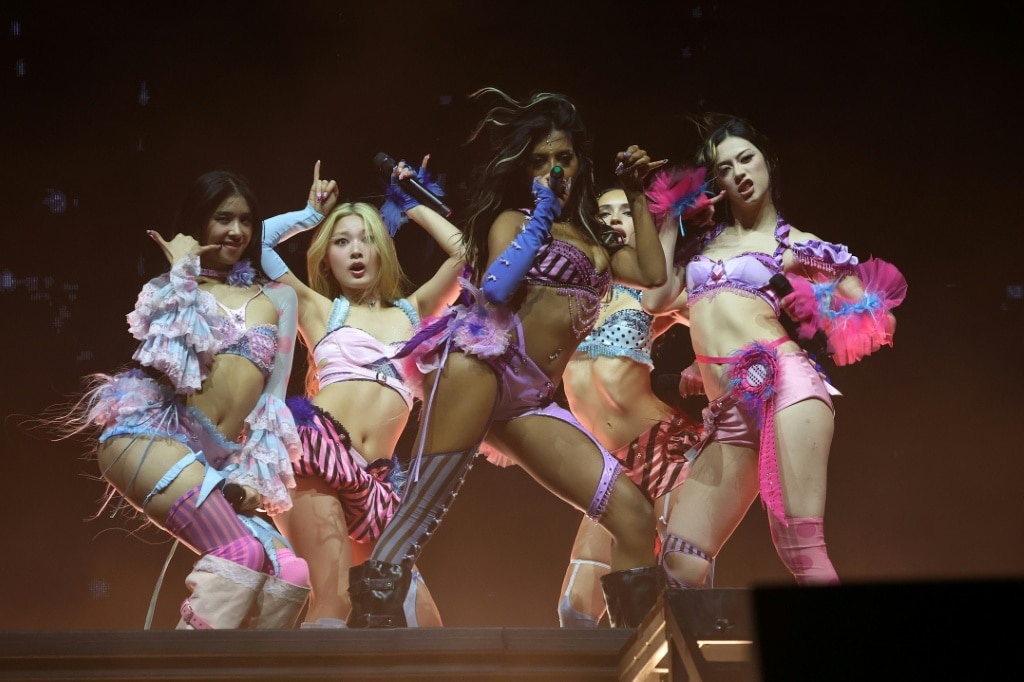
    Before Carpenter’s set, fans beat the 30-degree (86°F) desert heat at a pre-show fan activation called “Sabrina Carpenter’s Pit Stop,” where they enjoyed frozen slushies and got chances to take selfies with the star ahead of her performance. Friday’s opening lineup also brought standout sets from other rising and established acts: two-time Grammy nominee Teddy Swims closed out the main stage at dusk with an energetic performance of fan favorites including “The Door,” “Bad Dreams,” and his chart-topping hit “Lose Control.” Immediately after Swims’ set, thousands of fans packed a secondary stage to welcome girl group KATSEYE for their much-hyped Coachella debut. Organizers later announced that Italian DJ Anyma had been forced to cancel his scheduled set after strong wind gusts delayed and damaged stage construction work.

    As the first night of weekend one wraps up, festival-goers are already looking ahead to a stacked Saturday lineup packed with nostalgic acts and cross-genre talent. The day will lean heavily on beloved artists from past decades: 1990s industrial rock pioneers Nine Inch Nails will perform alongside German electronic producer Boys Noize, while 2000s indie rock icons The Strokes – who are set to release their first new album in six years this coming June – will bring their signature sound to the desert. The most anticipated performance of the day is widely expected to be Justin Bieber’s headline set, which comes on the heels of the 32-year-old pop star’s triumphant comeback performance at this year’s Grammy Awards. Fans are gearing up for a wave of renewed “Bieber Fever” as the singer performs his decades-long catalog of hits including “Sorry” and “Where Are U Now.”

    Saturday’s lineup also boasts an extraordinary range of talent across genres: top techno producers Armin van Buuren and Adam Beyer will bring electronic beats to the desert, K-pop star Taemin will take the stage, British viral dance artist PinkPantheress will perform, legendary French DJ David Guetta returns to Coachella, and Talking Heads co-founder David Byrne will make a special guest appearance. Closing out the diversity of the day’s programming, influencer-turned-pop artist Addison Rae will perform on the festival’s main stage.

    The first weekend of the 2026 festival will wrap on Sunday with a history-making headline set from Colombian reggaeton star Karol G, who makes history as the first Latina artist to ever top the Coachella bill. The eight-time Latin Grammy Award winner first played Coachella in 2022, when she delivered a viral set that paid tribute to legendary Latin music artists including Selena, Celia Cruz, and Daddy Yankee. For her 2026 headline performance, the singer behind the hit “Provenza” is expected to lean into the vibrant Caribbean showgirl aesthetic of her newest project, *Tropicoqueta*.

    Sunday’s lineup is equally star-studded, featuring the highly anticipated festival debut of K-pop pioneers BIGBANG, who are making their return to the international stage this year to celebrate the group’s 20th anniversary. Other notable acts set to perform include punk rock icon Iggy Pop, 1990s electronic legend Fatboy Slim, electronic collective Major Lazer, indie-pop mainstays Foster the People, and British experimental artist FKA twigs. To close out the first weekend of the festival, attendees will gather for a special outdoor screening of the first episode of *Euphoria* season three – the hit HBO drama starring Zendaya is returning to television this year after a four-year hiatus, and the screening will be held under the desert stars. The entire 2026 Coachella festival is being streamed live globally on YouTube for fans who cannot attend in person, and the full lineup will be repeated for a second weekend of performances starting next Friday in Indio.

  • Easter truce between Russia and Ukraine begins

    Easter truce between Russia and Ukraine begins

    A 32-hour temporary ceasefire between Russia and Ukraine officially entered force on Saturday, marking a rare pause in a four-year conflict that has reshaped European security. The truce, timed to coincide with Orthodox Easter, was first proposed by Ukrainian President Volodymyr Zelensky more than a week before Russian President Vladimir Putin formally ordered the ceasefire, with both sides confirming their commitment to upholding the terms. According to Kremlin details, the pause in hostilities runs from 1300 GMT Saturday through the end of Sunday, covering more than a full day of religious observance for Orthodox communities on both sides.

    Zelensky reaffirmed Ukraine’s commitment to the ceasefire in a post on social platform X, stating that Kyiv would match Russian compliance in kind. “The absence of Russian strikes in the air, on land, and at sea will mean no response from our side,” he wrote. Even as it pledged to adhere to the truce, the Ukrainian military warned it would launch an “immediate” retaliation if Moscow violated the agreement. Just hours before the truce was scheduled to begin, the war saw a sharp escalation in strikes: Ukrainian authorities reported that Russia launched at least 160 drones across the country, killing four civilians and wounding dozens more in Ukraine’s eastern and southern regions. The southern Odesa region suffered the worst damage, with two civilian deaths and significant destruction to critical civilian infrastructure.

    Cross-border attacks were also reported on Russian territory overnight. Russian local authorities stated that a wave of Ukrainian drone strikes sparked a large fire at an oil depot in the southern Krasnodar region and damaged multiple residential apartment buildings. In Russian-occupied parts of Ukraine’s eastern Donetsk and southern Kherson regions, Moscow-installed officials claimed four people were killed in the Ukrainian strikes.

    The temporary ceasefire has been met with widespread skepticism from Ukrainians, who point to a similar Orthodox Easter truce held in 2024 that collapsed within hours, with both sides accusing the other of hundreds of violations. Despite the deep distrust surrounding the ceasefire, the warring parties completed a significant prisoner of war exchange on Saturday, with each side releasing 175 captured service members. The Russian defense ministry confirmed that the United Arab Emirates mediated the swap, one of the few consistent areas of limited cooperation between Moscow and Kyiv throughout the four-year conflict.

    Efforts to reach a lasting negotiated end to the war have stalled in recent weeks, with US-led peace talks sidelined by the ongoing conflict in the Middle East. Even before the escalation in tensions in the Middle East, progress toward a peace deal moved at a glacial pace, driven by intractable disagreements over territorial claims. Ukraine has proposed freezing the conflict along existing front lines, but Russia has rejected the offer, demanding that Kyiv cede full control of all remaining Donetsk region territory it currently holds – a non-negotiable demand for Ukrainian leadership. Multiple rounds of US-mediated talks have failed to bridge the gap between the two sides.

    Kremlin spokesman Dmitry Peskov denied that Moscow had held pre-truce discussions with either Ukraine or the United States, and emphasized that the temporary ceasefire is not linked to any broader ongoing negotiations to end the war. Since the conflict began, it has claimed hundreds of thousands of lives and forced millions of Ukrainians to flee their homes, making it the deadliest conflict on European soil since World War II. After four years of fighting, frontline operations have largely stagnated, with Russia making incremental territorial gains at the cost of massive personnel and equipment losses.

    According to recent assessments from the U.S.-based Institute for the Study of War (ISW), Russian advances have slowed significantly since late 2025, after Ukrainian counteroffensives pushed back Russian forces in the southeast. Analysts attribute the slowdown in Russian operations to multiple factors, including Moscow’s ban on the use of SpaceX’s Starlink satellite internet for frontline Russian forces and Russia’s own restrictions on the Telegram messaging app. Despite these setbacks for Russia, the ISW assessment notes that the situation remains unfavorable for Ukrainian forces in parts of the Donetsk region near the cities of Kramatorsk and Sloviansk. Currently, Moscow occupies just over 19 percent of Ukraine’s total territory, most of which was seized in the opening weeks of the 2022 invasion.

  • Buffets, baristas, but no briefings: journalists frozen out of Iran talks

    Buffets, baristas, but no briefings: journalists frozen out of Iran talks

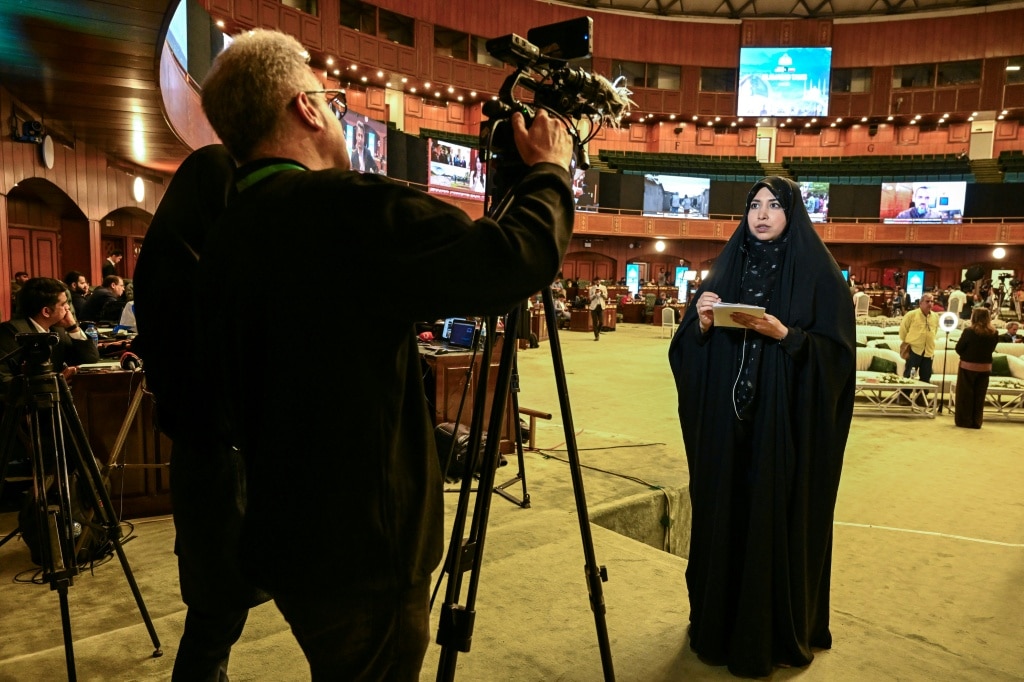
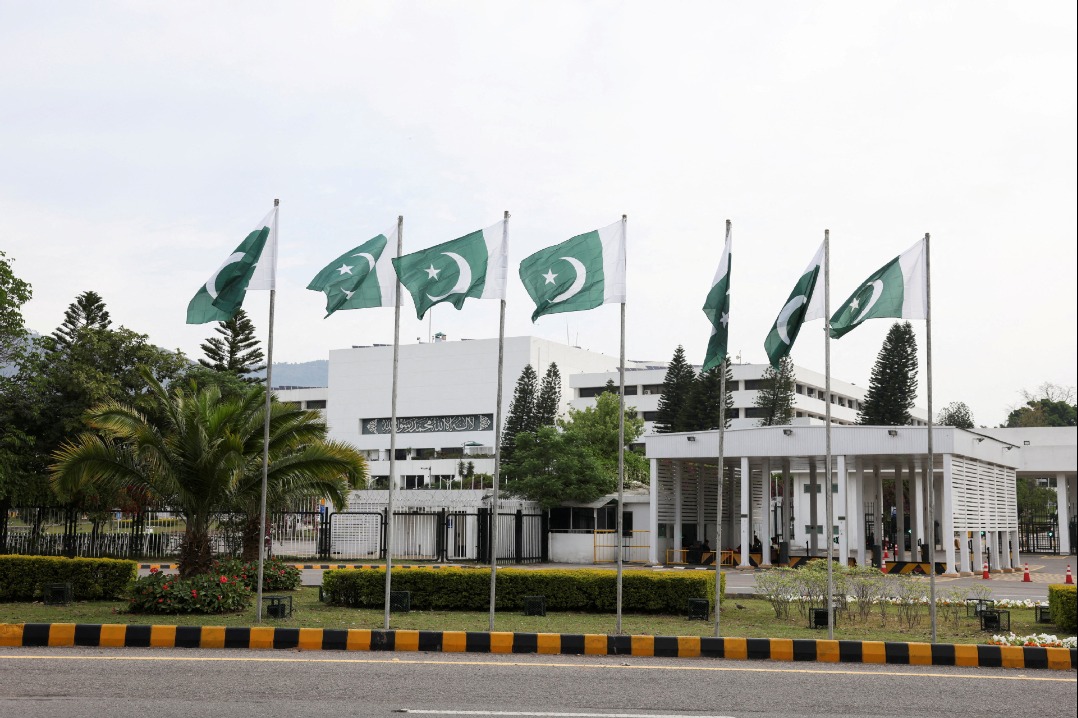
    When Pakistan announced it would host landmark negotiations between the United States and Iran aimed at ending the long-running Middle East conflict, journalists from every corner of the globe descended on Islamabad’s Jinnah Convention Centre, eager to cover what could be a historic turning point for regional security. Pakistani authorities had converted the sprawling flagship venue into a purpose-built media hub, rolling out branding for the so-called “Islamabad Talks” that plastered a logo combining the flags of all three nations across billboards and public spaces across the capital.

    What greeted reporters on the ground on Saturday was a study in contrasts. Inside the convention centre, accommodations for the press were anything but sparse: a lavish wedding-style buffet spread of local favorites including fragrant biryani, grilled kebabs, and sweet gulab jamun was laid out, a specialty coffee stall served artisanal lattes blended from Brazilian and Ethiopian beans stamped with the event’s tagline “Brewed for Peace”, and a small stage hosted live performances by local folk musicians including sitar player Amir Hussain Khan, who combines performing with teaching music. Even the internet, a scarce reliable commodity across much of Pakistan, was top-tier: independent testing by AFP recorded speeds exceeding 150 megabits per second, six times the country’s national average of 25 Mbps recorded by Speedtest.net in February 2026.

    But the access that matters most to journalists — entry to the actual negotiations, and opportunities to speak directly with the negotiating delegations — was entirely off the table. The closed-door talks were being held just 500 meters from the media centre, and no official press briefings, the standard for international events of this scale, were scheduled. Security was tight across the capital: overcast Saturday saw nearly all civilian traffic cleared from Islamabad’s wide avenues, with only heavily armed uniformed personnel patrolling the streets. Even accredited journalists were held up for an hour at a checkpoint outside the venue while VIP convoys passed, and reporters were segregated by their home countries’ affiliation: US media were given prime seating with a clear view of the main media stage, while Iranian journalists were seated on the opposite side of the hall.

    With no substantive access to the talks, frustration quickly mounted among the hundreds of reporters who had traveled thousands of miles to cover the event. “I’m bored out of my mind,” one anonymous journalist told AFP, with many others echoing the sentiment. The first official updates did not trickle out until more than three hours after US Vice President JD Vance, who leads the American delegation alongside Special Envoy Steve Witkoff and Jared Kushner, touched down in the capital. The only updates made available to the press were short, pre-written press statements distributed via WhatsApp, rather than on-the-record briefings that would allow journalists to ask questions. State television only broadcast footage of Vance’s arrival and his reception by senior Pakistani officials, including army chief Field Marshal Asim Munir, and later released readouts of his meetings with Foreign Minister Ishaq Dar and Prime Minister Shehbaz Dar, both of which emphasized Pakistan’s hope that the talks would deliver lasting regional peace.

    “They say they have facilitated the media. No doubt they have given 5G internet speeds,” veteran journalist Nadir Guramani noted. “But media teams deputed inside Jinnah Convention Centre do not know what’s happening outside.” Even small concessions were off limits: security guards refused to allow reporters to bring their coffee into the main media hall, telling an AFP correspondent cryptically “Foreign media is here, and they are watching.” By sunset, the only tangible outcomes of the event for the assembled press were a full meal, fast internet, and a collection of generic press statements. Any substantive progress toward ending the Middle East war remained entirely out of reach — for the reporters waiting in the convention centre, at least.

  • Inside the Sudanese army coalition split over Iran and the Muslim Brotherhood

    Inside the Sudanese army coalition split over Iran and the Muslim Brotherhood

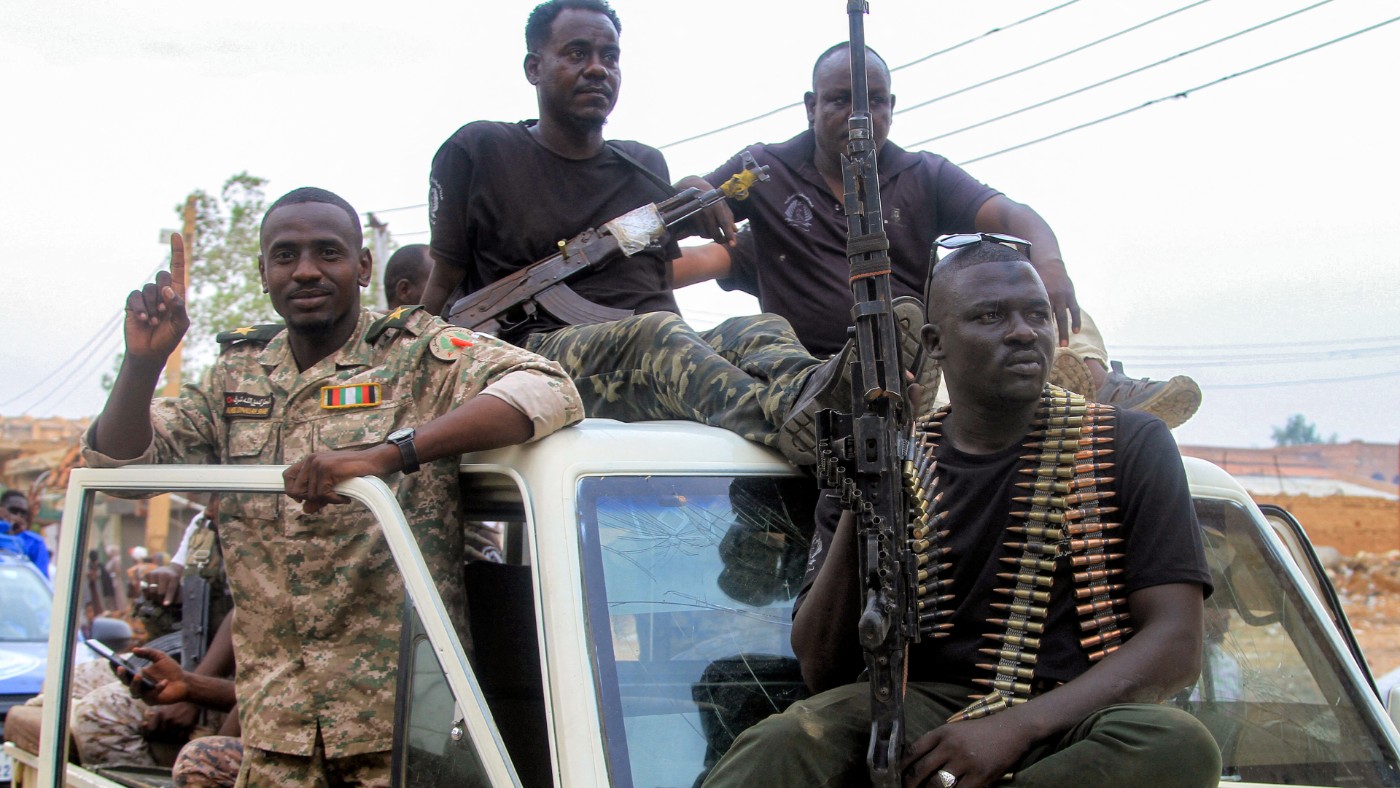
    As international talks of a proposed two-week ceasefire in the conflict with Iran made headlines Wednesday, Sudan’s military-led administration made a public move: releasing an official statement condemning recent Iranian strikes on energy facilities in Saudi Arabia’s key Jubail industrial zone. This condemnation marks the latest step in a careful diplomatic repositioning by Abdel Fattah al-Burhan, Sudan’s de facto head of state and commander of the Sudanese Armed Forces (SAF), six weeks after the United States and Israel launched strikes on Iran. The move comes as a stark contrast to open public support for Tehran from several factions within Burhan’s own ruling coalition.

  • Coachella kicks off with Sabrina Carpenter and surprise guests

    Coachella kicks off with Sabrina Carpenter and surprise guests

    One of the world’s most iconic and highly anticipated annual music gatherings, the Coachella Valley Music and Arts Festival, kicked off its 2026 iteration in the Southern California desert this Friday, bringing together more than 100,000 daily attendees across two consecutive weekends of performances. The opening night of the festival, hosted at Indio’s Empire Polo Club, delivered a series of showstopping surprises, led by first-time headliner Sabrina Carpenter’s elaborately produced Hollywood-themed set.

    Carpenter reimagined her stage as a faux Los Angeles landmark, rebranding the space “Sabrinawood” to match her creative concept. The 26-year-old pop star opened her performance with a pre-taped short film, where actor Sam Elliott pulled her over for a late-night traffic stop before letting her proceed to the main stage. Midway through her set, Academy Award-winning actor Susan Sarandon made an unannounced guest appearance, delivering a heartfelt monologue portraying an older version of Carpenter. Later, funnyman Will Ferrell joined the lineup of surprise guests, taking the stage in character as a quirky stage electrician to the delight of the crowd. The opening night bill also featured a roster of other high-profile acts, including global girl group KATSEYE — formed in 2023 via the reality competition series Dream Academy — British electronic duo Disclosure, and hip-hop legend Snoop Dogg.

    However, the opening evening was not without disruptions, as pre-forecasted severe weather conditions forced organizers to cancel a scheduled performance by DJ Anyma immediately following Carpenter’s set. In a public statement posted to the festival’s official Instagram account Friday night, event leadership explained the cancellation was a joint decision made with the artist to prioritize attendee safety, as strong sustained winds had damaged the structural integrity of Anyma’s custom stage build.

    The National Weather Service had issued advance warnings for the area, predicting wind gusts reaching up to 25 miles per hour throughout Friday. Compounding the weather concerns, the Coachella Valley also remained under an air quality advisory from Friday afternoon through Sunday morning, driven by windblown particulate dust that poses heightened health risks for vulnerable populations. The National Weather Service cautioned that fine particle pollution can penetrate deep into lung tissue, triggering asthma attacks, exacerbating existing heart and lung conditions, and increasing susceptibility to respiratory infections. While Indio was named as one of the areas at potential risk of poor air quality, the local air quality management district reported that pollution levels stayed between good and moderate from midday Thursday onward.

    Looking ahead to the rest of the weekend, pop superstar Justin Bieber is slated to take the headline spot on Saturday, with reggaeton icon Karol G closing out the first weekend’s performances on Sunday. A strong contingent of UK talent is also featured across this year’s lineup, including indie rock outfit Wet Leg, punk group Lambrini Girls, rapper Little Simz, and experimental artist FKA Twigs. The full lineup of performances will repeat again for the festival’s second weekend, which draws the same massive scale of crowds to the Southern California desert. First launched in 2002, Coachella has grown from a small regional gathering to one of the most high-profile cultural events on the global entertainment calendar.

  • Pakistan reiterates support for constructive US-Iran engagement

    Pakistan reiterates support for constructive US-Iran engagement

    ISLAMABAD, April 11, 2026 — As delegations from the United States and Iran prepare to sit down for negotiations aimed at de-escalating recent Middle Eastern hostilities, Pakistan has publicly reaffirmed its full commitment to supporting constructive diplomatic engagement between the two rival nations.

    Pakistan’s Deputy Prime Minister and Foreign Minister Mohammad Ishaq Dar released an official statement through the country’s Foreign Ministry on Saturday, outlining the nation’s long-standing position on the escalating tensions. Dar emphasized that Islamabad remains convinced that dialogue and collaborative negotiation are the only sustainable paths to resolving deep-rooted international disputes. He expressed clear hope that all stakeholders involved in the ongoing conflict will approach the upcoming discussions in good faith, prioritizing constructive engagement to move the region closer to a permanent, peaceful resolution.

    Dar further reiterated Pakistan’s consistent willingness to continue acting as a neutral facilitator for the talks, standing ready to support both sides as they work toward a lasting and durable agreement that addresses core concerns on all fronts.

    The statement from Pakistan’s top diplomat came hours after a US diplomatic delegation touched down in Islamabad on Saturday. Iran’s negotiation team had already arrived in the Pakistani capital earlier in the week, setting the stage for the face-to-face talks that many regional observers see as a critical turning point for easing escalating violence across the Middle East. The negotiations, hosted on Pakistani soil, mark a high-stakes diplomatic push to end the recent wave of hostilities that have raised widespread global concern over regional stability.

  • China’s Middle East billions still woefully reliant on US gunboats

    China’s Middle East billions still woefully reliant on US gunboats

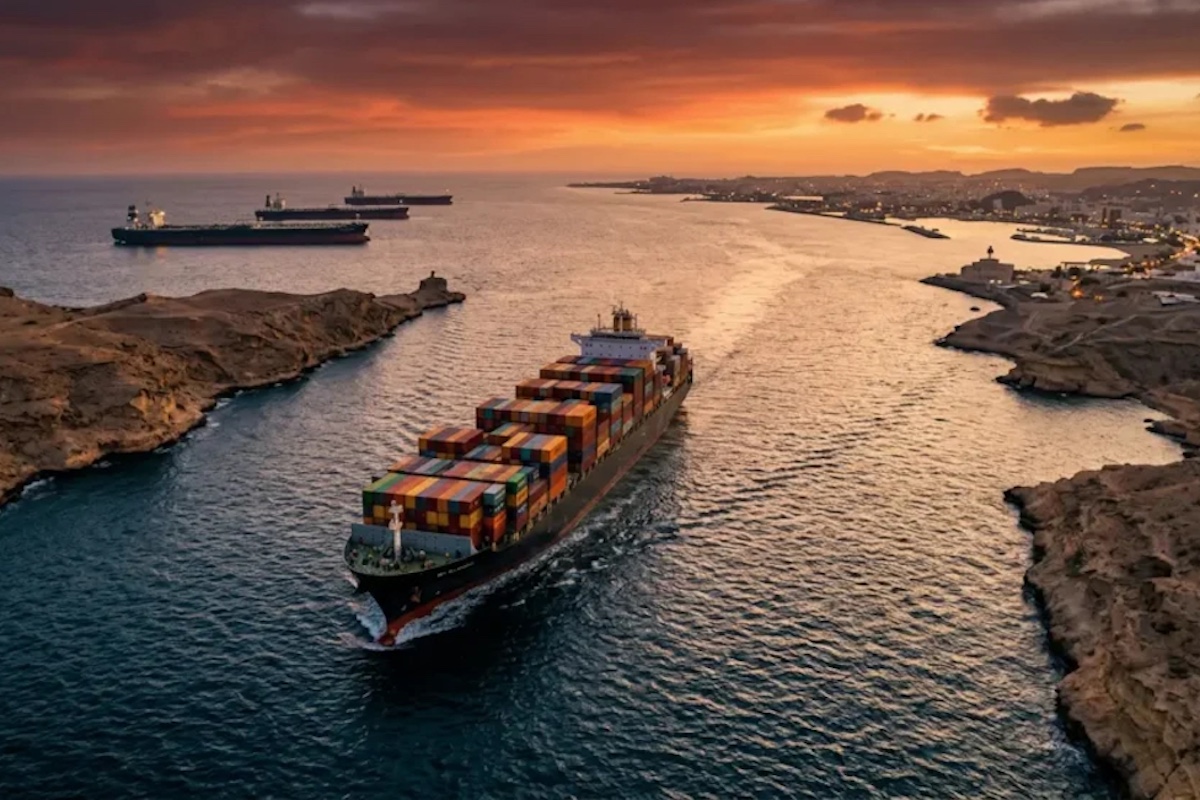
    Over the past two decades, China has built a massive economic stake across the Middle East, committing roughly $145 billion to cross-regional investments and infrastructure construction contracts. Alone, Iranian crude oil makes up 13 to 14 percent of China’s total annual oil imports, and in 2024 alone, Arab and Gulf Cooperation Council states received $39 billion in direct Chinese investment. Today, Chinese state and private firms operate deep-water ports, special industrial zones, and critical energy infrastructure from Oman to Iran, embedding regional economies into Beijing’s sprawling global trade networks. One flagship example is the $10 billion China-Oman Industrial Park at Duqm, a project designed to serve as a key hub for Chinese trade and energy access along the Arabian Sea.

    Alongside this deep economic integration, Beijing has built its regional influence around a second core pillar: diplomatic mediation. Its most high-profile success came in 2023, when it brokered a historic rapprochement between longtime regional rivals Iran and Saudi Arabia, positioning Beijing as a neutral alternative to Western-aligned powers. This two-pillar strategy has allowed China to expand its regional footprint dramatically without engaging in direct military confrontation or triggering widespread pushback from local states.

    Yet this strategy carries a fundamental, structural flaw: Beijing has no permanent military presence in the Middle East. Its only overseas military installation is located thousands of kilometers away in the Horn of Africa nation of Djibouti, leaving the $145 billion in economic assets and critical energy supply lines that China depends on entirely protected by a U.S.-led security architecture that Beijing does not control.

    This mismatch was laid bare in stark terms following recent U.S. and Israeli airstrikes on Iran, which triggered a near-total shutdown of the Strait of Hormuz — the strategic chokepoint through which roughly 20 percent of the world’s daily oil and gas supplies transit. Tehran’s blockade cut normal traffic through the strait by more than 90 percent, stranding more than 600 vessels, including hundreds of oil tankers, inside the Persian Gulf. Iran implemented a selective transit regime, granting passage only to ships from what it terms “friendly nations” including China, Russia, and India, while barring vessels linked to Western states. The disruption sent global energy markets into chaos, with some European and Asian refiners paying close to $150 per barrel for scarce crude grades. The head of the International Energy Agency called the blockade more impactful than the combined oil market disruptions of 1973, 1979, and 2022. The crisis has become a core agenda item for upcoming U.S.-Iran peace negotiations set to take place in Pakistan.

    For China, the crisis laid bare just how exposed its interests are to regional volatility. While Beijing was granted conditional access for its flagged vessels, that access depended entirely on Iranian goodwill — not on China’s own ability to secure its supply lines. Unlike the United States, which now meets most of its energy needs through domestic production and imports from Canada and Mexico, China is the world’s largest crude importer, with 70 percent of its total oil imports transiting through vulnerable chokepoints like the Strait of Hormuz. As U.S. dependence on Middle Eastern energy continues to decline, Washington’s strategic priorities in the region are increasingly misaligned with Beijing’s growing need for unimpeded energy flows and regional stability, leaving China in a precarious position.

    This exposure has forced a long-simmering dilemma into the open for Beijing: should it continue relying on a U.S.-led security system it cannot control, or should it build out its own regional security architecture to protect its expanding interests? The choice is heavily constrained by China’s long-held foreign policy doctrine. A 2019 Chinese government white paper formally outlines Beijing’s commitment to an “independent foreign policy of peace”, which rejects formal military alliances and emphasizes non-interference in other nations’ internal affairs. President Xi Jinping has repeatedly framed China’s rise as a peaceful one, and the country’s Global Security Initiative explicitly criticizes Cold War-era military blocs and great power interventionism.

    Beyond doctrinal commitments, a more assertive security role in the Middle East would also undercut the global narrative Beijing has built around its peaceful rise, risking backlash from regional states that have deep historical sensitivity to foreign military intervention and great power competition. Even if Beijing chose to move past these constraints, establishing a sustained permanent military presence in the region would face steep political headwinds, a reality reflected in China’s very limited and cautious track record of establishing overseas bases to date.

    These constraints mean Beijing has very limited room to convert its massive economic influence into a corresponding military and security role. As China’s global economic footprint continues to expand and U.S. commitments to Middle East security grow increasingly unpredictable, the costs of this structural mismatch are expected to rise, putting growing pressure on Beijing to reassess its approach.

    To date, Beijing has given no public signal of a major strategic shift, but escalating risks to its overseas interests may force incremental adjustments. Analysts broadly expect any adjustment to fall into one of two categories: a modest expansion of Chinese naval patrols, or deeper security partnerships with host regional states.

    Since 2008, the People’s Liberation Army Navy has maintained continuous anti-piracy deployments in the Gulf of Aden, completing more than 1,600 escort missions for thousands of commercial vessels from across the globe. Extending these patrols into the Arabian Sea and closer to the Strait of Hormuz would allow China to take a more active role in protecting its own commercial shipping. Even this limited expansion would require additional logistical support and basing access, however, and China’s existing base in Djibouti has already generated repeated diplomatic friction with the United States, underscoring the high political sensitivity of any further expansion of China’s overseas military footprint. What is more, anti-piracy patrols are not designed to protect inland infrastructure or manage interstate conflict, meaning even a modest expansion would leave most of China’s regional exposure unaddressed.

    The second option, strengthening host-state security arrangements, aligns more closely with Beijing’s existing doctrine of non-interference. Beijing has already tested this model in Pakistan, where the Pakistani government established a dedicated 15,000-strong security force to protect Chinese personnel and infrastructure linked to the $62 billion China-Pakistan Economic Corridor. This approach allows China to reduce its exposure to threats against its projects at a relatively low political and financial cost, while remaining consistent with its public commitment to non-interference. However, host-state security forces are poorly equipped to counter large-scale interstate conflict or regime instability, leaving critical gaps in protection.

    Taken together, these two partial solutions amount to a strategy of risk management, not fundamental resolution of the core dilemma. For the foreseeable future, China is expected to continue expanding its economic presence in the Middle East while only taking incremental steps to boost its security capacity, leaving a growing gap between its economic stakes and its ability to protect them.

    History suggests that no rising power has been able to sustain a massive global economic footprint without eventually taking on the security responsibilities that come with it. As Beijing’s regional exposure deepens, many analysts expect it will ultimately be forced to break with its current doctrine to address the growing risk.

  • Nearly 400 sentenced in Nigeria for links to militant Islamists

    Nearly 400 sentenced in Nigeria for links to militant Islamists

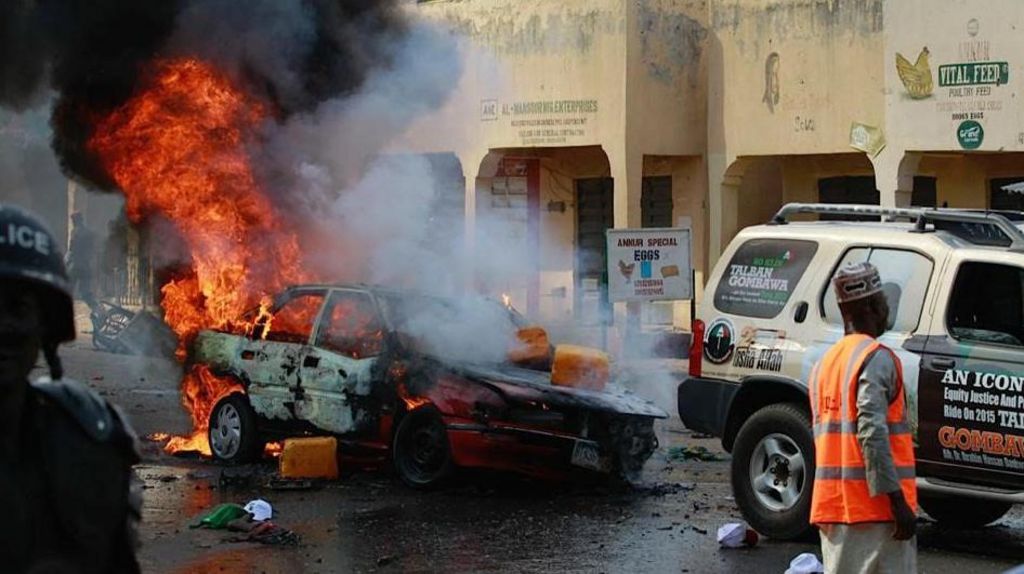
    More than a decade of brutal Islamist insurgency in northeastern Nigeria has pushed the country’s government to take landmark judicial action, convicting nearly 400 suspects on charges tied to banned extremist organizations in mass trials that wrapped up in Abuja this week.

    Of the 505 suspects arraigned at the Federal High Court in Nigeria’s capital, 386 were found guilty of ties to either Boko Haram or its splinter faction, the Islamic State West Africa Province (ISWAP), officials confirmed Friday. Sentences for the convicts run from a five-year prison term to life behind bars, reflecting the varying severity of the charges ranging from direct participation in militant attacks to facilitating extremist activities through funding, weapons smuggling, logistical support, or sharing intelligence. Two defendants were acquitted, eight were released without conviction, and proceedings for 112 additional suspects were adjourned to a later date. Early in the judicial process, five defendants entered guilty pleas, admitting they had supplied food, livestock and insider information to the militant networks.

    The mass convictions come as Nigeria’s federal government faces mounting public and international pressure to rein in a sprawling security crisis that has destabilized large swathes of the country. Africa’s most populous nation is currently confronting overlapping threats from multiple armed factions: alongside the long-running Islamist insurgency in the northeast, security forces are also battling separatist movements in the southeast and rampant kidnapping-for-ransom gangs that operate across many northern and central states.

    The Boko Haram insurgency, which first erupted in 2009, has left a devastating humanitarian toll in its wake. Aid organizations estimate the conflict has killed tens of thousands of people and forced more than 2 million residents to flee their homes, creating one of the world’s largest displaced populations.

    The deteriorating security landscape has prompted international warnings in recent days. On Wednesday, the U.S. State Department updated its travel advisory, urging American citizens to reconsider all trips to Nigeria due to heightened risks of violence, crime and kidnapping. This is not the first time Washington has taken direct action in response to militant activity in the region: on Christmas Day during the Trump administration, U.S. forces carried out an airstrike in northern Sokoto State targeting the lesser-known militant group Lakurawa. The strike followed then-President Trump’s public claim that Christians were being specifically targeted for persecution in Nigeria—a claim Nigerian officials rejected at the time, noting that people of all religious faiths, and those with no religious affiliation, have fallen victim to the country’s ongoing violence.

    As security conditions continue to fluctuate across the Sahel region, Nigeria’s judicial crackdown on militant suspects marks a major step by the government to demonstrate progress in its fight against extremism, even as insurgent attacks and intercommunal violence remain persistent threats across much of the north.