博客

  • A trial in a tent draws crowds as Uganda debuts mobile court for man accused of killing 4 kids

    A trial in a tent draws crowds as Uganda debuts mobile court for man accused of killing 4 kids

    KAMPALA, Uganda – The long-awaited trial of a Ugandan man charged with the brutal murder of four young children opened Monday in an unconventional setting: a large canvas tent pitched just kilometers from the scene of the crime, marking the first live test of the East African nation’s new and divisive mobile court system. The public, on-site proceeding was ordered directly by President Yoweri Museveni to allow local community members to follow the high-profile case that shook the country earlier this year.

    The accused, Christopher Okello Onyum, stands accused of launching a machete attack on children at the Gaba Early Childhood Development Program, a neighborhood nursery school in Kampala’s Gaba suburb, on April 2. According to witness accounts, Onyum gained entry to the facility by posing as a parent, exchanged a short conversation with school administrators, then locked the school’s entrance gate before turning his weapon on the young students. The attack sent shockwaves across Uganda, and investigators have yet to establish a clear motive for the violence.

    When Onyum was detained immediately after the attack, an enraged local crowd attempted to seize and lynch him before police intervened to take him into custody safely. At the opening of trial Monday, Onyum entered a formal plea of not guilty on four counts of aggravated murder. If ultimately convicted, he could be sentenced to death.

    This trial marks the first operational use of Uganda’s mobile court framework, a policy that received formal approval via a government legal notice published in March. Designed to bring judicial proceedings closer to affected communities and allow public access to cases of widespread national interest, the system has sparked heated debate from its rollout. President Museveni’s directive to hold this specific trial in a public, local setting has drawn sharp criticism from legal groups, who argue the order amounts to inappropriate overreach by the executive branch that risks undermining the integrity of the trial.

    The Uganda Law Society, the country’s premier professional body for legal practitioners, issued a public statement condemning the directive, arguing it violates the accused’s constitutional right to a fair trial. In harsh terms, the organization called the proceeding “not justice” but “a judicial lynching rally,” warning that the public, high-pressure setting risks sensationalizing the tragedy inflicted on the victims’ families rather than delivering impartial justice.

    Despite the controversy, hundreds of local residents gathered at the trial site, a tent set up on the grounds of a nearby local church, to observe the opening proceedings. For its part, Uganda’s judiciary has pushed back against critics, defending the mobile court model as an innovative step to expand public access to justice. In a statement defending the decision to hold the trial, the judiciary said the proceeding reflects its ongoing “commitment to taking justice closer to the people through innovative approaches.”

  • Following an election earthquake, Hungary ponders life after Orbán

    Following an election earthquake, Hungary ponders life after Orbán

    BUDAPEST – Hungary is entering a new political era after a historic electoral upheaval that ousted long-serving pro-Russian Prime Minister Viktor Orbán, leaving the nation navigating what lies ahead for incoming leader Péter Magyar, a pro-European reformer who has pledged to upend the country’s entrenched political landscape.

    Magyar’s decisive victory sparked mass jubilation across Budapest’s streets Sunday night, as tens of thousands of supporters — many of them young Hungarians — gathered to celebrate what they see as a long-awaited turning point. For these citizens, Orbán’s defeat brings new hope that Hungary will grow more free, improve quality of life, and cement its place as a full member of Europe’s democratic community.

    Among the celebrants was Adrien Rixer, who returned to his native Hungary from his current home in London specifically to cast a ballot in the high-stakes vote. “I really wanted to make my vote count, and I’m over the moon,” Rixer said. “Finally I can say that I’m a proud Hungarian, finally after 16 years.”

    Throughout his campaign, Magyar centered his platform on reversing Hungary’s years-long geopolitical shift toward Russia and repairing strained relations with European allies. In the wake of 16 years of increasingly autocratic rule and gradual erosion of democratic checks and balances under Orbán, he has promised to root out systemic corruption and build a “peaceful, functioning and humane” Hungary for all citizens.

    Over his 16 years in power, Orbán leveraged a two-thirds parliamentary supermajority to advance his illiberal agenda: he enacted a new national constitution, rewrote the country’s electoral rules to entrench his power, and reshaped the judiciary to align with his government’s priorities. In a striking parallel, Magyar’s Tisza Party secured exactly that same supermajority in Sunday’s vote, winning 138 of the 199 seats in Hungary’s parliament.

    This broad governing mandate gives Tisza unprecedented authority to roll back the bulk of Orbán-era legislation that enabled his government to stack the courts with political allies, gerrymander electoral districts, restrict independent press freedom, and entrench legal discrimination against the LGBTQ+ community. The outcome has eased widespread anxiety among supporters both in Hungary and across Europe, where many had worried a narrow simple majority would leave Magyar unable to dismantle Orbán’s political system entirely. Still, uncertainty lingers: even some supporters have expressed unease over concentrating that level of governing power in the hands of any new administration.

    “It’s hard to see that with two-thirds that it’s going to be a fair government, but we will see,” said Dániel Kovács, a celebrant at Sunday’s victory rally. “Let’s hope that it’s going to be a promising four years.”

    Magyar has repeatedly criticized Orbán’s administration for mismanaging Hungary’s economy and public social services, while allowing systemic, unchecked corruption that allowed a small circle of politically connected elites to amass extreme wealth at the expense of ordinary Hungarian households. He has vowed to hold corrupt actors accountable, and has proposed creating a new Office for the Recovery of National Assets to reclaim funds and assets that he argues were obtained illegally by Orbán’s closest allies.

    A core campaign promise from Magyar centers on unlocking billions of euros in frozen European Union funding, which Brussels has withheld from Hungary for years over the Orbán government’s persistent failures to address corruption and roll back democratic safeguards. He has also pledged to adopt the euro as Hungary’s official currency by 2030, a policy that Orbán’s government resisted for more than a decade.

    Imre Végh, a long-time Budapest resident, framed the election outcome as a rejection of the illiberal state Orbán built over 16 years. “Orbán had built an ‘illiberal system’ that was against Hungary’s fundamental values,” Végh said Monday. “We are Europeans and we want to stay in Europe.”

  • Europe has trust issues with US: Poll

    Europe has trust issues with US: Poll

    Transatlantic relations are facing an unprecedented crisis of confidence, according to a new cross-European public opinion survey that finds a growing share of European citizens now view the United States as a threat rather than a trusted ally, as Washington’s unilateral policy agenda increasingly clashes with European strategic and economic interests.

    Conducted between March 13 and 21 by independent polling firm Cluster17 for the news outlet Politico, the survey gathered responses from 6,698 adults across six key European nations: Belgium, Germany, France, Italy, Spain, and Poland. The results paint a stark picture of eroding trust: just 12% of respondents currently identify the U.S. as a close ally, while more than three times that share — 36% — now classify the U.S. as an active threat to European stability. That marked a dramatic hardening of anti-U.S. sentiment compared to previous polling, experts note.

    Politico traced the shift in public opinion to a series of controversial actions taken by the second Trump administration after it returned to office in January 2025. These include repeated public questioning of the U.S.’s long-standing mutual defense commitment to NATO, open threats to annex Greenland and Canada, sweeping new tariffs imposed on European exports, and the launch of a new war with Iran that all major European governments refused to join.

    The poll also exposes a critical contradiction at the heart of modern European security politics. As trust in Washington declines, a majority of voters now back calls for a stronger, more strategically autonomous Europe. But that support evaporates when proposals require higher defense spending or long-term security commitments to Ukraine, the survey found.

    On collective defense, the survey found broad top-level political support for mutual protection: 76% of respondents backed sending troops to defend an allied nation that came under attack, a figure that rose to 81% when the question specifically referenced defending a fellow European Union member state. However, when asked if they would personally take up arms to fight if their own country was attacked, just 19% of respondents said they would agree. Politico noted this gap exposes a major structural challenge for European governments: high public support for stronger defense institutions on paper, paired with low individual willingness to serve, which will exacerbate existing European troop shortages.

    Chinese foreign policy analysts say the poll results reflect a growing and deepening sense of disappointment among ordinary European citizens toward the current U.S. administration. Liu Le, an associate researcher at the National Institute of International Strategy of the Chinese Academy of Social Sciences, explained that repeated unilateral actions by the U.S. on issues ranging from Greenland’s status to the Russia-Ukraine conflict and the new Iran war have directly conflicted with core European interests, while also eroding the shared ideological foundations that long sustained the transatlantic alliance.

    Liu noted that the current U.S. administration has shifted beyond the long-standing ‘America First’ doctrine to a far more extreme ‘America Only’ strategic orientation. This shift has severely damaged European confidence in the U.S.’s strategic credibility and long-term policy consistency, he added. The escalating conflict with Iran has also forced the U.S. to draw down its security engagement in the Russia-Ukraine conflict, effectively stepping back from its core security commitments to Europe — a shift that has prompted the European Union to launch a full reassessment of its relationship with Washington.

    Chen Hong, director of the Asia Pacific Studies Centre at East China Normal University in Shanghai, added that the current U.S. administration has increasingly treated long-standing security commitments to allies as a bargaining chip, repeatedly threatening European governments to advance U.S. interests. This behavior has laid bare the fundamentally hegemonic nature of U.S. strategy for many European observers, he said.

    In addition to security frictions, Chen noted that economic policy has become a major source of resentment in Europe in recent years. The U.S. has repeatedly threatened European allies with tariffs, pursued exclusionary trade and supply chain policies, and forced European nations to align with its great-power economic competition agenda, often against their own economic interests. ‘By turning economic relationships that were once built on shared rules and mutual benefit into tools to advance U.S. national interests, the United States has directly undermined the core interests of European partners,’ Chen explained.

    Chen added that the U.S. has sought to shift the costs of manufacturing overseas while retaining tight control over critical technologies and key resources, a dynamic that has made clear to European governments and publics alike that the U.S. does not see Europe as an equal partner. Instead, Europe is increasingly viewed by Washington as a strategic asset to be mobilized, leveraged, and even sacrificed when it serves U.S. goals, he said.

    Notably, the survey found that the share of Europeans who view the U.S. as a threat now exceeds the share who hold the same view of China by 7 percentage points (36% vs 29%). In four of the six surveyed nations, more respondents named the U.S. as a greater threat than China, with Spain recording the widest gap at 51% of respondents identifying the U.S. as a threat.

    Despite the sharp decline in trust, experts agree that a full breakdown of transatlantic ties and a complete end to Europe’s reliance on the U.S. is unlikely in the near term. Instead, Chen noted, Europe is increasingly pursuing a realistic, balanced approach that prioritizes greater strategic autonomy. ‘It is precisely the U.S.’s erosion of allies’ interests and the institutional foundations of the transatlantic order that has forced Europe to pursue more independent strategic decision-making,’ Chen explained. This shift does not mean Europe plans to abandon the transatlantic alliance entirely; rather, it is a structural adjustment and defensive response to repeated U.S. unilateralism and violation of established international rules.

    For European policymakers, deeper cooperation with China has become a strategic necessity rather than a discretionary choice, Liu noted. Despite ongoing differences between Brussels and Beijing, the two sides share broad overlapping interests on issues ranging from trade to climate change to multilateral governance. Europe’s push to deepen ties and expand cooperation with China reflects its core strategic need to pursue more independent, self-reliant development, he added.

  • Sweeping US tariffs fail to deliver on stated goals

    Sweeping US tariffs fail to deliver on stated goals

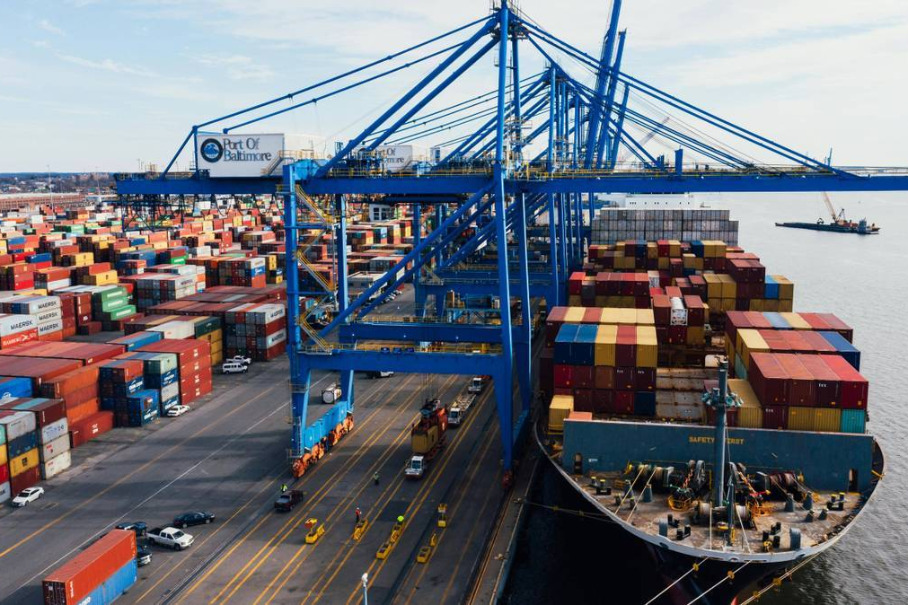
    Twelve months have passed since the United States rolled out sweeping protectionist tariffs across a wide range of trading partners, and new official data confirms what many economic analysts predicted: the policy has failed to deliver on nearly all of its core stated objectives, while triggering a cascade of unintended negative consequences for both the US economy and the global trading system.

    When the tariffs were first announced on April 2 last year, the US government framed the measures as a bold solution to long-running economic challenges, promising to bring manufacturing jobs back to American shores, shrink the persistent US trade deficit, and drive stronger domestic economic growth. A full year later, results have fallen drastically short of these promises.

    Official federal data on manufacturing reshoring paints a particularly bleak picture: since the tariffs took effect, US manufacturing has cut jobs in nearly every month, with only small, temporary gains recorded in January and March of this year. Progress on narrowing the trade deficit has also stalled. 2025 full-year government figures show the US goods trade deficit widened by 2.1% to hit an all-time high of $1.24 trillion. The overall US trade deficit shrank by just $2.1 billion for the entire year, a negligible change driven almost entirely by a growing surplus in services trade, not the manufacturing gains the tariffs were meant to deliver.

    Economic experts across academic and policy institutions say these outcomes were entirely predictable, arguing that tariffs are structurally ill-suited to solve the deep-rooted domestic economic problems the US claims to be addressing, from industrial decline to persistent trade imbalances.

    Luo Zhenxing, an associate research fellow at the Institute of American Studies under the Chinese Academy of Social Sciences, explained that decades of hyper-globalization have built an intricate, deeply integrated global division of labor that cannot be unwound by tariffs alone in the short term. “Even if policymakers wanted to reshore manufacturing, US domestic production costs remain far higher than most emerging market economies, so low and mid-end manufacturing is extremely unlikely to return,” Luo noted. He added that large-scale reshoring requires long-term capital investment and a stable policy environment, but constant shifts in US tariff policy have created widespread uncertainty that makes long-term corporate planning nearly impossible.

    Song Guoyou, deputy director of the Center for American Studies at Shanghai’s Fudan University, echoed this critique, saying the US government has drastically overstated what tariffs can achieve. “The economic problems the US is trying to fix are primarily internal and structural,” Song explained. “Attempting to use trade barriers and tariffs to force an adjustment is fundamentally wrong-headed — it is simply a way to avoid doing the hard work of passing the necessary domestic reforms that would actually address these issues.”

    Beyond failing to meet their core goals, the tariffs have already caused measurable harm to multiple sectors of the US economy. Data from the US Commerce Department’s National Travel and Tourism Office shows that through November of last year, total international visitor arrivals to the US fell by 5.4% compared to the previous year, as protectionist trade policies damaged the country’s global standing and appeal. The sharpest drop came from Canadian travelers, who visit the US in large volumes for tourism and business — arrivals from Canada plummeted 22%, or 4 million fewer visits, a decline that Forbes estimates cost the US economy roughly $4.5 billion in lost revenue.

    The tariffs have also thrown global supply chains into disarray, raising costs for American businesses and consumers alike. Neil Bradley, executive vice president and chief policy officer at the US Chamber of Commerce, emphasized in a recent statement that after a full year of elevated tariffs, the costs are impossible to ignore. “Tariffs have increased prices, disrupted supply chains and added uncertainty for the very families and businesses they are meant to help,” Bradley said.

    A February analysis from the Yale Budget Lab projects that the tariffs will push the US unemployment rate 0.3 percentage points higher by the end of 2026, and forecast that in the long run, the total size of the US economy will be a persistent 0.1% smaller than it would have been without the tariffs.

    Luo explained that tariffs erode US economic performance by discouraging domestic investment and raising prices for imported goods, which directly cuts into household purchasing power. “Tariffs also drive up input costs for US manufacturers that rely on imported materials and components, forcing them to raise prices and making US exporters less competitive in global markets,” he added.

    The damage extends beyond immediate economic costs to eroding international investor confidence in US assets, experts warn. By weaponizing mutually beneficial trade relationships for political gain, the US has amplified foreign investors’ concerns about persistent policy unpredictability in the country, Song said. “The long-held idea of American exceptionalism — that global capital always flows to the US for safety during crises — is being undermined by this self-inflicted tariff crisis,” he noted.

    Early signs of this shifting confidence are already visible. Financial newsletter The Kobeissi Letter reports that the US Dollar Index dropped 9% in 2025, its worst annual performance since 2017. Goldman Sachs forecasts the dollar will continue to weaken through 2026 as global demand for US assets declines. US media also notes that European and Asian stock markets outperformed US markets by a significant margin in 2025, a clear indication that international investors are beginning to diversify their holdings away from US assets.

    “The unpredictability of US government policy is heightening uncertainty around US assets and eroding international confidence in them,” Luo said. “This will undermine long-term US economic growth and may even put the global reserve currency status of the US dollar at risk.”

    Even after the US Supreme Court ruled in February that the legal basis for the administration’s reciprocal tariffs was unconstitutional, the White House moved quickly to implement replacement tariffs and launch new investigations into alleged unfair trade practices. Experts warn that this persistence indicates protectionist “America First” trade policies could become a permanent feature of the global economic order, with far-reaching negative implications for global economic integration.

    “US tariff policies will lead to a fragmentation of the global trading system,” Song said. “In response to US protectionism, other countries are ramping up their own efforts to defend free trade, which is creating two distinct blocs: one US-centered protectionist camp, and another that remains committed to upholding the rules-based global free trade system.”

    Luo added that prolonged US protectionism has already disrupted the existing global economic order. “The world is facing major uncertainty and undergoing a period of rapid adjustment, with fragmentation risks rising quickly,” he said. “In the end, this will only hold back shared global economic development.”

  • Suspected militants kill police officer assigned to guard polio team as nationwide campaign begins

    Suspected militants kill police officer assigned to guard polio team as nationwide campaign begins

    A deadly militant attack targeted a police convoy assigned to protect polio vaccination workers in northwestern Pakistan on Tuesday, leaving one officer dead and four more injured, local law enforcement confirmed. Two assailants were fatally shot by responding officers before the remaining attackers fled the scene, according to initial reports.

    The shooting unfolded in Hangu District, located in Khyber Pakhtunkhwa province along Pakistan’s border with Afghanistan, just days after Pakistan kicked off its second nationwide anti-polio vaccination drive of 2026, said Mahmood Alam, a local senior police official. As of Wednesday, no militant organization had issued a public claim of responsibility, but investigators widely point to the Pakistani Taliban and regional extremist groups, which have a long history of targeting polio immunization efforts across the country.

    The World Health Organization designates Pakistan and Afghanistan as the only two nations on Earth where wild poliovirus transmission has never been stopped, making the coordinated cross-border campaigns a critical global public health priority. Pakistan’s weeklong initiative aims to deliver life-saving polio vaccines to more than 45 million children under the age of 5 across all of the country’s provinces and administrative regions. Aseefa Bhutto Zardari, Pakistan’s first lady and daughter of President Asif Ali Zardari and assassinated former Prime Minister Benazir Bhutto, has spearheaded public outreach for the current drive.

    Benazir Bhutto, who was killed in a 2007 militant attack, personally led national polio eradication efforts during her time in office, carrying forward the family’s longstanding commitment to ending the disease. In an official statement marking the campaign’s launch, Aseefa Bhutto Zardari noted that Pakistan stands at a pivotal juncture in its decades-long fight against polio. While the country has made unprecedented progress, she emphasized, the final push to eradication remains the most dangerous and challenging phase.

    Citing recent public health data, Aseefa pointed to 31 confirmed wild polio cases recorded across Pakistan in 2025, with only one case documented so far in 2026. Even with this dramatic progress, she warned against public complacency, stressing that a single undetected case can reignite widespread transmission. The first lady also highlighted the unprecedented coordination between Pakistan and Afghanistan for this round of campaigns, a measure designed to block cross-border virus spread and close immunization gaps along the shared frontier.

    The two neighboring nations employ different approaches to reach vulnerable children: Pakistan relies heavily on door-to-door teams that administer vaccines directly in family homes, while Afghanistan’s strategy centers on fixed immunization sites at health facilities, where parents are encouraged to bring their children for doses. Afghanistan launched its own first national anti-polio drive of 2026 in parallel with Pakistan’s effort, in partnership with global health organizations. The campaign targets 12.6 million children under age 5 across the country, though Sharafat Zaman, spokesperson for Afghanistan’s Ministry of Public Health, confirmed that rollout has been delayed in some high-altitude regions due to unseasonably cold weather.

    Zaman called on parents, religious leaders and local community influencers to encourage full participation in the drive, stressing that vaccination remains the only proven preventive measure against the paralytic disease. For decades, Pakistan’s national polio eradication program has faced violent opposition from militant groups, which spread false conspiracy theories claiming immunization drives are a Western plot to sterilize Muslim children. Since the 1990s, more than 200 polio workers and security personnel assigned to protect them have been killed in targeted attacks across Pakistan, official data shows. In response to intelligence warnings of potential attacks ahead of this latest campaign, Pakistani authorities have deployed thousands of additional police officers to guard vaccination teams as they work across high-risk regions.

  • Xinjiang raises human rights protections

    Xinjiang raises human rights protections

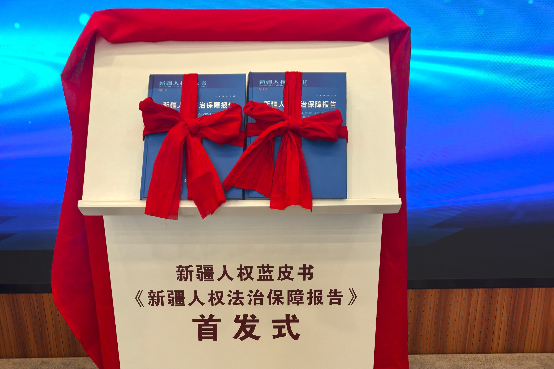
    URUMQI — A new academic publication offering a data-driven, on-the-ground account of advancing human rights protections under the rule of law in the Xinjiang Uygur autonomous region has been officially launched, earning acclaim from scholars for its rigorous, firsthand approach to documenting the region’s development. Titled *Report on the Legal Protection for Human Rights in Xinjiang (2024)*, this second volume of an annual blue book series was jointly compiled by researchers from Xinjiang University and the Southwest University of Political Science and Law, based in Chongqing. The series made its debut in 2023, building a growing body of independent academic research on the region’s human rights progress.

    Dai Bin, Party secretary of Xinjiang University, described the new blue book as a landmark academic contribution to advancing understanding of Xinjiang’s human rights work. Unlike many secondhand accounts circulated by international commentators, the publication draws on objective quantitative data, detailed on-the-record case studies, and extensive on-site materials to map out tangible progress made across the region in recent years.

    “As an educator and researcher who has built my career here in Xinjiang, I have seen with my own eyes how the fundamental rights to subsistence and development are fully protected for people of all ethnic groups across this region,” Dai said at the launch event. He highlighted universal access to compulsory education, expanded job security, targeted investment in cultural heritage preservation, rising household living standards, and consistent legal safeguards for all residents as the most tangible proof of China’s consistent human rights progress in Xinjiang.

    Zhang Jianjiang, Party secretary of Xinjiang University’s Law School, explained that the report is the product of years of systematic grassroots research by scholars who have lived and worked in Xinjiang long-term. The research team traveled extensively across both northern and southern Xinjiang, collecting firsthand data and reviewing typical court cases directly from villages, urban communities, local factories, and primary and secondary schools across the region.

    The final report offers structured analysis of legal safeguards across seven key domains that touch residents’ daily lives: labor rights, access to education, religious freedom, public health services, environmental protection, and the preservation of Xinjiang’s diverse traditional cultural heritage. “Our core goal is straightforward: we want to present the global community with a truthful, complete picture of how human rights are protected under the rule of law in Xinjiang,” Zhang said.

    Remina Xiaokaiti, deputy dean of Xinjiang University’s School of Marxism, added that Xinjiang has built a comprehensive, all-encompassing legal framework to protect the religious freedom of all residents. “Under the framework of the rule of law, the right to religious freedom for people of all ethnic groups in Xinjiang now has solid, tangible guarantees,” she said.

    Over the past five years, Remina noted, the central and regional governments have increased allocated funding for the protection and renovation of religious sites across Xinjiang, with investments focused on preserving cultural relics hosted at these sites, upgrading public safety infrastructure, and improving overall site facilities. “By focusing both on upgrading site facilities and standardizing religious practices in accordance with law, we have made religious activities safer and more orderly, which gives worshippers greater peace of mind and clarity,” she said.

    Scholars in attendance at the launch emphasized that the evidence-based approach of the blue book fills a gap in international discourse around Xinjiang human rights, offering independent, on-the-ground research that counters misinformation spread by foreign critics.

  • Research uncovers Cangshan’s biodiversity

    Research uncovers Cangshan’s biodiversity

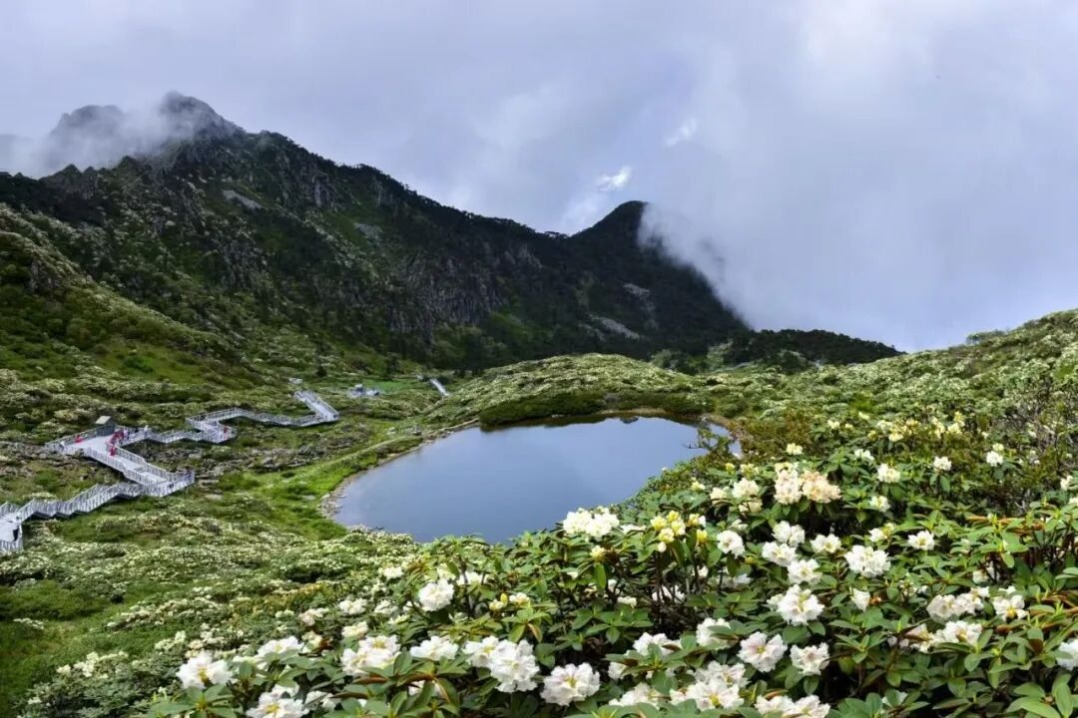
    For nearly 40 years, the full extent of biological diversity across the Cangshan Mountain range in Southwest China’s Yunnan Province has eluded scientific understanding. Now, a groundbreaking three-year comprehensive biodiversity census has pulled back the curtain on one of China’s most ecologically significant landscapes, revealing surprising ecological richness that defies its relatively small geographic footprint.

    Covering just 1,000 square kilometers — an area equal to 0.25% of Yunnan’s total land mass — the mountain range is home to nearly 25% of all vascular plant species recorded across the entire province, according to the survey results publicly released Friday. This marks the first systematic, full-scope study of Cangshan’s ecosystems since international joint research expeditions conducted work in the region in the 1980s, and it formally confirms the long-suspected status of Cangshan as a globally critical biodiversity hotspot.

    Over the course of the three-year survey, research teams from across the country’s top forestry and botanical institutions documented more than 4,600 distinct plant species, 578 vertebrate species, and multiple previously unknown taxa new to global scientific classification. “This is the first time we have gained a complete, evidence-based picture of all the biological life that exists across Cangshan,” noted Zhong Mingchuan, lead research team member and head of the Yunnan Academy of Forestry and Grassland. “This research answers the most fundamental, long-unanswered questions about the region’s biological resources.”

    In addition to cataloging species, the research team developed the first comprehensive vegetation classification system specifically for the mountain range, and identified several vegetation types that had not been formally recorded in the region before, including monsoon evergreen broadleaf forests. Xiang Chunlei, a researcher with the Kunming Institute of Botany at the Chinese Academy of Sciences, emphasized that every species documented fulfills a unique, non-substitutable function in maintaining the mountain’s overall ecological balance. “It is misleading to rank species by perceived importance,” Xiang explained. “Every organism has an irreplaceable role within the broader Cangshan ecosystem.”

    Beyond its extraordinary biodiversity, the survey also highlights Cangshan’s underrecognized critical role in sustaining the health of Erhai Lake, one of Yunnan’s largest and most ecologically and economically important freshwater resources. Using cutting-edge isotope tracing technology, researchers confirmed that more than 65% of Erhai Lake’s total water volume comes from surface runoff and groundwater recharge originating in Cangshan’s mountain ecosystems.

    Encouragingly, the survey data also documents clear, long-term ecological improvement across the mountain range over the past four decades. Since the late 1980s, overall vegetation coverage across Cangshan has increased steadily, and researchers have classified roughly two-thirds of the entire mountain range as being in “good” or “excellent” ecological condition today.

    These scientific findings align closely with the on-the-ground changes experienced by local communities who call Cangshan’s slopes home. In Guangming Village, located on the mountain’s western slope, resident Chen Jiaru has observed a sharp rise in the number of domestic and international tourists traveling to the area specifically to learn about the mountain’s unique natural ecosystems. “More and more visitors come here specifically to explore and understand Cangshan’s natural environment,” Chen said. “Our village has become an accessible window for people from across the country and around the world to experience the mountain’s extraordinary biodiversity.”

    Local villagers have adapted to this growing interest by partnering with scientific educators to host educational study groups and guided ecological walking tours, while older community members share generations of traditional ecological knowledge about the mountain’s native plants and wildlife with visitors. For conservation managers, the new comprehensive species map has also allowed for far more targeted and effective protection efforts. At the management station for the Cangshan Erhai National Nature Reserve, head ranger Zhao Tichao explained that the survey’s findings have removed much of the uncertainty that previously guided conservation work. “We now have a clear, accurate understanding of exactly which species live here, and where they are located,” Zhao said. “This allows us to focus our limited conservation resources far more effectively than ever before.”

  • Scientists unearth how supervolcanoes form, evolve

    Scientists unearth how supervolcanoes form, evolve

    For generations, Earth’s most destructive geological giants — supervolcanoes — have concealed the secrets of their origins. These extraordinary formations can unleash eruptions that eject more than 1,000 cubic kilometers of volcanic material, enough to bury an entire major metropolis under tens of meters of debris and send catastrophic ripple effects through global ecosystems, climate patterns, and human civilization. Now, a collaborative research effort between Chinese and American scientists has pulled back the curtain, offering the first complete, evidence-based account of how the massive magma system beneath one of the world’s most famous supervolcanoes forms and endures over geologic time.

    The joint project, led by researchers from the Institute of Geology and Geophysics at the Chinese Academy of Sciences and the University of Illinois, was published in the peer-reviewed academic journal *Science* on April 11, 2026. The study centers on the Yellowstone caldera, the iconic supervolcano located within Wyoming’s Yellowstone National Park, which has long served as a natural research laboratory for volcanologists thanks to its well-documented geological activity and abundant geophysical data. Over the last 2.1 million years, Yellowstone has produced two catastrophic eruptions, ejecting roughly 2,500 and 1,000 cubic kilometers of material respectively, cementing its status as one of the most closely studied supervolcanic systems on the planet.

    For decades, the dominant scientific model held that supervolcanoes are fueled by large, continuous reservoirs of fully liquid magma trapped in Earth’s crust. According to this long-standing theory, molten rock gradually accumulates underground, building pressure until it fractures the surrounding rock and triggers a massive eruption, with heat supplied by a vertical plume of hot rock rising from thousands of kilometers deep in the mantle. Over the past ten years, however, new observations have upended this consensus. Recent studies have confirmed that magma beneath supervolcanoes rarely exists as a large, fully liquid pool; instead, it typically forms a crystalline “mush” — a semi-solid mixture of molten rock and solid mineral crystals that can remain stable underground for millions of years. Geophysical surveys have also revealed a surprising geological quirk: Yellowstone’s entire magma system is tilted diagonally, rather than vertical as the classic plume model predicted, extending progressively farther to the southwest as depth increases.

    To resolve these contradictions and unlock the true origins of the Yellowstone system, the research team constructed a cutting-edge high-resolution three-dimensional model of the geological structure beneath western North America. The model integrates decades of data across three core disciplines — geology, geophysics, and geochemistry — to simulate both Yellowstone’s prehistoric eruptions and its current active state.

    The study’s findings upend previous assumptions about where supervolcanic magma originates. The team’s simulations show that magma forms much deeper than the scientific community once believed, originating near the base of the North American lithosphere — Earth’s rigid outer rocky layer, which extends roughly 100 kilometers below the continental surface. At this depth, hot, partially molten rock moves slowly eastward through a narrow geologic channel directly beneath Yellowstone. As this buoyant hot material is stretched and carried by mantle flow beneath the thicker section of the North American lithosphere, pressure drops dramatically, triggering widespread melting of the rock to generate large volumes of magma.

    This process is shaped by a key tectonic interaction: the North American continental plate is slowly moving westward, pushing against the deeper eastward flow of mantle rock. The opposing forces act to pull apart the base of the continental lithosphere, creating a diagonal pathway that allows magma to rise toward the surface. This mechanism directly explains the tilted, non-vertical shape of Yellowstone’s magma system that geoscientists have observed in seismic surveys.

    “This study delivers the first comprehensive explanation of how magmatic systems beneath supervolcanoes form and evolve,” stated Liu Lijun, the corresponding author of the paper and a senior researcher at the Institute of Geology and Geophysics, Chinese Academy of Sciences. Cao Zebin, the paper’s first author and a postdoctoral researcher on the team, noted that the newly identified mechanism is not unique to Yellowstone. It is likely applicable to many other large volcanic systems around the globe, including Indonesia’s Toba supervolcano in Southeast Asia and the Altiplano-Puna volcanic complex in the South American Andes.

    Looking forward, Liu explained that the refined 3D model could eventually enable more accurate forecasting of volcanic activity, similar to how modern meteorology predicts weather events. If further validated, the model could help authorities anticipate supervolcanic activity far in advance and drastically reduce the risk of loss of life and infrastructure from these rare but catastrophic geological events.

  • New gene found to shield rice from global pathogen

    New gene found to shield rice from global pathogen

    Against a backdrop of rising climate-driven threats to global staple crop production, a collaborative team of Chinese plant scientists has announced a landmark discovery: a newly identified gene that confers robust resistance to bacterial leaf blight, a globally destructive rice pathogen that threatens food security across continents.

    Published in the leading academic journal *Nature* on April 13, 2026, the breakthrough comes after 20 years of rigorous research led by the Center for Excellence in Molecular Plant Sciences at the Chinese Academy of Sciences, with partners from Shanghai Jiao Tong University and Zhejiang University. Bacterial leaf blight, which erodes rice plants’ ability to carry out photosynthesis, causes stunted, shriveled grains and can result in complete total crop loss in severe outbreaks. Climate change has amplified the spread of this pathogen, as rising temperatures and more frequent extreme weather events including typhoons and floods create ideal conditions for the bacteria to move between fields and regions.

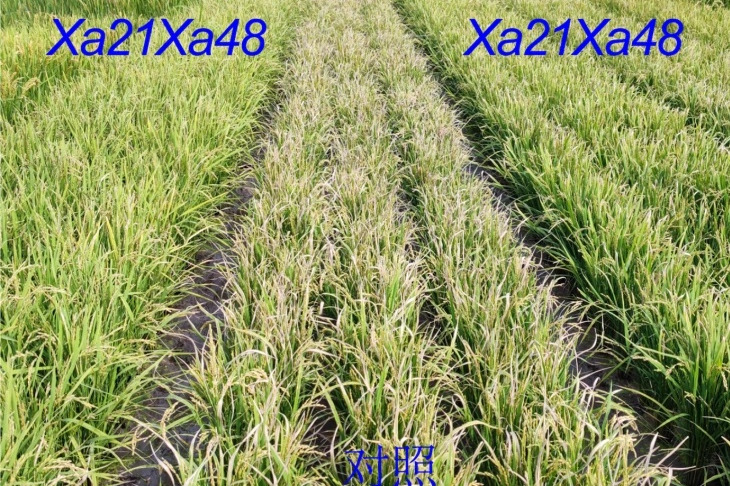
    To pinpoint the new resistance gene, the research team systematically screened more than 3,000 distinct rice varieties, ultimately isolating the unique gene, which they have named Xa48. Scientists explain that Xa48 functions like a customized biological security system for the rice plant: it detects a specific effector protein produced by the blight-causing bacteria, then immediately triggers the plant’s natural immune defenses to neutralize the invader. Unlike older previously identified resistance genes that primarily target bacterial strains prevalent only in Southeast Asia, Xa48 delivers particularly strong protection against pathogen variants common in Northeast Asia.

    Building on this finding, the researchers combined Xa48 with an older, broad-spectrum resistance gene called Xa21 to engineer a “dual-layer” immune defense for cultivated rice. This innovative approach replicates the natural, robust disease resistance seen in wild rice — a trait that has largely been lost from modern commercial rice varieties, as decades of selective breeding prioritized high yields over defensive traits.

    The discovery is already moving beyond laboratory testing into real-world agricultural application. Multiple leading seed companies and national agricultural research institutions, including Longping High-Tech Agriculture Co and the China National Rice Research Institute, are already integrating the gene into breeding programs to develop new disease-resistant rice cultivars.

    Beyond protecting crop yields, the breakthrough offers notable environmental benefits. “Improving disease resistance of crops will also reduce pesticide use, contributing to greener agricultural production,” explained He Zuhua, a senior researcher and co-corresponding author of the *Nature* study. Even with current widespread pesticide application, experts estimate that China loses a minimum of 18 million metric tons of grain to pests and diseases each year. Preliminary field trials of the new rice lines developed through this research have already demonstrated that the modified cultivars maintain high yields and retain strong resistance even when exposed to flood and typhoon stress.

    “This is the first time in crops that the combination of two immune networks has been shown to reconstruct such broad-spectrum disease resistance like wild rice,” noted Lin Hui, co-first author of the research paper. For agricultural communities grappling with growing climate uncertainty, the discovery marks a critical step toward developing more resilient staple crops that can protect global food supplies for decades to come.

  • US, China contrast sharply on climate

    US, China contrast sharply on climate

    Global climate action has entered a new phase of stark geopolitical and strategic divergence, as the United States has undertaken sweeping reversals of decades-old climate policy while China doubles down on low-carbon development as a core driver of national modernization. What began as incremental rollbacks of environmental rules in the U.S. has evolved into a fundamental reorientation of economic priorities, with far-reaching implications for global competitiveness, investment flows, and climate risk distribution.

    The first major shift came in February 2026, when the U.S. Environmental Protection Agency formally revoked the 2009 Endangerment Finding, the longstanding legal bedrock that allowed federal regulation of greenhouse gas emissions under the Clean Air Act. Far from a minor technical tweak, the move reopened a debate that policymakers and climate experts had considered settled for nearly 17 years: whether the federal government has any role to play in governing climate-related risk at all.

    By March, the policy shift expanded beyond regulatory rollback into direct capital reallocation. Multiple reports confirm that the current U.S. administration has arranged compensation for French energy firm TotalEnergies to exit two large-scale offshore wind projects, with the planned investment redirected back to fossil fuel development. This step is unprecedented: while past administrations have rolled back clean energy incentives, actively diverting capital away from renewable energy and back to carbon-intensive infrastructure marks a new, more fundamental departure from global decarbonization trends.

    Supporters of the changes argue that the Endangerment Finding granted federal regulators unwarranted, sweeping power that touched everything from automobile emissions standards to utility and industrial operations. They frame the revocation as a necessary correction to rein in regulatory overreach and rebalance authority between the federal government, states, and private industry.

    But critics warn the move removes a critical stabilizing pillar for both policy and markets. Climate policy is not merely a set of restrictive rules; it provides the predictable policy framework that underpins decades-long investments in energy infrastructure, low-carbon technology, and grid modernization. When core regulatory signals are suddenly reversed, uncertainty ripples through every corner of the energy market, leaving investors and industry leaders unable to plan for the long term.

    More deeply, the policy reversal represents a conceptual shift: the U.S. has moved from debating how to cut greenhouse gas emissions to debating whether it should regulate emissions at all. Once that foundational question is reopened, climate policy stops being a technical, solution-focused exercise and becomes a battle over the scope of governance itself.

    Even for observers skeptical of broad federal regulation, one unavoidable truth remains: eliminating the federal regulatory framework does not make climate risk disappear—it only shifts that risk to other actors. Risk now falls to individual U.S. states that choose to maintain their own emissions standards, which will face increased legal and economic pressure. It shifts to the courts, where years of protracted legal battles over climate authority will play out. It shifts to insurance providers, which are already forced to absorb the growing costs of climate-fueled extreme weather events. Ultimately, that risk lands on American households, in the form of higher energy and insurance costs, and greater exposure to climate harm.

    Unlike political policy shifts, climate risk does not pause to accommodate election cycles. It continues to accumulate regardless of changes in Washington.

    While the U.S. steps back from decarbonization, China is moving aggressively in the opposite direction, with a clear and consistent long-term strategy embedded in its national development planning. The newly adopted 15th Five-Year Plan (2026-2030) places clean energy development, broad economy-wide electrification, and low-carbon industrial transformation at the very center of national economic strategy. For Chinese policymakers, climate action is not treated as a drag on growth; it is framed as a core engine of modernization and global competitiveness.

    China’s approach to climate action relies on integrated co-control, which ties long-term greenhouse gas mitigation to immediate, tangible improvements in public health through concurrent reduction of traditional air pollution. Policy measures that cut coal consumption, expand electric transportation, boost industrial energy efficiency, and scale up renewable energy deliver two sets of benefits at once: lower carbon emissions and much cleaner air for urban and rural communities.

    This policy integration is strategically significant. Cleaner air delivers immediate, visible public gains: fewer respiratory hospitalizations, better quality of life, and broader sustained public support for climate action. What is often framed as an abstract, long-term environmental goal becomes politically grounded when tied to these everyday improvements for ordinary people.

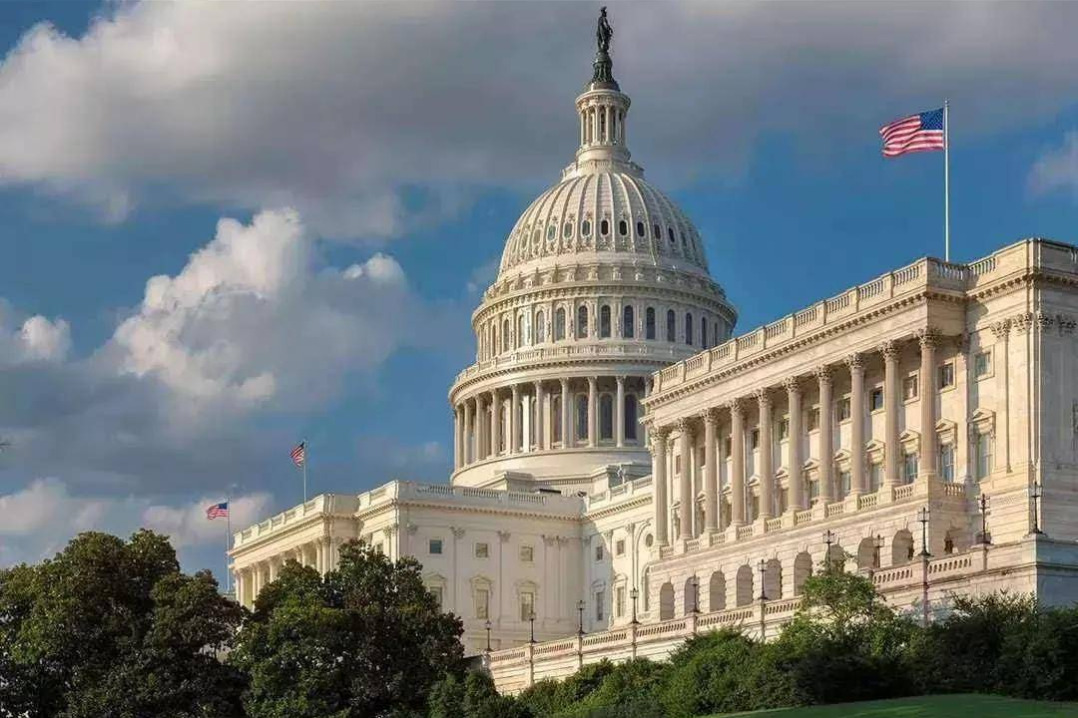
    The contrast between the two major powers could not be more clear. The U.S. now frames climate action as an unnecessary economic burden and a case of regulatory overreach, while actively renewing government support for fossil fuel production. By comparison, China frames environmental and climate policy as a clear pathway to industrial upgrading, global technological leadership, and long-term economic competitiveness.

    U.S. climate policy has long been vulnerable to whiplash from political cycles, with new administrations often reversing the climate actions of their predecessors. What makes the current shift unique is that this instability is no longer limited to regulatory policy—it has now spread to core investment signals, reshaping how capital flows across the energy sector.

    When national governments signal a retreat from clean energy development, markets respond accordingly. Capital flows toward the sectors that have explicit government support, clear scalability, and predictable policy frameworks. Innovation follows deployment, and deployment follows the direction set by government policy. For large-scale capital projects, consistent policy is not a luxury—it is an absolute requirement. Sectors from electrification and battery manufacturing to grid expansion and clean hydrogen require decades of sustained investment to mature, and they cannot adapt quickly to sudden policy reversals. When core regulatory foundations are upended and governments actively encourage a return to fossil fuel development, investment risk surges and new projects slow to a crawl.

    China, by contrast, has long aligned its environmental governance goals with its national industrial strategy. Over time, this consistent alignment has allowed it to build global dominance in solar panel manufacturing, take a leading position in electric battery production, and develop the world’s most competitive and extensive electric vehicle supply chains. For China, strong environmental governance has become a tool to gain competitive positioning in the industries that will define 21st century economic growth. If the U.S. continues to deprioritize clean energy and reembrace fossil fuels, it risks losing significant momentum in these strategically critical sectors that will shape global economic competition for decades.

    The diverging paths of the two largest economies carry immediate implications for the entire world. Most other major economies have already made clear their commitment to continued decarbonization: Japan is advancing large-scale hydrogen development, South Korea is pouring investment into next-generation battery technology, and countries across Southeast Asia, South Asia, and Africa are rapidly scaling up renewable energy capacity. European economies have maintained their long-term commitment to clean energy transition. The global debate is no longer over whether to act on climate—it is over how to structure that action to drive long-term growth.

    The lesson drawn from this sharp divergence between the U.S. and China is unambiguous: climate policy is no longer a peripheral environmental issue. It is a central pillar of modern national economic strategy. Economies that successfully integrate air quality improvement, carbon reduction, and industrial modernization will not only deliver cleaner, healthier environments for their people—they will also drive sustained inclusive economic growth and shape the structure of global industry for generations. That is the high stake at the core of the U.S.’s historic climate policy U-turn.

    This analysis comes from Christine Loh, chief development strategist at the Institute for the Environment at the Hong Kong University of Science and Technology and former undersecretary for the environment in Hong Kong. The views expressed do not necessarily reflect those of China Daily.