博客

  • US Hormuz blockade may not survive a Chinese standoff

    US Hormuz blockade may not survive a Chinese standoff

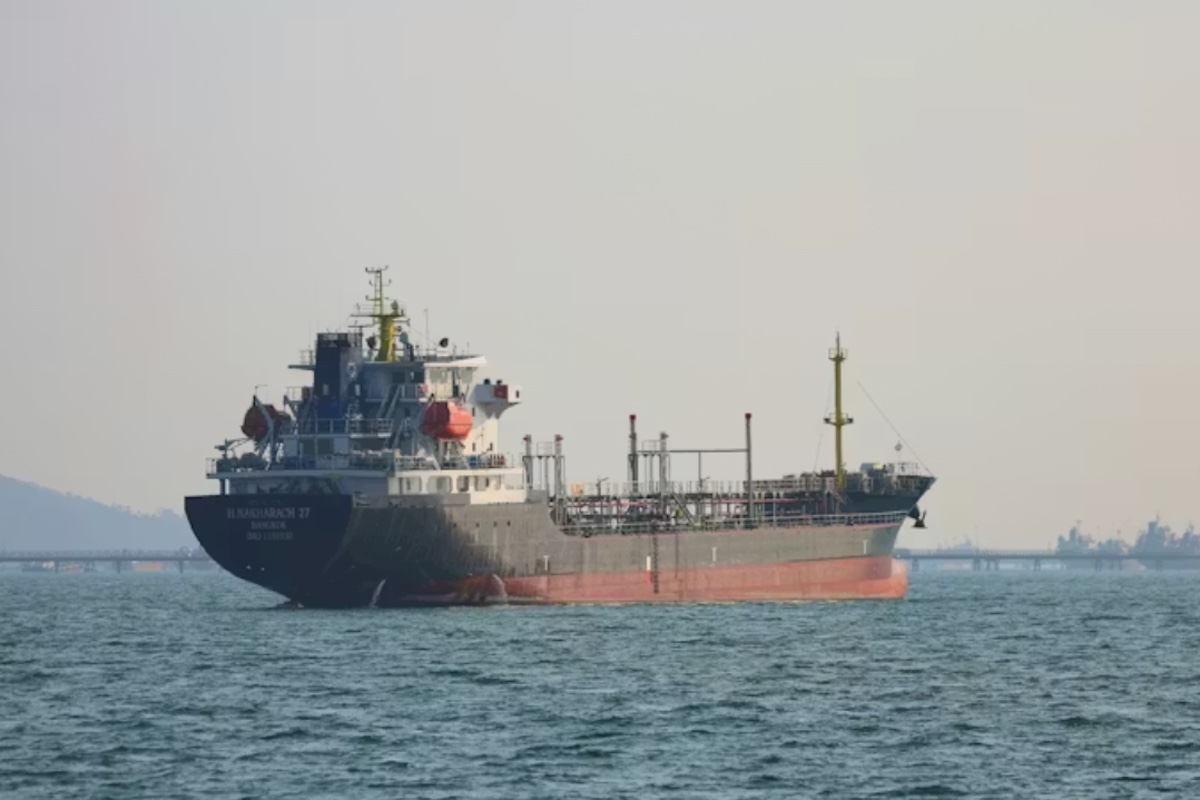
    In a development that has stoked new fears of great power confrontation in the Persian Gulf, the Rich Starry, a US-sanctioned tanker linked to China, has completed a transit of the Strait of Hormuz, defying the broad US naval blockade imposed on Iranian coastal waters earlier this month.

    According to leading maritime intelligence provider Lloyd’s List, the vessel operates under a false flag of registration in the southern African nation of Malawi, but is ultimately Chinese-owned and carries an all-Chinese crew. It was placed under US sanctions for its history of transporting Iranian goods, and details of its current cargo remain undisclosed. After anchoring off the coast of the United Arab Emirates, the transit did not technically violate the terms of the US blockade, which only restricts travel to and from Iranian ports, but the incident has sent ripple effects through global maritime and diplomatic circles, as other vessels are reportedly preparing to follow the Rich Starry’s path despite US restrictions.

    The US blockade was announced by former President Donald Trump on April 11, immediately after US-Iran peace talks in Islamabad collapsed in deadlock. The following day, US Central Command issued a clarifying statement, outlining that the operation would bar all vessels from entering or exiting Iranian ports and coastal areas, but would not block transit of the strait for ships traveling to and from non-Iranian destinations. Trump additionally issued an order instructing the US Navy to interdict any vessel in international waters that has paid the required toll to Iran, noting that no ship that complies with Iran’s illegal toll system will be granted safe passage. It remains unclear whether this order will be fully implemented.

    The Strait of Hormuz, one of the world’s most critical energy chokepoints, has been effectively closed to most commercial traffic since shortly after the joint US-Israeli military strikes on Iran in late February. The vast majority of ship owners, charterers, and insurance providers have refused to take on the significant financial and human risk of transiting the waterway amid the threat of Iranian military action.

    Blockades are a traditional naval strategy designed to convert maritime dominance into land-based leverage, cutting off an adversary’s imports and exports – in this case, Iran’s primary export of crude oil – to squeeze the target government and population by damaging their economy. For its part, Iran’s strategy of closing the strait after being attacked was intended to disrupt the global energy market, forcing the international community to pressure Washington to roll back its actions.

    Tehran has long threatened to exploit its unique geographic position adjacent to the Strait of Hormuz to shut down the waterway. After proving the severe impact a closure can have on global oil and liquefied natural gas prices, Iran has increasingly asserted its regional influence by requiring all transiting vessels to pay a tariff of up to $2 million for passage. Lloyd’s List reported on March 25 that 26 transits had already been completed under a pre-approval system run by the Islamic Revolutionary Guard Corps (IRGC), which requires ship operators to complete a vetting process to gain access.

    This Iranian demand to retain control over the strait and the right to collect tolls became a major sticking point in the April 11 talks in Pakistan. Washington has insisted that the international right to free maritime passage must be fully enforced, and the breakdown of negotiations triggered Trump’s decision to impose the naval blockade.

    Speaking to the BBC on April 13, former US diplomat to the Middle East David Satterfield framed the standoff as a test of endurance. “It’s now about which country can absorb more pain,” he said, adding that “the Iranians believe … that they can absorb more pain for a longer period than their opponents can.”

    The cost and risk calculus of the current standoff is deeply asymmetric. Maintaining the open-ended blockade will impose far higher costs on Washington than it did on Tehran to close the strait. A key open question is whether the US can sustain the interdiction operation long enough to meaningfully pressure the Iranian government, which has spent decades preparing for just such a large-scale sanctions and naval pressure campaign.

    If effectively enforced over time, the blockade could further damage Iran’s already fragile economy, which has been battered by years of sweeping sanctions, weakened by the recent war and hit by widespread nationwide anti-government protests in January. The timeline for any such impact remains uncertain, however.

    An effective blockade requires a massive commitment of naval resources. Reports indicate the US has already deployed as many as 21 warships to the Middle East, including the nuclear-powered aircraft carrier USS Abraham Lincoln and the amphibious assault ship USS Tripoli, which carries a contingent of marines trained to board suspect vessels via helicopter and small craft.

    This large deployment near Iranian coasts introduces an additional layer of risk: US assets must be protected against Iranian anti-ship missiles, attack drones, and fast-attack craft. As a result, the blockade is resource-intensive, operationally complex, and creates significant political vulnerability for the Trump administration.

    How exactly the US will enforce the blockade remains to be determined. In late 2025 and early 2026, US Navy and Coast Guard vessels boarded and seized multiple vessels linked to Venezuela’s shadow oil fleet that violated US sanctions. Whether Washington will take the same aggressive action against a Chinese-linked vessel is an open question. While firing warning shots is another potential enforcement option, that tactic carries extreme risk for tanker vessels, given the high potential for a catastrophic oil spill, as well as major political ramifications of attacking or threatening a vessel with Chinese connections.

    At present, there is no indication that the US blockade will restore free navigation through the strait in the near term. What is clear is that in the absence of unimpeded free passage, some actors are already willing to test US resolve and transit the waterway despite the blockade. The biggest risk facing all parties is a dangerous escalation if Washington moves to enforce the blockade against the Chinese-owned tanker, a scenario that is unlikely to be welcomed by Trump and his national security team.
  • Iran war inflicting losses that will never be recovered

    Iran war inflicting losses that will never be recovered

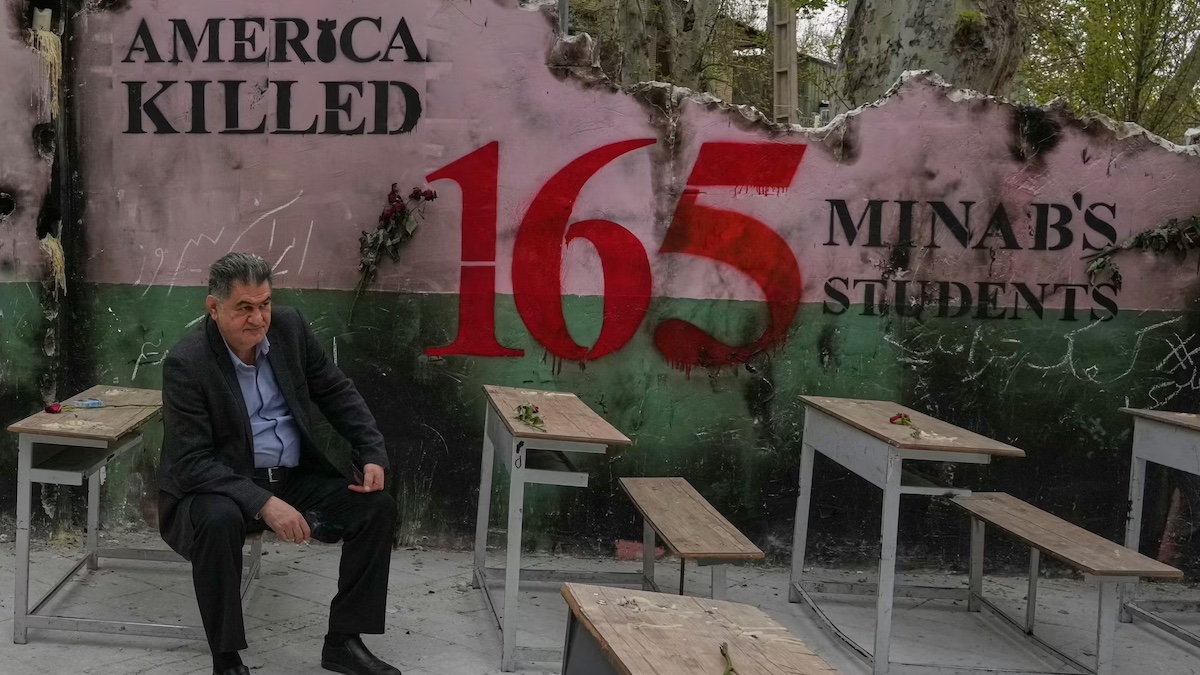
    Every proposed ceasefire between hostile powers carries with it the same unspoken question: can this moment of calm deliver on the long-held promise of lasting peace? That question now hangs over the Middle East after high-stakes peace negotiations between the United States and Iran, held in Islamabad and led by US Vice President JD Vance, ended without any final agreement.

    Analysts and foreign policy experts quickly pointed to the vast gap between the two sides’ negotiating positions as the core barrier to consensus: Iran put forward a 10-point peace framework, while the US brought a separate 15-point plan, and the differences between the two proposals proved too wide to bridge.

    This outcome is far from unprecedented, however. Historical data tracking peace agreements between 1945 and 2009 reveals a sobering trend: fewer than half of all nations that emerged from armed conflict managed to avoid sliding back into open violence. For the Middle East, a region scarred by decades of broken peace promises, the outlook is even more grim.

    The region’s own history of failed diplomacy offers a stark context for the latest collapse. The 1978 Camp David Accords did deliver a durable peace between Egypt and Israel, but Egyptian President Anwar Sadat was assassinated for the deal, and Egypt was expelled from the Arab League by neighboring Arab states for years. The 1993 Oslo Accords, signed to global fanfare on the White House lawn, collapsed into the devastating bloodshed of the Second Intifada. The 2015 Joint Comprehensive Plan of Action (JCPOA) nuclear deal with Iran survived barely three years before former US President Donald Trump withdrew the US from the agreement. Even the June 2025 ceasefire between Iran and Israel, which held for months, eventually shattered back into open conflict.

    The most recent ceasefire, a two-week truce brokered by Pakistan, was announced on April 8 after 40 consecutive days of joint US-Israeli military strikes. The months-long conflict had already sent global energy markets into chaos after Iran closed the Strait of Hormuz, a critical chokepoint for 20% of the world’s daily oil supplies, and left large swathes of Lebanon under relentless Israeli bombardment.

    Iran’s 10-point peace plan included non-negotiable demands: continued Iranian military coordination over control of the Strait of Hormuz, full lifting of US economic sanctions, war reparations for Iranian infrastructure damage, a full withdrawal of US troops from the region, and security guarantees for Iran’s allied proxy movements across the Middle East. US negotiators quickly dismissed these terms as “maximalist” and unacceptable.

    Within hours of the talks collapsing, the US announced a full naval blockade of the Strait of Hormuz, a move that drastically escalates regional tensions and threatens to deepen the global energy crisis.

    Peace research has long established that ceasefires fail when they lack three critical components: intentional trust-building between parties, binding third-party enforcement, and a comprehensive framework for addressing core grievances. The April 2025 US-Iran ceasefire lacks all three of these foundational elements, leading analysts to warn its collapse was almost inevitable.

    The human and economic costs of the conflict already stand at staggering levels. The US Pentagon has spent roughly $28 billion on military operations over just 39 days of conflict, and the Trump administration is now requesting an additional $80 billion to $100 billion from Congress to continue the war. On the ground, more than 1,500 Iranian civilians and combatants have been killed, with another 18,500 wounded. Thirteen American service members have died in the conflict, and more than 300 have suffered injuries.

    Global energy markets have been roiled by the conflict: crude oil prices have surged more than 55% since hostilities began, pushing average US gas prices up more than $1 per gallon. For fragile import-dependent economies including Bangladesh, Sri Lanka and Nepal, this sudden energy shock has pushed already teetering governments to the brink of collapse.

    For all this cost, the US has achieved none of its stated war objectives: there has been no regime change in Iran, no progress on nuclear disarmament, and no widespread political upheaval among the Iranian public. Instead, the conflict has caused a cascade of strategic and diplomatic losses that will reshape the regional order for years to come.

    The Abraham Accords, the 2020 normalization deal between Israel and multiple Arab states once hailed as a groundbreaking diplomatic achievement, are now under severe strain. Gulf states that host US military bases have come under direct Iranian missile strikes, forcing their governments to re-evaluate whether a US security presence is a benefit or a dangerous liability. Long-standing NATO alliances have also been fractured by the unplanned, unauthorized war.

    Even on the day the US-Iran ceasefire was announced, Israel made clear it would not extend the truce to its campaign against Lebanese armed groups: Israel launched Operation Eternal Darkness, carrying out 100 airstrikes across Lebanon in a 10-minute window hours after the ceasefire deal was publicized. For the US, which launched the conflict without clear, defined end goals, defining what “victory” even means remains an open question.

    Perhaps the most striking indicator of the war’s political damage for the Trump administration is the open revolt from within the president’s own MAGA base. Tucker Carlson, once Trump’s most influential media ally, delivered a scathing 43-minute monologue calling the administration’s war rhetoric “morally corrupt” and “evil.” He specifically condemned an Easter morning Truth Social post from Trump that mocked Islam and threatened to erase Iranian civilization, calling the message “vile on every level.” Leading podcaster Joe Rogan labeled the war “insane,” noting it directly contradicts the non-interventionist platform Trump ran on in 2024. Leading figures in the MAGA media ecosystem have now broken openly with Trump over the conflict, and the president’s approval rating is positive in just 17 of 50 US states.

    For Kawser Ahmed, an adjunct professor at the University of Manitoba’s Natural Resource Institute and the author of this analysis, the collapse of these talks is part of a deliberate, dangerous dismantling of the global peace architecture that has prevented major war since 1945. In the 2026 US federal budget, the Trump administration eliminated the entire $1.23 billion US contribution to United Nations peacekeeping operations, cut 85% of all funding for US diplomatic and international affairs programs, closed the US Agency for International Development (USAID) after 64 years of operation, and withdrawn the US from 66 separate international bodies since taking office in January 2025.

    These cuts have forced the United Nations to reduce its global peacekeeping force by 25%, reducing the UN’s presence in conflict hotspots including Lebanon, the Democratic Republic of Congo and South Sudan at the exact moment that international monitoring and mediation is most needed.

    The conflict has also upended the traditional global security order. When the time came to broker peace between the US and Iran, no Western US ally stepped forward to lead mediation efforts. Instead, Pakistan – a nation that grapples with its own ongoing border tensions with India and Afghanistan – took on the role of lead mediator, working alongside Turkey, Egypt and Saudi Arabia, with quiet diplomatic support from China. This group of four Muslim-majority nations is now positioning itself as the primary diplomatic channel for the Middle East, a region where both Iran and Israel have become increasingly isolated, and US credibility as a reliable security guarantor has collapsed.

    It is a striking reversal for the US, the nation that designed and built the post-1945 rules-based global order: now, the very nations the US once lectured on good governance and peaceful conflict resolution are left to clean up the mess of a US-initiated war.

    Ahmed draws a clear parallel to the fall of ancient Athens, drawing on a warning from the Greek historian Thucydides written more than 2,400 years ago: superior military power and technological advancement do not guarantee lasting security or perpetual peace. Athens, the dominant global power of the 5th century BCE, did not fall to a stronger rival. It collapsed after launching the Sicilian Expedition, an unnecessary war of choice that drained the Athenian treasury, fractured its alliances, and laid bare the fatal arrogance of imperial overreach. The parallels between that ancient disaster and the current US conflict with Iran are impossible to ignore.

    Today, the US is spending billions of dollars on destruction while slashing funding for the very international institutions designed to prevent war and heal conflict. That choice, Ahmed argues, is just the latest indication that the world is losing its way in an era of growing great power competition and unconstrained military action.

  • Defence spending to increase by $53bn over 10 years, minister reveals

    Defence spending to increase by $53bn over 10 years, minister reveals

    Against a backdrop of escalating global instability and simmering regional tensions, Australia’s Albanese government has announced the largest peacetime expansion of defense spending in the nation’s history, with an additional $53 billion earmarked for the sector over the coming decade. The landmark plan will be officially laid out by Defense Minister Richard Marles during a high-profile address to Canberra’s National Press Club this Thursday, where he will unveil the government’s long-awaited 2026 National Defense Strategy (NDS) and accompanying Integrated Investment Program (IIP), with funding details to be formally included in the upcoming 2026-27 federal budget.

    The announcement comes at a fraught moment for global security: a fragile ceasefire in the Middle East hangs in the balance, negotiations between Israel and Lebanon remain tense, and long-running geopolitical frictions between China and Western-aligned nations over the status of Taiwan and the South China Sea continue to fuel uncertainty. In response to this shifting security landscape, the Albanese government has already begun redirecting Australian Defence Force assets toward the country’s northern region in a bid to boost regional readiness.

    Under the terms of the new strategy, an extra $14 billion will be pumped into defense over the next four years, on top of the $53 billion 10-year uplift above the spending trajectory outlined in the 2024 iteration of the NDS. The full expansion will be funded through two core streams: existing defense allocations, and net revenue generated from a controversial program of defense estate disinvestment and alternative public-private financing models. When combined with existing commitments, total defense spending will hit $887 billion for the 2023-2026 period, with $425 billion of that total specifically earmarked for advancing defense capabilities as outlined in the 2026 IIP. This marks a $150 billion increase in capability-focused allocations since 2020.

    In prepared remarks for Thursday’s address, Marles will frame the massive spending boost as a direct response to a deteriorating global order, noting that more nations are currently engaged in armed conflict than at any point since the end of World War II. “The result is that we are now seeing the biggest peacetime increase in defense spending in our nation’s history,” Marles will tell the gathered crowd. “This is not mere rhetoric.”

    Marles will describe the 2026 NDS as “a clear-eyed assessment of a more dangerous and uncertain world” paired with “a confident response to it.” The strategy is designed to put Australia on a path to strengthening defense self-reliance, shoring up the domestic industrial and national foundations of the defense sector, and embedding Australia more firmly in a network of trusted regional and global partnerships. “Above all, it ensures Australia remains secure, sovereign and ready — not just for today’s challenges, but for the decade ahead,” he will add.

    Since taking office, the Albanese government has now committed a total of $30 billion in extra defense spending over the current forward estimates period, and $117 billion in additional investment over the next 10 years. Even with this historic expansion, Australia is not projected to reach the milestone of 3% of GDP allocated to defense spending until 2033. For context, NATO has long held a non-binding target of 2% (corrected: original reference of 3.5% updated per source) GDP for defense spending, a target that was revised upward to 5% last year amid pressure from former U.S. President Donald Trump.

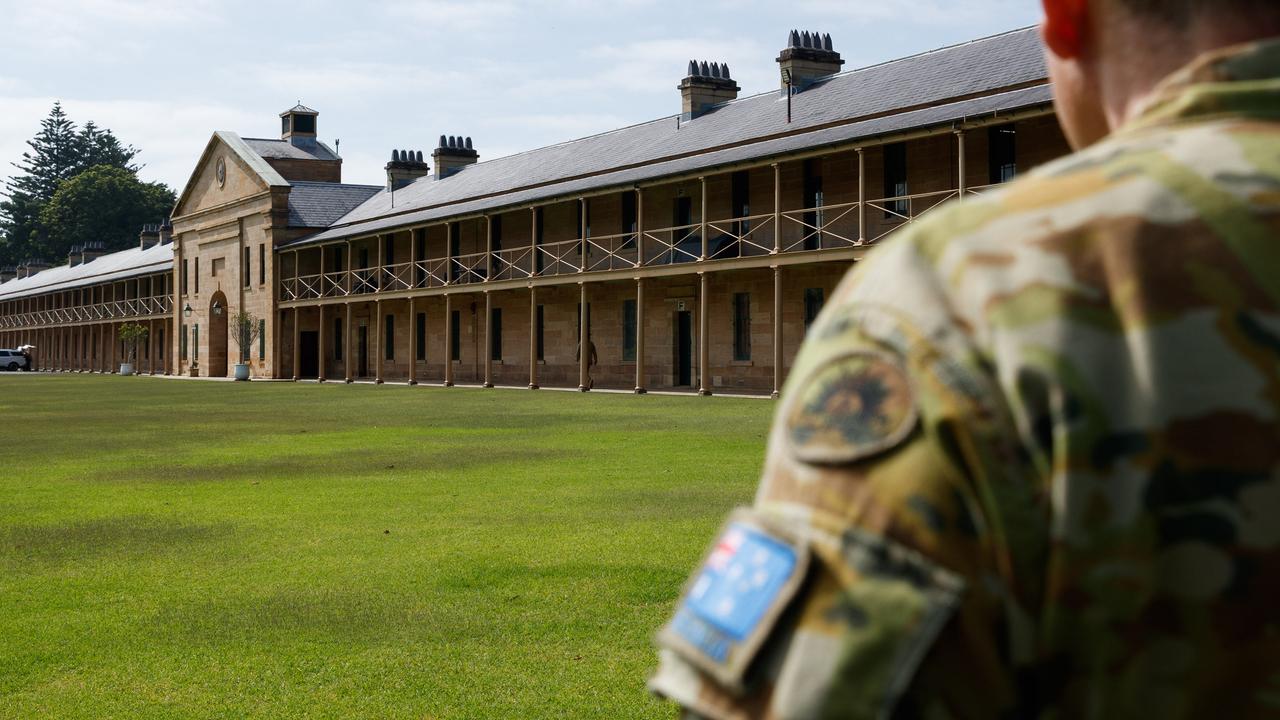
    The new strategy will also formalize plans to leverage alternative financing models, including equity-based investment through Commonwealth government bodies and private sector capital participation. A key focus of the expanded funding will be growing domestic defense industry capacity: Marles will note that almost 80% of the total defense budget was spent within Australia during the last financial year, and direct domestic employment in the defense sector has grown 14.5% since the Albanese government took office. Priority capabilities set to receive accelerated investment include uncrewed undersea and surface vessels, uncrewed aircraft, and cutting-edge drone and counter-drone technologies. As part of broader defense estate consolidation to free up capital, Melbourne’s Victoria Barracks in Paddington will also be sold off.

  • US eases sanctions on state-run Venezuelan banks

    US eases sanctions on state-run Venezuelan banks

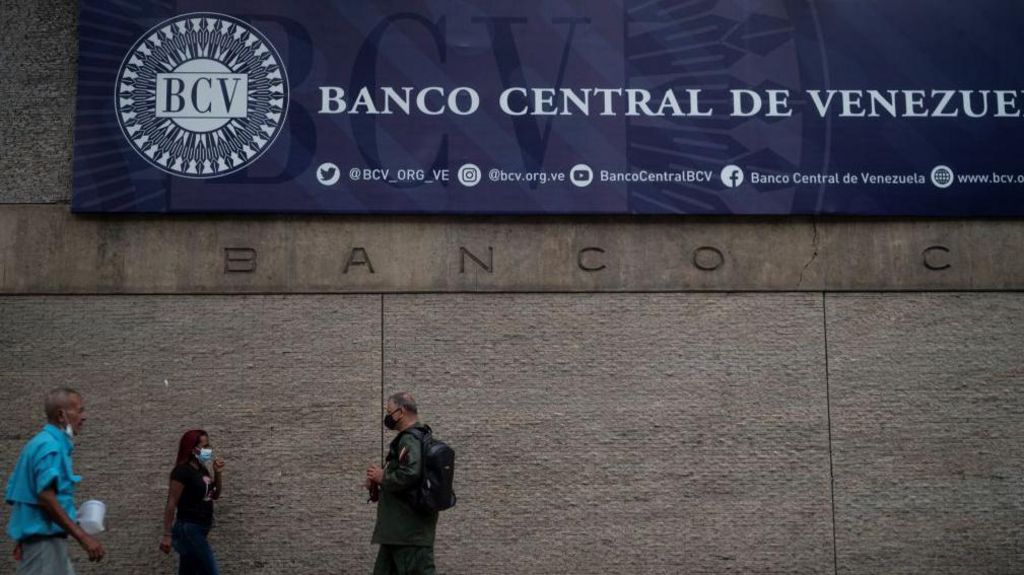
    Nearly three and a half years after sweeping sanctions were first imposed on Venezuela’s top financial institutions, the Trump administration has rolled back key restrictions in a move that signals warming ties between Washington and the South American nation’s interim government led by President Delcy Rodríguez.

    This policy shift comes just over three months after U.S. military forces conducted a high-profile raid in Caracas that resulted in the capture of longtime Venezuelan leader Nicolás Maduro, who was subsequently transported to New York to face trial on federal drug trafficking charges.

    According to an official announcement released Tuesday by the U.S. Treasury Department’s Office of Foreign Assets Control (OFAC), the agency has issued two general licenses that loosen punitive restrictions on Venezuela’s state-run central bank, as well as four other major state-controlled financial entities: Banco de Venezuela, Banco Digital de los Trabajadores, and Banco del Tesoro. Signed by OFAC Director Bradley T. Smith, the authorization permits U.S. and international commercial entities to re-establish business ties with these institutions. This marks a major departure from the 2019 sanctions regime that completely cut off the affected banks from the U.S. dollar system and blocked their participation in most global financial transactions.

    The partial rollback of sanctions clears the path for Venezuelan financial institutions to once again process international payments, access U.S. dollar liquidity, and formally re-enter the global financial network. Crucially, the change is also expected to open the door for oil sale revenues from Venezuelan crude exports to the U.S. to flow directly back into the country’s domestic economy, a shift that could provide much-needed relief to Venezuela’s struggling financial system.

    Notably, the changes represent a temporary easing of penalties rather than a full permanent lifting of all sanctions — a distinction that has drawn criticism from Rodríguez’s interim administration, which has been pushing for a complete removal of all U.S. trade and financial restrictions. During a recent meeting in Caracas with visiting U.S. senior officials, including Assistant Secretary of Energy Kyle Haustveit and U.S. Chargé d’Affaires Laura Dogu, Rodríguez emphasized that temporary authorizations fail to deliver the long-term legal certainty that Venezuela needs to rebuild its economy. “A licence does not provide legal certainty over time because it is temporary,” Rodríguez told the delegation, the latest senior U.S. officials to travel to Venezuela since Maduro’s ouster.

    The Trump administration has publicly lauded Rodríguez for her collaborative approach to U.S.-Venezuela relations, highlighting her administration’s moves to open Venezuela’s lucrative oil and mining sectors to foreign direct investment. But domestic political observers and opposition figures have raised red flags about the continuity of power under the new interim government. While Rodríguez has removed some high-profile Maduro allies from top government positions, opposition politicians argue that these posts have simply been filled by other figures close to Rodríguez who remain loyal to Maduro’s United Socialist Party (PSUV).

    Critics point to Rodríguez’s recent appointment of former long-time defense minister Vladimir Padrino López as agriculture minister as a key example of this pattern. Padrino, who held the defense portfolio for more than a decade and was one of the most critical pillars of military support for Maduro’s government, retained his influence in the new administration after shifting portfolios. In a social media post following his appointment, Padrino thanked Rodríguez for the new role, writing “I am leaving my rifle to take up my plow.”

    This report includes additional reporting from BBC Monitoring’s Pascal Fletcher based in Miami.

  • Four killed and several injured after school shooting in Turkey

    Four killed and several injured after school shooting in Turkey

    Two separate school shooting incidents just 24 hours apart have left southern Turkey reeling from violence that has claimed at least four lives and left multiple others wounded, local officials confirmed this week. The most recent attack unfolded at Ayser Calık Secondary School, located in the Kahramanmaraş region of southern Turkey, according to initial statements from local authorities and regional media outlets. Visual footage captured in the immediate aftermath of the shooting shows crowds of anxious people gathered outside the school grounds, as emergency responders worked to secure the area and care for those affected. As of the latest update, the Turkish government has not released an official list of the victims’ identities, nor has it shared confirmed details about the current status or motives of the attacker. This shooting comes barely a day after a separate act of gun violence at another high school in the same southern region of the country. In that prior incident, a former student opened fire inside the school building, wounding 16 people before taking their own life. The back-to-back attacks have sparked new concern about gun safety and school security across Turkey, coming as communities in the southern part of the country already grapple with the aftermath of devastating earthquakes that struck the region in 2023.

  • Nigerian with ‘natural explosiveness’ aiming for NFL spot

    Nigerian with ‘natural explosiveness’ aiming for NFL spot

    In less than two weeks, a 21-year-old Nigerian athlete’s quiet life of part-time personal training and humble rural roots could be transformed into a multi-million-dollar professional sports career. Uar Bernard, who grew up one of eight children in the 2,500-person village of Ungwa Uku in northern Nigeria, is gearing up to travel to Pittsburgh this month as part of the NFL’s International Player Pathway (IPP) cohort, hoping to hear his name called at the 2025 NFL Draft held April 23 to 25.

    What makes Bernard’s journey to the draft so extraordinary is not just his unlikely origin story, but the once-in-a-generation physical tools that have caught the attention of NFL scouts and coaches across the globe. Standing at 6-foot-4-and-a-half and tipping the scales at 138 kilograms (304 pounds), Bernard combines elite size with world-class athleticism: he clocked a 4.63-second 40-yard dash, posted a vertical jump of nearly one meter, and boasts 11-inch hands and 35.8-inch arms – measurements that align with the most sought-after defensive line prospects in every draft class.

    Osi Umenyiora, a two-time Super Bowl champion and lead ambassador for NFL Africa, has called Bernard one of the most talented raw athletes the IPP programme has ever evaluated. “There are very few people globally with his combination of size, speed and natural explosiveness,” Umenyiora told BBC Sport Africa. “In terms of pure physical talent, Uar sits right near the top among the athletes we’ve assessed through the programme.” That praise is echoed by a coach who worked with Bernard during the IPP’s 10-week development camp, who told *The Athletic* he is “the most explosive athlete” he has ever coached in his decades in the sport.

    Bernard’s path to American football is unconventional even for IPP prospects: he never participated in organised organised competitive sports during his childhood, only picking up football and basketball at his school in his mid-teens. Growing up, his sporting idols were Brazilian soccer legend Ronaldinho and NBA greats Hakeem Olajuwon and Michael Jordan, all of whom still motivate him today. It was not until 2023 that a Lagos-based coach spotted Bernard’s rare athleticism during a local rec league game and invited him to a three-day talent identification camp in Abuja, marking his first introduction to the sport.

    “He saw my resilience, physical dominance, size and strength, and believed those qualities would translate really well to American football,” Bernard explained. After that initial camp, he received invites to additional regional combines across Nigeria in 2024, followed by scouting events in Egypt, where Umenyiora first got an up-close look at the young prospect. Impressed by his raw tools, Umenyiora’s team put Bernard on a 12-month development plan to refine his physique and learn the basics of the sport, and he earned a spot in the national IPP cohort after a standout performance at a Cairo talent showcase in late 2024.

    As the sport continues its slow, steady growth across the African continent, Umenyiora acknowledges that systemic barriers still block many talented young athletes from reaching professional opportunities. “The biggest challenge is access to proper training and infrastructure,” the former New York Giants defensive end said. “Many young athletes with exceptional natural ability simply don’t have the facilities, resources, or structured pathways that are available elsewhere in the world.” But as NFL Africa expands its footprint – launching its first continental events in 2022 – the programme is steadily closing that opportunity gap, growing participation and building clear development pipelines for rising African talent.

    Over 10 weeks of intensive training at Florida’s X3 Performance and Physical Therapy Centre, Bernard has worked overtime to turn his raw physical talent into technical skill, learning the nuances of the sport from scratch. “The biggest adjustment has been learning the fundamental techniques and the detailed basics of American football,” he said. “Everything was new at first, but my development has been progressing really smoothly.” His target position is defensive line, a role he says fits his strengths perfectly: “I enjoy the intensity and the pressure we apply at the line of scrimmage. It allows me to use my physicality and explosiveness on every play.”

    Throughout his training in the United States, Bernard has stayed grounded, speaking to his mother daily back in Nigeria; his father passed away when he was 16, and he now works part-time to help support his large family. A draft pick would not only fulfill his lifelong sporting dream, but also come with a minimum annual salary exceeding $2 million – a life-changing sum for the former village athlete. If selected, Bernard will become the latest African prospect to make the jump to the NFL via the IPP, which has placed 22 international athletes on league rosters since its launch in 2017, including fellow Nigerians CJ Okoye and Haggai Ndubuisi.

    Despite only picking up the sport three years ago, Bernard already has clear long-term goals for his NFL career. “By 25, I hope to be known as one of the most improved and technically refined defensive linemen in the NFL, continuing to grow and make a real impact,” he said. For the young Nigerian, the 2025 NFL Draft is not just a chance at a pro contract – it’s an opportunity to open doors for countless other talented African athletes waiting for their own shot.

  • Tech experts call for cooperation on AI safety guardrails

    Tech experts call for cooperation on AI safety guardrails

    As artificial intelligence continues to reshape nearly every sector of the global economy, leading technology experts and researchers are issuing a urgent call for the world’s two largest AI powers, the United States and China, to set aside geopolitical rivalry and collaborate on the development of shared safety and ethical frameworks for advanced AI development. Experts warn that a fragmented, competition-first approach to AI regulation would carry severe risks for all nations, undermining the technology’s transformative benefits while amplifying unaddressed safety hazards.

    Speaking with China Daily on the sidelines of the recent HumanX conference held in San Francisco, Silicon Valley entrepreneur Nand Mulchandani — whose tech startups have been acquired by industry giants including Oracle, VMware and Cisco — emphasized that consistent, global industry standards are a non-negotiable foundation for AI to scale safely and deliver widespread public benefit.

    “A uniform set of standards works for every nation, because it gives all countries access to the benefits that come from commoditized, scalable technology, systems and products,” Mulchandani explained. He drew on decades of global telecommunications history to illustrate the power of interoperable, shared standards, pointing to international mobile roaming as a model for what cross-border cooperation can achieve.

    “Roaming works seamlessly for consumers across the globe precisely because we agreed on common protocols and technology standards decades ago,” he said. “A uniform set of technical rules that work everywhere creates tangible benefits for end users everywhere. Just as open, flat architectural standards fueled the global growth of the internet that lifted all participants, a divided approach to AI would leave everyone worse off. If the U.S. and China move forward with incompatible, separate AI standards, that would be a collective failure — a lose-lose outcome for the entire world.”

    Mulchandani acknowledged the inherent tension between national competitive interests and global collective good, noting that the two powers will need to navigate a nuanced balance between competition and cooperation. “The U.S. and China have to figure out where competitive dynamics fit and where cooperative goals take priority — they will have areas of healthy competition, and they will also have clear areas where collaboration serves everyone,” he added.

    His call echoes a recent commentary from a group of global AI researchers published by the Brookings Institution, which urged the two leading AI superpowers to abandon zero-sum geopolitical thinking and prioritize joint work on AI safety guardrails. The researchers argued that fixating on gaining unilateral national advantage obscures the larger shared risks and opportunities of advanced AI development.

    “Instead of obsessing over which country is ahead, or what the U.S. can do to slow China’s AI progress, American policymakers need to accept a simple reality: the United States and China will advance alongside each other at the cutting edge of AI technology for the foreseeable future,” the researchers wrote. “Neither side will gain a permanent, decisive advantage over the other.”

    The researchers project that top AI laboratories in both countries will make parallel progress toward advanced agentic AI systems and artificial general intelligence (AGI) in coming years, making early coordination on safety measures even more urgent to prevent unregulated, high-risk development.

    Donald Lewis, non-resident fellow at the Center for China and Globalization, noted that even amid ongoing broader diplomatic tensions between the two nations, the structural groundwork for meaningful AI cooperation is already in place. Lewis pointed to decades of people-to-people and industry ties between Silicon Valley and Chinese technology firms as a solid foundation to build collaborative efforts on AI.

    “I believe there are very strong prospects for U.S.-China collaboration on AI development over the next several years, if not decades,” Lewis told China Daily. “Even during the Trump administration, policymakers floated the realistic, promising idea of a US-China G2 for key strategic sectors — and strategic AI is one area where that framework makes a great deal of sense.”

    Lewis highlighted AI-driven climate and energy innovation as an especially promising area for early joint work, noting that the two countries are the undisputed global leaders in AI research and development, with all other nations falling far behind in investment and capability. “The U.S. and China are the primary global competitors in the fast-expanding AI ecosystem, but that leadership also gives them a unique responsibility to collaborate for global public good,” Lewis said. “AI should be the next chapter in what can be a mutually fruitful cooperation between the two powers that benefits the entire world.”

  • Experts: Geopolitical tensions disrupting global supply chains

    Experts: Geopolitical tensions disrupting global supply chains

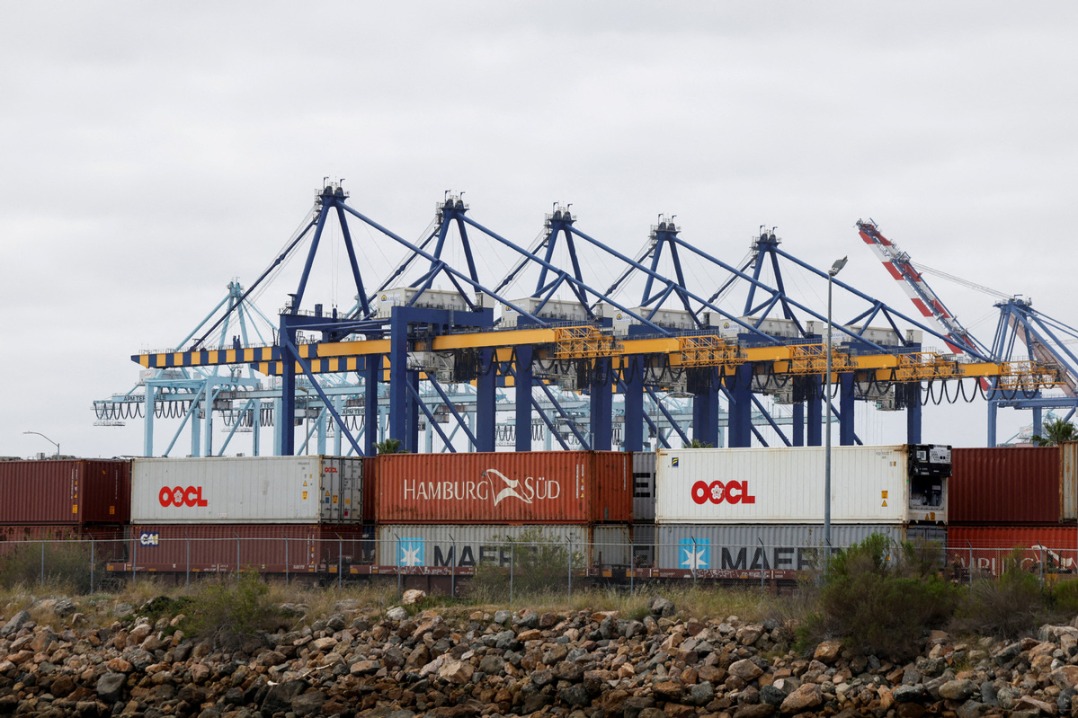
    Escalating geopolitical friction in the Middle East, compounded by shifting U.S. trade policies, has injected unprecedented uncertainty into global supply chains, industry leaders and policy analysts warned during a briefing at the Port of Los Angeles Monday. Top shipping executives and international relations experts say the ongoing volatility in diplomatic relations and energy markets is permanently reshaping global trade routes, raising operational costs, and forcing businesses to rewrite long-term investment strategies.

    Speaking at the event, Port of Los Angeles Executive Director Gene Seroka outlined the direct impact of strained U.S.-Iran relations and regional instability on one of the world’s most critical maritime chokepoints: the Strait of Hormuz. Before late February, 100 to 110 commercial vessels transited the 21-mile strait daily; today, only a handful of ships have been able to complete the passage, Seroka said. This blockage has sent ripple effects through already fragile global logistics networks that have yet to fully recover from post-pandemic disruptions.

    Jerrold Green, a senior fellow at the UCLA Burkle Center for International Relations, criticized the lack of meaningful progress in recent high-stakes U.S.-Iran negotiations. A 21-hour round of talks led by U.S. Vice President JD Vance over the weekend ended without any agreement, a outcome Green says is unsurprising given the lack of good-faith negotiation. “That is really not a negotiation. That’s a reading of terms that were not accepted,” Green said, noting that productive diplomacy requires reciprocal compromise and flexible bargaining—elements that have been entirely absent from the current diplomatic process.

    The extended disruption to Middle Eastern shipping lanes has already triggered major shifts in global trade patterns. Traffic through the Suez Canal, another core artery of global maritime commerce connecting Asia to Europe and North America, has dropped sharply as carriers reroute vessels to avoid regional risk. With fuel costs spiking and routing uncertainty growing, more cargo flows are being redirected to U.S. West Coast ports including Los Angeles, disrupting long-standing logistics workflows and creating unexpected congestion at these gateways, Seroka explained.

    When asked about the future of the Trans-Pacific Green Shipping Corridors, a 2023 initiative launched to speed up zero-carbon shipping between Asia and North America, Seroka noted that large-scale infrastructure and sustainability transformation operates on far longer timelines than volatile political cycles. “Most of this work that we do here at the port … takes years, and in some cases, decades. It’s never a straight line,” he said. While the Port of Los Angeles remains committed to advancing its decarbonization targets and long-term environmental goals, Seroka acknowledged that shifting trade policies and geopolitical upheaval have drastically altered the trajectory of these efforts. “All of that gets thrown into the soup, and it makes it taste very different than it did before,” he said, adding that rising energy costs and trade uncertainty have made the push for decarbonization far more complex than initially projected.

    The economic shockwaves of these supply chain disruptions are already being felt across Southern California, where the Port of Los Angeles serves as an economic anchor for the region. Local diesel prices have surged to between $7 and $8 per gallon, placing extreme financial pressure on the small trucking companies that form the backbone of last-mile port logistics. Beyond logistics, U.S. agricultural exports have also come under strain: soybean shipments from the U.S. to China have declined amid ongoing tariff tensions and evolving global sourcing strategies.

    Green, who has decades of on-the-ground experience working across the Middle East including Egypt, Iran, and Israel, warned that the current instability has permanently altered the global trade landscape. “It seems to me that the Middle East and therefore the world has changed permanently, and even if we try and go back to where we were, it simply won’t be possible,” he said. Prolonged regional unrest has already removed thousands of vessel transits from key global shipping lanes, creating massive uncertainty that carries direct economic costs. “There are massive uncertainties,” Green said. “And for me, a massive uncertainty is a potential loss. It’s not a good thing.”

    Green described the Port of Los Angeles as a strategic linchpin of California’s economy, which ranks as the fourth largest economy in the world by GDP. Mounting global uncertainty, he emphasized, directly translates to slower regional economic performance. Volatility in energy prices has also created whiplash for consumer and industrial trends, most notably in electric vehicle demand. “Electric cars are out of fashion … back and forth, caroming back and forth. Now they’re back because of the price of petroleum,” he said, noting that these constant shifts impact not just U.S. domestic industries, but consumers in every country across the globe.

    Persistent policy and geopolitical uncertainty has also put a damper on business planning across all sectors tied to trade, Seroka added. Hiring at port-related businesses has remained soft for more than 12 months, and while inflation has not spun out of control, it remains above target levels, pushing corporations to adopt a far more cautious approach to capital investment. Even the steady U.S. consumer spending that has propped up economic growth in recent months may not hold, Seroka warned: “The American consumer seems to be so consistent in their buying patterns. At some point, I would think that’s going to tip, too.”

    Green echoed these concerns, noting that the unexpected outbreak of conflict in the Middle East underscores the fundamental fragility of long-term economic planning in today’s geopolitical climate. “This war came out of nowhere. Nobody predicted it, nobody expected it, and it was a body blow,” he said. Reiterating the core risk of prolonged uncertainty, he added: “There are massive uncertainties … and massive uncertainty is a potential loss.”

  • Go on patrol with the Canadian Rangers across the frozen Arctic

    Go on patrol with the Canadian Rangers across the frozen Arctic

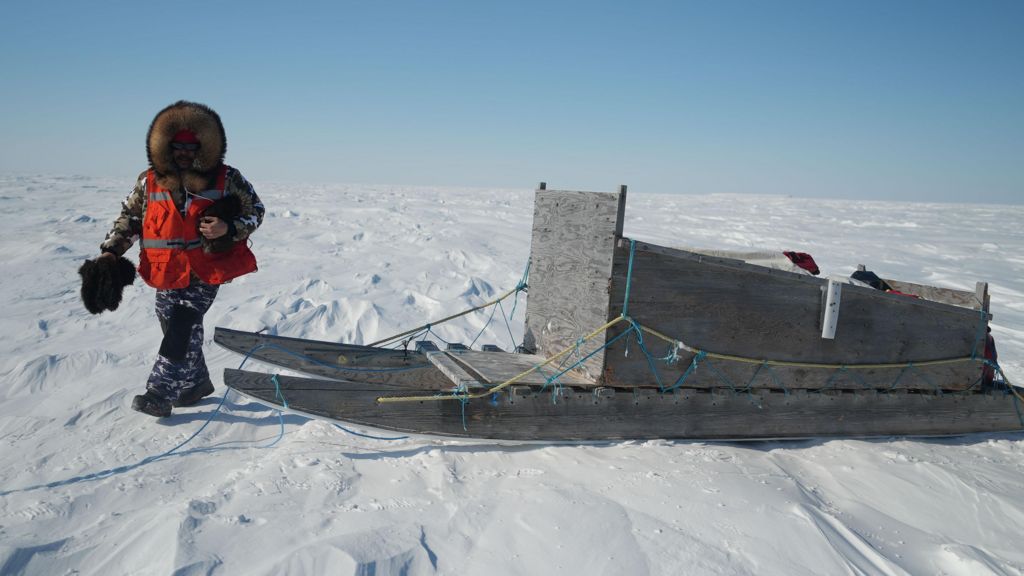
    Beneath the endless pale blue sky that stretches over a vast, frozen wilderness, a small group of Canadian Rangers has been making its way across one of the harshest environments on Earth. On the final stretch of a landmark journey through Canada’s remote far north, a BBC reporting team was granted rare access to accompany these dedicated servicemembers as they carry out one of the country’s most unique sovereignty missions. For decades, the Canadian Rangers have served as the eyes and ears of the nation in the Arctic, a sparsely populated region where icy conditions, subzero temperatures, and vast uninhabited expanses make regular government presence a constant challenge. This particular trek stands out as a historic effort to reaffirm Canada’s territorial claim in a region that has grown increasingly strategically important as climate change opens up Arctic waterways to new shipping lanes and natural resource exploration. Walking mile after mile across snow-covered tundra and frozen riverbeds, the Rangers demonstrate the steady commitment Canada maintains to its northern borders. The accompanying BBC journalists documented firsthand the harsh realities of Arctic patrol work, from battling wind chills that can drop to dangerous negative temperatures to navigating terrain that shifts beneath the snow with each changing season. What emerges from the journey is a portrait of quiet resilience, as these part-time military personnel — many of whom are local Indigenous residents with deep knowledge of the Arctic landscape — work to uphold Canadian sovereignty while connecting with scattered remote communities across the region. The final leg of the trek brought the patrol and their BBC guests through areas that see almost no outside visitors, highlighting just how critical the Ranger presence is to maintaining Canada’s foothold in its northernmost territories amid growing regional and global interest in the Arctic’s future.

  • Shanghai, Almaty deepen ties with $2.7 billion deals

    Shanghai, Almaty deepen ties with $2.7 billion deals

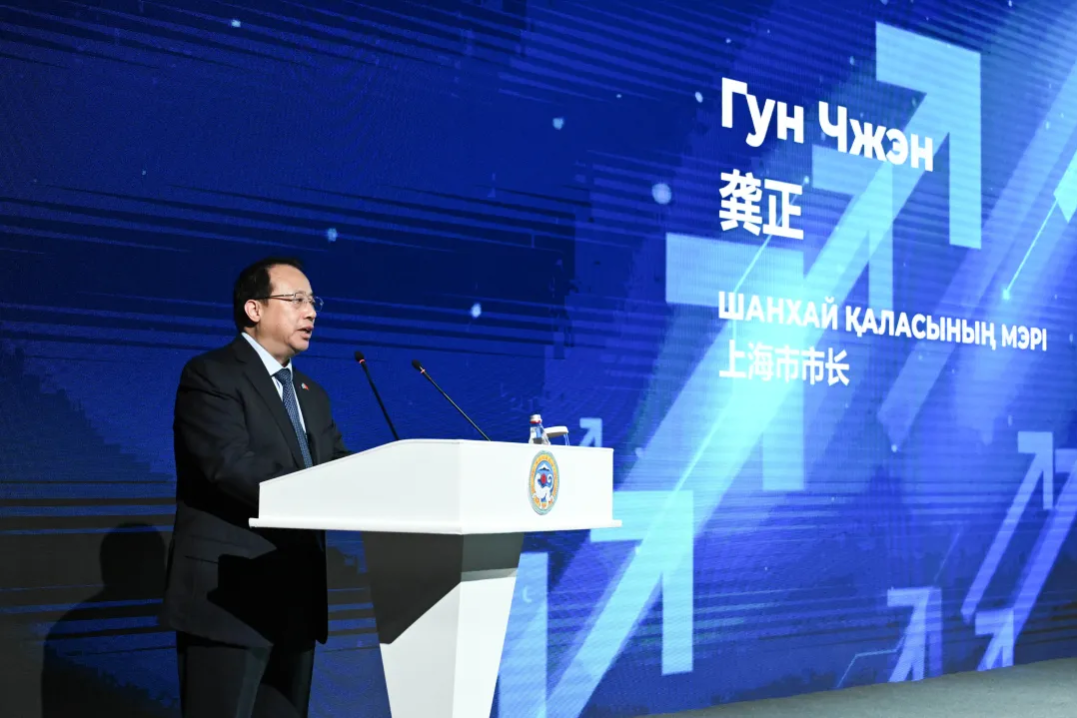
    Against a backdrop of deepening bilateral economic cooperation between China and Central Asia, Shanghai and Kazakhstan’s largest city Almaty have cemented their partnership through a landmark round of deals, with 12 cooperation pacts totaling more than $2.7 billion signed at the Almaty-Shanghai Business Forum held in Almaty on April 7, 2026.

    Nearly 200 participating enterprises and institutions from both China and Kazakhstan gathered for the forum, where the signed agreements spanned a diverse range of high-growth and core sectors, including cross-border trade and direct investment, biopharmaceutical research and production, automotive manufacturing, construction and architectural design, hospitality management, and commercial complex development. This broad portfolio of deals underscores the wide-ranging mutual interest and untapped potential for collaboration between the two business communities.

    Leading a Shanghai municipal delegation to the forum, Shanghai Mayor Gong Zheng outlined the eastern Chinese megacity’s strategic priorities for expanding cooperation with Almaty. Gong noted that Shanghai aims to deepen existing partnerships in finance, industrial machinery manufacturing, modern logistics, and renewable energy, while supporting Shanghai-based firms to expand their footprint in Kazakhstan’s growing market. He added that Shanghai also prioritizes expanding joint engagement in innovation-driven and high-tech fields, which are viewed as key engines to power the next phase of bilateral partnership growth.

    Gong reaffirmed Shanghai’s ongoing commitment to refining its business environment, and voiced the city’s support for enterprises from both sides to pursue mutual investment, particularly in cutting-edge and future-focused sectors such as green energy, artificial intelligence, and advanced manufacturing. He also encouraged Kazakh enterprises to leverage the China International Import Expo, one of the world’s largest import-focused trade platforms hosted annually in Shanghai, to access the vast Chinese consumer market and expand their cross-border cooperative networks.

    For its part, Almaty has outlined clear priorities to draw on Shanghai’s development expertise to advance its own urban and economic growth. The Kazakh city is currently studying Shanghai’s accumulated experience in integrated regional development and the implementation of modern, efficient urban transportation systems. It is also actively seeking investment and technical partnership from Shanghai’s construction companies, architectural design institutes, and engineering enterprises for its key ongoing infrastructure projects.

    Looking ahead, both cities have aligned their long-term development goals to expand high-value collaborative opportunities. Almaty’s plans to develop a full-service, fully operational artificial innovation park and expand its regional data center network open new doors for partnership with Shanghai’s robust tech and digital sectors. The city’s flagship Almaty mountain cluster project, which is designed to become Central Asia’s largest international-standard year-round tourism destination, also creates space for collaboration in tourism infrastructure development and hospitality operations. Additional untapped potential lies in the joint development of modern cross-border logistics hubs, regional distribution centers, and digital e-commerce infrastructure, laying the groundwork for more sustained, mutually beneficial growth in the coming years.