博客

  • Mali lawmaker jailed in Ivory Coast for insulting president

    Mali lawmaker jailed in Ivory Coast for insulting president

    In a case highlighting ongoing diplomatic tensions between West African neighbors, Malian transitional parliament member Mamadou Hawa Gassama has been sentenced to three years imprisonment in Ivory Coast for publicly insulting Ivorian President Alassane Ouattara. The controversial verdict was delivered after prosecutors successfully argued that Gassama’s characterization of the 84-year-old leader as a “tyrant” and “enemy of Mali” during media interviews and social media posts constituted deliberate institutional undermining rather than legitimate political criticism.

    Gassama, known for his outspoken political stance, was arrested during a July visit to Abidjan while serving in Mali’s junta-established transitional government. His legal representative, Mamadou Ismaila Konate, condemned the sentencing as “excessive and severe” in statements to AFP, highlighting the disproportionate nature of the punishment.

    The case occurs against a backdrop of deteriorating relations between the two nations since Mali’s 2020 military coup. President Ouattara, maintaining close ties with former colonial power France, has been consistently critical of military takeovers throughout West Africa. Notably, Malian authorities have maintained official silence regarding Gassama’s detention and subsequent sentencing.

    This diplomatic friction echoes earlier tensions when Mali sentenced 49 Ivorian soldiers to 20 years imprisonment for alleged state security violations in 2022—an incident that Ivory Coast claimed involved personnel deployed as part of a United Nations peacekeeping mission against Islamist militants. Those soldiers were eventually released through Togolese mediation efforts.

    Concurrently, Mali’s military leadership has pursued significant foreign policy shifts, overseeing the withdrawal of UN peacekeeping forces and French military units that had been combating jihadist insurgencies since 2013. In their place, Malian authorities have strengthened security cooperation with Russia, engaging Russian mercenary groups to address persistent instability throughout the Sahel region.

  • Palestinians in Israel amongst poorest amid increasing poverty rates, report says

    Palestinians in Israel amongst poorest amid increasing poverty rates, report says

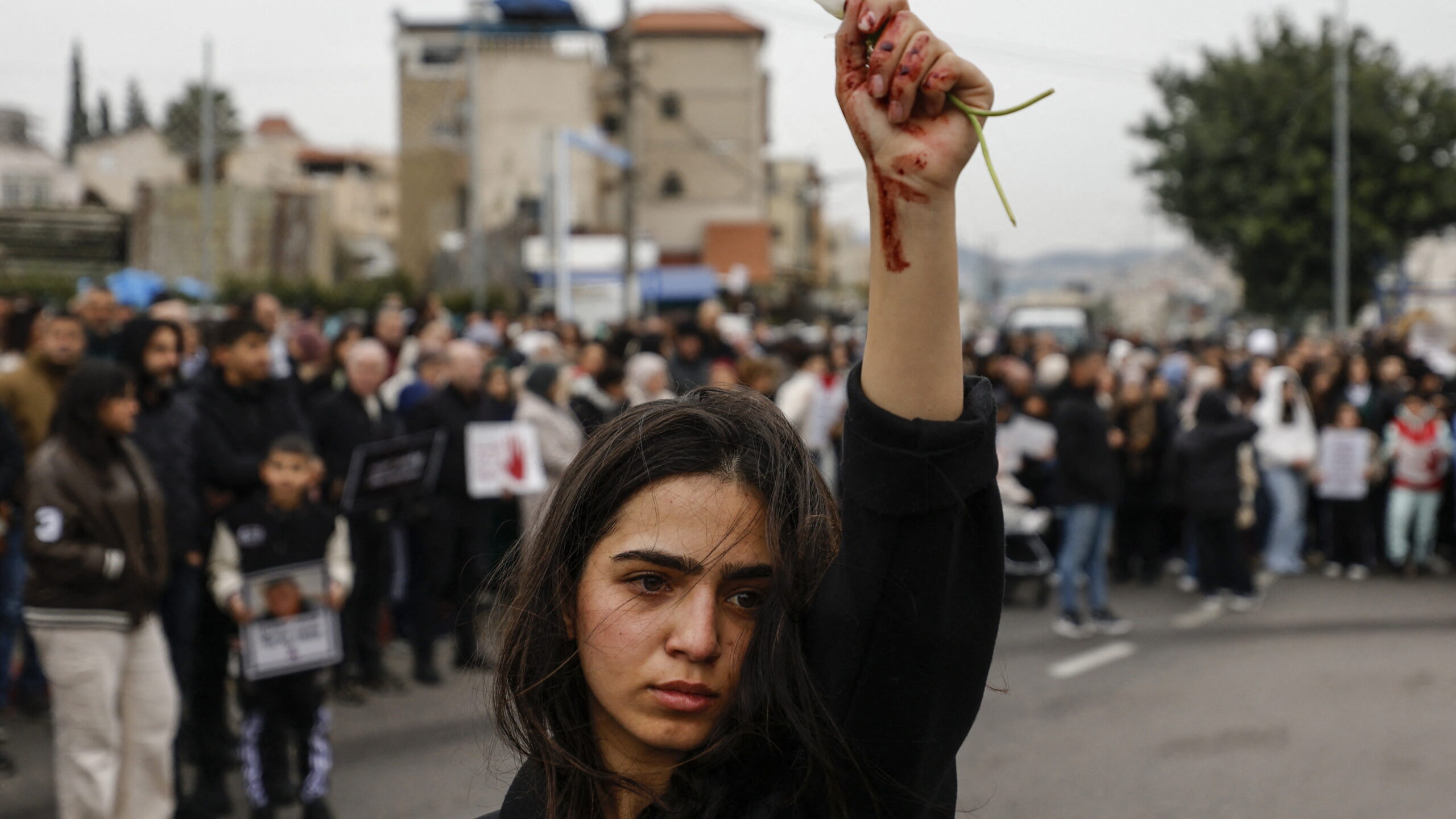
    A stark socioeconomic divide is widening within Israel, with Palestinian citizens experiencing the most severe impacts of escalating poverty rates, according to a recent governmental assessment. The National Insurance Institute’s annual evaluation, released Thursday, reveals that approximately two million individuals—including 880,000 children representing over one-quarter of Israel’s youth—currently subsist below the poverty threshold in 2024.

    This comprehensive analysis positions Israel with the second-highest child poverty rate among OECD member nations, surpassed only by Costa Rica, with 28% of Israeli children classified as impoverished. The report further documents intensifying social inequality, indicating that 65.1% of impoverished individuals originate from marginalized communities, predominantly the Palestinian demographic.

    Statistical findings demonstrate that 37.6% of Palestinian households fell beneath the minimum income requirement in 2024, followed by Haredi Jewish families at 32.8%. Institutional experts identified Israel’s military operations in Gaza alongside the nation’s escalating cost of living as primary catalysts exacerbating poverty among families, children, and elderly populations.

    Zvika Cohen, Deputy Director General of the Institute, emphasized that these factors have ‘amplified pre-existing structural issues rather than creating new ones.’ Cohen warned that ‘without targeted investment in children, young families, and social services, intergenerational poverty transmission will persist unabated.’

    Nitza Kassir, Deputy Director of Research and Planning, advocated for enhanced social safety nets to address declining income levels, particularly following recent conflicts. Kassir highlighted the unequal economic burden, noting that financial pressures are ‘more profound and severe within populations already experiencing economic hardship,’ stressing the necessity of workforce integration and equitable wage distribution.

    The annual assessment indicates 27.8% of Israeli households struggle to meet basic financial obligations, with Palestinian communities consistently ranking as most disadvantaged—approximately half cannot cover monthly expenses including medical treatments, prescription medications, and nutritional requirements.

    Historical context reveals that Palestinian citizens of Israel descend from native populations displaced during Israel’s establishment in 1948. Currently numbering over two million people (21% of Israel’s 9.8 million population), this community has endured decades of discriminatory legislation and institutional practices, reporting persistent challenges in accessing housing and public services.

    A November report by legal center Adalah documented that Israel enacted over 30 laws between October 2023 and July 2025 that reinforce systems of apartheid and repression against Palestinians. These legislative measures target fundamental rights including freedom of expression, protest rights, citizenship provisions, family unification, and detainee protections.

  • How this UAE expat lived with chronic pain for 14 years before a diagnosis

    How this UAE expat lived with chronic pain for 14 years before a diagnosis

    After enduring fourteen years of unexplained suffering, a 27-year-old UAE expatriate has finally received validation for her chronic pain condition. Shatha’s medical journey began at age twelve when mysterious symptoms emerged—debilitating fatigue, migratory pain patterns, and non-restorative sleep that defied conventional diagnosis.

    According to Dr. Sehriban Diab, Consultant Rheumatologist at Sheikh Shakhbout Medical City (SSMC), fibromyalgia represents a complex neurological disorder characterized by amplified pain signaling pathways. “Patients primarily experience muscular and connective tissue discomfort rather than joint inflammation,” Dr. Diab explained, noting accompanying symptoms including cognitive dysfunction, sleep disturbances, and gastrointestinal complications.

    The diagnostic challenges are particularly acute, as fibromyalgia lacks definitive biomarker testing. Physicians must rely on clinical evaluation and exclusionary diagnostics to differentiate it from thyroid disorders, nutritional deficiencies, and other autoimmune conditions.

    Shatha’s breakthrough came through SSMC’s multidisciplinary approach that addressed psychological dimensions alongside physical symptoms. Mais Jawhari, Senior Physiotherapist at SSMC, emphasized that “every fibromyalgia case presents uniquely—Shatha’s root causation was psychologically anchored in childhood trauma.”

    Her personalized treatment protocol incorporated psychological support, acupuncture for anxiety and sleep regulation, and structured exercise programming. “Movement constitutes a fundamental therapeutic component,” Jawhari noted, “but requires careful calibration to avoid symptom exacerbation.”

    The results proved transformative. Shatha has now embraced Muay Thai martial arts as both physical rehabilitation and psychological empowerment, recently preparing for competitive tournament participation. While occasional pain persists, she reports dramatically improved quality of life and functional capacity.

    Medical professionals stress that despite diagnostic delays averaging 1-2 years, comprehensive care can achieve 70-80% symptom control. Jawhari challenges the term “chronic” as potentially limiting: “The diagnosis remains, but ongoing suffering doesn’t have to.”

  • Free Seminar on U.S. Investment Visa

    Free Seminar on U.S. Investment Visa

    A complimentary seminar addressing the EB-5 Immigrant Investor Program will provide comprehensive guidance on navigating imminent regulatory changes and securing U.S. residency pathways. Scheduled with expert U.S. immigration attorneys, this event offers investors and families critical insights into one of America’s most direct green card acquisition methods.

    The educational session comes at a pivotal juncture as the EB-5 program faces significant modifications. Participants will receive detailed analysis of the September 30, 2026 filing deadline—a crucial timeframe offering legal protection against potential program restructuring. Legal experts will explain how meeting this deadline safeguards applicants from future regulatory shifts that might otherwise compromise their immigration status.

    Furthermore, the seminar will address the anticipated investment threshold increase scheduled for January 1, 2027. The current $800,000 minimum investment requirement is expected to rise substantially, making strategic action before this deadline financially imperative for prospective applicants.

    Attendees will gain updated information on visa processing timelines and administrative procedures affecting various nationalities. The presentation aims to provide families with comprehensive understanding of the entire process from initial application to potential citizenship acquisition, including rights and benefits for spouses and children.

    The event features interactive Q&A sessions with legal professionals specializing in U.S. investment immigration. While attendance is offered without charge, registration is required due to limited seating capacity. Interested parties can reserve positions through digital registration platforms or via telephone at +971 52 446 6095.

  • Dubai Metro to extend operating hours on February 1, RTA announces

    Dubai Metro to extend operating hours on February 1, RTA announces

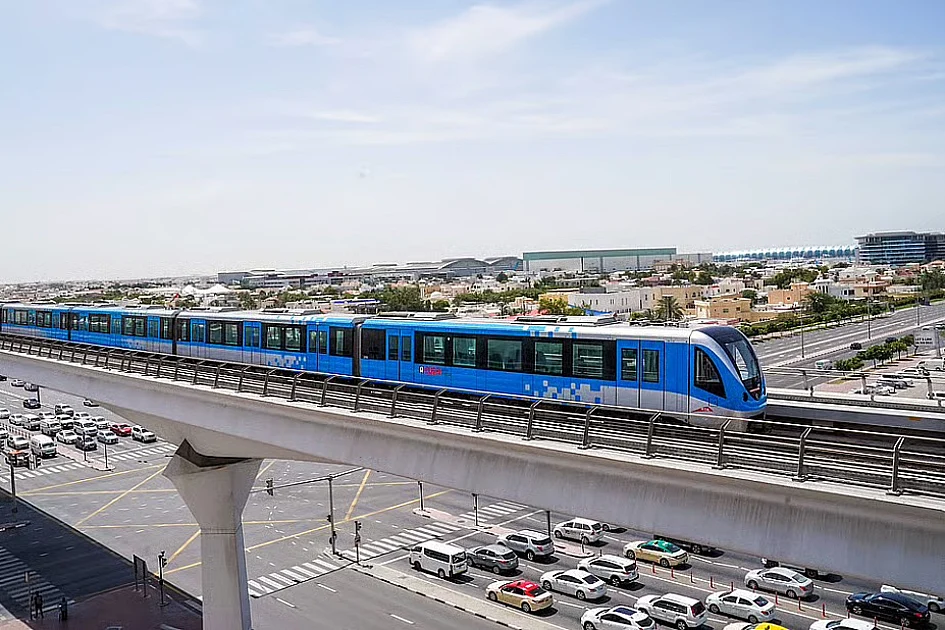
    Dubai’s Roads and Transport Authority (RTA) has announced a significant adjustment to metro operating hours in preparation for the upcoming Dubai Marathon 2026. Instead of the standard Sunday opening time of 8:00 AM, metro services will commence operations at 5:00 AM on February 1, 2026, maintaining service until midnight to accommodate the anticipated influx of participants and spectators.

    The temporary schedule modification represents a strategic response to the transportation demands created by one of Dubai’s premier sporting events. The extended hours will provide enhanced accessibility for marathon attendees while demonstrating the RTA’s commitment to supporting major city events through flexible public transportation solutions.

    This operational adjustment follows the authority’s ongoing efforts to optimize Dubai’s transit network, which recently included public awareness campaigns promoting metro etiquette and the development of station infrastructure projects. The early morning start time particularly addresses the logistical needs of marathon participants requiring transportation to event starting points before dawn.

    Regular Sunday metro service typically begins at 8:00 AM and continues until midnight. The RTA’s proactive announcement allows residents and visitors to plan their travel arrangements accordingly for the event day, ensuring smooth transit operations throughout the marathon proceedings.

  • Syrian government and SDF agree ceasefire and integration deal

    Syrian government and SDF agree ceasefire and integration deal

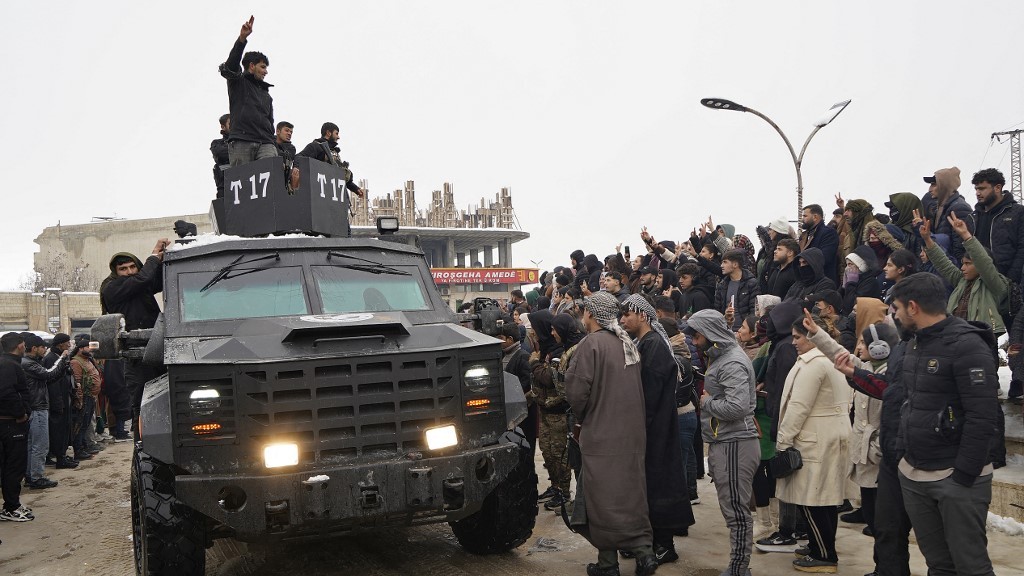
    In a landmark development for Syria’s protracted conflict, the Damascus government and the Syrian Democratic Forces (SDF) have finalized a comprehensive ceasefire agreement culminating in military and administrative integration. This resolution follows intense weeks of hostilities that significantly diminished the SDF’s territorial control.

    The accord mandates the deployment of Syrian interior ministry security forces to urban centers in Hasakah and Qamishli, northeastern cities presently under Kurdish-led administration. This strategic arrangement addresses immediate security concerns while facilitating administrative harmonization.

    The conflict’s recent phase has substantially reversed territorial gains made by the SDF since Syria’s civil war erupted in 2011, now largely constraining the group to Kurdish-majority regions. A central component of the integration plan involves establishing three new Syrian army brigades from existing SDF formations.

    The SDF, originally constituted in 2015 from primarily Kurdish People’s Protection Units (YPG) and allied Arab militias, played a pivotal role in combating Islamic State with substantial U.S. military support. However, the coalition’s aspirations for autonomous regional governance have been effectively neutralized through combined military pressure from Syrian government forces and shifting U.S. foreign policy priorities.

    The current Syrian administration, established following the overthrow of Bashar al-Assad in December 2024, has consistently opposed any devolution of power from Damascus. This agreement reinforces their centralization strategy while accommodating certain regional security realities. Complicating the dynamic, Turkey—a key government ally—maintains its designation of the YPG as inextricably linked to the Kurdistan Workers’ Party (PKK), which has waged an autonomy campaign against Turkish authorities since 1984.

  • What is Nipah virus? Symptoms, precautions explained

    What is Nipah virus? Symptoms, precautions explained

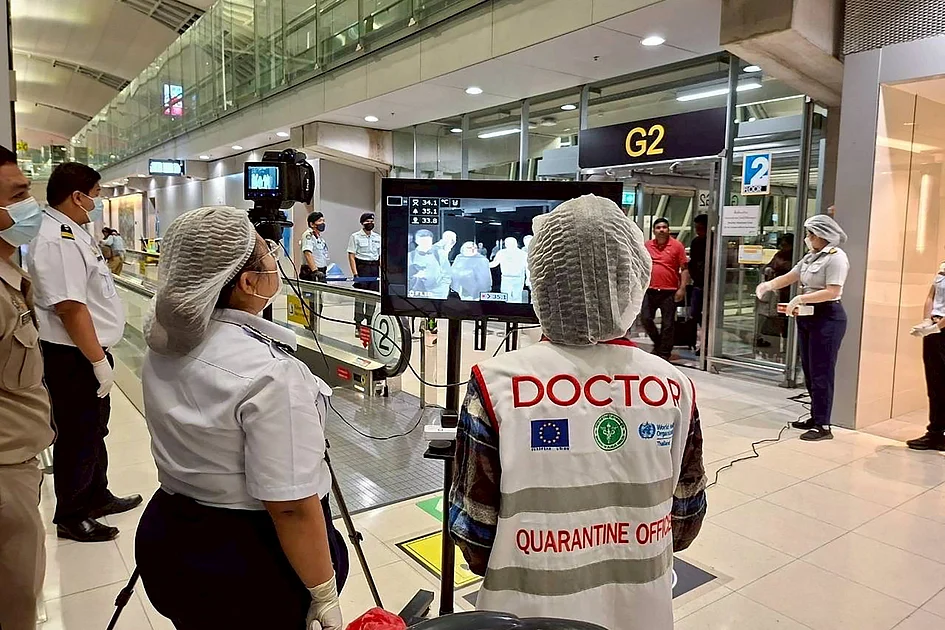
    The World Health Organization (WHO) has issued a risk assessment following India’s confirmation of two Nipah virus cases, determining the international transmission threat remains low. In an official statement released Friday, the global health body confirmed it does not advise implementing travel restrictions or trade limitations against India despite the recent infections.

    Nipah virus represents a zoonotic pathogen capable of transmission through multiple pathways: direct animal-to-human contact, consumption of contaminated food products, or human-to-human exposure. First identified during a 1998 outbreak among Malaysian pig farmers, the virus subsequently appeared in Singapore (1999) before emerging in India and Bangladesh approximately two years later. The Philippines documented cases in 2014, though Southeast Asia has remained outbreak-free in recent years. Conversely, Bangladesh has experienced near-annual outbreaks since 2001, while India continues reporting periodic cases, particularly in Kerala and West Bengal.

    Fruit bats from the Pteropodidae family serve as the virus’s natural reservoir, exhibiting asymptomatic carriage while contaminating fruits consumed by intermediate hosts including pigs, horses, and domestic animals. Human infection typically presents with non-specific influenza-like symptoms: fever, headache, respiratory distress, and generalized confusion. The disease frequently progresses to severe neurological complications including encephalitis (brain inflammation) and meningitis, with mortality rates ranging from 40-75% according to UK Health Security Agency estimates.

    Survivors often experience lasting neurological sequelae such as persistent seizures and personality alterations. Rare cases demonstrate viral reactivation months or years post-recovery. Currently, no approved vaccines or antiviral treatments exist, though WHO has designated Nipah as a priority pathogen within its Research and Development Blueprint, with several candidate products undergoing development.

    Healthcare providers must implement enhanced infection control protocols including patient isolation, contact/droplet precautions (medical masks, eye protection, gowns, gloves), and airborne precautions during aerosol-generating procedures. Similar protective measures are advised for animal handlers during slaughtering procedures. Early diagnosis through laboratory testing remains critical for implementing supportive care measures that can reduce mortality.

  • Satellite photos show activity at Iran nuclear sites as tensions rise over protest crackdown

    Satellite photos show activity at Iran nuclear sites as tensions rise over protest crackdown

    DUBAI, United Arab Emirates — Satellite imagery has revealed significant new construction activity at two Iranian nuclear facilities previously damaged in military strikes, raising concerns about Tehran’s efforts to conceal potential salvage operations of nuclear materials. Recent images from Planet Labs PBC show newly constructed roofs covering damaged structures at both the Isfahan and Natanz nuclear sites, marking the first major observable activity since last year’s conflict with Israel.

    The protective coverings effectively block satellite surveillance, creating a critical intelligence gap as Iran continues to deny access to International Atomic Energy Agency inspectors. Neither Iranian officials nor the IAEA have publicly commented on these developments.

    According to nuclear experts analyzing the imagery, the roofing projects likely represent attempts to obscure assessment and recovery operations rather than reconstruction efforts. Andrea Stricker of the Foundation for Defense of Democracies noted that Tehran appears to be determining ‘whether key assets — such as limited stocks of highly enriched uranium — survived the strikes’ without international observation.

    The Natanz facility, located approximately 220 kilometers south of Tehran, previously served as Iran’s primary uranium enrichment center, where advanced centrifuges enriched uranium to 60% purity—just a technical step from weapons-grade levels. The Isfahan site primarily produced uranium gas for centrifuge processing.

    Following June’s 12-day conflict, Israeli strikes initially targeted these facilities, with subsequent U.S. attacks employing bunker-busting bombs and Tomahawk cruise missiles. The U.S. government claimed these operations ‘significantly degraded Iran’s nuclear program,’ though specific damage assessments remain scarce publicly.

    Additional concerning developments include ongoing excavation work at Kūh-e Kolang Gaz Lā (Pickaxe Mountain) near Natanz, where Iran is suspected of constructing a new underground nuclear facility. Meanwhile, at Isfahan, satellite imagery shows defensive measures including tunnels packed with dirt as protection against missile strikes.

    Parallel reconstruction efforts are underway at Iran’s ballistic missile facilities, including the Parchin military complex southeast of Tehran. Particularly notable is the rapid rebuilding of the ‘Taleghan 2’ site—destroyed in an October 2024 airstrike—which previously housed explosive chambers and specialized X-ray systems for nuclear weapons research.

    These developments occur amid escalating regional tensions, with the U.S. deploying the USS Abraham Lincoln and several guided-missile destroyers to the Middle East. Former President Trump had repeatedly demanded Iran negotiate over its nuclear program while threatening military action in response to Tehran’s crackdown on domestic protests.

  • ‘No more orders’: UAE tailors overstretched weeks before Eid Al Fitr

    ‘No more orders’: UAE tailors overstretched weeks before Eid Al Fitr

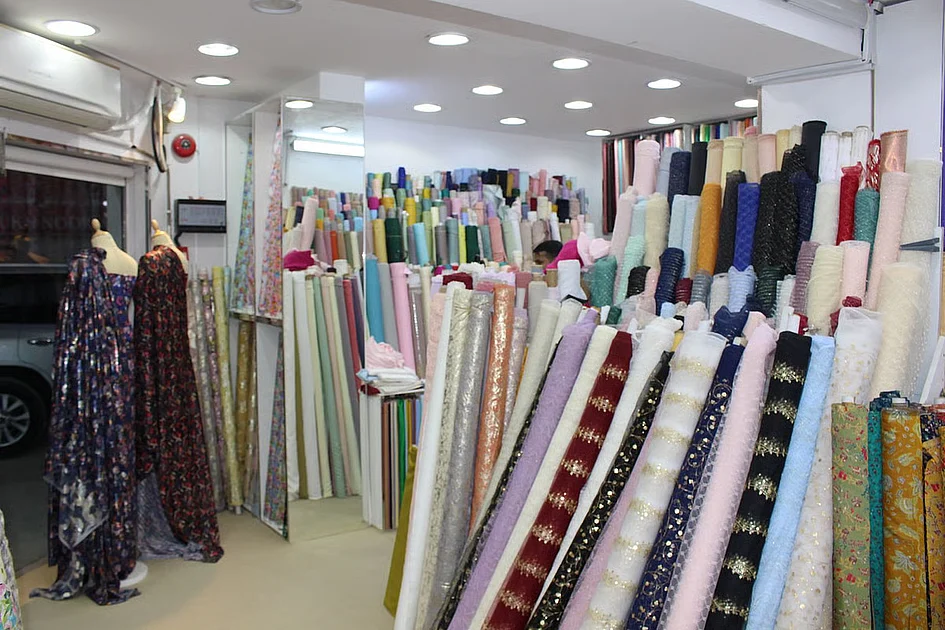
    Tailoring establishments across the United Arab Emirates are displaying ‘No More Orders’ signs unusually early this season, indicating an unprecedented surge in demand for custom Eid Al Fitr garments. With approximately 50 days remaining until the holiday, many shops have already closed their order books due to overwhelming demand for intricate women’s festive wear.

    The early closure phenomenon stems from the complex nature of traditional Eid dresses, which require extensive craftsmanship including detailed embroidery, fabric manipulation, and multi-layer construction. Naseem Ahmed, proprietor of Al Musabba Fine Tailoring in Sharjah’s Rolla district, explains that sophisticated designs can consume three or more full days of skilled labor, with hand embroidery alone requiring over five days per garment.

    In Dubai’s Naif area, Diplomacy Tailors representative Nawaz Khan emphasizes that pattern creation, cutting, fitting, and finishing processes cannot be rushed without compromising quality. Many tailoring businesses have implemented proactive strategies, including contacting regular clients weeks in advance to secure orders before January 15th.

    The demand surge has extended to abaya retailers as well. Syed Ali, master cutter at Mirdif’s Abaya Mall, reports that designed Eid abayas with special embellishments now require ordering well before Ramadan. Some establishments have even initiated home visitation services for valued customers to accommodate their busy schedules.

    Multiple factors contribute to the early order closures: limited availability of skilled artisans, reduced working hours during Ramadan, and exceptionally high seasonal demand. Tailors unanimously agree that early order termination ensures quality preservation and prevents customer disappointment, as the intricate craftsmanship involved cannot be accelerated without compromising the final product’s excellence.

  • Sharjah Light Village to continue till first few days of Ramadan; check out ticket prices

    Sharjah Light Village to continue till first few days of Ramadan; check out ticket prices

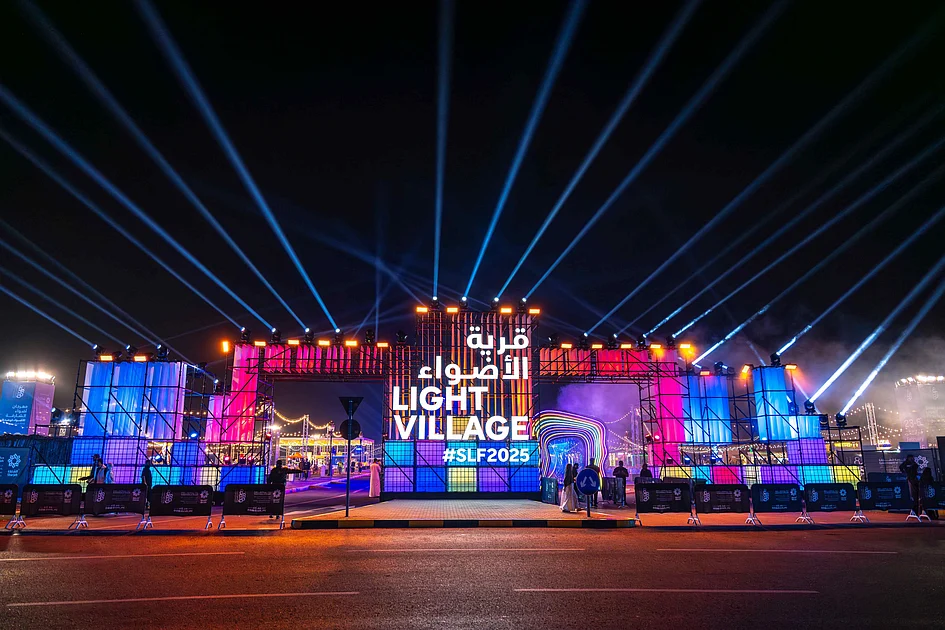
    The Sharjah Commerce and Tourism Development Authority has inaugurated the fifteenth edition of its acclaimed Light Festival, launching the Light Village experience on January 29, 2026. This annual celebration of Emirati culture and heritage through artistic illumination will officially commence on February 3 and continue through February 15, transforming the emirate’s architectural landmarks into dynamic canvases of light and creativity.

    In a significant expansion for 2026, the Light Village will extend its programming into the initial days of Ramadan, continuing through February 22 and offering 25 days of immersive experiences. The festival features groundbreaking light installations by international artists, including Japanese visionary Yasuhiro Chida, whose interactive works blend light, art, and technology within an environmentally conscious framework.

    The festival grounds include dedicated children’s play areas and interactive programming suitable for all age groups. Thirteen locations across Sharjah will host light displays, including the Dr. Sultan Al Qasimi House, Al Majaz Waterfront, Sharjah Mosque, Kalba Waterfront, and the historically significant Sharjah Fort.

    Admission pricing structure:
    – General admission (ages 12+): 20 AED
    – Children (3-11 years): 10 AED
    – Yasuhiro Chida’s immersive experience (adults): 50 AED
    – Yasuhiro Chida’s immersive experience (children): 25 AED
    – Combined entry and gallery bundle (adults): 60 AED
    – Combined entry and gallery bundle (children): 30 AED
    – Full season pass (January 29-February 22): 180 AED

    The February 3 opening ceremony will mark the official debut of light shows and interactive experiences throughout the emirate, celebrating cultural heritage through cutting-edge artistic expression.