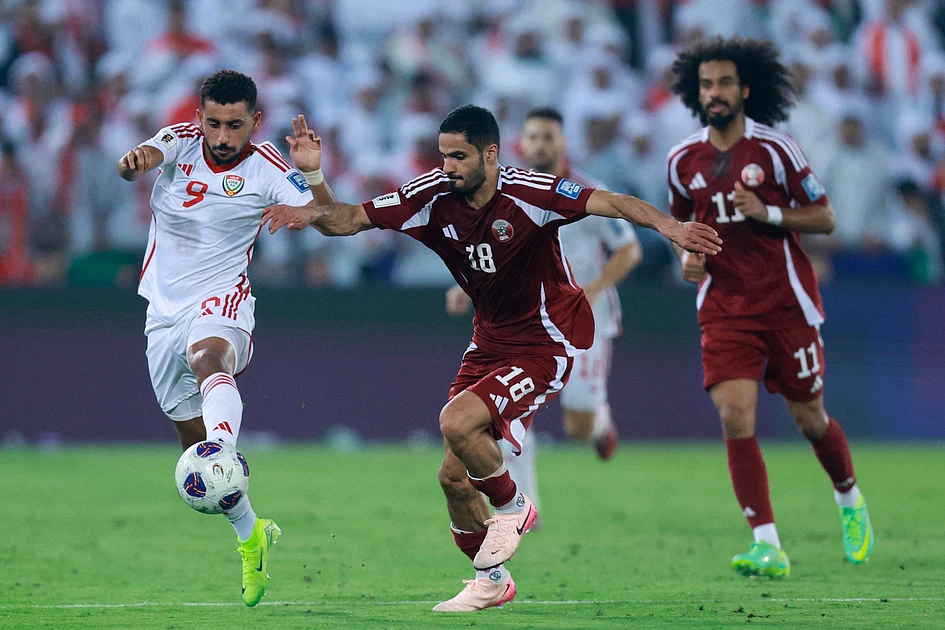
FIFA has taken decisive action against officials from both the UAE and Qatar national teams following a contentious 2026 World Cup qualifier held on October 14, 2025. The FIFA Disciplinary Committee announced suspensions and fines in response to incidents of misconduct and unsporting behavior during the match. Matar Obaid Saeed Mesfer Al Dhaheri, the UAE team supervisor, received a 16-match suspension and a fine of 10,000 Swiss francs (approximately Dh45,500) for assaulting the referee and displaying unsporting behavior toward an opponent. On the other hand, Tarek Salman of Qatar was handed a two-match suspension and a fine of 5,000 Swiss francs (around Dh22,750) for serious foul play. The disciplinary measures followed a heated encounter at the Jassim bin Hamad Stadium in Doha, where Qatar secured a narrow 2–1 victory over the UAE, advancing to the finals. The match, which lasted 105 minutes, sparked widespread debate among fans regarding officiating decisions and game management. Many supporters took to social media to express their dissatisfaction, with some accusing the referees of allowing time-wasting and unaccounted fouls. The UAE fans, in particular, were left disheartened as their team’s World Cup qualification hopes were dashed despite a spirited performance. This incident underscores the importance of maintaining discipline and sportsmanship in high-stakes international competitions.
博客
-

Newborn with congenital heart disease receives life-saving surgery in Yunnan
A newborn diagnosed with a severe congenital heart defect has been given a new lease on life following a high-risk surgical procedure at Fuwai Yunnan Cardiovascular Hospital in Kunming, Yunnan Province. The infant, weighing a mere 2.9 kilograms at birth, was found to have transposition of the great arteries (TGA), a rare condition where the heart’s two main arteries are reversed, severely impairing blood circulation and oxygen supply. Shortly after birth, the baby exhibited critically low blood oxygen levels, exacerbated by the near-closure of the foramen ovale, a vital passage for blood flow in newborns. A multidisciplinary medical team, led by Wang Xiaoqi, the hospital’s vice-president, and Dong Shuo, director of pediatric surgery, performed an arterial switch operation to correct the defect. Four days post-surgery, the infant was successfully weaned off the ventilator and showed signs of steady recovery. The baby has since been moved from intensive care to a general ward and is expected to be discharged soon. ‘This was an exceptionally high-risk procedure for a one-day-old baby weighing less than three kilograms,’ Wang remarked. ‘However, the team’s precision and collaboration ensured a successful outcome.’
-

The Line: Saudi Arabia scales back megacity plans as crown prince’s ambitions falter
Saudi Arabia’s ambitious ‘The Line,’ a 170-kilometer-long linear city central to the futuristic Neom mega-project, is undergoing significant downsizing due to escalating costs, design impracticalities, and mounting controversies. A recent investigation by The Financial Times (FT) reveals that architects and developers are scaling back plans drastically, with the project now reduced to just three modules from an initial 20. Over $50 billion has already been spent, yet senior construction managers label the project as ‘uninvestible.’ The Line, envisioned as a high-tech urban marvel, has faced criticism for its unrealistic design, driven by Crown Prince Mohammed bin Salman’s fascination with science-fiction-inspired architecture. Despite warnings from engineers, the prince insisted on a 500-meter-high, 200-meter-wide structure, far exceeding feasible limits. The project has also drawn ire for its environmental impact, including threats to migratory species, and the displacement of local communities. Entire villages, such as Qayal and al-Khuraybah, have been demolished, leading to protests and arrests. Human rights organizations have condemned the harsh working conditions and exploitation of laborers, with reports of fatalities and inadequate investigations. Amid these challenges, Saudi Arabia is reportedly shifting focus from mega-projects like Neom to sectors such as logistics, minerals, and artificial intelligence, signaling a broader reevaluation of its economic priorities.
-

Exclusive: JD Vance plans to join Pope Leo’s visit to Turkey’s Iznik
US Vice President JD Vance is reportedly planning to accompany Pope Leo on his visit to Turkey to mark the 1,700th anniversary of the First Council of Nicaea, according to sources cited by Middle East Eye. The historic event will take place in Iznik, where the remains of an ancient basilica, believed to be the site of the First Council in 325 AD, are located. This council was one of early Christianity’s most pivotal gatherings, where bishops resolved theological disputes that shaped Christian doctrine. Vance, a devout Catholic, is expected to join the pope on November 28, though his participation has not yet been confirmed. Turkish officials anticipate his attendance and suggest he may also meet with President Recep Tayyip Erdogan, following their previous encounter in September. The Iznik basilica, measuring 20 by 40 meters, is considered the town’s largest known church and is increasingly accepted by scholars as the long-lost Church of the Holy Fathers. Pope Leo’s visit is expected to elevate Iznik’s status as a center for Christian pilgrimage and faith tourism. Excavations at the site, led by Mustafa Sahin of Bursa Uludag University, have uncovered 37 graves, many of which have been restored to preserve their historical authenticity. A 38-member Vatican delegation has already arrived in Iznik to finalize preparations for the pope’s visit.
-
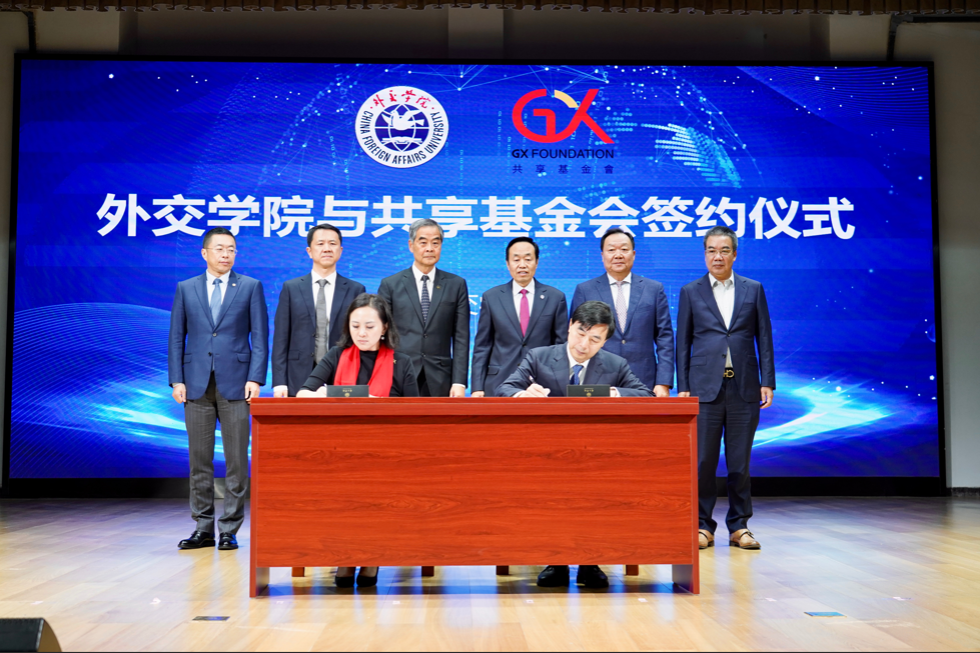
Hong Kong charity signs diplomatic talent deal with Beijing university
In a significant move to strengthen civilian diplomacy and international talent development, the Hong Kong-based GX Foundation and China Foreign Affairs University in Beijing signed a memorandum of understanding (MoU) on Friday. The agreement was formalized during a signing ceremony at the university, attended by notable figures including Leung Chun-ying, vice-chairman of the National Committee of the Chinese People’s Political Consultative Conference and chairman of the GX Foundation, and Wang Shiting, Party secretary of the China Foreign Affairs University. Representing their respective organizations, Chan Ying-yang, CEO of the GX Foundation, and Wang Fan, president of the China Foreign Affairs University, signed the MoU. The collaboration aims to merge the GX Foundation’s expertise in international humanitarian aid and public health with the university’s specialized training in diplomacy and global affairs. The partnership seeks to cultivate professionals with a global outlook and practical skills, encouraging their involvement in international humanitarian efforts and advancing the sustainable development of civilian diplomacy. During the ceremony, Leung shared insights from the foundation’s initiatives, while Wang emphasized the critical role of civilian foreign aid in China’s broader foreign affairs strategy, highlighting its importance in fostering international friendship, mutual development, and China’s image as a responsible global power.
-
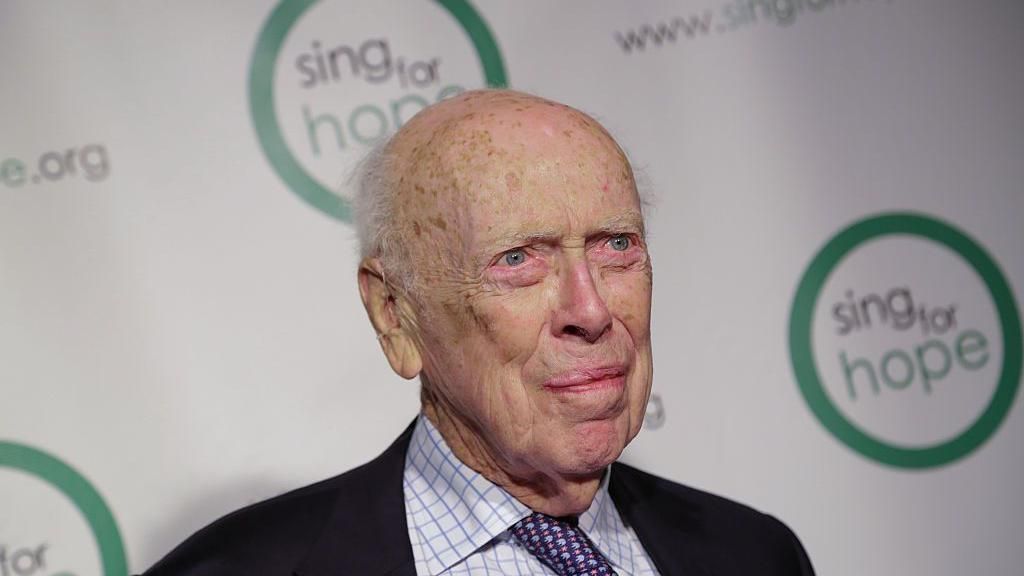
DNA pioneer James Watson dies at 97
James Watson, the Nobel Prize-winning American scientist renowned for co-discovering the double-helix structure of DNA, has passed away at the age of 97. His groundbreaking work in 1953, alongside Francis Crick and Maurice Wilkins, revolutionized molecular biology by unveiling the mechanism of DNA replication and genetic information transmission. This discovery earned them the Nobel Prize in Physiology or Medicine in 1962. However, Watson’s legacy is marred by controversial remarks on race and intelligence, which led to his ostracization from the scientific community and the revocation of his honorary titles in 2019. In a 2007 interview, Watson expressed pessimistic views about Africa’s prospects, linking intelligence to race, which resulted in his dismissal as chancellor of Cold Spring Harbor Laboratory. His 2019 reiteration of such views prompted the lab to strip him of his emeritus titles. Despite his scientific contributions, Watson’s later years were overshadowed by these controversies. He sold his Nobel Prize medal in 2014 for $4.8 million, citing his alienation from the scientific community. Watson’s death was confirmed by Cold Spring Harbor Laboratory, where he conducted decades of research.
-

Beauty queens walkout, host weeps: What went down at Miss Universe 2025
The Miss Universe 2025 pageant in Thailand, one of the world’s most prestigious beauty competitions, has been overshadowed by a series of dramatic events, including a walkout by contestants, allegations of disrespect, and a tearful apology from the host. Over 120 contestants from around the globe gathered to compete, but the event quickly descended into chaos. The controversy began when Mexican delegate Fatima Bosch walked out of a meeting after being insulted by host Nawat Itsaragrisil, who allegedly called her a ‘dumbhead’ during a dispute over social media promotions. Bosch, supported by Miss Iraq, left the venue in protest, declaring, ‘The world needs to see this because we are empowered women and this is a platform for our voice.’ Her actions drew praise from Mexican President Claudia Sheinbaum, who commended Bosch for speaking out against aggression. Nawat, meanwhile, faced public condemnation from the Miss Universe Organisation, which accused him of violating the values of respect and dignity. In a tearful press conference, Nawat apologized, claiming he had been ‘betrayed’ and overwhelmed by pressure. This incident is not the first time Nawat, also the president of Miss Grand International, has been embroiled in controversy. Last year, MGI contestants were outraged after being served peanuts on plastic chairs instead of a luxury river cruise. Adding to the drama, Thai media reported that police investigated contestants for allegedly promoting an online casino, violating the country’s gambling laws. Despite the turmoil, the pageant final is scheduled for November 21 in Nonthaburi province.
-

How Italy promises an unforgettable Winter Olympics
With less than 100 days remaining until the 2026 Winter Olympics, Italy is poised to host the prestigious event for the third time, marking its return to Western Europe since the 2006 Turin Games. The Milan-Cortina Games, scheduled from February 6 to 22, will span a vast region from Milan to the Dolomite Mountains, showcasing a blend of urban and alpine settings. Organizers are optimistic about delivering a memorable event, emphasizing sustainability and the use of existing infrastructure. Only two of the 13 venues are newly constructed, reflecting a commitment to minimizing environmental impact and costs. The estimated budget of $6.05 billion is significantly lower than previous Winter Olympics, highlighting Italy’s focus on efficiency. Ice sports will be held in Milan, while alpine skiing events will take place in Bormio and Cortina. The biathlon and Nordic skiing will be hosted in Anterselva and Val di Fiemme, respectively, with Livigno staging snowboarding and freestyle skiing. Despite the tight timeline, key venues such as the Olympic villages in Milan and Cortina d’Ampezzo have been completed. However, the Santa Giulia arena in Milan, set to host ice hockey, remains under construction and will not be tested until January, raising concerns about readiness. Organizers remain confident, with Giovanni Malago, president of the Milan-Cortina committee, stating that last-minute preparations are typical for large-scale events. Italy’s Olympic committee aims to surpass its 2022 Beijing medal tally of 17, targeting at least 19 medals. The country’s record of 20 medals, achieved at the 1994 Lillehammer Games, remains a benchmark. As Italy prepares to welcome athletes and fans, the 2026 Winter Olympics promise to be a celebration of sport, sustainability, and national pride.
-
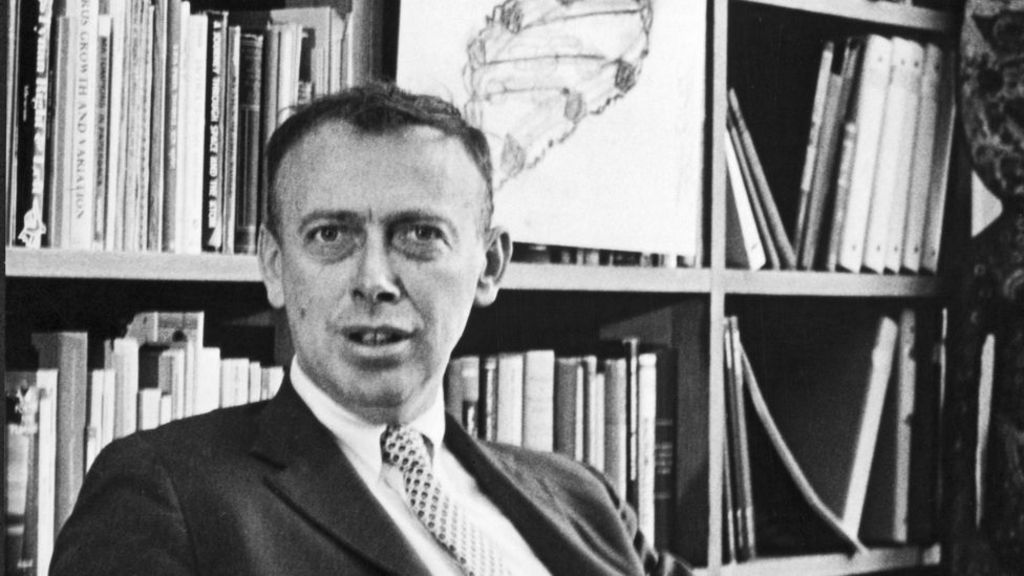
In Pictures: The race to discover the secrets of DNA
The discovery of the double helix structure of DNA stands as one of the most pivotal achievements in scientific history. This groundbreaking revelation was the result of a fierce yet collegial competition between two teams of researchers in the early 1950s. At the University of Cambridge, American biologist James Watson and English physicist Francis Crick collaborated to construct scale models of DNA, aiming to decipher its structure. Simultaneously, at King’s College London, Maurice Wilkins and Rosalind Franklin were employing X-ray crystallography to unlock the molecule’s secrets. Franklin’s work, particularly her iconic ‘Photo 51,’ provided crucial insights into DNA’s helical shape. However, her contributions were overshadowed when Wilkins shared her findings with Watson and Crick without her consent. This act has sparked enduring debates about scientific ethics and recognition. In 1953, Watson and Crick published their seminal paper in ‘Nature,’ proposing the double helix model, which revolutionized biology. Despite their monumental achievement, the role of Rosalind Franklin remains a contentious topic. Watson, Crick, and Wilkins were awarded the Nobel Prize in Medicine in 1962, but Franklin, who had tragically passed away in 1958, was not honored. Her untimely death at 37 robbed her of the recognition she deserved. Today, the double helix model remains a cornerstone of modern science, underscoring the collaborative yet competitive nature of scientific discovery.
-

Post-pandemic travel: Why ultra-wealthy tourists are paying for ‘art holidays’
Five years after the COVID-19 pandemic reshaped the world, its influence continues to ripple through various aspects of life, including travel. Among the most notable trends is the emergence of ‘art holidays,’ a luxurious and exclusive form of travel that combines cultural immersion with opulent experiences. Catering to the ultra-wealthy, these getaways offer unparalleled access to private art collections, after-hours museum tours, and intimate encounters with renowned artists.