博客

  • Zelensky says failure of US envoys to visit Kyiv is ‘disrespectful’

    Zelensky says failure of US envoys to visit Kyiv is ‘disrespectful’

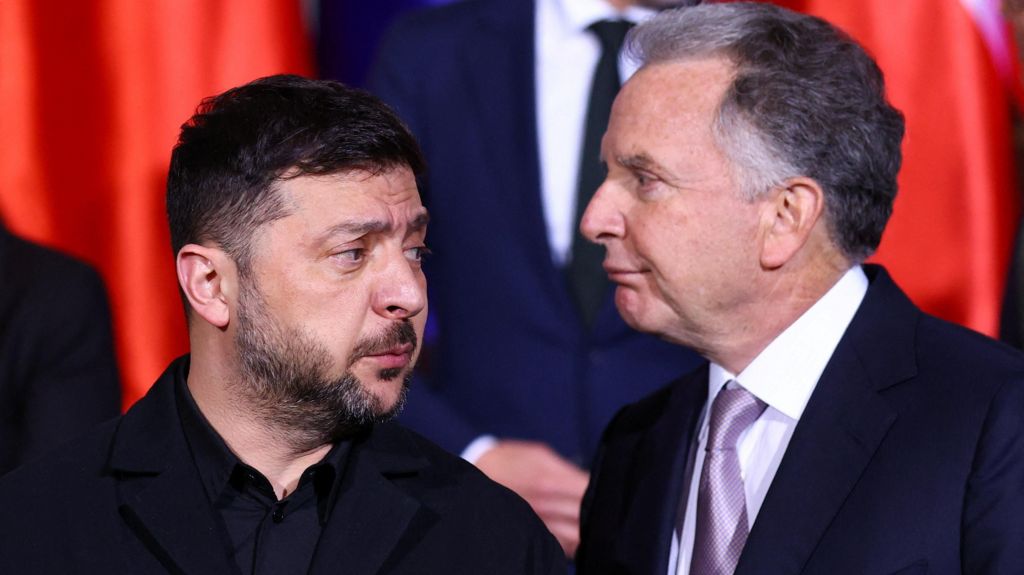
    Nearly four and a half years after Russia launched its full-scale invasion of Ukraine, peace negotiations to end the devastating conflict remain stuck in a deadlock, and a new diplomatic controversy has added friction to the process. Ukrainian President Volodymyr Zelensky has publicly criticized two senior U.S. negotiators — special envoy Steve Witkoff and presidential son-in-law Jared Kushner — for repeatedly traveling to Moscow for talks without ever making an official visit to Kyiv, calling the pattern of engagement deeply disrespectful.

    The two U.S. representatives first traveled to the Russian capital in late 2025, when ceasefire negotiations gained new momentum after months of stalled discussion, and returned for a second round of talks in January 2026. Witkoff, a former real estate developer and close ally of U.S. President Donald Trump, has now made eight trips to Moscow and held multiple face-to-face meetings with Russian President Vladimir Putin. Despite this extensive engagement with Moscow, neither Witkoff nor Kushner has ever traveled to Kyiv in an official negotiating capacity.

    In an interview with a Ukrainian media outlet, Zelensky emphasized that the unilateral focus on Moscow cannot be justified, even amid Ukraine’s challenging wartime logistics. “It’s disrespectful [for them] to come to Moscow and not Kyiv, it’s just disrespectful,” Zelensky said. The Ukrainian leader added that Kyiv is flexible on meeting locations, noting, “If they don’t want to, we can meet in other countries.”

    Earlier this April, Zelensky confirmed that the two envoys had been expected to visit Ukraine, but the planned trip was scrapped after the U.S. and Israel launched military strikes against Iran, shifting the entirety of Washington’s diplomatic and military focus to the Middle East. Currently, Witkoff and Kushner are part of a U.S. delegation traveling to Pakistan for ceasefire negotiations with Iran, a reality Zelensky acknowledged. Even so, he reaffirmed Kyiv’s commitment to maintaining close cooperation with Washington on ending the war.

    Ceasefire talks gained significant momentum in autumn 2025, after details emerged of a draft peace deal worked out behind closed doors by Russian and U.S. officials that included multiple provisions unfavorable to Ukraine. Kyiv pushed aggressively to be included in formal negotiations, leading to a series of multilateral meetings that culminated in a trilateral Russia-U.S.-Ukraine summit in mid-February 2026. By the end of that summit, both Moscow and Kyiv announced they had reached preliminary agreement on core military issues, including the demarcation of the current front line and frameworks for monitoring a potential ceasefire.

    However, several critical sticking points remain unresolved, keeping the talks at an impasse. Key unresolved issues include Kyiv’s demand that Russia repatriate the thousands of Ukrainian children forcibly deported to Russia since the start of the invasion, and Russia’s non-negotiable demand for a full regime change in Kyiv. The most contentious issue, though, remains the status of Ukraine’s eastern Donbas region, where Russia claims sovereignty over large swathes of Ukrainian territory that it currently occupies. Kyiv has repeatedly rejected any territorial concessions to end the war, and neither side has shown willingness to back down from their core positions on the Donbas.

    “We are looking for a compromise between two completely polar positions,” Kyrylo Budanov, Zelensky’s chief of staff, told reporters in February. “We have not yet found it.” Budanov added that the two sides face a stark choice: “Either we find a solution and end this war, or we all equally take responsibility for admitting that we didn’t find a solution and continue to kill one another — something we do quite efficiently and professionally.”

    Over more than four years of full-scale war, constant violence has become an everyday reality for millions of Ukrainians. Russia currently controls large portions of eastern and southern Ukraine, and daily artillery and infantry clashes continue along the thousand-kilometer front line stretching from the northeastern Luhansk region to the southern Kherson region. Ukrainian cities face regular large-scale aerial attacks, with Russia launching waves of drones and missiles that kill civilian bystanders and destroy critical civilian infrastructure.

    Just last week, for example, Russia launched a massive multi-wave attack involving more than 700 drones and missiles across Ukraine that killed at least 18 civilians, according to Ukrainian officials. In response, Ukraine has ramped up its own long-range drone attacks on Russian energy and industrial infrastructure deep inside Russian territory, targeting ports, military depots, factories, and oil export terminals. Calculations from Reuters show that as of early April 2026, at least 20 percent of Russia’s total oil export capacity has been taken offline by these attacks.

    Paradoxically, the global energy market disruption sparked by the U.S.-Iran conflict has delivered unexpected financial gains for Russia, boosting the country’s oil export revenue in recent months despite the export infrastructure damage. Even so, long-term economic indicators show Russia’s gross domestic product continues to contract amid sustained international sanctions and wartime economic pressures.
  • Hauger-Thackery runs Boston Marathon at 22 weeks pregnant

    Hauger-Thackery runs Boston Marathon at 22 weeks pregnant

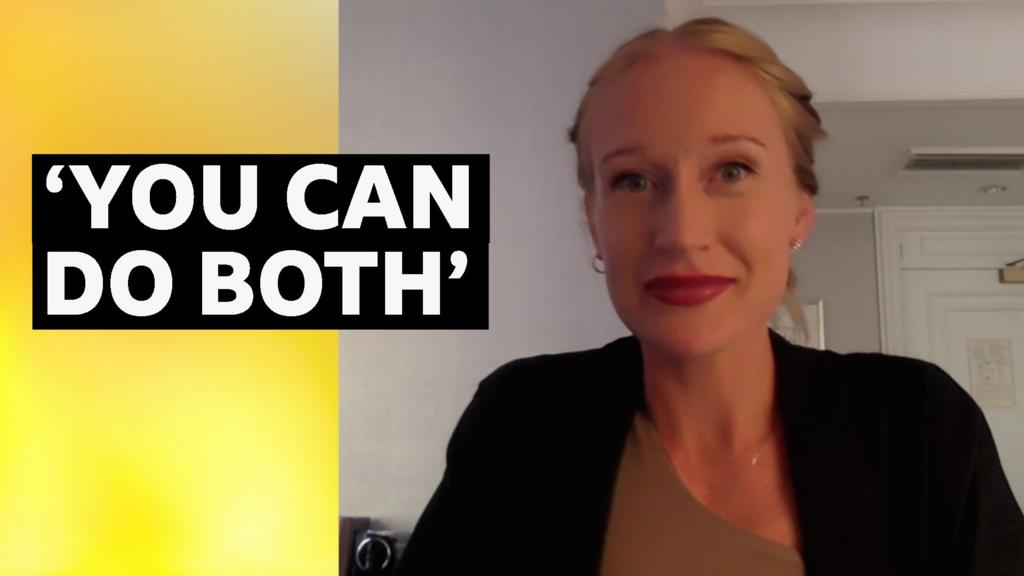
    In a stunning display of elite athletic endurance that has captured global running community attention, European distance running medalist Calli Hauger-Thackery has crossed the finish line of one of the world’s most prestigious marathons while 22 weeks into her pregnancy. The British competitor completed the 2024 Boston Marathon with an impressive final time of 2 hours, 43 minutes and 58 seconds, marking another extraordinary milestone in a competitive career defined by remarkable achievements during her pregnancy.

    This is not the first high-profile victory Hauger-Thackery has earned while expecting. Prior to her Boston run, the runner took first place at the Honolulu Marathon when she was just four weeks pregnant, and followed that win with another first-place finish at the Houston Marathon only one month later. Her consistent elite performance throughout an ongoing pregnancy has sparked conversations among sports fans and medical observers about the intersection of elite athletics and maternal health, cementing her status as one of the most unique standout competitors in modern long-distance running.

  • Downing Street exerted pressure to OK Mandelson: sacked UK official

    Downing Street exerted pressure to OK Mandelson: sacked UK official

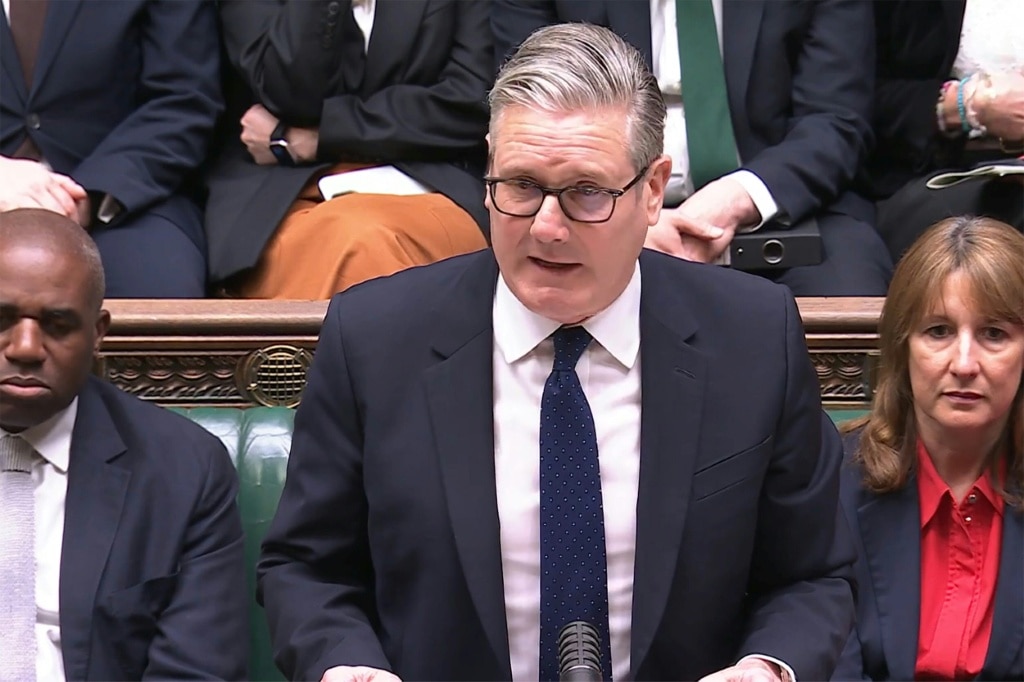
    A fired top British Foreign Office official has levelled serious accusations against Downing Street, claiming Prime Minister Keir Starmer’s office exerted unrelenting pressure on civil servants to fast-track the appointment of Peter Mandelson as UK ambassador to the United States while sidelining critical security concerns.

    Olly Robbins, who served as the Foreign Office’s most senior civil servant until his dismissal last week, delivered explosive testimony to a parliamentary oversight committee on Tuesday, pulling back the curtain on the chaotic vetting process that has plunged the Starmer government into its worst political scandal in months.

    The controversy centers on Mandelson, a veteran Labour Party grandee who was tapped for the prestigious Washington post in December 2024, just weeks before Donald Trump’s second presidential inauguration, and took up the role in February 2025. Mandelson was ultimately forced out of the post in September 2025, seven months into the job, after new details emerged of his long-documented close personal ties to the late convicted sex offender Jeffrey Epstein, who died in a New York prison in 2019 while awaiting trial on sex trafficking charges.

    In his opening remarks to the committee, Robbins laid out how Downing Street’s urgent push for a quick appointment created a dismissive culture around mandatory security vetting. When he took the top Foreign Office role in January 2025, he said, there was a “very strong expectation coming from Number 10 that [Mandelson] needed to be in post and in America as quickly as humanly possible.” That urgency translated to unending pressure on his team, he added: “My office, the foreign secretary’s office, were under constant pressure, there was an atmosphere of constant chasing.”

    Contradicting earlier public claims from Starmer, who has insisted all “due process” was followed during the appointment, Robbins confirmed that independent vetting officials had ultimately recommended against granting Mandelson security clearance. He clarified that the case was deemed “borderline,” with vetters leaning toward a denial, but that internal Foreign Office security analysts concluded the identified risks could be managed. Critically, he added, the risks flagged did not stem from Mandelson’s relationship with Epstein – UK media has previously reported the concerns centered on ties between Mandelson’s now-closed lobbying firm and Chinese entities.

    Robbins also acknowledged that denying clearance would have created major political headaches for Starmer and the foreign secretary, and could have damaged early UK-US relations under the new Trump administration, but he insisted those factors did not drive the final decision to approve the appointment.

    The confirmation that independent vetters recommended rejecting clearance, first reported by *The Guardian* last Thursday, has sparked renewed opposition demands for Starmer’s resignation. The prime minister has pushed back against calls to step down, blaming civil servants for deliberately concealing the recommendation from him and denying he misled Parliament in earlier statements about the scandal. Critics, including former senior civil servants, have accused Starmer of scapegoating Robbins to deflect from his own responsibility for the botched appointment.

    The scandal has even drawn comment from former US President Donald Trump, who waded into the controversy this week via his Truth Social platform. Trump, who has previously criticized Starmer over what he sees as insufficient UK support for his actions in Iran, agreed that Mandelson “was a really bad pick” for the Washington post, though he added a brief optimistic note: “Plenty of time to recover, however!”

    Beyond the appointment controversy, Mandelson, 72, is also facing separate scrutiny: UK police are currently investigating allegations of misconduct in office from his time as a Labour minister more than 15 years ago. He was arrested and released earlier this year in connection with the probe, and has not been charged, repeatedly denying any criminal wrongdoing.

    On Tuesday, following testimony from Robbins, UK Parliament was set to hold an emergency debate on the scandal, requested by opposition Conservative Party leader Kemi Badenoch, who said there remain “serious questions about what [Starmer] knew and when.” In response to the growing outcry, Starmer announced Monday that he has launched a full review of the UK’s government security vetting process to prevent similar breakdowns in the future.

  • Taiwan president cancels trip to Eswatini and accuses China of pressuring African countries

    Taiwan president cancels trip to Eswatini and accuses China of pressuring African countries

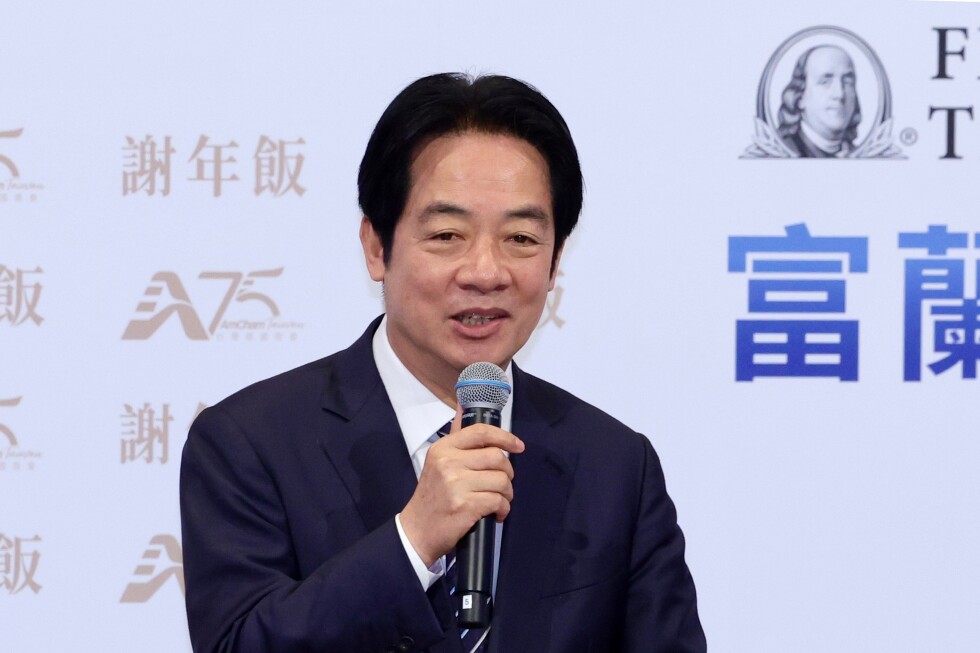
    In a development that underscores ongoing cross-strait tensions, Taiwanese President Lai Ching-te has scrapped a scheduled visit to Africa this week, after three sovereign nations pulled their approval for his plane to cross their airspace amid mounting pressure from Beijing, the Taiwanese presidential office announced Tuesday.

    The presidential office released an official statement clarifying that the unanticipated withdrawal of overflight permissions from Seychelles, Mauritius, and Madagascar was directly driven by intense pressure from Chinese authorities, including explicit threats of economic coercion against the three nations. The move blocked the planned travel route for Lai’s trip, leaving no viable alternative path that would allow the visit to proceed as scheduled.

    Lai’s itinerary was centered on a official visit to Eswatini, the only African country that currently maintains formal diplomatic relations with Taipei. The trip was scheduled to run from April 22 to 26, with the goal of strengthening bilateral ties between Taiwan and its last remaining African diplomatic partner.

    The broader geopolitical context of this incident is rooted in China’s long-standing position on Taiwan: Beijing claims the self-governing island democracy as an integral part of its territory, asserting that it will eventually take back control, by military force if the situation requires it. As part of this policy, China requires all nations that maintain formal diplomatic relations with Beijing to cut off any official ties with Taipei, and refuses to recognize Taiwan’s sovereignty on the global stage.

    Over the course of the last several years, Beijing has ramped up a coordinated diplomatic campaign to win over Taiwan’s remaining diplomatic partners, persuading a string of countries to switch their formal recognition from Taipei to Beijing. Today, only 12 countries around the world maintain official diplomatic relations with Taiwan, the vast majority of which are small island and developing nations scattered across Latin America, the Caribbean, and the Pacific region. This incident marks the latest escalation in Beijing’s ongoing efforts to isolate Taiwan diplomatically on the global stage.

  • 3 soldiers die in a shell explosion inside a tank gun turret during army drill in Japan

    3 soldiers die in a shell explosion inside a tank gun turret during army drill in Japan

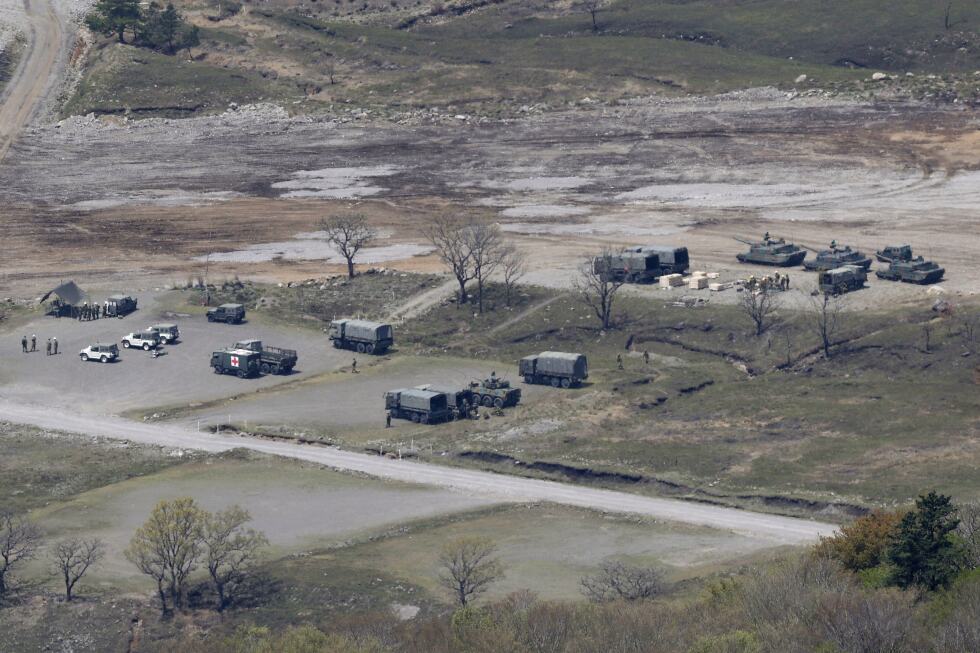
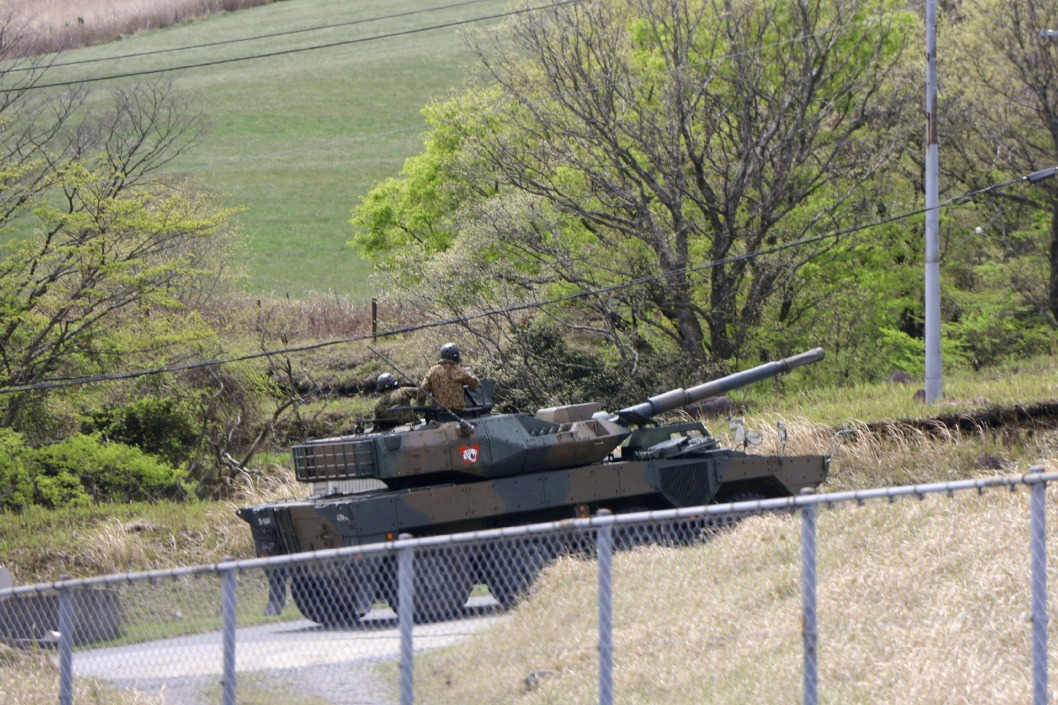
    On a Tuesday military exercise at a training ground in southern Japan, a catastrophic internal explosion inside a Type 10 main battle tank claimed the lives of three Japan Ground Self-Defense Force soldiers and left a fourth service member wounded, defense officials confirmed.

    The fatal incident unfolded at the Hijudai Training Area, located in Oita Prefecture, as the Type 10 tank took part in a live-fire drill alongside two other armored vehicles. At the time of the blast, three service members — the tank’s commander, gunner and a designated safety officer — were positioned inside the vehicle’s gun turret, and all three died as a result of the explosion. The fourth crew member, the tank’s driver, escaped immediate death but sustained injuries that required medical attention.

    In the wake of the tragedy, Japan Ground Self-Defense Force Chief of Staff Masayoshi Arai announced an immediate suspension to all live-fire training operations for two of Japan’s main tank models: the Type 10 and the older Type 90. Both platforms utilize the same type of live ammunition that was in use during Tuesday’s accident. The suspension will remain in place throughout the official investigation into the root cause of the explosion and other key circumstances surrounding the incident.

    “Our priority is to quickly identify the cause of this accident so we can implement thorough preventive measures to stop such a tragedy from happening again,” Arai stated in a press briefing following the blast.

    First rolled out for deployment in 2011, the Type 10 stands as Japan’s most modern domestically produced main battle tank, designed to deliver enhanced mobility, firepower and armor protection for the nation’s ground defense forces.

  • Arrests in Nigeria after abduction of local monarch ‘held for ransom’

    Arrests in Nigeria after abduction of local monarch ‘held for ransom’

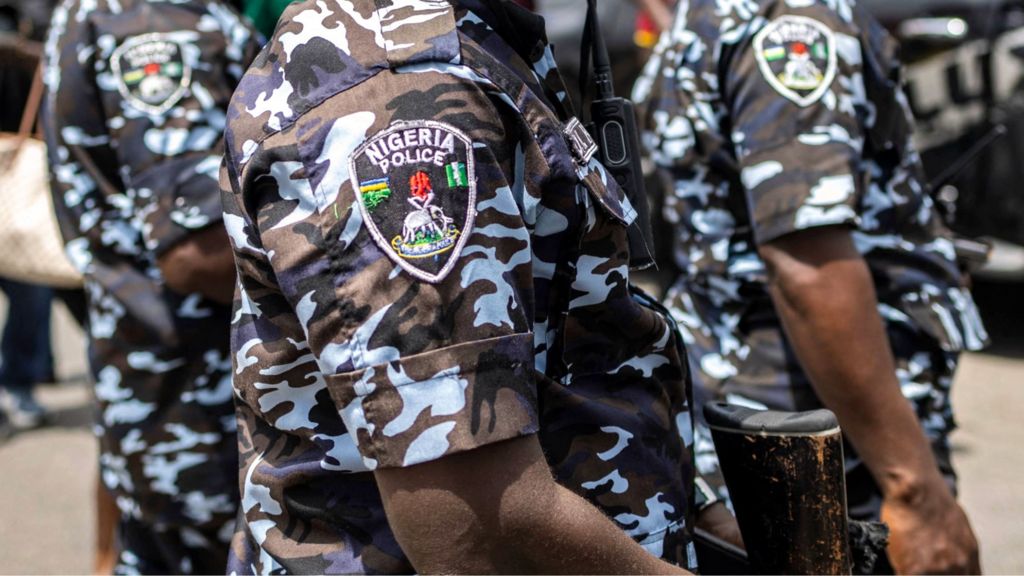
    A high-stakes abduction of a Nigerian traditional ruler has triggered a major security operation in Kwara State, with law enforcement officers taking 42 suspected illegal miners into custody as part of the sprawling investigation. The incident unfolded on a Saturday evening in the Olayinka community, located in Ifelodun Local Government Area of the north-central Nigerian state, when a team of around 10 heavily armed assailants stormed the palace of Oba Salman Olatunji Aweda, the community’s reigning monarch.

    According to Kwara State Police Commissioner Adekimi Ojo, the attack came just moments after a group of miners operating in the local area had held a meeting with the traditional ruler and left a cash payment with him. Details of the business arrangement between the miners and the monarch remain unconfirmed by official sources, but Ojo confirmed that the gunmen broke into the palace, located the ruler in his private quarters, and demanded he hand over the cash the miners had delivered earlier that day. Though Oba Aweda complied with the demand, the attackers still abducted him alongside his brother. The brother was later abandoned when he grew too exhausted to keep up with the gunmen while traveling barefoot into the nearby forest, leaving him tied to a tree before he was eventually discovered. The assailants successfully fled into the dense woodland with the monarch still in their custody.

    Local residents have confirmed that the kidnappers have since reached out to the community to demand a $300,000 ransom for the ruler’s safe release, though state authorities have yet to officially confirm the exact ransom figure.

    This abduction has amplified already growing concerns over escalating insecurity across Kwara State, where attacks on rural communities have spiked in recent months. For years, violent criminal gangs known locally as bandits have carried out systematic kidnappings for ransom and indiscriminate killings across Nigeria’s northwestern region. In recent times, these gangs have expanded their operational footprint into other parts of the country, including Kwara, triggering the formation of informal vigilante groups tasked with protecting vulnerable rural communities that lack consistent state security presence.

    Beyond bandit activity, the jihadist insurgent faction Mahmuda has also stepped up operations in rural areas of the state. In a high-profile attack earlier this year, the group launched a bold assault on a local Muslim community, killing at least 75 people and targeting the family of a traditional ruler after he banned the group from preaching in the area.

    Currently, Nigerian security forces are conducting extensive search operations across the forested terrain surrounding the Olayinka community to locate the kidnapped monarch and apprehend his abductors. Local government officials are coordinating closely with both state security agencies and local vigilante groups to secure a safe release for Oba Aweda. In recent attacks across Kwara, armed groups have repeatedly exploited the state’s porous border forests to evade capture by security forces, posing a persistent challenge to counter-insurgency and anti-kidnapping operations. Attacks on key infrastructure including rural highways and farms, as well as targeted abductions of traditional leaders, have become increasingly common in the region as insecurity worsens.

  • Pope Leo pays tribute to Pope Francis on the anniversary of his death

    Pope Leo pays tribute to Pope Francis on the anniversary of his death

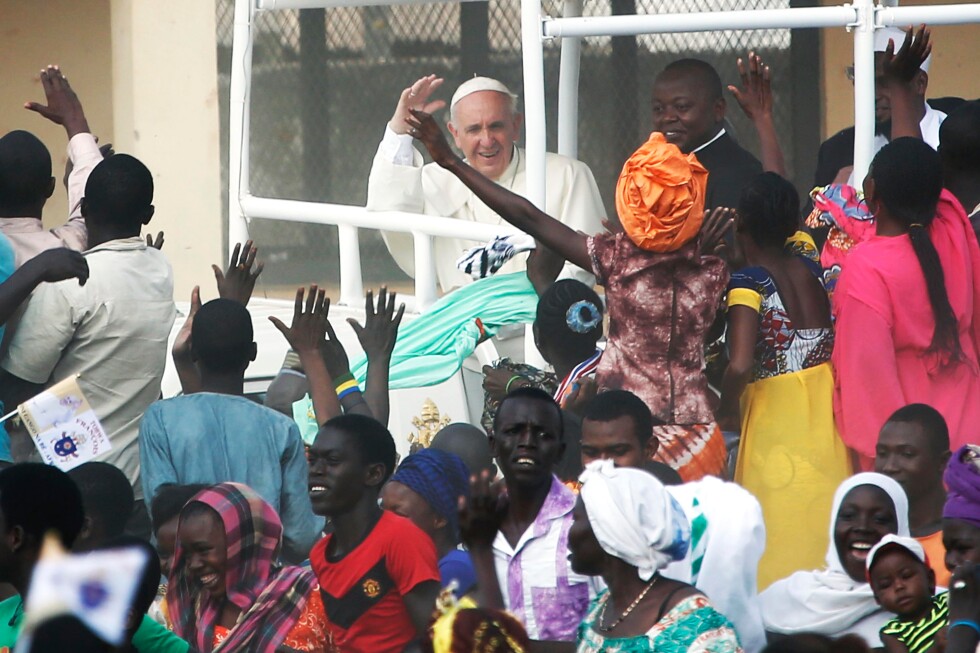
    Flying from Angola to Equatorial Guinea on the final stop of his four-nation African pilgrimage, Pope Leo XIV paused mid-journey on Tuesday to pay heartfelt tribute to his predecessor Pope Francis, marking one year since Francis’ death last Easter Monday.

    Speaking to journalists aboard the papal plane in fluent Italian — as the aircraft passed over the Central African Republic, the same nation where Francis opened his landmark 2015 Holy Year of Mercy — Leo reflected on the core themes that defined Francis’ decade-long papacy. He highlighted Francis’ persistent calls for human fraternity, radical respect for all people, and unwavering commitment to walking alongside the marginalized.

    “We thank the Lord for the great gift of Francis’ life, given to the church and the entire world,” Leo told reporters, recalling specific memorable homilies that shaped Francis’ public witness. He specifically cited Francis’ first post-election Sunday noon prayer and a moving Mass held two days before his 2013 inauguration, where Francis preached a heartfelt sermon on God’s boundless mercy centered on the biblical story of an adulterous woman.

    “So many times what he did was live truly being close to the poorest, the smallest, the sick, children, the elderly,” Leo said. “He gave so much to the church with his life, with his witness, with his word and with his gestures.” He closed his tribute with a plea for prayer, saying “Let us pray that he is still enjoying the mercy of the Lord.”

    Francis died at 88 last year, just weeks after he made a final public appearance: riding through St. Peter’s Square in the popemobile to deliver an Easter blessing to gathered crowds, just days after completing a five-week hospital stay for double pneumonia. His passing triggered a conclave just a few weeks later, where Robert Prevost — now known as Pope Leo XIV — was elected to succeed him. As newly uncovered details from a recently released commemorative book confirm, Francis actively paved the way for that outcome.

    The first anniversary of Francis’ death is being marked with formal commemorations across Rome, including a special evening Mass scheduled at the St. Mary Major basilica, where Francis is buried, and the launch of multiple books collecting recollections of his papacy. One of the most revealing volumes, *Padre* (Father), written by Vatican Media reporter Salvatore Cernuzio — who developed close personal access to Francis during his papacy — offers direct confirmation of Francis’ high regard for Leo long before his election.

    In the book, Cernuzio recounts a 2023 conversation, after Francis announced he would name Prevost a cardinal that year. When asked about the then-Cardinal Prevost, Francis told the reporter simply: “Him? He’s a saint.” Cernuzio notes that when Francis used that term to describe someone, he typically meant the person possessed the rare ability to navigate conflict, tension and complex institutional challenges with calm, while building unity across communities.

    That comment adds substantial credibility to the long-held hypothesis that Francis identified Prevost as a potential successor years in advance and intentionally groomed him for the role. Their relationship stretches back decades, to when Prevost served as the global head of the Order of St. Augustine and the future Francis was still Archbishop Jorge Mario Bergoglio of Buenos Aires. Even a small early disagreement — when Prevost declined to assign an Augustinian priest to a role Bergoglio requested — did not dampen Francis’ esteem.

    After Prevost completed his second term leading the Augustinian order, Francis appointed him bishop of the challenging diocese of Chiclayo, Peru, where Prevost had already spent 20 years working as a missionary. Prevost quickly rose through the ranks of the Peruvian Bishops’ Conference, before Francis called him to Rome in 2023 to lead the Dicastery for Bishops, one of the Vatican’s most powerful departments. The role gave Prevost invaluable experience navigating Vatican bureaucracy and built critical relationships with the college of cardinals that would ultimately elect him pope.

    That backing and preparation allowed Prevost to overcome a longstanding unwritten taboo within the Catholic Church against electing an American pope, a restriction rooted in concerns over the United States’ global geopolitical power. Speaking to parishioners in his home state of Illinois earlier this year, Prevost recounted that after that early disagreement decades ago, he naively assumed Francis would forget him and never appoint him to a senior church role. Instead, Francis not only made him a bishop, but spent years laying the groundwork for Prevost to take his place as leader of the world’s 1.3 billion Catholics.

  • 3 dead, 1 injured after ammunition explosion at GSDF training area in Japan’s Oita

    3 dead, 1 injured after ammunition explosion at GSDF training area in Japan’s Oita

    A deadly ammunition explosion at a Japan Ground Self-Defense Force (GSDF) training range in Oita Prefecture has left three people dead and one additional person injured, according to Japanese public broadcaster NHK. The incident unfolded on a Tuesday morning in the midst of an ongoing military training exercise.

    Citing unnamed sources connected to Japan’s defense ministry, NHK confirmed that the blast struck the Hijudai maneuver area, a GSDF training facility located in the southwestern region of Japan’s main islands. Multiple personnel participating in the training exercise were directly caught in the explosion when it occurred. Initial on-site assessments indicate the training operation was being carried out by a GSDF tank unit.

    In the wake of the incident, GSDF officials have launched a formal investigation to unpack the full details of the tragedy. Investigators are currently working to confirm the full identities and backgrounds of the casualties, assess the extent of the injured person’s harm, and pinpoint the root cause that led to the accidental detonation. As of the latest update, no additional details on the condition of the injured service member or potential contributing factors to the explosion have been released to the public.

  • South Africa police chief Fannie Masemola in court over alleged $21 million unlawful contract

    South Africa police chief Fannie Masemola in court over alleged $21 million unlawful contract

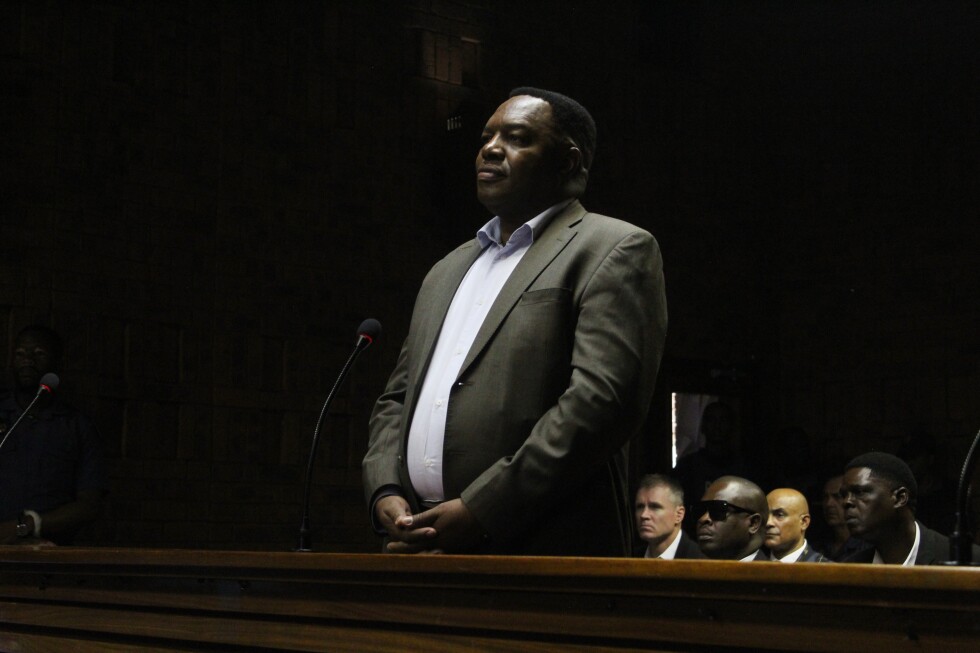
    PRETORIA – In a major development rocking South Africa’s national law enforcement apparatus, national police commissioner Fannie Masemola has made his first formal court appearance in connection to a sprawling corruption investigation that has already swept up more than a dozen other high-ranking police officials.

    Masemola, who has retained his post as the head of South Africa’s police service despite the charges, faces four separate violations of the country’s Public Finance Management Act. The legislation governs how government agencies award public contracts, and the charges stem from an allegedly tainted 360 million South African rand, equivalent to roughly $21 million, contract for health and wellness services for active police officers.

    The top law enforcement official was summoned to court earlier this month and made his initial arraignment on Tuesday. He has not yet entered a plea to the charges brought by national prosecutors. If convicted on all counts, Masemola could face a maximum sentence of five years in prison, in addition to substantial financial penalties.

    Prosecutors allege that the service contract was awarded through improper channels, and multiple senior officers are accused of accepting bribes from the bidding firm that ultimately secured the deal. Full details of Masemola’s specific role have not been publicly disclosed as the investigation remains ongoing, but the charges are tied to his formal duties as the police service’s top accounting officer, responsible for overseeing all public spending. The controversial contract has already been terminated by police leadership.

    The corrupt contract is one of the core cases being examined by a public commission of inquiry launched by South African President Cyril Ramaphosa last year. The inquiry was convened to investigate widespread accusations of systemic corruption across the national police service. A separate parallel investigation into the allegations has also been conducted by the country’s parliamentary body.

    Prosecutors announced in court Tuesday that Masemola’s case will be consolidated with the cases of 16 other co-accused individuals, which includes the 12 senior police officers already arrested and charged. Among those already in the case are one major-general and multiple brigadiers, some of the highest ranking positions in the South African Police Service. All of the previously charged defendants have been released on bail awaiting trial.

    Alongside the police officers, a prominent businessman with alleged ties to organized organized crime stands accused. His company was the successful bidder for the contract at the center of the scandal. The businessman, Vusi “Cat” Matlala, has already testified before the inquiry about purported connections between senior police leadership and criminal kingpins. He is currently being held in a maximum-security prison on separate charges including attempted murder that are unrelated to the corruption case.

    Speaking to journalists following his court appearance, Masemola pushed back against growing public and political calls for him to resign from his post. He emphasized that the decision to remove him rests solely with President Ramaphosa, and confirmed that he will continue carrying out his regular official duties. A spokesperson for the presidency stated Tuesday that Ramaphosa has been formally briefed on the charges against Masemola, and will handle the situation consistent with South Africa’s existing legal framework. The case has been adjourned and is scheduled to resume in court on May 13.

  • Madonna offers reward for return of missing Coachella costume

    Madonna offers reward for return of missing Coachella costume

    One of the most iconic figures in pop music, Madonna, is publicly appealing for the return of irreplaceable vintage stage garments that went missing following her surprise appearance at this year’s Coachella Valley Music and Arts Festival, and has offered an undisclosed reward for their safe recovery.

    The pop legend made an unannounced guest spot during headliner Sabrina Carpenter’s Friday evening set, where the pair delivered show-stopping duets of Madonna’s classic hits *Vogue* and *Like A Prayer*. During the appearance, Madonna also treated the crowd to an early preview of a new track from her upcoming album *Confessions II* — the highly anticipated sequel to her 2005 hit record *Confessions On A Dancefloor*, scheduled for a full release this coming July.

    In a heartfelt post shared to her official Instagram account, Madonna explained that the lost pieces are far more than ordinary performance clothing. The missing items include the purple jacket, corset, and dress she wore on stage during her Coachella set, alongside other archival garments dating to the same era. What makes these pieces particularly meaningful is that Madonna originally wore the matching boots, corset, and jacket during her Coachella performance two decades prior, turning this year’s appearance into a poignant full-circle moment for the singer. As she told the crowd mid-set, with an admiring Carpenter by her side, the callback appearance held deep personal significance for her.

    “These aren’t just clothes, they are part of my history,” Madonna wrote in her Instagram post. “I’m hoping and praying that some kind soul will find these items and reach out to my team. I’m offering a reward for their safe return.”

    Local law enforcement has confirmed the details of the missing items’ last sighting. The Indio Police Department told entertainment outlet TMZ that the bags holding the garments were last spotted on a golf cart on the festival grounds at 1:30 a.m. local time on Saturday. A department spokesperson added that there is currently no evidence indicating the bags were intentionally stolen; investigators believe it is far more likely that the items fell off the cart while they were being transported to a waiting tour bus. The BBC has reached out to the Indio Police Department for additional comment on the ongoing search.