博客

  • At least 42 killed in Chad after water well dispute escalates

    At least 42 killed in Chad after water well dispute escalates

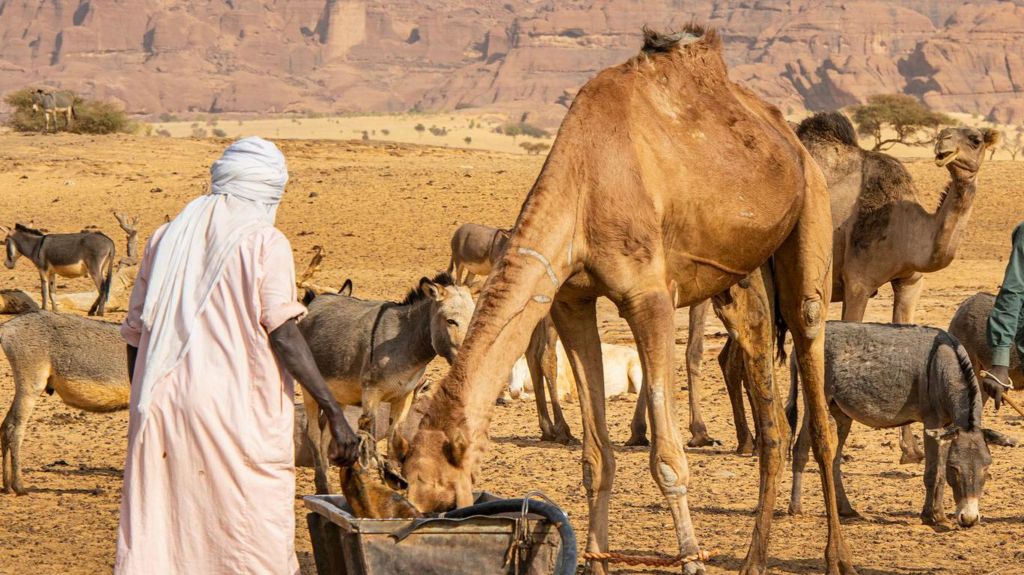
    A simmering local dispute over access to a water well has exploded into deadly inter-ethnic violence in eastern Chad, leaving at least 42 people dead and 10 others wounded, senior Chadian officials have confirmed. What began as a confrontation between two families in Wadi Fira province quickly escalated into a sustained cycle of retaliatory attacks that spread across multiple communities, leaving multiple villages burned to the ground in its wake.

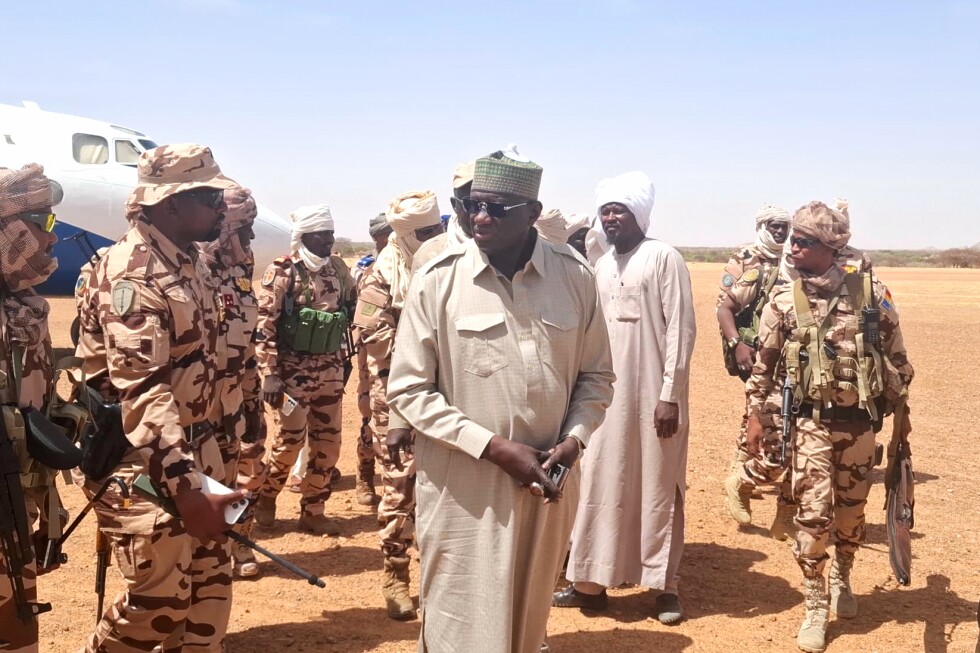
    Chadian government announced on Sunday that a high-level delegation led by Deputy Prime Minister Limane Mahamat has been dispatched to the conflict zone to oversee security operations and mediate local tensions. Officials confirmed that the violence has now been contained, and stability is gradually being restored to the area.

    Deadly inter-communal clashes are a persistent crisis across this central African nation, where long-standing frictions between farming and pastoral communities, compounded by deep-seated ethnic tensions, have created a repeating pattern of violence. Competition over increasingly scarce water resources and grazing land is the most common trigger for these outbreaks of conflict.

    In recent months, the already fragile security situation along Chad’s eastern border has been further exacerbated by the arrival of tens of thousands of refugees fleeing the ongoing civil war in neighboring Sudan. The influx of new residents has placed enormous additional strain on limited natural resources, driving up resource competition and stoking broader security tensions. On Sunday, Deputy Prime Minister Mahamat reaffirmed the Chadian government’s commitment to deploying all necessary measures to stop Sudan’s conflict from spilling over and destabilizing the country’s border regions.

    This latest deadly incident is part of a years-long trend of escalating communal violence across Chad. Over the past several years, hundreds of people have been killed in these clashes; in November last year alone, 33 people died in a similar conflict over a contested water well in the southwestern town of Dibebe. Data from the International Crisis Group, a leading international think-tank, shows that between 2021 and 2024, roughly 100 separate communal clashes across the country left more than 1,000 people dead and another 2,000 injured. Global human rights organization Amnesty International has also documented seven major outbreaks of herder-farmer violence between 2022 and 2024, which collectively claimed 98 lives.

    In a report released last year, Amnesty International linked the rising frequency and severity of these clashes to the accelerating impacts of climate change, which has worsened drought conditions and scarcity of critical resources across the Sahel region. The organization also criticized Chadian authorities for failing to effectively protect civilian populations, noting that security force responses to emerging violence are often delayed, and few perpetrators are ever held legally accountable for their actions. “This pattern of inaction fuels a widespread sense of impunity and deepens feelings of marginalization within affected communities,” the report stated.
  • Trump says King will be ‘very safe’ during US visit after security talks

    Trump says King will be ‘very safe’ during US visit after security talks

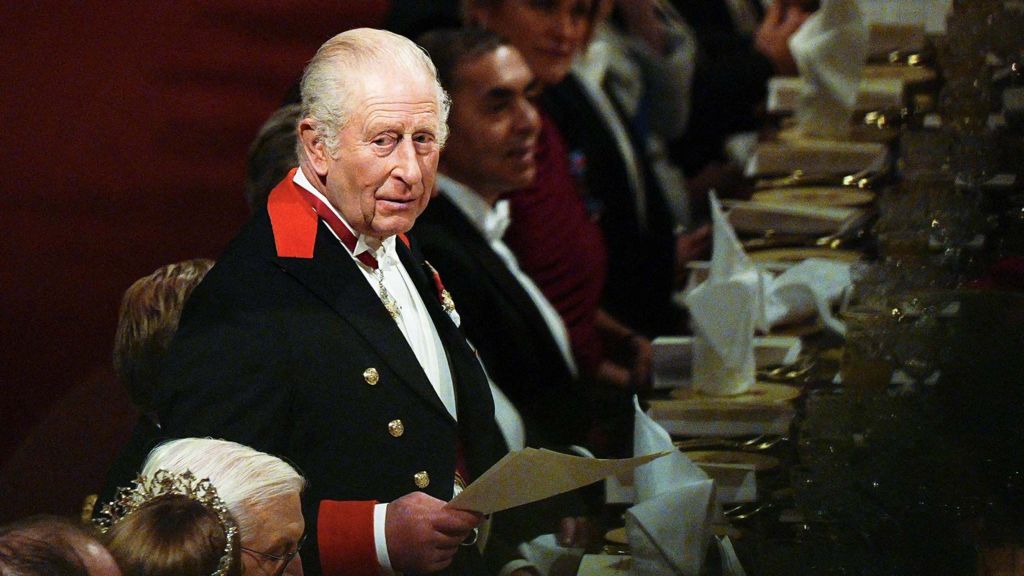
    Four days of high-stakes diplomatic pageantry are set to kick off Monday in Washington D.C., as King Charles III and Queen Camilla arrive for their first state visit to the United States under the second Trump administration. The trip remains on track almost entirely in its original form, despite heightened security jitters following a weekend security breach at a Trump event that left a Secret Service agent with minor injuries.

  • Rising maritime threats test global trade lifeline

    Rising maritime threats test global trade lifeline

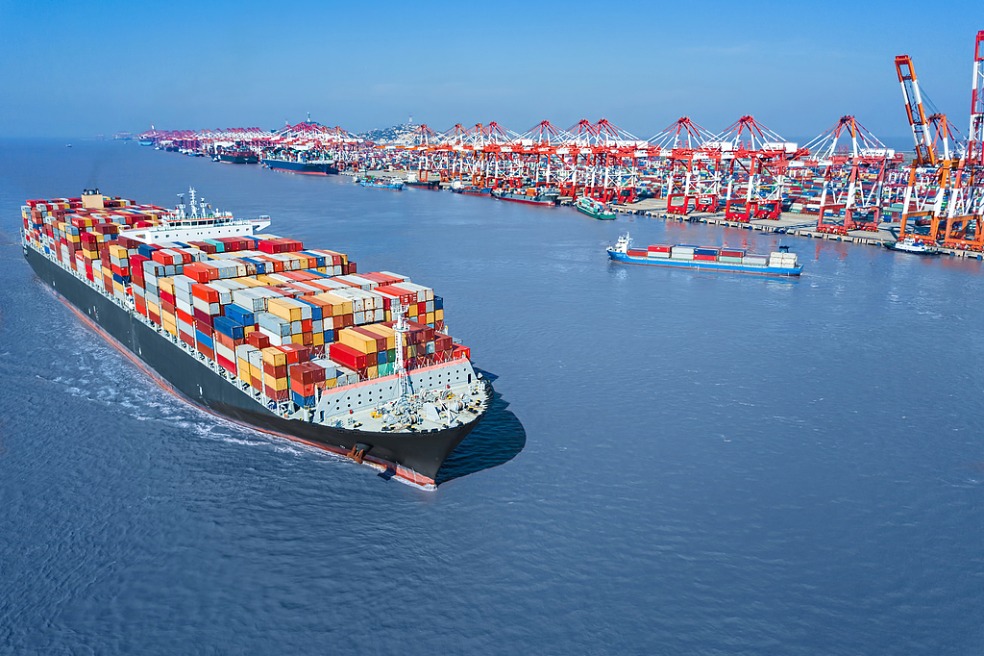
    Against a backdrop of accelerating global interconnectedness and shifting geopolitical dynamics, rising traditional and non-traditional threats to maritime security have emerged as an urgent collective challenge for the international community. Global industry experts and academic analysts have emphasized that coordinated negotiation, mutual respect, and unified governance mechanisms are critical to protecting maritime shipping, the undisputed backbone of the global economy and international stability.

    This consensus was forged by hundreds of global participants at a high-level international forum hosted by Shanghai Maritime University on Thursday, which centered on advancing shared maritime security and inclusive blue economic prosperity.

    Zhang Feng, professor and dean of the School of Marxism at Shanghai Maritime University, outlined the outsized importance of maritime shipping to global commerce, noting that more than 80 percent of all global trade by volume and over 95 percent of China’s foreign trade cargo – much of it originating from China’s role as the world’s manufacturing hub – moves across ocean shipping lanes. Even minor disruptions to these shipping operations can ripple through global import and export markets, Zhang warned, posing cascading risks to global economic activity, food security, and energy stability.

    “Shipping connects every corner of the globe and binds our shared future together; it is the irreplaceable economic lifeline of the modern world,” Zhang said. “As the world navigates major changes unseen in a century, maritime security has become a central arena for major power competition. Recent events in the Strait of Hormuz and the Red Sea have underscored just how critical this domain is to global welfare.”

    Kazem Agamy, dean of the Arab Research Institute for Sustainable Blue Economy at the Arab Academy for Science, Technology and Maritime Transport, used a recent high-profile disruption to illustrate the fragility of global maritime security. Two years ago, widespread insecurity in the Red Sea forced the world’s largest container carriers to divert their fleets on the much longer route around the Cape of Good Hope, sending global freight costs soaring. The centuries-old supply chain connecting Asia, Africa, and Europe via the Suez Canal was severed almost overnight. The canal, which normally carries roughly 12 percent of all global trade and generates over $10 billion in annual revenue at peak activity, saw its annual earnings plummet by nearly half.

    “This incident laid bare a harsh fundamental truth,” Agamy explained. “While more than 80 percent of global trade travels by sea, the governance frameworks that underpin maritime security remain deeply fragmented. Shipping lanes are inherently global, but the institutional mechanisms designed to protect them are not. This gap is the single most pressing challenge we face on this issue.”

    Norman Martinez Gutierrez, director of the International Maritime Law Institute at the International Maritime Organization, added that while maritime security is most often linked to traditional threats such as terrorism, piracy, and armed robbery at sea, its actual scope is far broader. Modern maritime security also encompasses reliable safe navigation, protection of critical offshore and port infrastructure, environmental protection of marine ecosystems, and consistent compliance with established international legal standards.

    “Without robust, widespread maritime security, there can be no predictability in global maritime transport, no stability in cross-border supply chains, and no confidence in the international legal rules that govern global shipping,” Gutierrez said.

    Mao Ruipeng, a senior researcher at the Shanghai Institutes for International Studies, highlighted China’s active role in advancing collective global maritime security. He noted that China was among the first group of nations to sign the ambitious agreement under the United Nations Convention on the Law of the Sea focused on the conservation and sustainable use of marine biological diversity in areas beyond national jurisdiction, widely known as the BBNJ Agreement.

    “China is a steadfast defender of the established international maritime order,” Mao said. “It has proposed and implemented the Global Governance Initiative, consistently upholds multilateral cooperation, and works to safeguard the international maritime order rooted in the United Nations Convention on the Law of the Sea.”

  • Scientists deploy tech in cancer radiation therapy

    Scientists deploy tech in cancer radiation therapy

    A decade-long research project led by scientists at Sun Yat-sen University Cancer Center in Guangzhou has yielded an artificial intelligence-powered innovation that is set to reshape radiation therapy for cancer, particularly nasopharyngeal carcinoma, by drastically improving precision and cutting down on clinician workload.

    Nasopharyngeal carcinoma, which forms in the upper throat behind the nose, is primarily treated with radiation therapy. The stakes of this treatment are extraordinarily high: an undersized radiation field leaves sections of the tumor untreated, raising the likelihood of cancer recurrence, while an overly broad field can inflict irreversible damage to critical nearby structures including the brainstem, temporal lobe, middle ear, and optic nerve. Such collateral damage often triggers life-altering complications ranging from chronic headaches and memory loss to permanent hearing and vision impairment, severely diminishing a patient’s post-treatment quality of life.

    To avoid these outcomes, clinicians must complete a meticulous pre-treatment step called target volume delineation, where they manually identify and trace the boundaries of both the tumor and surrounding healthy organs on medical scans to define the exact radiation field. Before this new technology was introduced, this demanding task required clinicians to maintain intense focus for three to six hours per patient, according to Sun Ying, a professor at the cancer center.

    The complexity of the process is further compounded by changes in patient anatomy over the course of treatment. A full course of radiotherapy typically spans six to seven weeks and requires more than 30 separate treatment sessions. During this period, tumors often shrink and patients may experience weight loss that shifts the exact position of the remaining cancer. This means initial scans taken at the start of treatment quickly become outdated, leaving clinicians to update delineations repeatedly to avoid misaligned radiation delivery.

    To solve these longstanding challenges, the research team led by the center’s vice-president Ma Jun, an academician of the Chinese Academy of Sciences, and Sun spent more than 10 years developing their proprietary AI-powered “digital dissection” technique. The system is trained on large datasets that map how nasopharyngeal tumors grow and shift over the course of treatment, allowing it to automatically generate highly precise outline of target radiation areas in real time as a patient’s condition changes. Clinicians then only need to review and make minor adjustments to the AI-generated outline before finalizing an adaptive radiotherapy plan, which adjusts to current patient anatomy during each session.

    In a recent demonstration at the center, the entire process — from integrated CT imaging to completed adaptive radiation delivery — was finished in under 30 minutes for a nasopharyngeal carcinoma patient.

    Zhou Guanqun, a chief physician at the center, noted that the new system already outperforms 50% of specialist physicians in terms of delineation accuracy. Beyond accuracy gains, the technology has cut the variation in outline work between different clinicians by 50% and boosted workflow efficiency by more than five times, bringing total treatment time for each case down to roughly 30 minutes from the multiple hours previously required for manual delineation alone.

    The innovation marks a significant step forward in making precision radiotherapy more accessible and consistent, addressing a critical gap in cancer care that has long depended on individual clinician skill and experience.

  • At least 42 people killed in eastern Chad during clashes over water resources

    At least 42 people killed in eastern Chad during clashes over water resources

    In the early hours of Saturday, a long-simmering local dispute over access to a critical water source between two families in eastern Chad erupted into widespread, revenge-fueled violence that left at least 42 people dead and 10 others injured, the Central African nation’s deputy prime minister confirmed in a statement late Sunday.

    Deputy Prime Minister Limane Mahamat made the confirmation during an official visit to Igote, the small border village in Wadi Fira province where the violence unfolded, located just kilometers from Chad’s shared boundary with conflict-wracked Sudan. The injured victims have already been evacuated to the region’s main provincial health facility for urgent medical care, Mahamat added.

    The cycle of retaliatory attacks quickly spread across multiple communities in the area, forcing Chadian military forces to deploy to curb the violence. According to Mahamat, the army’s rapid intervention successfully halted further bloodshed, and public order has now been fully restored across the conflict zone.

    In response to the violence, Chadian authorities have launched two parallel processes: a traditional community mediation initiative to resolve underlying tensions in Igote, and formal judicial investigations to hold those responsible for the deaths and destruction accountable.

    Intercommunal violence driven by competition over scarce natural resources is a recurring crisis across Chad. Just last year, similar clashes between farming and pastoral communities in southwestern portions of the country also claimed 42 lives and destroyed hundreds of residential structures.

    Mahamat stressed that the Chadian government will implement every necessary measure to prevent further instability in this high-risk border region, which has faced growing strain since the outbreak of full-scale civil war in Sudan in early 2023. For months, eastern Chad has hosted hundreds of thousands of Sudanese refugees who fled the cross-border conflict, placing unprecedented pressure on local water, food, and land resources that has exacerbated existing intercommunal tensions.

    Back in February, Chad’s government took the drastic step of closing its entire border with Sudan indefinitely, framing the move as an effort to stop the spillover of Sudanese fighting into its territory after multiple armed incursions by militias aligned with Sudan’s warring factions.

    According to United Nations estimates, the ongoing civil war in Sudan has already killed more than 40,000 people, though independent humanitarian groups warn the actual death toll is likely far higher, as many casualties in hard-to-reach conflict zones are never counted. The conflict has spawned the world’s most severe current humanitarian crisis, displacing more than 14 million people from their homes, triggering widespread deadly disease outbreaks, and pushing multiple regions of Sudan into full-blown famine.

  • Miracle moment missing dog rescued from 13-story ledge in Dee Why after being trapped for days

    Miracle moment missing dog rescued from 13-story ledge in Dee Why after being trapped for days

    In a breathtaking, camera-captured rescue that left onlookers cheering, a team of firefighters pulled a missing jack russell terrier to safety after the small pet spent two days trapped on a narrow 13th-storey ledge of a coastal Sydney high-rise.

    The dog, named Elbie, went missing from her home on Anzac Day, leaving her owners distraught and launching a frantic search across the Dee Why neighborhood on Sydney’s Northern Beaches. For 48 hours, Elbie’s whereabouts remained a mystery – until a drone operator scanning the exterior of the 40-meter-tall Meriton Apartments spotted the frightened dog perched on the narrow ledge, tucked behind an external building screen.

    Emergency services were quickly dispatched to the scene, and a crowd of local onlookers gathered on the ground below to watch the high-stakes operation unfold. Video footage of the rescue shows a trained firefighter abseil down the side of the residential building to reach Elbie’s precarious position. Working carefully around the narrow ledge 40 meters above ground, the rescuer spent roughly 20 minutes extracting the trapped dog from behind the screen before passing her safely through an open apartment window to waiting crew members inside the building.

    As Elbie was pulled into the building unharmed, cheers of jubilation erupted from the crowd gathered below. Elbie’s owner, who had spent two days searching for the missing pet, spoke to local media after the rescue, expressing overwhelming relief at the outcome. “I was over the moon, you know, I thought I didn’t know how I was going to see her again,” the owner told 9News. “So very happy.”

    Initial investigations into how Elbie ended up on the ledge suggest the adventurous dog climbed over a row of rooftop flower pots before wandering onto the narrow exterior ledge, where she became stuck for two days until the drone discovery that saved her life.

  • Remembering Raghu Rai: The photographer who showed India to itself

    Remembering Raghu Rai: The photographer who showed India to itself

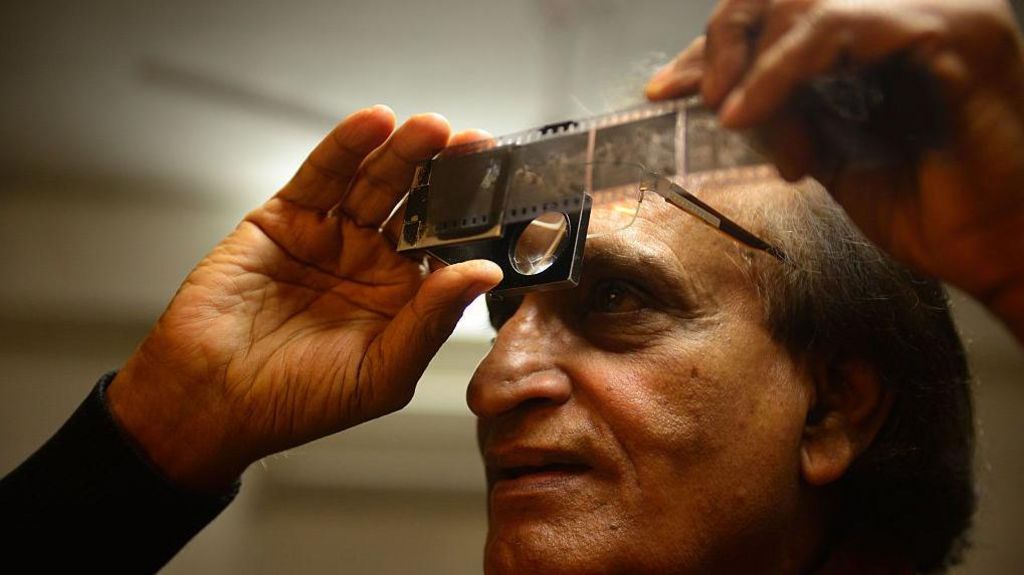
    The global photography community and audiences across India are continuing to pay heartfelt tribute to Raghu Rai, the nation’s most iconic and influential photojournalist, who passed away at 83. Over a more than 50-year career, Rai built an unmatched body of work that did not merely capture moments in Indian history — it reshaped how the nation understood its own defining events, and cemented his status as the father of modern Indian photojournalism.

    Rai launched his professional journey in 1966 at Kolkata-based daily *The Statesman*, before moving on to hold key roles as photo editor at leading Indian publications *India Today* and *Sunday* magazine. A major milestone of his career came in 1977, when he was accepted into the prestigious international photography cooperative Magnum Photos, an achievement widely considered one of the highest honors in the field. His acceptance was supported by legendary French photographer Henri Cartier-Bresson, whose candid, human-centered approach to street photography left a permanent mark on Rai’s own artistic philosophy.

    Throughout his career, Rai’s lens turned to every corner of Indian public and private life, ranging from corridors of political power to quiet moments of ordinary daily life, always rendered with a striking, intimate clarity. His most enduring works include an extensive catalog of photographs of former Indian Prime Minister Indira Gandhi, shot across decades: from raucous, high-stakes election campaigns to confidential closed-door Congress Party meetings, and even her diplomatic visits to meet world leaders like UK Prime Minister Margaret Thatcher. These images remain the definitive visual record of one of modern India’s most consequential political figures.

    Beyond politics, Rai created unforgettable portraits of many of India’s most celebrated cultural icons, from legendary filmmaker Satyajit Ray and iconic playback singer Lata Mangeshkar to celebrated painter MF Hussain and global Bollywood star Amitabh Bachchan. Each portrait captured the quiet, unspoken connection between creator and their craft, revealing layers of personality rarely visible to the public.

    Two of Rai’s most impactful bodies of work documented some of the darkest and most consequential chapters of late 20th century India: the devastating 1984 Bhopal Gas Tragedy, one of the world’s worst industrial disasters, and the violent period of Sikh militancy in Punjab that claimed thousands of lives in the 1980s. His tense, unflinching portrait of Sikh separatist leader Jarnail Singh Bhindranwale remains one of the most striking visual artifacts of that turbulent era. Rather than distancing himself from the suffering and upheaval he documented, Rai embedded himself in these moments, creating work that forced the nation to confront its own truths.

    For Rai, photography was never just a technical craft or a journalistic task — it was a deeply spiritual practice. In one of his final interviews, he framed the art as a form of connection to the divine, explaining, “I meet my god through my camera. Once I pick up my camera, I am driven by the ever-changing energy of life and nature. When you have invested mentally, physically, and spiritually in situations and take pictures constantly, it is like investing in a bank of life in which the returns keep getting bigger and the energy keeps you going.”

    He emphasized that powerful photography required consistent, disciplined practice rather than fleeting, trendy experimental techniques. When asked about his favorite portrait subject, he named the Dalai Lama, citing the leader’s unique “intensity and spiritual energy” that translated so powerfully on camera. Even when photographing subjects he admired deeply, Rai argued that a great portrait must prioritize raw authenticity over flattery, capturing “the moment, the experience of the person, the energy of the person” exactly as it existed in front of the lens.

    Peers across the industry have long described Rai’s work as a seamless bridge between hard-nosed news reportage and fine art, balancing the urgent immediacy of breaking news with intentional, thoughtful composition that elevates every image. Today, his massive archive stands not just as a collection of photographs, but as a decades-long act of intentional witnessing: a deeply human portrait of a nation, its people, and its many contradictions, that will continue to influence and inspire generations of photographers for decades to come.

  • Iran FM blames US for failure of talks after landing in Russia

    Iran FM blames US for failure of talks after landing in Russia

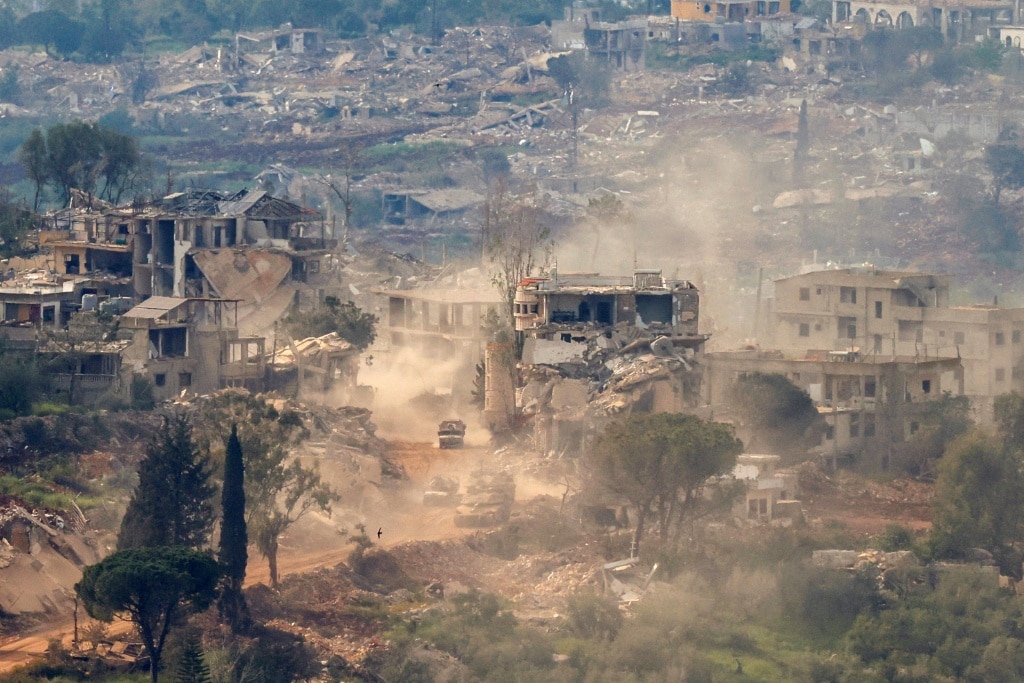
    A fragile ceasefire across multiple fronts of the broader Middle East conflict remains tenuously in place this week, even as high-stakes negotiations between Iran and the United States have hit a deadlock, with Tehran pinning the blame directly on Washington as its top diplomat launches a frantic regional diplomatic tour. Iranian Foreign Minister Abbas Araghchi landed in Saint Petersburg on Monday, where he is scheduled to hold high-level talks with Russian President Vladimir Putin, capping a packed four-day schedule that already included stops in Oman and Pakistan – the latter serving as the host of the only completed round of direct talks between the two adversarial nations. That initial round of negotiations ultimately ended without an agreement, and hopes for a breakthrough follow-up round this weekend were dashed last week when former US President Donald Trump canceled a planned trip by his top envoys, Steve Witkoff and Jared Kushner, to the region. Speaking to reporters in the Russian city Monday, Araghchi attributed the collapse of the earlier talks to inflexible positioning from the US side, saying “The US approaches caused the previous round of negotiations, despite progress, to fail to reach its goals because of the excessive demands.” Following the cancellation of his representatives’ trip, Trump told Fox News that Tehran would need to reach out to Washington directly if it wanted to restart discussions, though he emphasized that the cancellation does not mean a return to open hostilities between the two countries. Despite the public impasse, backchannel diplomatic efforts have continued behind the scenes. Iran’s semi-official Fars News Agency confirmed that Tehran has conveyed formal written messages to US officials through Pakistan, outlining Tehran’s non-negotiable red lines on core issues including its nuclear program and sovereignty over the Strait of Hormuz. The outlet clarified that these messages do not constitute formal full-scale negotiations. Separately, US news outlet Axios reported Sunday, citing an anonymous US official and two other sources familiar with the correspondence, that Iran has submitted a new proposal to end the direct conflict centered on reopening the Strait of Hormuz and lifting the US naval blockade on the waterway, with negotiations over the country’s nuclear program deferred to a later date. Iran’s official state news agency IRNA republished the Axios report without issuing a formal denial, lending quiet credence to the outline of the proposal. Beyond the bilateral diplomatic stalemate, the ongoing conflict continues to send shockwaves through the global economy, rooted in the dispute over the critical Strait of Hormuz – the chokepoint through which nearly 20% of global oil supplies transit daily. After Iran implemented an initial blockade of the strait in response to the outbreak of war, global prices for oil, natural gas, and agricultural fertilizer spiked dramatically, amplifying already pressing fears of widespread food insecurity in low-income developing nations. The US responded to Iran’s blockade with its own naval and economic blockade of Iranian ports across the Persian Gulf and beyond. Domestically, Trump faces growing political pressure as elevated fuel prices hit American consumers ahead of November’s midterm elections, with public opinion polls consistently showing the broader conflict is unpopular with a majority of US voters. During Araghchi’s earlier stop in Oman this week, a neighboring Gulf state that shares the Strait of Hormuz coastline with Iran, the question of reopening the waterway to safe commercial transit was a key topic of discussion. “The safe passage through the Strait of Hormuz is an important global issue. Naturally, as the two coastal countries of this strait, we must speak with each other so that our common interests are secured,” Araghchi said from Saint Petersburg. While both Russian and Iranian officials have confirmed the upcoming meeting between Araghchi and Putin, hardline factions within Iran have already ruled out backing down on the Hormuz blockade. Iran’s Islamic Revolutionary Guard Corps, the country’s elite military force, reaffirmed Monday that control of the strait and maintaining its deterrent effect against the US remains Tehran’s definitive, unchanging strategy. Global oil markets reacted to the stalled talks on Monday, with prices edging upward as investors priced in continued supply uncertainty, though the slow climb was tempered by lingering hopes that a diplomatic breakthrough could still be reached in coming weeks. Away from the Gulf diplomatic standoff, violence has flared once again on the conflict’s Lebanese front, despite a recently extended ceasefire between Israel and Iran-backed Hezbollah. Both sides traded accusations of ceasefire violations on Sunday, with Israeli Prime Minister Benjamin Netanyahu confirming that the Israeli Defense Forces continue to target Hezbollah positions vigorously, after both sides carried out new attacks over the weekend. Hezbollah first drew Lebanon into the broader Middle East conflict on March 2, launching a massive rocket barrage on Israel to avenge the assassination of Iran’s supreme leader Ali Khamenei. Israel responded with large-scale airstrikes and launched a ground invasion of southern Lebanon. At Sunday’s weekly cabinet meeting, Netanyahu argued that Hezbollah’s repeated attacks were effectively dismantling the existing truce, while the Iranian-aligned group vowed to continue responding to Israeli violations and what it calls Israel’s continued occupation of disputed Lebanese territory. Lebanon’s Ministry of Health reported that Israeli airstrikes across southern Lebanon on Sunday killed 14 people, marking the deadliest single day of violence since the current ceasefire went into effect. Agence France-Presse correspondents on the ground reported massive traffic jams of civilian vehicles heading north as thousands of residents fled the intensified raids following new Israeli warning orders for populated border areas. On the Israeli side, the IDF confirmed one soldier was killed in combat in southern Lebanon over the weekend. Netanyahu insisted that Israel’s actions are fully permitted under the terms of the existing ceasefire agreement, saying it grants Israeli forces freedom of action not only to respond to ongoing attacks but also to preempt imminent and emerging threats to Israeli territory.

  • Archbishop of Canterbury Sarah Mullally meets with pope and prays at the Vatican

    Archbishop of Canterbury Sarah Mullally meets with pope and prays at the Vatican

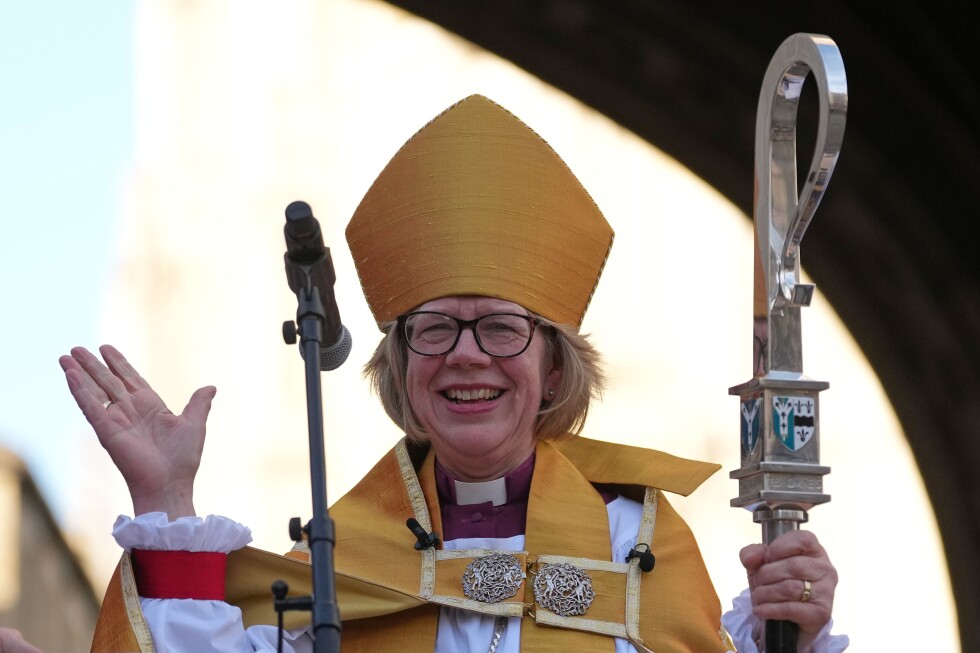
    VATICAN CITY – In a landmark moment for Christian ecumenism, Sarah Mullally, the newly installed first female Archbishop of Canterbury and spiritual leader of 100 million Anglicans worldwide, touched down in Vatican City on Monday for a historic audience with Pope Leo XIV. This meeting marks Mullally’s first international trip since she took up the highest office in the Church of England, and comes as the global Anglican Communion grapples with deep internal divisions over her appointment.

    Mullally arrived ahead of schedule for a closed-door meeting with Pope Leo in the pontiff’s private library, before the pair moved to the Urban VIII Chapel inside the Apostolic Palace for a scheduled moment of prayer, per Vatican announcements. The archbishop’s four-day Roman pilgrimage has already included stops at the Vatican’s major pontifical basilicas, where she prayed at the tombs of Saints Peter and Paul and held preliminary meetings with senior Vatican leadership.

    Lambeth Palace, the official London residence of the Archbishop of Canterbury, outlined the core goals of the visit: “to strengthen Anglican–Roman Catholic relations through prayer, personal encounter, and formal theological dialogue. It aims to deepen bonds of communion, affirm a shared witness, and encourage ongoing collaboration at both global and local levels.”

    The historical divide between the two church bodies stretches back to 1534, when King Henry VIII split the Church of England from Roman Catholic authority after his request for a marriage annulment was denied. While formal bilateral theological dialogue launched in the 1960s, major theological divides persist – most notably the Church of England’s gradual move to ordain women to all levels of clergy, a practice the Roman Catholic Church rejects, as it restricts the priesthood exclusively to men.

    Mullally’s appointment caps a decades-long shift for the Church of England: the first female Anglican priests were ordained in 1994, the first female bishop took office in 2015, and Mullally’s installation last month broke the final stained-glass ceiling as the first woman to hold the post of Archbishop of Canterbury. Her rise to leadership has split the already fractured 100-million-member Anglican Communion, which counts believers in 165 countries. Liberals and progressive Anglicans, mostly based in Western nations including the United Kingdom, have celebrated Mullally’s appointment as a long-overdue milestone for gender equality in faith leadership. But conservative factions across the communion have pushed back fiercely. The Global Anglican Future Conference (Gafcon), a conservative bloc that counts the communion’s largest and fastest-growing African churches among its members, has openly condemned the appointment and threatened a permanent schism. In North America, the conservative Anglican Church in North America – which split from the more liberal U.S. Episcopal Church and the Anglican Church of Canada over LGBTQ+ and gender issues – has joined Gafcon’s opposition to Mullally.

    In a message exchanged ahead of the visit, Pope Leo congratulated Mullally on her recent installation, while openly acknowledging she assumes office at a uniquely challenging moment, and that core differences still separate the two global church bodies. “We also know that the ecumenical journey has not always been smooth,” Leo wrote. “Despite much progress, our immediate predecessors, Pope Francis and Archbishop Justin Welby, acknowledged frankly that new circumstances have presented new disagreements among us.” Even so, the pontiff reaffirmed the Catholic Church’s commitment to continuing the dialogue.

    The meeting comes just two months after Pope Leo welcomed King Charles III, the titular head of the Church of England, and Queen Camilla to the Vatican, where the two royal visitors prayed in the Sistine Chapel. That October 25 gathering marked the first time since the 16th-century Reformation that the heads of the two churches have prayed together publicly. This year also marks the 60th anniversary of the first formal ecumenical statement signed by Anglican and Roman Catholic leadership, a 1966 agreement signed at the Basilica of St. Paul Outside the Walls by then-Archbishop Michael Ramsey and Pope Paul VI.

    Beyond ecumenical relations, Mullally has already expressed public solidarity with Pope Leo’s recent calls for peace in Iran, which came under fierce attack from former U.S. President Donald Trump after the American-born pontiff made the appeal.

    This coverage of religious affairs comes via the Associated Press, with support for AP religion reporting through a collaboration with The Conversation US, funded by Lilly Endowment Inc. The AP holds sole responsibility for this content.

  • Learners and P-platers face tough new rules with major driving licence overhaul

    Learners and P-platers face tough new rules with major driving licence overhaul

    Western Australia is implementing sweeping, life-saving changes to its graduated driver licensing system, introducing far stricter regulations for both learner drivers and provisional (P-plate) drivers in a bid to cut road fatalities and serious injuries. The reforms, which come after over a year of public engagement and advocacy following a high-profile teen road death, represent one of the most significant overhauls of the state’s road safety rules in recent decades.