
In a significant escalation of tensions, Israel conducted a targeted air strike in Beirut on Sunday, aiming at Hezbollah’s chief of staff. The attack, which occurred in the densely populated Haret Hreik area of Beirut’s southern suburbs, resulted in five fatalities and 28 injuries, according to Lebanon’s health ministry. Hezbollah confirmed that a senior commander was targeted, though the Israeli government has not disclosed the identity of the individual. The strike hit the third and fourth floors of a nine-story building, leaving debris scattered across the street and causing significant damage to nearby vehicles. Rescue workers swiftly evacuated a wounded woman on a stretcher, while Lebanese soldiers secured the site. The Israeli Prime Minister’s office stated that the operation was aimed at disrupting Hezbollah’s rearmament efforts, emphasizing Israel’s commitment to acting decisively against threats. Hezbollah officials condemned the attack, labeling it as crossing a ‘new red line.’ This incident marks the first strike on Beirut’s southern suburbs since June 5, when Israel targeted a Hezbollah drone factory. The ongoing conflict has placed Lebanon under increasing pressure to disarm Hezbollah, a demand the group has consistently rejected. Lebanese President Joseph Aoun has called for international intervention to halt Israeli attacks on the country.
博客
-
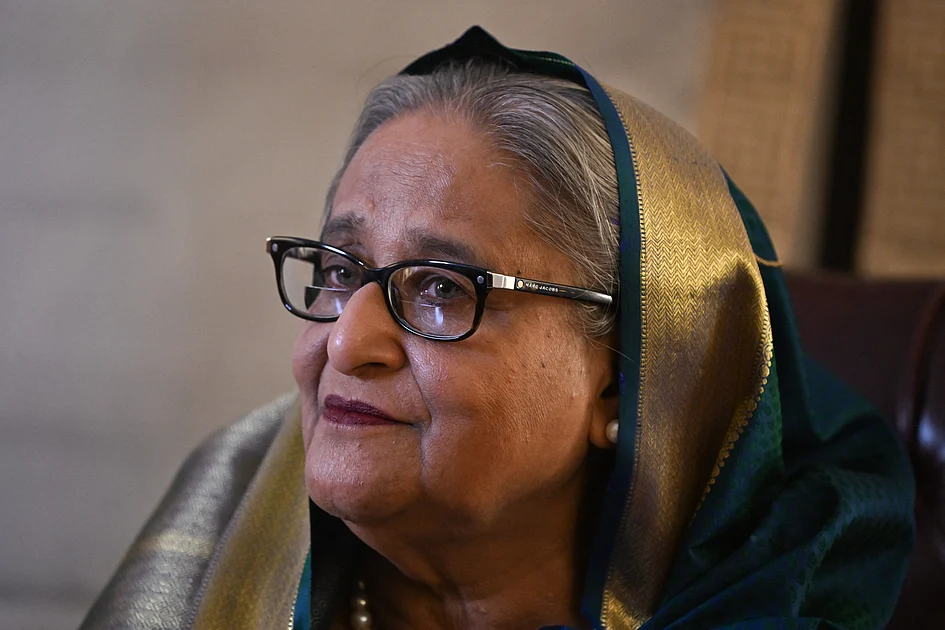
Bangladesh presses India on ousted leader Sheikh Hasina’s extradition
Bangladesh has formally requested India to extradite former Prime Minister Sheikh Hasina, who has been in hiding in India since her autocratic regime was overthrown in August 2024. The 78-year-old leader was recently sentenced to death for crimes against humanity related to a deadly crackdown on a student-led uprising during her tenure. The Bangladeshi government, led by interim Foreign Affairs Minister Touhid Hossain, sent its third official extradition request on Friday, urging India to comply under a bilateral treaty. India’s foreign ministry acknowledged the court verdict but has yet to respond to the latest request. The political landscape in Bangladesh remains unstable, with violence escalating ahead of the 2026 elections. The United Nations estimates that up to 1,400 people were killed in the crackdowns that defined Hasina’s trial. India’s historical support for Hasina has strained relations between the two nations, though recent diplomatic engagements, including a meeting between their national security advisers, suggest a slight easing of tensions.
-

UAE’s Mohammed Al Balooshi clinches fourth FIM World Cup Bajas title
The Dubai International Baja 2025 concluded with a thrilling finale as UAE’s Mohammed Al Balooshi clinched his fourth FIM World Cup Bajas title, solidifying his reputation as the undisputed king of desert motorcycle racing. The event, held across the challenging terrains of Hatta and Al Qudra, saw Al Balooshi adopt a strategic, no-risk approach on the final day to secure his historic victory. Despite finishing third in the race, his focus on accumulating points ensured his triumph in the World Cup standings, marking his third consecutive title. Reflecting on his achievement, Al Balooshi praised his competitors, Alex McInnes of Britain and Poland’s Konrad Dabrowski, who battled fiercely for the event’s top spot. Meanwhile, Abdulaziz Ahli celebrated a dominant victory in the Quads category, overcoming mechanical issues to claim the title. In the FIA World Baja Cup, Argentina’s Juan Cruz Yacopini emerged victorious after a gripping three-day duel with Seth Quintero of California, capping off a stellar season with his fifth win in six starts.
-
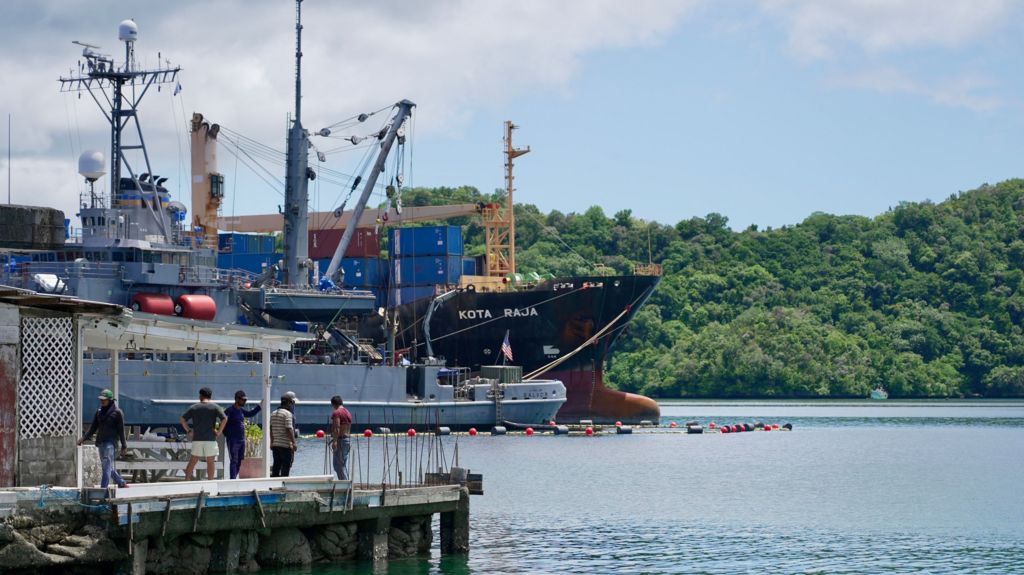
Chinese land, US radar and ties to Taiwan: The geopolitics rattling a tiny Pacific nation
Nestled in the western Pacific, Palau’s serene waters and vibrant marine life once drew throngs of tourists, particularly from China. However, the tourism boom that peaked between 2015 and 2017 has since collapsed, leaving local businesses struggling. The decline, according to Palauan officials, was no accident but a calculated move by Beijing to pressure Palau into severing ties with Taiwan. China, which views Taiwan as a breakaway province, has long sought to isolate the island diplomatically. Palau remains one of the few nations recognizing Taiwan, a stance that has placed it at the center of a geopolitical tug-of-war involving China, Taiwan, and the United States.
-

Machu Picchu hit by a row over tourist buses
Machu Picchu, Peru’s iconic 15th-century Inca citadel and a UNESCO World Heritage Site, attracts over 1.6 million tourists annually. However, recent disputes over bus services have disrupted access to the mountain-top site, leaving 1,400 tourists stranded and requiring evacuation. The conflict centers around Consettur, the bus company that has operated for 30 years, losing its license to a rival firm, San Antonio de Torontoy, following a contentious bidding process. Local protests erupted in September, with demonstrators blocking the railway to Aguas Calientes, the gateway town to Machu Picchu, forcing authorities to clear the tracks and arrange special train services. Critics argue that Consettur’s monopoly on the lucrative bus service, charging $24 for foreigners and $15 for locals, has fueled tensions. Despite its expired license, Consettur continues operations due to legal challenges, while San Antonio de Torontoy remains unable to start. Cristian Alberto Caballero Chacón, Consettur’s operations head, denies monopoly claims, stating the company comprises 12 partners, including the local district council, which owns 38%. Meanwhile, tourists face high costs, with train tickets to Aguas Calientes ranging from $140 to $2,000, and Machu Picchu entry fees at $57. Aguas Calientes Mayor Elvis La Torre criticizes the revenue distribution, with only 10% staying locally. Local vendors like Dina Huillca highlight the lack of basic services, while Carlos González, president of Cusco’s tourism chamber, advocates for state-controlled transport and enhanced visitor experiences. Despite challenges, Caballero welcomes competition, stating Consettur would cooperate with San Antonio de Torontoy if approved.
-

Philippines deports 23 Chinese nationals over illegal gaming operations, cyberfraud
In a significant move against illegal activities, the Philippines’ Bureau of Immigration (BI) deported 23 Chinese nationals on November 21, 2025, for their involvement in illegal Philippine Offshore Gaming Operations (POGO) and cyberfraud. The individuals were found to have violated multiple immigration laws, including participation in POGO-related activities, running fraudulent schemes, and being wanted criminals in their home country. The deportees were sent on a Philippine Airlines flight from Ninoy Aquino International Airport to Shanghai Pudong International Airport. Immigration Commissioner Joel Viado emphasized that additional arrests and deportations are anticipated as authorities intensify efforts to dismantle illegal online gaming facilities and scam operations. This crackdown aligns with President Ferdinand Marcos Jr.’s 2024 State of the Nation Address, where he announced a nationwide ban on POGOs due to their association with human trafficking, money laundering, and organized crime. The ban was formalized on October 29, 2025, with the signing of Republic Act No. 12312, also known as the Anti-Pogo Act of 2025, which prohibits all offshore gaming operations and revokes existing visas and work permits of foreign POGO employees.
-
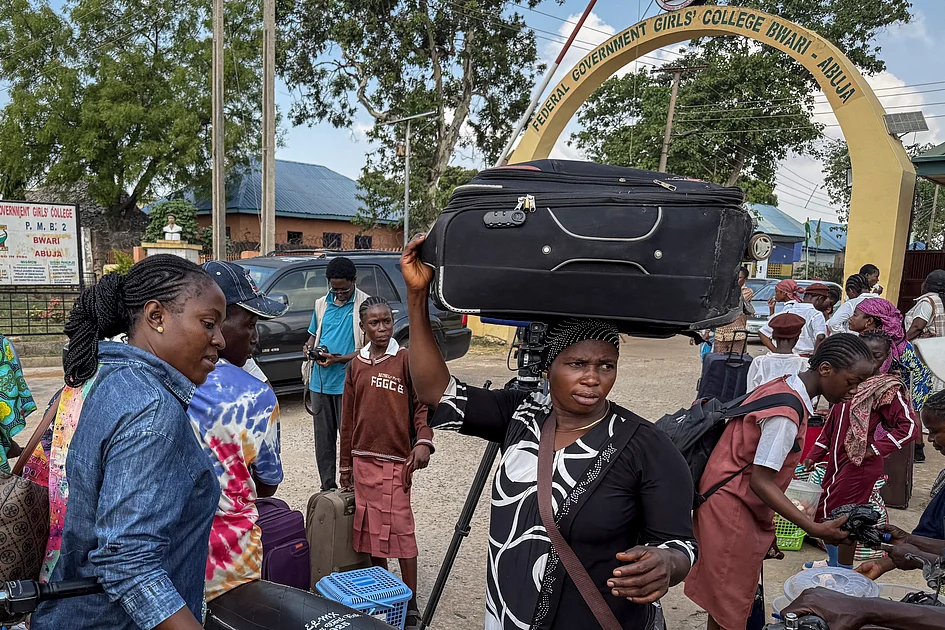
50 children kidnapped from Nigerian Catholic school escape captivity
In a glimmer of hope amidst a grim situation, 50 children abducted from St Mary’s Catholic School in Nigeria have managed to escape their captors. The mass kidnapping, which occurred on Friday in Niger state, saw gunmen seize 303 students and 12 teachers, marking one of the largest such incidents in the country’s history. The Christian Association of Nigeria (CAN) confirmed the escape, stating that the children, aged between eight and 18, reunited with their families between Friday and Saturday. This group represents nearly half of the school’s total student population of 629. The Nigerian government has yet to issue an official statement on the abduction. Reverend Bulus Dauwa Yohanna, CAN chairman in Niger State, urged continued prayers for the safe return of the remaining victims. The incident has reignited concerns over Nigeria’s escalating security crisis, which has led to widespread school closures. Since the infamous Chibok schoolgirls’ abduction over a decade ago, Nigeria has faced a surge in mass kidnappings, often orchestrated by criminal gangs seeking ransom. Pope Leo XIV expressed ‘deep sorrow’ for the victims and their families, calling for the immediate release of all hostages. The recent spate of kidnappings and attacks, including an assault on a church in western Nigeria, has drawn international attention, with former US President Donald Trump condemning the violence as ‘a disgrace.’ Meanwhile, Nigeria continues to grapple with a deadly militant insurgency in its northeast, which has claimed over 40,000 lives and displaced millions since 2019.
-
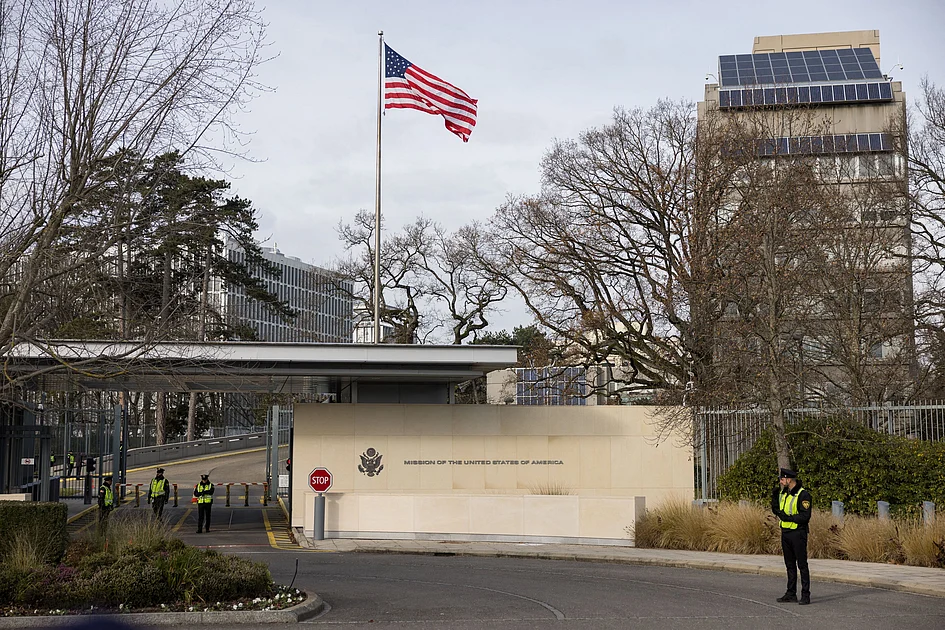
Trump blasts Ukraine for ‘zero gratitude’ to US as talks start
US President Donald Trump has once again lashed out at Ukraine, accusing its leadership of showing ‘zero gratitude’ for Washington’s support in its conflict with Russia. This criticism came as top US and Ukrainian officials convened in Geneva to discuss a potential peace proposal aimed at ending the ongoing war. Trump voiced his frustrations on his Truth Social platform, labeling the conflict a ‘human catastrophe’ and taking aim at his predecessor, Joe Biden, while notably refraining from directly condemning Moscow. Trump’s remarks underscore his longstanding dissatisfaction with the war, which erupted in 2022 when Russia launched a full-scale invasion of Ukraine, resulting in significant territorial losses and widespread destruction. During his presidential campaign last year, Trump had promised to broker peace within 24 hours, but his sporadic diplomatic efforts have yielded little progress. He now faces criticism from within his own party over a 28-point plan being discussed in Geneva, which some argue could favor Russia’s war objectives. While Trump has expressed disappointment in Russian President Vladimir Putin, he has rarely criticized him directly, instead focusing his ire on Ukrainian President Volodymyr Zelensky. In his recent social media post, Trump also criticized European nations for continuing to purchase Russian oil and derided Biden as ‘crooked Joe’ for providing Ukraine with military aid. Zelensky, however, has consistently expressed gratitude for the substantial US military support, which has been crucial in Ukraine’s ongoing defense against Russian forces.
-

Outcomes of COP30 show multilateralism is alive despite headwinds
The 30th session of the Conference of the Parties to the United Nations Framework Convention on Climate Change (COP30), held in Belem, Brazil, concluded with significant outcomes, underscoring the enduring strength of multilateralism despite global challenges. The conference adopted a comprehensive package of decisions, including a commitment to triple adaptation finance by 2035, emphasizing the need for developed nations to enhance climate finance for developing countries. A set of 59 voluntary indicators was finalized to track progress under the Global Goal on Adaptation, covering sectors such as water, food, health, ecosystems, and livelihoods. Additionally, COP30 introduced a just transition mechanism to foster international cooperation and equitable transitions. A historic framework titled ‘Global Mutirao: Uniting Humanity in a Global Mobilization Against Climate Change’ was also adopted, featuring the Global Implementation Accelerator to support countries in meeting their climate commitments. Chinese officials, including Wang Yi and Li Gao, highlighted the importance of these outcomes, particularly the inclusion of mechanisms to counter unilateral measures. UN officials, including Executive Secretary Simon Stiell and Secretary-General Antonio Guterres, praised the conference for its unprecedented political signals and called for continued global efforts to address the climate crisis. The event marked a pivotal moment in global climate governance, reaffirming the collective resolve to combat climate change despite political and economic headwinds.
-
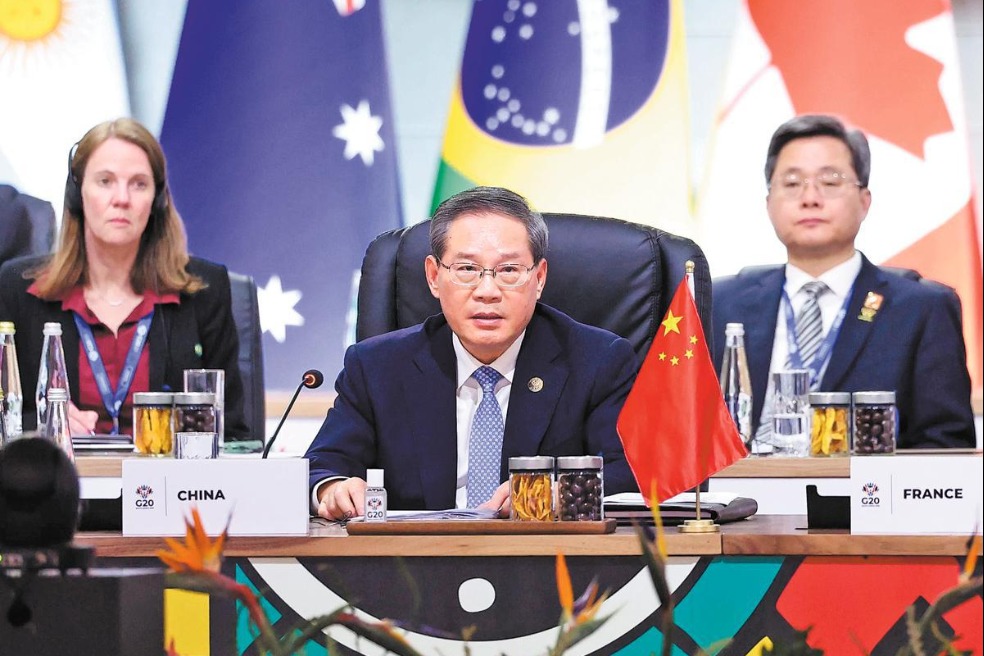
G20 called on to firmly uphold free trade
At the 20th G20 Summit held in Johannesburg, South Africa, Chinese Premier Li Qiang emphasized the urgent need for global solidarity and cooperation to address pressing economic challenges. The summit, themed ‘Solidarity, Equality, and Sustainability,’ focused on fostering inclusive and sustainable economic growth, building resilience, and ensuring a fair future for all. Premier Li highlighted the rise of unilateralism and protectionism, which have exacerbated trade restrictions and confrontations, hindering international cooperation. He urged G20 members to confront these issues head-on, advocating for multilateralism and the reform of global institutions like the World Bank, IMF, and WTO. Li also underscored the importance of supporting developing countries, announcing China’s initiatives to reduce debts and promote industrialization in Africa. The summit concluded with a leaders’ declaration addressing climate change and other global challenges, signaling a strong commitment to multilateralism. Additionally, Premier Li engaged in bilateral meetings with leaders from Italy, France, South Korea, Angola, Spain, and the WTO, reinforcing China’s dedication to fostering international partnerships and fair trade practices.