博客

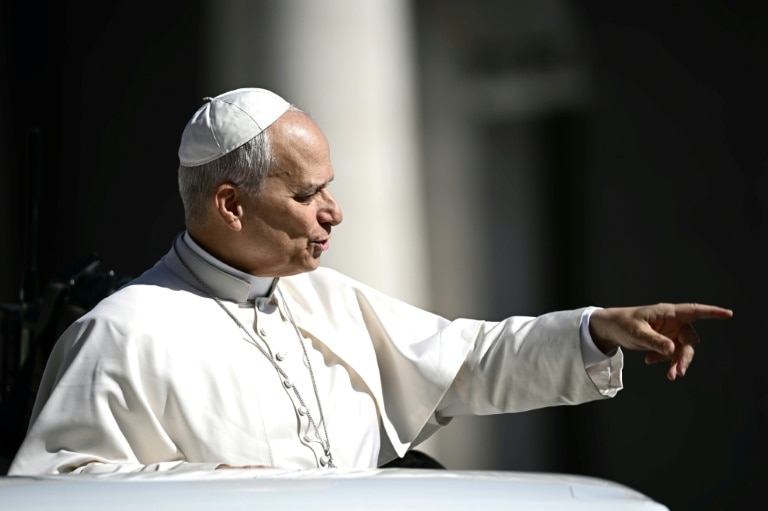
  • Pope names former undocumented migrant as US bishop

    Pope names former undocumented migrant as US bishop

    In a move that underscores the Vatican’s long-running stance on compassionate immigration policy, Pope Leo XIV announced Friday the nomination of Evelio Menjivar-Ayala — a former undocumented migrant who fled civil conflict in El Salvador — to lead the Diocese of Wheeling-Charleston in West Virginia. The appointment comes just weeks after a high-profile public dispute between the U.S.-born pontiff and former President Donald Trump, deepening a rift over immigration and global conflict that has defined their tense relationship.

    Menjivar-Ayala, 56, currently serves as an auxiliary bishop in the Archdiocese of Washington, and his life story tracks closely with the migration issues that have placed the Vatican at odds with hardline U.S. immigration policy. Born into poverty in El Salvador amid the country’s brutal 1980s civil war, he first attempted to cross into the United States in 1990, only to be detained by authorities in Mexico. In a 2023 interview, he recalled paying a bribe to secure his release before successfully crossing the border through Tijuana, entering the U.S. as an undocumented refugee fleeing violence. After decades of religious service, he was ordained as a priest in 2004 and elevated to auxiliary bishop in 2023.

    The Vatican officially confirmed the nomination in a public statement earlier this week, marking a historic milestone for a U.S. diocese: Menjivar-Ayala is believed to be one of the first former undocumented migrants to be appointed a U.S. diocesan bishop. For Pope Leo, who leads the world’s 1.4 billion Catholics, the appointment aligns with his repeated calls for humane treatment of migrants, a stance that has put him directly in conflict with Trump.

    Last month, the pontiff drew fierce pushback from Trump after condemning the former president’s threat to “destroy Iran” as “unacceptable.” Pope Leo urged U.S. voters to pressure congressional representatives to prioritize diplomatic peace over escalation, a comment that sparked a scathing retaliation from Trump. The former president took to social media to slam the pope, labeling him “WEAK on Crime, and terrible for Foreign Policy.”

    Beyond the Middle East conflict, immigration has been the primary flashpoint between the two leaders. Pope Leo has repeatedly decried the treatment of migrants in U.S. detention systems as “extremely disrespectful,” arguing that global governments have a moral obligation to pursue humane, welcoming policies for people fleeing violence and poverty. “We have to look for ways of treating people humanely,” he has said of migration, a message that the appointment of Menjivar-Ayala brings tangible, public form.

    Church observers note that the nomination is far more than a routine personnel change: it is a deliberate reaffirmation of the Catholic Church’s commitment to migrant advocacy at a time when immigration remains one of the most divisive political issues in the United States ahead of the 2024 presidential election.

  • Elon Musk’s latest Tesla pay valued at $158bn – but he can’t pocket it

    Elon Musk’s latest Tesla pay valued at $158bn – but he can’t pocket it

    In a regulatory filing published Thursday, Tesla has put a $158 billion (£117 billion) valuation on the 2025 compensation package for its chief executive Elon Musk, one of the world’s wealthiest people — but the document also confirmed that Musk will not take home any of that sum this year. The eye-popping valuation stems from a historic pay deal that Tesla shareholders approved back in November, which ties Musk’s earnings to a series of extremely ambitious performance and growth milestones. Until those targets are met, the massive package remains purely nominal, industry analysts emphasize. The approved agreement would grant Musk up to $1 trillion in Tesla stock only if he guides the electric vehicle maker to a series of aggressive long-term goals, chief among them boosting the company’s total market capitalization to $8.5 trillion. For 2025, none of those required milestones were met, so no payout is triggered, says Danni Hewson, head of financial analysis at UK investment platform AJ Bell. “Elon Musk isn’t actually going to pocket $158bn,” Hewson explained to the BBC. The $158 billion figure disclosed in the filing to the U.S. Securities and Exchange Commission (SEC) is not a guaranteed payout for 2025, she added: rather, it is an accounting estimate of what Musk would receive if he ultimately delivers on all the terms of the deal, counting his work toward the targets over the past year. The full list of milestones Musk must hit to unlock the full stock grant is sweeping, and spans multiple business lines at Tesla. He must grow the company’s annual vehicle delivery volume to 20 million units, while also rolling out 1 million humanoid robots. He needs to hit 10 million paid subscriptions for Tesla’s controversial Full Self-Driving driver assistance feature, and launch 1 million commercial autonomous Robotaxis for ride-hailing service. The plan also requires Tesla to hit cumulative core profit of up to $400 billion before the full payout can be issued. If all these targets are met, Musk would receive more than 400 million additional Tesla shares, which would be worth roughly $1 trillion at the $8.5 trillion market valuation the plan calls for. While the goals are intentionally very high, Hewson notes that the structure of the deal was designed to refocus Musk’s attention on Tesla, and the unprecedented package has generated massive global attention for both the CEO and the automaker. Musk already holds the title of the world’s richest person by a wide margin. As of this reporting, Bloomberg estimates his total net worth at $651 billion, while Forbes pegs the figure even higher at $788 billion. Both estimates place his personal wealth far above that of other major tech leaders, including Google co-founders Larry Page and Sergey Brin. Since Musk draws no base salary for his role as Tesla CEO, and already has vast wealth from his sprawling portfolio of other companies, he faces no immediate pressure to hit the targets quickly, Hewson added. One of Musk’s other high-growth ventures, aerospace firm SpaceX, is on track to become one of the most valuable publicly traded companies in the world after its upcoming initial public offering (IPO). The rocket manufacturer recently merged with xAI, Musk’s artificial intelligence startup and parent company of social platform X, ahead of the public listing. Beyond Tesla and SpaceX, Musk is currently embroiled in a high-profile legal battle with OpenAI, the artificial intelligence research lab he co-founded with current CEO Sam Altman in 2015. The legal proceedings have included heated exchanges between Musk and OpenAI’s legal team, as well as the presiding judge. Musk claims that Altman and co-founder Greg Brockman abandoned the organization’s original non-profit mission to pursue for-profit growth, effectively “stealing” the charity he helped build.

  • Israel to pour $730m into propaganda as Gaza genocide, Iran war turns it into pariah

    Israel to pour $730m into propaganda as Gaza genocide, Iran war turns it into pariah

    Against a backdrop of mounting international fury over its military campaign in Gaza and expanding hostilities across Western Asia, Israel has greenlit a near three-quarters-of-a-billion-dollar surge in state-funded propaganda spending, a dramatic bid to reverse its rapidly collapsing global standing. The allocation, approved by Israeli lawmakers as part of the 2026 national budget in March, sets aside $730 million for hasbara – the official term for Israel’s state-directed public diplomacy and influence operations. This marks an extraordinary five-fold jump from the previous year’s $150 million allocation, which itself was already 20 times higher than pre-2023 spending levels.

    The scale of the budget increase, first revealed by the *Jerusalem Post* earlier this week, lays bare the urgency of Israel’s push to contain growing global condemnation and its rapid slide toward pariah status in international affairs. The PR overhaul comes as Israel grapples with a cascading series of crises that extend far beyond the Gaza conflict: rising global recognition of its apartheid regime in the occupied West Bank, intensifying scrutiny over long-rumored links between Israeli intelligence agency Mossad and convicted sex offender Jeffrey Epstein, and widespread anger over allegations that Israel pushed the United States into a confrontation with Iran that has triggered global economic instability and humanitarian ripple effects far beyond the Middle East.

    Israel currently faces diplomatic and public opinion isolation at depths unmatched since the country’s founding, according to a recent analysis from Tel Aviv’s Institute for National Security Studies (INSS). This worsening isolation comes as Israeli Prime Minister Benjamin Netanyahu is the subject of an arrest warrant from the International Criminal Court, charged with war crimes and crimes against humanity stemming from operations in Gaza, while the state of Israel is defending itself against formal genocide accusations at the International Court of Justice.

    A core target of the new propaganda push is shifting public sentiment in the United States, Israel’s most critical long-standing ally, where polling shows support for the country is eroding rapidly across demographic and political lines. A Pew Research Center survey released in April found that 60 percent of Americans now hold unfavorable views of Israel – a sharp uptick over just 12 months – while positive approval has dropped to 37 percent. This shift cuts across every major demographic: a majority of Republicans under 50 now view Israel negatively, while support has fallen among Black Protestants, Catholics, religiously unaffiliated Americans, and even among American Jewish communities, where backing has slipped below two-thirds.

    To implement the expanded influence campaign, Israel’s Foreign Ministry has dramatically expanded its messaging infrastructure. Under Foreign Minister Gideon Sa’ar, a new dedicated unit has been created specifically to shape global narratives about Israel’s actions. The government has earmarked tens of millions of dollars for targeted digital outreach, including a $50 million push for social media advertising across major global platforms, and roughly $40 million to host hundreds of foreign delegations ranging from sitting politicians and religious leaders to social media influencers and university presidents. A centralized “media war room” now monitors coverage from hundreds of international news outlets and tracks thousands of daily mentions of Israel across global media and social platforms.

    The campaign also extends to political consulting and AI-driven targeted outreach: the Foreign Ministry signed a $1.5 million per month contract with a firm linked to former Donald Trump campaign strategist Brad Parscale to deploy artificial intelligence tools to shape online discourse. Additional funds have been directed to evangelical Christian networks and influencer campaigns managed through private public relations firms.

    The surge in hasbara spending aligns with growing alarm within Israel’s national security and policy establishment over the country’s deepening international isolation. The recent INSS paper warns that Israel is facing diplomatic and public opinion isolation “not seen since its establishment”, highlighting the emergence of a “creeping economic boycott” as businesses and academic institutions around the world increasingly cut formal ties with Israeli partners. To counter this trend, INSS researchers have called on the Israeli government to ramp up engagement with diaspora Jewish communities and Christian Zionist networks. Proposals put forward include expanding youth travel programs to bring tens of thousands of young Jews and Christians to Israel annually, and a renewed push to build influence within global higher education. The report also recommends creating a $100 million fund to support Israeli research and launching a program to invite leaders of top global universities to visit Israel, with the goal of shoring up institutional partnerships.

  • Trump says he’ll place 25% tariff on autos from the EU, accusing it of not complying with trade deal

    Trump says he’ll place 25% tariff on autos from the EU, accusing it of not complying with trade deal

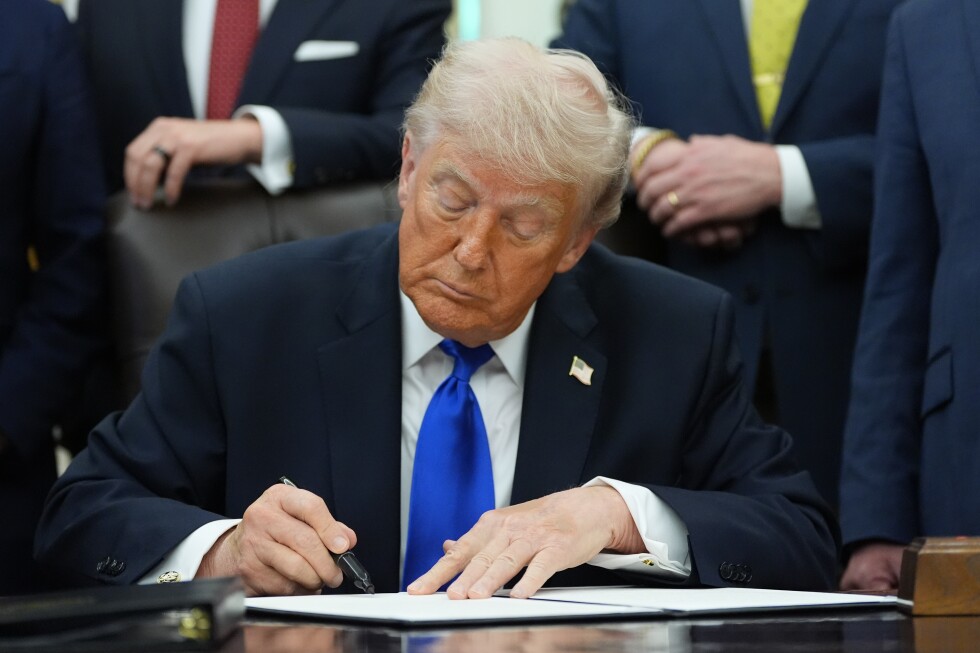
    WASHINGTON — In an unexpected announcement that has sent ripples through global markets already grappling with multiple crises, former and returning U.S. President Donald Trump revealed Friday that he will raise import tariffs on European-manufactured cars and trucks to 25% starting next week. The policy shift arrives at a moment of unprecedented vulnerability for the global economy, threatening to exacerbate already mounting pressures on growth and inflation.

  • Former Miami Congressman David Rivera is convicted of secretly lobbying for Maduro’s Venezuela

    Former Miami Congressman David Rivera is convicted of secretly lobbying for Maduro’s Venezuela

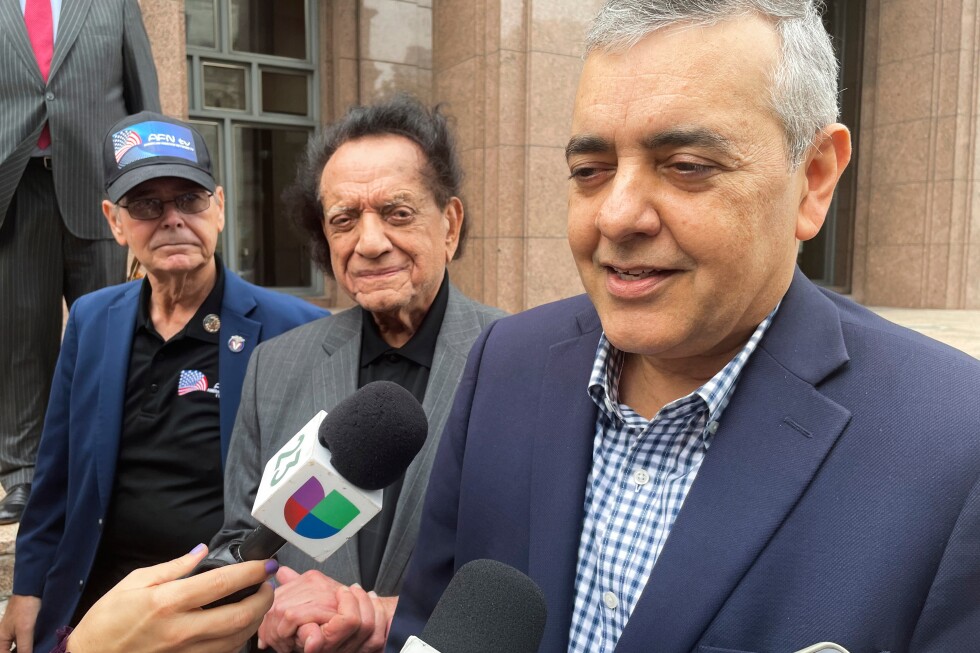
    MIAMI — After a high-profile seven-week federal trial that pulled back the curtain on hidden foreign influence operations targeting U.S. Latin America policy, former Republican U.S. Representative David Rivera has been found guilty on all charges connected to a covert $50 million lobbying campaign on behalf of Venezuela’s Nicolás Maduro government during the first Donald Trump presidential term.

    Jurors delivered the guilty verdict Friday against Rivera, a decades-long close personal friend of U.S. Secretary of State (and former Florida U.S. Senator) Marco Rubio, and his co-defendant, political consultant Esther Nuhfer. All 11 counts against the pair, including conspiracy to commit money laundering and failing to register as agents of a foreign government with the U.S. Department of Justice, resulted in conviction. Rivera remained stoic and expressionless as the verdict was read, a demeanor he maintained throughout the entire course of the trial.

    Though Rivera had been released on bond ahead of the verdict, U.S. District Judge Melissa Damian immediately ordered him to be taken into federal custody. Damian ruled Rivera qualifies as a substantial flight risk, citing his access to large unreported assets, the potential for a decades-long prison sentence, and additional pending federal foreign lobbying charges linked to this scheme that he already faces in Washington, D.C.

    The trial, one of the few high-profile public proceedings to examine foreign influence operations centered in Miami, offered an unprecedented look at the city’s unique role as a hub for cross-border lobbying campaigns designed to shift U.S. policy toward Latin America. Miami’s large Venezuelan exile community, deep political connections to Washington, and concentration of regional power players have long made it a magnet for both anti-Communist advocacy and foreign corruption operations, a dynamic laid bare by the proceedings.

    The case even drew testimony from top Washington political figures, including Rubio and Texas Congressman Pete Sessions, both of whom told jurors they had no idea Rivera held a secret consulting contract with PDV USA, the U.S.-based affiliate of Venezuela’s state-owned oil giant PDVSA. Both said they were shocked when the scheme came to light.

    Prosecutors first unsealed the 11-count indictment against Rivera and Nuhfer in 2022. The case alleges that Venezuela’s then-Foreign Minister Delcy Rodríguez — who now serves as Venezuela’s acting president — personally tapped Rivera to leverage his Republican connections built during his time in Congress to convince the first Trump administration to drop its hardline opposition to Maduro and roll back crippling economic sanctions that had gutted Venezuela’s economy.

    Prosecutors argued that the pair manipulated high-profile political contacts including Rubio and Sessions like “pawns on a chessboard” as part of the lobbying push, all to advance Maduro’s goal of normalizing relations with the Trump administration at a time when the Venezuelan government faced widespread global condemnation for gross human rights violations. In his closing arguments to the jury, lead prosecutor Roger Cruz emphasized that the defendants prioritized large payments over ethical or legal obligations, saying “As long as the money kept coming in, they didn’t care from where.”

    Per prosecution arguments, Rivera and Nuhfer concealed their work to protect Rivera’s public image as a leading anti-Communist voice in Florida Republican politics; keeping the “massive secret” hidden was the only way to avoid ending his political career, prosecutors said. To hide communications from authorities, Rivera set up an encrypted chat group codenamed MIA (for Miami) with Raúl Gorrín, a Venezuelan media tycoon who served as the main liaison to the Maduro government and has since been charged by U.S. authorities with bribing senior Venezuelan officials. Chat members used coded language to obscure their activities: Maduro was referred to as the “bus driver,” Sessions as “Sombrero,” Rodríguez as “The Lady in Red,” and multi-million dollar payments were called “melons.” Prosecutors added that payments from the Maduro government were consistently referenced in chats using the Spanish word for light, “La Luz.”

    The defense pushed back aggressively against the prosecution’s narrative. Attorneys for both defendants argued their clients acted in good faith and had no legal obligation to disclose the consulting contract, which they claimed focused exclusively on commercial efforts to convince oil major ExxonMobil to return to its operations in Venezuela. Commercial work of this nature is typically exempt from foreign agent registration requirements under U.S. law. The defense further contended that Rivera’s later meetings with Rubio and Sessions, which occurred after the consulting contract expired, were focused on promoting a transition to a new Venezuelan government less hostile to U.S. interests, rather than normalizing Maduro’s rule.

    “He was working every possible angle to get Nicolás Maduro out,” defense lead attorney Ed Shohat said in closing arguments. “There was not a word in the chats about normalizing relations.” Nuhfer’s attorney, David Oscar Markus, drew a controversial comparison between the government’s case and the 17th-century Salem Witch Trials, arguing the prosecution presumed guilt on thin, insubstantial evidence that did not prove malicious intent. “My client does not have a dark heart,” Markus told the jury.

    Prosecutors rejected the defense’s framing, arguing the ExxonMobil-focused contract was just a cover for illegal political lobbying on behalf of the Maduro government. Once the scheme began to unravel, prosecutors said, Rivera and Nuhfer fabricated documents, backdated agreements, and created sham contracts to hide the flow of illegal funds. One example presented to the jury was a fake agreement created to justify a $3.75 million wire transfer to a South Florida company that maintained Gorrín’s luxury yacht.

    The political lobbying operation included arranging private meetings for Rodríguez across multiple U.S. and Latin American cities, including New York, Washington, Caracas and Dallas. The pair recruited Sessions to help broker a meeting between Rodríguez and ExxonMobil’s CEO, a position previously held by Trump’s first Secretary of State Rex Tillerson. Sessions also agreed to carry a personal letter from Maduro to Trump after holding a secret meeting with the Venezuelan leader in Caracas.

    The outreach effort ultimately collapsed within six months of Trump taking office. The Trump administration imposed sweeping sanctions on Maduro, labeled him a dictator, and launched a “maximum pressure” campaign aimed at forcing him from power. A decade later, however, Rodríguez has emerged as a key trusted partner for the second Trump administration following a U.S. military operation that ousted Maduro from power.

    Before his election to Congress in 2010, Rivera built his political career as a senior Republican leader in the Florida state legislature, where he shared a home in Tallahassee with a young Marco Rubio, who later rose to become Speaker of the Florida House of Representatives, a U.S. Senator, and most recently U.S. Secretary of State. Rivera has a long history of political controversy: in 2012, he was accused of secretly funding a Democratic spoiler candidate in his congressional re-election race, though federal prosecutors dropped the case last year after an appeals court struck down a large fine imposed by a lower court. He was also previously investigated for alleged campaign finance violations and a $1 million no-bid contract with a gambling company while serving in the Florida legislature, but never faced criminal charges in either case.
  • Florida sheriff identifies body found in Tampa Bay as 2nd missing student from Bangladesh

    Florida sheriff identifies body found in Tampa Bay as 2nd missing student from Bangladesh

    TAMPA BAY, Fla. — Law enforcement officials have confirmed that a badly decomposed body pulled from Tampa Bay earlier this month is that of the second missing University of South Florida international graduate student from Bangladesh, in what a top sheriff calls an unspeakable, cold-blooded double killing.

    Hillsborough County Sheriff Chad Chronister announced the identification Friday, more than a month after the two students were first reported missing. The remains of Nahida Bristy, a doctoral candidate in chemical engineering, were discovered Sunday by a recreational kayaker whose fishing line caught on a discarded garbage bag bobbing in the bay’s waters. Due to the advanced state of decomposition of the corpse, investigators relied on DNA testing and dental records to confirm Bristy’s identity, Chronister explained during a press briefing.

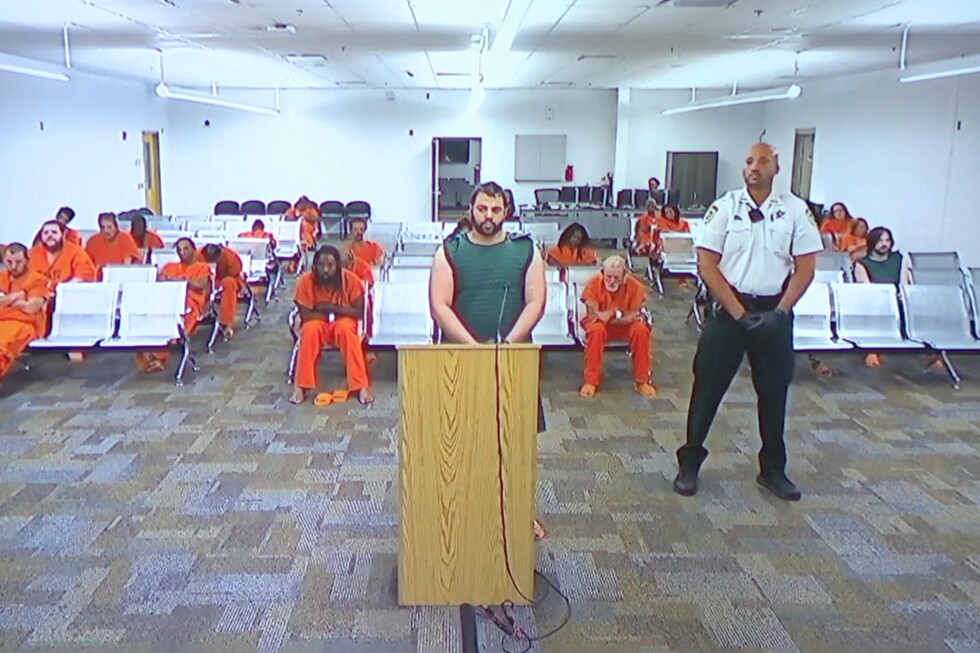
    Just two days before Bristy’s remains were located, the body of her friend and fellow USF doctoral student Zamil Limon was found in a separate garbage bag dumped on a bridge spanning the bay. Limon, who studied geography, environmental science and policy, shared an off-campus apartment with 26-year-old Hisham Saleh Abugharbieh, who has been in custody since the day Limon’s body was recovered. Abugharbieh, a former USF student who dropped out of the institution, faces two counts of first-degree murder in connection with the students’ deaths.

    In chilling comments to reporters, Chronister said the suspect displayed absolutely no remorse or reaction when confronted with evidence of the brutal killings. “He was nonreactive. He was callous and showed no emotion when we showed him the information we had,” the sheriff said. While preliminary evidence indicates both students were killed at the same location and around the same time, Chronister noted detectives are still working to confirm a definitive timeline of the crime.

    To date, investigators have not uncovered a clear motive for the slayings, a detail Chronister says his team remains determined to uncover. “I hope we find that out,” he added.

    The case began on April 16, when Bristy and Limon were separately reported missing to campus police and the Hillsborough County Sheriff’s Office. Colleagues and contacts told investigators that failing to show up for scheduled appointments was completely out of character for both students, and law enforcement quickly connected the two disappearances.

    Initial interviews at the apartment shared by Limon, Abugharbieh, and a third roommate immediately raised red flags for investigators. While the third roommate cooperated fully with questions, Abugharbieh gave vague, shifting answers about his interactions with Limon. Investigators also noted he had an unstitched cut on one arm and a bandaged finger, leading them to label him a person of interest, though they did not have sufficient evidence to arrest him at that stage.

    A follow-up interview with the third roommate yielded a critical break: the roommate told investigators he had seen Abugharbieh using a large cart to move items out of his room and to a nearby trash compactor in the overnight hours between April 16 and 17. When investigators searched the compactor, they found Limon’s glasses, student ID, wallet, and blood-soaked clothing. That evidence was enough to secure search warrants for the entire apartment and Abugharbieh’s electronic devices.

    A forensic sweep of the apartment uncovered damning physical evidence: large visible blood traces in the kitchen that extended down the hallway and into Abugharbieh’s bedroom. When investigators used blood-detecting luminal spray, they even found a faint outline of blood matching the shape of a human body curled in the fetal position, pressed against the wall right next to Abugharbieh’s bed. Additional blood traces were later found on the floorboards of Abugharbieh’s car, and genetic testing confirmed those traces belonged to Bristy.

    Investigators have reconstructed what they believe is the sequence of events: after the killings, Abugharbieh loaded the bodies into a cart under cover of darkness and transported them to his car to be dumped. Tracking data from the suspect’s car GPS, paired with surveillance footage from a nearby fire station, allowed investigators to map his route from the apartment to the Tampa Bay area, prompting the extensive search that eventually led to the recovery of both victims’ remains.

    While most of the content on Abugharbieh’s phone had been manually erased, forensic analysts were able to recover disturbing search history from the days leading up to the students’ disappearance. The search queries included deeply troubling questions: “Can a knife penetrate a skull?” and “Can a neighbor hear a gunshot?” Investigators also confirmed that Abugharbieh purchased large quantities of Lysol disinfecting wipes, heavy-duty contractor-grade trash bags, and other suspicious supplies in the days before April 16.

    “This was calculating. That’s what makes this so premeditated,” Chronister said of the suspect’s alleged actions.

    Relatives of both victims have been notified of the identification and ongoing developments in the case, the sheriff confirmed. Jennifer Spradley, an attorney with the Tampa public defender’s office representing Abugharbieh, declined to comment on the case when reached by email earlier this week.

  • Was LIV Golf an expensive failure for Saudis? Not everyone thinks so

    Was LIV Golf an expensive failure for Saudis? Not everyone thinks so

    For many casual observers, writing off Saudi Arabia’s $5 billion investment in the controversial breakaway LIV Golf tour as an expensive business failure seems like a straightforward conclusion after the kingdom confirmed its exit after five planned seasons. But industry experts argue that framing the LIV experiment as a total loss misreads Saudi Arabia’s broader strategic goals, which extended far beyond turning a quick profit on professional golf.

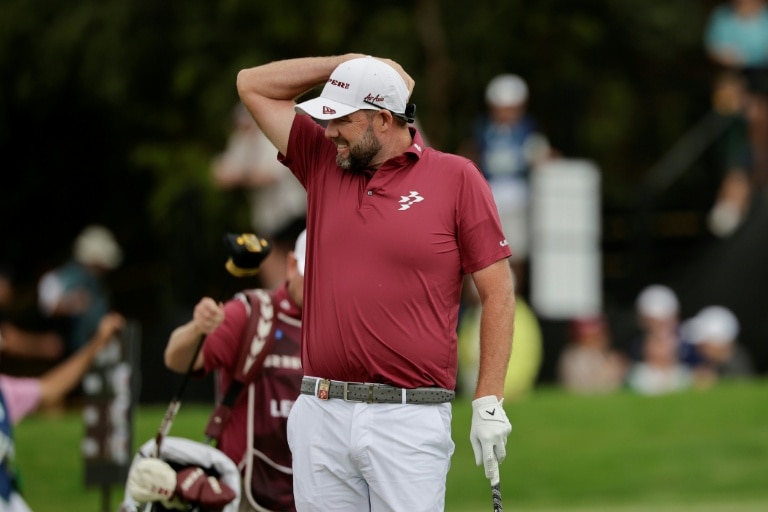
    Launched in 2022 by Saudi Arabia’s $900 billion sovereign wealth fund, the Public Investment Fund (PIF), LIV Golf upended the global golf landscape by poaching dozens of top stars including Dustin Johnson and Phil Mickelson with nine-figure signing bonuses. The reimagined tour format—featuring 54 holes of play, simultaneous shotgun starts, and on-course entertainment—sparked a bitter legal battle with the established PGA Tour that ended only when the two sides announced surprise merger negotiations, which dragged on for years without reaching a final deal. Ultimately, LIV never secured a lucrative major broadcast contract or built a large, loyal global fanbase, making continued large-scale investment unsustainable.

    However, analysts emphasize that LIV always served a larger purpose beyond golf: advancing Saudi Arabia’s core strategic agenda of diversifying its oil-dependent economy and boosting its global profile as a destination for tourism, international business, and investment. As the world’s top crude oil exporter, Saudi Arabia has used its PIF to pour billions into high-profile sports properties to deliver on this vision, a strategy that has already yielded visible wins: securing hosting rights for the 2034 men’s FIFA World Cup, luring global soccer superstar Cristiano Ronaldo to the Saudi Pro League, and taking over English Premier League club Newcastle United. Even with LIV’s exit, experts say this broader strategic trajectory remains unchanged.

    “Saudi Arabia is not going cold on sport,” Simon Chadwick, professor of Afro-Eurasian sport at Emlyon Business School in Shanghai, told Agence France-Presse. “It is evaluating the work that has thus far been done, what remains to be delivered, and what has worked (or hasn’t worked). The trajectory remains the same.”

    Chadwick added that initial Saudi ambitions for sports investment may have been overly ambitious, opening the door for opportunistic actors in the global sports industry to exploit the kingdom’s aggressive spending spree. Other analysts note that LIV’s exit is part of a broader pullback from the most extravagant, unproven projects across Saudi Arabia’s economic diversification agenda, including scaled-back spending on the $500 billion futuristic megacity NEOM and luxury tourism resorts. Within sports, the Saudi Pro League has also pulled back from the blank-check spending spree that attracted veteran global stars, and PIF recently sold a majority stake in top domestic club Al Hilal. Other high-profile events, including the Saudi Arabia Snooker Masters, have also been scrapped years into long-term contracts.

    Amro Elserty, a France-based Middle East sports affairs analyst, explained that LIV fulfilled its core initial purpose of putting Saudi Arabia on the global sports map, even if continued massive spending no longer made strategic sense. “That phase was primarily about visibility and positioning Saudi Arabia as a major global player,” he said. “What has changed is not that this objective disappeared, but that the marginal value of continuing to spend at the same level on a single project like LIV has declined.”

    While LIV’s exit carries some minor reputational risk, Elserty argued that it is not viewed as a major failure inside Saudi policy circles. “Within the logic of PIF’s strategy, this is better understood as a controlled exit from an experimental phase rather than a failure in the conventional sense,” he said. Chadwick echoed that view, noting that outside observers have overblown the significance of the pullback, framing what is a routine strategic adjustment as a high-stakes sports melodrama. Critics have long dismissed Saudi Arabia’s sports investments as “sportswashing,” an effort to distract from global criticism of the kingdom’s human rights record, but that has not slowed the expansion of Saudi influence across global sport. Even with LIV’s end, experts confirm Saudi Arabia’s commitment to using sports investment as a core tool for economic and geopolitical positioning remains intact.

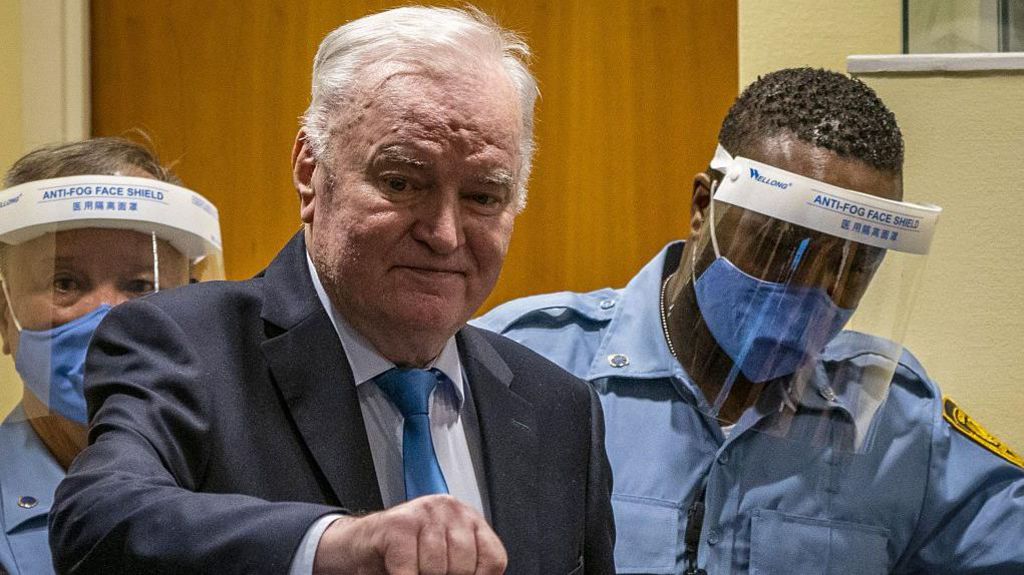
  • War criminal Mladic close to death, say lawyers asking judge for jail release

    War criminal Mladic close to death, say lawyers asking judge for jail release

    Eighty-four-year-old convicted Bosnian Serb war criminal Ratko Mladic, infamously known as the “Butcher of Bosnia”, is at the center of a high-stakes legal battle before a United Nations tribunal, as judges prepare to rule on a desperate appeal for his early release on humanitarian grounds.

    Mladic’s path to a cell in The Hague has been decades in the making. First indicted for atrocities during the 1992-1995 Bosnian War, he evaded capture for 16 years after disappearing in 1995, and was only tracked down and arrested in rural Serbia in 2011. He has remained in UN detention ever since, going on trial at the international tribunal in 2012 before receiving a life sentence in 2017 on charges of genocide, war crimes, and crimes against humanity. That conviction was upheld on appeal in 2021.

    The gravity of Mladic’s crimes is well-documented. As commander of Bosnian Serb forces during the breakup of the former Yugoslavia, he oversaw a campaign of ethnic cleansing across Bosnia and Herzegovina, a nearly four-year siege of the capital Sarajevo that killed more than 10,000 civilians, and the 1995 Srebrenica massacre, where 8,000 Bosniak men and boys were systematically executed.

    Now, Mladic’s legal team argues the 84-year-old’s declining health makes continued detention unnecessary and cruel. In a formal submission to the tribunal Friday, his lawyers outlined a rapid deterioration of his condition: Mladic has long been confined to a wheelchair or bed, and recently suffered a suspected stroke during a phone call with his son that left him nearly unable to speak. Two independent doctors who have evaluated Mladic have concluded his condition is critical, with a high risk of imminent death.

    The defense is pushing for immediate provisional or conditional release to a Serbian-language hospital or hospice, an ask widely interpreted as a bid to allow Mladic to return to Serbia to spend his final days. Serbian Justice Minister Nenad Vujic has confirmed the Serbian government is prepared to provide all required assurances to the UN court to facilitate the transfer.

    Mladic’s legal team argues that the current UN detention unit and its on-site prison hospital lack the capacity to provide adequate end-of-life care for the former general. They maintain that keeping Mladic behind bars now constitutes cruel and inhumane punishment, and no longer serves the original goals of his conviction.

    In response to the request, presiding judge Graciela Gatti Santana ordered an independent medical evaluation of Mladic’s health, with final findings due Friday. The assessment is tasked with evaluating the adequacy of his current care, confirming his diagnosis and prognosis, and outlining available treatment options.

    But the appeal has drawn fierce pushback from Bosnian victim and survivor groups, who reject the claim that this is a purely humanitarian request. They argue Mladic’s release bid is nothing more than a calculated legal tactic, pointing to multiple failed attempts by his defense team to secure his freedom in recent months: A similar release request was rejected in July 2025, and an application for temporary release to attend a family member’s memorial was also turned down last November.

    As the international tribunal weighs its decision, Mladic’s son Darko told Serbian media that there has been no recent change to his father’s condition, and he plans to visit him in the prison hospital next week. The ruling on the release bid, which will close one of the most high-profile chapters of international war crime prosecutions stemming from the Yugoslav Wars, is now imminent.

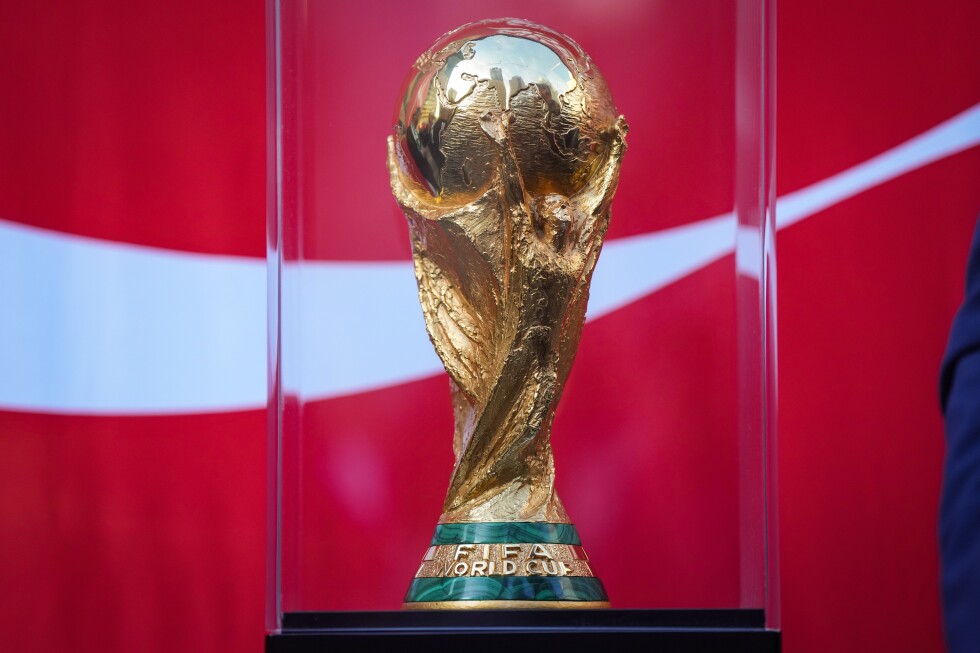
  • Exorbitantly expensive tickets for early World Cup games still on general sale

    Exorbitantly expensive tickets for early World Cup games still on general sale

    With just over 30 days remaining until the 2026 men’s FIFA World Cup kicks off across the United States, Canada and Mexico on June 11, the majority of the tournament’s group stage matches still have tickets available to the general public – but steep pricing has left many soccer fans frustrated and locked out of attending.

    FIFA has been releasing tickets in staggered sales phases since last September, and currently, remaining seats are listed through the governing body’s official website in a dedicated “last-minute sales” portal. Prices vary dramatically based on seating tier, with premium Front Category 1 seats commanding the highest costs and Category 4 being the most affordable entry point. The lowest current price for general sale group stage tickets is $380, a rate available for seven different matches, including the group stage clash between World Cup first-time qualifier Curacao and Ivory Coast, hosted in Philadelphia.

    Even with this baseline entry price, cost disparities between matches and seating tiers are striking. For example, a Category 3 seat for the United States’ opening group game against Paraguay in Los Angeles currently lists for $1,120 – nearly three times the $380 price tag of a Category 2 seat for the Austria vs. Jordan group fixture. The most expensive general sale ticket for any group stage match tops out at $4,105 for the US-Paraguay game, with dozens of other group stage matches carrying average ticket prices around the $2,000 mark. Other high-priced group fixtures include Argentina’s match against Austria at $2,925 for top-tier seats, Ecuador vs. Germany at $2,550, Uruguay vs. Spain at $2,520, and England’s clash with Croatia at $2,505. Top-tier tickets for defending champion Lionel Messi’s Argentina side range between $2,475 and $2,925, while Brazil’s tickets run from $2,280 to $2,310 for premium seating.

    This year’s tournament marks the first time FIFA has implemented dynamic pricing for the World Cup, meaning listed ticket prices can shift based on demand over time. Back in January, FIFA president Gianni Infantino claimed that public demand for World Cup tickets was equal to “1,000 years of World Cups at once,” predicting that all 104 tournament matches would sell out completely. To date, that prediction has not held: while 17 total group stage matches are listed as sold out on FIFA’s website, dozens more still have general sale inventory. The tournament’s opening match between co-host Mexico and South Africa in Mexico City is sold out, alongside seven other matches held across Mexican venues, including Mexico’s two additional group games against South Korea (Guadalajara) and Czech Republic (Mexico City). Other sold out group fixtures include Turkey vs. USA in Los Angeles, Brazil’s match against Morocco in the New York/New Jersey metro area, and Scotland’s clash with Brazil in Miami. Even for top national sides including defending champions Argentina, Brazil, Spain, France, and England, fans who can afford the current asking prices are still able to purchase tickets directly.

    Beyond group stage play, no general sale tickets are currently available for the tournament final. However, premium seats for the two semifinal matches are still on offer, with prices reaching five figures: a top-tier ticket for the Atlanta semifinal lists for $9,660, while the same seating tier for the Dallas semifinal costs $11,130.

    The unprecedented pricing has sparked significant backlash from fans worldwide, who have called FIFA’s pricing strategy a “monumental betrayal” of soccer supporters. Fan anger has been amplified by the introduction of additional high-priced seating categories as the tournament approaches, with most of the remaining general sale tickets falling into these more expensive tiers. Fans looking for resold tickets also face extreme markup: last month, four final seats were listed on third-party resale platforms (including FIFA’s official resale marketplace) for just under $2.3 million per ticket. While FIFA does not set resale prices or directly list resold tickets on its marketplace, the organization takes a 30% cut of every resale transaction, allowing it to profit a second time from the same seat.

  • Driver who drove into a tea party outside a London school charged over death of 2 girls

    Driver who drove into a tea party outside a London school charged over death of 2 girls

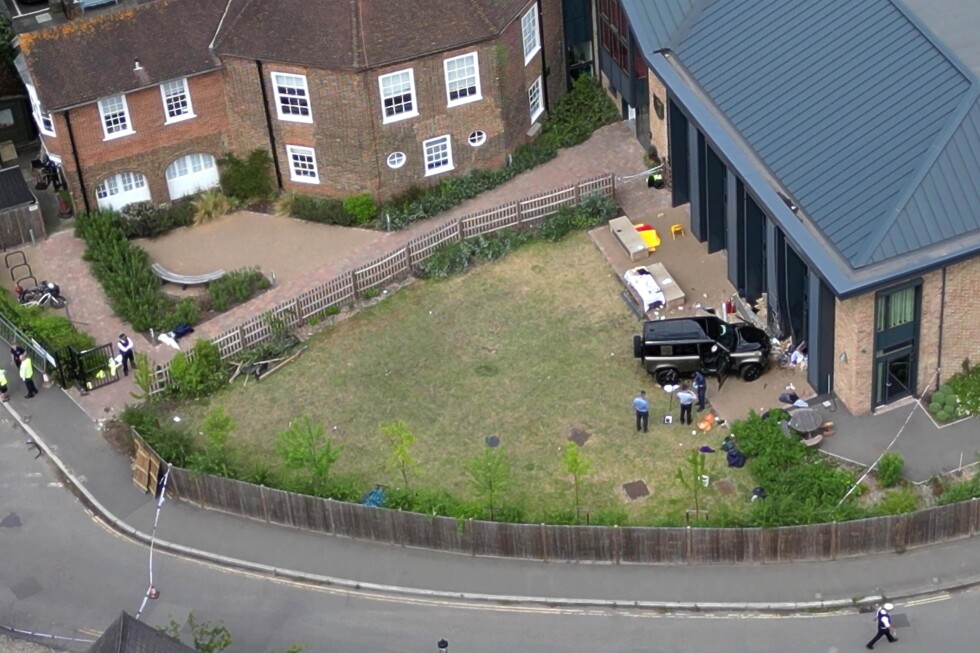
    LONDON – One year after a devastating vehicle collision that claimed the lives of two young girls outside a London primary school, UK law enforcement authorities have announced formal charges against the driver in connection with the deadly incident. The case, which shocked local communities when it unfolded in July 2023 during a end-of-term outdoor tea party, has taken a major procedural turn following a reopened investigation and the uncovering of previously unknown evidence.

    On July 6, 2023, 49-year-old Claire Freemantle was behind the wheel of a Land Rover when the vehicle veered off course, crashed through a perimeter fence, and plowed into the gathering of students and families outside Study Preparatory School, a private primary campus located in the Wimbledon district of south London. The crash killed Nuria Sajjad and Selena Lau, both 8 years old, and left multiple other attendees injured. More than a dozen people required on-site medical care for their injuries, and 10 individuals – including several current students at the school – were transported to local hospitals for further treatment.

    Following the initial investigation, Freemantle was not charged, after prosecutors concluded the crash was caused by an unexpected epileptic seizure. Freemantle herself has stated publicly that she retains no memory of the incident, but has shared that she feels “deepest sorrow” over the harm the crash caused. However, relatives of the two deceased girls pushed for further scrutiny of the case, raising questions about the original investigative process and prompting the Metropolitan Police to reopen the probe.

    After completing the reinvestigation uncovered new evidence, prosecutors confirmed on Friday that they have filed two counts of causing death by dangerous driving, plus seven additional counts of causing serious injury by dangerous driving, against Freemantle. Along with announcing the new charges, the Metropolitan Police issued a formal public apology for its handling of the initial investigation. The force has also referred its own officers to the UK’s independent police watchdog to investigate potential professional misconduct connected to the original probe.

    So far, details of the new evidence that led to the filing of charges have not been released to the public. Freemantle’s defense team has publicly questioned the decision to reverse the original declination of charges, and confirmed that their client will enter a plea of not guilty when she makes her first scheduled court appearance at Westminster Magistrates’ Court on June 16.