博客

  • How operation to disembark passengers on virus-hit cruise will work

    How operation to disembark passengers on virus-hit cruise will work

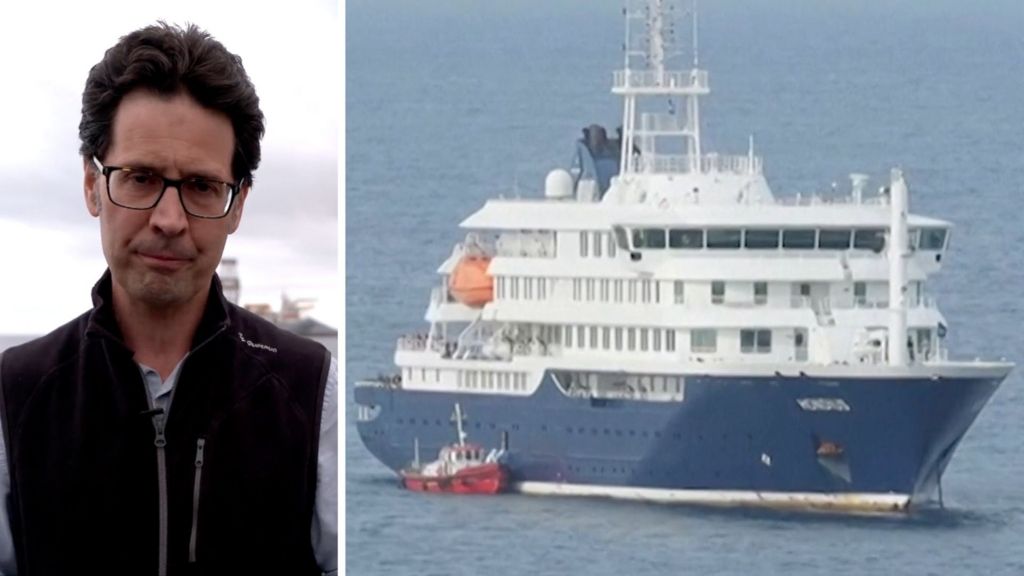
    A high-stakes operation to get passengers off a cruise ship struck by a viral outbreak is moving forward off the coast of Tenerife, where local communities have already raised alarm over potential public health dangers posed by the vessel’s arrival. The BBC’s Guy Hedgecoe has filed on-the-ground reporting from the Spanish island, shedding light on both the logistical intricacies of the disembarkation process and the growing anxiety among residents who worry the infected ship could introduce new transmission risks to the island.

    The unusual situation has required coordinated planning across public health agencies, port authorities and cruise line operators to put in place a protocol that balances the needs of passengers trapped on board with the need to protect the local population. Every step of the process, from initial health screenings to the movement of passengers off the vessel and into either quarantine facilities or onward travel, has been mapped out to minimize the chance of viral spread. Even with these rigorous preparations in place, however, many people who call Tenerife home remain unconvinced that the risks are fully mitigated. For these locals, the presence of a virus-hit ship so close to shore represents an unwelcome threat to public health that could upend daily life and put local communities at risk of new outbreaks.

    The situation highlights the unique challenges that global tourism and cruise travel faced during viral outbreaks, when the closed environment of a passenger ship can turn a vacation voyage into a public health emergency. It also underscores the tension that often emerges between the need to assist stranded passengers and the responsibility of local officials to protect the communities they serve, as Tenerife works through one of the first major test cases of cruise ship disembarkation during a public health crisis.

  • War gains, long-term pain: Wall Street’s core business at risk due to Iran war

    War gains, long-term pain: Wall Street’s core business at risk due to Iran war

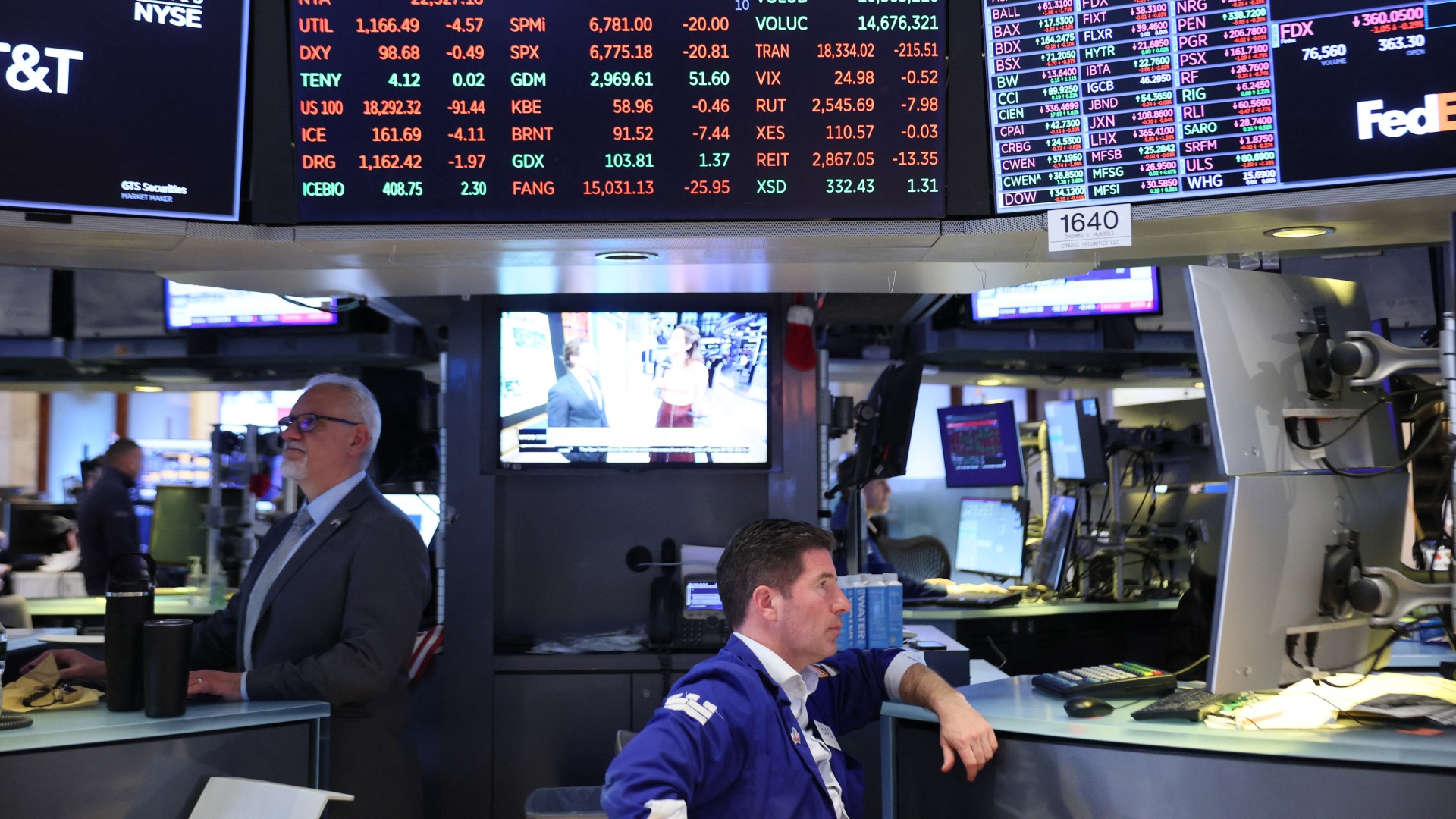
    In the wake of the US and Israeli military campaign against Iran, initial market reactions have painted a misleading picture of Wall Street’s fortunes, according to senior market analysts interviewed by Middle East Eye. While immediate short-term windfalls from spiking oil prices and amplified market volatility have lifted headline earnings, these gains are masking a growing slowdown in dealmaking that threatens the foundation of the finance industry’s core operations.

    Within days of the conflict’s launch, global oil prices surged dramatically, with Brent crude jumping 8.6% to roughly $72 per barrel in the first trading session after hostilities broke out. This spike lifted share values for major energy giants including ExxonMobil and Chevron, while heightened market turbulence drove a sharp uptick in trading revenues across major investment banks. Defense sector equities also rallied early on, with leading contractors Northrop Grumman, RTX Corporation and Lockheed Martin all posting immediate gains on expectations of expanded military spending. Goldman Sachs even reported a 48% jump in investment banking fees to $2.84 billion, with the bank acknowledging the conflict had given trading revenues a measurable boost.

    But these early, visible gains hide deeper underlying vulnerabilities, experts warn. While first-quarter 2025 earnings appear strong on paper, the vast majority of that performance traces back to transactions that were finalized before the first strikes on Iran on February 28. The full negative impact of the conflict on global deal flow is only just beginning to emerge.

    “Wall Street has done meaningfully less well out of the Iran war than might meet the eye,” explained Ilya Spivak, head of global macro at tastylive, a U.S.-based financial media and trading platform. Today, Wall Street executives are sounding the alarm that the conflict is complicating cross-border and domestic transactions, delaying planned initial public offerings (IPOs), and putting the entire pipeline of mergers, acquisitions (M&A) and new stock listings at risk.

    The early upward momentum across conflict-linked sectors also proved far from sustainable. While defense stocks jumped initially, many individual firms have struggled to hold gains in subsequent weeks, leaving the broader aerospace and defense sector largely flat for the year to date. Energy equities have followed a similar trajectory, giving up all their post-conflict gains after peaking in early March. Spivak added that recent broad market rebounds are “more driven by opportunistic attempts to ‘buy the dip’ in Magnificent 7 (Mag7) stocks rather than reflecting actual war-related upside for companies.” The Mag7—Alphabet, Amazon, Apple, Meta, Microsoft, Nvidia and Tesla—are seven large-cap tech names that have driven the vast majority of U.S. market growth in recent years.

    The core challenge, Spivak explained, is that trading revenue cannot fully offset a slowdown in traditional dealmaking. Trading operations require far heavier infrastructure investment and deliver significantly thinner profit margins than the advisory and underwriting work that forms the core of investment banking profitability. “Increased volatility can help offset a slowdown in dealmaking, but its thinner margins—of 25 to 45 percent, compared with those for investment banking of 45 to 65 percent—mean that you need about $1.50 in trading revenue to make up $1 of dealmaking revenue,” Spivak said.

    That gap is already showing up in hard data. As of early March, the number of announced U.S. mergers had fallen roughly 23% year-over-year to 1,795, a drop that reflects both pre-existing market weakness and new uncertainty fueled by the conflict. Goldman Sachs CEO David Solomon has openly acknowledged that IPO activity slowed sharply in March, with seven of the 10 largest U.S. listings from the first quarter trading below their offer price within a month of launch.

    “The disruption runs deeper than Wall Street’s earnings headlines suggest,” said Javed Hassan, a former investment banker who previously worked in London and Hong Kong for Swiss Re’s investment banking division. Hassan noted that major global banks with large trade finance portfolios—including Citigroup, HSBC and Standard Chartered—have already flagged rising counterparty risks in commodity-linked transactions. “The difficulty is not just energy prices, it is that no one can write a contract with confidence when the baseline keeps shifting,” Hassan said. “That uncertainty is the supply chain dimension Wall Street’s earnings headlines are not yet capturing.”

    Geopolitical conflict disrupting global financial markets is not a new phenomenon. Previous major conflicts, from the 2003 Iraq War to Russia’s 2022 full-scale invasion of Ukraine, all triggered equity market pullbacks, widening credit spreads and sharp slowdowns in IPO activity. But Mir Mohammad Ali Khan, founder and former chairman of KMS Investment Bank at 110 Wall Street, argues the Iran conflict is unique due to its direct and lasting impact on global energy flows through the Strait of Hormuz.

    “Previous conflicts, including the wars in Afghanistan and Iraq, did not have the long-term direct impact on US financial markets,” Khan told Middle East Eye. “Letting this conflict drag on is not in Wall Street’s interest.”

    Industry executives now agree that the second quarter of 2025 will be the first full test of the conflict’s impact, as it will be the first period entirely exposed to war-related disruptions. “Looking ahead, planning, engagement and pipelines remain healthy, but of course, developments in the Middle East could have an impact on deal execution and timing,” JPMorgan CFO Jeremy Barnum said. Citigroup CFO Gonzalo Luchetti echoed that warning, noting a prolonged conflict could introduce “risk of deferrals” for planned deals later in the year.

    Those warnings are grounded in the scale of the energy disruption. Before the conflict began, roughly a quarter of all global seaborne oil and 20% of global liquefied natural gas traded through the Strait of Hormuz—a key shipping lane that has been effectively closed since early March. The Federal Reserve Bank of Dallas has already labeled the conflict the largest geopolitical oil supply shock on record, estimating that removing nearly one-fifth of global oil supply could cut global GDP growth by 2.9 percentage points in a single quarter.

    More than two months into the conflict, the economic fallout is already showing up in broader U.S. economic data. Energy costs rose 10.9% in March alone, pushing average U.S. gasoline prices above $4 per gallon and lifting overall inflation to 3.3%—far above the Federal Reserve’s 2% target. “This is a one-quarter blip where the effects of it really weren’t being felt, but I don’t really see how this is sustainable,” said William D. Cohan, a former senior Wall Street M&A investment banker with experience at Lazard Frères & Co, Merrill Lynch and JPMorganChase. When corporate profitability falls, he explained, it directly reduces companies’ willingness to pursue new deals or take on borrowed capital. “People like to say Wall Street is not Main Street, [but] Wall Street is highly correlated to Main Street,” Cohan added.

    Rising energy and consumer costs have already rippled through to broader borrowing conditions. U.S. Treasury yields and 30-year mortgage rates have climbed steadily, pushing up borrowing costs across the economy and eliminating room for the Federal Reserve to cut interest rates as markets previously expected.

    “The single most important factor determining the trajectory of stock prices is the central bank’s monetary policy,” said Alex Krainer, a Europe-based market analyst, commodities expert and former hedge fund manager. “Stock markets are going higher not because the economy is growing… but because the Federal Reserve is flooding the financial system with liquidity.” If the conflict continues to fuel persistent inflation, Krainer warned, the dollar’s purchasing power will erode, meaning the nominal market gains investors see on paper will not translate into actual, inflation-adjusted wealth.

    The International Monetary Fund has already downgraded its 2025 global growth forecasts and warned that a prolonged conflict could push the global economy to the brink of recession. For Wall Street, which relies on steady economic growth and cheap borrowing costs to support deal activity, that outcome poses an existential threat to its core revenue model. “Look, Wall Street is a confidence game,” said Cohan. “It’s a hard thing to bet against, but at some point investors, corporations, CEOs are going to have enough of this, and they are going to pull back.”

    Despite the clear short-term risks to profitability, not all analysts agree that Wall Street has an incentive to push for a rapid ceasefire. “Wall Street’s interest is in the war continuing, not stopping. I don’t think they will exert meaningful pressure on the administration for a ceasefire – probably quite the contrary,” Krainer said. Drawing on his conversations with financial and policy industry contacts, Krainer argued that control over Iran’s vast natural resources, rather than regional security, is the core strategic driver for many leading financial players.

    “Wall Street’s objective is primarily to take down the regime in Tehran,” he said. “Iran is the fifth richest nation in the world in terms of natural resources, estimated at $30 trillion. If they were able to install their own puppet in Tehran, all that wealth could become their collateral.” For Wall Street, Krainer argues, the long-term potential strategic prize far outweighs any short-term hits to industry balance sheets from the current conflict-induced deal slowdown.
  • William, Catherine and children name baby kangaroo at Australia Zoo

    William, Catherine and children name baby kangaroo at Australia Zoo

    A charming new chapter in global wildlife conservation has emerged from Queensland’s Australia Zoo, where the Prince and Princess of Wales and their three children have bestowed a heartfelt Welsh name on a young eastern grey kangaroo: Cwtch, which translates to “cuddle” in the Celtic language. The announcement was made in a joint Instagram post from the Wales family and third-generation conservationist Robert Irwin, son of the late legendary crocodile hunter Steve Irwin, who has carried on his family’s legacy of wildlife protection at the iconic Queensland zoo.

    Standing surrounded by a mob of gentle kangaroos in a video message shared to mark the occasion, Irwin expressed gratitude to Prince George, Princess Charlotte and Prince Louis for picking the affectionate name that fits the tiny joey perfectly. “It’s the absolute perfect name for a joey kangaroo, because at this age, they love a cuddle and they spend most of their time inside that pouch with their mum,” Irwin explained in the clip. “Cwtch is now proudly part of our family here at Australia Zoo.”

    Pronounced “kutch”, the name carries both personal and conservation purpose: Irwin extended the naming invitation to the British royal household specifically to draw global attention to the critical role kangaroos play in Australia’s native ecosystems, and the growing threats they face. Eastern grey kangaroos, one of Australia’s most recognizable native species, act as ecosystem engineers that maintain balanced habitats for countless other native plants, insects and animals across the Australian bush. Yet despite their cultural and ecological importance, the species continues to face mounting pressure from habitat destruction, accelerating climate change and unregulated human activity.

    “Thank you for your support with our wildlife conservation efforts. It is so important that we conserve all of our animals, including the icons, the kangaroos,” Irwin said. “These guys play a very important role in the Australian bush, and out there in the ecosystem, they are just crucial. With all of the animals that we support and all of the wildlife conservation efforts that we have around the world, it is all about making sure we give back to the wildlife and the wild places where they live.”

    The collaboration between Irwin and the Prince of Wales is far from a one-off gesture: Prince William has long been one of the world’s most high-profile advocates for global conservation, most notably as the founder of The Earthshot Prize, a landmark global initiative that funds and scales innovative solutions to the planet’s most urgent environmental challenges. Irwin has partnered with the prince on multiple nature protection and restoration projects, work that aligns closely with the mission of his global conservation nonprofit Wildlife Warriors, which carries on the Irwin family’s decades-long work to protect endangered species and wild habitats across the globe.

  • Trump says EU has until July 4 to approve last year’s trade deal or it will face higher tariffs

    Trump says EU has until July 4 to approve last year’s trade deal or it will face higher tariffs

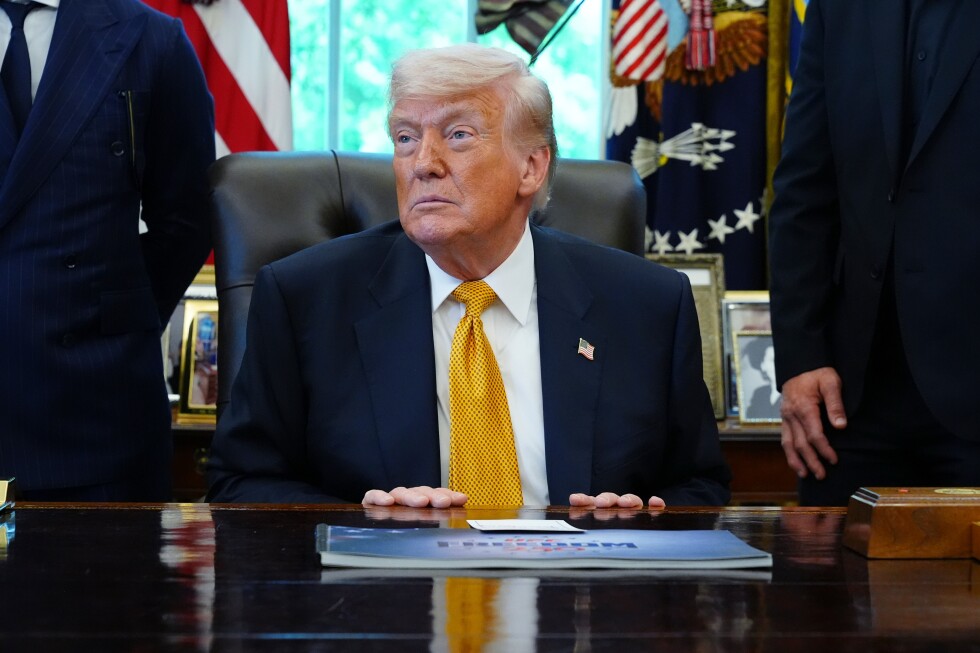
    WASHINGTON – In a Thursday post on social media, former U.S. President Donald Trump has issued a new ultimatum to the European Union, setting a July 4 deadline for the 27-nation bloc to formalize approval of a bilateral trade framework struck last year — or face steeply elevated tariff rates on goods imported into the United States.

    The new announcement marks a shift from Trump’s prior hardline position: just last Friday, he warned that a 25% punitive tariff on European automobiles would go into effect as early as this week. The revised timeline followed what Trump called a “great call” with European Commission President Ursula von der Leyen, prompting him to extend the negotiating window by roughly two months.

    Despite the extension, Trump made clear his frustration with the European Parliament’s slow progress in ratifying the agreement, which has already been upended by a U.S. Supreme Court ruling from February. In that decision, the high court found that Trump lacked legal authority to invoke a national economic emergency to put the initial pressure tariffs in place — the tariffs that launched the current round of negotiations in the first place.

    “A promise was made that the EU would deliver their side of the Deal and, as per Agreement, cut their Tariffs to ZERO!” Trump wrote in his social media post. “I agreed to give her until our Country’s 250th Birthday or, unfortunately, their Tariffs would immediately jump to much higher levels.” The U.S. will celebrate the 250th anniversary of its declaration of independence on July 4 this year.

    Trump’s post left a key detail ambiguous: it did not specify whether the tariff hike would apply to all EU exports to the U.S., or would be limited to the auto sector that has been the central focus of trade tensions in this round. Most policy analysts read the extension as a partial retreat from Trump’s earlier immediate threat, granting European legislators extra weeks to complete the ratification process.

    Under the original terms of the 2023 trade framework, the U.S. was set to impose a 15% tariff on the vast majority of imports from EU member states. But following the Supreme Court’s ruling stripping the administration of authority for the original emergency tariffs, the White House has currently levied a 10% tariff while it conducts new probes into bilateral trade imbalances and national security implications of EU imports. The administration plans to implement new, legally sound tariffs to recover the revenue lost from the lower current rate.

  • Spain’s leader Sanchez awards UN’s Francesca Albanese Order of Civil Merit

    Spain’s leader Sanchez awards UN’s Francesca Albanese Order of Civil Merit

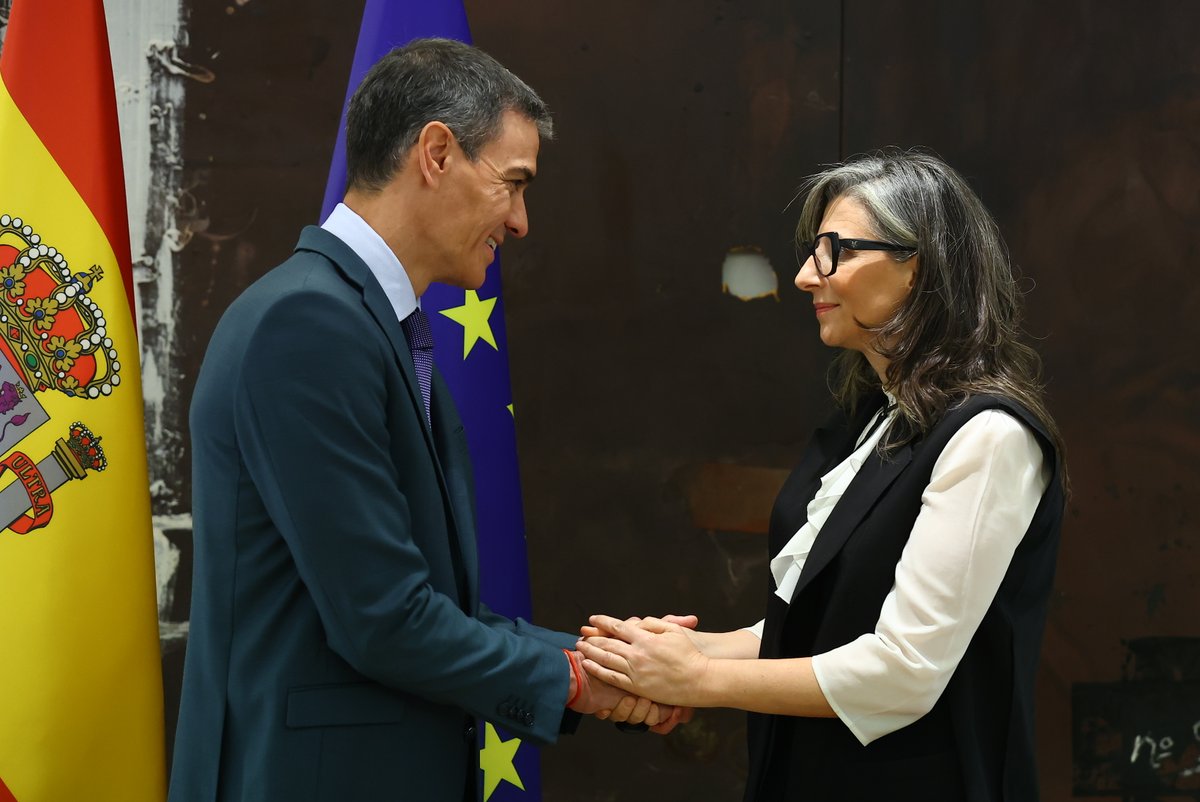
    In a bold act of diplomatic defiance that underscores deep European divides over the Gaza conflict and international accountability, Spanish Prime Minister Pedro Sanchez bestowed one of his country’s highest civilian honors on Thursday upon Francesca Albanese, the United Nations Special Rapporteur for Occupied Palestine who has been targeted with unprecedented U.S. sanctions for her work documenting human rights abuses and potential genocide in Gaza.

    In an official statement announcing the award of the Order of Civil Merit, Sanchez emphasized that holding public office carries an inherent moral duty to confront injustice rather than ignore it. “It is an honour to award the Order of Civil Merit to a voice that upholds the conscience of the world: Francesca Albanese, United Nations Special Rapporteur in the Occupied Palestinian Territory,” he wrote.

    The ceremony and honor came just 24 hours after Sanchez took another high-profile stand against U.S. punitive measures targeting international justice bodies: he formally called on the European Commission to trigger the EU’s long-dormant Blocking Statute, a legal tool designed to protect European individuals and institutions from extraterritorial sanctions imposed by non-EU powers. Speaking a day ahead of the award, Sanchez rejected any tolerance for what he framed as a targeted campaign of intimidation. “The EU cannot stand idly by in the face of this persecution,” he said, adding that Brussels must defend the independence of both the International Criminal Court (ICC) and the United Nations, as well as their critical work “to end the genocide in Gaza.” “Sanctioning those who defend international justice puts the entire human rights system at risk,” he added.

    Albanese, the first and so far only UN special rapporteur to face U.S. sanctions over her official mandate, was targeted by the administration of former U.S. President Donald Trump last year. The restrictions, which include a visa ban that bars her from entering the United States and a freeze on any assets she holds in U.S. jurisdictions, were imposed over her documentation of human rights violations in the occupied Palestinian territories and her longstanding cooperation with the ICC’s investigations into potential atrocity crimes.

    The ICC, based in The Hague, Netherlands, is the world’s only permanent international court with a mandate to prosecute individuals for war crimes, crimes against humanity, and genocide. Relations between the U.S. and the court have collapsed entirely since ICC Prosecutor Karim Khan sought arrest warrants for Israeli Prime Minister Benjamin Netanyahu and former Israeli Defense Minister Yoav Gallant earlier this year, accusing the pair of overseeing systematic war crimes and atrocities in Gaza that began in October 2023. In addition to Albanese, the Trump administration has now imposed sanctions on 11 senior ICC officials, covering not only the court’s work on Gaza but also its long-running investigation into potential war crimes in Afghanistan connected to U.S. and Taliban forces.

    Albanese was specifically sanctioned in July 2024 for her ongoing investigation into allegations of genocide in Gaza and her work with the ICC as part of her UN-mandated role. In addition to the travel and asset restrictions, the sanctions have cut her off from core global financial infrastructure, preventing her from completing routine daily transactions, she told Middle East Eye earlier this year. In February 2025, Albanese and her family filed a legal challenge against the Trump administration over the punitive measures, arguing they violate U.S. law and fundamental due process rights.

    Since the outbreak of the current Israel-Gaza conflict in October 2023, Albanese has released four major official reports as special rapporteur, all of which have concluded that Israel’s military campaign in Gaza meets the legal definition of genocide. She has also repeatedly condemned what she frames as global economic and political powers that have enabled and supported Israel’s operation, providing diplomatic cover and military supplies despite mounting evidence of atrocity crimes. Her most recent report called on the ICC to expand its arrest warrant list to include three senior Israeli cabinet ministers, whom she accuses of overseeing systematic torture of Palestinian civilians that amounts to acts of genocide.

    Sanchez has emerged as the most outspoken critic among European Union leaders of what he frames as repeated violations of international law by Israel and the United States, not only in Gaza but across broader Middle East policy including tensions with Iran. He made history earlier this year as the first EU head of government to publicly label Israel’s military campaign in Gaza as genocide, a stance that has put him at sharp odds with Washington and several Western European allies.

  • Israeli army disables rocket-tracking system over Iran intelligence fears

    Israeli army disables rocket-tracking system over Iran intelligence fears

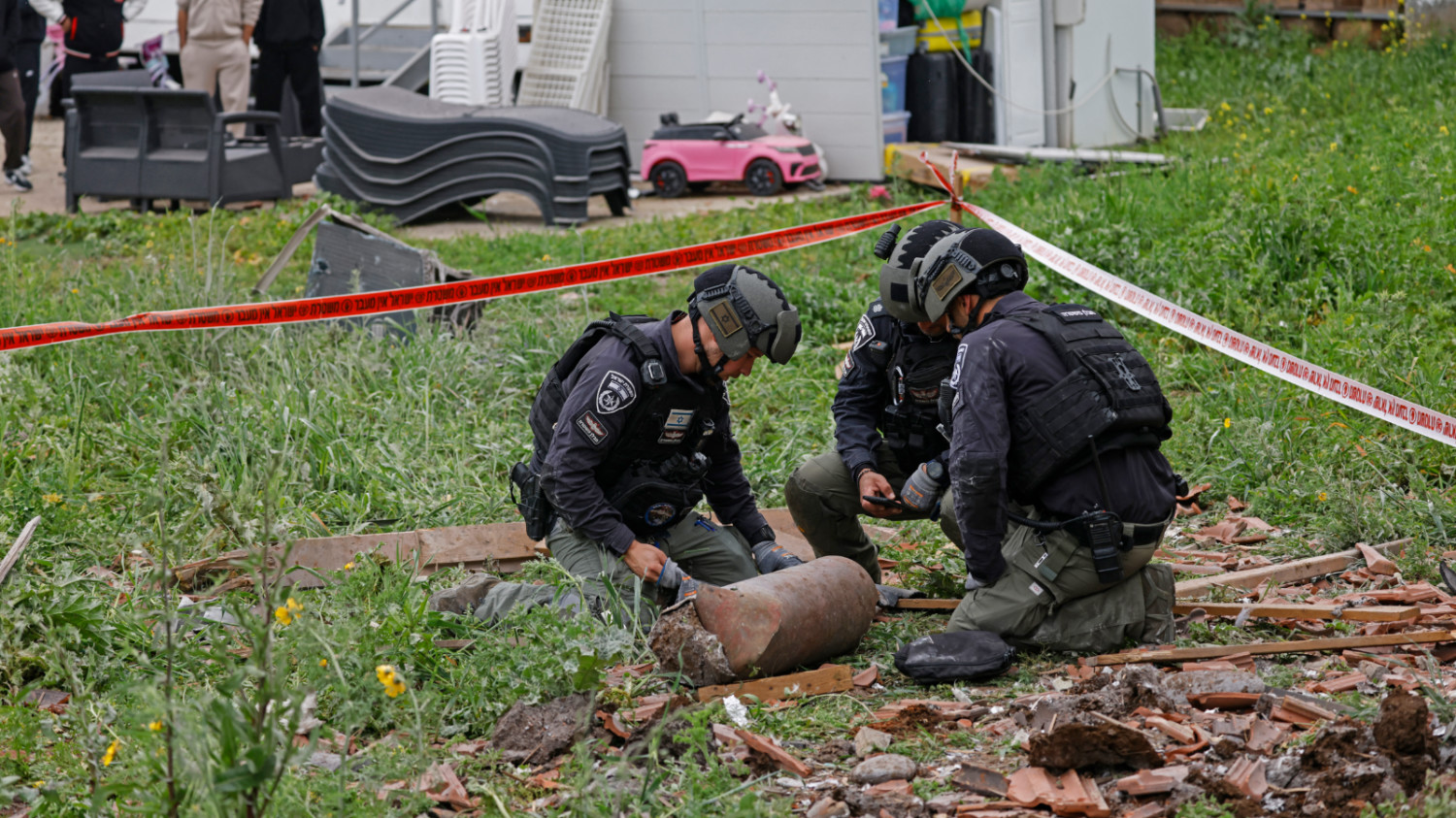
    Amid ongoing low-intensity hostilities along Israel’s northern border and growing national anxiety over Iranian intelligence infiltration, a controversial decision by the Israeli Home Front Command to cut access to a critical missile impact alert system has sparked fierce backlash from local leaders and security officials across northern Israeli communities, Israeli outlet Ynet reported Thursday.

    The disabled infrastructure, which once shared real-time data on potential missile strike impact zones with local first responders and municipal leadership, was taken offline by military authorities over explicit concerns that Iranian intelligence operatives could exploit the platform to harvest precise location data. Military officials argue that this information would allow Iran and its regional proxy militia Hezbollah to refine the accuracy and destructive power of future attacks against Israeli targets.

    Strict military censorship rules have governed all reporting of missile impact locations across Israel since the outbreak of open conflict between Israel and Iran in June 2025. International and domestic Israeli media outlets are already banned from disclosing the exact coordinates of strikes, particularly those targeting strategic and military infrastructure, and the military’s latest move extends this information control to frontline local response teams.

    For years, the restricted system served as a core operational tool for local authorities, enabling them to rapidly deploy emergency rescue and response teams directly to sites hit by rocket and missile fire. But today, the shutdown has left northern response teams operating without critical situational awareness, according to local leaders.

    Assaf Langleben, head of the Upper Galilee Regional Council, warned that the decision has created a state of “operational blindness” across the entire northern frontier. “It is absurd that Hezbollah knows where it is firing, so at least we should also know and be able to deal with the incidents and the responses we are required to provide,” Langleben said in an interview with Ynet.

    Avichai Stern, mayor of the key northern border city Kiryat Shmona, echoed this criticism, emphasizing that the alert system had a proven track record of saving lives amid repeated cross-border fire. “Leaving us without [the system] means abandoning even more lives in an area where most residents already lack protection,” Stern said, adding that “now we are also not being given the ability to go out, rescue and save them during fire.”

    Frontline civil security personnel in the region have described chaotic, dangerous working conditions in the wake of the shutdown. A civil security officer based in Kiryat Shmona told Ynet that in recent alarm events, response teams have “operated like blind mice.” The official added, “When I don’t have this tool, I don’t know where to run. We are ahead of another round, Hezbollah will again target our homes, and our residents will pay the price.”

    Another civil security officer from a local northern council criticized military leadership for choosing a blanket shutdown over targeted security reforms, saying “No one talks to us, explains, or thinks they owe us answers. They simply cut us off. In the army, instead of dealing with how to handle and prevent leaks, they chose the easiest solution and shut everyone out. They irresponsibly chose to punish us.”

    In an official statement to Ynet, an Israel Defense Forces spokesperson defended the order, noting that the platform “contains sensitive information, and during the war cases were identified that required adjustments to procedures and a reduction of access permissions in order to prevent harm to information security.”

    Military concerns over Iranian infiltration come against a backdrop of a sharp rise in domestic espionage cases linked to Tehran. Israeli outlet Ma’ariv has reported that more than 40 indictments have been filed against roughly 60 Israeli civilians on espionage charges since October 2023. Iranian intelligence is known to recruit Israeli operatives through large financial incentives, in exchange for documenting strategic locations and facilitating attacks inside Israeli territory.

    Just this week, Israeli leading outlet Haaretz exposed a major intelligence breach revealing that Iranian operatives have obtained secret sensitive data on researchers at the Institute for National Security Studies (INSS), Israel’s premier independent security think tank with formal ties to the Israeli military and Tel Aviv University. Over a six-year period, Iran collected personal identifiable information on dozens of INSS researchers — many of whom are retired senior Israeli security and military officials — alongside detailed records of closed-door meetings between INSS personnel and Israeli military leadership.

  • Marco Rubio meets Pope Leo amid tensions with Trump over Iran war

    Marco Rubio meets Pope Leo amid tensions with Trump over Iran war

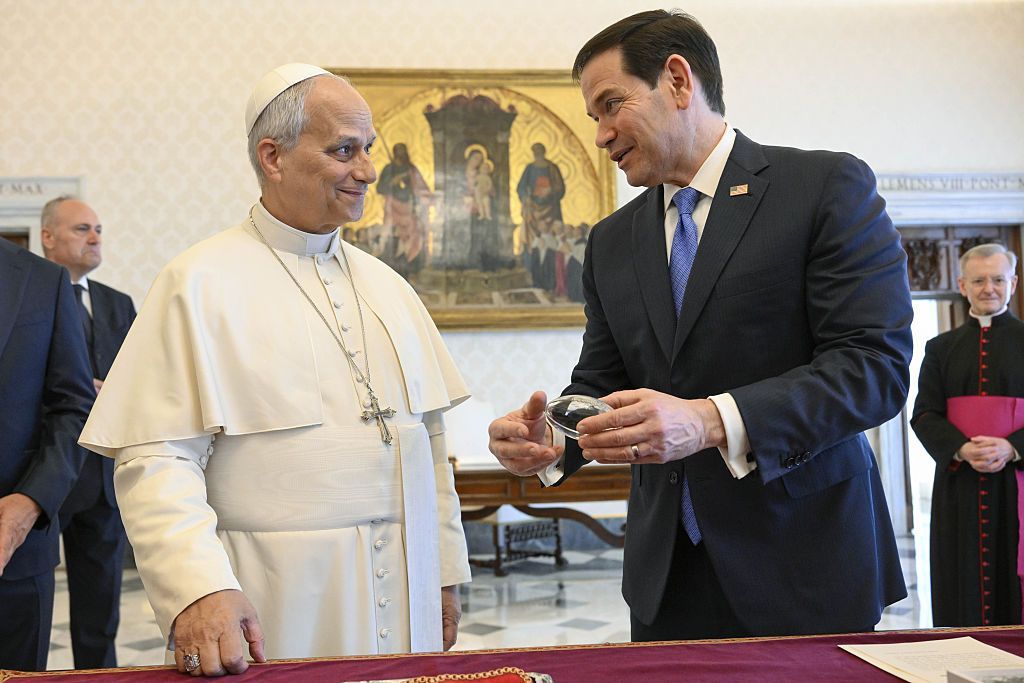
    A high-profile diplomatic encounter has taken place this week, as U.S. Senator Marco Rubio sat down for talks with Pope Leo, the first American-born pope in the history of the Catholic Church. The meeting comes at a moment of sharp public tension between the pontiff and former President Donald Trump, sparked by Pope Leo’s vocal opposition to a potential war with Iran and the Trump administration’s restrictive immigration agenda.

    Pope Leo, who made history when he was elected to the papacy as the first leader from the United States, has emerged as one of the most prominent religious critics of Trump’s foreign and domestic policy stances. His firm rejection of escalated military action against Iran and unflinching pushback on hardline immigration restrictions have drawn direct criticism from Trump, escalating their public feud in recent weeks.

    The sit-down between Rubio and Pope Leo is drawing attention from political observers across the nation, as it occurs against the backdrop of ongoing partisan debate over U.S. foreign policy in the Middle East and the future of the country’s immigration system. While details of the closed-door discussion have not yet been released to the public, the meeting itself highlights the growing intersection between religious leadership and U.S. political discourse, particularly as disagreements over high-stakes national and global issues continue to deepen.

  • Who is Kumanjayi Little Baby and why has her death caused outrage in Australia?

    Who is Kumanjayi Little Baby and why has her death caused outrage in Australia?

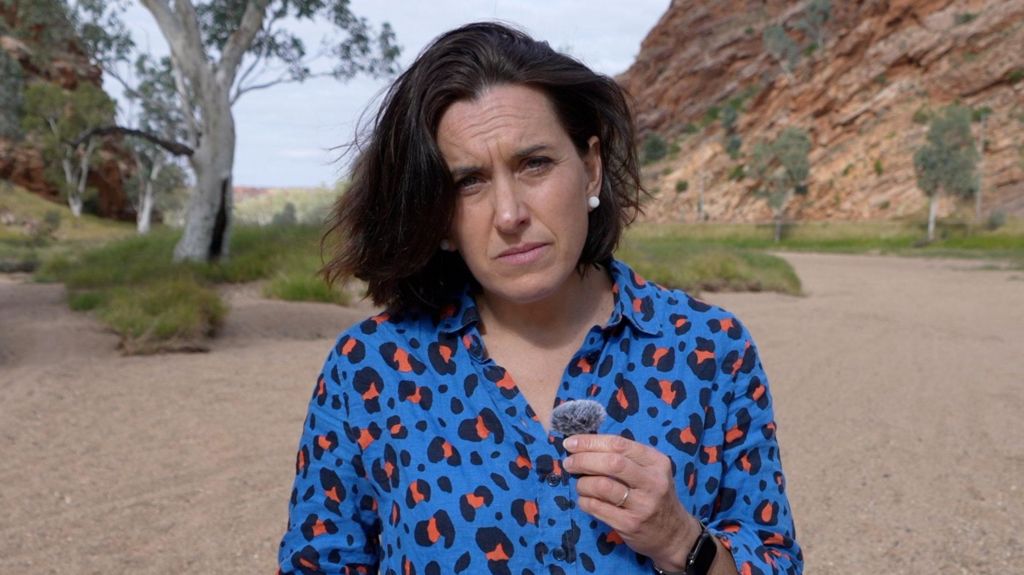
    The tragic passing of a young Indigenous Australian girl, Kumanjayi Little Baby, has sent shockwaves across the nation, igniting public fury and reigniting long-simmering debates over systemic disparities and cultural respect for First Nations communities. As BBC correspondent Katy Watson unpacks the complex case, its roots stretch far beyond a single death, touching on deep-seated cultural sensitivities and ongoing failures of government and institutional systems to protect Indigenous Australians.

    Kumanjayi Little Baby’s case has become a flashpoint because of how systemic neglect has intersected with profound cultural misunderstanding. For many Indigenous communities, the circumstances surrounding her death — and the lack of accountability that preceded it — are not an isolated tragedy, but a symptom of decades of marginalization that have left First Nations children and families disproportionately vulnerable to harm. The anger that has erupted across Australia also stems from long-unaddressed calls for systemic reform, from child protection services that have historically failed Indigenous communities to broader efforts to close the gap in life expectancy and safety between Indigenous and non-Indigenous Australians.

    Cultural sensitivities have further amplified the public reaction, as missteps by authorities and media outlets in acknowledging Kumanjayi’s cultural identity and heritage have added insult to injury for Indigenous communities. Many have pointed out that repeated failures to center Indigenous cultural perspectives in cases involving First Nations people perpetuate the same disrespect that fuels systemic inequity. What began as grief over a young life cut short has now coalesced into a national movement demanding meaningful change, accountability, and a renewed commitment to upholding the rights and dignity of Australia’s First Nations peoples.

  • Valverde taken to hospital after alleged incident with Tchouameni

    Valverde taken to hospital after alleged incident with Tchouameni

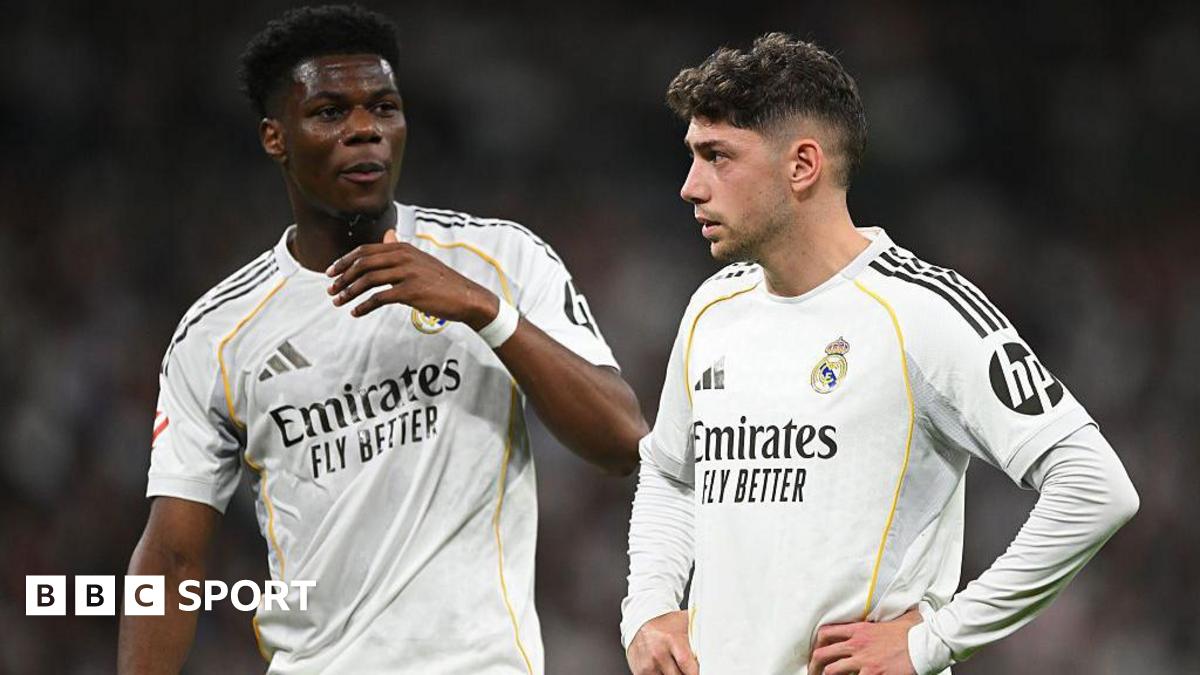
    Spanish football is bracing for one of its most high-stakes fixtures of the season, but a sudden and shocking dressing room incident at Real Madrid has thrown the club into chaos just 72 hours before they face Barcelona in a title-deciding El Clasico clash. Uruguayan midfielder Federico Valverde required hospital treatment for a head injury following a physical altercation with French teammate Aurelien Tchouameni, the club has confirmed. Real Madrid launched immediate internal disciplinary proceedings against both players after the incident, which unfolded at the team’s Valdebebas training complex. The club’s official statement confirms Valverde received a diagnosis of cranioencephalic trauma, a common form of concussion. Following evaluation, Valverde was sent home to recover in stable condition, with medical staff ordering a 10 to 14 day rest period to manage his injury. Multiple independent sports outlets have shared additional details from anonymous sources close to the club: BBC Sport reports Valverde was knocked unconscious during the confrontation, while ESPN notes the midfielder required stitches to close a wound from the incident. Tensions between the two players first emerged during a training session on Wednesday, according to multiple on-the-ground reports. While the initial verbal disagreement carried over into the dressing room after that day’s practice, no physical conflict broke out at that time. The confrontation escalated to violence Thursday after training concluded at Valdebebas, when Tchouameni initiated a new confrontation with Valverde that turned physical, multiple sources confirm. In the hours after the incident came to light, Real Madrid president Florentino Perez called an emergency high-level meeting with club leadership, interim head coach Alvaro Arbeloa, and team captain Dani Carvajal to address the situation. “The club will provide updates on the resolutions of both proceedings once the corresponding internal procedures have been completed,” the club said in its statement, leaving fans and analysts waiting for clarity on potential sanctions. BBC Sport has reached out to both club representatives and player agents for additional comment, but no further statements have been released as of publication. The timing of the incident could not be worse for Real Madrid, who face Barcelona at the Nou Camp this Sunday in a match that will decide the 2025-26 La Liga title. A failure to secure three points for Real will see Barcelona claim their second consecutive league championship with three matchweeks still left to play, putting the title out of Real’s reach. Multiple Spanish media outlets report that club staff have described the incident as the most serious internal conflict ever recorded at the Valdebebas training facility. Beyond the immediate disciplinary investigation, the altercation has also drawn attention to a pattern of growing unrest in the Real Madrid first team squad in recent days. This incident marks the third reported internal conflict at the club in a single week. Earlier in the same week, reports emerged of a separate altercation between Spanish left-back Alvaro Carreras and German defender Antonio Rudiger. Carreras later addressed the rumors in an Instagram statement, denying that the incident was as serious as reported. “In recent days, certain insinuations and comments about me have emerged that do not correspond to reality,” Carreras wrote. “My commitment to this club and to the coaches I have had has been complete from day one, and it will continue to be so. Since I returned [after spells at Manchester United and Benfica], I have always worked with the utmost professionalism, respect and dedication. I have fought very hard to fulfil my dream of returning home. Regarding the incident with a colleague, it is a specific matter of no relevance that has already been settled. My relationship with the whole team is very good.” The unrest has also extended to fan relations, with supporters voicing public criticism of star striker Kylian Mbappe this week after the forward took a short trip to Sardinia with his girlfriend during a scheduled recovery break from team activities.

  • ‘I wouldn’t pay it’ – Trump on USA ticket price

    ‘I wouldn’t pay it’ – Trump on USA ticket price

    The 2026 FIFA World Cup, co-hosted by the United States, Canada and Mexico, is just weeks away from its June 11 kickoff, but a fierce debate over exorbitant ticket costs has dominated pre-tournament discourse, with former US President Donald Trump becoming the latest high-profile figure to speak out against the pricing model.

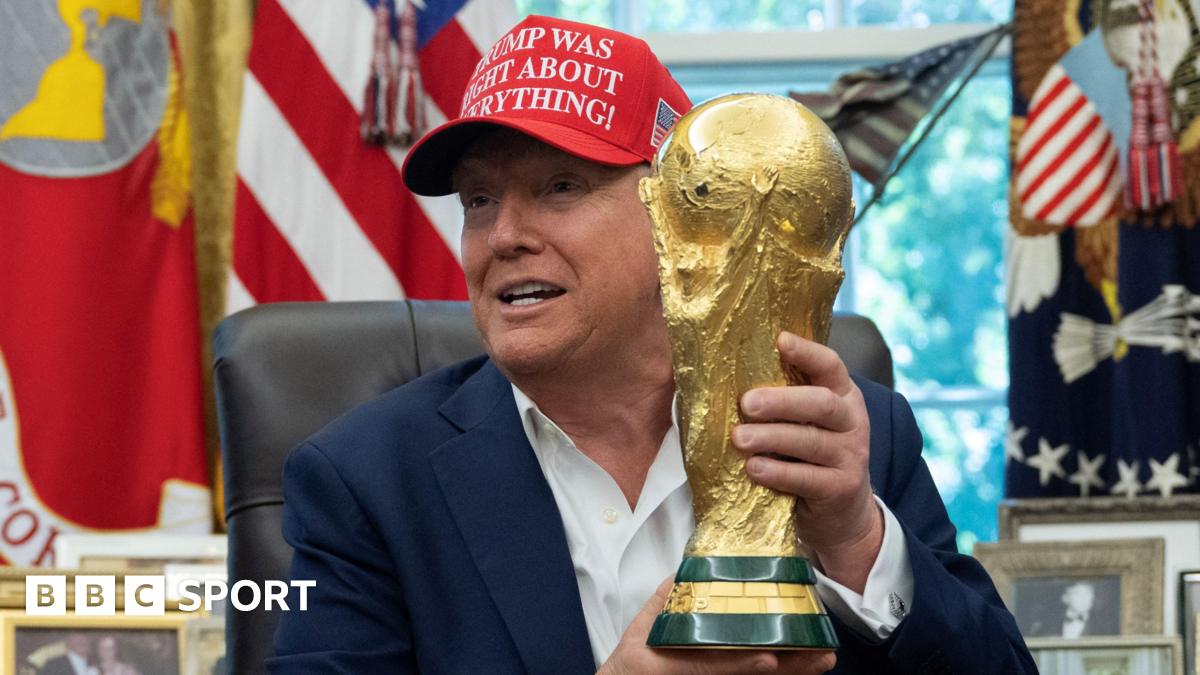
    When questioned by the New York Post about the reported $1,000 price tag for a single ticket to the United States men’s national team’s opening Group D match against Paraguay, scheduled for June 12 in Los Angeles, Trump admitted he had not been aware of the steep cost. Frankly acknowledging the sticker shock, Trump stated, “I wouldn’t pay it either.”

    The former president added that while he hopes to attend the high-profile fixture, he expressed disappointment that working-class supporters who backed him would likely be locked out of the event. “If people from Queens and Brooklyn and all of the people that love Donald Trump can’t go, I would be disappointed,” he said, though he also called the tournament itself “an amazing success” and noted his desire for his supporters to have the opportunity to attend.

    Fifa has drawn widespread backlash from fans and commentators alike for its unconventional and widely decried “extortionate” pricing framework for this year’s tournament. Breaking from the flat-rate ticketing model used for recent editions of the World Cup, the governing body priced group-stage matches dynamically, based on the perceived popularity of the competing teams, driving up costs for high-profile matchups like the US opening game.

    Further fuelling frustration is the structure of Fifa’s official ticket resale platform, which allows for drastically inflated resale prices while the organization collects a 30% cut of every transaction – 15% from both the buyer and the seller. Additional financial barriers for fans include spiking transport costs across host cities in the United States; a recent BBC Sport investigation found that an England supporter would need to spend roughly £6,500 to attend just their national team’s group-stage fixtures.

    Fifa president Gianni Infantino has defended the organization’s pricing strategy, arguing that the costs align with standard pricing for major sporting events across the United States. Speaking at the Milken Institute Global Conference in Beverly Hills earlier this week, Infantino defended dynamic pricing, claiming that if tickets were sold at lower face values, they would simply be resold for far higher amounts on secondary markets anyway.

    In response to the initial wave of public criticism when tickets were first released, Fifa introduced a limited number of more accessible £45 tickets for all 104 tournament matches. Ticketing rules also vary across host regions: in Toronto, Ontario’s provincial government has banned reselling event tickets above face value, keeping all World Cup match sales capped at original prices there.

    The 2026 World Cup is the first tournament to be expanded to 48 teams, with matches spread across 16 host cities across the three North American co-host nations. While the expansion has been celebrated for giving more national teams a chance to compete, the ongoing ticketing controversy has cast a shadow over pre-tournament preparations, as fans continue to raise concerns that the event is becoming unaffordable for average supporters.