博客

  • Why Gen-Z is rethinking failure and how to navigate it

    Why Gen-Z is rethinking failure and how to navigate it

    Generation Z finds itself at a critical crossroads, compelled to fundamentally redefine societal notions of failure and accountability in an era of unprecedented digital connectivity. Unlike previous generations, today’s youth navigate a world where global awareness amplifies personal anxieties about career aspirations and financial stability.

    The digital revolution has created what psychologists term ‘the comparison paradox’ – constant exposure to curated success stories worldwide has generated unprecedented pressure while simultaneously revealing systemic inequalities. This generation grapples with existential questions about meritocracy’s validity when confronting repeated setbacks in achieving promised lifestyles.

    Contemporary analysis reveals Gen Z’s distinctive approach to failure attribution. Where previous generations typically internalized setbacks, digital natives demonstrate heightened awareness of institutional and systemic barriers. This perspective shift represents both adaptive resilience and potential avoidance of personal accountability, creating complex psychological dynamics.

    Mental health experts identify this generational characteristic as ‘contextualized failure assessment’ – the ability to recognize how external factors contribute to personal outcomes without completely absolving individual responsibility. This balanced approach allows for constructive criticism of systems while maintaining personal agency.

    The article draws from personal narrative illustrating this evolution: from dishwashing positions to editorial mastheads, demonstrating how perceived failures transformed into foundational experiences. This journey exemplifies Gen Z’s emerging paradigm where setbacks become data points rather than destiny determinants.

    Professional psychologists note this generation’s development of ‘productive resilience’ – building support networks and self-empathy practices that acknowledge systemic challenges while cultivating personal growth. This represents a significant departure from traditional ‘pull yourself up by bootstraps’ mentality, incorporating both structural awareness and personal accountability.

    Ultimately, Generation Z’s redefinition of failure may represent the most significant psychological adaptation to digital transformation, creating new frameworks for success measurement that acknowledge both personal effort and systemic realities in our interconnected world.
  • What legal experts say about second US strike on Venezuela boat

    What legal experts say about second US strike on Venezuela boat

    International law experts have concluded that a controversial second missile strike by the U.S. military on a suspected Venezuelan narcotics vessel likely constituted an illegal extrajudicial killing under international law. The operation, which occurred on September 2nd and resulted in eleven total fatalities, has drawn sharp criticism from legal scholars across the political spectrum.

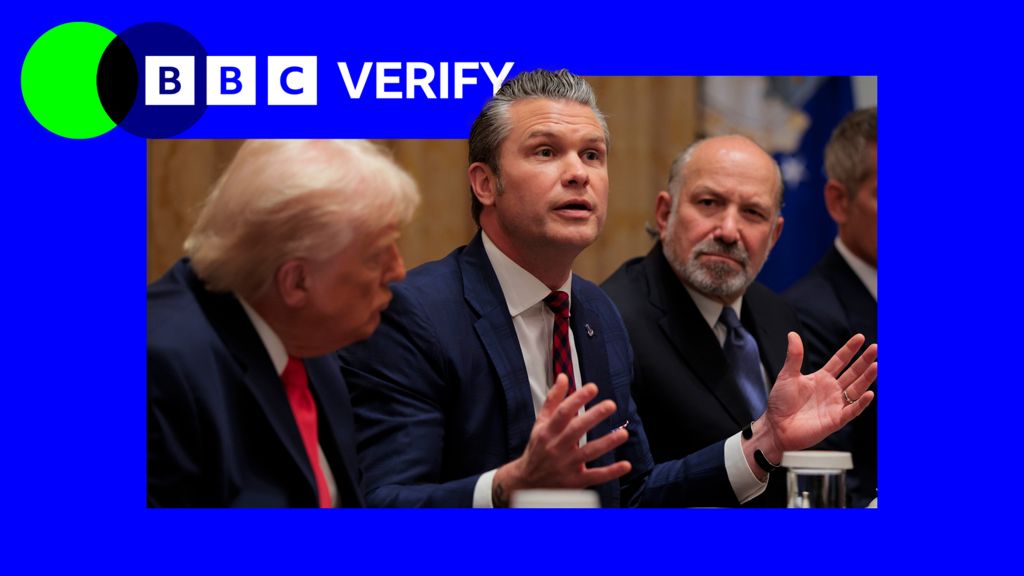
    According to verified reports, the initial strike killed nine individuals aboard the vessel, leaving two survivors clinging to the burning wreckage. The subsequent follow-up attack—ordered by US Navy Admiral Frank Bradley under authorization from War Secretary Pete Hegseth—eliminated both survivors. The Washington Post first revealed that Hegseth had directed military personnel to ‘kill everybody’ on board during the operation, though officials later denied this characterization.

    The Trump administration has defended the strikes as legally justified under the ‘law of armed conflict,’ with White House Press Secretary Karoline Leavitt stating the operation was necessary to ‘ensure the boat was destroyed and the threat of narco terrorists to the United States was completely eliminated.’

    Legal experts from multiple institutions have challenged this interpretation. Jessica Peake, Director of the International and Comparative Law Program at UCLA, stated unequivocally that ‘the US is not in an international armed conflict with Venezuela, nor is the US in a non-international armed conflict with any criminal gang or drug cartels.’ She emphasized that even if the first strike were legal, the second attack violated customary international law prohibitions against ‘denial of quarter.’

    Professor Luke Moffett of Queen’s University Belfast added that while the strikes don’t qualify as war crimes due to the absence of recognized armed conflict, ordering ‘no quarter’ would constitute a war crime if such conflict existed.

    Notably, conservative legal scholar John Yoo—a former Bush administration official—also condemned the operation, citing explicit prohibitions in the US Law of War Manual against conducting hostilities ‘on the basis that there shall be no survivors.’

    The administration’s characterization of Caribbean anti-drug operations as a ‘non-international armed conflict’ represents a significant legal framing that experts challenge. Historical precedents from the Obama administration’s drone program, which similarly employed double-tap strikes, were also deemed illegal by legal analysts despite previous presidential assertions of their legality and effectiveness.

  • German president compares UK ties post-Brexit to Oasis

    German president compares UK ties post-Brexit to Oasis

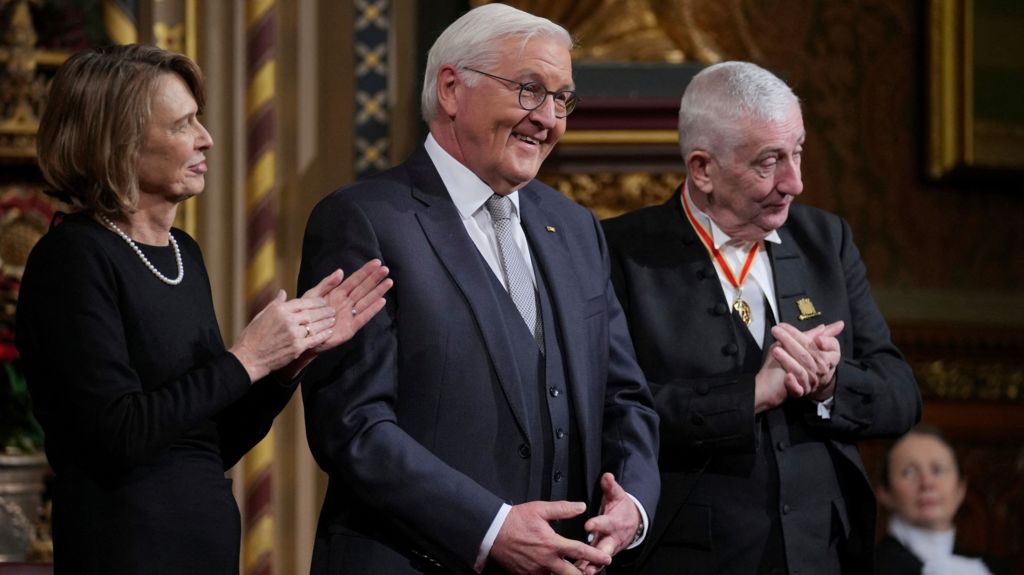
    In a landmark address to Parliament during the first German head of state visit in 27 years, President Frank-Walter Steinmeier masterfully blended diplomatic messaging with British pop culture references. Drawing parallels to Oasis’s recent reconciliation after years of fraternal discord, Steinmeier declared that Germany and the UK have moved beyond the initial “disappointment and uncertainty” of Brexit.

    Addressing MPs and peers in the Royal Gallery on Thursday, the German leader quoted the Manchester band’s anthem ‘Don’t Look Back in Anger’ to underscore his message of forward-looking cooperation. “I think that is typically British, keep calm and carry on – look ahead pragmatically, move on,” Steinmeier remarked, praising Britain’s pragmatic approach to post-EU relations.

    The presidential visit, which began with a ceremonial welcome by King Charles III and Queen Camilla at Windsor Castle, has been carefully choreographed to highlight evolving bilateral ties. Historical symbolism permeated the itinerary, from viewing Queen Victoria’s sleigh (designed by her German-born husband Prince Albert) to laying a wreath at Westminster Abbey’s Grave of the Unknown Warrior.

    Cultural diplomacy featured prominently as Steinmeier and his wife Elke Budenbender toured the V&A Museum’s archives, including David Bowie’s costumes—a nod to the musician’s deep connections with Berlin. The President’s schedule also included meetings with German footballers in the Premier League and plans to receive an honorary degree from Oxford University.

    The visit culminates symbolically on Friday with a trip to Coventry Cathedral, bombed by the Luftwaffe during World War II, mirroring King Charles’s earlier wreath-laying in Hamburg for civilian bombing victims. This reciprocal acknowledgment of historical wounds underscores both nations’ commitment to what Steinmeier called enduring affection: “Our relations may have changed, but, my dear Britons, our love remains.”

  • Alonso hails magical Mbappe as Real Madrid beat Athletic Bilbao

    Alonso hails magical Mbappe as Real Madrid beat Athletic Bilbao

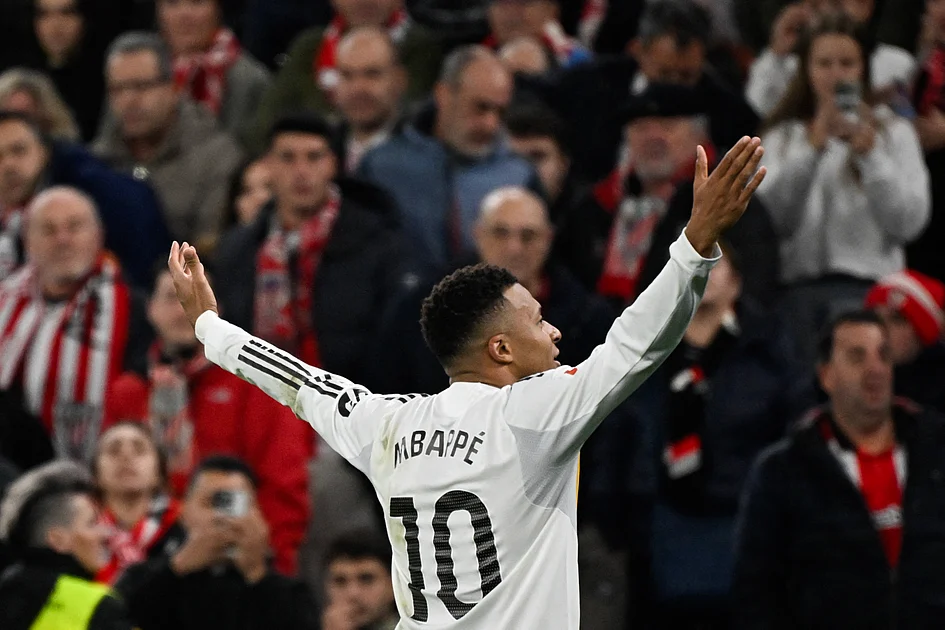
    Real Madrid emphatically ended their three-match winless streak in La Liga with a resounding 3-0 victory against Athletic Bilbao on Wednesday, propelled by a breathtaking performance from French superstar Kylian Mbappé. The Spanish giants delivered what manager Xabi Alonso described as their “most complete performance” of the season at San Mamés Stadium, a notoriously challenging venue for visiting teams.

    Mbappé opened the scoring in the seventh minute with a spectacular finish, expertly controlling Trent Alexander-Arnold’s precision long pass before clinically beating goalkeeper Unai Simón. The French international later sealed the victory with a powerful long-range strike that found the net at the near post, marking his 25th goal across all competitions this season.

    The match featured exceptional coordination between Madrid’s attacking talents, with Mbappé and Vinícius Júnior demonstrating particularly effective partnership. The Brazilian winger twice came close to scoring, first hitting the post from an acute angle and later being denied by an outstanding one-on-one save from Simón.

    Madrid’s second goal emerged from a beautifully constructed team move just before halftime, with Mbappé heading Alexander-Arnold’s cross back across goal for Eduardo Camavinga to nod home from close range.

    The victory maintains Real Madrid’s position in second place with 36 points from 15 matches, trailing leaders Barcelona by a single point in the tightly contested title race.

    Despite the comprehensive performance, concerns emerged regarding potential injuries to both Alexander-Arnold and Camavinga, who were substituted in the second half with apparent muscular problems. Manager Alonso acknowledged the demanding schedule ahead, emphasizing the need to maintain focus for Sunday’s encounter against Celta Vigo.

    The match also featured a positive moment between Alonso and Vinícius, with the Brazilian embracing his manager when substituted, suggesting resolution to recent reported tensions between the pair.

  • Messi’s plans for 2026 World Cup? ‘One day at a time’

    Messi’s plans for 2026 World Cup? ‘One day at a time’

    Soccer icon Lionel Messi remains noncommittal about his potential participation in the 2026 FIFA World Cup, maintaining a cautious approach despite recently leading Argentina to the summit of South American World Cup qualifiers. The 38-year-old Inter Miami superstar addressed his future intentions in an exclusive interview with ESPN Argentina ahead of Friday’s highly anticipated World Cup draw.

    Messi emphasized taking a realistic, day-by-day approach to his career decisions, stating: “I’m going to take it one day at a time; being honest and trying to be realistic and feel good. This year I felt very good.” The eight-time Ballon d’Or winner acknowledged that playing professionally in the United States creates favorable conditions for considering a sixth World Cup appearance, given the tournament’s North American hosting by the U.S., Mexico, and Canada.

    The soccer legend highlighted the distinct seasonal advantages of MLS competition compared to European leagues, noting: “It catches us at a different point in the season than in Europe. We’re going to start a tough preseason in January and we’re going to have a lot of games in a row with the league and the CONCACAF Champions League.” Messi maintains regular communication with Argentine national team coach Lionel Scaloni regarding his potential role, describing their relationship as “very trusting” and open to discussing all possibilities.

    Should Messi compete in the 2026 tournament, he would join Cristiano Ronaldo in surpassing Germany’s Lothar Matthäus record of five World Cup appearances. The Inter Miami squad currently prepares for their MLS Cup final matchup against Vancouver this Saturday.

  • Look: Syrian-French artist debuts his first solo exhibition in UAE

    Look: Syrian-French artist debuts his first solo exhibition in UAE

    Dubai’s Jameel Arts Centre is currently hosting Syrian-French artist Bady Dalloul’s first institutional solo exhibition in the UAE, titled “Self-portrait with a cat I don’t have.” This immersive installation, running through February 22, 2026, represents a significant milestone for the artist whose work navigates the complex intersections of migration, identity, and the blending of factual and fictional narratives.

    The exhibition transforms the gallery space into a recreation of Dalloul’s Dubai apartment, creating an intimate environment where viewers encounter meticulously crafted miniature dioramas, intricate drawings, repurposed everyday objects, and vintage game cases. Each piece serves as a meditation on displacement, cultural inheritance, and belonging, reflecting Dalloul’s personal experiences as someone born in Paris to Syrian parents, educated in Tokyo, and now based in Dubai.

    Central to the exhibition is Dalloul’s exploration of how personal memory intersects with collective history. “I grew up listening to the people around me,” Dalloul explains. “Their stories were shaped by subjectivity—by emotion, memory, silence. That subjectivity is where their power lies.”

    Notable works include the “Age of Empires” series—50 drawings inspired by 19th-century Japanese cosmology that examine how physical traits were historically linked to destiny and imperial rise and fall. Through these works, Dalloul challenges Western historiography’s linearity, instead creating a kaleidoscopic journey across continents and timelines.

    The exhibition’s title, derived from a surrealist painting by Egyptian artist Abdel Hadi Al Gazzar, reflects Dalloul’s experience of creating his first self-portrait while alone in Tokyo. “The cat didn’t exist, but the feeling did,” he recalls. “That imagined presence gave me comfort.”

    Despite some criticism that his approach romanticizes trauma, Dalloul maintains that fiction allows for humor, tenderness, and dialogue where documentation might only emphasize harshness. The artist’s modestly scaled works—necessitated by his apartment-studio lifestyle—become poetic strategies for storytelling, with matchboxes transforming into miniature galleries and bento boxes becoming narrative vessels.

    Visitor responses have been profoundly personal, with many reporting emotional connections to the unspoken experiences depicted. Dalloul views Dubai’s cultural landscape as particularly receptive to his work, noting that “everyone, no matter where they’re from, can flourish here.” The exhibition will travel to Lisbon following its Dubai presentation, continuing its evolution as part of Dalloul’s ongoing “Land of Dreams” series.

  • Investigation ordered after Iraq appears to designate Hezbollah and Houthis terrorists

    Investigation ordered after Iraq appears to designate Hezbollah and Houthis terrorists

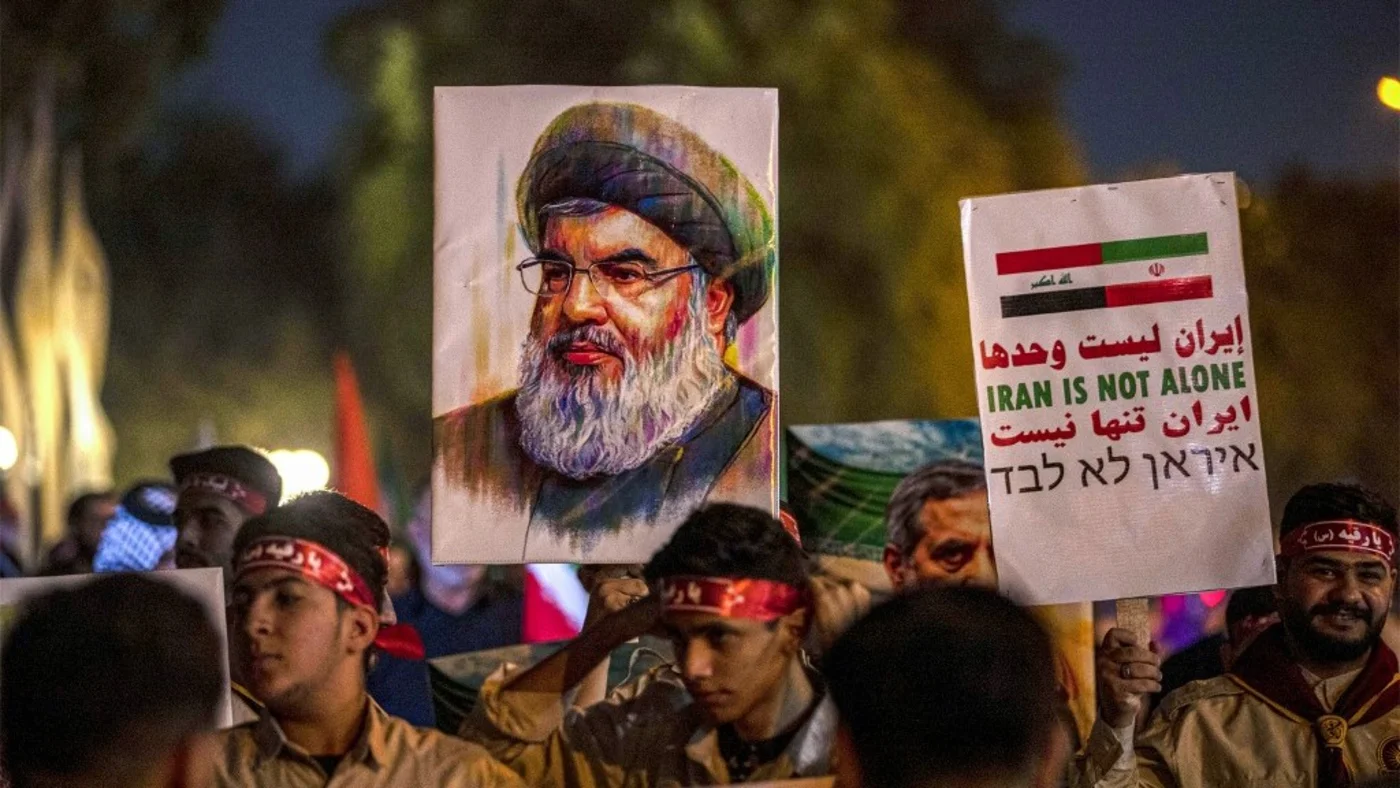
    A significant diplomatic incident erupted in Iraq on Thursday following the apparent, and subsequently retracted, designation of Lebanon’s Hezbollah and Yemen’s Houthi movement (Ansar Allah) as terrorist organizations by the government in Baghdad. The controversial move, published in the official state gazette by the Justice Ministry on November 17, initially placed the Iran-aligned groups on a sanctions list alongside ISIS and al-Qaeda, sparking immediate confusion and fierce internal criticism.

    The decision was met with astonishment, given the Iraqi government’s close ties to numerous powerful political parties and armed factions that are themselves allies of both Hezbollah and the Houthis. Initial interpretations suggested Prime Minister Mohammed Shia al-Sudani might be succumbing to intense pressure from the United States to curb Iranian influence across the region.

    However, attention only swelled on Thursday when news outlets reported the listing. Later that day, the Iraqi government issued an official clarification through its state news agency, declaring the inclusion a grave administrative error. The published document was described as an ‘unrevised version’ that should never have been released. Acting on instructions, the Central Bank’s acting deputy governor formally requested the Committee for the Freezing of Terrorists’ Funds to delete the clause containing the groups’ names. Prime Minister al-Sudani announced an investigation to identify and hold accountable those responsible for the blunder.

    Analysts were quick to highlight the profound risks such a designation would entail. Iraqi expert Ali al-Mikdam warned that labeling these groups as terrorist organizations ‘carries significant risks and could provoke serious internal tensions with allied factions,’ particularly within the Iran-backed Popular Mobilisation Forces. The controversy raised pressing questions among observers: was this a genuine mistake, or a hasty government backtrack to quell fury from its core allies?

    The incident underscores the immense pressure Baghdad faces as it attempts a delicate balancing act. The government strives to maintain positive relations with Washington while honoring its deep commercial, military, and political ties with neighboring Iran. As Israel’s war in Gaza inflames regional tensions, al-Sudani has been praised for largely keeping Iraq out of a wider conflict. Nevertheless, increasing pressure from U.S. officials, including new envoy Mark Savaya, demands a crackdown on Iran-linked armed groups.

    The timing is particularly sensitive as al-Sudani seeks a new term following recent elections, a process requiring the crucial consent of Iran-aligned parties. The erroneous listing, therefore, represents a severe political misstep that threatens to undermine his leadership aspirations and reveals the government’s vulnerability to influential internal actors tied to regional powers. As Mikdam concluded, the episode was an ‘inadequately considered’ step that generated political confusion, leaving the administration exposed.

  • Meta starts removing under-16s from social media in Australia

    Meta starts removing under-16s from social media in Australia

    In a groundbreaking regulatory move, Australia has implemented the world’s first comprehensive ban prohibiting minors under 16 from accessing major social media platforms. Tech giant Meta confirmed on December 4, 2025, that it has initiated the removal process of underage users from Instagram, Threads, and Facebook in compliance with the new legislation that takes full effect on December 10.

    The Online Safety Act mandates that digital platforms including TikTok and YouTube implement stringent age verification systems, with non-compliant companies facing substantial penalties of up to AU$49.5 million (approximately US$32 million). Meta’s spokesperson acknowledged the complexity of full compliance, stating, “While we are working hard to remove all users who we understand to be under the age of 16 by December 10, compliance with the law will be an ongoing and multi-layered process.”

    The policy has sparked significant controversy across multiple fronts. YouTube has publicly criticized the legislation, arguing that removing account requirements for under-16s would actually diminish safety by eliminating platform-controlled content filters. Meanwhile, digital rights organization The Digital Freedom Project has mounted a legal challenge in Australia’s High Court, contending the ban constitutes an unfair restriction on freedom of speech.

    Communications Minister Anika Wells defended the legislation, citing concerning connections between social media algorithms and youth mental health crises. “Some Australian teens had killed themselves as algorithms latched on—targeting them with content that drained their self-esteem,” Wells revealed to reporters. She emphasized that while the law wouldn’t address all internet harms, it would create safer digital environments for adolescents.

    The implementation challenges are substantial, with experts anticipating that determined teenagers might employ artificial intelligence to alter their appearance or submit falsified identification documents. Australia’s eSafety Commissioner has acknowledged that “no solution is likely to be 100 percent effective” against such circumvention attempts.

    With an estimated 350,000 Australian Instagram users aged 13-15 alone, the ban’s impact will be widespread. The legislation exempts certain platforms including WhatsApp, Roblox, and Pinterest, though this list remains under ongoing review. International observers are closely monitoring Australia’s experiment, as Malaysia and New Zealand have indicated plans to introduce similar age restrictions in the coming year.

  • US push for an end to the war in Ukraine sets off a flurry of shuttle diplomacy

    US push for an end to the war in Ukraine sets off a flurry of shuttle diplomacy

    A renewed American diplomatic initiative to resolve the prolonged conflict between Ukraine and Russia has triggered an intensive global negotiation effort. Key representatives from the United States, Ukraine, and Russia have engaged in a series of high-level meetings across multiple international venues to discuss potential pathways to peace.

    The diplomatic movement commenced on November 19 when Ukrainian President Volodymyr Zelenskyy visited Turkey to revitalize peace discussions. This was followed by revelations of a 28-point peace framework jointly prepared by U.S. and Russian officials, which immediately drew criticism for its perceived alignment with Moscow’s interests.

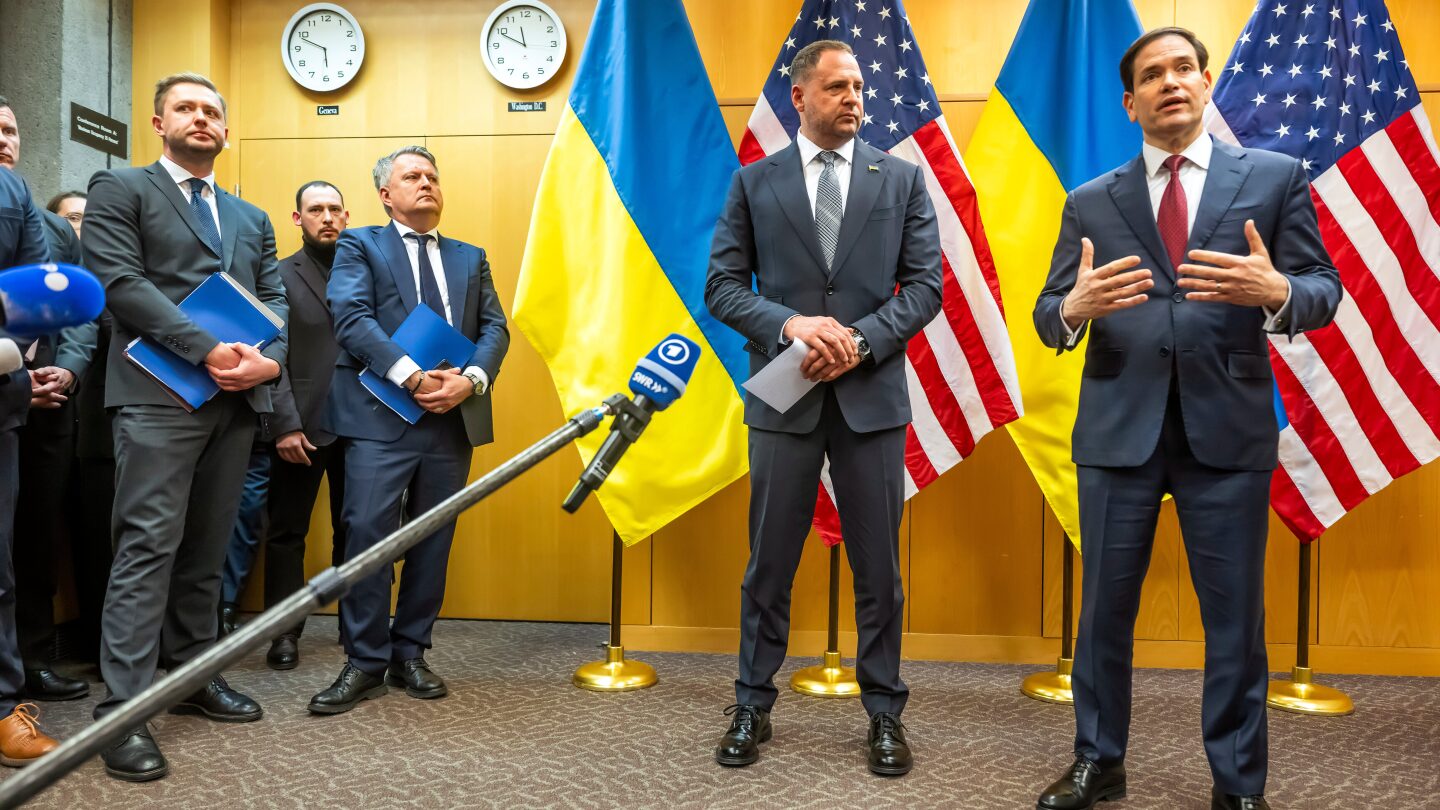
    Subsequent developments included U.S. Army Secretary Dan Driscoll’s briefing of Zelenskyy in Kyiv regarding Washington’s peace proposal on November 20. Three days later, Secretary of State Marco Rubio conducted negotiations in Geneva with a Ukrainian delegation led by presidential chief of staff Andrii Yermak, with both sides reporting substantive progress.

    Parallel diplomatic channels saw Driscoll meeting Russian officials in Abu Dhabi on November 24-25, though Russian President Vladimir Putin’s foreign policy adviser Yuri Ushakov indicated the new peace plan wasn’t thoroughly examined.

    The negotiation landscape shifted on November 30 when a reconfigured Ukrainian delegation under Rustem Umerov (following Yermak’s resignation amid corruption allegations) met with U.S. officials in Florida. This meeting preceded Zelenskyy’s December 1 briefing of French President Emmanuel Macron in Paris regarding the Florida discussions.

    The diplomatic momentum culminated on December 2 with an extensive five-hour meeting at the Kremlin between Putin and key American figures including Jared Kushner, alongside Russian envoys Kirill Dmitriev and Ushakov. While characterized as constructive, Ushakov emphasized significant work remained. Concurrently, Zelenskyy consulted with returning delegates in Ireland, acknowledging Ukraine’s anticipation of signals from American diplomats following their Moscow engagements. The diplomatic circuit concluded on December 4 with Ukrainian representatives returning to Florida for further consultations with the U.S. team recently returned from Russia.

  • Israel ‘bulldozed bodies’ of Palestinian it killed at Gaza aid sites into unmarked graves

    Israel ‘bulldozed bodies’ of Palestinian it killed at Gaza aid sites into unmarked graves

    A comprehensive CNN investigation has uncovered disturbing evidence of Israeli soldiers using bulldozers to dispose of Palestinians killed while attempting to access humanitarian aid near the Zikim crossing into northern Gaza. The remains were reportedly pushed into shallow, unmarked graves or left exposed for extended periods in areas deemed too dangerous for recovery operations.

    The investigation, which analyzed hundreds of videos, photographs, satellite imagery, and eyewitness accounts, reveals a pattern of mishandling the dead that international legal experts indicate violates humanitarian law. Testimonies from aid truck drivers, civil defense workers, and former Israeli military personnel describe recurring scenes of decomposing bodies being bulldozed into sand with no effort toward identification or proper burial.

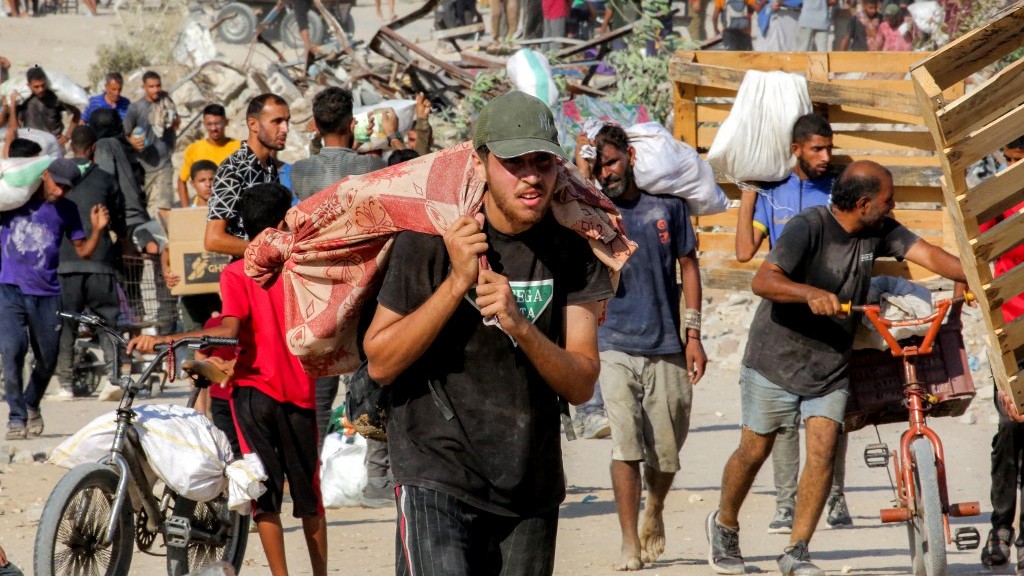
    Multiple videos geolocated to the Zikim area show the aftermath of shootings targeting Palestinian aid seekers. Footage from June depicts partially buried bodies surrounding an overturned aid truck, while September recordings capture Palestinians fleeing under heavy fire while carrying sacks of flour. Audio forensic analysis confirmed gunfire originating from approximately 340 meters away—corresponding to the distance of an identified Israeli military position.

    Eyewitness accounts describe horrific conditions, with one civil defense worker reporting: ‘The bodies we recovered were decomposed, they had clearly been there for a while, there were signs that dogs had eaten parts of them.’ Another aid driver characterized the area as ‘like the Bermuda Triangle – no one knows what’s happening in that area.’

    The investigation further reveals that this practice appears systemic across Gaza. An Israeli military whistleblower described how nine unarmed Palestinians’ bodies were left to rot near his outpost in early 2024, with commanders ordering bulldozers to cover them with sand. Another former officer confirmed receiving no protocols for handling casualties, leading to ad-hoc decisions to use bulldozers for makeshift burials.

    Satellite imagery shows persistent bulldozing activity around the crossing from mid-June until its closure on September 12, with some operations having no clear operational purpose beyond moving soil and debris. International humanitarian law explicitly requires conflict parties to protect the dignity of the dead, facilitate identification, and allow for proper burial—obligations that legal experts say are being violated by these practices.