博客

  • Fact-checking Trump’s longest ever State of the Union

    Fact-checking Trump’s longest ever State of the Union

    In his lengthiest congressional address to date, President Donald Trump addressed U.S. lawmakers for one hour and forty-seven minutes, declaring that “the country is winning again” while highlighting his administration’s economic and policy achievements. The speech, among the longest delivered to Congress in decades, centered on economic revitalization, immigration control, and foreign policy accomplishments.

    Economic indicators presented a mixed picture: while inflation has moderated to 2.4% as of January 2026—down from 3% during President Biden’s final year—certain Trump policies have faced criticism for potentially exacerbating price pressures. Harvard economists estimated that tariffs implemented in 2025 elevated consumer price inflation by approximately 0.92 percentage points.

    The President specifically highlighted declining prices for grocery items, noting beef prices were “starting to come down significantly,” though government data revealed a 15% increase in beef prices over the twelve months to January 2026. Egg prices demonstrated a more substantial decline, falling 34% during the same period.

    Employment figures reached record levels with 158 million people employed, though the employment-to-population ratio slightly declined from 60.1% to 59.8% since Biden’s departure. The unemployment rate edged upward from 4.1% to 4.3% over the same timeframe.

    Immigration claims received partial validation, with Homeland Security confirming zero migrant releases into the U.S. for nine consecutive months. Border apprehensions plummeted to 6,070 in January 2026—a dramatic reduction from the 124,215 recorded under Biden in January 2024.

    The administration’s assertion of ending eight international conflicts underwent rigorous verification. While Trump successfully brokered an Israel-Hamas ceasefire, several referenced conflicts involved minimal actual combat or pre-dated his administration. The White House list included disputes between Pakistan-India, Rwanda-DRC, Thailand-Cambodia, Armenia-Azerbaijan, Egypt-Ethiopia, and Serbia-Kosovo, though many represented brief flare-ups rather than sustained military engagements.

    Investment tracking showed discrepancies between presidential claims and official data. While Trump referenced trillions in manufacturing investments, the White House’s own tracker documented $9.7 trillion—substantial yet significantly lower than asserted. Experts noted included pledges might not materialize, particularly given recent tariff disruptions.

    Voter fraud allegations lacked substantiation, with Heritage Foundation records identifying only 1,620 proven cases nationwide since 1982. Multiple studies indicate non-citizen voting remains exceptionally rare in U.S. elections.


  • Joshua crash driver case adjourned to March

    Joshua crash driver case adjourned to March

    The driver involved in a December vehicle collision that resulted in the deaths of two members of boxer Anthony Joshua’s training team has been formally charged in Nigerian court. Adeniyi Mobolaji Kayode, 46, appeared before Sagamu Magistrates Court in Ogun state facing serious charges including causing death by dangerous driving, reckless and negligent operation of a vehicle, driving without due care, and operating without a valid driver’s licence.

    The tragic incident occurred on December 29th along the heavily traveled Lagos-Ibadan expressway in southwest Nigeria when the Lexus SUV carrying Joshua collided with a stationary lorry. The accident claimed the lives of Joshua’s personal trainer Latif Ayodele and strength coach Sina Ghami, both of whom were pronounced dead at the scene. The 36-year-old former world heavyweight champion sustained injuries requiring hospital treatment but was discharged after two days of care.

    During Wednesday’s court proceedings, prosecutors requested additional time to prepare their evidence, leading to an adjournment until March 13th. Kayode, who was making his second appearance before the court, has not yet entered a formal plea to the charges. The case continues to develop as Nigerian authorities pursue justice for the victims of this devastating roadway tragedy.

  • Two teenagers killed in crash near Irish border

    Two teenagers killed in crash near Irish border

    A devastating road accident has resulted in the deaths of two adolescent males and left another teenager with serious injuries in County Donegal, Ireland. The fatal collision occurred near the Irish border on Tuesday night at approximately 11:15 PM local time in the village of St Johnston, situated approximately eight miles from Londonderry.

    According to Gardaí (Irish police), the incident involved a passenger car and a commercial lorry. Both passengers in the car succumbed to their injuries—one pronounced dead at the scene, while the other passed away at Altnagelvin Hospital in Derry shortly after. The vehicle’s driver, also believed to be in his late teens, was transported to Royal Victoria Hospital in Belfast with critical injuries. Authorities have confirmed no other individuals sustained injuries in the crash.

    In the aftermath of the tragedy, the R236 roadway remained closed throughout Wednesday to facilitate a comprehensive technical examination by Garda forensic collision investigators. Local traffic diversions were implemented to manage the closure while evidence collection continued.

    Law enforcement officials have issued a public appeal for witnesses to come forward with any relevant information. Specifically, investigators are seeking individuals who may have been traveling through the area between 10:45 PM and 11:45 PM on Tuesday night. Gardaí have additionally requested that motorists with potential video evidence—including dash-cam footage—make it available to assist with the ongoing investigation into the circumstances surrounding the collision.

  • The home of the ‘Mona Lisa’ has a new boss to steer the Louvre out of crisis after jewel heist

    The home of the ‘Mona Lisa’ has a new boss to steer the Louvre out of crisis after jewel heist

    The Louvre Museum in Paris, home to Leonardo da Vinci’s iconic Mona Lisa, has appointed seasoned art historian Christophe Leribault as its new director following the resignation of Laurence des Cars. This leadership transition comes amid multiple institutional crises that have plagued the world’s largest museum.

    The appointment, announced Wednesday by French government spokeswoman Maud Bregeon, places Leribault at the helm of an institution reeling from a brazen October heist of French crown jewels that exposed critical security vulnerabilities. The daylight theft represents one of the most high-profile museum robberies in recent memory.

    Beyond security concerns, the former royal palace faces mounting challenges including infrastructure decay, staff disputes, and financial irregularities. Recent revelations of a suspected decade-long ticket fraud operation potentially costing the museum €10 million ($11.8 million) have intensified pressure for institutional reform.

    The Louvre’s physical plant shows significant wear with reported water leaks damaging priceless collections, burst pipes near the Mona Lisa exhibition space, and aging facilities struggling under the strain of mass tourism. Staff walkouts over chronic understaffing, visitor overcrowding, and controversial ticket price increases for non-European visitors have further compounded operational difficulties.

    Leribault brings substantial administrative experience from his current role directing the Palace of Versailles, where he managed an annual budget of approximately €170 million ($200 million). His previous leadership at Paris’ Orsay Museum and oversight of Versailles during its role as an Olympic equestrian venue for the 2024 Summer Games demonstrate his capability with large-scale cultural operations.

    Bregeon emphasized that Leribault will spearhead “crucial projects for the institution’s future,” including security enhancements, modernization initiatives, and the ambitious “Louvre New Renaissance” renovation plan championed by President Emmanuel Macron. Unveiled in January 2025, this comprehensive decade-long modernization project aims to address systemic issues created by overwhelming visitor numbers.

    The renovation blueprint includes a new Seine River entrance to alleviate congestion at I.M. Pei’s pyramid, expanded underground spaces, and a dedicated timed-access chamber for the Mona Lisa—all designed to improve visitor flow and experience. With an estimated cost of €700-800 million ($826-944 million), funding will come from ticket revenues, state support, private donations, and income from Louvre Abu Dhabi.

    The Culture Ministry highlighted Leribault’s “extensive experience at the helm of major institutions” and stated his priorities will include strengthening security protocols, ensuring building and collection safety, and restoring institutional trust.

  • New travel rules for UK visitors kick in – how are you affected?

    New travel rules for UK visitors kick in – how are you affected?

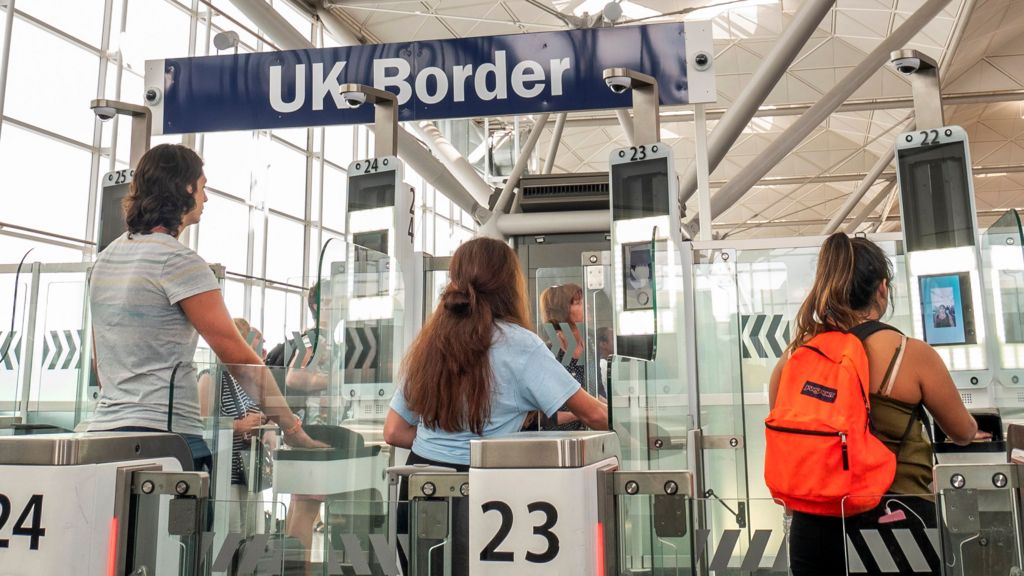
    The United Kingdom has officially implemented its Electronic Travel Authorisation (ETA) system as of February 25th, fundamentally altering entry procedures for visitors from 85 visa-exempt nations including the United States and Australia. This digital pre-authorization requirement represents the most significant overhaul of UK border protocols in years.

    Designed as a digital travel permit, the ETA costs £16 per application and remains valid for two years or until passport expiration, permitting multiple visits of up to six months each for tourism, business, or short-term study. The Home Office promotes the system as enhancing border security through advanced digital verification while streamlining immigration processing. Travel carriers now utilize government-provided tools to electronically validate permissions before boarding.

    However, the transition has exposed particular complications for dual nationals holding both British and foreign citizenship. Unlike regular visitors, these individuals cannot obtain an ETA and must instead present either a British passport or a £589 Certificate of Entitlement attached to their foreign passport when returning to the UK. This requirement has created urgent challenges for those who previously traveled on non-British passports, with many reporting difficulties obtaining necessary documentation within the implementation timeframe.

    While the system underwent a soft launch in October 2023 with relaxed enforcement, mandatory compliance began this week. Application processing typically occurs within minutes through official mobile apps, though authorities recommend applying at least three business days before travel. Notably, the ETA does not guarantee entry, as border officials retain authority to deny admission even with approved authorization.

    The UK joins several nations including Canada and the United States in implementing electronic travel authorization systems, though fee structures vary significantly across jurisdictions.

  • Foping base keeps giant pandas safe and healthy

    Foping base keeps giant pandas safe and healthy

    While families across China gathered for Spring Festival reunions, a team of conservation specialists remained on duty at the Qinling Giant Panda Foping Rescue Breeding Research Base in Shaanxi province, providing continuous care for the endangered species. The facility, operational since October 2022, serves as a critical hub for giant panda management, wildlife rescue operations, and medical treatment for injured or ill pandas from natural habitats.

    Yang Li, the base’s deputy director with six years of service, celebrated her fourth consecutive Spring Festival alongside the pandas rather than with family. Her responsibilities encompass comprehensive health monitoring of the animals and conducting public science education initiatives. Yang additionally participates in rigorous field patrols through challenging conditions—braving winter snowscapes and navigating dense, humid summer forests.

    “Protecting Qinling’s ecological security while families celebrate provides an irreplaceable sense of accomplishment,” Yang reflected. She noted that pandas maintain no concept of holidays, demonstrating particular activity during festival periods due to Foping’s specific climate conditions.

    The caretakers draw parallels between panda rearing and child-rearing, emphasizing meticulous attention to detail. Food preparation involves disinfecting and thoroughly rinsing apples and bamboo, while supplemental nighttime feedings mirror care patterns for young children.

    Each panda exhibits distinct personality traits, according to caretakers. Male panda Heng Heng displays a characteristically contemplative disposition often mistaken for melancholy, while female Dang Sheng demonstrates notably energetic behavior, frequently climbing trees and embracing trunks, especially during snowy conditions.

    The conservation effort extends beyond Yang’s team. Research assistant He Jiao returned to his hometown two years ago from China Agricultural University’s College of Veterinary Medicine to collect fecal samples for laboratory analysis, screening for infectious diseases and assessing population health. His family maintains a multigenerational connection to panda conservation, beginning when his great-grandparents rescued a panda named Ping Ping in the 1990s.

    “Between my family, my village and these mountains, there exists an inexplicable, unbreakable bond with giant pandas,” He stated. “I aspire to advance this legacy through improved conservation methodologies.”

    Foping County represents a crucial stronghold for panda conservation. According to the National Forestry and Grassland Administration’s 2011-2014 survey, Foping National Nature Reserve spans 292.4 square kilometers and hosts 67 giant pandas—the highest population density and wild encounter rate nationally.

    The multifunctional base incorporates wildlife rescue sheltering, emergency quarantine protocols, rewilding training, scientific research, and public education initiatives. At full capacity, it will accommodate over 20 pandas. Future plans for 2026 include utilizing laboratory facilities for enhanced health monitoring and expanding public conservation awareness campaigns.

  • Asia the top destination for Spring Festival

    Asia the top destination for Spring Festival

    Asian destinations emerged as the preferred choice for Chinese travelers during the recent nine-day Spring Festival holiday, with Thailand reclaiming its position as the most sought-after international destination. The trend highlights a significant shift in regional travel patterns and economic recovery in the tourism sector.

    According to data released by online travel platform Qunar, Thailand’s Phuket and Bangkok, along with Kuala Lumpur, Singapore, Seoul, and Sydney comprised the top destinations for Chinese tourists during the February 15-23 holiday period. The selection criteria favored locations offering short flight distances, visa-friendly policies, and agreeable winter temperatures.

    Li Yang, a 43-year-old traveler who visited Phuket with his family, noted that despite post-pandemic price increases, the island remains attractive for its renowned beaches, vibrant nightlife, and convenient direct flight connections. “Phuket offers diverse indoor and outdoor activities while remaining geographically accessible from China,” Li commented.

    The tourism recovery marks a notable turnaround for Thailand, which experienced a nearly 30% decline in Chinese visitors last year due to currency strength, safety concerns, and regional competition. Early indicators show promising recovery, with the Association of Thai Travel Agents reporting daily Chinese arrivals during Spring Festival nearly doubling to approximately 30,000 visitors.

    Thailand’s Ministry of Tourism and Sports reported over 5 million international tourist arrivals between January 1 and February 15, with China remaining the largest source market. The Tourism Council of Thailand has set an ambitious target of 34 million international visitors for the year, projecting tourism revenue of 1.64 trillion baht ($52.8 billion).

    Meanwhile, Japanese destinations experienced a continued decline in Chinese visitors, dropping more than 60% year-on-year in January according to Japan National Tourism Organization data. Analysts attribute this shift partly to ongoing diplomatic tensions between China and Japan.

    South Korean retailers reported substantial benefits from the travel resurgence. Lotte Department Store recorded a 260% year-on-year sales increase to Chinese customers during February 13-18, while Shinsegae Department Store’s main branch saw a 416% surge and The Hyundai Seoul experienced a 210% sales jump. Market analysts anticipate positive effects on South Korean consumer goods sectors, particularly cosmetics and apparel.

  • Intl arrivals, spending soar in Hainan

    Intl arrivals, spending soar in Hainan

    Hainan Province is witnessing a remarkable transformation into a global tourism and consumption hub, with recent data revealing substantial growth in international visitor numbers and duty-free spending. This surge follows the implementation of island-wide special customs operations just two months ago, demonstrating the immediate impact of China’s ambitious free trade port policies.

    During the recent Spring Festival holiday period, border inspection agencies processed over 86,000 exit and entry trips—a striking 43.3% increase compared to the same period last year. The Haikou General Station of Exit and Entry Frontier Inspection reported significant inbound traffic from Russia, Malaysia, Indonesia, South Korea, Kazakhstan, and Singapore.

    Travel platform Qunar provided further evidence of this international tourism boom, noting that arrivals to Sanya carrying non-Chinese passports increased more than fourfold. Particularly notable were the quadrupled arrivals from Australia and Spain, while international air arrivals in Haikou doubled during the holiday period.

    This growth trajectory is largely attributed to Hainan’s expanded visa-free policies, which form a crucial component of China’s strategy to develop the island into a globally connected free trade port. The policy framework includes visa-free entry for citizens from 86 countries, supplemented by special arrangements such as 144-hour visa-free entry for foreign tour groups from Hong Kong and Macao, and 15-day visa-free entry for cruise tour groups.

    Enhanced visitor services have been implemented to support this international influx. Hainan’s three major airports now operate 24-hour multilingual inquiry hotlines, while popular attractions like Sanya’s Wuzhizhou Island feature multilingual service posts staffed by Russian and English-speaking volunteers assisting with tour routes and ticketing.

    Tourists are responding positively to these improvements. Piotrowski Robert, a Polish traveler visiting China for the first time, noted that “customs clearance was very convenient.” Yaroslava Pateychuk from Belarus highlighted both the hospitality and improved connectivity, citing new weekly direct flights between Minsk and Sanya that have significantly eased travel logistics.

    Beyond traditional beach tourism, international visitors are increasingly seeking cultural and wellness experiences. Traditional Chinese medicine health tourism has gained particular popularity among Russian visitors, with acupuncture and cupping services widely available throughout Sanya’s Dadonghai scenic area—many clinics feature Russian-language signage to accommodate this growing demographic.

    The cultural programming has also expanded significantly. The Hainan Ocean Paradise Resort in Lingshui Li autonomous county is currently hosting an international New Year carnival through March 3. According to resort chairman Liu Xiaoou, this event serves as a “window demonstration” conveying Hainan’s new image as “open, inclusive and connected to the world” in this inaugural year following the special customs operations.

    This tourism surge has directly translated into robust duty-free sales, a critical component of Hainan’s free trade port development. From February 15-18, Haikou’s offshore duty-free stores recorded total sales of 428 million yuan ($62 million), with China Duty Free Group’s Haikou International Duty-Free City alone accounting for 233 million yuan—a 24.6% year-on-year increase.

    In Sanya, daily offshore duty-free sales consistently exceeded 200 million yuan during the holiday period. The Sanya International Duty-Free Shopping Complex reported customer traffic surpassing 80,000 for three consecutive days starting from Chinese New Year’s first day. Shopping at duty-free stores has become an integral part of the holiday experience, with popular brand counters experiencing wait times exceeding 30 minutes during peak hours according to Duan Nanlan, sales department director at the complex.

  • How Zimbabwe returned from abyss to World Cup resurgence

    How Zimbabwe returned from abyss to World Cup resurgence

    In a stunning display of resilience, Zimbabwe’s cricket team has completed one of sport’s most remarkable comebacks by defeating Australia and advancing to the Super 8 stage of the T20 World Cup. This achievement marks the culmination of a two-decade journey through political oppression, financial ruin, and international exile that nearly destroyed the nation’s cricket legacy.

    The Chevrons’ current success stands in stark contrast to their dark period beginning in 2003, when players Andy Flower and Henry Olonga staged their iconic black armband protest against Robert Mugabe’s regime, symbolizing the ‘death of democracy’ in Zimbabwe. The subsequent years witnessed mass player resignations, voluntary suspension from Test cricket, and overwhelming debt that reached $27 million.

    Former all-rounder Sean Williams recounted the bleakest era: ‘There were more office members employed than players. It looked like Zimbabwe Cricket was dying – if not dead.’ The crisis peaked in 2019 when the International Cricket Council suspended Zimbabwe from international competitions.

    The turnaround began with chairman Tavengwa Mukuhlani’s financial restructuring that eliminated nearly all debt through stringent budgeting and staff sacrifices. Strategically, the board embraced an old-school approach focused on Test cricket development. ‘Let’s go back and play Tests – this is the only way our team’s going to improve,’ explained Zimbabwe Cricket managing director Givemore Makoni.

    Pivotal appointments included Justin Sammons as head coach in 2024, who implemented rigorous fitness programs and promoted young talents like Brian Bennett and Blessing Muzarabani. However, the team’s heartbeat remains captain Sikandar Raza, whose journey from failed fighter pilot aspirant to cricketing superstar embodies Zimbabwe’s resilience. Raza’s leadership proved crucial when he rallied the team after poor performances forced them to qualify through a tournament in Kenya.

    The current World Cup campaign has electrified the nation, with Raza noting: ‘This is probably the first time in a long time where fans have travelled to support. We have given them hope that this team is onto something.’

    Despite a recent 107-run defeat to West Indies in the Super 8 stage, Zimbabwe’s victories against former champions Australia and Sri Lanka have already secured their place as tournament darlings. With the 2027 ODI World Cup co-hosted by Zimbabwe on the horizon, the nation’s cricket future appears brighter than ever. As former captain Tatenda Taibu reflected: ‘Possibilities? They are always there where Zimbabwe is concerned.’

  • Guangdong targets ‘smart’ industries

    Guangdong targets ‘smart’ industries

    Guangdong Province, China’s economic powerhouse, has unveiled a comprehensive strategy to accelerate its transition into a global smart manufacturing hub through the deep integration of artificial intelligence and advanced technologies. The initiative was formally announced by Huang Kunming, Provincial Party Secretary and member of the Political Bureau of the Communist Party of China Central Committee, during the Guangdong Provincial High-quality Development Conference in Guangzhou on Tuesday.

    The strategic vision centers on creating synergistic development between manufacturing and service sectors, leveraging the province’s substantial advantages in digital infrastructure, massive data resources, and diverse application scenarios. With a population exceeding 129 million and a regional GDP of 14.58 trillion yuan in 2025, maintaining its position as China’s top provincial economy for 37 consecutive years, Guangdong aims to achieve a GDP of approximately 25.8 trillion yuan by 2035, reaching development levels comparable to moderately developed regions.

    Huang emphasized that embracing the intelligent era represents a crucial opportunity to gain future competitive advantages. “Promoting coordinated development between manufacturing and service industries is essential for harnessing technological advancement and securing strategic initiative,” he stated. This integration has already demonstrated multiplicative growth effects in both manufacturing capacity and service efficiency, significantly advancing new quality productive forces.

    The provincial strategy includes cultivating multiple trillion-yuan and hundred-billion-yuan industrial clusters through scaling traditional competitive industries, strengthening emerging sectors, and fostering new industrial pillars via integrated cluster development. Major technology companies have responded enthusiastically to this vision.

    Huawei Technologies Chairman Liang Hua committed to expanding research investment and addressing computing power demands through comprehensive product solutions. The company will establish an open AI ecosystem centered on its Ascend AI chip series while developing industry-specific agent platforms to support partners in enabling intelligent transformation across societal sectors.

    Shein Founder Xu Yangtian demonstrated how deep manufacturing-service integration has shaped the company’s global fashion leadership. By leveraging cross-border e-commerce models and data-driven insights, Shein has created a dual competitive advantage of “speed plus precision.” The company pledged over 10 billion yuan to establish intelligent supply chain headquarters in Guangdong, collaborating to build world-class fashion industrial clusters and promote “Made with Intelligence in Guangdong” as a global benchmark.

    The conference gathered more than 200 influential entrepreneurs, business representatives, and over 60 experts and scholars, signaling broad consensus for Guangdong’s intelligent industrial transformation.