博客

  • Amazon looks to redefine a need for speed with 30-minute deliveries

    Amazon looks to redefine a need for speed with 30-minute deliveries

    Two decades after Amazon upended e-commerce by redefining fast shipping with Prime’s two-day delivery, the global retail giant is once again raising the bar for consumer expectations—launching a premium 30-minute or faster delivery service tailored to shoppers’ most urgent needs. Named Amazon Now, the ultrafast offering first rolled out in India in June of last year, and has already expanded to major urban centers across Brazil, Mexico, Japan, the United Arab Emirates, the United Kingdom and the United States, with aggressive expansion plans underway.

    To support the new service, Amazon is rapidly rolling out a network of compact, neighborhood-focused micro-fulfillment hubs roughly the size of a CVS pharmacy, ranging from 5,000 to 10,000 square feet. Unlike Amazon’s sprawling, robot-aided main fulfillment centers that store millions of products, these small hubs are staffed by just a handful of workers and stock only around 3,500 of the most commonly requested urgent items, including over-the-counter medications, fresh produce, beer, diapers, pet food, cellphone accessories, and basic household goods. Amazon leverages artificial intelligence to tailor each hub’s inventory to local consumer shopping patterns, with top-selling U.S. items so far including soap, toothpaste, citrus fruit, toilet plungers and wireless earbuds.

    Pricing for the service starts at $3.99 for existing Prime members, who already pay a $139 annual subscription fee, and jumps to $13.99 for non-Prime customers. A $1.99 small-order fee is added to purchases under $15, a surcharge designed to offset logistics costs for low-basket transactions.

    In the U.S., Amazon first tested the service in its home base of Seattle and Philadelphia, before rolling it out to Atlanta and the Dallas-Fort Worth metroplex. By the end of the current year, the company plans to launch Amazon Now in dozens more major U.S. cities, including Houston, Denver, Minneapolis, New York City, Phoenix, Oklahoma City, and Orlando.

    Amazon’s transportation head Beryl Tomay explained the logic behind the push in an interview with the Associated Press, noting that faster delivery consistently drives higher spending and keeps the e-commerce giant top-of-mind for consumers. “We know that customers love speed and always have,” Tomay said. “What we see customers doing, when we offer faster speeds, are they purchase more from Amazon. And Amazon becomes more top of mind for that or other types of items as well.”

    Yet the push into 30-minute delivery comes alongside growing consumer pushback against hyper-fast shipping, with increasing public concern over both the environmental impact of rushed, fragmented deliveries and the intense workplace pressure placed on order fulfillment and delivery workers.

    For Amazon, the new service marks the next incremental step in a decades-long strategy of cutting delivery times to dominate the global e-commerce market. After normalizing two-day delivery in 2005, the company gradually moved to one-day and same-day delivery for Prime members, and launched one-hour and three-hour expedited delivery for hundreds of thousands of products earlier this spring. The 30-minute microhub model is the latest evolution of that vision.

    The expansion puts Amazon in direct competition with two sets of established players: on-demand delivery platforms including Instacart, Uber Eats, DoorDash and Grubhub, and rival big-box retail giant Walmart. Independent retail analyst Bruce Winder notes that Amazon’s unmatched global supply chain expertise gives it a unique advantage over smaller on-demand platforms, which lack the e-commerce titan’s massive operational scale.

    Smaller competitors, however, reject the idea that Amazon poses an existential threat, pointing to their far broader product selection built on partnerships with local merchants and restaurants. “DoorDash has a mission to empower grocers and retailers and augment their existing footprint, not to replace them,” DoorDash spokesperson Ali Musa said in an emailed statement. “We win only when they win, which is how we can offer over half a million grocery and retail items in under an hour across the country.”

    Against Walmart, Amazon is fighting head-to-head for the title of the most reliable ultra-fast retail delivery provider. Walmart already offers its Walmart Express Delivery service, which guarantees delivery of more than 100,000 products within one hour for a $10 extra fee; Walmart CEO John Furner told analysts in February that most customers actually receive their orders in under 30 minutes already.

    Industry analysts point to a long history of failed 30-minute delivery ventures that Amazon would do well to heed. The most famous cautionary example is Domino’s Pizza, which launched a “30 minutes or it’s free” delivery guarantee in 1984. While the promotion helped the chain grab market share, it led to reckless speeding by delivery drivers, a string of fatal traffic crashes, and costly public lawsuits that forced the company to scrap the guarantee in 1993 after damaging its public reputation. During the COVID-19 pandemic, a wave of startups promising 10- to 15-minute grocery delivery from urban microhubs also collapsed, done in by sky-high operating costs, low customer loyalty, and a drying up of venture capital funding before the pandemic ended.

    Brad Jashinsky, a retail analyst at IT research firm Gartner, said Domino’s legacy should serve as a warning to Amazon. “You get in trouble when you start overpromising something like that,” he said.

    For its part, Amazon says it has learned from past missteps: the company will not offer a hard 30-minute delivery guarantee, instead providing customers with real-time order updates, and says it will not pressure in-hub workers or gig delivery drivers to rush orders. Tomay emphasized, “There’s no rushing either in our building workers or the gig workers.”

    Even with those safeguards, analysts question whether the 30-minute model can reach cost-effectiveness. Forrester Research analyst Sucharita Kodali notes that the service only works financially if multiple customers in the same or adjacent apartment complexes place orders around the same time to cut down on delivery routes. What’s more, a growing segment of consumers, particularly Gen Z shoppers, are prioritizing sustainability over speed, and actively choose slower delivery options to reduce carbon emissions and packaging waste. For years, Amazon itself has offered incentives for customers to opt for slower, consolidated shipping, which cuts down on excess packaging and fuel use; supply chain experts note that Gen Z shoppers, unlike millennials who grew up expecting instant delivery, are far more willing to wait for non-urgent purchases.

    Still, Amazon reports promising early results from the service: in India, Prime members tripled their use of 30-minute delivery after trying the service, and the offering is attracting growing numbers of repeat American customers. Tomay acknowledges the service is still in its early stages, saying, “It’s in early days and time will tell. I think that it will be interesting to see how it evolves.”

  • Texas accuses Netflix of spying on users, including children

    Texas accuses Netflix of spying on users, including children

    One of the world’s leading streaming entertainment platforms, Netflix, is now facing a high-stakes legal battle in the U.S. state of Texas, brought by state Attorney General Ken Paxton. The lawsuit, filed Monday, levels three core allegations against the company: unauthorized collection of user data, deceptive marketing about its data practices, and deliberate use of addictive design features to hook consumers, including minors.

    In the official court filing, Paxton accused the streaming giant of running a covert surveillance operation that captures and monetizes billions of individual user interaction data points, directly contradicting public promises the company has made for years. The attorney general’s office emphasized that every single action a user takes on the platform, from clicks to how long they linger on a specific title, is logged as a trackable data point that reveals deeply personal insights about user preferences and behavior.

    The complaint highlights a clear contradiction between Netflix’s public positioning and its internal practices. For years, the company framed itself as a privacy-friendly alternative to other major technology firms, citing former CEO Reed Hastings’ public comments in 2019 and 2020 that Netflix never collected or monetized user data for advertising purposes. The lawsuit argues this positioning was a deliberate sales tactic: Netflix marketed paid subscriptions as a way for consumers to escape the pervasive data surveillance common to other big tech platforms, claiming that a monthly subscription would free users from unwanted tracking.

    Texans accepted this bargain, the filing says, but Netflix ultimately betrayed that trust. Beyond unauthorized data collection, the lawsuit alleges Netflix intentionally built addictive user experience features, including the default auto-play function for next episodes, to keep users glued to screens for extended periods. Most notably, the complaint claims that starting in 2022, Netflix began monetizing the massive trove of data it quietly collected from children and family users by sharing this information with third-party commercial data brokers, generating billions of dollars in additional revenue from the practice.

    Paxton’s office argues that these actions directly violate Texas’ Deceptive Trade Practices Act, which bans false, misleading and deceptive business practices. The state is seeking several major remedies: a court order forcing Netflix to delete all improperly collected data from Texas users, an end to using Texans’ data for targeted advertising, and a requirement that auto-play be turned off by default for all children’s user profiles on the platform.

    This legal action comes amid a growing national reckoning over the harms of addictive platform design and unauthorized data collection. Policymakers and public health advocates have increasingly called for platforms to disable default features like auto-play and infinite scroll, citing mounting research that these design choices contribute to unhealthy screen dependency, particularly among young users. Legal observers also note that this lawsuit follows a recent high-profile win for plaintiffs in California, where a court found Meta and YouTube could be held liable for the addictive design of their platforms. That ruling has already paved the way for a wave of similar legal challenges against major tech and streaming companies across the country.

    Netflix has flatly denied all allegations, saying it will vigorously defend itself against the lawsuit in court. In an official statement shared with Reuters, a company spokesperson pushed back against the claims, arguing the lawsuit is entirely without merit and relies on distorted and inaccurate information about Netflix’s practices. “Netflix takes our members’ privacy seriously and complies with privacy and data protection laws everywhere we operate,” the spokesperson said. The BBC has also reached out to Netflix for additional comment, as of this reporting no further statement has been released.

  • No sign of larger hantavirus outbreak, says UN health agency

    No sign of larger hantavirus outbreak, says UN health agency

    Nearly six weeks after the first hantavirus-related death on the Dutch-flagged expedition cruise ship MV Hondius, the final batch of passengers have disembarked and been repatriated, with the World Health Organization (WHO) confirming there is currently no evidence of an escalating large-scale outbreak. Still, global health leaders are urging continued vigilance, noting the virus’s long incubation period could bring additional confirmed cases in the weeks ahead.

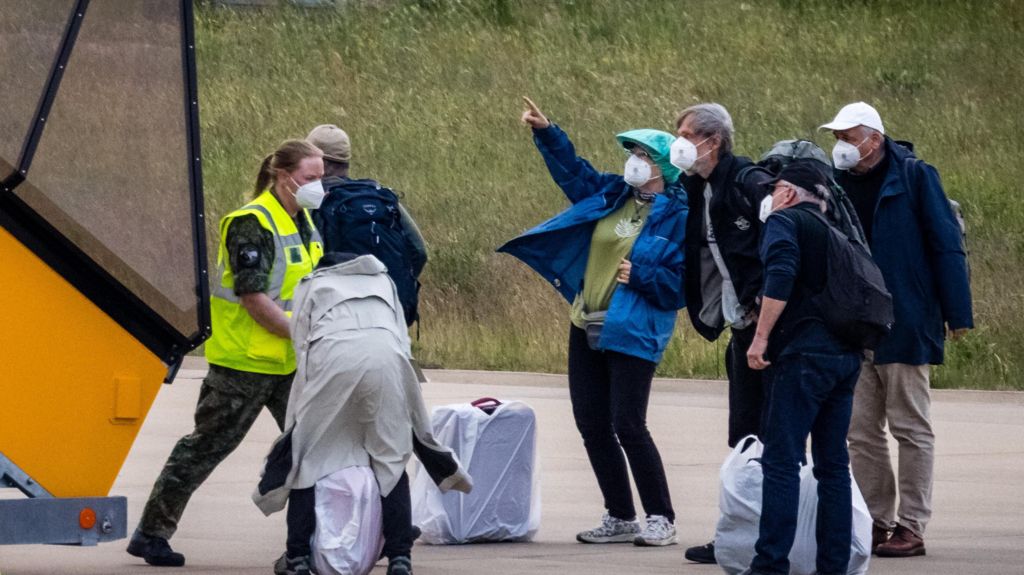
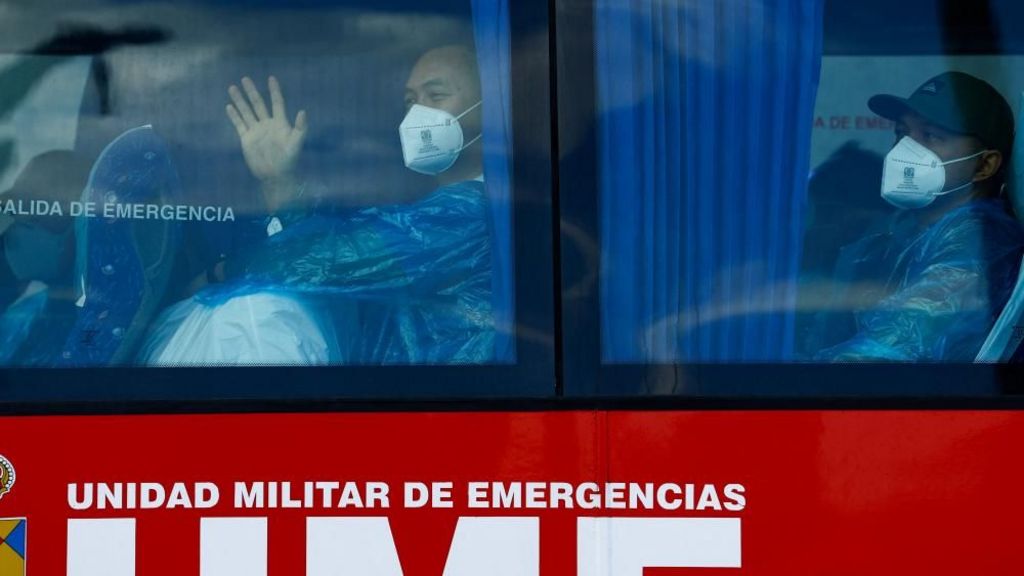
    On Monday, the emptying vessel departed Granadilla port on Spain’s Canary Islands off Tenerife, bound for its home port of Rotterdam. The final 28 evacuated passengers arrived in the Dutch city of Eindhoven via two charter flights on Tuesday, marking the end of a multi-country repatriation operation that has brought 122 passengers and crew members back to their home nations over recent days. As of Monday evening, 27 people – 25 crew and two medical staff – remained on board to sail the vessel to Rotterdam, with an expected arrival on the evening of May 17. The ship will undergo full sanitization after docking, with arrival protocols still being finalized, according to operator Oceanwide Expeditions.

    The outbreak has already claimed three lives, with seven confirmed cases recorded across multiple countries as of mid-May 2026. The first fatality was an elderly Dutch man who died on board the ship on April 11, before posthumous confirmation of infection. His wife died two days after disembarking in St Helena and traveling to Johannesburg, South Africa, and a third passenger, a German woman, died on the ship on May 2; both women have since been confirmed as positive cases.

    In the days following the final repatriation, new positive detections have continued to emerge across the globe. A Spanish national quarantined in Madrid after evacuation returned a preliminary positive result on Monday, while French health authorities confirmed one infected woman is in isolation in Paris with worsening health, and contact tracing is underway for 22 of her close contacts. U.S. health officials reported a second American repatriate has developed mild symptoms, with both U.S. cases transported back in biocontainment units as a precaution. Two British citizens with confirmed infections are currently receiving treatment in the Netherlands and South Africa respectively.

    Twelve clinical staff at a Nijmegen, Netherlands hospital have entered precautionary quarantine after potential exposure while treating an evacuated passenger. Hospital officials explained the workers did not follow full strict biosafety protocols when handling the patient’s blood and urine samples, making the precautionary measure necessary. Ukraine’s foreign ministry confirmed the four Ukrainian crew remaining on the ship to sail it to Rotterdam will enter medical quarantine on arrival, and all have so far shown no signs of infection. Seventeen Filipino crew members who disembarked arrived in the Netherlands on Tuesday, the Philippine Embassy confirmed.

    Speaking at a press conference in Madrid on Tuesday, WHO Director-General Tedros Adhanom Ghebreyesus delivered the UN body’s latest assessment of the outbreak. “At the moment, there is no sign that we are seeing the start of a larger outbreak,” he said, though he cautioned that the dynamic situation could shift. “Given the long incubation period of the virus, it’s possible we might see more cases in the coming weeks. Our work is not over” to contain the outbreak linked to the vessel, he added.

    Hantaviruses are most commonly carried by wild rodent populations, but the Andes strain detected in this outbreak – which WHO believes passengers contracted during a port of call in South America before boarding the MV Hondius – is capable of spreading between humans. Common symptoms of infection include high fever, extreme muscle fatigue and body aches, gastrointestinal distress including stomach pain, vomiting and diarrhea, and shortness of breath that can progress to severe respiratory complications. WHO has repeatedly stated that the overall risk of a large community-level outbreak from this event remains very low.

    The MV Hondius departed Ushuaia, Argentina on April 1 with 147 passengers and crew members representing 23 nationalities on board, marking the start of what was supposed to be a planned South Atlantic expedition before the outbreak forced the vessel to divert to the Canary Islands for evacuation.

  • SA’s Ismail reverses retirement for T20 World Cup

    SA’s Ismail reverses retirement for T20 World Cup

    As the 2026 Women’s T20 World Cup in England approaches, South Africa has secured a major boost to its title bid with a surprising squad announcement: 37-year-old fast bowling legend Shabnim Ismail has reversed her decision to retire from international cricket and earned a spot on the Proteas roster. One of the fastest female bowlers to ever compete in the sport, Ismail holds South Africa’s all-time record for most wickets in women’s T20 international cricket, with 123 wickets at a stellar average of just 18.62. Notably, she has not appeared in an international fixture for more than three years ahead of this comeback.

    Ismail is far from the only high-profile returnee joining the South African squad this year. All-rounder Dane van Niekerk, who ended her own retirement just 12 months ago, has also been selected for the tournament after overcoming a recent calf injury. Veteran opening bowler Marizanne Kapp, meanwhile, has been cleared for inclusion after fully recovering from an unreported illness that had put her participation in doubt.

    South Africa enters the tournament as one of the form teams in global women’s cricket, having finished as runners-up in both of the previous two editions of the Women’s T20 World Cup. Most recently, the side notched a confidence-boosting 4-1 series victory over ODI world champions India, cementing their status as legitimate title contenders this summer. Their tournament campaign gets underway on 13 June, with a challenging opening match against defending champions Australia, followed by group stage fixtures against Pakistan, India, the Netherlands, and Bangladesh.

    Mandla Mashimbyi, head coach of the Proteas women’s team, highlighted the unique impact Ismail’s comeback will have on the squad. “Having someone like Shabnim back adds a lot of value to the group,” he said. “We had good conversations and you could see the hunger she still has to represent South Africa and help this team achieve something special.”

    The full 15-player South African squad for the 2026 Women’s T20 World Cup is: Laura Wolvaardt (captain), Tazmin Brits, Nadine de Klerk, Annerie Dercksen, Shabnim Ismail, Sinalo Jafta, Marizanne Kapp, Ayabonga Khaka, Sune Luus, Karabo Meso, Nonkululeko Mlaba, Kayla Reyneke, Tumi Sekhukhune, Chloe Tryon, and Dane van Niekerk.

  • Malaysia searches for 14 missing Indonesians after a migrant boat sinks

    Malaysia searches for 14 missing Indonesians after a migrant boat sinks

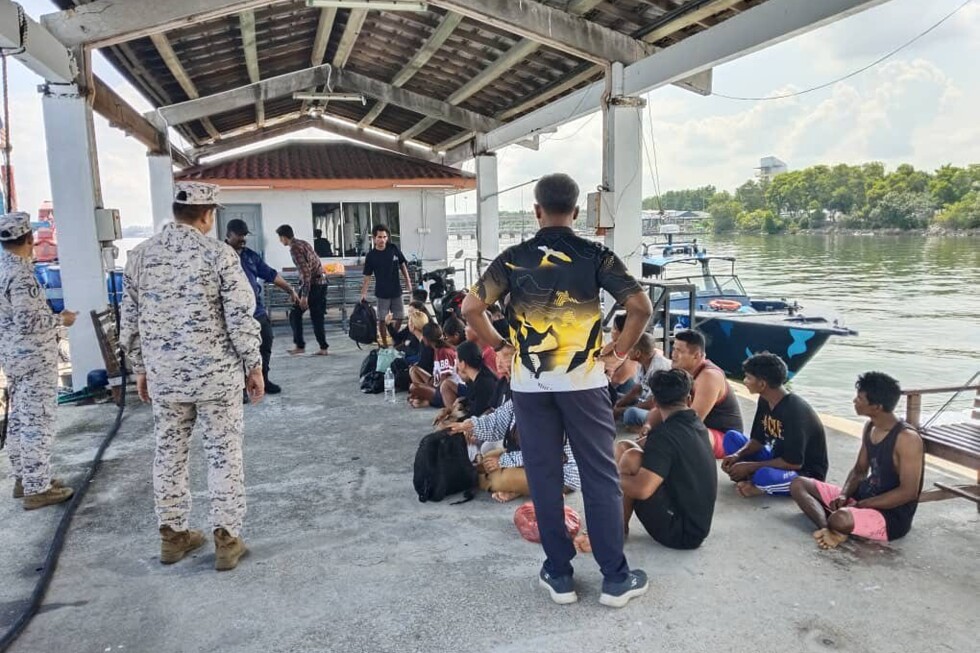
    Off the coast of Pangkor Island in Malaysia’s central Perak state, a devastating maritime incident has triggered a multi-agency search effort for 14 missing Indonesian people, after an overloaded vessel carrying undocumented migrants capsized and sank earlier this week. According to local maritime officials, the incident unfolded before dawn on Monday, when a passing Malaysian fishing vessel encountered dozens of people floating in open waters after their boat overturned. The fishing crew immediately issued a distress call to authorities, prompting the launch of a formal search and rescue operation that has now stretched into its second day.

    Initial assessments confirm 23 people from the capsized boat have been pulled from the water and rescued. All 23 survivors have since been transferred to Malaysian marine enforcement officials for mandatory questioning over their unauthorized entry attempt. Captain Mohamad Shukri Khotob, chief of Perak’s maritime agency, confirmed Tuesday that authorities estimate 37 people were packed onto the small vessel when it departed its departure point. That total puts the number of unaccounted-for passengers at 14, all of whom are believed to be Indonesian nationals.

    Investigators tracking the route of the doomed vessel have confirmed it left Kisaran, a city in northern Indonesia, on May 9, bound for multiple population centers across Malaysia, including Penang, Selangor, and the capital Kuala Lumpur. The tragedy has shone a fresh light on the long-standing pattern of irregular migration between the two neighboring Southeast Asian nations. For decades, Malaysia has drawn large numbers of Indonesian workers who leave their home country in search of higher wages and better employment opportunities. Indonesians currently make up the vast majority of Malaysia’s foreign labor force, working primarily in labor-intensive sectors including agricultural plantations and the construction industry.

    Many of these workers lack the proper documentation to enter Malaysia legally, so they rely on unregulated human smuggling networks that use old, overcrowded vessels to cross the Strait of Malacca. These unseaworthy boats are often overloaded far beyond their safe capacity, putting passengers at extreme risk of capsizing, sinking, and drowning. Malaysian maritime officials have reiterated that the current search operation will remain active until all 14 missing people are located, regardless of how long the effort takes.

  • Indigenous Australians win record A$150m after billionaire mined without permission

    Indigenous Australians win record A$150m after billionaire mined without permission

    After a nearly two-decade-long legal fight over unauthorized mining on sacred traditional land, Australia’s Federal Court has ordered mining magnate Andrew Forrest’s Fortescue Metals to pay Indigenous traditional owners a historic A$150.1 million compensation package, the largest native title payout in the nation’s history.

    The Yindjibarndi people, who hold exclusive native title rights to a 2,700-square-kilometer stretch of the mineral-rich Pilbara region in remote north-western Australia, launched their legal challenge in 2017. That challenge came five years after the court first formally recognized Yindjibarndi Ngurra Aboriginal Corporation (YNAC) as the legitimate holders of native title over the area. Fortescue, the iron ore mining giant founded by billionaire Andrew Forrest that has built its multi-billion-dollar empire on Pilbara iron ore extraction, had already developed its highly profitable Solomon Hub mines on the land by that point. While the company secured approval for the project from the Australian government and a competing local Aboriginal representative body, it never secured the required consent from YNAC, the legally recognized native title holders. Failed negotiations for a formal land use agreement between the two sides eventually led to the drawn-out court battle that concluded this week.

    In his ruling, Federal Court Justice Stephen Burley explicitly acknowledged the Yindjibarndi people’s unbroken “deep and visceral connection” to their traditional country, which shapes every dimension of their cultural and social life. He divided the compensation into two parts: A$150,000 for proven economic losses suffered by the community, and A$150 million for profound cultural harm. Burley defined the cultural compensation as payment for the erosion of the Yindjibarndi’s traditional attachment to their land, damage to their cultural heritage, and the loss of their ability to draw spiritual sustenance from their country. In their original claim, the Yindjibarndi had sought A$1.8 billion in total compensation, a figure the group calculated as 1% of the tens of billions of dollars in revenue Fortescue has generated from the site since mining began in 2013, plus compensation for the destruction or damage of approximately 250 sacred cultural sites across the lease area.

    While the ruling marks a landmark moment for native title rights in Australia — with the payout nearly tripling the value of the previous largest court-ordered native title compensation award — many Yindjibarndi community leaders have expressed disappointment with the final sum. Speaking to reporters outside the courtroom, Yindjibarndi elder Wendy Hubert dismissed the award as “peanuts” compared to the massive ongoing profits Fortescue continues to pull from the land. The Solomon Hub mine is projected to remain in operation and generate revenue for the company for at least another decade, with closure not scheduled until the mid-2040s. The case has reignited national conversations about resource sovereignty, the protection of Indigenous cultural heritage, and the fairness of native title compensation frameworks in Australia’s booming mining sector.

  • How are countries responding to hantavirus?

    How are countries responding to hantavirus?

    A hantavirus outbreak linked to the Dutch cruise ship MV Hondius has triggered coordinated public health responses across the globe, after the vessel docked at Granadilla port in southeast Tenerife to disembark all remaining passengers and crew over the weekend. Three people who had traveled on the ship have died, with two of the deaths confirmed to be caused by the virus, and the World Health Organization (WHO) has logged a total of nine cases: seven confirmed and two suspected.

    As dozens of international passengers make their way back to their home countries, public health agencies around the world have rolled out targeted quarantine and monitoring protocols to prevent wider community spread of the Andes strain of hantavirus, which is primarily endemic to Argentina and Chile. Investigations remain ongoing into the origin of the outbreak, with the leading hypothesis tying initial exposure to rodent habitats in Argentina, where the cruise began its itinerary after passengers completed a bird-watching trip through Argentina, Chile, and Uruguay. No official confirmation of this origin story has been released to date.

    In the United Kingdom, 20 British nationals, one German resident of the UK, and one Japanese passenger were flown to Manchester Airport on a chartered evacuation flight Sunday, then transferred to Arrowe Park Hospital in Merseyside for 72 hours of mandatory testing and medical assessment. Following this initial monitoring period, the group will return to their homes to complete a 42-day precautionary self-isolation period. UK Health Security Agency officials confirmed that strict infection control measures were enforced throughout the entire repatriation journey. Public Health Minister Sharon Hodgson noted that none of the repatriated passengers have shown any symptoms of the virus, adding that the overall risk to the UK public remains extremely low thanks to stringent monitoring and isolation protocols. In total, 31 British nationals, including both passengers and crew, were on board the MV Hondius, and some disembarked before the first confirmed hantavirus case was reported on May 4.

    United States health officials have echoed the UK’s assessment that the broader public risk remains minimal. Eighteen American passengers have returned to the U.S. so far: 16 are currently undergoing screening at the University of Nebraska Medical Center in Omaha, while two are being cared for at Emory University’s Regional Emerging Special Pathogen Treatment Center in Atlanta, including one patient with mild symptoms who was transported in a specialized biocontainment unit on the repatriation flight. Four California residents with potential exposure are also being monitored: three were passengers on the cruise ship, and one may have been exposed on an international flight. The California Department of Public Health confirmed Monday that the risk to California residents remains extremely low. Per Centers for Disease Control and Prevention guidance, all returning exposed Americans will undergo multi-day health assessments, followed by a 42-day self-isolation and monitoring period that requires daily temperature checks, with individual care plans adjusted based on each patient’s health status and living situation.

    The European Union, via the European Centre for Disease Prevention and Control, has issued guidance aligned with the UK’s protocols: all returning citizens must undergo medical triage by trained healthcare workers, followed by a six-week self-isolation and symptom monitoring period, with instructions to seek immediate care if symptoms develop. In the Netherlands, 13 Dutch nationals (eight passengers and five crew members) who were on board when the ship docked were flown to Eindhoven Sunday, then transported directly to their homes for quarantine. Dutch health officials will conduct daily check-ins with all isolating individuals to catch any early symptoms and provide prompt care if needed.

    Fourteen Spanish nationals repatriated from Tenerife to Madrid are currently in mandatory quarantine at a military hospital in the capital. Spanish Health Minister Mónica García confirmed Monday that one person has received a preliminary positive test result, but remains asymptomatic, in isolation, and in good general health. The other 13 have tested negative preliminarily, with definitive results expected within 24 hours. While Tenerife and Canary Islands residents have expressed public concern over the outbreak being centered in their port community, WHO officials have emphasized that the risk of widespread local transmission is low due to the specific transmission characteristics of hantavirus, and all disembarkation processes were carried out at a port located far from residential areas.

    France has recorded its first confirmed hantavirus case linked to the outbreak: a French national who developed symptoms during a chartered repatriation flight from Tenerife to Paris. French Health Minister Stéphanie Rist reported that the woman is currently isolating in Paris, and her health is deteriorating. Health officials have already traced 22 close contacts of the patient, and all five French citizens returning from Tenerife were placed in immediate strict isolation per Prime Minister Sébastien Lecornu’s weekend order.

    In Germany, four asymptomatic exposed people arrived in the country overnight Monday and were initially monitored in an isolation unit at Frankfurt University Hospital, before being transferred to their home jurisdictions across Berlin, Baden-Wuerttemberg, Bavaria, and Schleswig-Holstein. Germany’s federal health ministry stated that the group will remain under continuous close symptom monitoring, with local authorities responsible for determining any additional local public health measures.

    Six Canadian citizens were on board the MV Hondius: four returned to British Columbia Sunday on a chartered repatriation flight, and are currently self-isolating for a precautionary 21 days, a period that may be extended to 42 days to align with the virus’s 1 to 8 week incubation period. Two other Canadian passengers, a couple in Ontario, are already self-isolating at home with no reported symptoms, according to Canadian Health Minister Sylvia Jones.

    A Swiss national who disembarked the cruise at Saint Helena before returning home has tested positive for hantavirus and is currently receiving medical care. His wife, who traveled with him, remains asymptomatic and is self-isolating as a precaution. Switzerland’s Federal Office of Public Health has confirmed that the overall risk to the Swiss public remains low. Thirty-eight Filipino crew members are on the MV Hondius, and the Philippines has no recorded cases of hantavirus, with local officials stating that the risk of an outbreak there remains extremely low.

  • Starmer faces mounting pressure to resign as he meets UK Cabinet in crunch talks

    Starmer faces mounting pressure to resign as he meets UK Cabinet in crunch talks

    LONDON — Just eight months after securing a landslide general election victory, British Prime Minister Keir Starmer is fighting for his political survival, confirming to his Cabinet on Tuesday that he refuses to step down even as internal dissent within his own Labour Party reaches a fever pitch.

    The current crisis erupted last week after the Labour Party suffered devastating losses across local elections nationwide. Political analysts warn that if the poor performance is replicated in a future national vote, the party could be swept out of power in a historic rout. The disappointing results laid bare long-simmering frustrations with Starmer’s leadership, triggering a wave of calls for his departure from within party ranks.

    So far, more than 70 Labour backbench members of Parliament — nearly one-fifth of the party’s total representation in the House of Commons — have publicly called on Starmer to either resign immediately or outline a clear timeline for his exit. Notably, no lawmaker has yet launched a formal leadership challenge against Starmer, a move that would require meeting a minimum threshold of parliamentary support under party rules. Even so, the number of lawmakers calling for change signals deep and widespread discontent across the party.

    The rebellion gained traction on Tuesday when junior minister Miatta Fahnbulleh resigned from her post in the housing, communities and local government department. A prominent figure on the Labour left, Fahnbulleh issued a public statement urging Starmer to “do the right thing for the country” and make way for new leadership. In her resignation notice, she argued the current government has failed to deliver the transformative change voters mandated in last year’s general election, and has not governed with a clear, consistent set of core Labour values. “Nor have we governed as a Labour Party clear about our values and strong in our convictions,” she wrote.

    Starmer’s rapid drop in popularity since his July 2024 landslide victory stems from a range of interconnected issues. Critics point to repeated policy missteps, a widespread perception that the prime minister lacks a clear governing vision, ongoing stagnation in the British economy, and major questions over his political judgment — most notably his controversial appointment of Peter Mandelson as U.K. Ambassador to the United States, despite Mandelson’s well-documented personal ties to convicted sex offender Jeffrey Epstein.

    Last week’s local election results also underscored a dramatic shift in the United Kingdom’s political landscape: the traditional two-party system long dominated by Labour and the Conservative Party is fracturing, with Labour losing significant support to both the right-wing populist Reform UK (an anti-immigration party) and the left-leaning Green Party, which campaigned on an eco-populist platform.

    Opening Tuesday’s emergency Cabinet meeting, Starmer acknowledged his responsibility for the poor local election results but immediately doubled down on his commitment to stay in office. He reminded his ministers that Labour’s internal rules require a formal leadership challenge to gather the support of at least one-fifth of the party’s sitting MPs — a threshold that currently stands at 81 signatures, a mark challengers have not yet hit — and that no formal ousting process has been triggered.

    “The country expects us to get on with governing,” Starmer told the gathering. “That is what I am doing and what we must do.”

    Under British law, the next national general election is not required to be held until 2029, and the UK political system allows parties to replace a sitting prime minister mid-term without triggering a national vote. Starmer has already moved to shore up his position, launching his fightback with a combative speech to detractors on Monday. He is also set to push forward with an ambitious slate of new legislative proposals, which will be formally announced by King Charles III during the State Opening of Parliament on Wednesday, in a bid to regain momentum and reframe his premiership.

    Danica Kirka contributed reporting from London.

  • Attempted abduction near Sydney primary school

    Attempted abduction near Sydney primary school

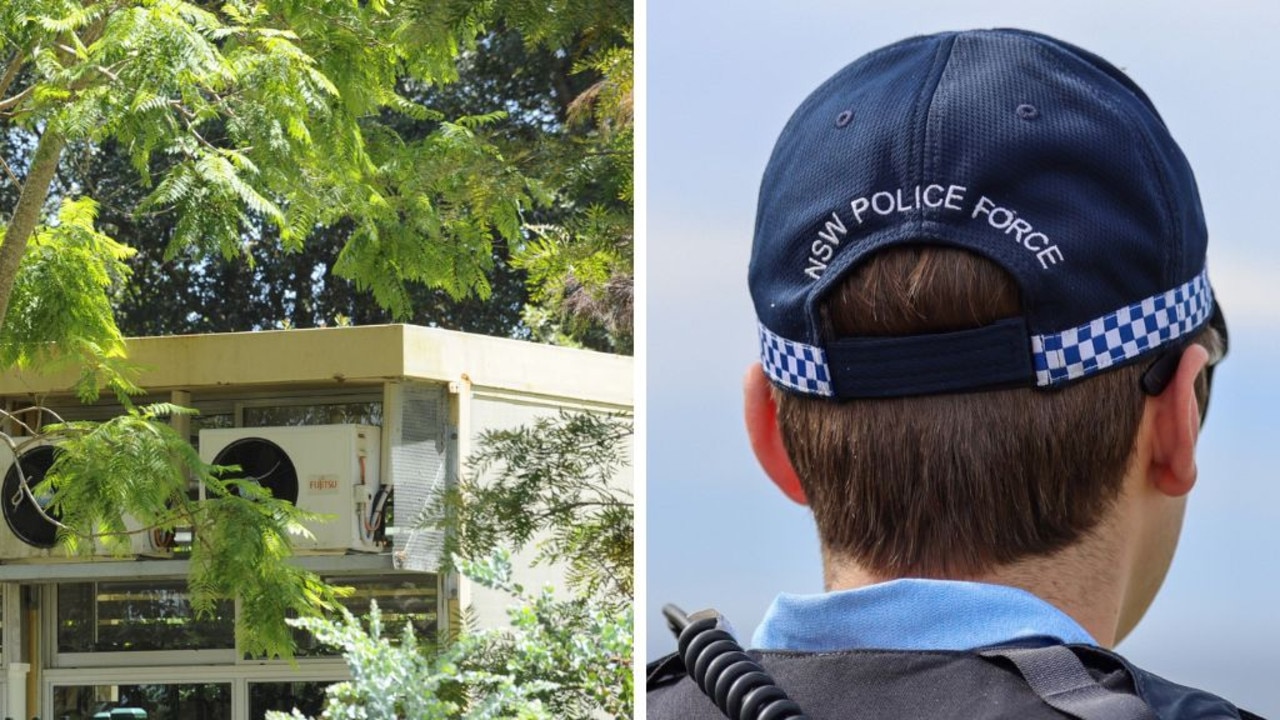
    A primary school in Sydney’s upper north shore has issued an urgent safety advisory to parents, urging them to stop letting their children walk home unaccompanied, following a frightening attempted abduction of a student earlier this week. The incident, which unfolded around 3:15 p.m. Monday on Campbell Drive in Wahroonga, has sent ripples of concern through the tight-knit community of Warrawee Public School, which educates roughly 400 students between the ages of 4 and 11.

    In a circular email sent to all families on Tuesday, obtained by the Sydney Morning Herald, acting deputy principal Meriki Barnes outlined the allegations: two male youths in a passing car attempted to force a student walking home off the street and into their vehicle. The child managed to break free from the attackers and quickly alerted their guardians once they reached safety, the email confirmed.

    New South Wales Police have officially launched an investigation into the incident. Law enforcement has released a preliminary description of the suspect vehicle, noting it is a silver or light white sedan, likely fitted with red P-plates indicating a newly licensed driver. As detectives work through initial leads, they are calling on members of the public who were in the area at the time to come forward with any relevant footage, including CCTV from homes or businesses, mobile phone recordings, or dashcam footage captured across nearby streets — including Roland Avenue, Lucinda Avenue South, Rothwell Road, Mitchell Crescent and Fox Valley Way. Anyone with information is urged to contact Crime Stoppers anonymously at 1800 333 000.

    In their official statement, police emphasized that the incident serves as a critical reminder for young people to maintain ongoing awareness of personal safety practices, most importantly to immediately report any suspicious interactions to trusted adults. Authorities also noted that parents and caregivers play a key role in reinforcing these habits through regular open conversations with their children.

    In line with the police advisory, Warrawee Public School has updated its guidance for families, asking that all caregivers collect their children directly from the school gate and hold conversations about protective safety behaviors at home. “We ask all families to review their child’s travel arrangements to and from school to ensure the highest possible level of safety at this time,” the school’s email read.

    Local parents have voiced significant anxiety over the incident, which has upended routine travel plans for many families. One parent, who requested anonymity to protect their child’s privacy, told the Sydney Morning Herald that the community is on edge. “This is the main route that dozens of kids take to walk home every day — the idea that it isn’t safe right now is terrifying,” they said. Another parent added that he is already reconsidering his longstanding permission for his 10-year-old son to make the walk to and from campus alone.

    This is not the first suspicious incident targeting children at the school in recent years. Last July, the school’s on-site after-care centre issued a similar warning to families after an unidentified adult male approached a child and attempted to convince them to leave with him. That child also immediately alerted staff, who contacted police right away, and no harm came to the student.

  • NSW Health issues measles alert after confirmed case linked to overseas traveller, multiple exposure sites listed

    NSW Health issues measles alert after confirmed case linked to overseas traveller, multiple exposure sites listed

    Public health officials in New South Wales (NSW), Australia, have issued a broad public health warning after a confirmed case of highly contagious measles was detected in an international traveller returning from a region with ongoing outbreaks. The case, which was confirmed earlier this week, has already been linked to dozens of exposure sites across greater Sydney, ranging from popular retail and community hubs to medical facilities and an international flight.

    NSW Health confirmed the infected individual had recently travelled through South and Southeast Asia, a region where health officials are currently reporting persistent measles outbreaks. The traveller remained infectious while moving through multiple NSW communities, leading authorities to publish an ever-expanding list of exposure locations that is updated regularly as contact tracing work progresses.

    Among the sites identified so far are well-trafficked locations including 7-Eleven Emerald Hills, Southgate Shopping Centre in Sylvania, Caringbah Auto Repairs and Service, Philter Brewery in Marrickville, as well as multiple medical centres, retail outlets, and major transport hubs across western, southern, and inner Sydney. A China Airlines flight travelling from Taipei to Sydney, which arrived at Sydney Airport on April 26, has also been listed as an exposure site.

    Officials were quick to clarify that the identified venues no longer carry an ongoing risk of transmission, but have issued urgent guidance for anyone who visited these locations during the active exposure windows to monitor their health closely for 18 days following potential contact. As of the latest update, 48 confirmed measles cases have been recorded in NSW since the start of 2026, leaving public health teams warning that the risk of further community spread remains significantly elevated.

    Dr Alvis Zibran, a public health staff specialist with the Nepean Blue Mountains Local Health District, emphasized that ongoing vigilance is critical, especially for individuals who may have visited one of the listed exposure sites. “If you develop symptoms and have been at one of the locations during the specified times, contact your doctor or local health service, including an emergency department,” Dr Zibran advised. “Be sure to call ahead before you arrive to let providers know you may have been exposed to measles, that way you won’t wait in shared waiting rooms with other patients, and always wear a mask during your visit.”

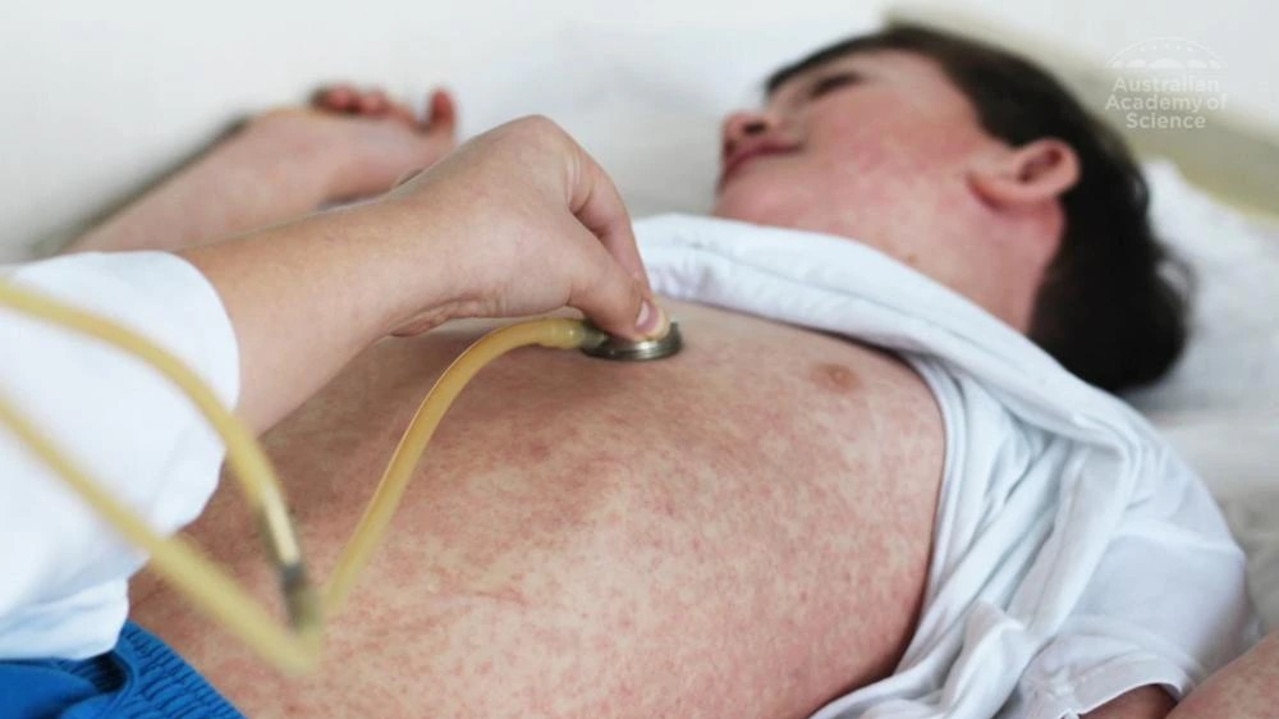
    Dr Zibran outlined the key symptoms of measles that the public should watch for: initial symptoms typically include fever, irritated sore eyes, runny nose, and a cough, with a distinctive red, blotchy rash developing three to four days after symptoms first appear. The rash usually starts on the head and face before spreading outward to the rest of the body. Even people who have not visited any of the identified exposure sites should consider testing if they develop these classic symptoms, he added.

    Unlike many common infectious diseases, measles can take up to 18 days from the time of exposure for symptoms to emerge, meaning people who may have been exposed need to monitor their health for the full incubation window. The virus spreads easily through respiratory droplets that enter the air when an infected person coughs or sneezes, making highly contagious in crowded indoor spaces.

    In addition to guidance for people who may have been exposed, public health officials are urging all community members to review their vaccination status to confirm they are protected. “One of the most important messages we can share right now is that people need to ensure their measles vaccinations are up to date,” Dr Zibran said. “Crucially, the measles vaccine can even prevent infection after exposure if it is administered quickly enough.”

    Officials recommend that anyone born after 1965 confirm they have received two full doses of the measles vaccine. This check is especially critical before planning any international travel, as active measles outbreaks are currently circulating in multiple regions across the globe. In NSW, the combined measles-mumps-rubella (MMR) vaccine is provided free of charge as part of the routine childhood immunization schedule, with doses given at 12 months and 18 months of age. The vaccine is also available free of charge to any person born after 1965 who has not yet received two doses.

    For children under 12 months of age who are travelling internationally, an additional early dose of the vaccine can be given as early as six months of age, though families are advised to consult with a medical provider before travel. For people who are unsure of their vaccination history, health authorities confirm that receiving an extra dose of MMR is completely safe, and eligible age groups can access the vaccine through general practitioners and participating pharmacies across the state.