博客

  • Smart glasses are ‘an invasion of privacy’ – Meta’s are selling better than ever

    Smart glasses are ‘an invasion of privacy’ – Meta’s are selling better than ever

    The emerging market for AI-powered smart glasses is facing growing scrutiny over deep-seated privacy risks, even as some of the world’s largest technology corporations prepare to scale up sales of the wearable devices in the coming years, with projections pointing to hundreds of millions of units sold globally by the end of the decade.

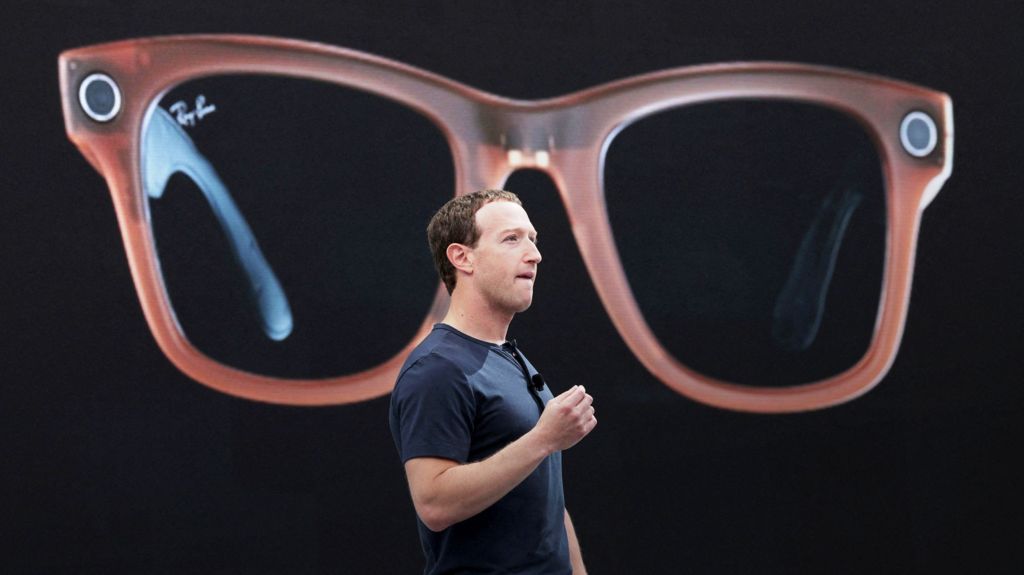
    Currently, Meta dominates the fast-growing segment, holding an estimated 80% of all global smart glasses sales thanks to its early entry into the mainstream market with the Meta Ray-Ban smart glasses, produced in partnership with eyewear giant EssilorLuxottica. The product blends the iconic, understated design of classic Ray-Ban frames with cutting-edge tech: a nearly undetectable built-in camera, integrated small speakers, and lightweight lenses that display contextual information for wearers. Recording can be activated with a simple tap on the frame, making it extraordinarily easy to capture photos and video without drawing attention to the act.

    This discreet recording capability has already spawned widespread misuse, most notably a growing trend where male wearers of Meta’s smart glasses secretly record unsuspecting women in public spaces — from beaches to retail stores — for online content. Many women only discover they have been filmed after the videos, which often include harassment and abusive commentary, go viral on social media. Legal options for affected people remain limited, as photography in public spaces is widely protected under law in most jurisdictions. One woman who spoke to the BBC reported that when she requested the removal of a non-consensual recording of her, the creator demanded payment to take it down.

    Beyond non-consensual public recording, the devices have faced legal pushback over the processing of user content. Two class-action lawsuits were filed against Meta after contract workers in Kenya, hired to review smart glasses recordings to train Meta’s AI models, revealed they were forced to view deeply graphic content including sexual activity and private bathroom use. Many plaintiffs said they had no idea their recordings were being reviewed by human staff, despite Meta’s assertion that the possibility of human review is clearly disclosed in its terms of service.

    Even with these mounting controversies, sales have surged to more than 7 million units sold to date, with Meta CEO Mark Zuckerberg calling the product line “some of the fastest-growing consumer electronics in history” in a recent statement. Meta spokesperson Tracy Clayton defended the company’s position, noting that the firm has dedicated teams working to mitigate misuse, but argued that “the onus is ultimately on individual people to not actively exploit” any technology.

    The market’s growth is attracting new entrants, with a wave of major tech companies preparing to launch their own smart glasses offerings in the next 18 months. Apple is reportedly developing its own AI and AR-enabled smart glasses, expected to launch as early as 2025. Snap has confirmed it will release a new iteration of its Specs smart glasses later this year, and Google is preparing for a second attempt at consumer smart glasses more than a decade after the high-profile failure of Google Glass, which was pulled from the market over identical privacy concerns just two years after launch. All upcoming models are expected to follow Meta’s blueprint, combining AI features with augmented reality that relies on built-in cameras to function.

    Not all user experiences are negative, however. Mark Smith, a tech-savvy early adopter and enterprise software advisor at ISH, wears his Meta Ray-Bans daily. He praised the device’s practical perks: listening to music and podcasts while doing household chores without blocking out ambient noise the way over-ear headphones do, seamless hands-free phone calls, and quick, convenient photo captures while traveling that eliminate the need to pull out a smartphone. Even so, Smith acknowledged that obvious privacy risks remain, noting that the small indicator light that activates during recording is nearly invisible in bright daylight, leaving most bystanders unaware they are being filmed.

    Industry projections indicate that if current growth trends hold, as many as 100 million consumers could own a pair of AI smart glasses within the next few years. That scale of adoption would create unprecedented challenges for regulators and public institutions that restrict recording in sensitive spaces including courthouses, hospitals, movie theaters, museums, and bathrooms. David Kessler, head of U.S. privacy practice at global law firm Norton Rose Fulbright, said corporate clients are already scrambling to adapt to the new reality. “There are some pretty dark places we could go here,” Kessler said. “I’m not anti-technology in any sense, but as a societal matter…will I need to think [of being recorded] anytime I go out in public?”

    Risks could grow even more acute: Meta is reportedly planning to add facial recognition technology to a future update of its smart glasses, which would give wearers the ability to not only secretly record passersby, but also instantly identify them by name. Meta markets its current glasses under the tagline “Designed for privacy, controlled by you,” and advises users to avoid recording people who object and to turn off devices entirely in sensitive spaces. But these voluntary guidelines are widely ignored, with a rising trend of prank content that targets unsuspecting members of the public for online clout.

    Public backlash is already starting to build. When a man posted a video complaining that a woman on the New York City Subway broke his Meta glasses after he secretly recorded her, social media users widely celebrated the woman’s actions, calling her a hero. Meta CTO Andrew Bosworth argued earlier this month that strong sales indicate broad public acceptance of the devices, but former Meta AI researcher David Harris, now a professor at UC Berkeley and AI policy advisor to the U.S. and EU, said the current generation of smart glasses faces the same fate that doomed Google Glass over a decade ago. “Technology like this is fundamentally an invasion of privacy and it’s really going to face more and more backlash,” he said.
  • Macron faces backlash after interrupting Africa summit panel in Kenya

    Macron faces backlash after interrupting Africa summit panel in Kenya

    NAIROBI, Kenya — Amid a high-stakes diplomatic push to rebrand France’s relationship with the African continent after decades of colonial dominance, French President Emmanuel Macron has found himself at the center of growing controversy following an explosive public confrontation at the Africa Forward Summit, held in Nairobi.

    The gathering, which brought together 30 African heads of state, was designed to highlight Paris’s long-promised policy shift: moving away from the patronizing, hegemonic “Françafrique” system that defined France’s post-colonial influence to a new framework Paris frames as a genuine equal partnership. On the summit’s second day, Macron unveiled a flagship €25 billion ($27 billion) investment package targeting key African sectors including renewable energy, artificial intelligence development, and agricultural modernization.

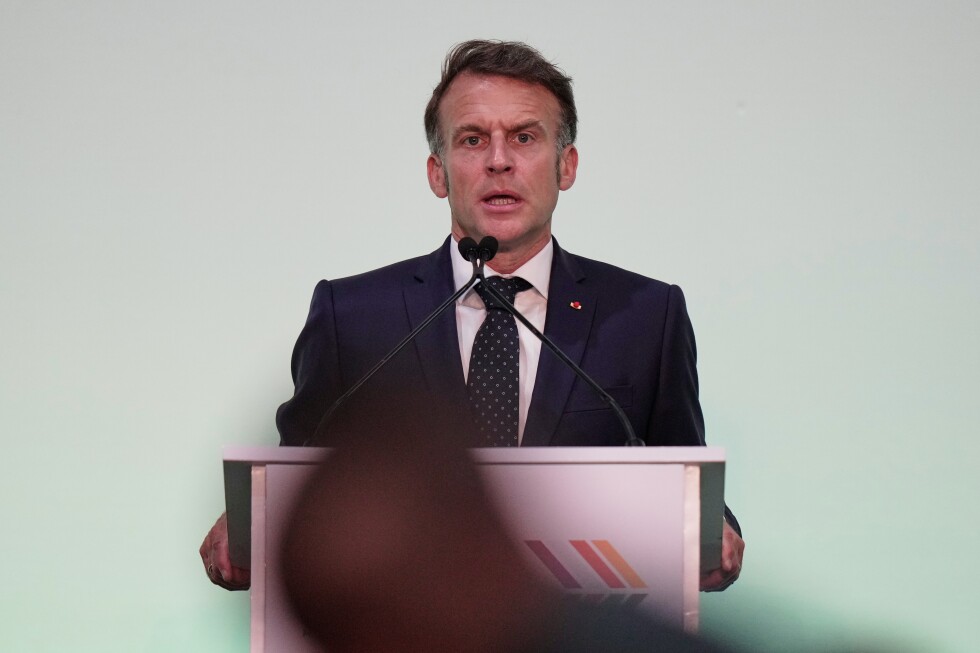
    But the event’s carefully curated diplomatic narrative unraveled on Monday, when a disruptive audience during a panel featuring African artists and young entrepreneurs prompted Macron to storm the stage, grabbing the microphone from the featured speaker to demand immediate order. Visibly frustrated by ongoing side conversations that interrupted the session, Macron rebuked attendees for what he called a “total lack of respect,” announcing he would step in to “restore order” before delivering a public reprimand in English.

    Clips of the confrontation spread rapidly across social media platforms within hours, splitting public reaction. Some attendees applauded Macron’s intervention as a necessary correction of unprofessional behavior, but criticism quickly poured in from across the African continent and in France itself.

    In Dakar, Senegal, Thierno Mbaye, a history student at the capital’s leading university, framed the outburst as a revealing throwback to colonial-era paternalism. “Just imagine what would happen if an African leader did the same thing in America or Europe,” Mbaye told the Associated Press. “He acted like a schoolteacher scolding children.”

    Danièle Obono, a hard-left France Unbowed lawmaker in Paris, echoed that critique in a post on X, writing: “It’s stronger than him: as soon as he sets foot on the African continent, he can’t help but behave like a colonizer.”

    The controversy is not an isolated incident. It comes against a backdrop of escalating diplomatic friction between Paris and its former West African colonies, where growing anti-French sentiment has forced France to withdraw thousands of troops from the region over the past three years, completing a full military pullout from Senegal in July. Even before the stage confrontation, Macron had already sparked widespread backlash for a remark made at a pre-summit press conference alongside Kenyan President William Ruto, where he claimed “we are the true Pan-Africanists.”

    The claim struck a raw nerve given Pan-Africanism’s core roots as an ideology built to oppose colonial rule. In an open letter released Monday, Togolese human rights activist Farida Nabourema pushed back sharply against Macron’s framing. “Pan Africanism is not a brand, Mr. Macron, neither is it a diplomatic posture,” she wrote. “It is a political philosophy that said no to everything France spent three centuries saying yes to: slavery, colonialism and neocolonialism.”

    Geopolitical analysts note that Macron’s pivot to East Africa for the summit is a deliberate strategic move in the wake of Paris’s major setbacks in West Africa, where Moscow has expanded its influence to become the leading security partner for several military-led governments that ousted French-aligned leaders. Beverly Ochieng, a senior analyst at geopolitical risk firm Control Risks, explained that the summit is designed to signal that France is shifting its strategic priorities to regions of the continent where it still holds widespread goodwill.

    Ochieng added that the combination of Macron’s Pan-Africanism claim and his on-stage outburst has amplified existing skepticism about whether Paris’s policy reset amounts to a genuine shift toward equal partnership, or simply rebranded rhetoric for continued French influence. Alioune Tine, founder of Dakar-based think tank Afrikajom Center, noted that Macron’s reference to “true Pan-Africanism” also doubles as a subtle jab at Russia, pointing out that Paris views pro-Russian Pan-African voices online as politically manipulated and inauthentic.

    Tine acknowledged that relations between Western powers and African states have long carried inherent paternalistic overtones that France has not fully escaped, but added that Macron, the first French president born after the end of French colonial rule in Africa, has taken steps to move past the Françafrique legacy with a more informal diplomatic style aimed at rebuilding trust. Pre-summit polling from Ipsos, conducted across nine African nations for the French Foreign Ministry, offers some support for that effort: 74% of respondents reported holding a positive view of France, with the highest support recorded in English-speaking African countries and among adults under 35.

    In comments Tuesday, Macron reaffirmed France’s commitment to respecting African sovereignty, saying: “Paris will be respectful of each African country’s independence… sovereignty and autonomy is shared, and your success is our success.” As of Wednesday, neither the French presidency nor the French Foreign Ministry had issued an immediate response to requests for comment on the growing backlash over the summit confrontation.

  • Gulf investments and economic interests motivate Beijing to help Trump end war

    Gulf investments and economic interests motivate Beijing to help Trump end war

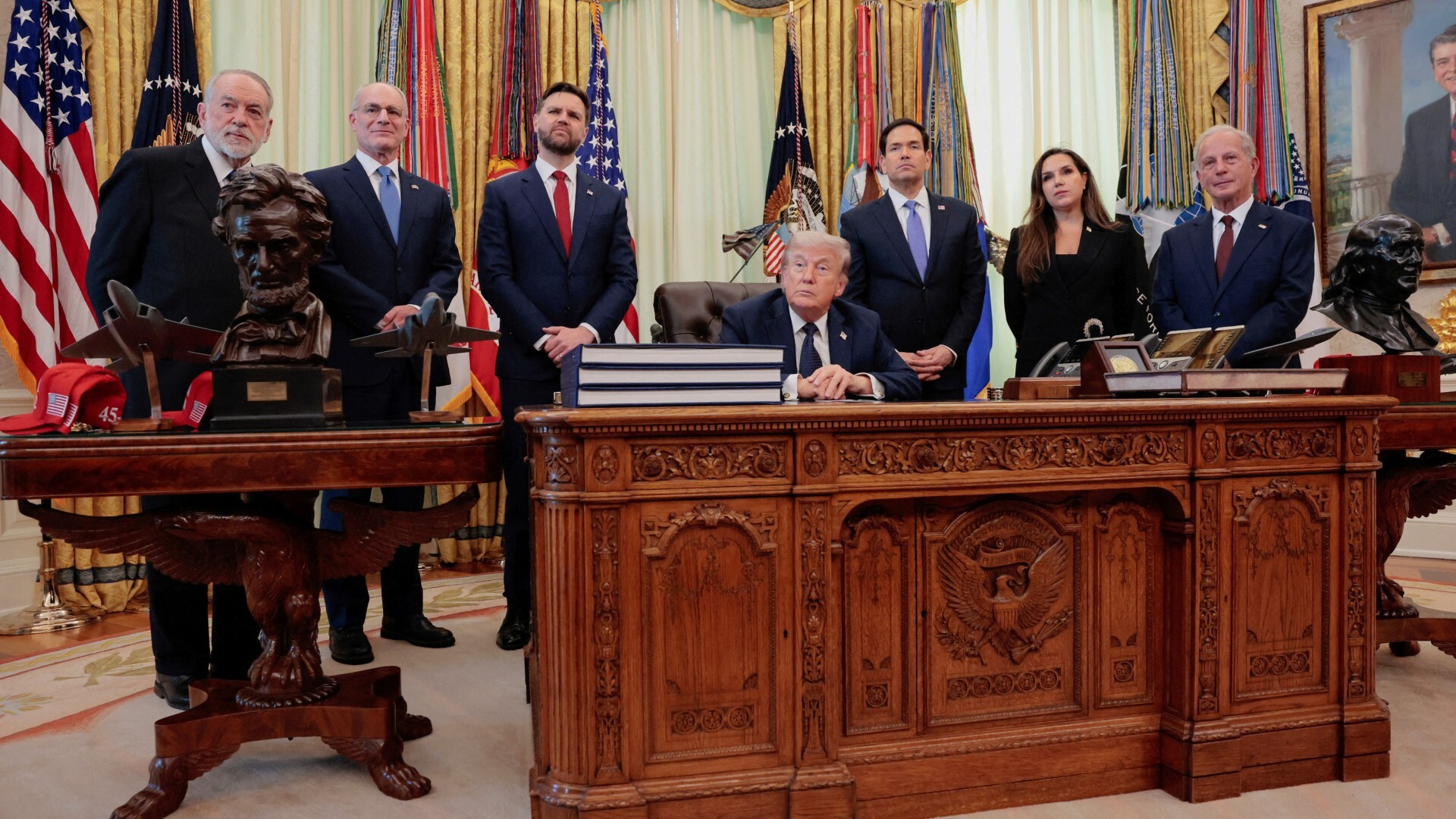
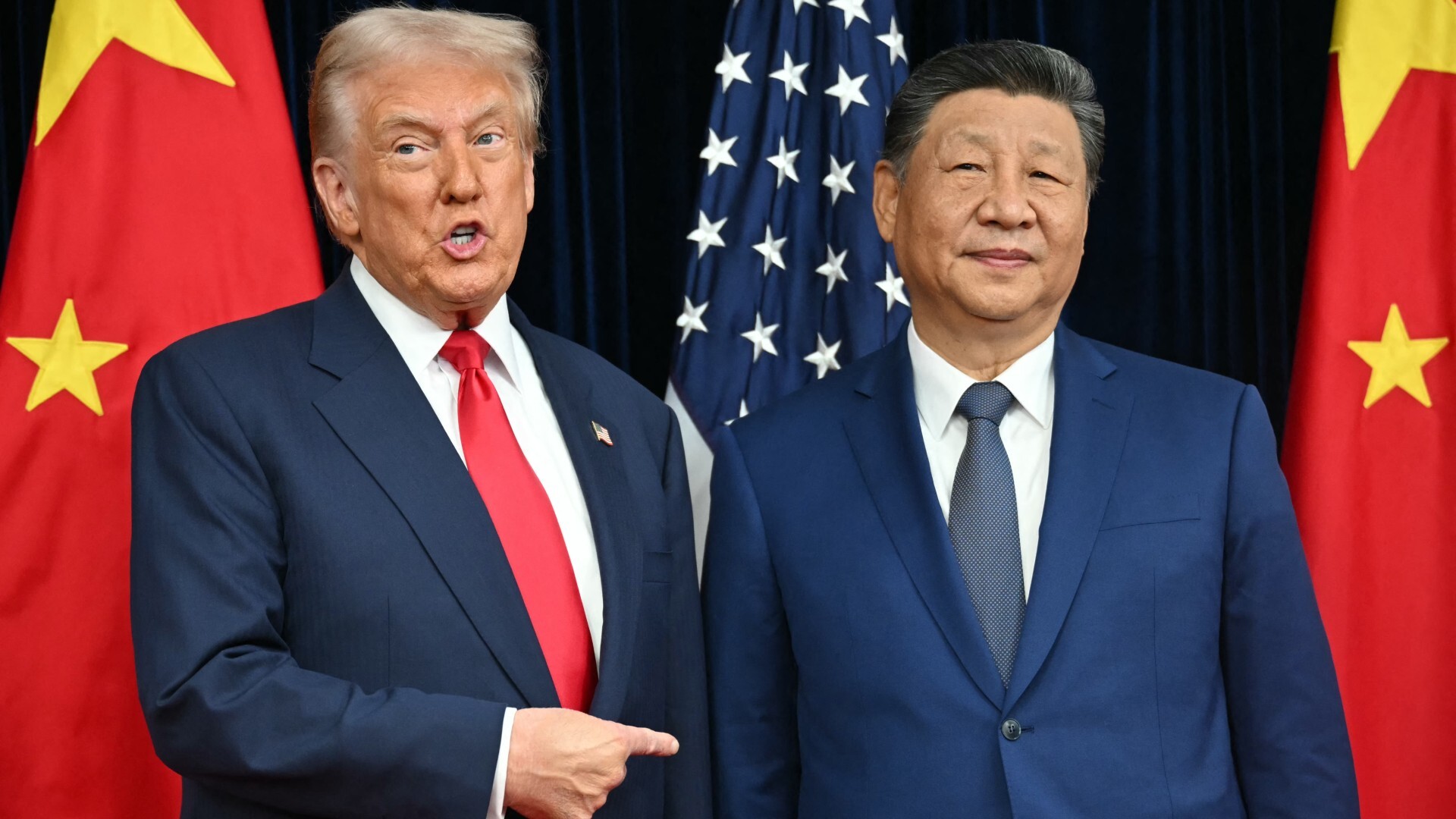
    As U.S. President Donald Trump prepares to land in Beijing for a high-stakes two-day summit with Chinese President Xi Jinping this Thursday, trade and economic agreements between the world’s two largest economies top the official agenda — but the lingering conflict between the U.S.-led coalition and Iran will hang over every closed-door discussion, shaping the trajectory of bilateral relations amid shifting global power dynamics.

    Analysts point out that China’s ongoing military and technical support to Iran amid its war with the U.S. and Israel has delivered tangible strategic benefits, but the regional conflict has also created unforeseen strains on Beijing’s ties with wealthy Gulf Arab states and exposed vulnerabilities in China’s export-driven economic model.

    For Beijing, the U.S.’s failed campaign to neutralize Iran has been a quiet strategic win, says Wang Yiwei, an international relations scholar at Renmin University of China. “Iran’s brave response to U.S. attacks taught Trump a lesson,” Wang told Middle East Eye. “Trump cannot blackmail China — let alone Iran — with his so-called ‘art of the deal.’”

    Long framed as peer competitors, the U.S. and China remain locked in systemic rivalry spanning cutting-edge artificial intelligence development, access to critical mineral supplies, and competing claims over the Taiwan Strait. Far from remaining a passive bystander, China has played an active role in arming Iran throughout the escalating conflict, multiple media outlets have confirmed.

    Middle East Eye was the first outlet to reveal that China supplied advanced air defense systems to Iran after the 2025 June war between Iran and Israel that ended with U.S. strikes on Iranian nuclear infrastructure. MEE further reported that Beijing delivered kamikaze drones to Iran on the eve of the 2026 U.S. escalation. The New York Times later corroborated that shipments of Chinese man-portable air defense systems to Iran took place in April, while the Financial Times has confirmed that Iran used sophisticated Chinese satellite intelligence to target U.S. military installations across the Persian Gulf.

    A number of geopolitical analysts have drawn a parallel between the U.S.’s stalled campaign against Iran and the 1956 Suez Crisis, framing the conflict as a “Suez moment” that could mark the beginning of the end of long-standing U.S. regional dominance in the Middle East, just as the 1956 conflict accelerated the collapse of British imperial influence in the region.

    Despite a sustained U.S. blockade of Iranian ports, former senior U.S. official Amos Hochstein acknowledged earlier this month that Iran will retain permanent control over the strategic Strait of Hormuz, the chokepoint through which 20% of the world’s daily oil shipments pass. To date, the U.S. has failed to seize Iran’s stockpile of enriched uranium or eliminate the country’s large arsenal of ballistic missiles, leaving core U.S. war objectives unmet.

    Jake Werner, director of the East Asia program at the U.S.-based Quincy Institute, told MEE that a successful U.S. overthrow of the Iranian government earlier this year would have sparked panic in Beijing. But even amid this strategic windfall, Beijing remains deliberate and cautious. “They see a very powerful country, the U.S., bogged down, and they don’t want to provoke it unnecessarily,” Werner explained.

    The Iran war has already delivered tactical gains for China closer to its own backyard: to bolster its military operations in the Middle East, Washington has been forced to temporarily reposition key military assets away from the Indo-Pacific, easing pressure on China’s regional interests. Even so, both Beijing and Washington share overlapping core interests in securing a ceasefire in the region, notes Ahmed Aboudouh, associate fellow at Chatham House and head of the China Studies unit at the Emirates Policy Center.

    “China and the U.S. are aligned in opposing Iran having nuclear weapons and seeing the Strait of Hormuz reopened to commercial shipping,” Aboudouh told MEE.

    Pakistan, one of China’s closest security and economic partners, has already stepped into a mediating role between Washington and Tehran. Just two days after U.S. Treasury Secretary Scott Bessent called on China to take a more active diplomatic role to reopen the Strait of Hormuz, Iranian Foreign Minister Abbas Araghchi traveled to Beijing to hold talks with China’s top diplomat Wang Yi.

    Aboudouh notes the timing of the visit was no coincidence. “The Chinese want to show the Americans they have leverage over Iran. But they genuinely want this war to end,” he said.

    Trump has downplayed the prospects of a ceasefire, telling reporters Monday that the proposed truce is on “life support” as he rejected an Iranian peace proposal. A day later, he pushed back on the idea that the U.S. needs Chinese assistance to end the conflict. “I don’t think we need any help with Iran. We’ll win it one way or the other, peacefully or otherwise,” Trump said.

    Jesse Marks, CEO of Middle East and Asia-focused consulting firm Rihla Research and Advisory, predicts that Xi will not offer Trump a full exit from the quagmire of the Iran war, but could assist with the technical implementation of a revised nuclear deal. “If there is a clear deal on the table where China can play a role it sees as productive, and where it can deliver without getting entangled deeply, then Beijing is likely to play that role,” Marks said. “China has already explored helping remove the existing enriched uranium from Iran as part of a negotiated deal.”

    Beijing has clear domestic and economic motivations to bring the conflict to a swift end. The war has sent shockwaves through Asian economies, which are overwhelmingly dependent on Gulf oil and gas exports. Over the weekend, Indian Prime Minister Narendra Modi even called on Indian citizens to cut consumption of petrol and diesel and suspend gold purchases to offset market volatility.

    Werner notes that the conflict has severely disrupted China’s large-scale investments across the Gulf Cooperation Council (GCC). “U.S. allies in the region – Japan, South Korea and India – are likely to face economic pressure before China does because of the Hormuz closure,” he said. “Beijing likes to see those countries’ bilateral ties to the U.S. weakened, but they aren’t happy about the economic damage because they are deeply integrated into those economies. China’s entire growth model is rooted in global trade and exports.”

    Before the outbreak of full-scale war, China absorbed roughly 90% of Iran’s oil exports, a relationship that has drawn intense scrutiny from U.S. officials. Earlier this month, Beijing ordered its domestic firms to refuse to comply with U.S. sanctions targeting five major oil refiners that process Iranian crude.

    Even so, China’s economic stakes in Iran pale in comparison to its billions in investments across the oil-rich Gulf. In 2025, Saudi Arabia ranked as the third-largest recipient of Chinese construction contracts under China’s signature Belt and Road Initiative, totaling roughly $20 billion in activity. China is also the fourth-largest source of foreign direct investment for the United Arab Emirates, with Chinese firms pouring billions into Abu Dhabi’s Khalifa Industrial Zone. State-owned Chinese shipping giant Cosco has even made Abu Dhabi’s Khalifa Port its regional hub for the entire Middle East.

    “China has poured billions of dollars into the GCC, a lot more money than it has invested in Iran,” Werner said. “Those investments are not looking so great now. The war has upended China’s investments in the Gulf.”

    Aboudouh adds that Beijing’s top regional priority is preventing GCC states from being drawn directly into the conflict, a key point of divergence with the U.S., which has actively lobbied Gulf nations to join the anti-Iran coalition. China hopes to build on the 2021 China-brokered normalization deal between Iran and Saudi Arabia, which Aboudouh says Beijing views as a replicable model for broader regional peace once hostilities end. “They see that as a model that can be replicated at a larger scale when the missiles and drones stop flying,” he said.

  • Princess Catherine takes her first solo trip abroad after cancer goes into remission

    Princess Catherine takes her first solo trip abroad after cancer goes into remission

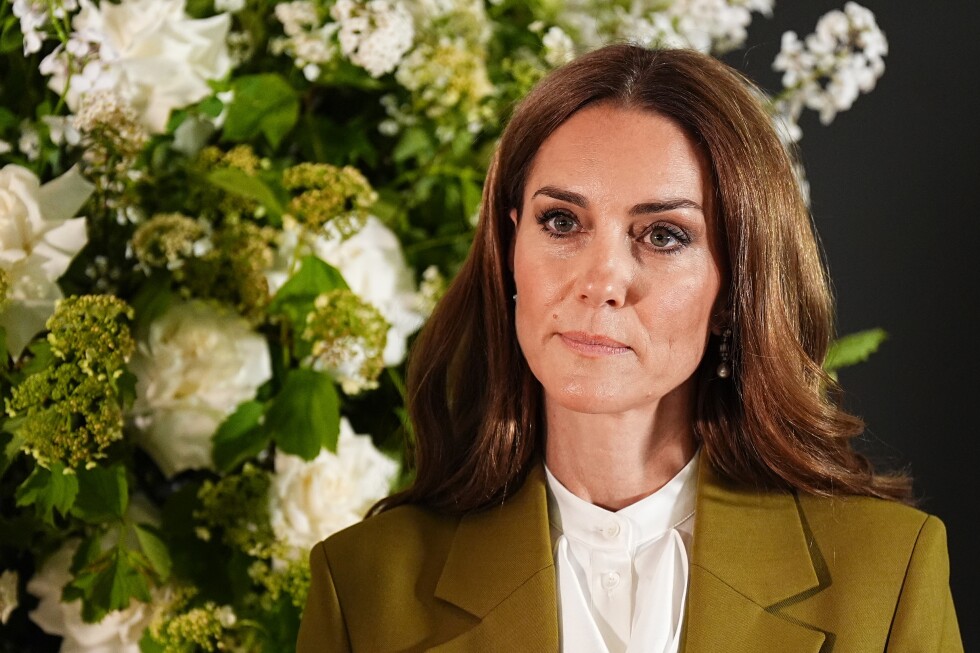
    LONDON – Almost five months after announcing her cancer is in full remission, Britain’s Princess of Wales, Catherine (commonly known as Kate), is preparing to step back onto the international stage for her first overseas trip since her 2024 cancer diagnosis. The two-day working visit to northern Italy will center entirely on deepening her work advancing early childhood education, a policy and advocacy area that has become the defining royal cause for the 44-year-old mother of three, who is set to become Britain’s queen in the future.

    The princess will travel to the city of Reggio Emilia, a global hub of innovative early education practice that has drawn attention from educators across the world for its decades-old child-centered learning framework. Kensington Palace confirmed the trip is structured as an official international fact-finding mission, designed to examine how alternative education models can better support young children and the caregivers who guide their early development.

    The choice of Reggio Emilia as the destination for Catherine’s first post-recovery international trip is no random selection. Early years development – focused on learning and growth from birth to age five – has been the signature issue of Catherine’s public work since she launched the Royal Foundation Centre for Early Childhood in 2021. The organization’s core mission is to raise widespread public awareness of how investment in early childhood lays the foundation for lifelong health, resilience and success.

    Joe Little, managing editor of Majesty Magazine, explained that the trip sends a clear signal about Catherine’s priorities moving forward. “She wants to make a point that she is going to keep making this her cause,” Little said, adding that the child-focused Reggio Emilia approach aligns perfectly with the launch of the center’s expanded international engagement work. A statement from Kensington Palace added that the visit will emphasize the critical role that supportive environments and positive human relationships play in building healthy, resilient futures for children.

    The Reggio Emilia approach to early education is rooted in the core principle that children express understanding and make meaning of the world through hundreds of unique modes of communication, and that educators must meet young learners where they are rather than enforcing rigid, one-size-fits-all curricula. This model has been adopted and adapted by early education programs in more than 120 countries around the world since its development in the years following World War II.

    Catherine’s return to international public duties comes after a highly personal, uncharacteristically open journey through cancer treatment that reshaped public discourse around royal health transparency. When she first announced her cancer diagnosis earlier this year, she broke with longstanding royal tradition of guarding personal health details closely by sharing her news in a warm, accessible social media video. Later, after completing chemotherapy and announcing her remission, she spent a full day meeting and supporting other cancer patients at London’s Royal Marsden Hospital, the facility where she received her treatment.

    In a public note shared after the remission announcement, signed with her initial “C”, Catherine wrote: “It is a relief to now be in remission and I remain focused on recovery. As anyone who has experienced a cancer diagnosis will know, it takes time to adjust to a new normal.”

    That new normal centers on expanding her advocacy for early childhood education in Britain, where advocates have long flagged systemic gaps: a nationwide shortage of accessible early education spaces and widespread gaps in specialized training for early years educators. Experts say Catherine’s high-profile engagement has already brought much-needed attention to an issue that is often overlooked in public policy debates.

    Edoardo Masset, associate research director at the National Institute of Economic and Social Research, noted that the princess’s focus on the issue is backed by robust academic research. “This relationship between early years education and success later in life is supported not only by strong theoretical arguments, but also by a large body of evidence on the effectiveness of programs for preschool children,” Masset explained. As one of Britain’s most popular royal figures, Catherine has a proven track record of drawing sustained public and media attention to the causes she champions, and her upcoming Italian trip is expected to generate global focus on early childhood education reform.

  • King Charles III will lay out UK government agenda as Starmer’s job hangs in the balance

    King Charles III will lay out UK government agenda as Starmer’s job hangs in the balance

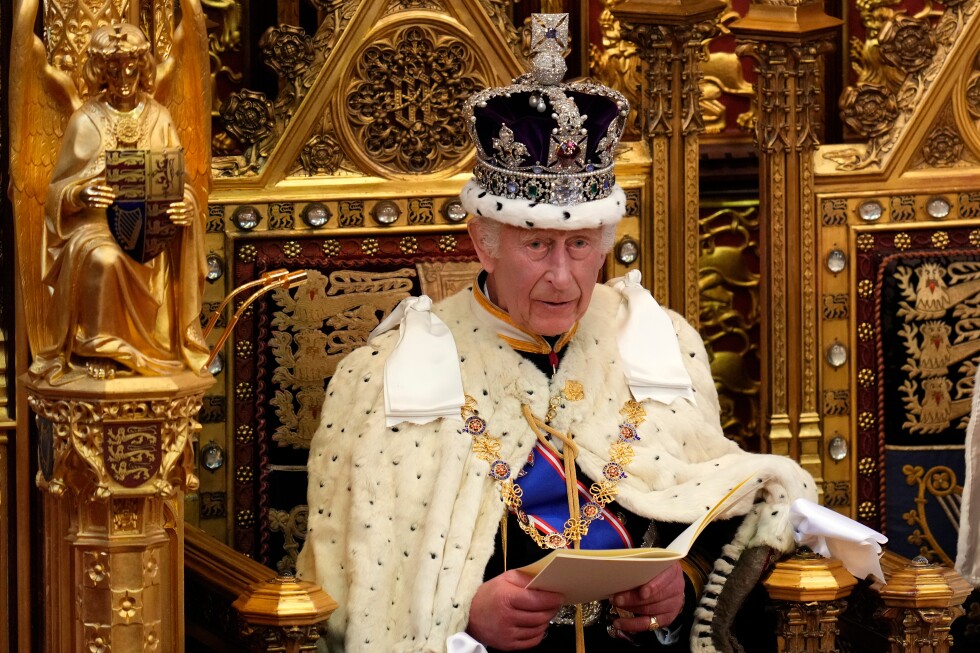
    LONDON – On Wednesday, King Charles III will step into the centuries-old pageantry of the UK Parliament’s state opening to unveil the British government’s 12-month legislative agenda, a ceremonial event layered with unprecedented political tension as Prime Minister Keir Starmer fights to save his grip on power.

    The upcoming address marks Starmer’s second high-stakes effort to shore up his premiership, coming just one week after his Labour Party delivered catastrophic results in national local and regional elections. Those losses exacerbated his already fragile hold on Downing Street, amplifying internal unrest within his own party. Critics inside Labour argue Starmer has been far too cautious in addressing three of the UK’s most pressing pain points: skyrocketing living costs, widening wealth inequality, and crumbling underfunded public services, leading to growing calls for his resignation.

    Pressure on Starmer escalated sharply this week after a comeback speech to party supporters on Monday was widely panned as out of touch with public concerns and devoid of the bold policy changes many say are needed to turn the country around. The backlash intensified on Tuesday, when former Safeguarding Minister Jess Phillips stepped down from the Cabinet, issuing a blunt rebuke that the government needed to “have a row, push back, make arguments, bring people along” instead of sticking to its timid approach.

    Beyond the immediate political upheaval, this year’s state opening lays bare the clash between Britain’s monarchical historic grandeur and its modern-day realities. As a mid-sized European power, the UK currently grapples with a host of deep-seated challenges: an underfunded military, soaring national debt, diminished global influence, uncontrolled immigration flows, and strained budgets for core public services from healthcare to education.

    The state opening of Parliament itself is a carefully choreographed ritual dating back to the 16th century, with its modern format established in 1852. It was crafted to symbolize the UK’s transition from absolute monarchy to parliamentary democracy, where ultimate governing authority rests with the elected House of Commons. This year, all eyes will not be on the pageantry, but on the precarious future of Starmer’s leadership.

    Policy proposals expected to be outlined in the King’s speech, which is always written by the sitting government rather than the monarch, include measures to tackle the ongoing cost of living crisis, the creation of a national wealth fund to boost private investment in public infrastructure, and stricter regulations for asylum seekers. Also on the draft agenda are controversial plans: abolishing jury trials for select criminal cases in England and Wales, lowering the national voting age from 18 to 16, and implementing a new “duty of candor” that requires public officials to disclose truthfully and cooperate fully with official investigations.

    The key obstacle Starmer faces is that most of these proposals have already been announced publicly. That has left political analysts and party skeptics questioning whether the speech will be enough to win over disillusioned lawmakers and party members.

    The full day of ritual will follow its traditional script to the letter: King Charles will travel the less-than-one-mile route from Buckingham Palace to the Houses of Parliament in a historic horse-drawn carriage, before donning the heavy Imperial State Crown and ceremonial robe of state to process into the unelected House of Lords. The official known as Black Rod, named for the ebony rod they carry, will then journey to the House of Commons to summon its members to a joint sitting. In a centuries-old symbol of parliamentary independence from the crown, the doors of the Commons are deliberately slammed in Black Rod’s face, only opening after the official strikes them three times with the rod. After the King reads the speech and departs, both houses of Parliament will launch several days of debate over the proposed legislative program.

  • Some Japanese snack packages are turning black-and-white as Iran war depletes ink supply

    Some Japanese snack packages are turning black-and-white as Iran war depletes ink supply

    TOKYO — A major Japanese snack manufacturer is making a drastic visual change to its product packaging, a visible ripple effect of geopolitical unrest in the Middle East that is disrupting global supply chains. Tokyo-based Calbee Inc., the producer of best-selling potato chips, cereals, and shrimp chips, has announced it will shift 14 of its core products to simple black-and-white packaging starting May 25, a shift driven by shortages of raw materials for colored ink linked to the ongoing war in Iran.

    Calbee confirmed in an official statement that the product itself — the flavor, quality, and formulation that has made its lines like lightly salted “usu shio” potato chips and “kappa ebisen” shrimp chips household staples across Japan and export markets including the U.S., China, and Australia — remains unchanged. The drastic packaging adjustment is purely a proactive measure to preserve consistent product availability for consumers.

    The supply disruption traces back to the effective closure of the Strait of Hormuz, a critical global shipping chokepoint, amid the Iran conflict. The unrest has already pushed up global prices for energy and raw materials and triggered widespread supply crunches across multiple industries. Japan, which relies on 100% imported oil to meet its energy needs, is particularly exposed to these shifts. Naphtha, a petroleum-derived product critical to manufacturing everything from plastics to colored printing ink, is among the commodities facing tight supplies.

    While Japanese officials have moved to calm public anxiety by pointing to the nation’s ample strategic oil reserves, Calbee’s packaging change serves as a stark, public reminder of the ongoing supply chain disruptions. Previously, the iconic usu shio potato chip line featured a bright orange bag accented with yellow graphics of potato slices and the brand’s friendly potato mascot in a signature hat. The reworked packaging will swap all vibrant colors for simple monochrome text.

    Founded in 1949, Calbee employs more than 5,000 workers across its group operations and had only announced an ambitious corporate growth strategy back in March. The company says it remains unclear how long the monochrome packaging adjustment will need to stay in place, as the timeline for resolving the geopolitical tensions disrupting supply remains uncertain.

    “Calbee will continue to respond flexibly and promptly to changes in its operating environment, including geopolitical risks, and remains committed to maintaining a stable supply of safe, high-quality products,” the company said in its statement. “We ask for your understanding from consumers for this temporary change.”

  • Hosting World Cup evokes powerful memories for Mexico, and raises expectations

    Hosting World Cup evokes powerful memories for Mexico, and raises expectations

    As the 2026 FIFA World Cup co-host, Mexico steps into the global spotlight carrying a century of football heritage, even as it takes a supporting role to lead co-host the United States. While the tournament’s final will be held at a NFL venue in New Jersey, the opening match on June 11 will kick off at one of the most iconic grounds in world football: Mexico City’s refurbished Estadio Azteca, where the two greatest players in the history of the sport lifted football’s most coveted trophy.

    Pele’s Brazil and Diego Maradona’s Argentina both claimed World Cup crowns at Azteca, cementing the stadium’s place in football folklore. This 2026 tournament marks a historic milestone for Mexico, making it the first nation ever to host World Cup matches across three separate editions, after previous stagings in 1970 and 1986. Only 13 of the tournament’s 104 total matches will take place across Mexican venues, with five in Mexico City, four in Guadalajara, and four in Monterrey, but the nation’s deep connection to the game makes its role far more than symbolic.

    The 1970 World Cup, won by Pele’s unforgettable Brazil side, is still widely regarded as one of the greatest tournaments in football history. As the first World Cup held outside of Europe and South America, it broke new ground for the global game, introducing innovations that remain standard today: substitutes for injured players, the yellow and red card disciplinary system, the iconic Adidas Telstar match ball, and the first live color television broadcast that brought the drama of the tournament to living rooms across the world. “It was a World Cup of modernity, as football took its first tentative steps into a new era,” Andrew Downie wrote in *The Greatest Show on Earth*, his book chronicling the 1970 tournament. When Brazil dismantled Italy 4-1 in the Azteca final to claim the trophy, it was clear the tournament would forever be remembered as Pele’s. Former England captain Bobby Moore later reflected, “In the end it was almost as though the World Cup in Mexico had been staged for his benefit.”

    Sixteen years later, Mexico stepped in again at short notice after Colombia was forced to withdraw as host. The 1986 tournament expanded the field from 16 to 24 teams, and it became forever linked to Diego Maradona’s magical run. His controversial “Hand of God” goal and a breathtaking solo strike against England in the quarter-finals remain two of the most iconic moments in World Cup history, before Maradona led Argentina to a late 3-2 final victory over West Germany. Argentina star Jorge Valdano said of Maradona ahead of the final: “Really, he is extraordinary. Having Maradona is like having a miracle that repeats itself in every game.”

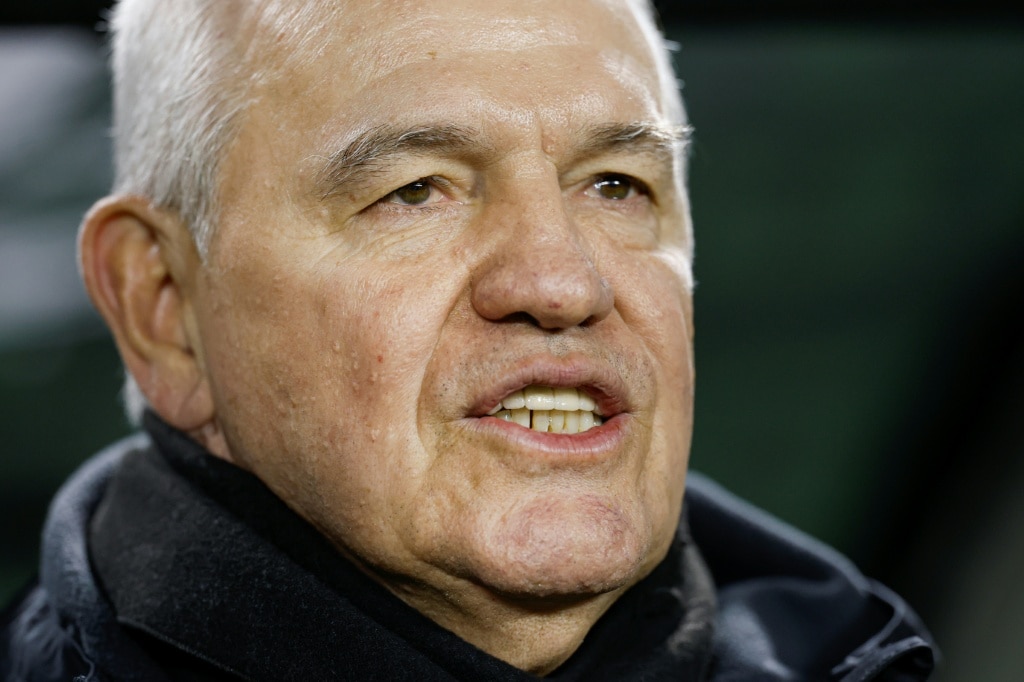
    To prepare for its 2026 role, the Azteca has undergone a major two-year renovation, reducing its seating capacity from more than 100,000 to 83,000 before reopening in late March. Mexico head coach Javier Aguirre, who represented El Tri at the 1986 World Cup and returned for a third stint as head coach in 2024, praised the revamped venue after a 0-0 friendly draw with Portugal marked its reopening: “It is beautiful. The pitch is exquisite.”

    Mexico’s national side, nicknamed El Tri, will open their Group stage campaign against South Africa at Azteca on June 11, before facing Czech Republic at the same venue and South Korea in Guadalajara. If Mexico tops its group, it will secure a Round of 32 tie at Azteca, with a potential Round of 16 match against England also possible at the iconic ground if they advance again.

    Hosting has brought challenges alongside celebration: ongoing concerns over gang violence have prompted the Mexican government to deploy 100,000 security personnel across venues throughout the tournament. But unlike co-hosts Canada and the United States, Mexico is a nation universally defined by its obsession with football. El Tri has a long-held record of performing best on home soil, reaching the quarter-finals in both of its previous host tournaments, after a disappointing group-stage exit at the 2022 Qatar World Cup. Led by Fulham striker Raul Jimenez, the current side is hungry to exceed expectations and draw on the energy of home crowds. Aguirre summed up the nation’s fighting spirit: “I played in a World Cup in Mexico so I know what it is like. People know I am going to give everything, and we will have a team which is a reflection of its coach – a team that will fight and leave its soul on the pitch.”

  • ‘Make a choice’: Huckabee warns Gulf to choose between Iran and Israel

    ‘Make a choice’: Huckabee warns Gulf to choose between Iran and Israel

    Forty days into the ongoing US-Israeli military campaign against Iran, which has seen Tehran retaliate by striking and disabling US-aligned infrastructure across the Middle East, United States Ambassador to Israel Mike Huckabee has issued an ultimatum to Arab Gulf states: align openly with Israel and the US, or side with Iran amid the escalating regional standoff.

    In an interview with Israeli broadcaster Hila Korach on Tuesday, Huckabee argued that recent military developments have clarified the choice facing Gulf leadership. “The Gulf states now understood they will have to make a choice. Is it more likely they will be attacked by Iran or Israel?” he told Korach. He went on to frame the split in clear terms for regional governments, adding: “They see that Israel helped us and Iran attacked us. Israel is not trying to take over your land and is not sending missiles to you.”

    A longtime avowed Zionist and Baptist minister, Huckabee expressed confidence that the current crisis will push more Arab nations to follow the path of the UAE and normalize relations with Israel under the Trump administration’s Abraham Accords framework. His prediction comes even as widespread public outrage has exploded across the Arab world over Israel’s military campaign in Gaza, and growing dissatisfaction with the close US-Israel alliance has spread among the American public.

    During the conversation held in Tel Aviv, Huckabee also made history as the first senior official to publicly confirm that Israel has deployed Iron Dome air defense batteries to the UAE, along with Israeli military personnel to operate the systems. The deployment comes as the UAE has faced some of the heaviest Iranian attacks of the entire conflict. Axios first reported the Iron Dome deployment last month, and The Financial Times later added that Israel had also deployed its advanced Iron Beam laser defense system to the Gulf state to counter Iranian drones and ballistic missiles. “How come? Because there’s an extraordinary relationship between the UAE and Israel based on the Abraham Accords,” Huckabee said of the security assistance.

    UAE infrastructure has borne the brunt of Iranian retaliation: Emirati authorities confirm Iran has launched roughly 550 ballistic and cruise missiles, plus more than 2,200 drones, at targets across the country. While the vast majority of these projectiles have been intercepted, the sustained attacks have undermined the UAE’s reputation as a stable luxury tourism and global financial hub. The assaults have also caused lasting tangible damage to critical energy infrastructure: the Abu Dhabi National Oil Company announced Tuesday that the country’s primary natural gas processing plant, Habshan, will not return to full operational capacity until 2027, after being targeted twice by Iranian strikes. The facility currently operates at just 60% of its normal output.

    The broader regional alignment has remained fractured throughout the conflict. While Gulf states publicly opposed the launch of the US-led war on Iran, most have stood with Washington after hostilities began, as the US remains their primary international security partner. Saudi Arabia has supported the campaign by granting the US expanded access to military bases, overflight rights, and logistical support, even as it has backed parallel mediation efforts led by its close ally Pakistan to de-escalate tensions.

    The UAE, by contrast, has adopted one of the most hawkish positions against Iran among Gulf nations. Abu Dhabi has lobbied both publicly and behind closed doors for the US to continue its air campaign against Iran, and has worked to block Pakistani-mediated talks between Washington and Tehran that could end the conflict.

    New reporting from The Wall Street Journal this week added a new layer to the UAE’s involvement: the outlet reported that the UAE launched its own unilateral strike on Iran’s Lavan Island in the Persian Gulf in early April, around the same time the Trump administration announced a temporary ceasefire after five weeks of sustained US air operations. The UAE has not officially acknowledged the strike to date. According to the report, the attack sparked a large blaze at the key energy facility on the island and took most of its operational capacity offline for months, representing a major escalation just as the US moved to pause offensive operations. Iran labeled the incident an “enemy attack” and responded with a massive wave of missile and drone strikes targeting both the UAE and neighboring Kuwait.

    This report was originally produced by Middle East Eye, an outlet that provides independent, in-depth coverage of the Middle East, North Africa, and surrounding regions.

  • Asian stocks fall on US-Iran impasse, AI setbacks

    Asian stocks fall on US-Iran impasse, AI setbacks

    On Wednesday, most major equity markets across Asia closed in negative territory, as investors reacted to two interconnected sources of market uncertainty: a stalled diplomatic breakthrough between the United States and Iran that threatens regional peace, and fresh disruptions that have cooled the red-hot global artificial intelligence boom.

    Tensions between Washington and Tehran have reached a new impasse in recent days, with both sides refusing to budge on negotiating positions and issuing repeated threats to end their current ceasefire. On Tuesday, Iran’s top negotiator stated that the US must accept Tehran’s latest peace proposal, or talks will collapse entirely. This comment came hours after former US President Donald Trump warned that the existing truce in the Middle East was on the verge of breaking down. While neither side has signaled a willingness to return to full-scale open conflict, the deadlock has spooked global investors already jittery about the impact of regional tension on energy supplies.

    All eyes are now turning to Beijing, where Trump is scheduled to land Wednesday for his first visit to China in almost a decade. The former president has already indicated that Iran will top the agenda for his expected extended talks with Chinese President Xi Jinping, leaving markets waiting for any potential diplomatic breakthrough that could ease regional tension.

    Across Asian trading hubs, the bearish sentiment was widespread on Wednesday. Benchmark indices in Hong Kong, Shanghai, Taipei, Sydney, Bangkok, Manila and Kuala Lumpur all closed lower. Indonesia’s benchmark index tumbled nearly two percent, as the national currency rupiah plunged to an all-time low against the US dollar.

    The US-Iran standoff had already sent global energy costs soaring, after commercial traffic through the Strait of Hormuz — a critical chokepoint that carries roughly one-fifth of the world’s total global oil supplies — came to a near-complete halt. Oddly, oil prices actually edged lower in early Asian trading on Wednesday: international benchmark Brent crude fell 0.6 percent to trade at $107.13 per barrel, while US benchmark West Texas Intermediate dropped 0.5 percent to settle at $101.63 a barrel.

    Beyond Middle East tensions, a fresh wave of headwinds hit the global AI sector, adding further pressure to Asian markets. In South Korea, Seoul’s Kospi index — which is heavily weighted toward technology and AI firms — plunged five percent on Tuesday after a senior government official proposed a new social tax on AI profits, paired with a national dividend program to redistribute excess corporate gains from the technology. The index showed mild recovery on Wednesday after the presidential Blue House distanced itself from the proposal, but fresh trouble soon emerged for the country’s AI ambitions.

    Samsung Electronics, the world’s leading producer of advanced semiconductors that power everything from AI systems to consumer electronics, saw its shares drop as much as 6.1 percent after negotiations between the firm and its largest labor union collapsed, Bloomberg reported. The union has threatened to launch a full strike, a move that industry analysts warn could cause severe supply chain disruptions and major financial losses across the global tech sector. South Korea has made becoming one of the world’s top three AI powers — alongside the US and China — a core national goal, and is set to triple its public AI investment this year, making current setbacks all the more damaging for market confidence.

    Adding to global economic uncertainty, new US consumer price index data released on Tuesday confirmed that soaring energy costs are continuing to stoke inflation, with the index hitting a three-year high in April. The data reinforces investor concerns that sticky inflation could force central banks to keep interest rates higher for longer, a move that would further pressure equity valuations.

    Investors are also turning their attention to earnings results from China’s two largest technology giants, Alibaba and Tencent, which are set to release their latest financial reports this week. Both firms have poured billions of dollars into AI development in recent years: e-commerce giant Alibaba is the developer of the widely used open-source Qwen large language model, popular among independent programmers, while gaming and social media conglomerate Tencent launched its own foundational AI model in 2023 and a public-facing chatbot in 2024. Despite their heavy investment, both firms have seen weak share performance in recent months, as they struggle to keep pace with breakthroughs from leading US AI competitors.

    Across major global markets, the mixed picture continued through the early GMT trading window. On Wall Street, the Dow Jones Industrial Average closed up 0.1 percent at 49,760.56, while the S&P 500 fell 0.2 percent to 7,400.96, and the tech-heavy Nasdaq Composite dropped 0.7 percent to 26,088.2. In Europe, London’s FTSE 100 closed flat at 10,265.32, while Paris’ CAC 40 lost 1 percent to close at 7,979.92, and Frankfurt’s DAX 30 fell 1.6 percent to 23,954.92. In East Asia, Tokyo’s Nikkei 225 bucked the regional downturn to close up 0.3 percent at 62,911.46. In currency markets, the euro fell slightly to $1.1738 from Tuesday’s close of $1.1745, the pound edged up to $1.3538 from $1.3542, the dollar gained slightly against the yen to trade at 157.71 from 157.57, and the euro held steady against the pound at 86.70 pence.

  • Man to stand trial over double fatal island crash

    Man to stand trial over double fatal island crash

    A 42-year-old South Australian man will face a District Court trial after pleading not guilty to two charges of dangerous driving causing death in a crash that claimed the lives of his uncle and a colleague last December.

    Wade Doyle, a resident of Hackham West, has formally denied both counts of causing death by dangerous driving while operating a vehicle with a blood alcohol content exceeding the legal limit of 0.08. The tragic incident unfolded on December 10 at Cuttlefish Bay, located on Kangaroo Island off South Australia’s southern coast, where 55-year-old Craig Doyle (Wade Doyle’s uncle) and 26-year-old Ed Burrows lost their lives.

    Authorities allege that Wade Doyle was behind the wheel of a utility vehicle carrying all three men when the vehicle rolled off Cape Willoughby Road and collided with a tree along the roadside. During a short procedural hearing at Adelaide Magistrates Court on Wednesday, the defendant entered his not guilty pleas to both charges laid against him.

    After the hearing concluded, Doyle left the courthouse accompanied by a group of supporters, shielding his face from press photographers with a sheet of paper. He declined to make any public statement to reporters waiting outside the court building. His trial is set to proceed in the South Australian District Court, with his next scheduled court appearance scheduled for August 14.

    In the wake of the fatal crash, tributes poured in for the two deceased men, who worked alongside each other at Sea Dragon Kangaroo Island, a five-star hospitality venue on the island. Kimberley Doyle, daughter of Craig Doyle, shared a heartfelt message on social media following the incident, writing: “Our hearts are absolutely broken. We currently have no words, but we wanted our friends and families to know. We love you so much dad and will miss you forever and ever.”