As the 2026 FIFA World Cup co-host, Mexico steps into the global spotlight carrying a century of football heritage, even as it takes a supporting role to lead co-host the United States. While the tournament’s final will be held at a NFL venue in New Jersey, the opening match on June 11 will kick off at one of the most iconic grounds in world football: Mexico City’s refurbished Estadio Azteca, where the two greatest players in the history of the sport lifted football’s most coveted trophy.
Pele’s Brazil and Diego Maradona’s Argentina both claimed World Cup crowns at Azteca, cementing the stadium’s place in football folklore. This 2026 tournament marks a historic milestone for Mexico, making it the first nation ever to host World Cup matches across three separate editions, after previous stagings in 1970 and 1986. Only 13 of the tournament’s 104 total matches will take place across Mexican venues, with five in Mexico City, four in Guadalajara, and four in Monterrey, but the nation’s deep connection to the game makes its role far more than symbolic.
The 1970 World Cup, won by Pele’s unforgettable Brazil side, is still widely regarded as one of the greatest tournaments in football history. As the first World Cup held outside of Europe and South America, it broke new ground for the global game, introducing innovations that remain standard today: substitutes for injured players, the yellow and red card disciplinary system, the iconic Adidas Telstar match ball, and the first live color television broadcast that brought the drama of the tournament to living rooms across the world. “It was a World Cup of modernity, as football took its first tentative steps into a new era,” Andrew Downie wrote in *The Greatest Show on Earth*, his book chronicling the 1970 tournament. When Brazil dismantled Italy 4-1 in the Azteca final to claim the trophy, it was clear the tournament would forever be remembered as Pele’s. Former England captain Bobby Moore later reflected, “In the end it was almost as though the World Cup in Mexico had been staged for his benefit.”
Sixteen years later, Mexico stepped in again at short notice after Colombia was forced to withdraw as host. The 1986 tournament expanded the field from 16 to 24 teams, and it became forever linked to Diego Maradona’s magical run. His controversial “Hand of God” goal and a breathtaking solo strike against England in the quarter-finals remain two of the most iconic moments in World Cup history, before Maradona led Argentina to a late 3-2 final victory over West Germany. Argentina star Jorge Valdano said of Maradona ahead of the final: “Really, he is extraordinary. Having Maradona is like having a miracle that repeats itself in every game.”
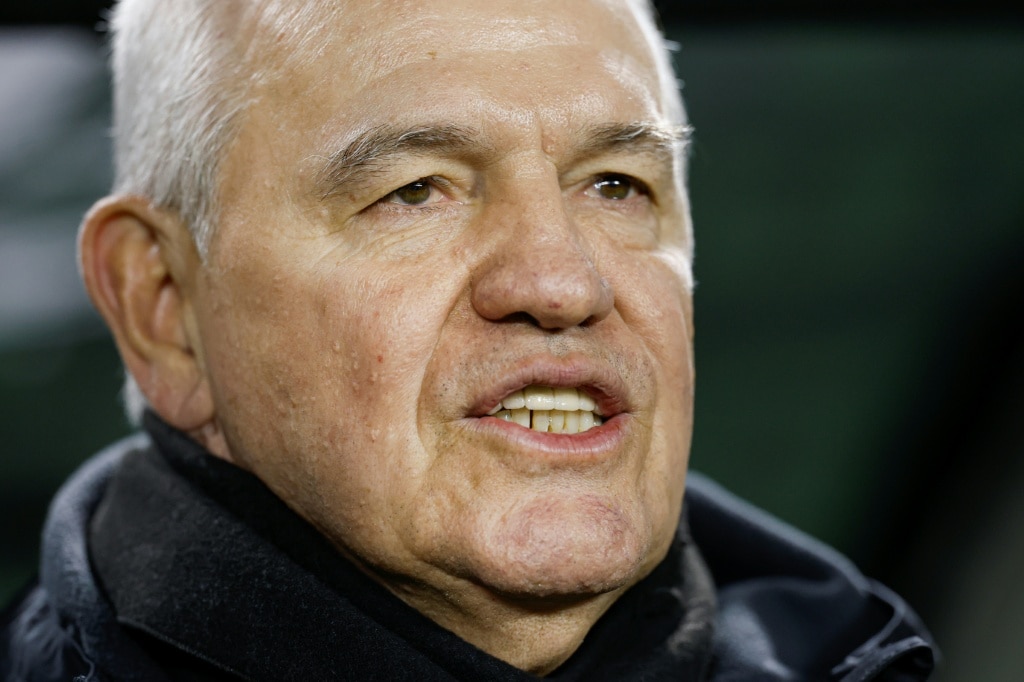
To prepare for its 2026 role, the Azteca has undergone a major two-year renovation, reducing its seating capacity from more than 100,000 to 83,000 before reopening in late March. Mexico head coach Javier Aguirre, who represented El Tri at the 1986 World Cup and returned for a third stint as head coach in 2024, praised the revamped venue after a 0-0 friendly draw with Portugal marked its reopening: “It is beautiful. The pitch is exquisite.”
Mexico’s national side, nicknamed El Tri, will open their Group stage campaign against South Africa at Azteca on June 11, before facing Czech Republic at the same venue and South Korea in Guadalajara. If Mexico tops its group, it will secure a Round of 32 tie at Azteca, with a potential Round of 16 match against England also possible at the iconic ground if they advance again.
Hosting has brought challenges alongside celebration: ongoing concerns over gang violence have prompted the Mexican government to deploy 100,000 security personnel across venues throughout the tournament. But unlike co-hosts Canada and the United States, Mexico is a nation universally defined by its obsession with football. El Tri has a long-held record of performing best on home soil, reaching the quarter-finals in both of its previous host tournaments, after a disappointing group-stage exit at the 2022 Qatar World Cup. Led by Fulham striker Raul Jimenez, the current side is hungry to exceed expectations and draw on the energy of home crowds. Aguirre summed up the nation’s fighting spirit: “I played in a World Cup in Mexico so I know what it is like. People know I am going to give everything, and we will have a team which is a reflection of its coach – a team that will fight and leave its soul on the pitch.”