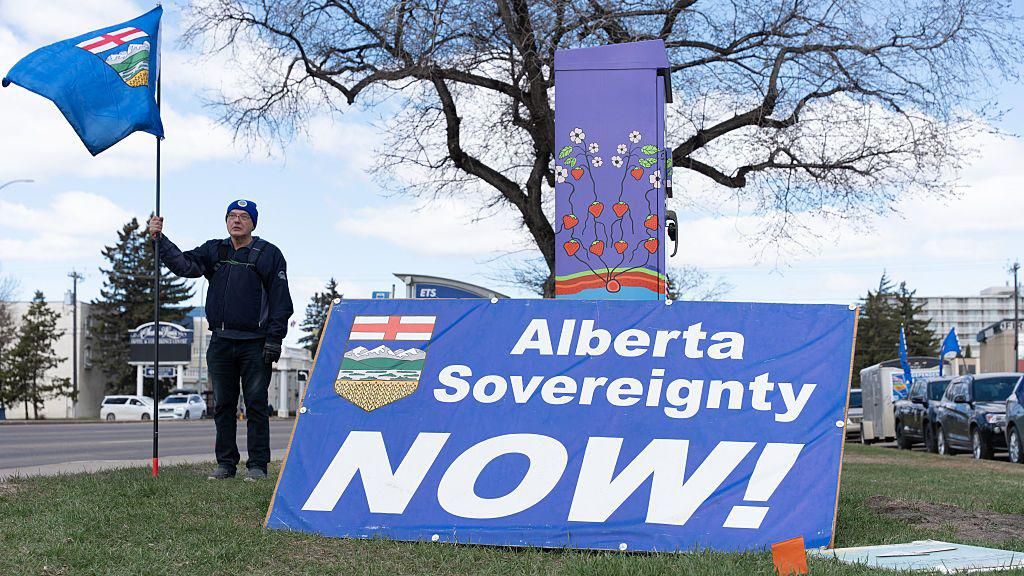
In a landmark ruling that underscores the centrality of Indigenous land rights in Canadian constitutional politics, an Alberta judge has dismissed a bid to hold a province-wide referendum on Alberta’s separation from Canada. The decision came after several Indigenous First Nations groups argued that proceeding with the independence vote without meaningful consultation would directly violate their inherent territorial rights.
According to Canadian public broadcaster CBC, Justice Shaina Leonard delivered the ruling Wednesday at an Edmonton courthouse, bringing an end to the latest push by separatist organizers to advance their long-held goal of breaking away from the Canadian federation. The petition was led by Stay Free Alberta, a grassroots separatist group that claimed to have collected more than 300,000 signatures – a threshold that would have legally required the province to schedule a binding referendum on independence. Leonard had already paused the official signature verification process while she reviewed the First Nations’ legal challenge, ahead of Wednesday’s final ruling.
In her dual rulings released this week, Leonard found that the Alberta provincial government failed in its legal duty to consult four affected Indigenous nations: the Athabasca Chipewyan First Nation, Blood Tribe, Piikani Nation, and Siksika Nation. Indigenous advocates have long argued that any separation initiative would redraw territorial boundaries and reconfigure land governance without the free, prior, and informed consent of the First Nations who have inhabited and governed those lands since time immemorial.
The push for Alberta separation is rooted in decades of growing resentment toward the federal government in Ottawa, particularly among segments of the province’s population. Frustration has centered most sharply on disputes over natural resource development: many Albertans argue that successive federal Liberal governments have prioritized national climate policy at the expense of the province’s lucrative oil and gas sector, blocking critical pipeline projects and imposing regulations that have stunted industry growth.
Separatist sentiment has also been fueled by a widespread belief among Albertans that the province, which holds vast fossil fuel and mineral wealth, contributes far more to federal tax revenues than it receives back in national transfers and public investment. Many residents also argue that eastern Canadian political elites consistently disregard western priorities, deepening a cultural and political rift that has widened in recent years.
What was once a marginal fringe movement only a decade ago has grown steadily in traction over the last 12 months, pushing the threat of a national unity crisis higher on Canada’s political agenda. While the Alberta separatist movement remains fragmented, with no single unified leadership or platform, most supporters agree that the province needs far greater autonomy over its natural resource management and domestic policy agenda, regardless of whether full separation is achieved.
Wednesday’s ruling marks a major legal setback for the separatist movement, prioritizing Indigenous rights over a popular grassroots push for political self-determination and setting a new precedent for future separation initiatives in the country.