博客

  • Xi takes Trump on tour of Communist Party’s seat of power in Beijing

    Xi takes Trump on tour of Communist Party’s seat of power in Beijing

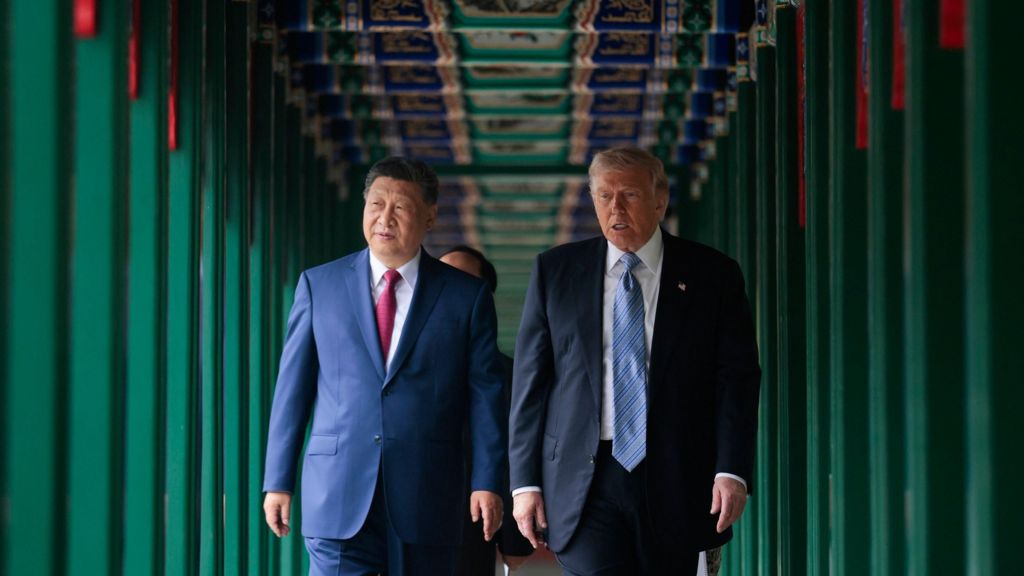
    The final stop of former U.S. President Donald Trump’s two-day Beijing visit was a rare guided tour of Zhongnanhai, the centuries-old heavily secured compound that houses China’s top leadership, with Chinese President Xi Jinping serving as his host. The high-profile excursion capped a trip defined by elaborate diplomatic pageantry, though concrete details of finalized policy agreements between the two global powers remained largely undisclosed.

    Coming on the heels of escalating tensions over bilateral trade and tensions surrounding the Iran conflict, the summit saw both leaders adopt a notably conciliatory tone. Trump described his time in China as “incredible,” while Xi framed the meeting as a step forward in building a “new bilateral relationship.” During a stroll through the compound’s landscaped grounds, the pair stopped to admire blooming Chinese roses, and Xi promised to send cuttings of the flowers to Trump, a gesture the U.S. president welcomed enthusiastically.

    Nestled just kilometers from central Beijing, the 14th-century Zhongnanhai compound holds a status equivalent to the White House in U.S. politics. Originally built as a secondary imperial retreat for Chinese emperors, the site is celebrated for its scenic lakes, sprawling manicured gardens, and centuries-old historic trees. It has served as the central headquarters of China’s Communist government since 1949, and today ranks among the country’s most politically symbolic landmarks. For foreign dignitaries, an invitation to tour the compound is widely interpreted as a marker of high honor and close bilateral ties.

    When Trump asked how many foreign leaders had previously been granted access to the compound, Xi noted that such invitations remain “extremely rare.” Past visitors include Russian President Vladimir Putin and Belarusian President Alexander Lukashenko, who toured the site the previous year. Several U.S. presidents have also received invitations dating back decades: Richard Nixon during his groundbreaking 1972 visit, George W. Bush, and Barack Obama all toured the compound during their time in office.

    During the tour, Trump paused to admire what he called “the most beautiful roses anyone has ever seen” and mature ancient trees, which Xi confirmed were between 200 and 400 years old. When Trump expressed surprise at their longevity, Xi added that even older 1,000-year-old specimens can be found across China.

    Hours before the Zhongnanhai walk, Fox News aired a pre-recorded exclusive interview with Trump, where he praised Xi as “warm” and “very sharp.” In the interview, Trump claimed Xi had pledged that China would not supply military weapons to Iran, though he added that Xi noted China would continue purchasing large volumes of Iranian crude oil and supported keeping the Strait of Hormuz open to global shipping.

    While Chinese officials have not issued a formal public response to Trump’s specific claims, the country’s foreign ministry released a general statement confirming that Beijing has been working behind the scenes to facilitate an end to the Iran conflict, confirming that Chinese diplomats are pushing for Tehran to enter negotiations. As Iran’s largest crude oil buyer and biggest overall trade partner, China holds unique economic and political leverage over Tehran – a lever the Trump administration had hoped Beijing would use to advance its diplomatic goals ahead of the summit.

    Though a fragile temporary trade truce was a core item on the summit agenda, the Iran issue had grown into a more pressing priority in the months leading up to the meeting. Even so, Trump told reporters that trade talks between the two sides had progressed “better than last time.” The U.S. delegation included a cohort of American business leaders, who Trump said were in Beijing to finalize commercial agreements and help create new jobs back in the United States.

    Trump publicly claimed China had agreed to purchase U.S. crude oil, 200 new commercial jets from Boeing, and large volumes of U.S. agricultural products. However, when asked to confirm these deals during a press briefing later that day, China’s foreign ministry declined to comment on the specific agreements. Chinese officials have only referenced “a series of new consensuses” reached between the two leaders without elaborating on the content of any deals.

    Independent policy analysts note that China’s global economic standing has expanded steadily in recent years, as Beijing has diversified its trade partnerships beyond the U.S. to insulate itself from the impact of U.S. tariffs. Trump’s visit came on the heels of high-profile trips by leaders from Britain, Canada, and Germany, all of whom traveled to Beijing to expand bilateral trade ties.

    Following the conclusion of the Beijing summit, Trump extended an invitation to Xi to visit the White House for a second summit in September, a date that has already been added to the official diplomatic calendar. Closing out his visit after the Zhongnanhai tour, Trump told reporters: “You’re gonna walk away hopefully very impressed, like I’m very impressed with China.”

  • Disgusting look inside faeces-caked pet house of horrors where 30 cats, pair of dogs forced to live in complete squalor

    Disgusting look inside faeces-caked pet house of horrors where 30 cats, pair of dogs forced to live in complete squalor

    A shocking animal cruelty case out of Mount Barker, South Australia, has exposed the horrific neglect 30 cats and two dogs endured at the hands of local couple Kelly and Matthew De La Haye, who this week received sentencing after pleading guilty to 24 separate counts of animal ill-treatment.

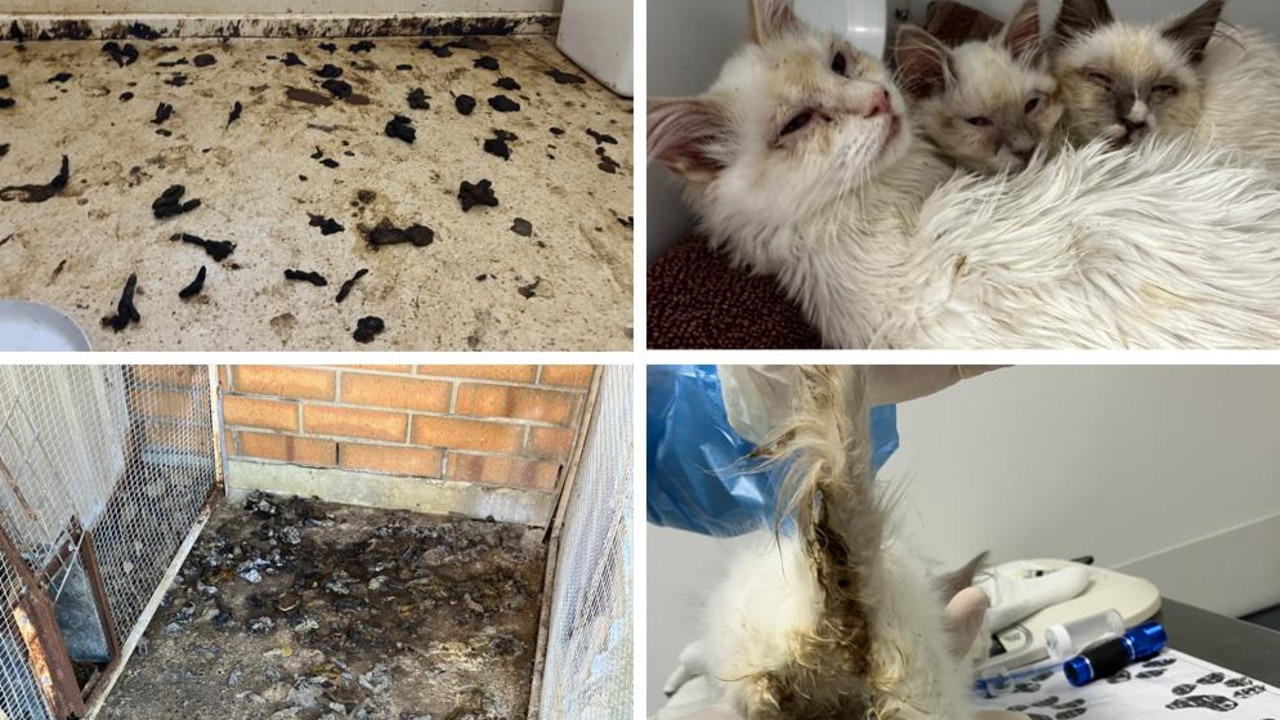
    The case unfolded after officials from the Royal Society for the Prevention of Cruelty to Animals (RSPCA) South Australia launched an investigation into the couple’s three-bedroom residential property. When RSPCA inspectors first arrived at the home, they were immediately overwhelmed by the thick, putrid stench of accumulated animal waste. Body-worn camera footage and official photos captured by inspectors lay bare the full scale of the unsanitary conditions the animals were forced to endure: feces and pooled urine covered nearly every surface, caking flooring, walls, and door frames across all rooms of the home.

    Of the animals found on the property, many showed clear signs of severe neglect and untreated illness. Some cats were visibly emaciated and unwell, with most suffering from untreated conditions including cat flu, conjunctivitis, and advanced dental disease, several of which required urgent surgical intervention. Three young kittens were found entirely coated in diarrhea from their legs to their backs, and when questioned, Kelly De La Haye admitted she had known the three kittens had been ill for months but had never booked a veterinary appointment for them. Only six of the 32 animals removed from the property had been desexed, in violation of South Australia’s Dog and Cat Management Act.

    Following the inspection, 28 cats were voluntarily surrendered by De La Haye, while the remaining two cats and two dogs were legally seized by the organization. All animals were transported to RSPCA SA’s dedicated animal care campus in O’Halloran Hill for urgent veterinary assessment and care. Unfortunately, the severe neglect left some animals with irreversible health complications: one animal died of natural causes related to its poor condition, and four others required humane euthanasia to end their unmanageable suffering. Twenty-seven of the rescued animals were able to recover with treatment and have since been adopted into new, loving homes.

    Speaking after the sentencing, Andrea Lewis, head of animal welfare at RSPCA SA, expressed disappointment that the couple failed to take action to improve the deadly conditions in their home before the investigation. “It is disappointing this couple didn’t address their squalid and unhygienic conditions, as it jeopardized the health and wellbeing of the animals in their care,” Lewis said. She also used the case to issue a critical public reminder to prospective pet owners: “We seriously urge people to only commit to pets that they have the resources to adequately care for, and desex their animals, as required by law under the dog and cat management act.”

    At a hearing held at Mount Barker Magistrates Court on Thursday, Magistrate Oliver Koehn handed down the court’s sentence. The couple were each issued a two-year good behavior bond requiring a $200 security deposit, and ordered to pay $6,672 each in victim of crime levies. In addition to the financial penalties, Koehn issued a permanent ban preventing the De La Hayes from owning any kind of pet in the future, unless the court issues a subsequent order reversing the ban. All animals originally in the couple’s care were formally forfeited to the RSPCA to complete their recovery and adoption process.

  • Claudine Longet, singer and actor at center of a notorious manslaughter trial, dies at 84

    Claudine Longet, singer and actor at center of a notorious manslaughter trial, dies at 84

    Claudine Longet, the Paris-born singer and actor whose life and career became intertwined with one of the most sensational public trials of the 20th century, has passed away at the age of 84. Her death was first announced Thursday in a heartfelt social media tribute from her nephew, Bryan Longet, who remembered her as a lasting personal inspiration, calling her “another star in the sky” when sharing the news. When contacted by The Associated Press via phone, Bryan Longet confirmed the death but declined to share any details about the cause of her passing.

    Longet began her performance career as a child performer in her native France before building a public profile in Hollywood and the American entertainment industry. Over the course of her career, she guest-starred on dozens of popular television series, released multiple studio albums including the charted hit LP *Claudine*, and earned widespread recognition for her bossa nova ballad “Nothing to Lose”—a standout track from the 1968 comedy film *The Party*, where she starred opposite legendary actor Peter Sellers.

    In the early 1960s, Longet met iconic American singer Andy Williams while performing as a dancer in a Las Vegas stage revue. The pair married and raised three children together before divorcing in the mid-1970s. Following her split from Williams, Longet relocated to a community near Aspen, Colorado, where she began a relationship with Vladimir “Spider” Sabich, a celebrated American alpine skier who had competed for the United States at the 1968 Winter Olympic Games.

    It was in that Aspen home that the event that would define Longet’s public legacy unfolded on March 21, 1976. Longet fatally shot Sabich, 31, in the abdomen with a vintage Luger pistol; she maintained from the beginning that Sabich had been showing her the weapon when the shot fired accidentally, and she accompanied Sabich in the ambulance to the local hospital as he received emergency care.

    The subsequent trial held in Aspen drew intense global media attention, turning a local criminal case into a worldwide tabloid sensation. Notably, Longet’s ex-husband Andy Williams stood by her throughout the proceedings: he escorted her to and from the courthouse every day, covered all her legal expenses, and publicly maintained his belief that the case against her was unjust and the shooting was an accidental tragedy, a position he reaffirmed in a 2009 interview with *CBS This Morning*.

    Longet was originally charged with reckless manslaughter, but a major procedural error by law enforcement—collecting a blood sample from Longet without a required search warrant—weakened the prosecution’s case. After four days of deliberation in January 1977, the jury found Longet guilty on the lesser charge of negligent homicide. Her sentence included two years of probation, a $250 fine, and a 30-day jail term that she was allowed to serve on a flexible schedule of her choosing.

    Despite the relatively lenient sentence, the trial and its surrounding media frenzy effectively ended Longet’s entertainment career. For years after the verdict, she became a target of public mockery in mainstream American pop culture: she was parodied in a sketch on *Saturday Night Live*, and the Rolling Stones even recorded an unreleased taunting track titled *Claudine* with the refrain “Claudine’s back in jail again.”

    After the trial, Longet married her lead defense attorney Ron Austin and remained a private resident of Aspen for the rest of her life. In 1977, Sabich’s family filed a $1.3 million wrongful death civil suit against Longet; the two parties reached an out-of-court settlement that included a permanent gag order, barring Longet from ever publicly discussing the 1976 shooting or the subsequent trial.

  • Keperra Woolworths plunged into lockdown after teens allegedly pull items off shelves, turn on shoppers in Brisbane’s northwest

    Keperra Woolworths plunged into lockdown after teens allegedly pull items off shelves, turn on shoppers in Brisbane’s northwest

    A major suburban shopping centre in Brisbane’s northwest was forced into an immediate evacuation and full lockdown on Wednesday after a pair of teenage girls launched a destructive rampage through an on-site Woolworths supermarket, threatening bystanders and destroying store property before arriving police took the pair into custody.

    Videos of the chaotic incident, which were widely shared across Australian social media platforms, capture the full sequence of the disturbance at the Keperra Great Western Super Centre. Footage shows the two teens wandering through the supermarket aisles, yanking hundreds of dollars worth of packaged goods, beverages and grocery products off display shelves and leaving items scattered across the floor in their wake. Audio recorded on one clip captures the open frustration of trapped shoppers who confronted the pair mid-rampage. One woman is heard sarcastically praising the teens’ destructive actions, while an angry man shouts that he hopes they will face jail time for their behavior.

    One video shows one of the teenage suspects sipping from a stolen bottle of Powerade, before shrugging off angry shopper confrontations and moving to spray the beverage’s contents toward nearby bystanders. Throughout the footage, the wail of the shopping centre’s evacuation alarm can be heard blaring in the background, as staff and customers begin exiting the building in response to the unfolding emergency.

    Queensland Police confirmed that officers were dispatched to the Ridgeline Way shopping centre at approximately 3 p.m. local time following multiple emergency calls about the public disturbance. In an official statement following the incident, a police spokesperson confirmed that the entire supermarket was fully evacuated as a safety precaution, and the two teen girls were taken into police custody without further incident. As of Thursday morning, law enforcement officials have not released any additional details about whether formal charges will be filed against the pair, nor have they released the ages of the suspects due to Australian youth privacy laws.

    Local business owner Felicity Osborne, who operates Keirden Dry Cleaners just steps from the Woolworths location, told local outlet The Courier Mail that early unconfirmed reports suggest the rampage stemmed from an internal argument between the two suspects. She confirmed the entire Great Western Super Centre was cleared of all visitors and staff for roughly 30 minutes while police responded to the scene, and the Woolworths location remained closed for the rest of the day to clean up the damage caused by the incident.

    Representatives for both Great Western Super Centre and Woolworths Australia have been contacted for additional comment on the incident and the extent of property damage, but have not yet released a public statement as of publication.

  • WWII legacy honors peace and friendship

    WWII legacy honors peace and friendship

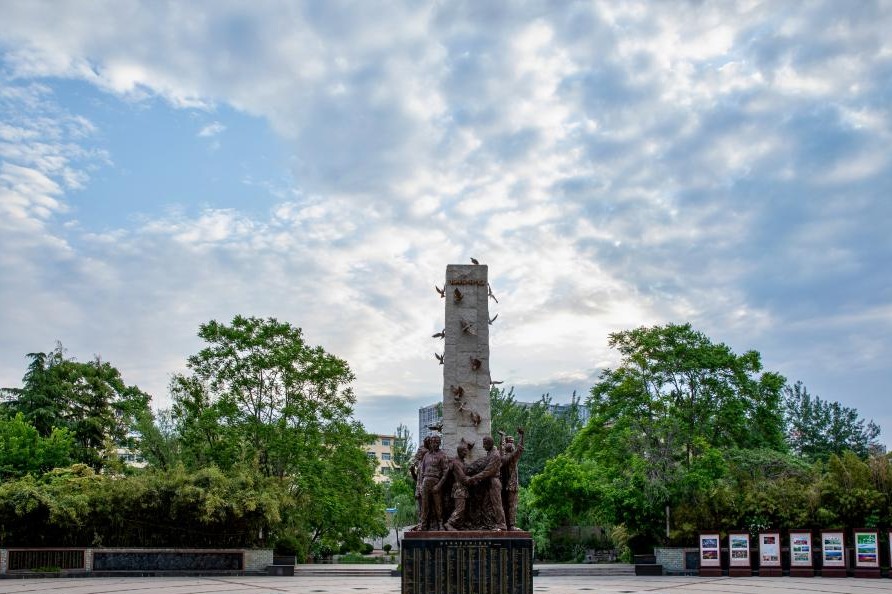
    When discussions turn to World War II concentration and internment camps, Auschwitz, the haunting symbol of Nazi atrocities in Europe, immediately comes to mind for most people. Half a world away, however, in China’s eastern Shandong Province, sits a lesser-known site that holds a equally powerful story of suffering, courage, cross-cultural solidarity and enduring hope for peace: the former Weihsien Internment Camp, now preserved at the Courtyard of the Happy Way in Weifang.

    The site’s origins stretch back to 1882, when an American missionary built a sprawling complex that housed a church, school, and hospital. After Japan launched its full-scale invasion of China during World War II, the occupying Japanese military seized the property and repurposed it into an internment camp to detain non-Chinese citizens from Allied nations. Established in retaliation for the United States’ internment of Japanese and Japanese American civilians following the 1941 attack on Pearl Harbor, the camp would go on to hold more than 2,000 civilians from 30 different Allied countries, making it the largest Allied civilian internment camp in Asia during the war.

    Unlike the extensively documented Nazi concentration camps of Europe, the Weihsien Internment Camp’s history has remained largely out of global public consciousness, even for descendants of those who were imprisoned there. For Professor John Stanley, a history scholar at Pennsylvania’s Kutztown University, this forgotten chapter of World War II became a life-long research passion, sparked by a 1991 trip to the site with his father, Charles A. Stanley, who had been interned at Weihsien as an infant. Imprisoned alongside his parents at 10 months old in 1943, Charles remained in the camp until it was liberated by US soldiers and a Chinese translator in August 1945. Like many other survivors, Charles never spoke of his experience growing up; the trauma of internment led generations of survivors to leave this painful chapter of their lives unspoken.

    Stanley’s 1991 visit was originally organized to dedicate a memorial to Eric Liddell, the legendary 1924 Olympic 400-meter gold medalist who died of illness in the camp due to severe shortages of food and medical care. That trip ignited Stanley’s broader interest in Chinese and East Asian history, and he has spent decades uncovering the details of daily life in the camp and the critical role local Chinese residents played in supporting the imprisoned civilians.

    Among the detainees were several prominent figures, including Arthur W. Hummel Jr., who would later go on to serve as the second United States Ambassador to the People’s Republic of China. Hummel successfully escaped the camp months before liberation with help from local Chinese rescuers. Stanley’s research highlights that the support local residents provided went far beyond escape aid: it kept internees hopeful as the war dragged on and outside news grew increasingly scarce.

    Most famously, local residents risked harsh punishment, even death, to smuggle scarce food and supplies into the camp through an informal underground network referred to as the “black market.” While eggs were the most common contraband thrown over the camp’s walls, Stanley even documented accounts of a live chicken being smuggled in to feed hungry detainees.

    Zhang Zhiren, a Europe-based writer who spent years researching the camp for his book *Weihsien West Civilians Concentration Camp: 1943-1945*, says the quiet bravery of local Chinese people who risked their lives to help is the most moving part of the camp’s history. His book details the harsh conditions detainees faced: overcrowding, malnutrition, inadequate medical care that led to the deaths of at least 31 internees, and complete isolation from outside news. It also documents the selfless acts of solidarity from nearby residents who, despite facing their own hardship under Japanese occupation, chose to help the trapped foreigners.

    One of the most notable stories of courage centers on Zhang Xingtai, a local villager who worked as a latrine cleaner inside the camp. Japanese guards dismissed him as an unthreatening ordinary farmer, but Zhang secretly operated as a critical information lifeline for internees cut off from the outside world. Working alongside his son, he smuggled outside news into the camp and carried notes from internees out — and it was the pair that secretly spread the word of Japan’s surrender to detainees days before the formal liberation, at enormous risk to their own lives.

    Tragedy is also part of this story: Zhang documents the death of a local Chinese child who was electrocuted on the camp’s perimeter fence while attempting to deliver food to starving internees. Japanese guards refused to allow the child’s family to retrieve his body, leaving the small body caught on the electric wire as a grim warning.

    “What strikes me most is that the people of Weifang did not care what nationality the internees were,” Zhang explained. “They only knew that people were suffering, and they had a duty to help. This simple kindness crossed all lines of war and national borders.”

    As the decades passed after the war, survivors remained largely silent about their experiences, and the camp’s history began to fade from collective memory. Today, as the number of living survivors dwindles, Zhang and other researchers are working to preserve this shared history for future generations. Zhang notes that the story of mutual aid between Chinese civilians and foreign internees 80 years ago serves as a powerful example of shared humanity in the face of war, perfectly embodying the vision of a global community with a shared future.

    The importance of this history has not gone unrecognized. In 2021, International Cities of Peace, a global non-profit dedicated to advancing the international peace movement, designated Weifang as the 308th International City of Peace — only the second Chinese city to receive the designation, after Nanjing. This year marks the fifth anniversary of that designation, and International Cities of Peace chair J. Frederick Arment has praised Weifang for its intentional work to heal historical trauma and turn a site of suffering into a beacon of hope for future peace.

    In 2024, to mark the 45th anniversary of formal diplomatic relations between China and the United States, the story of the Weihsien Internment Camp reached a new international audience through a special traveling exhibition hosted in San Francisco. Stanley attended the opening as a representative of survivors’ descendants, and he praised Weifang’s ongoing work to preserve the camp’s original buildings and share its story with global audiences.

    “These efforts show a real commitment to raising public awareness of the true human cost of war, and why we must work to avoid it whenever possible,” Stanley said. Speaking to the enduring relevance of the camp’s legacy today, he expressed hope that remembering this story would encourage global leaders to prioritize diplomacy and collaborative conflict resolution through international institutions, rather than turning to violence or coercive pressure to resolve disputes.

  • New outbreak of Ebola kills 65 in eastern DR Congo

    New outbreak of Ebola kills 65 in eastern DR Congo

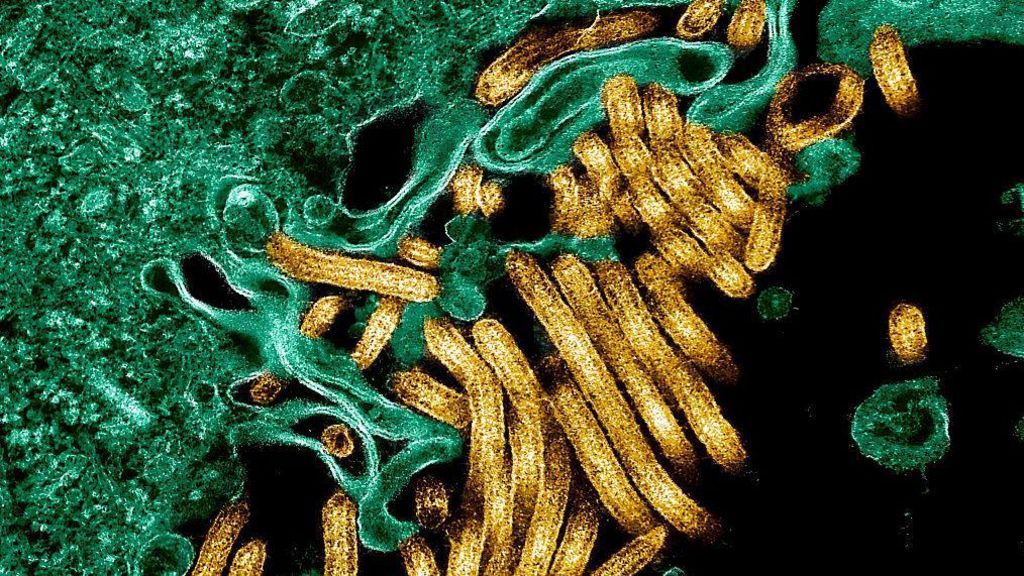
    The Africa Centres for Disease Control and Prevention (CDC Africa) has publicly confirmed a new Ebola outbreak in the Democratic Republic of Congo’s northeastern Ituri Province, marking the 17th recorded occurrence of the deadly viral pathogen in the Central African nation since the virus was first discovered in 1976.

    According to the regional health body’s official statement released Friday, the outbreak has so far been linked to 246 suspected cases and 65 confirmed deaths, with the vast majority of infections concentrated in two gold-mining communities: Mongwalu and Rwampara. Preliminary laboratory analysis conducted by the Institut National de Recherche Biomédicale (INRB) in DR Congo’s capital Kinshasa has returned positive Ebola results for 13 out of 20 tested samples, with just four of the total fatalities recorded among lab-confirmed cases. Health officials are also awaiting test results for additional suspected cases that have recently emerged in Bunia, Ituri’s provincial capital.

    As of Friday afternoon, the Congolese national government had not yet issued an official declaration of the outbreak, with a senior government staffer confirming to the BBC that a formal press conference addressing the situation was scheduled for later the same day.

    To contain the spread of the virus, CDC Africa announced it has convened an urgent coordination meeting with DR Congo’s national health authorities, alongside neighboring nations Uganda and South Sudan, and other global public health partners. The gathering will focus on aligning rapid response measures and strengthening cross-border disease surveillance, a critical step to prevent the outbreak from spilling into adjacent countries.

    Ebola, which scientists believe originates in fruit bat populations, first emerged in what is now DR Congo in 1976. The virus spreads exclusively through direct contact with infected bodily fluids, and causes rapid onset of severe symptoms including fever, muscle aches, extreme fatigue, sore throat, and eventually progresses to widespread internal bleeding and organ failure. To date, no definitive cure for Ebola exists, though early supportive care significantly improves patient survival outcomes.

    The current outbreak unfolds against a complex security backdrop in Ituri, which has been under direct military rule since 2021. The Congolese government imposed military governance on the region to counter a decades-long presence of dozens of armed insurgent groups, including the Islamic State-affiliated Allied Democratic Forces (ADF), which has carried out frequent attacks on civilian and government targets across the province for years. This security instability poses additional challenges to rapid deployment of public health response teams to affected communities.

    DR Congo has a long history of Ebola outbreaks, with the country’s deadliest event on record occurring between 2018 and 2020, when the virus claimed nearly 2,300 lives. Just last year, an outbreak in the country’s central Kasai Province killed 45 people. Across all African nations, Ebola has killed approximately 50,000 people since it was first identified 50 years ago.

  • Russia, Ukraine swap 205 prisoners of war each

    Russia, Ukraine swap 205 prisoners of war each

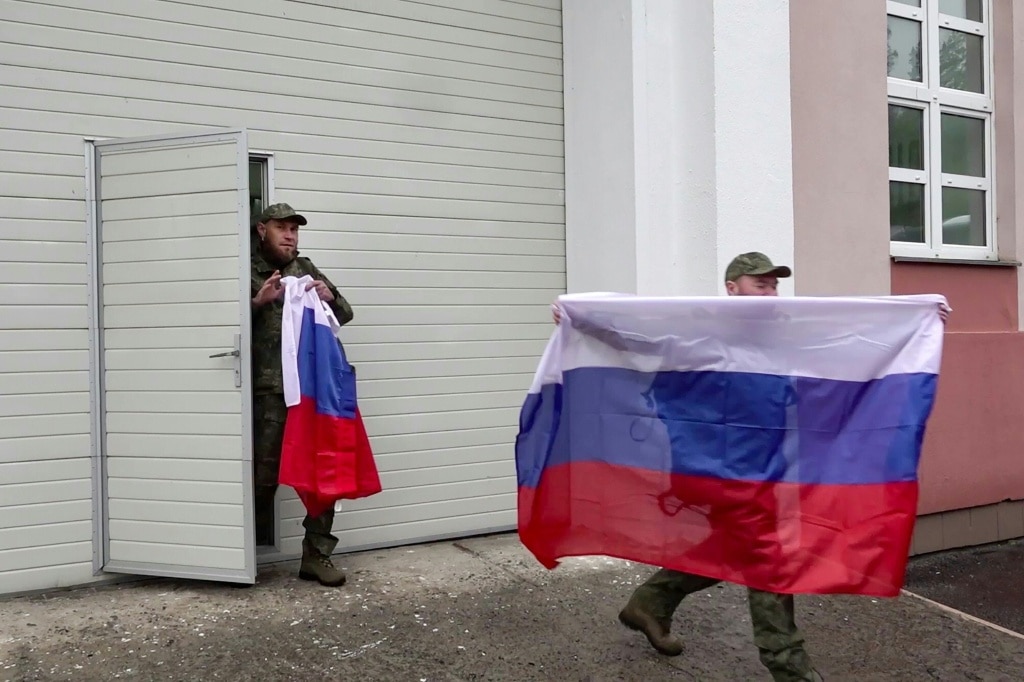
    One week after former U.S. President Donald Trump first announced a massive prisoner swap between the two warring nations, Russia and Ukraine have completed the first stage of the deal, exchanging 205 prisoners of war each, officials from both Moscow and Kyiv confirmed on Friday.

  • Southeast Asia’s largest dinosaur identified in Thailand

    Southeast Asia’s largest dinosaur identified in Thailand

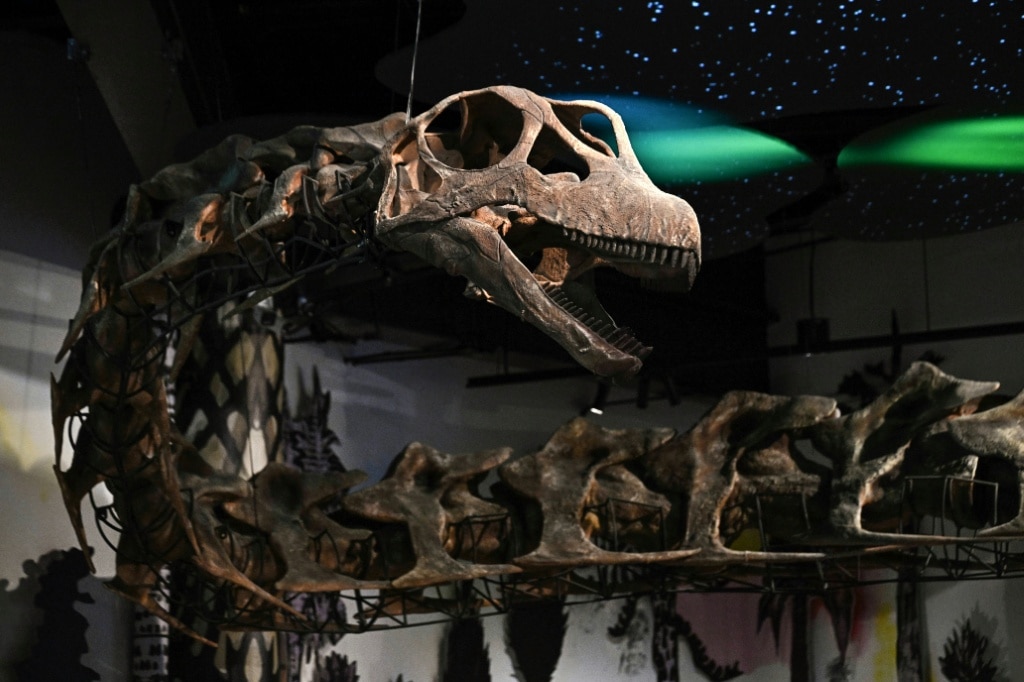
    A decades-long paleontological effort has yielded a groundbreaking discovery in Thailand, where scientists have formally classified a massive new sauropod species as the largest dinosaur ever uncovered in Southeast Asia. The newly named *Nagatitan chaiyaphumensis*, a long-necked herbivore that walked the Earth between 100 and 120 million years ago, measures a staggering 27 meters long and weighs approximately 27 tonnes — equal to the combined mass of nine full-grown Asian elephants.

    Lead researcher Thitiwoot Sethapanichsakul, a Thai PhD student affiliated with University College London, noted that the specimen far outpaces one of the world’s most famous dinosaur displays. “Our dinosaur is big by most people’s standards — it likely weighed at least 10 tonnes more than Dippy the Diplodocus,” he explained, referencing the iconic composite cast that drew millions of visitors at London’s Natural History Museum.

    The first fragments of the dinosaur were uncovered 10 years ago by local residents in Chaiyaphum, a rural province in northeast Thailand. However, full excavation and detailed analysis of the fossil remains only wrapped up earlier this year, with the formal findings published Thursday in the peer-reviewed journal *Scientific Reports*.

    While the recovered bones share some characteristics with previously documented sauropod species, researchers identified a suite of unique anatomical features that warrant classification as an entirely new species. The species’ name draws from multiple cultural and geographic references: “Naga” references the legendary serpent prominent in Southeast Asian folklore, “Titan” pays homage to the giant deities of Greek mythology, and “chaiyaphumensis” honors the province where the remains were found.

    Sethapanichsakul dubbed the giant “the last titan” for a key geological reason: the fossil was recovered from one of the youngest known dinosaur-bearing rock formations in Thailand. After the period when *Nagatitan chaiyaphumensis* lived, the region was gradually submerged by a shallow sea, eliminating the terrestrial conditions needed for large dinosaur fossils to form and be preserved. That means this find is very likely the most recent large sauropod that paleontologists will ever uncover in the Southeast Asian region.

    Today, a full-size reconstructed skeleton of the giant herbivore is on public display at Bangkok’s Thainosaur Museum, giving visitors the chance to see Southeast Asia’s largest confirmed dinosaur up close.

  • Indonesia’s first giant panda cub, Rio, is growing and healthy before his public debut

    Indonesia’s first giant panda cub, Rio, is growing and healthy before his public debut

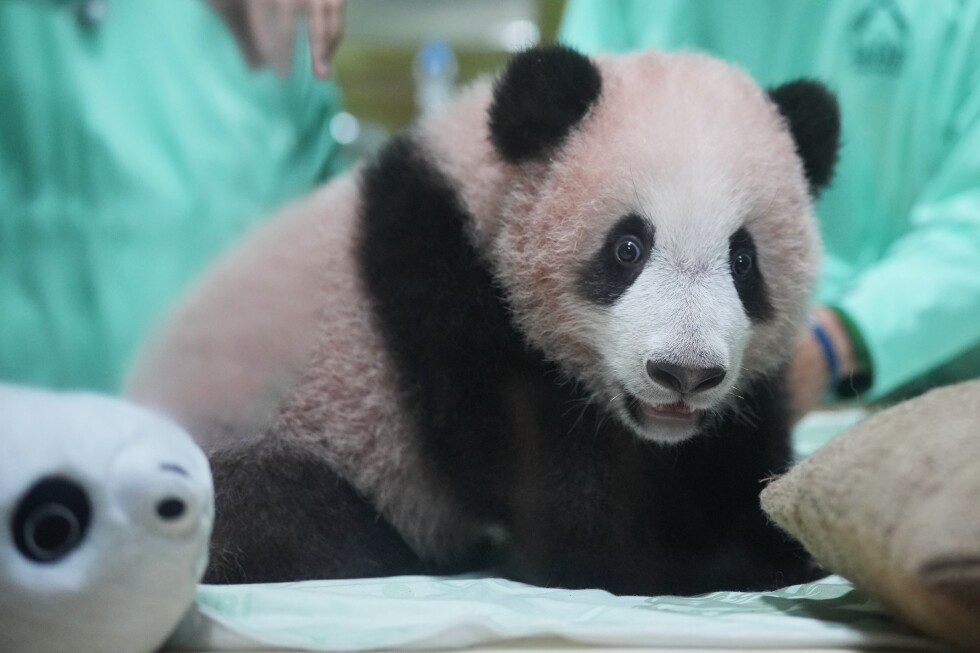
    CISARUA, Indonesia — The very first giant panda cub ever born in Indonesian territory has passed a routine health assessment, with veterinary specialists confirming the young animal is developing steadily and in excellent health, just weeks ahead of his first public appearance at the Indonesian Safari Park outside Jakarta.

    Named Satrio Wiratama and affectionately nicknamed Rio by caretakers, the 169-day-old cub has already hit key developmental milestones: he can walk independently, climb onto his mother’s back for play, and has begun nibbling on nutrient-rich bamboo shoots. He currently weighs 10 kilograms, or 22 pounds, putting his growth slightly ahead of the average pace for giant panda cubs his age, particularly when it comes to tooth development.

    On Friday, veterinary teams carried out comprehensive checks of Rio’s sensory functions, including hearing and vision. All tests confirmed his senses are fully active, leaving veterinarians optimistic about his ability to adapt to the presence of crowds when he opens to visitors later this month.

    “What matters most is that all of Rio’s senses are functioning properly,” explained Bongot Huaso Mulia, the lead veterinarian monitoring Rio’s growth. “He can already process changes in his environment, assess new surroundings, and adapt to the presence of more people, even tolerating moderate levels of noise. We will continue his gradual acclimation training to prepare him for public viewings.”

    Rio was born on November 27 to 15-year-old parents Hu Chun and Cai Tao, who arrived in Indonesia in 2017 as part of a 10-year giant panda conservation partnership between Indonesia and China. The pair reside in a purpose-built enclosure, called the Panda Palace, at the Cisarua park located 70 kilometers, around 43 miles, outside Jakarta in West Java. The 5,000-square-meter hilltop facility features a three-tier living space, an elevator, dedicated sleeping quarters, on-site medical facilities, and separate indoor and outdoor play areas for the bears.

    The two adult giant pandas have already developed a large following among Indonesian wildlife enthusiasts, and Rio’s birth sparked even more excitement across the country. Panda fans have flooded the park’s social media channels with requests for an early public appearance, making Rio’s debut one of the most anticipated local wildlife events of the year.

    Rio’s name carries symbolic weight, representing the shared hope, resilience, and joint conservation commitment between Indonesia and China for protecting endangered species. As a global icon of wildlife conservation and China’s unofficial national mascot, giant pandas have long played a role in diplomatic exchange through Beijing’s international loan programs, a practice widely referred to as “panda diplomacy.”

    Giant pandas are notoriously difficult to breed in captivity, so every successful birth is a major milestone for global conservation efforts. Fewer than 1,900 giant pandas remain in the wild, scattered across the mountainous habitats of China’s Sichuan, Shaanxi, and Gansu provinces. Rio was conceived through artificial insemination, a rare success that carries important implications for research.

    According to Aswin Sumampau, president director of Taman Safari Indonesia, Rio’s birth does more than just add a new beloved member to the park’s panda family. It also contributes valuable new genetic data on giant pandas that will advance collaborative research between Indonesian and Chinese conservation scientists.

    “This is the moment we have all waited years for,” Sumampau noted. “It is a small but meaningful victory for our team. We successfully bred a species that is extremely challenging to reproduce in captivity. To put this achievement in perspective, no giant panda cubs have been born in any ex-situ conservation facility around the world for the past two years. Taman Safari is proud to have achieved this milestone.”

  • Death toll in attack on Kyiv apartment building now stands at 24

    Death toll in attack on Kyiv apartment building now stands at 24

    In a sharp escalation of hostilities that derails recent optimistic rhetoric of an impending end to the Russia-Ukraine war, Moscow has launched one of its largest aerial barrages since the full-scale invasion began, killing 24 civilians in a Kyiv apartment building strike and triggering reciprocal deadly drone attacks across Russian territory.

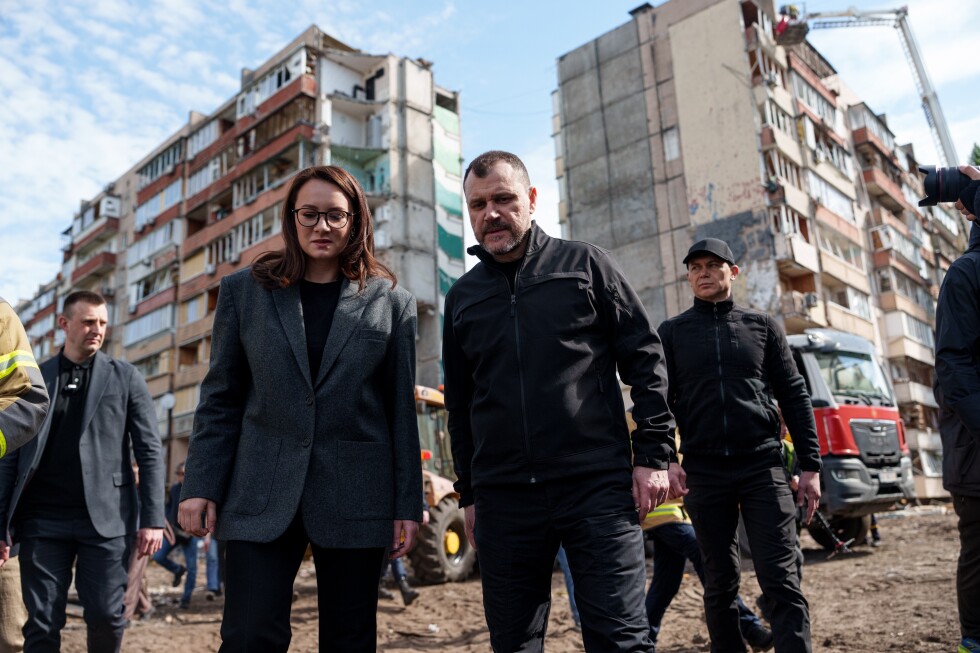
    Ukrainian President Volodymyr Zelenskyy confirmed the civilian death toll from Thursday’s cruise missile strike on a nine-story residential corner block in Kyiv on Friday, noting that three of the victims were teenagers. Two children were among the 48 people wounded in the attack, which came as part of Russia’s multi-day wave of large-scale assaults. After more than 24 hours of exhaustive search and rescue operations, emergency crews completed clearing the rubble of the destroyed building, according to an update Zelenskyy posted to the social platform X.

    The latest Russian offensive follows a three-day ceasefire initiative announced by former U.S. President Donald Trump, who claimed he had secured agreement from both Zelenskyy and Russian President Vladimir Putin to observe a halt to fighting between May 9 and 11. While active fighting did scale back during that 72-hour window, hostilities never fully paused. Within days of the ceasefire’s end, Russia renewed large-scale aerial attacks across Ukraine, contradicting recent public statements from both Trump and Putin that the nearly five-year-old war was moving toward a negotiated conclusion.

    Zelenskyy reported that between Wednesday and the end of Thursday, Russia had launched more than 1,560 drones targeting Ukrainian populated areas, with strikes damaging roughly 180 sites nationwide — more than 50 of which were civilian residential buildings. This barrage surpasses the previous record for the largest single Russian drone attack, which saw nearly 1,000 missiles and drones fired against Ukraine between March 23 and 24 this year. The missile that destroyed the Kyiv apartment block was manufactured in the second quarter of 2025, Zelenskyy added, citing preliminary analysis of missile wreckage by Ukrainian weapons experts. This new production, he emphasized, proves Russia continues to bypass international sanctions to import critical components, raw materials and manufacturing equipment for its weapons programs. “Stopping Russia’s sanctions evasion schemes must be a genuine priority for all our partners,” Zelenskyy wrote in a separate X post Thursday night.

    Kyiv declared an official day of mourning on Friday for the victims of the apartment strike, and Zelenskyy visited the blast site to meet with first responders and surviving residents.

    The escalation has not been one-sided: Ukraine has significantly expanded its long-range strike capabilities in recent months, and overnight Friday Russia’s Ministry of Defense announced its air defense systems had intercepted 355 Ukrainian drones in a single night — marking one of the largest single drone attacks launched by Kyiv since the start of the full-scale invasion. The attack forced temporary flight suspensions at multiple Russian airports, and a Ukrainian drone strike on the city of Ryazan, located roughly 60 miles southeast of Moscow, left four people dead including one child, according to Ryazan Governor Pavel Malkov. The strike ignited a large fire at a local oil refinery that sent thick plumes of black smoke billowing into the air, consistent with Ukraine’s recent strategy of targeting Russian energy infrastructure to cut off critical export revenue that funds Moscow’s war effort and increase domestic pressure on the Kremlin. Ukrainian officials have not issued any immediate public comment on the Ryazan strike.

    Amid the spiraling violence, a rare diplomatic breakthrough brought a measure of positive development Friday: both countries confirmed a large prisoner of war exchange brokered with the assistance of the United Arab Emirates. A total of 205 prisoners from each side returned to their home countries Friday, in what Zelenskyy described as the first phase of a planned 1,000-for-1,000 swap. Many of the released Ukrainian prisoners had been held in Russian captivity since 2022, having fought in some of the war’s bloodiest and most protracted battles. Russia’s Defense Ministry officially confirmed the exchange and publicly thanked the UAE for its mediation work.

    This reporting is part of ongoing comprehensive coverage of the Russia-Ukraine war from the Associated Press, with additional contributions from correspondent Lorne Hatton reporting out of Lisbon, Portugal.