博客

  • South Korea’s ousted president Yoon plotted martial law to eliminate rivals, probe finds

    South Korea’s ousted president Yoon plotted martial law to eliminate rivals, probe finds

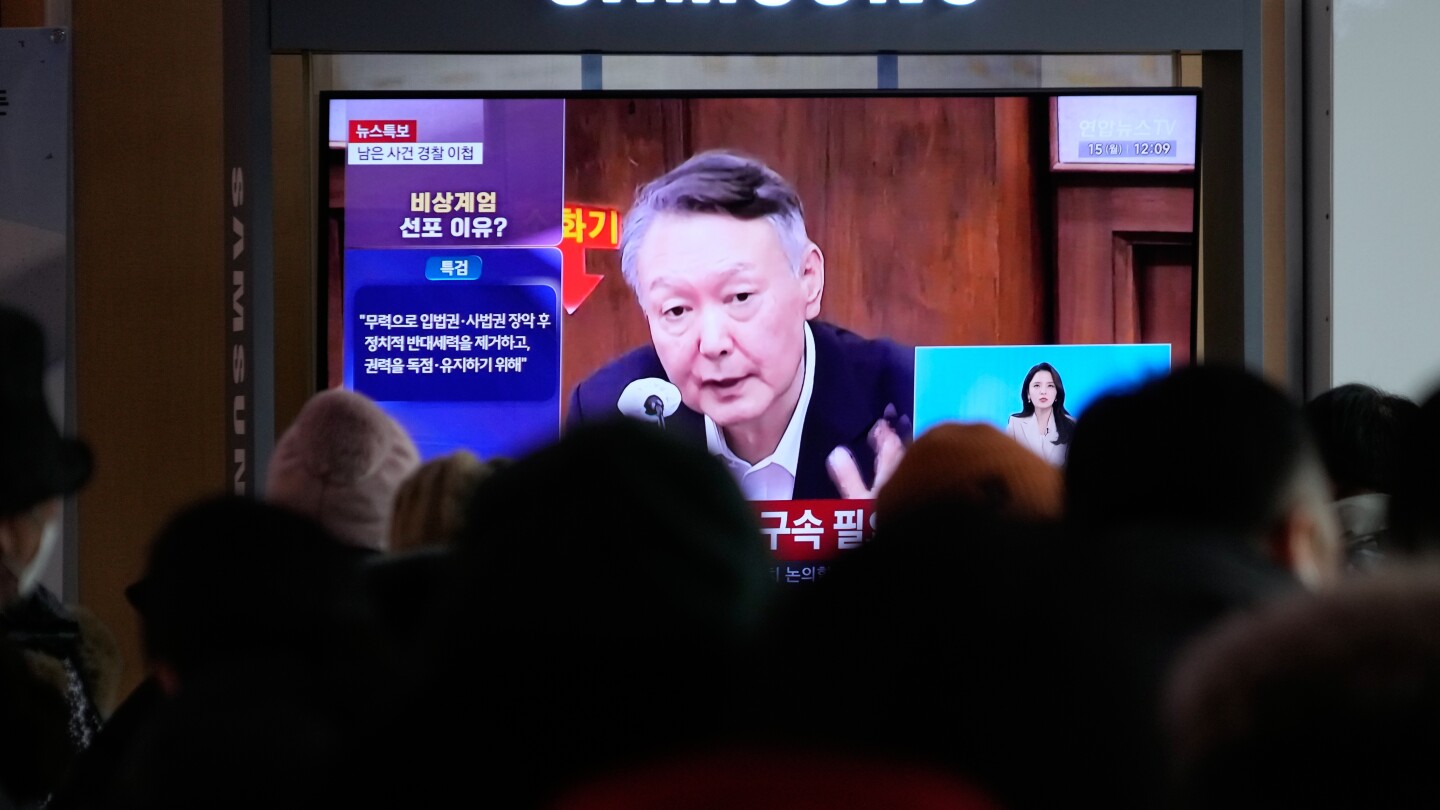
    A comprehensive six-month investigation has revealed that former South Korean President Yoon Suk Yeol orchestrated an elaborate year-long scheme to impose martial law and eliminate political opposition, according to findings announced Monday by independent counsel Cho Eun-suk.

    The probe determined that Yoon and his military allies systematically planned to provoke North Korea into military confrontations to justify declaring martial law since October 2023. The conspirators allegedly reshuffled top military officials to install compliant associates while removing Defense Minister Kim Yong Hyun, who opposed the plan. Investigators documented how Yoon’s administration hosted dinner parties to build consensus among military leaders for their unprecedented power grab.

    Despite failing to elicit any substantial response from North Korea—which investigators attribute to Pyongyang’s preoccupation with supporting Russia’s war in Ukraine—Yoon proceeded with his martial law declaration in December 2024. He branded the liberal-controlled legislature as ‘anti-state forces’ requiring urgent removal. The decree lasted mere hours before collapsing under massive public protests and legislative resistance.

    The investigation uncovered disturbing evidence of Yoon’s hostility toward political rivals, including recordings where he referred to main opposition figure Han Dong-hun as ‘a commie’ and threatened to ‘shoot him to death’ during meetings with military generals. The hostility stemmed from conflicts over scandals involving Yoon’s wife.

    Hundreds of troops temporarily encircled parliament buildings during the brief martial law period, triggering massive public demonstrations that ultimately led to Yoon’s impeachment by lawmakers. The Constitutional Court formally ousted Yoon in April, followed by snap elections that brought Democratic Party candidate Lee Jae Myung to power in June.

    Yoon currently remains jailed while facing rebellion charges, maintaining that his actions represented a legitimate attempt to gain public support against political obstruction. Alongside Yoon, 23 associates—including former Defense Minister Kim, Prime Minister Han Duck-soo, and Deputy Prime Minister Choi Sang-mok—have been indicted for their roles in the martial law scheme.

    In a related development, police raided Unification Church headquarters in Seoul as part of a separate bribery investigation involving numerous politicians. The ongoing probe includes allegations against Yoon’s wife, Kim Keon Hee, who stands accused of receiving bribes from church officials seeking business favors. Investigations have expanded to include potential corruption among both conservative and liberal politicians, prompting President Lee to call for a thorough examination of questionable ties between religious groups and political figures.

  • Pakistan begins last anti-polio vaccination drive of the year after surge in new cases

    Pakistan begins last anti-polio vaccination drive of the year after surge in new cases

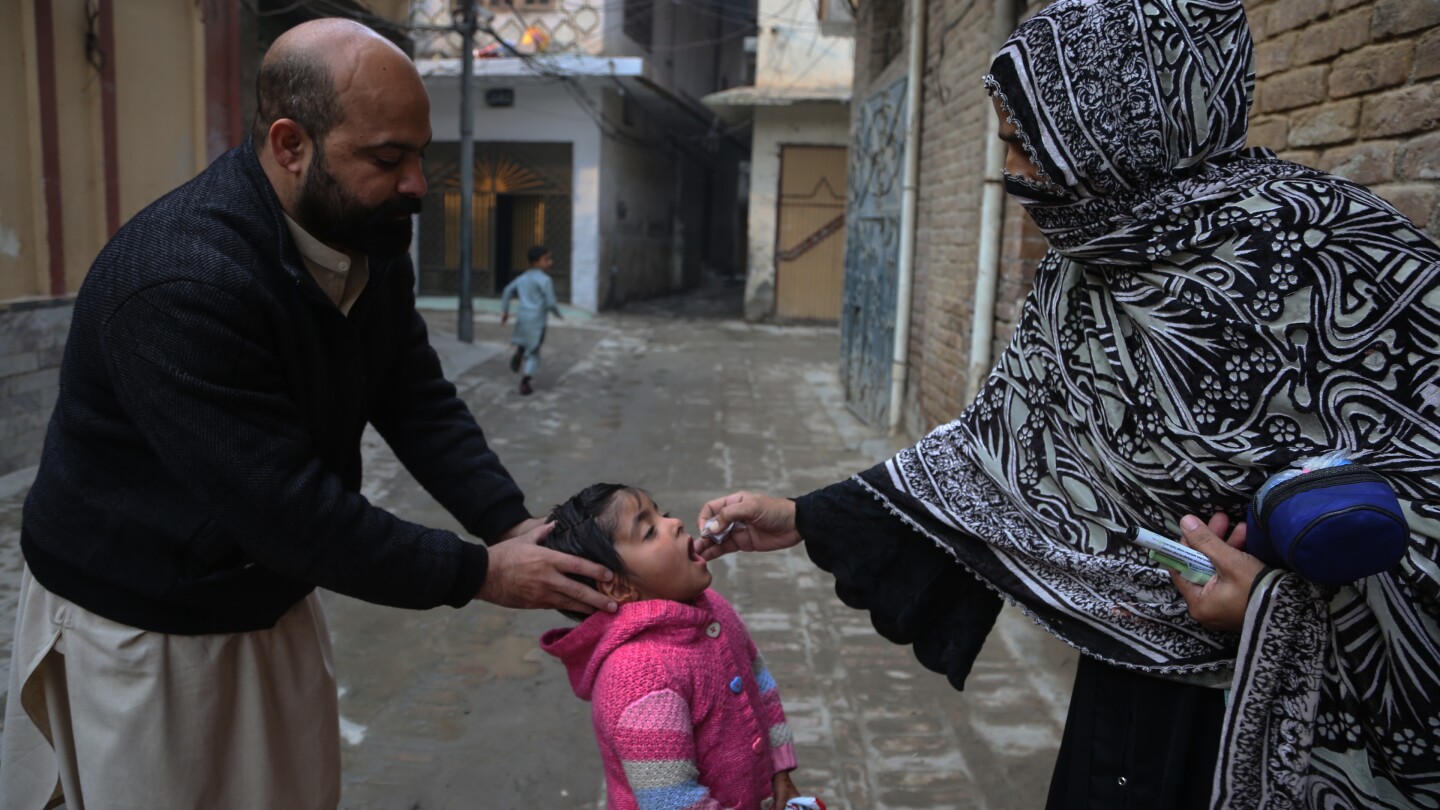
    Pakistani health authorities initiated their fifth and final nationwide polio immunization campaign of 2024 on Monday, targeting approximately 45 million children under five years of age. This critical public health initiative comes as the country continues to battle the persistent poliovirus, with 30 confirmed cases reported since January—a significant reduction from the 74 cases documented during the same period last year.

    According to the government-operated Polio Eradication Initiative, Pakistan and neighboring Afghanistan remain the world’s only two countries where wild poliovirus transmission persists. The current vaccination drive represents a synchronized effort with Afghanistan to strengthen cross-border immunity and interrupt viral transmission between the two nations.

    The massive operation deploys over 400,000 frontline health workers who are conducting door-to-door vaccinations across all regions including Balochistan, Sindh, Khyber Pakhtunkhwa, Punjab, Gilgit-Baltistan, Pakistan-administered Kashmir, and the capital territory of Islamabad.

    Health Minister Mustafa Kamal emphasized the campaign’s critical importance, stating: ‘This transcends mere statistics. Each polio case represents a threat to a child’s future and the overall safety of our communities.’

    The vaccination teams operate under substantial security concerns, with authorities deploying thousands of police officers to protect health workers following intelligence reports warning of potential militant attacks. Since the 1990s, more than 200 polio workers and their security personnel have been killed in targeted violence fueled by misinformation campaigns falsely alleging the vaccinations are Western plots to sterilize Muslim children.

    Despite these security challenges, Pakistan maintains regular immunization campaigns. Officials report significant progress in containing the virus and express optimism about the current effort, characterizing it as ‘a vital final push to stop the virus everywhere it still circulates.’

  • AI toys offer emotional support to consumers

    AI toys offer emotional support to consumers

    The global toy industry is undergoing a profound transformation as artificial intelligence-powered companions emerge as the next frontier in consumer technology, offering emotional support and companionship to users worldwide. This technological revolution is reshaping traditional product categories and creating new growth opportunities for manufacturers.

  • What does the Jimmy Lai verdict mean for Hong Kong?

    What does the Jimmy Lai verdict mean for Hong Kong?

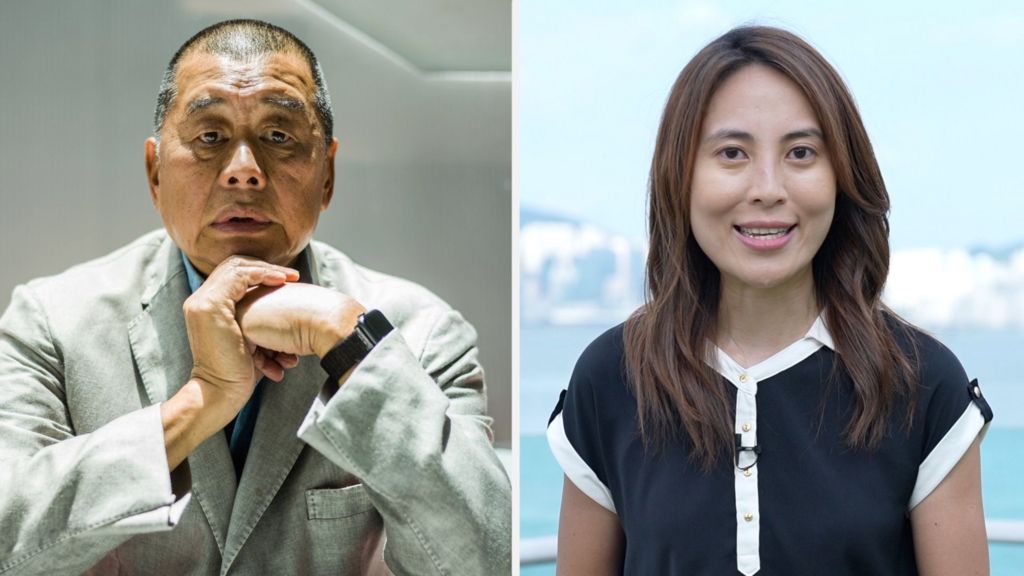
    Hong Kong’s judiciary has delivered a landmark verdict in one of the city’s most scrutinized national security cases, finding media magnate Jimmy Lai guilty of conspiring with foreign forces. The conviction represents a critical juncture for Hong Kong’s legal landscape under the sweeping National Security Law imposed by Beijing in 2020.

    The high-profile trial, conducted without a jury per national security protocols, centered on allegations that Lai’s pro-democracy activism and international lobbying efforts constituted collusion with external actors. Prosecutors presented evidence showing Lai’s extensive communications with Western politicians and his public endorsements of international sanctions against Hong Kong officials.

    Legal experts indicate this verdict establishes a formidable precedent for interpreting the National Security Law’s provisions on foreign interference. The ruling demonstrates Hong Kong’s judicial system will aggressively pursue cases perceived as threatening China’s sovereignty, regardless of the defendant’s public profile or international attention.

    The international community has responded with sharp criticism, with multiple Western governments condemning the verdict as politically motivated and warning of deteriorating freedoms in Hong Kong. Chinese authorities have praised the decision as a legitimate exercise of legal sovereignty and necessary protection against external interference.

    This case signals Hong Kong’s continuing transformation from its former status as an international business hub with protected civil liberties to a territory where national security considerations dominate legal and political discourse. The conviction likely foreshadows increased judicial scrutiny of activities involving foreign contacts for Hong Kong activists, journalists, and business leaders.

  • Cambodia-Thailand border clashes enter 2nd week

    Cambodia-Thailand border clashes enter 2nd week

    The military confrontation along the Cambodia-Thailand border has intensified dramatically as sustained hostilities entered their second consecutive week, creating a severe humanitarian crisis with mounting casualties and mass displacement.

    According to official reports from both nations, the conflict has resulted in more than two dozen fatalities and the forced evacuation of over 500,000 civilians from border regions. Thailand’s military command announced the implementation of a curfew in specific districts of Trat Province on Sunday, citing persistent security concerns along the contested frontier.

    Defense Ministry Spokesman Rear Admiral Surasant Kongsiri confirmed to journalists in Bangkok that continuous clashes have persisted since Saturday. While expressing Thailand’s theoretical openness to diplomatic resolution, Kongsiri emphasized that negotiations would require Cambodia to “cease hostility first.”

    The two neighboring countries have engaged in mutual accusations regarding the escalation. Cambodia’s Information Minister Neth Pheaktra condemned Thai forces for allegedly expanding operations to target civilian infrastructure and non-combatants. In response to the deteriorating situation, Phnom Penh officially suspended all border crossing operations with Thailand on Saturday.

    International mediation efforts have encountered significant obstacles. Malaysian Prime Minister Anwar Ibrahim conducted separate diplomatic conversations with Thai Caretaker Prime Minister Anutin Charnvirakul and Cambodian Prime Minister Hun Manet, proposing a ceasefire to commence Saturday evening. While Cambodia expressed support for this initiative, Thai leadership explicitly rejected the proposal.

    The situation became further complicated by contradictory statements regarding U.S. involvement. President Donald Trump claimed on Friday that the Southeast Asian neighbors had agreed to halt fighting, but Thai officials subsequently clarified that no ceasefire agreement had been established during their communication with the American administration.

    United Nations Secretary-General Antonio Guterres expressed readiness to support peace initiatives in the region, while China—as a regional power and neighbor to both nations—urged restraint and peaceful resolution through its Foreign Ministry spokesman Guo Jiakun.

    This recent outbreak continues a pattern of border tensions between the two countries, which previously witnessed significant clashes in July that resulted in hundreds of casualties. Although both parties reached a ceasefire agreement in August during a General Border Committee meeting in Kuala Lumpur and signed a joint peace declaration during October’s ASEAN Summit, the current violence represents a severe breakdown of these diplomatic achievements.

  • Far-right candidate Jose Antonio Kast wins Chilean presidential runoff election: preliminary results

    Far-right candidate Jose Antonio Kast wins Chilean presidential runoff election: preliminary results

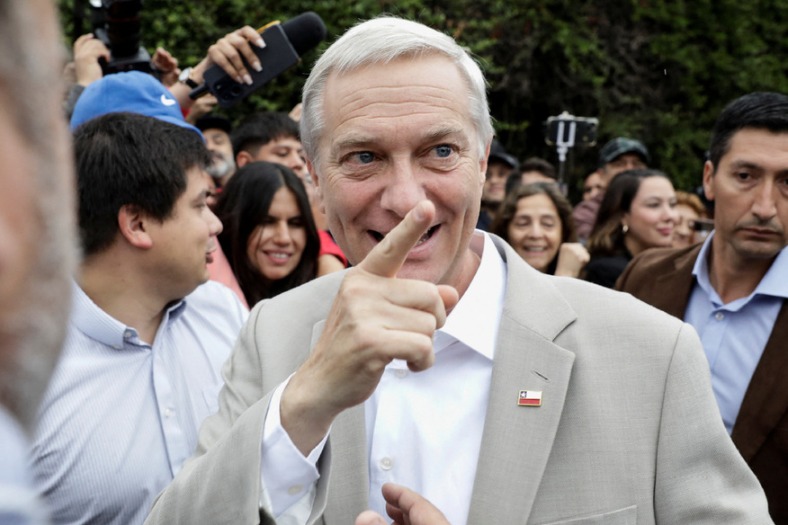
    Chilean politics has entered a new era following the decisive victory of far-right candidate José Antonio Kast in the nation’s presidential runoff election. Preliminary results from Sunday’s voting confirm Kast’s ascension to power, marking a significant ideological shift for a country that has recently been governed by center-left administrations.

    The Republican Party leader delivered a triumphant address to his supporters in Santiago, acknowledging their steadfast support throughout a contentious campaign period. Kast’s platform, which emphasizes law and order, economic liberalism, and conservative social values, resonated with voters seeking change amid growing concerns about crime, immigration, and economic instability.

    International observers have closely monitored Chile’s electoral process, recognizing its importance not just for the nation but for regional political dynamics across Latin America. Kast’s victory represents the latest in a series of right-wing gains throughout the continent, potentially altering diplomatic and economic relationships in the Western Hemisphere.

    The election outcome follows a period of intense political polarization in Chile, including widespread social protests in 2019 that led to a constitutional reform process. Kast’s success suggests a rejection of the proposed constitutional changes and a desire for more traditional governance approaches among a substantial portion of the electorate.

    As president-elect, Kast will face immediate challenges including economic recovery, addressing social inequality, and unifying a politically divided nation. His administration’s policies on business regulation, environmental standards, and international relations will be closely scrutinized by both domestic and international stakeholders.

  • Toxic smog blankets New Delhi, disrupting travel and plunging air quality to hazardous levels

    Toxic smog blankets New Delhi, disrupting travel and plunging air quality to hazardous levels

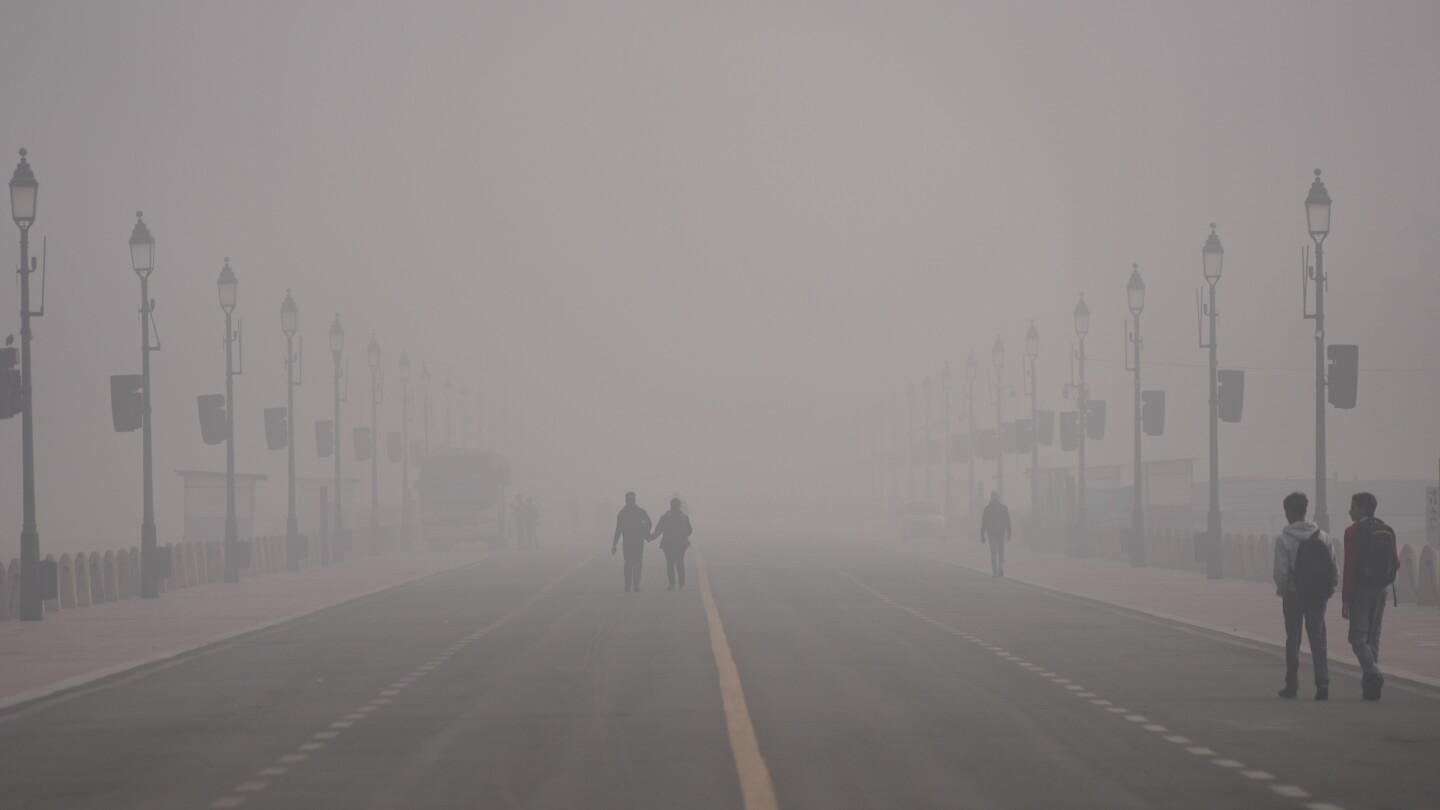
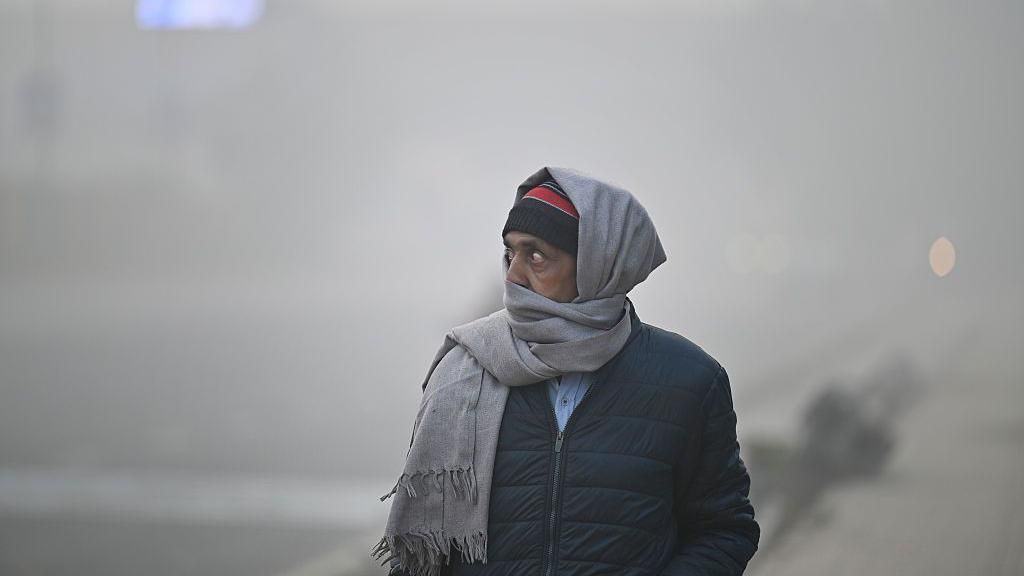
    India’s capital region descended into a severe public health emergency as a thick blanket of toxic smog enveloped New Delhi, registering the winter’s worst air quality readings and prompting drastic containment measures. The crisis triggered massive travel disruptions with over 40 flight cancellations and significant delays affecting more than 50 train services in and out of the capital.

    Healthcare facilities reported surging numbers of patients complaining of respiratory distress and eye irritation, prompting medical experts to issue urgent advisories against outdoor activities. Physician Naresh Dang from Max Healthcare described conditions as critical: ‘New Delhi is a gas chamber right now. Air purifiers offer limited relief—this demands permanent governmental solutions.’

    Official monitoring data revealed alarming pollution levels, with the Central Pollution Control Board recording readings exceeding 450 at multiple stations—far beyond the 50-point threshold considered safe. Authorities responded with emergency protocols including construction bans, restrictions on diesel generators and vehicles, and deployment of water sprinklers to combat particulate matter.

    Environmental experts emphasize that this annual catastrophe stems from complex factors including agricultural residue burning in neighboring states, vehicular emissions, and industrial pollution, exacerbated by seasonal meteorological conditions. Despite short-term measures, activists like Vimlendu Jha argue that Delhi’s air remains dangerously polluted throughout the year, with winter months making the crisis visibly apparent.

    The situation has sparked public protests and renewed scrutiny on pollution-related mortality, following a Lancet study linking 1.5 million annual deaths in India to air pollution exposure. Recent unconventional attempts at cloud-seeding to induce rainfall and clear the smog proved unsuccessful, highlighting the persistent challenges in addressing this environmental emergency.

  • Online classes and ban on construction as toxic haze covers Delhi

    Online classes and ban on construction as toxic haze covers Delhi

    Delhi has activated its highest-level pollution emergency protocol as the capital city plunged into another severe air quality crisis. A dense toxic haze descended upon the metropolitan area, drastically reducing visibility and disrupting transportation networks with multiple flight and train delays reported.

    The city’s air quality index reached alarming levels, with government monitoring systems recording an average AQI of 471—far exceeding the World Health Organization’s recommended safety thresholds by more than thirtyfold. This measurement places Delhi’s air pollution firmly in the ‘severe’ category, representing immediate health risks to all residents, particularly vulnerable populations.

    In response to the escalating environmental emergency, India’s Commission for Air Quality Management implemented Stage IV of the Graded Response Action Plan. These stringent measures include comprehensive bans on construction activities, restrictions on older diesel vehicles entering the city, and mandatory school closures with transitions to online learning platforms. The Supreme Court of India has additionally advised virtual proceedings for legal matters.

    Meteorological conditions have significantly contributed to the current crisis, with elevated moisture levels and shifting wind patterns creating ideal circumstances for pollutant accumulation and smog formation. The seasonal practice of agricultural stubble burning in neighboring states, combined with industrial emissions and vehicular exhaust, has exacerbated the situation.

    Medical authorities have issued urgent health advisories recommending that residents, especially children and individuals with pre-existing respiratory or cardiovascular conditions, minimize outdoor exposure and utilize protective masks when ventilation is unavoidable. Historical data reveals the severe health impact, with over 200,000 cases of acute respiratory illnesses documented in Delhi’s government hospitals between 2022 and 2024 during previous pollution episodes.

    This environmental challenge represents a recurring public health emergency for northern India, particularly during winter months when atmospheric conditions trap pollutants close to the ground, creating persistent hazardous conditions for millions of inhabitants.

  • A 10-year-old girl and Holocaust survivor – Who are the Bondi shooting victims?

    A 10-year-old girl and Holocaust survivor – Who are the Bondi shooting victims?

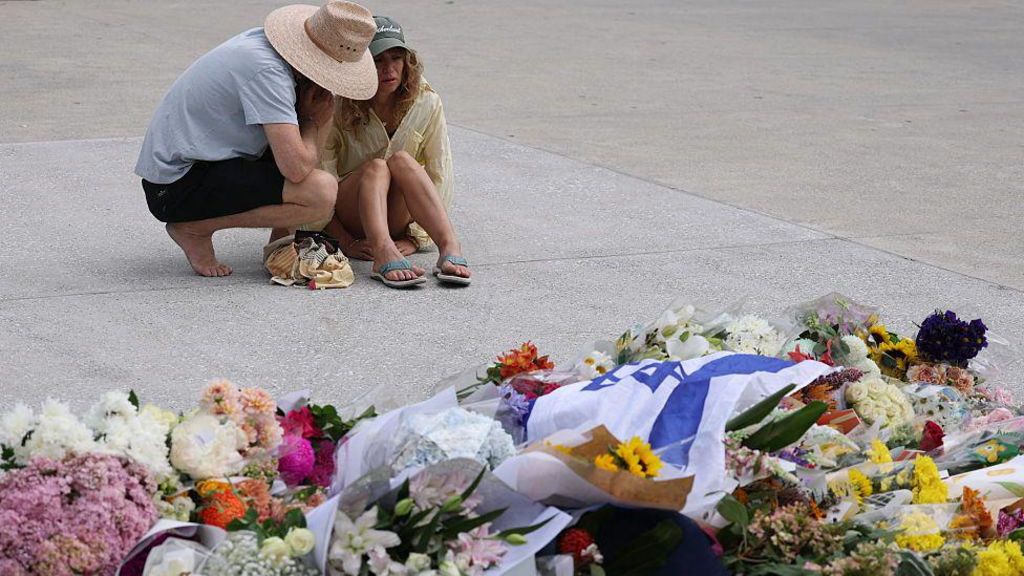
    A horrific shooting at Sydney’s iconic Bondi Beach during a Hanukkah celebration has left at least 15 civilians dead, sending shockwaves through Australia’s Jewish community and the nation at large. The attack, which occurred on Sunday, targeted families and individuals gathered to mark the first night of the Jewish Festival of Lights, resulting in a devastating loss of life that includes religious leaders, children, and a Holocaust survivor.

    Among the confirmed victims was 10-year-old Matilda, remembered by her former teacher as “a bright, joyful, and spirited child who brought light to everyone around her.” The Harmony Russian School of Sydney, where Matilda was a student, expressed profound grief over her passing, noting she succumbed to gunshot injuries in the hospital. Family members revealed Matilda’s sister, who witnessed the tragedy, is struggling with the unimaginable loss of her constant companion.

    The attack claimed the life of Eli Schlanger, 41, the British-born rabbi known as the “Bondi Rabbi” who organized the Hanukkah event. As head of the local Chabad mission, Schlanger leaves behind a wife and five children, his youngest merely two months old. Colleagues and family described him as “an incredible guy” and “the most godly, humane, kind, gracious human being.”

    French national Dan Elkayam, an IT analyst who recently moved to Australia, was also identified among the victims. France’s Foreign Minister Jean-Noël Barrot confirmed Elkayam’s death, expressing “immense sadness” over the loss of his compatriot. The passionate footballer was remembered by his Sydney club as “an extremely talented and popular figure” among teammates.

    Holocaust survivor Alexander Kleytman, who migrated from Ukraine to Australia, perished while heroically shielding his wife Larisa from gunfire. The couple, both Holocaust survivors themselves, had shared their harrowing childhood experiences of persecution in a recent interview. Chabad organization noted Kleytman died protecting his wife, leaving behind two children and eleven grandchildren.

    The tragedy also claimed former police officer Peter Meagher, who was working as an event photographer when violence erupted. His rugby club described his death as “catastrophic case of being in the wrong place at the wrong time,” noting the irony that he survived decades in police service only to be killed in retirement while pursuing his passion for photography.

    Reuven Morrison, who immigrated from the Soviet Union in the 1970s seeking safety from antisemitism, was another victim identified by community organizations. Described as a successful businessman who generously supported charitable causes, Morrison had specifically chosen Australia believing it to be “the safest country in the world” for Jewish families.

    The international community has expressed solidarity with Australia as investigators continue to piece together the circumstances surrounding the attack that has shattered the nation’s sense of security and left multiple families grieving during what should have been a joyful holiday celebration.

  • European leaders expected to cement support for Ukraine amid Washington pressure to accept deal

    European leaders expected to cement support for Ukraine amid Washington pressure to accept deal

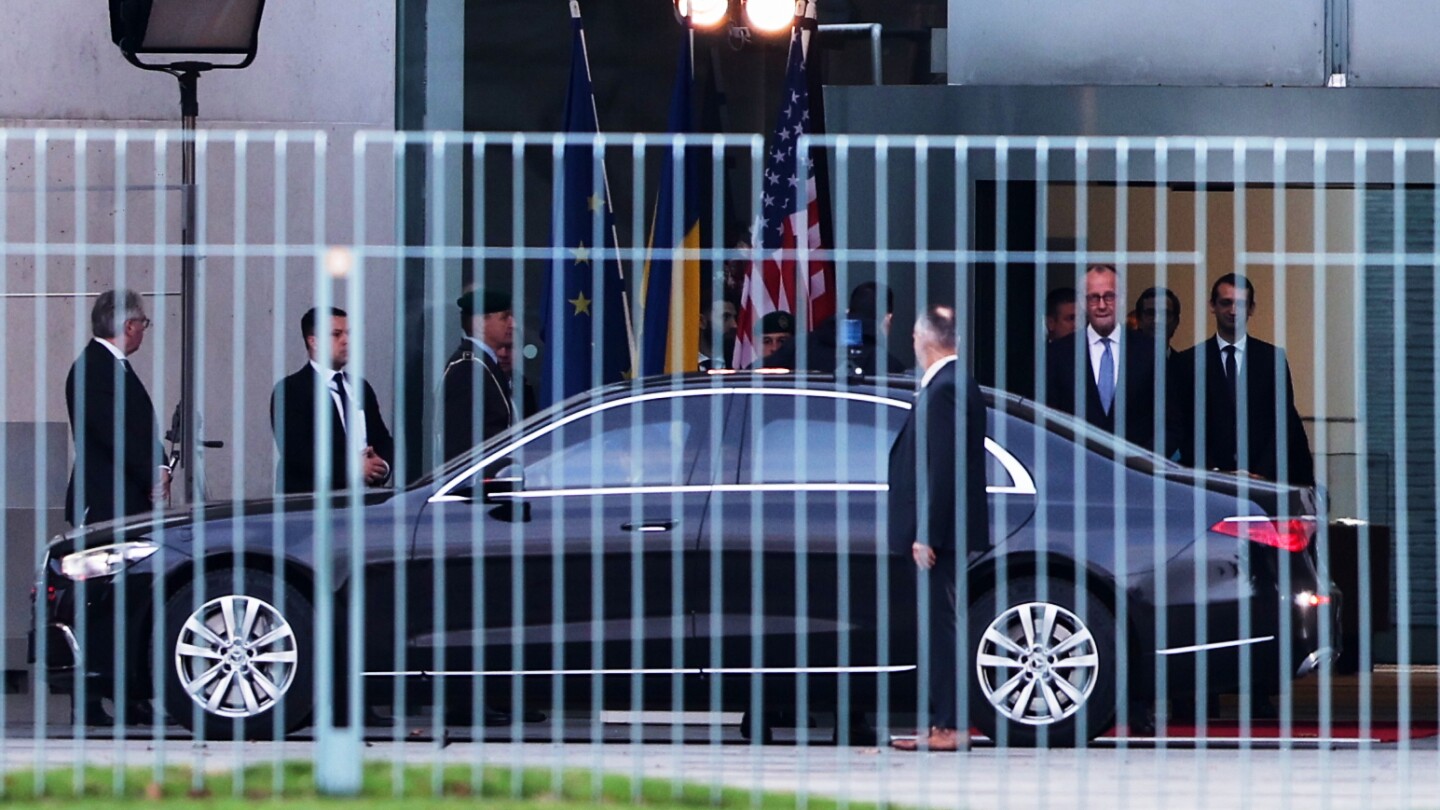
    European leaders are convening in Berlin to reinforce their commitment to Ukraine as the nation faces mounting pressure from Washington to accept a U.S.-brokered peace agreement. The diplomatic engagements follow Sunday’s crucial discussions between Ukrainian President Volodymyr Zelenskyy and U.S. envoys, including President Trump’s special envoy Steve Witkoff and senior advisor Jared Kushner, held at the German federal chancellery.

    The negotiations occur against the backdrop of increasing U.S. frustration with the protracted conflict duration. Washington has intensified efforts to mediate between the warring parties, though significant obstacles persist. Primary sticking points include territorial control over Ukraine’s eastern Donetsk region, currently predominantly occupied by Russian forces, and Ukraine’s potential NATO membership status.

    In a significant strategic shift, President Zelenskyy indicated willingness to abandon Ukraine’s NATO membership aspirations if Western nations provide equivalent security guarantees. However, he maintained firm opposition to territorial concessions demanded by Russian President Vladimir Putin, who insists on Ukrainian withdrawal from remaining Donetsk territories under its control.

    The geopolitical landscape has been further complicated by German Chancellor Friedrich Merz’s declaration that the era of ‘Pax Americana’ has concluded for Europe. Merz cautioned that Putin’s ultimate objective involves fundamental border alterations across Europe and potential restoration of the former Soviet Union’s boundaries. Concurrently, French President Emmanuel Macron reaffirmed France’s unwavering support for Ukraine’s sovereignty and European security through robust, lasting peace arrangements.

    President Putin has consistently denied expansionist ambitions toward European allies while maintaining that Ukraine’s NATO integration pursuits represent an existential threat to Russian security—the primary justification cited for the February 2022 invasion.