博客

  • Colombia: 16 students celebrating graduation killed as bus plunges into ravine

    Colombia: 16 students celebrating graduation killed as bus plunges into ravine

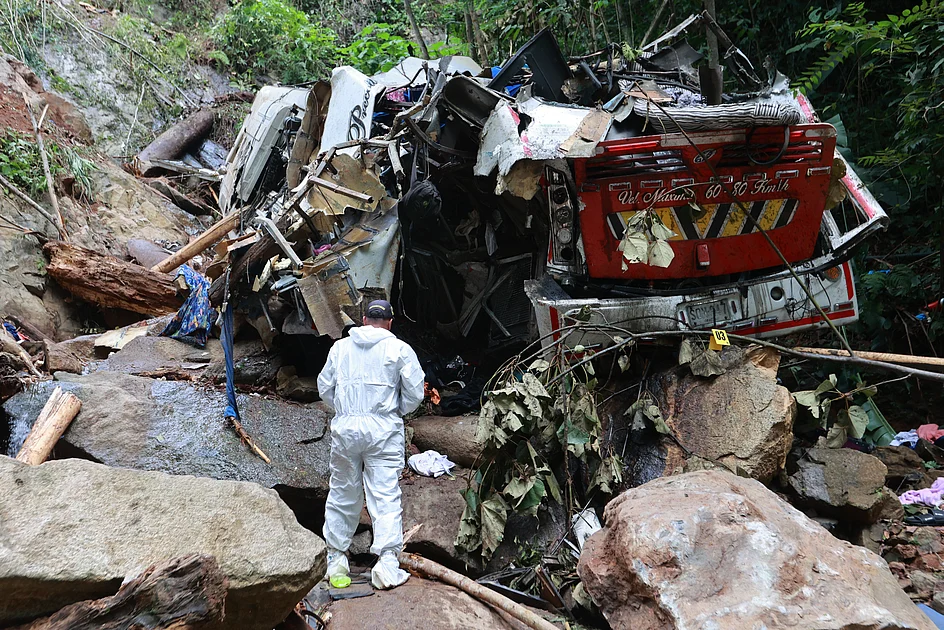
    A festive graduation trip turned catastrophic in northwestern Colombia when a bus carrying students plunged into a 40-meter (131-foot) ravine on Sunday, resulting in one of the nation’s most devastating traffic accidents in recent memory. The incident claimed the lives of 16 teenagers celebrating their academic achievement alongside their driver, while 20 others sustained injuries of varying severity.

    The students, aged 16 to 18 from an educational institution in Bello near Medellín, were returning from a coastal celebration in the picturesque Caribbean towns of Tolu and Covenas when the tragedy struck. Emergency responders faced dual challenges in the recovery operation: difficult terrain and security concerns due to the presence of the National Liberation Army (ELN) guerrilla group operating in the crash area, requiring special protective measures for rescue teams.

    Governor Andrés Julián Rendon of Antioquia Department confirmed that investigation into the accident’s cause remains ongoing. Survivor accounts emerged through social media channels, with one student recalling, ‘I was asleep and suddenly I heard screams, and from that moment on I don’t remember anything.’ The emotional impact resonated at the highest levels of government, with President Gustavo Petro expressing profound grief on social media platform X: ‘I don’t like it when young people die. Even less when they’re going to study or to relax happily.’

    The tragedy highlights Colombia’s ongoing struggle with road safety, where authorities reported an average of 22 traffic-related fatalities daily throughout 2024. Complicating the situation, ELN rebels had issued a 72-hour restriction on commercial travel in regions under their control beginning Sunday for military exercises, though no direct connection to the accident has been established.
  • Casualties rise in Sydney Bondi Beach terrorist attack, no Chinese reported, gunmen identified

    Casualties rise in Sydney Bondi Beach terrorist attack, no Chinese reported, gunmen identified

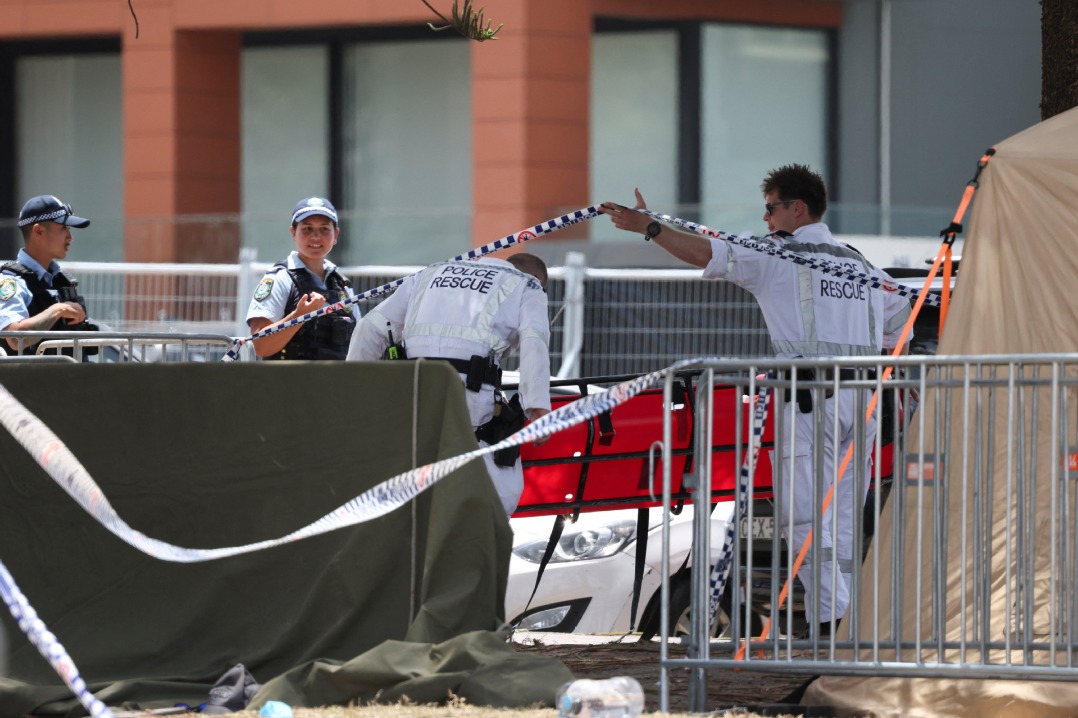
    Sydney’s iconic Bondi Beach became the scene of a horrific terrorist attack on Sunday, December 15, 2025, resulting in a devastating toll of 16 fatalities and 42 individuals hospitalized with injuries. The assault specifically targeted a Jewish community gathering during the first night of Hanukkah celebrations, with victims spanning generations from age 10 to 87.

    New South Wales Police Commissioner Mal Lanyon identified the perpetrators as a father-son duo, aged 50 and 24 respectively. The older assailant was killed during the incident while his son remains under medical care in hospital. Authorities confirmed the deceased gunman held a valid firearms license for a decade, with all six registered weapons in his possession accounted for.

    The violent confrontation resulted in two police officers sustaining critical injuries during an exchange of gunfire with the attackers. Both officers are currently reported in stable but serious condition.

    Australian Prime Minister Anthony Albanese vehemently condemned what he described as ‘an act of pure evil,’ vowing to dedicate all necessary resources to combat anti-Semitism. In a national gesture of mourning, flags across Australia flew at half-mast on Monday to honor the victims.

    The Chinese Consulate-General in Sydney confirmed no Chinese nationals were among the casualties and continues to monitor developments closely. This tragedy marks Australia’s deadliest mass shooting since the 1996 Port Arthur massacre, which prompted comprehensive firearms reform legislation. Prime Minister Albanese indicated potential legislative responses pending investigation outcomes.

  • US ‘strongly condemns’ deadly attack on Jewish festival in Sydney

    US ‘strongly condemns’ deadly attack on Jewish festival in Sydney

    The United States government has issued a forceful condemnation of the deadly antisemitic terrorist attack that claimed multiple lives during a Hanukkah celebration in Sydney, Australia. Secretary of State Marco Rubio characterized the assault as a horrific act of violence targeting the Jewish community, emphasizing that “antisemitism has no place in this world” in his official statement on social media platform X.

    In a significant diplomatic engagement, Secretary Rubio conducted an emergency telephone conversation with Australian Foreign Minister Penny Wong to address the Bondi Beach tragedy directly. The State Department, through spokesman Tommy Pigott, confirmed that both nations are standing in solidarity with the victims’ families and the broader Jewish community affected by this devastating incident.

    President Donald Trump briefly referenced the attack during White House Christmas festivities, explicitly identifying the violence as an antisemitic assault while expressing condolences to the Australian people. The coordinated American response underscores the gravity with which international authorities are treating this act of religiously-motivated terrorism.

    The attack occurred during Hanukkah observances, a traditionally joyous Jewish festival, transforming a celebration of light into a scene of tragedy. Australian authorities continue their investigation into the precise motivations and circumstances surrounding the violence that shocked the global community.

  • Shooting on Bondi Beach pierces Australia’s sense of security. Survivors remember moments of terror

    Shooting on Bondi Beach pierces Australia’s sense of security. Survivors remember moments of terror

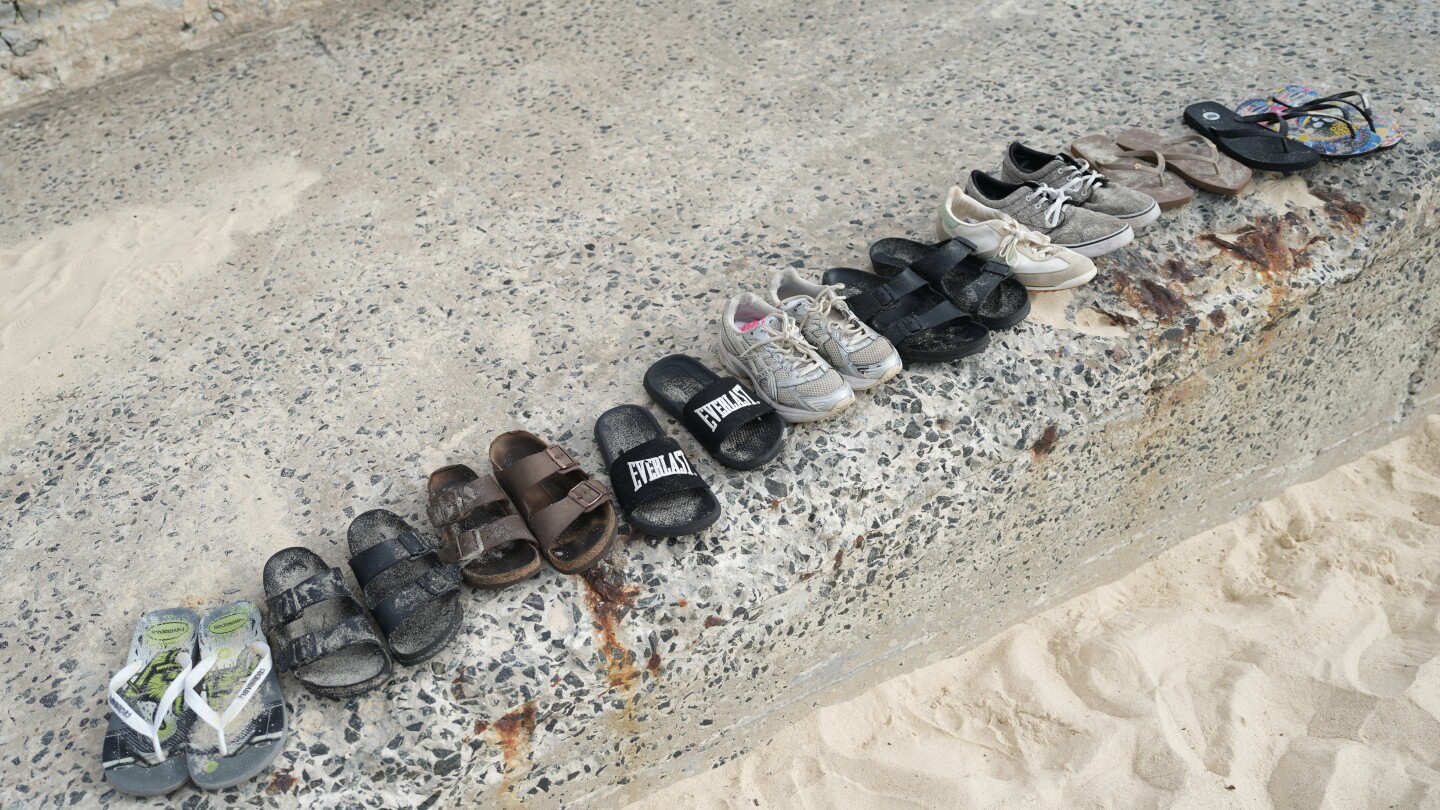
    SYDNEY — A festive Hanukkah celebration at Bondi Beach transformed into a scene of terror Sunday evening when two assailants opened fire on hundreds of Jewish community members gathered for the annual ‘Channukah by the Sea’ event. The attack, which authorities have classified as an antisemitic act of terrorism, claimed at least 15 lives and shattered Australia’s longstanding sense of security regarding gun violence.

    At approximately 6:40 p.m., as families enjoyed the summer evening overlooking Australia’s most iconic beach, gunshots erupted without warning. The picturesque setting—where children had been petting zoo animals and climbing rock walls moments earlier—descended into chaos as revelers scrambled for cover from the sustained assault.

    Rebecca, a 33-year-old mother who requested anonymity for safety concerns, described throwing herself over her 5-year-old son beneath a food table. ‘Please don’t let us die,’ she recalled praying while pulling beverage buckets over their bodies for concealment. Just inches away, a man was struck in the chest by a bullet, uttering his final words to her as she attempted to comfort him.

    The attack lasted approximately seven minutes according to eyewitness footage obtained by The Associated Press, during which panicked beachgoers fled in all directions. Some swimmers and surfers rushed toward shore while others sought refuge in the Tasman Sea, including one woman who ran fully clothed into the ocean upon hearing the shots.

    The response included both heroic civilian intervention and subsequent police action. Ahmed al Ahmed, a local fruit shop owner and father identified by Home Affairs Minister Tony Burke, reportedly tackled one shooter and wrestled away his firearm despite being shot in the shoulder. Police eventually engaged both suspects, fatally wounding the 50-year-old alleged perpetrator while injuring his 24-year-old son, who remains hospitalized.

    Among the victims were a 10-year-old girl, a Holocaust survivor, and a respected rabbi—losses that have deeply shaken Australia’s Jewish community. The tragedy has raised urgent questions about rising antisemitism, with survivors noting increased tensions in Sydney and Melbourne over the past year. Many expressed frustration that authorities had not adequately addressed growing concerns before the attack.

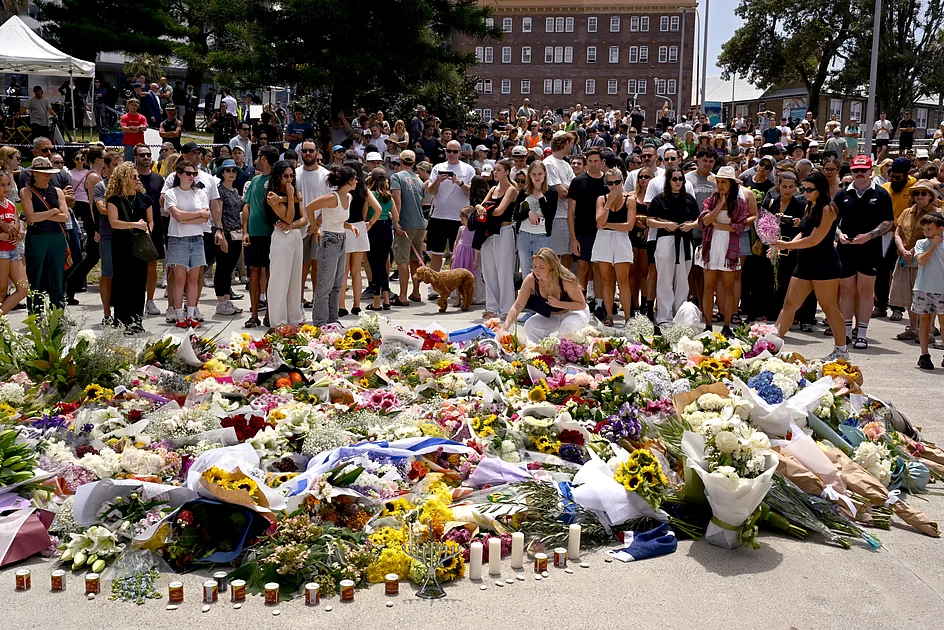
    The incident represents one of Australia’s deadliest mass shootings in decades, particularly striking in a nation with strict firearm regulations that has largely avoided such violence common in other Western countries. As memorials grow at Bondi Beach, the international community watches how Australia will respond to this targeted act of hatred and its implications for religious freedom and public safety worldwide.

  • Dozens killed in Morocco flash floods

    Dozens killed in Morocco flash floods

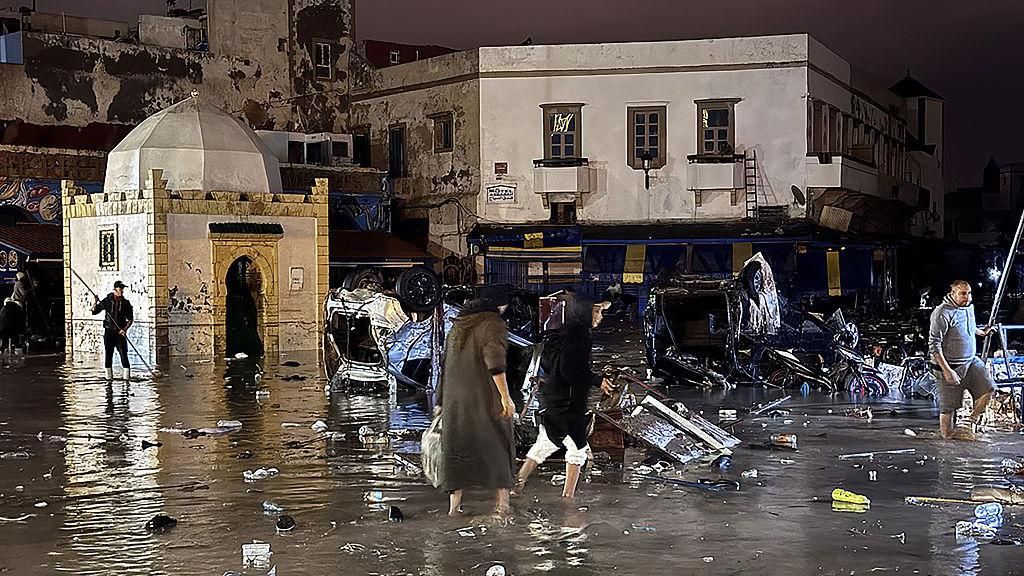
    A catastrophic flash flooding event has devastated Morocco’s coastal Safi region, resulting in a confirmed death toll of 37 individuals as reported by state television. The tragedy unfolded on Sunday when torrential rains triggered violent floodwaters that inundated the port city, sweeping away vehicles and massive accumulations of debris through urban thoroughfares.

    Local authorities have confirmed dozens of injured residents are currently receiving emergency medical treatment at area hospitals. The historic city center has suffered significant damage with at least 70 residential properties completely submerged under floodwaters. Transportation networks have been severely compromised with multiple access routes to the city rendered impassable due to extensive damage and accumulated wreckage.

    Eyewitness accounts describe Sunday’s events as a ‘dark day’ for the community, with residents expressing frustration over delayed governmental response. One local resident communicated to AFP his urgent desire to see official emergency vehicles deployed for water extraction operations.

    Moroccan emergency services continue search and rescue operations as the nation grapples with the aftermath. Meteorological experts are linking these extreme weather phenomena to broader climate crisis patterns, noting that North Africa has experienced seven consecutive years of drought that have critically depleted water reservoirs. This context makes the sudden torrential rainfall particularly alarming to climate scientists.

    The national weather service has issued continued advisories warning that heavy precipitation is expected to persist through Tuesday, with simultaneous snowfall anticipated across the Atlas Mountain range. This compounding weather emergency occurs against the backdrop of 2024 being officially recorded as the hottest year in modern history, adding to concerns about increasing climate volatility in the region.

  • Jimmy Lai found guilty of violating national security law

    Jimmy Lai found guilty of violating national security law

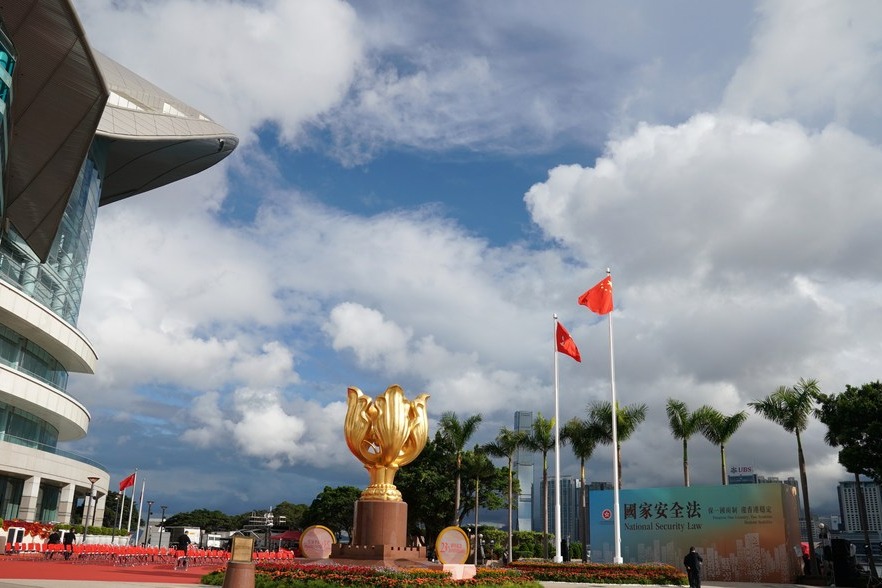
    Hong Kong’s judiciary has reached a landmark verdict in the high-profile case against media tycoon Jimmy Lai, finding the prominent pro-democracy figure guilty of violating the territory’s national security law. The ruling delivered on December 15, 2025, represents a significant enforcement of the controversial legislation imposed by Beijing in 2020.

    The court proceedings, which attracted international attention, concluded after extensive deliberation regarding Lai’s activities that prosecutors argued threatened national security. The verdict underscores Hong Kong’s rigorous implementation of legal measures designed to protect China’s sovereignty and security interests following the 2019 pro-democracy protests.

    Legal experts note this case establishes important precedents for interpreting the national security law’s provisions regarding what constitutes endangering national security. The judgment demonstrates Hong Kong’s judicial system operating within the framework of the “one country, two systems” principle while addressing activities perceived as challenging central government authority.

    The conviction occurs amid ongoing developments in Hong Kong’s political landscape, where authorities continue to balance legal enforcement with maintaining the region’s distinctive characteristics. International observers have closely monitored the case for its implications on freedom of expression and judicial independence in the semi-autonomous territory.

    This judicial outcome follows similar cases under the national security legislation and signals the continued application of legal measures that Beijing describes as essential for maintaining stability while critics argue may affect civil liberties.

  • Singer Cliff Richard says he has been treated for prostate cancer

    Singer Cliff Richard says he has been treated for prostate cancer

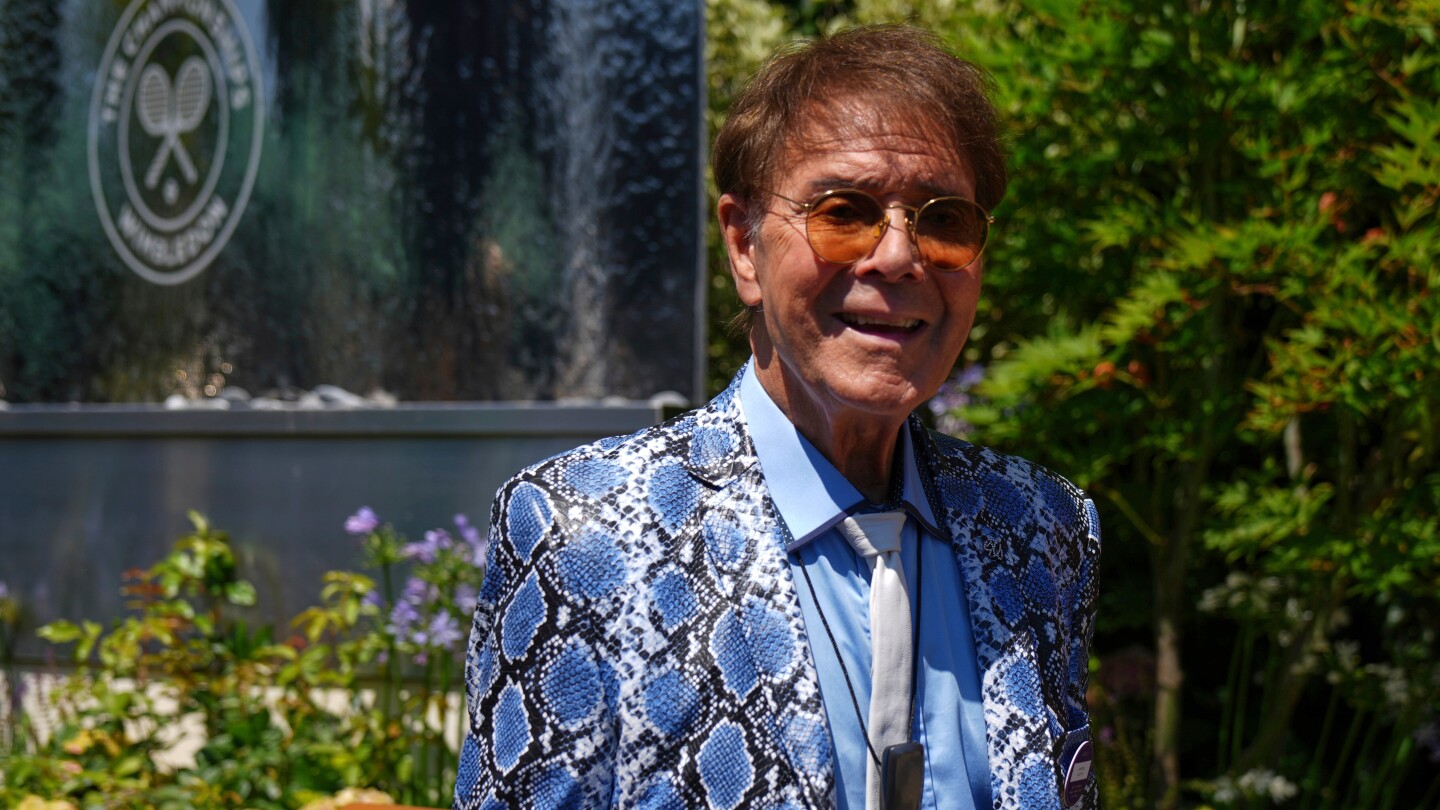
    British music icon Cliff Richard has publicly announced his successful recovery from prostate cancer while launching a powerful advocacy campaign for systematic screening programs in the United Kingdom. The 85-year-old singer revealed his medical journey began one year ago when a mandatory insurance examination prior to his Australasian tour unexpectedly detected the disease.

    Richard emphasized his fortunate circumstances during an appearance on ‘Good Morning Britain,’ noting the cancer was detected at an early, non-metastasized stage. While expressing cautious optimism about his recovery, the veteran performer acknowledged the persistent uncertainty that accompanies cancer treatment.

    The celebrated musician, whose career spans seven decades with hits including ‘Summer Holiday’ and ‘We Don’t Talk Anymore,’ criticized the current healthcare approach as ‘absolutely ridiculous.’ Unlike routine screenings for breast, bowel and cervical cancers available through Britain’s National Health Service, prostate cancer detection lacks a comprehensive national program.

    Richard’s advocacy aligns with growing calls from prominent figures including Olympic cyclist Sir Chris Hoy and former Prime Minister David Cameron. This movement has gained further momentum with King Charles III’s recent video message emphasizing that ‘early diagnosis quite simply saves lives.’ The monarch, who revealed his own cancer diagnosis in February 2024, highlighted how early detection enabled doctors to reduce his treatment regimen.

    The UK National Screening Committee has recommended targeted screening for men with genetic predispositions, but health advocates argue this approach remains insufficient for broader population protection.

  • Cambodia claims Thai bombing is hitting deeper into its territory near shelters for displaced people

    Cambodia claims Thai bombing is hitting deeper into its territory near shelters for displaced people

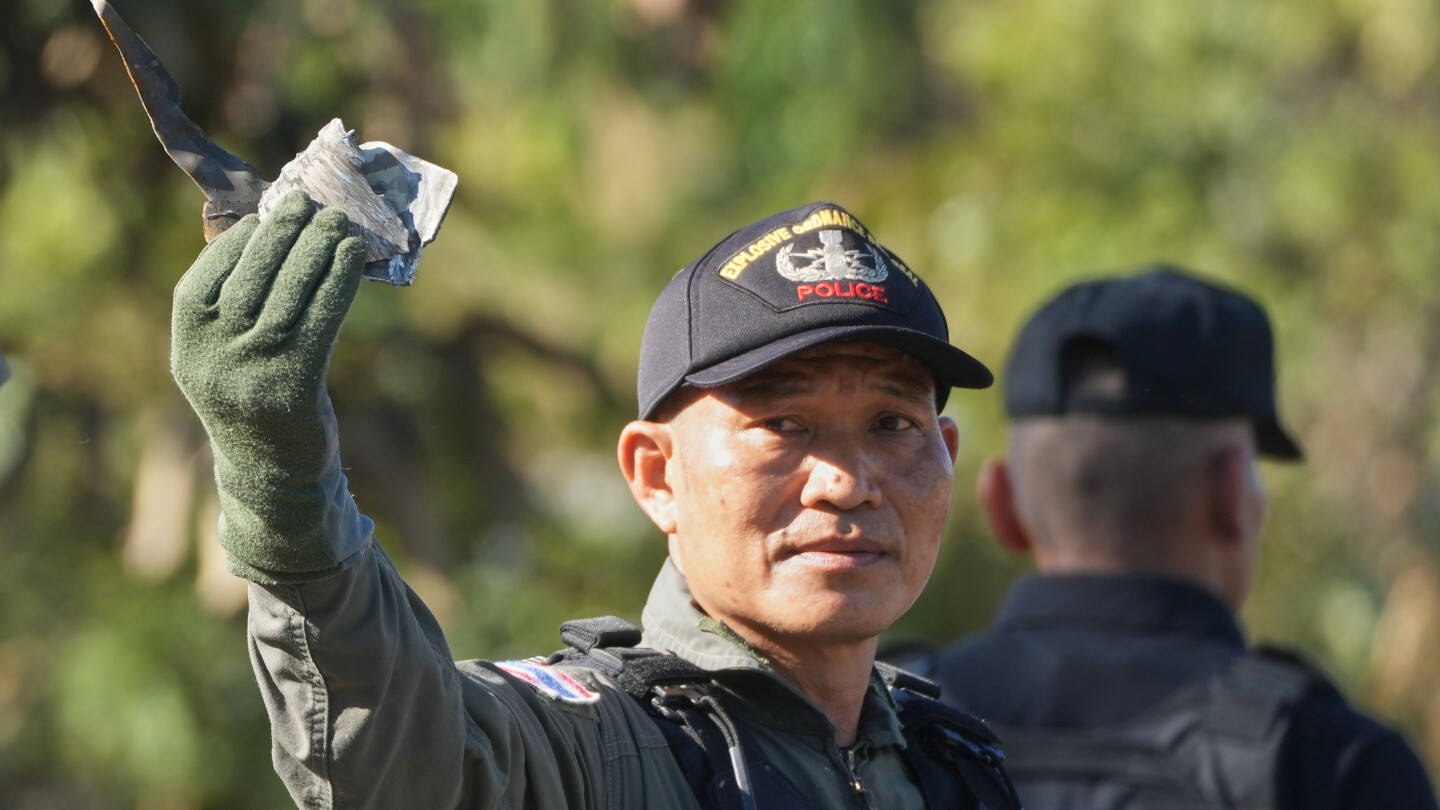
    The protracted military confrontation between Thailand and Cambodia has intensified dramatically, entering its second week with alarming developments. Cambodian authorities report that Thai F-16 fighter jets conducted bombing raids approximately 70 kilometers inside Cambodian territory on Monday, striking areas perilously close to civilian displacement camps in the Oddar Meanchey and Siem Reap provinces.

    The strategic targeting included infrastructure such as bridges in Srei Snam district, dangerously proximate to the internationally renowned Angkor Wat temple complex—a UNESCO World Heritage site representing Cambodia’s most significant tourist destination. This escalation marks a serious expansion of the conflict zone beyond immediate border areas.

    Military assessments from Bangkok claim substantial damage to Cambodian forces, including the destruction of 12 tanks, 10 armored vehicles, multiple artillery systems, and sophisticated anti-aircraft equipment. Thailand additionally reports capturing advanced Chinese-made anti-tank missile systems while acknowledging 16 combat fatalities among their own personnel.

    The human cost continues to mount with officials confirming over two dozen military casualties and approximately 500,000 displaced civilians across both nations. Cambodia reports 15 civilian deaths and 73 injuries, while Thailand announced its first civilian fatality from rocket attacks on Sunday.

    In a significant strategic development, Thai officials revealed efforts to establish supply constraints against Cambodia through maritime controls in the Gulf of Thailand and restrictions at land checkpoints near Laos. Notably, both sides acknowledge damage to historical Ta Kwai temple (known as Ta Krabey in Cambodia), with each nation attributing responsibility to the other.

    The renewed hostilities have effectively nullified the ceasefire agreement previously brokered by Malaysia under pressure from the Trump administration in October. Despite recent claims of renewed diplomatic progress, both governments currently maintain opposing positions regarding conflict resolution and ceasefire commitments.

  • US tariffs are having an uneven effect on holiday prices and purchases

    US tariffs are having an uneven effect on holiday prices and purchases

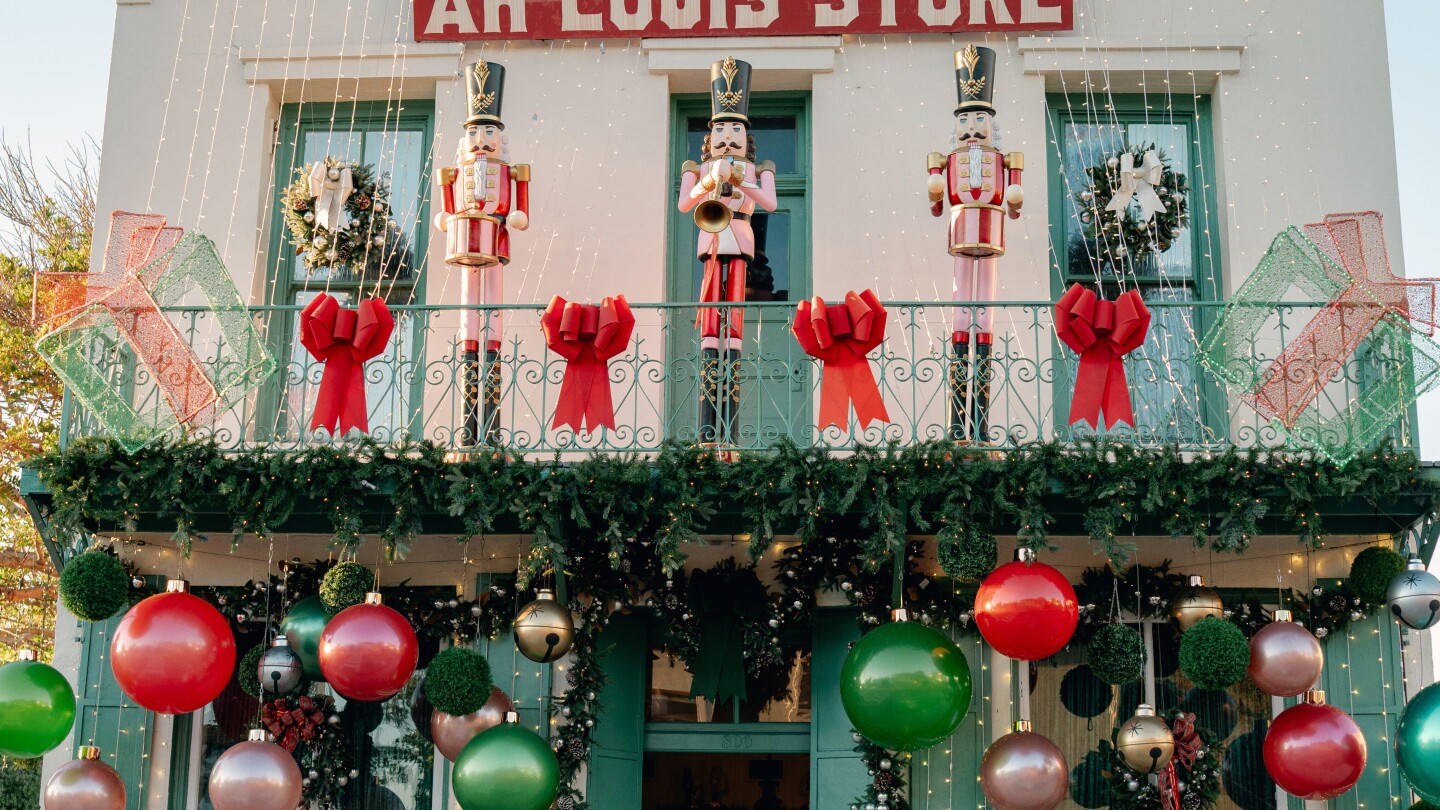
    SAN LUIS OBISPO, Calif. – The historic Ah Louis Store transforms into a seasonal spectacle each holiday period, with its façade adorned by green garlands, oversized nutcrackers, and decorative baubles. Inside, shoppers browse through more than 500 ornament varieties and curated gift baskets. Co-owner Emily Butler emphasizes creating “a magical spot” that spreads holiday cheer. Yet this year, converting foot traffic into sales demanded greater strategy amid economic pressures.

    Butler and her twin sister, who co-manage the business, encountered supply and pricing challenges due to elevated tariffs on imported goods enacted during the Trump administration. Many of their decorations and stocking stuffers, manufactured overseas, either arrived late or carried steeper costs. In response, the sisters streamlined their offerings toward higher-margin products like nutcrackers and pre-assembled baskets.

    Consumers also displayed heightened frugality, frequently opting for a $100 basket instead of a $150 alternative or purchasing a single ornament rather than multiple. “We’re definitely seeing more cautious spending this year,” Butler noted.

    This caution reflects broader economic unease. According to a December AP-NORC Center poll, most American adults have observed unusually high prices for groceries, utilities, and holiday gifts. A Gallup index revealed that economic confidence hit a 17-month low in November, with projected holiday gift spending dropping $229 per person from October—the steepest decline recorded at that point in the season.

    While the worst-case inflationary impact from tariffs predicted by economists did not fully materialize, certain gifting categories felt distinct effects:

    – TOYS AND GAMES: The Toy Association reported significant vulnerability, as most toys sold in the U.S. are manufactured in China. Tariff rates fluctuated dramatically, starting at 10%, peaking at 145%, and settling at 47%. Retailers like Dean Smith, co-owner of JaZams in New Jersey and Pennsylvania, faced wholesale price increases between 5% and 20%, leading to price adjustments that made certain toys less accessible to budget-conscious families.

    – ELECTRONICS: Best Buy acknowledged raising prices due to tariffs but emphasized maintaining a range of price points to attract diverse shoppers. Console manufacturers Sony, Microsoft, and Nintendo each announced price increases for popular gaming systems.

    – JEWELRY: Price increases here were largely driven by soaring gold values rather than tariffs, though trade policies introduced variability. Deals were struck with countries like Switzerland to reduce duties, while diamond importers rushed shipments ahead of new tariffs from India.

    – HOLIDAY DECOR: Sellers like Jeremy Rice of House in Kentucky experienced slowed production and elevated costs for items like artificial flowers and wreaths. Some products saw retail prices rise by over 20% compared to the previous year.

    To mitigate tariff-related price hikes, retail analysts suggest shopping at off-price chains like T.J. Maxx or Marshall’s, which often stock pre-tariff inventory, or focusing on domestically produced goods like books, food, and beverages.

  • Ugandan army admits holding priest who’d been missing for days

    Ugandan army admits holding priest who’d been missing for days

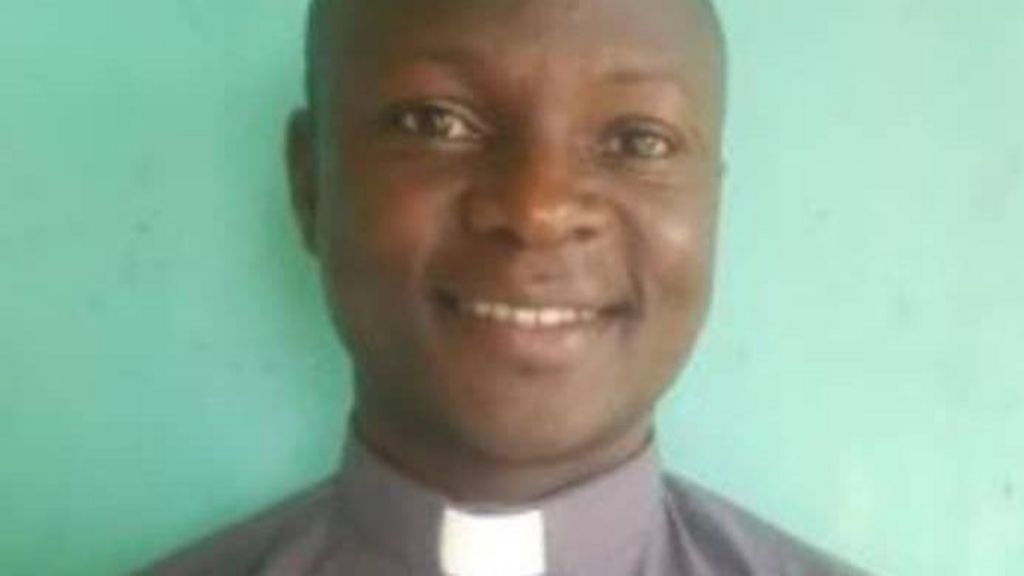
    The Ugandan military has officially acknowledged holding Catholic priest Father Deusdedit Ssekabira, who had been missing since December 3rd, alleging his participation in “violent subversive activities.” In a concise statement, military authorities confirmed the clergyman’s arrest, stating he remains in “lawful custody” and will face formal court charges.

    This declaration follows urgent appeals from the Masaka Catholic Diocese, which previously reported Father Ssekabira’s alleged abduction by individuals wearing Uganda Army uniforms. The church institution has yet to respond to the military’s specific accusations against the priest.

    The incident occurs as Uganda approaches next month’s elections amidst increasing international scrutiny regarding human rights violations, including enforced disappearances and extended detention without trial.

    Masaka Bishop Serverus Jjumba characterized the priest’s disappearance as a “grievous wound inflicted on Masaka Diocese, the entire Catholic Church and Father Ssekabira’s family,” confirming ongoing efforts through legal channels to secure his safe return.

    Opposition leader Bobi Wine promptly condemned the military’s detention of civilians, alleging systematic abductions of his supporters by state security forces. The presidential candidate, whose legal name is Robert Kyagulanyi, asserted this incident reflects the current governance reality under President Yoweri Museveni.

    This case echoes previous incidents involving opposition figures and human rights activists. Last year, opposition politician Kizza Besigye mysteriously disappeared in Nairobi before reappearing in Ugandan military court, while two Kenyan activists were detained for five weeks after attending Wine’s campaign event before being released.

    President Museveni previously described detained activists as “experts in riots” who had been placed “in the fridge for some days,” employing terminology that has drawn criticism from human rights organizations.

    Ugandan security agencies continue facing allegations of detaining opposition supporters while out of uniform, with some detainees eventually surfacing in court facing criminal charges.