博客

  • UK loosens Russian oil sanctions as fuel prices rise

    UK loosens Russian oil sanctions as fuel prices rise

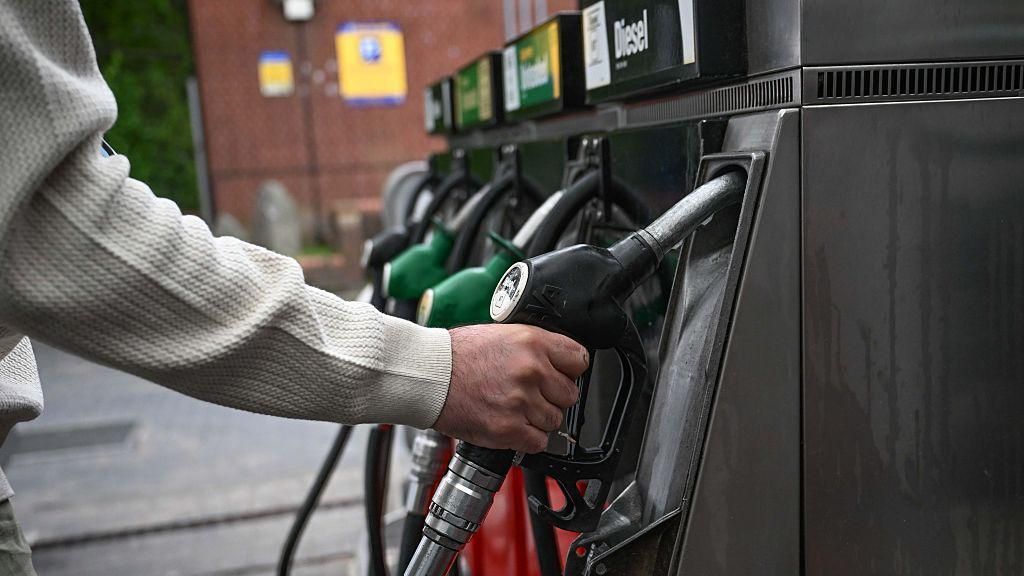
    Against a backdrop of soaring fuel prices and growing global energy supply uncertainty triggered by tensions in the Strait of Hormuz, the UK government has rolled back a set of strict sanctions targeting Russian crude refined into diesel and jet fuel in third-party nations. The temporary waiver, which took effect on Wednesday, also rolls back some restrictions on the maritime transportation of Russian liquefied natural gas (LNG), marking a sharp shift from the UK’s long-standing stance as a leader of international economic pressure on Moscow over its full-scale invasion of Ukraine.

    The policy adjustment comes just one day after the UK joined a G7 statement reaffirming its unwavering commitment to imposing severe economic costs on Russia, and just months after London announced plans to fully ban imports of Russian-origin refined oil products processed in third countries. The revised sanctions framework will remain in place indefinitely, with periodic reviews to adjust or revoke the waiver as needed. The temporary LNG transportation licence, by contrast, is time-limited, expiring on January 1 next year.

    Officials frame the move as a targeted, necessary adjustment to protect domestic energy security amid growing supply disruptions tied to the Israel-Iran conflict that has choked the critical Strait of Hormuz shipping lane. “This small and specific change is designed to protect the security of supply for foundational goods that our economy depends on, like jet fuel,” Treasury minister Dan Tomlinson told BBC Breakfast. “We remain fully committed to supporting Ukraine, but we have to make sensible decisions for British families struggling with the cost of living crisis.”

    The change will effectively reopen UK markets to jet fuel refined in major processing hubs like India and Turkey, both of which import large volumes of Russian crude for refining. Supply disruptions have sent global jet fuel prices soaring: prices more than doubled immediately after the outbreak of the latest Middle East conflict, and remain 50 percent higher than pre-crisis levels. Domestically, UK petrol prices hit a new post-2022 war high of 158.52 pence per litre for unleaded fuel as of Monday, according to motoring organisation the RAC, and multiple international airlines have been forced to cancel flights and raise ticket prices to offset sky-high jet fuel costs.

    But the policy shift has drawn fierce criticism from across the political spectrum and from international allies. Opposition foreign affairs committee chair Dame Emily Thornberry said Ukrainian officials had expressed deep disappointment with the move overnight, noting that Ukraine has long looked to the UK as one of its most steadfast allies. “Just because other countries are making the wrong choice does not mean we have to follow them,” Thornberry said, pushing back on the argument that the UK was aligning with existing policy changes from the US and Spain. Even senior Conservative leader Kemi Badenoch condemned the move, pointing out that “after 18 months of standing up to Putin, the government has quietly issued a licence allowing imports of Russian refined oil” – a contradiction, she argued, after the recent parliamentary vote against new domestic North Sea oil and gas drilling that leaves the UK importing Russian energy instead of producing it at home.

    Energy experts have also questioned the necessity and impact of the waiver. Robin Mills, chief executive of Dubai-based energy consultancy Qamar Energy, told the BBC that the adjustment is unlikely to bring down domestic fuel prices and sends a damaging message that Western sanctions on Russia can be eroded by regional crises. “There was never any real prospect of a physical jet fuel shortage in the UK,” Mills argued. “This measure is unnecessary, it won’t lower prices, and it undermines the entire sanctions framework.”

    The UK’s move follows a similar adjustment from the United States, which extended a waiver first introduced in March that allows trade in Russian oil already loaded onto vessels at sea. US officials have framed that policy as a short-term measure to keep global energy markets stable, but it has drawn widespread pushback from European allies. French President Emmanuel Macron has explicitly stated that the Strait of Hormuz tensions do not justify rolling back sanctions on Russia, while Ukrainian President Volodymyr Zelensky has repeatedly emphasized that “every dollar paid for Russian oil is money for the war.”

    UK officials have pushed back against criticism, stressing that the overall sanctions regime against Russia has actually been tightened in recent weeks. A government spokesperson noted that the UK has introduced a new wave of restrictions, including bans on Russian uranium trade and new maritime service restrictions that will progressively cut off Russian LNG from UK shipping and insurance services. “Our support for Ukraine is unwavering,” the spokesperson said. “These additional sanctions will further cut Russian revenues and degrade its ability to wage Putin’s illegal war.”
  • Nigeria arrests former minister in hiding after corruption conviction

    Nigeria arrests former minister in hiding after corruption conviction

    Nigeria’s top anti-graft body has apprehended a former federal power minister more than a week after a court handed down a substantial 75-year prison sentence for his role in diverting public funds earmarked for critical energy infrastructure, in a rare high-profile win for the West African country’s embattled fight against institutional corruption.

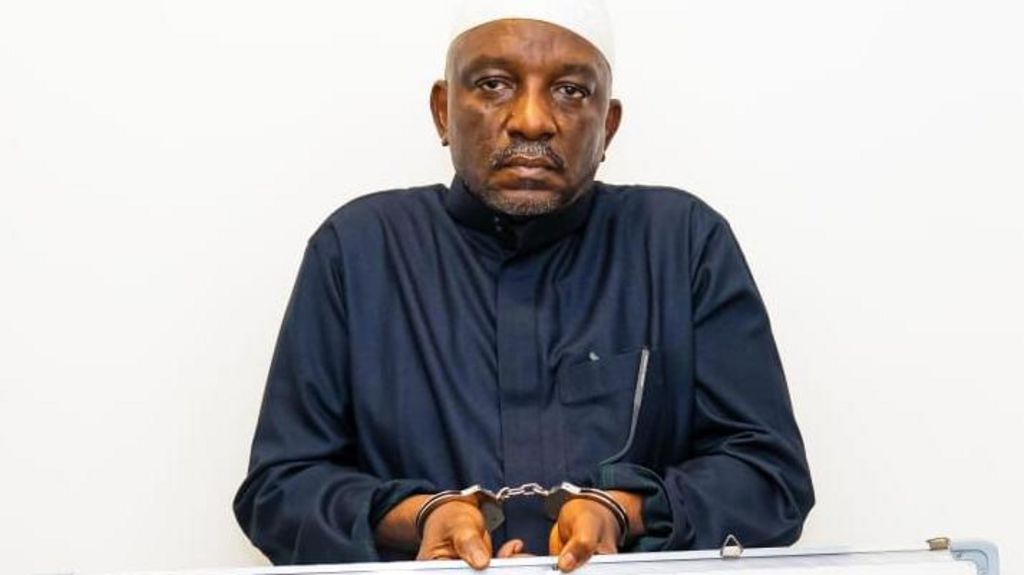
    The Economic and Financial Crimes Commission (EFCC) confirmed that Saleh Mamman, who held the power minister portfolio from 2019 to 2021 under former President Muhammadu Buhari, was taken into custody in the early hours of Tuesday in northern Nigeria’s Kaduna State. The arrest followed weeks of coordinated surveillance and intelligence work by the agency’s operatives, after Mamman evaded authorities by going into hiding immediately following his conviction at an Abuja court earlier this month.

    Mamman was tried in absentia after he failed to appear for his ruling, and was found guilty on 12 separate criminal charges connected to the siphoning of billions of naira allocated for two major hydroelectric power projects. Presiding judge established that prosecutors had successfully proven the charges beyond a reasonable doubt, documenting that Mamman and his network of associates used shell proxy companies to divert at least 22 billion naira, equal to roughly $14 million or £10 million, from the public infrastructure projects. The judge labeled the misappropriation a gross violation of the public trust placed in the former minister, noting that the stolen funds were intended to expand and improve Nigeria’s chronically unreliable electricity grid.

    In a public statement following the arrest, EFCC Chairman Ola Olukoyede reaffirmed the agency’s commitment to ensuring the convicted former official serves out his full sentence. The multiple charges carried individual prison terms that are set to run consecutively, adding up to a total 75-year custodial sentence. “For us, getting the convict to serve his jail terms is extremely important in view of the seriousness with which we are tackling corrupt practices,” Olukoyede said.

    The arrest marks an unusual example of follow-through in Nigeria’s campaign against high-level public corruption, where convictions of senior government officials remain extremely uncommon. Mamman also faces a separate ongoing corruption trial in Abuja centered on allegations of fraud involving an additional 31 billion naira, and an arrest warrant was already issued for him in that case earlier this month after he failed to appear for hearings.

    Mamman’s conviction and arrest have reignited public anger over Nigeria’s persistent electricity crisis, a issue that the former minister had pledged to resolve during his time in office. Despite holding status as one of Africa’s largest energy producers, Nigeria continues to grapple with widespread, frequent blackouts that disrupt daily life for residential users and cripple business operations across the country. Millions of Nigerians rely on expensive private fuel generators to meet their power needs, a burden that has grown heavier in recent years amid skyrocketing global fuel prices.

    This report was originally sourced from BBC Africa coverage of Nigerian affairs.

  • Norwegian journalist’s question to Modi sparks controversy in India

    Norwegian journalist’s question to Modi sparks controversy in India

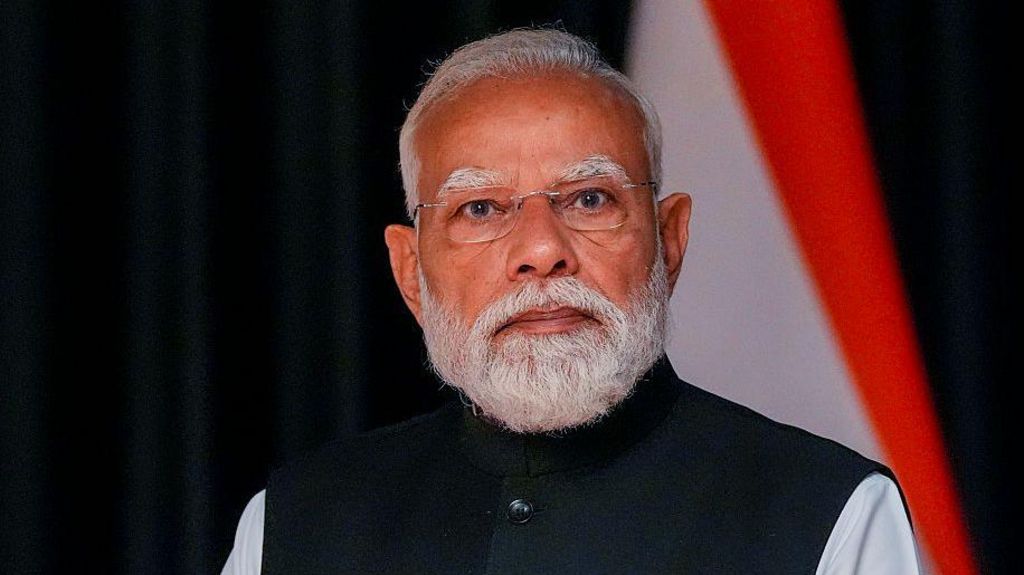
    A scheduled two-day bilateral working visit by Indian Prime Minister Narendra Modi to Oslo, Norway this week has ignited a heated cross-border dispute after a local journalist posed unscripted, critical questions to the Indian leader, triggering backlash from Indian social media users and official pushback from New Delhi.

    The incident unfolded following a joint press appearance between Modi and his Norwegian counterpart Jonas Gahr Støre, an event where both leaders had pre-confirmed they would not field questions from reporters. As the two prime ministers exited the stage, veteran Norwegian journalist Helle Lyng called out repeatedly to Modi, asking why he refused to engage with the press and challenging him to respond to questions about alleged human rights violations in India. Modi did not offer a response to Lyng’s questions, and security personnel later intervened to stop her from asking follow-up questions as the prime minister departed.

    Lyng, a political correspondent for multiple Norwegian national outlets, later shared video footage of the exchange on social platform X, alongside posts raising concerns about declining press freedom and human rights standards in India. She told BBC Hindi in a post-incident interview that she saw the questions as a core part of her professional duty, noting that Modi’s long-standing pattern of avoiding unscripted press engagement left few other opportunities to raise issues of public interest. “That’s how confrontational journalism works. You have to try to interrupt, you have to try to get the answers you are looking for,” she explained, adding that her questions were based on reporting from what she called trusted global sources including Amnesty International and Human Rights Watch.

    Within hours of the incident going viral online, Lyng faced widespread harassment and trolling from Indian social media users. Many accused her of acting as a “foreign plant” or spy, framing her questions as a deliberate attempt to embarrass India on the international stage. Several prominent Indian news outlets also criticized her approach, arguing that confronting a visiting head of state in that manner violated basic standards of diplomatic respect.

    The official Indian response came shortly after the exchange, when the Indian Embassy in Norway publicly responded to Lyng’s social media post inviting her to raise her questions at a scheduled evening press briefing with senior Indian diplomats. At the briefing, Lyng repeated her core question: “Why should we trust you (India)? Can you try to stop the human rights violations that goes on in your country?”

    Senior Indian diplomat Sibi George flatly rejected the allegations, pushing back strongly against the framing of Lyng’s question. He emphasized that India’s constitution explicitly enshrines democratic protections, including freedoms of thought, expression, belief, and worship for all citizens. He also criticized foreign critics for relying on what he called inaccurate reports from uninformed non-governmental organizations, noting “People have no understanding of the scale of India. They read one or two reports published by some God-forsaken, ignorant NGOs and then come and ask questions. Don’t worry about it. We are proud to be a democracy; we are a democratic society for centuries.”

    This incident is not an isolated case: earlier in the same European trip, two Dutch journalists raised similar questions about minority rights and press freedom in India during Modi’s visit to the Netherlands, prompting an identical rebuttal from George.

    The dispute comes against a backdrop of growing international scrutiny of press freedom in India. Last month, global press freedom watchdog Reporters Without Borders released its annual World Press Freedom Index, which ranked India 157th out of 180 assessed countries. Norway, by contrast, has held the top spot on the index for multiple consecutive years, reinforcing its global reputation as a defender of aggressive independent journalism.

    Modi, who has led India as prime minister since 2014, has never held a traditional solo press conference since taking office, and has rarely taken unscripted questions from journalists during domestic or international visits. This pattern has long drawn criticism from press freedom advocates, who argue it reduces transparency and accountability for the Indian government.

  • Teenager makes Aussie history after becoming nation’s youngest person to reach the summit of Mount Everest

    Teenager makes Aussie history after becoming nation’s youngest person to reach the summit of Mount Everest

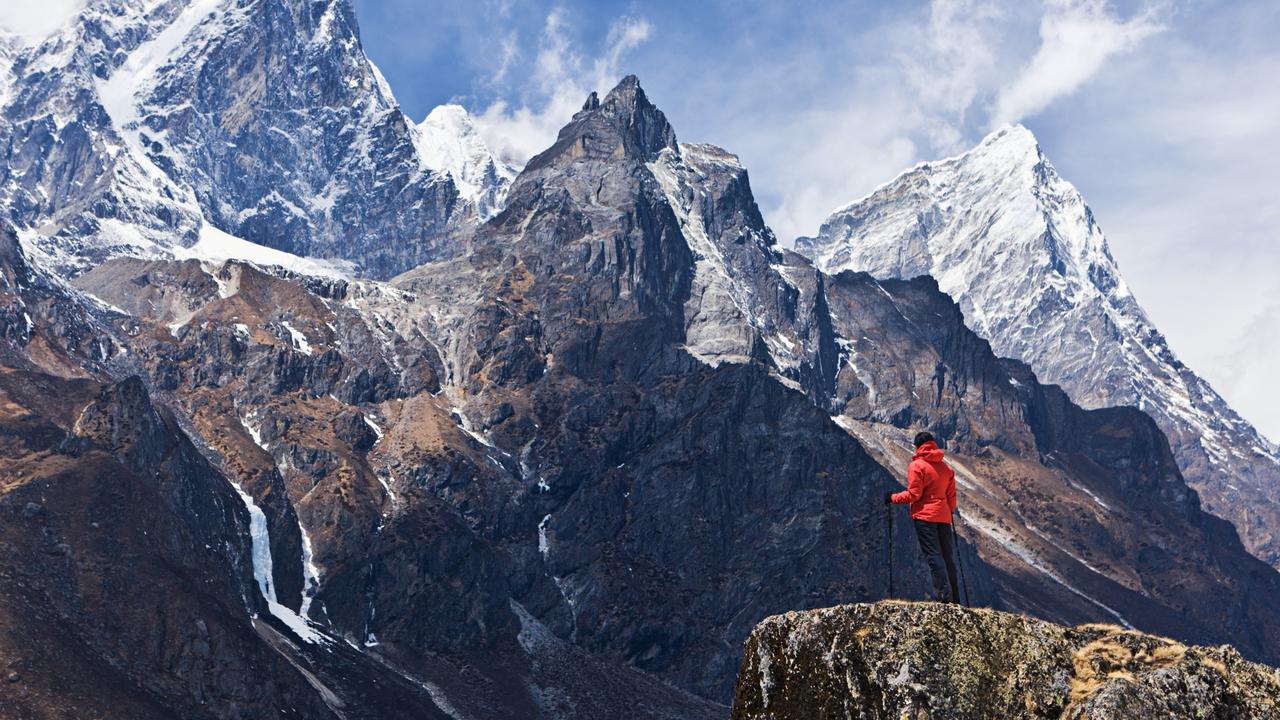
    An 18-year-old Melbourne native has etched her name into Australian mountaineering history after successfully reaching the summit of Mount Everest, the world’s highest peak, to claim the title of the nation’s youngest person to complete the formidable ascent.

    Bianca Adler, a Year 12 student, touched the 8,848-meter (previously commonly cited as 8,200 meters in early reporting) summit in Nepal in the early hours of Wednesday local time, arriving at approximately 2:30 a.m. — which translated to 6:30 a.m. back in her Australian hometown. Immediately after securing her place in the history books, Adler placed a triumphant radio call to her father Paul, a seasoned mountaineer who accompanied her on the early stages of the expedition.

    In the call, Adler shared that despite feeling generally well, she was contending with severe alpine conditions. “I feel really good, but the weather is really bad,” she told her father. Accompanied by her local Nepalese guides Pemba and Ngdu, Adler began her descent from the dangerous peak shortly after capturing quick photos at the summit, as the team prioritized a prompt exit from the high-altitude danger zone.

    Speaking to Australian Broadcasting Corporation after the call, Paul Adler opened up about the risks that come with high-altitude Everest expeditions. “It’s extremely dangerous up there and you feel very nervous for your life,” he said, adding that his daughter reported extreme cold and strong wind when they spoke. Paul Adler himself climbed Everest in 2007, and Bianca’s mother Fiona Adler — who became the third Australian woman to summit Everest in a previous climb — also joined the pair for the early segments of the expedition.

    Fiona Adler spoke of the family’s overwhelming pride in her daughter’s years-long effort to reach her goal. “She was very determined and motivated to do this. We are extremely proud of what she has done — just having a goal and a dream and working many years towards it. It is a very proud moment for us,” she said.

    Before launching their final ascent attempt, the whole family spent a full month acclimatizing on lower Nepalese peaks and visiting Everest’s Camp 2, before a one-week rest period at Everest Base Camp to prepare their bodies for the extreme altitude. The final push began with a 1 a.m. departure through the dangerous Khumbu Icefall, after which the team rested at Camp 1. They proceeded onward to Camp 2, where Paul Adler ended his participation in the climb. Two nights later, Bianca Adler continued her push toward the summit alongside her guides.

    Even as she made her way back down the mountain, Adler acknowledged the extreme physical toll of the expedition. In an audio recording shared after the summit, she said: “I feel pretty awful, but I still have to go to Camp 2. I’m just resting, I’m just trying to take it one step at a time. It’s really tough.”

    Adler’s achievement breaks the previous record for the youngest Australian Everest summiter, which was held by Gabby Kanizay, who reached the peak at age 19 in 2022.

  • Humpback whales make record swims between Australia and Brazil

    Humpback whales make record swims between Australia and Brazil

    Two individual humpback whales have completed the longest documented transoceanic journeys ever recorded for their species, traveling thousands of kilometers between breeding grounds off Australia and Brazil, according to new research published Wednesday by an international team of marine scientists.

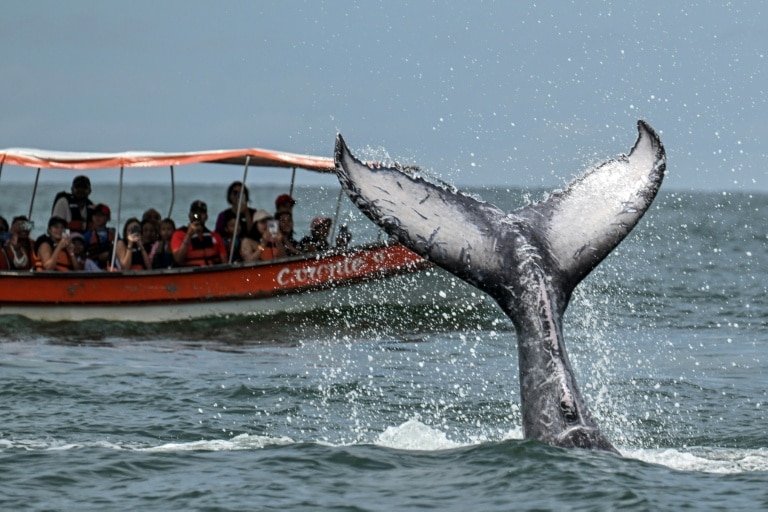
    The research team relied on a massive dataset of more than 30,000 photographs of distinct humpback whale tail flukes, a unique identifying marker for every individual, to confirm the two massive mammals had been sighted on opposite sides of the South Atlantic Ocean. The first whale was first photographed off the coast of Queensland, Australia in 2007, and was spotted again near São Paulo, Brazil in 2019 — covering a straight-line distance of 14,200 kilometers, or roughly 8,823 miles. The second individual was observed off Brazil’s Bahia coast, before being re-sighted 22 years later in Australia’s Hervey Bay, a journey of 15,100 kilometers. Researchers confirmed these crossings set a new record for the longest distance between verified sightings of a single humpback whale.

    Growing up to 17 meters long and weighing as much as 40 tons, humpback whales are already famous for long annual migrations between Antarctic feeding grounds and tropical breeding areas, but these transoceanic crossings between separate breeding regions are extraordinarily rare, the study authors noted.

    Despite their infrequency, these cross-regional journeys play a critical role in supporting the long-term resilience and health of global humpback whale populations, explained Stephanie Stack, a PhD researcher at Australia’s Griffith University and co-author of the study. When individual whales move between geographically distant breeding populations, they introduce new genetic material that maintains overall genetic diversity, a key factor in helping populations adapt to long-term environmental change. Stack added that traveling whales may also carry new humpback whale song patterns between regions — a striking parallel to how music trends spread through human cultures, since humpback songs are a socially learned cultural trait that spreads across entire ocean basins.

    The new findings also add further empirical support for a longstanding ecological hypothesis called the Southern Ocean Exchange. This theory proposes that after humpback whales gather to feed in the shared feeding grounds of the Southern Ocean around Antarctica, some individuals do not return to their original breeding grounds, instead settling into an entirely new breeding region on a different continent.

    Researchers from Griffith University noted that climate change is altering the Southern Ocean ecosystem in ways that may make these long-distance crossings more common in coming decades. Shifts in sea ice coverage and changes to the distribution of Antarctic krill — the tiny shrimp-like crustaceans that are the primary food source for humpback whales during their feeding season — may push more whales to seek out new breeding routes and areas after feeding, leading to more frequent cross-ocean exchanges.

  • Car rolls and crashes near Sydney Harbour Bridge during peak-hour traffic, trio escape uninjured

    Car rolls and crashes near Sydney Harbour Bridge during peak-hour traffic, trio escape uninjured

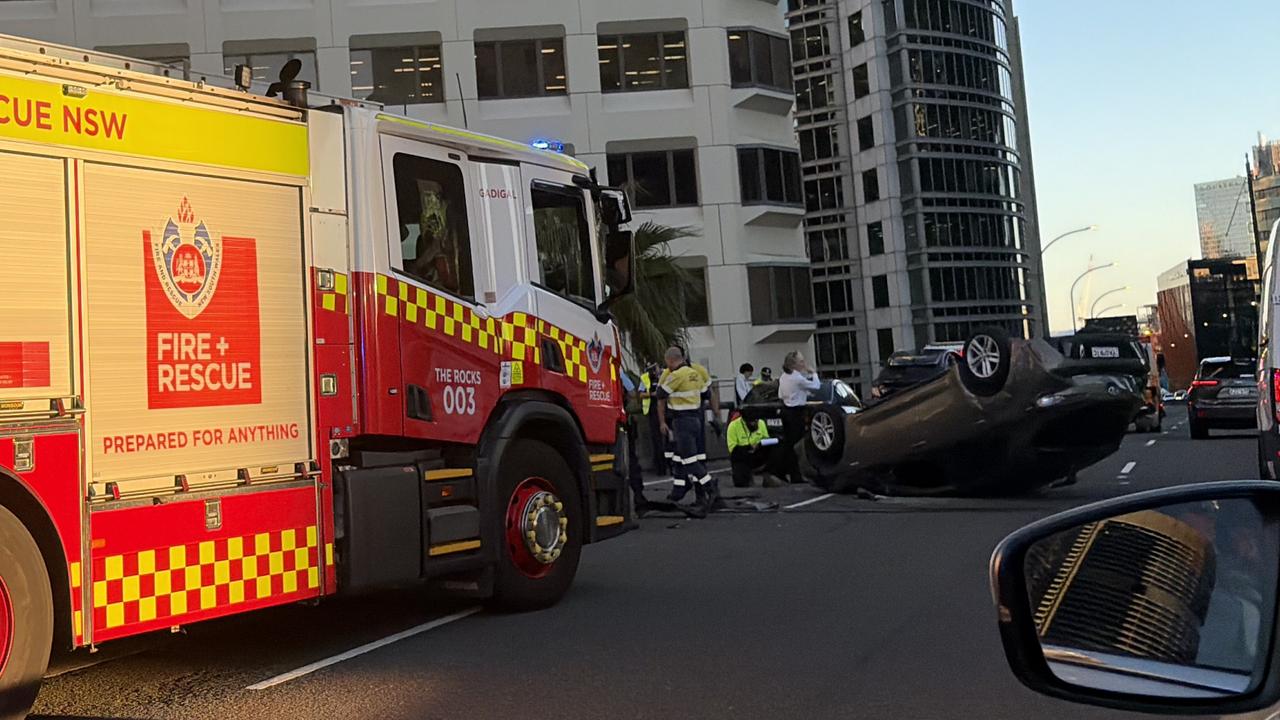
    A sudden and dramatic multi-vehicle collision disrupted Wednesday evening commuter traffic near one of Australia’s most iconic landmarks, the Sydney Harbour Bridge, in a chaotic incident that ended with a surprisingly positive outcome. Emergency services were first alerted to the crash just after 4:15 p.m. on Wednesday, with multiple response teams dispatched to the site, located south of the Sydney Harbour Bridge near Millers Point, along the Western Distributor Freeway – a major artery carrying thousands of peak-hour commuters daily.

    Initial response confirmed that three passenger vehicles, each carrying only a single driver, were involved in the collision that resulted in one vehicle rolling over completely in full view of surrounding traffic. The incident immediately created traffic snarls that rippled through the wider Sydney CBD road network, as visual footage from the scene captured the flipped vehicle blocking key lanes near the bridge approach.

    By the time NSW Ambulance paramedics arrived at the scene roughly 15 minutes after the initial call, all three drivers had already managed to exit their vehicles on their own. Responding medical teams conducted full on-site injury assessments for every driver involved, and to the relief of emergency personnel, not a single person required transport to hospital for further treatment. As of 5:00 p.m. Wednesday, ambulance crews were preparing to clear the scene, with no major harm reported to any of those involved.

    NSW Police have confirmed their presence at the site to coordinate response efforts and manage traffic flow. Authorities have issued a public advisory urging motorists to plan alternative routes and avoid the affected area entirely, as official traffic diversions remain in place to accommodate vehicle recovery and road clearance work. This is a developing story, with updates expected as more details about clearing operations and full traffic resumption become available.

  • NSW beauty therapist banned for five years after patient left in ICU from horror injection mishap

    NSW beauty therapist banned for five years after patient left in ICU from horror injection mishap

    A New South Wales beauty practitioner has been stripped of her right to work in the health and beauty industry for half a decade, after an unapproved cosmetic procedure left a 62-year-old client fighting botulism in intensive care.

    Huirong Zhou, who also goes by the professional name Katrina Zhou, has operated Rui Mei Beauty Salon in Burwood since 2014. Holding qualifications only in remedial massage, beauty therapy, and laser hair reduction, Zhou advertised services ranging from semi-permanent makeup and manicures to specialized advanced facial treatments. What she did not hold, however, was council approval to conduct any skin penetration procedures—work that includes the cosmetic injectable treatments she was secretly offering at the unlicensed site.

    The case came to official attention in mid-October 2025, when the client filed a formal complaint against the salon just days after developing worrying symptoms. For two weeks, the 62-year-old woman struggled with dysarthria (slurred speech) and dysphagia (difficulty swallowing), two hallmark signs of iatrogenic botulism—botulism caused by medical or cosmetic procedures. She was first admitted to Canterbury Hospital before being transferred to Concord Hospital’s intensive care unit, where clinicians administered life-saving botulinum antitoxin. Even after treatment, the patient continues to experience persistent impairment to her swallowing and speech function.

    Five days after the initial complaint, an interagency regulatory team launched an on-site inspection of Zhou’s salon. What officers uncovered painted a clear picture of widespread regulatory non-compliance: a large stockpile of unapproved, overseas-sourced therapeutic goods, including unregistered Botox, dermal fillers of unknown origin, and other cosmetic injectables not cleared for clinical use in Australia. Also seized were unapproved needles, syringes, saline solution, antiseptics, and local anaesthetic creams potent enough to qualify as restricted Schedule 4 prescription medication.

    Beyond the illegal stock of medical products, inspectors also flagged serious gaps in basic infection control protocols and a complete failure to maintain required patient treatment records. In its formal decision published this week, the New South Wales Health Care Complaints Commission ruled that Zhou poses an unacceptably severe and continuous threat to public health and safety.

    The permanent-style ban took effect immediately from the order’s issuance, barring Zhou from providing any form of health service to the public—whether paid or on a voluntary basis—for a full five years. The case has renewed calls for tighter surveillance of unlicensed cosmetic procedures in suburban Australian beauty salons, where unregulated injectable treatments have emerged as a growing public health risk across the country.

  • Pakistan’s Saudi deployment reveals a new Gulf security reality

    Pakistan’s Saudi deployment reveals a new Gulf security reality

    In what geopolitical analysts are calling one of the most underreported yet consequential shifts in Middle Eastern security in recent years, unconfirmed reports of a major Pakistani military deployment to Saudi Arabia under a secret bilateral defense pact have reshaped understandings of evolving regional power arrangements. Citing anonymous security and government sources, Reuters first broke the story that Islamabad has deployed roughly 8,000 troops, a full squadron of JF-17 fighter jets, drone combat units, and a Chinese-built HQ-9 advanced air defense system to the kingdom, all under the terms of the 2025 mutual defense agreement signed by the two nations. Neither Pakistani nor Saudi officials have issued an official confirmation or denial of the deployment details, but the reported scope of the force makes clear this is far more than a limited symbolic advisory mission.

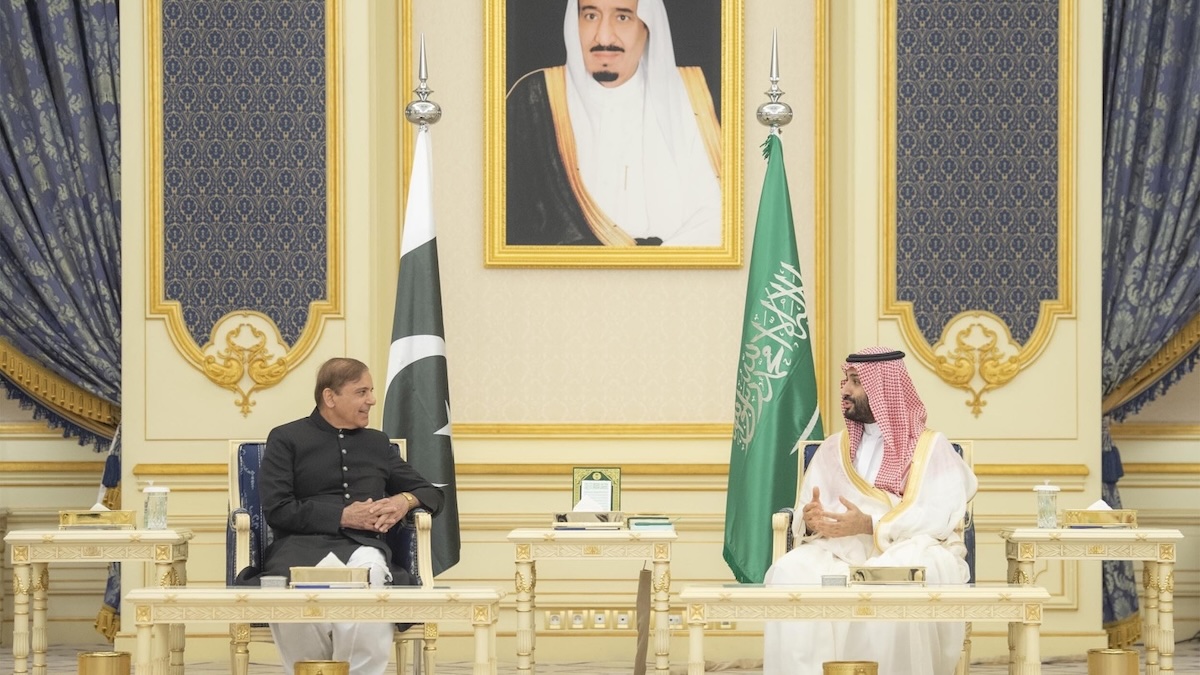
    The 2025 Saudi-Pakistan Mutual Defense Agreement was signed in Riyadh on September 17 by Saudi Crown Prince Mohammed bin Salman and Pakistani Prime Minister Shehbaz Sharif, finalized against a backdrop of rapidly escalating regional volatility. The pact’s announcement came just days after an Israeli airstrike targeting a Hamas leadership delegation in Doha, Qatar — an operation that sent shockwaves through Gulf capitals far beyond Qatar’s borders. For decades, Gulf monarchies operated under the core strategic assumption that close alignment with Washington would deter unilateral Israeli military actions on Gulf territory. The Doha strike shattered that long-held confidence, exposing deep growing uncertainty around the reliability of existing regional deterrence frameworks and Western security guarantees. It is this uncertainty, rather than an attempt to displace long-standing American military leadership in the region, that the reported Pakistani military buildup reflects.

    The deployment, if confirmed, underscores an emerging new reality: Gulf states are actively pursuing additional layers of strategic protection as doubts grow about the stability and predictability of the regional security environment. Riyadh’s move to deepen security ties with Islamabad sends a clear but understated message to Washington: if existing security guarantees grow less reliable during periods of regional escalation, Gulf nations will diversify their strategic partnership networks. Crucially, this does not mean Saudi Arabia seeks to replace the United States with Pakistan as its primary security guarantor. That misinterpretation ignores both the deep-rooted structure of Gulf security and the scale of long-standing American military entrenchment across the region. The U.S. maintains an extensive, institutionally embedded military presence throughout the Gulf: the U.S. Fifth Fleet is headquartered in Bahrain, Qatar hosts the largest American air base in the Middle East, thousands of U.S. troops remain stationed in Kuwait, and Washington holds formal strategic access agreements with Oman and the United Arab Emirates. Saudi Arabia itself still relies heavily on American military hardware, intelligence sharing, and overarching regional deterrence architecture — a role Pakistan simply cannot fill.

    Instead, Riyadh and other Gulf states are increasingly focused on supplementing existing security arrangements, rather than relying entirely on a single external power for protection. It is important to note that deep military cooperation between Saudi Arabia and Pakistan is not a new development. Since the 1970s, Pakistani troops have periodically deployed to Saudi Arabia to support training, border security, and advisory missions. Pakistani military institutions have long-standing, close ties with Gulf defense establishments, and Saudi Arabia has repeatedly stepped in to provide critical economic support to Islamabad during periods of severe financial crisis. The bilateral relationship has also extended beyond conventional defense cooperation to include unspoken broader strategic understandings. For decades, analysts have speculated that decades of Saudi financial support for Pakistan’s nuclear program created an informal expectation that Islamabad’s strategic deterrent capabilities could be called on to support Gulf security if the regional balance of power deteriorated dramatically. Public remarks from former Pakistani Defense Minister Khawaja Asif, which implied Saudi Arabia falls under Pakistan’s “nuclear umbrella”, have only reinforced these assumptions, even though no formal nuclear security arrangement has ever been publicly acknowledged.

    While Saudi Arabia has long-standing concerns about Iran’s regional expansion and nuclear ambitions, framing the new agreement solely as a counter to Iran oversimplifies the complex regional context. By the time the pact was signed in September 2025, Iran’s nuclear infrastructure had already sustained major damage during the June 2025 Israel-Iran conflict and subsequent American strikes on Iranian nuclear facilities. Instead, the timing of the agreement reflects broader anxiety across the Gulf about growing regional unpredictability, rather than just an immediate fear of Iranian expansion. The Doha Israeli strike made clear that Gulf territory itself is no longer insulated from spillover escalation from broader regional conflicts, a realization that has accelerated Gulf efforts to diversify security partnerships, build redundant deterrence capabilities, and reduce overreliance on any single security framework.

    For Pakistan, the new arrangement requires navigating an extremely delicate geopolitical balancing act. Islamabad holds two unique roles in the region: it is a formal military partner to Saudi Arabia, while also serving as a rare diplomatic intermediary between Washington and Tehran. In recent weeks, Pakistan has reportedly played a central role in brokering and maintaining the current ceasefire between the U.S. and Iran, and even hosted the only direct round of negotiations between the two parties. Few regional actors maintain open, working diplomatic channels with Riyadh, Tehran, Beijing, and Washington simultaneously. Iranian Foreign Ministry spokesperson Esmaeil Baghaei recently confirmed that indirect diplomatic engagement with the U.S. over the Iranian nuclear file remains ongoing rather than intermittent, and noted that Tehran reviewed proposed U.S. amendments to a draft agreement conveyed via Pakistani intermediaries before submitting its formal counterproposal — further underscoring Islamabad’s growing role as a critical communication bridge between adversarial powers.

    This diplomatic flexibility has emerged as one of Pakistan’s most valuable geopolitical assets in the current regional order, but balancing between rival regional and global camps carries clear risks. Iran has historically tolerated Pakistan’s defense relationship with Saudi Arabia because the relationship was limited to defensive and advisory roles. A visibly expanded Pakistani military deployment directly tied to regional confrontation could eventually undermine Islamabad’s credibility as a neutral intermediary, complicating its diplomatic work. This strategic tradeoff helps explain why Pakistani officials have remained deliberately vague and cautious in public responses to the Reuters report, as strategic ambiguity continues to serve Islamabad’s core interests.

    Beyond its geopolitical implications, the reported deployment also carries technological significance that points to shifting defense markets in the Gulf. The inclusion of Chinese-origin defense systems — the JF-17, which is co-produced with China, and the HQ-9 air defense system — highlights Beijing’s growing indirect footprint in Gulf defense ecosystems. While China remains far from replacing the United States as the dominant military power in the Middle East, and lacks Washington’s extensive alliance network, regional basing infrastructure, and expeditionary military capabilities, Chinese defense technologies are increasingly being integrated into Gulf national procurement plans. This trend is fostering a more diversified, multipolar regional defense environment.

    The development is also being closely watched in New Delhi, as Chinese-built defense systems from Pakistan are now entering Gulf security calculations. While the deployment does not fundamentally reshape the regional balance of power, it does reflect the growing strategic interconnectedness between South Asian and Middle Eastern security theaters, a shift that will have ripple effects across the Indo-Pacific.

    Ultimately, regional states are not abandoning the United States as a core security partner. Instead, they are taking deliberate steps to reduce their strategic vulnerability by expanding partnership networks and building overlapping security relationships that can adapt to an era of growing geopolitical uncertainty. In this sense, the significance of the Saudi-Pakistan defense arrangement is far more political than it is military. The pact signals the emergence of a new Gulf security order that is more flexible, layered, and strategically diversified than the post-Cold War framework that dominated the region for decades. The United States remains the central external security actor in the Middle East, but Gulf states are increasingly unwilling to rely exclusively on any single power amid intensifying regional fragmentation and shifting global great power priorities. For Pakistan, the greatest challenge will not be deploying military assets to the Gulf, but preserving its valuable strategic flexibility without being pulled irreversibly into competing regional confrontations.

    This analysis is contributed by Saima Afzal, a research scholar at Justus Liebig University in Germany, whose work focuses on South Asian security, counterterrorism, and cross-regional geopolitics across the Middle East, Afghanistan, and the Indo-Pacific.

  • Ebola, hantavirus show world’s risk preparedness lagging: pandemic expert

    Ebola, hantavirus show world’s risk preparedness lagging: pandemic expert

    Six years after the World Health Organization officially ended the Covid-19 public health emergency of international concern, a leading global pandemic preparedness expert has issued a stark warning that the world still has not closed critical gaps in early risk detection and pre-outbreak preparedness, as highlighted by two recent high-profile pathogen events.

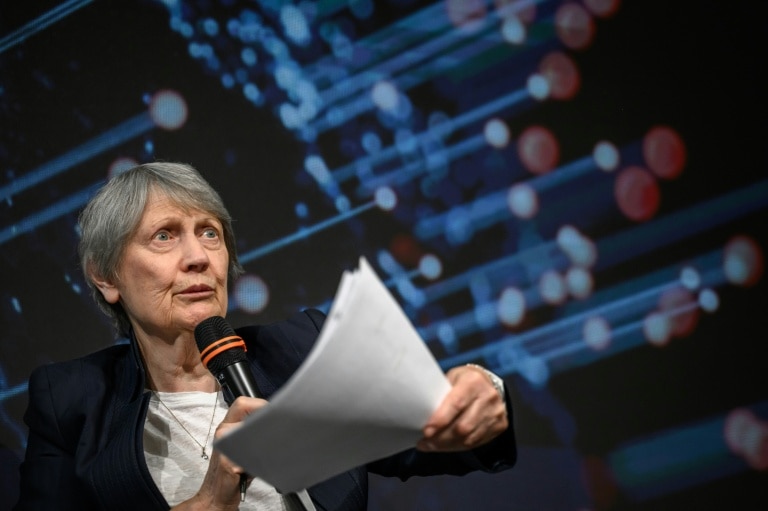
    Helen Clark, former New Zealand Prime Minister and co-chair of the Independent Panel for Pandemic Preparedness and Response, shared her assessment in an exclusive interview with AFP in Geneva on Tuesday. She acknowledged that incremental progress has been made since the devastating Covid-19 pandemic in overhauling global public health response systems. New updated International Health Regulations, the binding global framework for cross-border disease surveillance and response, are already delivering improvements when active outbreaks are declared, she noted.

    Clark pointed to two recent cases that demonstrate this partial progress: the Ebola outbreak declared last Friday in the Democratic Republic of the Congo (DRC), and the rare hantavirus outbreak that emerged several weeks ago on the Atlantic cruise ship MV Hondius. In both instances, once official alerts were issued, the coordinated international response unfolded smoothly, she said.

    But the core problem, Clark emphasized, lies far upstream of declared outbreaks. Critical gaps remain in the foundational systems of pathogen surveillance and early detection that are designed to stop small outbreaks from becoming large public health crises. “Those basic issues of surveillance, early detection… We’re not there yet,” she stated. Clark argued that the global public health community needs to dramatically expand investment in risk-informed preparedness, with a greater focus on proactively identifying emerging threats before they spiral out of control.

    She detailed how the recent hantavirus outbreak on the cruise ship, which killed three people and triggered global concern, exposed these gaps. The specific hantavirus strain involved is known to be endemic in the region of Argentina where the cruise ship departed, but Clark questioned whether shipping operators and global health authorities had sufficient advance awareness of this local risk to put preventive measures in place.

    The ongoing Ebola outbreak in the DRC’s remote eastern province reveals even more troubling gaps. The outbreak is caused by the dangerous Bundibugyo Ebola strain, which has already claimed more than 130 lives. Clark revealed that the outbreak spread undetected for four to six weeks, because initial testing targeted a more common Ebola strain and returned false negative results. “How could this have gone for four to six weeks, spreading while not getting the testing results that we needed to show that it was a particular variant?” Clark asked. She called for a full independent investigation into the chain of events to identify critical lessons for strengthening local and global response capacity.

    Beyond surveillance gaps, Clark highlighted that sweeping cuts to global health aid have created a “perfect storm” that undermines outbreak prevention in the world’s most vulnerable nations. After major international donors drastically reduced funding, low-income fragile states are suddenly expected to cover the full cost of strengthening their domestic health systems, a burden they simply cannot afford, she explained. “With the best will in the world, the poorest and most fragile countries just haven’t got money sitting in the bank to do that, so things will get neglected across a range of areas,” Clark said.

    In closing, Clark reaffirmed that global solidarity remains an irreplaceable pillar of effective pandemic preparedness. Pathogens do not respect national borders, she noted: a confirmed Ebola case in a U.S. citizen linked to the DRC outbreak and cross-border spread of hantavirus from the cruise ship prove that all nations share a common interest in strong prevention systems everywhere. “We’re in this together, and so we have to look to ways of financing preparedness or response which reflect our shared interests,” Clark stressed.

  • 5.8 magnitude earthquake hits Peru, damaging buildings and injuring 27

    5.8 magnitude earthquake hits Peru, damaging buildings and injuring 27

    A 5.8-magnitude seismic event has rattled the southern Peruvian Pacific region late Tuesday, leaving at least 27 people injured and causing structural damage to multiple buildings across the affected area. Local authorities have confirmed that no fatalities have been recorded in the wake of the tremor.

    According to data from the U.S. Geological Survey (USGS), the earthquake’s epicenter was pinpointed 20 kilometers, or 12.4 miles, east-southeast of Pampa de Tate, a small town located in Peru’s Ica region. The temblor originated at a depth of approximately 56.5 kilometers, equal to 35 miles, below the Earth’s surface.

    In response to the disaster, Peruvian Defense Minister Amadeo Flores traveled to the impacted zone to assess the destruction and meet with local response teams. During his visit, Flores inspected several damaged structures, most notably the main campus of San Luis Gonzaga University.

    Seismic activity is a frequent occurrence across Peru, a geographic reality that stems from the country’s position along the Pacific “Ring of Fire.” This geologically active zone is a horseshoe-shaped arc of volcanoes and tectonic fault lines that wraps around the entire Pacific Basin, making nations along its perimeter highly prone to regular earthquake and volcanic activity.