博客

  • Japan hikes interest rate to highest level since 1995 as inflation bites

    Japan hikes interest rate to highest level since 1995 as inflation bites

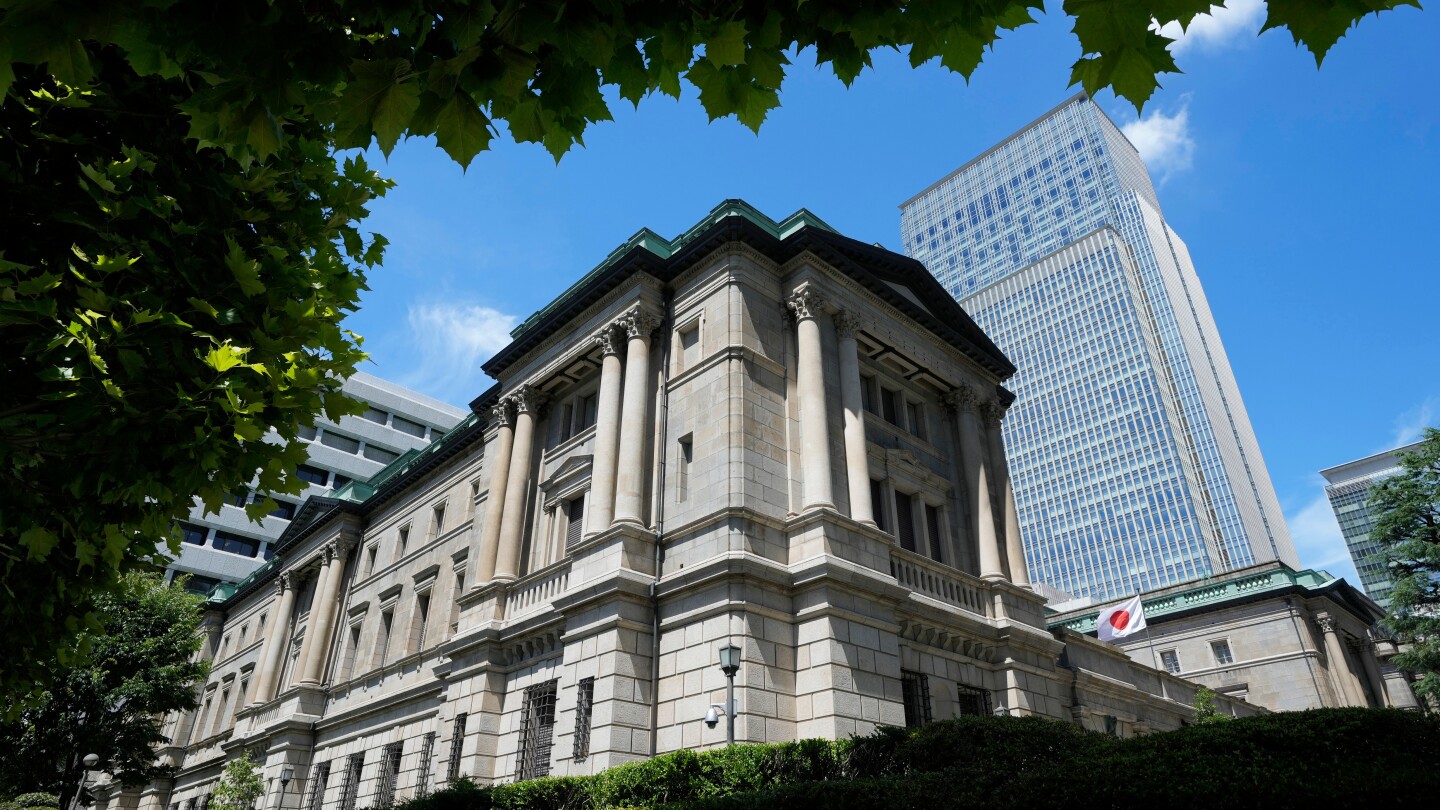
    In a landmark decision signaling a profound shift in monetary strategy, the Bank of Japan (BOJ) has elevated its benchmark interest rate to approximately 0.75%, its highest level in three decades. This quarter-percentage-point increase, sanctioned by the policy board under Governor Kazuo Ueda on Friday, constitutes the first tightening of monetary policy since January and the inaugural hike under both Ueda and new Prime Minister Sanae Takaichi.

    The move, widely anticipated by financial markets, unfolds against a complex backdrop of persistent inflation and political pressure. Official data revealed a 3% core inflation rate (excluding volatile food and energy costs) for November, consistently surpassing the central bank’s 2% target. This cost-of-living crisis has eroded public support for Prime Minister Takaichi’s ruling party, compelling her to prioritize curbing inflation despite her previous public dismissal of rate hikes as ‘unwise’ last year.

    While a stronger yen resulting from higher rates could theoretically ease import-driven inflation, economists like Shoki Omori, chief strategist at Mizuho in Tokyo, question its immediate efficacy. Omori suggests the hike was already factored into currency valuations, leaving the yen relatively weak and its impact on inflation muted. The decision also introduces a fiscal challenge for the government, as borrowing costs are poised to rise significantly.

    This pivot places Japan at a crossroads with other major central banks. The BOJ’s tightening contrasts sharply with the easing cycles of the Federal Reserve and the Bank of England, which recently cut rates to 3.75% and a range of 3.50%-3.75%, respectively. Analysts, including Julia Lee of Pacific FTSE Russell, hail this as a ‘historic shift’ away from Japan’s decades-long ultra-loose monetary regime.

    Looking ahead, uncertainty looms. Most economists project another hike to 1% next year, but Oxford Economics’ Shigeto Nagai warns that Takaichi’s stance and the need to assess the economic impact—a process that may take up to six months—could complicate the BOJ’s path toward further normalization.

  • Hong Kong mourns firefighter killed in city’s deadliest fire in decades

    Hong Kong mourns firefighter killed in city’s deadliest fire in decades

    Hong Kong observed a somber day of mourning as citizens gathered outside Universal Funeral Parlour on Friday to honor firefighter Ho Wai-ho, among the 160 victims of the city’s most devastating fire in recent decades. The 37-year-old perished while combating an inferno that consumed seven buildings at Wang Fuk Court housing complex on November 26, subsequently receiving posthumous recognition as senior fireman for his ultimate sacrifice.

    The funeral procession witnessed profound displays of collective grief and respect. Mourners dressed in black offered floral tributes and bowed solemnly before the funeral home, where thank-you cards from grateful residents adorned the walls. Hong Kong’s leadership, including Chief Executive John Lee, joined uniformed personnel and civilians in paying final respects.

    Ceremonial honors unfolded as pallbearers carried Ho’s flag-draped coffin past dozens of saluting firefighters. The hearse, bearing the fallen hero’s portrait, proceeded to the fire’s origin site at Wang Fuk Court for additional memorial rites before continuing to his former station. There, colleagues formed an honor guard flanking the vehicle in a final procession toward Gallant Garden, the designated resting place for civil servants who die in service.

    Personal testimonials highlighted Ho’s character and unmet potential. Retiree Tse Pak-yin noted the firefighter’s unmarried status as particularly tragic, while resident Andy Fong expressed how the tragedy ‘saddened every Hong Konger’ despite personal unfamiliarity. Ho is survived by parents, two brothers, and a fiancée.

    The fire department formally remembered Ho as ‘industrious, polite and dedicated’ in an official statement, emphasizing his respected standing among peers. Meanwhile, the November blaze—the territory’s deadliest since 1948—has prompted serious safety evaluations after investigations revealed substandard plastic netting and foam window boards accelerated flame propagation across renovation scaffolding.

    With thousands displaced into temporary accommodations, the catastrophe has ignited public scrutiny over building maintenance oversight. Authorities have established a judge-led investigative committee tasked with determining causation within nine months, concurrently implementing enhanced netting standards checks to prevent future tragedies.

  • What to know about the possible impact of Japan’s rate hike

    What to know about the possible impact of Japan’s rate hike

    Financial markets worldwide are preparing for potential turbulence as the Bank of Japan concludes its final policy meeting of the year with expectations of implementing its first significant interest rate increase in decades. Analysts project the central bank will raise its benchmark rate by 0.25 percentage points to 0.75%, marking the highest level since September 1995 and representing a dramatic shift from Japan’s long-standing ultra-loose monetary policy.

    This anticipated move comes despite Japan’s economy contracting at a 2.3% annual rate in the most recent quarter, contrasting sharply with other major economies where central banks have begun cutting rates after previous hikes to combat inflation. The BOJ’s potential decision reflects mounting concerns about entrenched inflation pressures and improved business sentiment, signaling a fundamental policy normalization after years of negative or near-zero rates designed to combat deflation.

    The Japanese yen’s significant depreciation against the U.S. dollar—currently trading near 156 yen to the dollar, nearly double its 2012 value—has accelerated imported inflation, particularly for essential goods like food and fuel. This currency weakness, combined with strong global demand for dollar-denominated AI-related investments, has created sustained price pressures that now outweigh the BOJ’s traditional deflation concerns.

    Market analysts warn that even this modest rate increase could disrupt the popular ‘carry trade’ strategy, where investors borrow cheap yen to invest in higher-yielding assets abroad. Such disruption could trigger cascading effects across global markets, including cryptocurrencies, as witnessed recently when bitcoin prices dropped below $86,000 on rate hike speculation.

    BOJ Governor Kazuo Ueda faces the delicate challenge of timing further normalization while supporting economic growth, with market participants closely monitoring his Friday remarks for clues about future rate trajectory. The central bank’s shift represents a historic departure from the ‘big bazooka’ easing policies initiated in 2013 and underscores Japan’s ongoing struggle to balance inflation containment with sustainable economic expansion amid demographic challenges.

  • Surfers and swimmers pay tribute to victims of Bondi shooting

    Surfers and swimmers pay tribute to victims of Bondi shooting

    In a powerful display of community solidarity, hundreds of surfers and swimmers gathered at Sydney’s iconic Bondi Beach to honor the memory of those lost in Sunday’s tragic shooting incident. The emotional tribute, known as a ‘paddle out,’ saw participants forming a vast circular formation in the waters—a traditional aquatic memorial ceremony within surf culture.

    The gathering represented a cross-section of Australian society, united in grief and resilience. Local residents joined first responders and visitors in this spontaneous act of collective mourning, transforming the site of recent tragedy into a space of healing and remembrance. The ceremony proceeded in respectful silence, punctuated only by the sound of waves and occasional shared words of comfort among participants.

    This community-organized event demonstrates how public spaces can serve as venues for processing collective trauma. Beachgoers who typically visit for recreation instead came together in solemn contemplation, creating temporary memorials along the shoreline where floral tributes continue to accumulate. The Bondi community’s response highlights the enduring human capacity to find unity and support mechanisms following unexpected violence that disrupts everyday life in public spaces.

  • India’s push for battery recycling promises jobs, clean energy and mineral security

    India’s push for battery recycling promises jobs, clean energy and mineral security

    BENGALURU, India — India’s emerging battery recycling sector represents a critical frontier in the nation’s transition to clean energy, presenting both substantial opportunities and complex challenges. Over the past decade, a nascent industry has developed to extract valuable minerals—including lithium, cobalt, and nickel—from electric vehicle batteries, smartphones, and consumer electronics. These recovered materials are increasingly feeding India’s expanding electric vehicle market and solar power infrastructure, potentially reducing the country’s reliance on imported critical minerals.

    According to a November study by renewable energy think tank RMI, a formalized battery recycling system could generate approximately 100,000 green jobs while satisfying nearly 40% of India’s demand for essential minerals. The report projects this recycling industry could reach a valuation of $9 billion as battery demand—primarily driven by electric vehicles—continues to surge dramatically.

    Marie McNamara, RMI India program manager and report co-author, emphasizes the unique advantage of battery materials: “Unlike plastics, these materials can be recycled perpetually while maintaining their material strength and quality after refinement.”

    Despite this potential, significant obstacles remain. India currently possesses 60,000 tons of battery recycling capacity, though not all is utilized due to underdeveloped supply chains connecting recovered materials to manufacturing facilities. This gap partially stems from India’s extensive informal recycling workforce, estimated at four million workers who handle various scrap materials without formal contracts or regulatory oversight.

    India’s government demonstrated policy initiative by implementing battery waste management rules in 2022, mandating environmentally safe disposal practices and establishing specific collection and recycling targets for battery producers. The regulations include substantial penalties for violations but lack established outlets for discarded batteries, forcing companies to develop individual recycling systems. Energy expert Jaideep Saraswat of the Vasudha Foundation notes that while India has moved “surprisingly fast from a policy perspective,” the essential recycling supply chain remains underdeveloped.

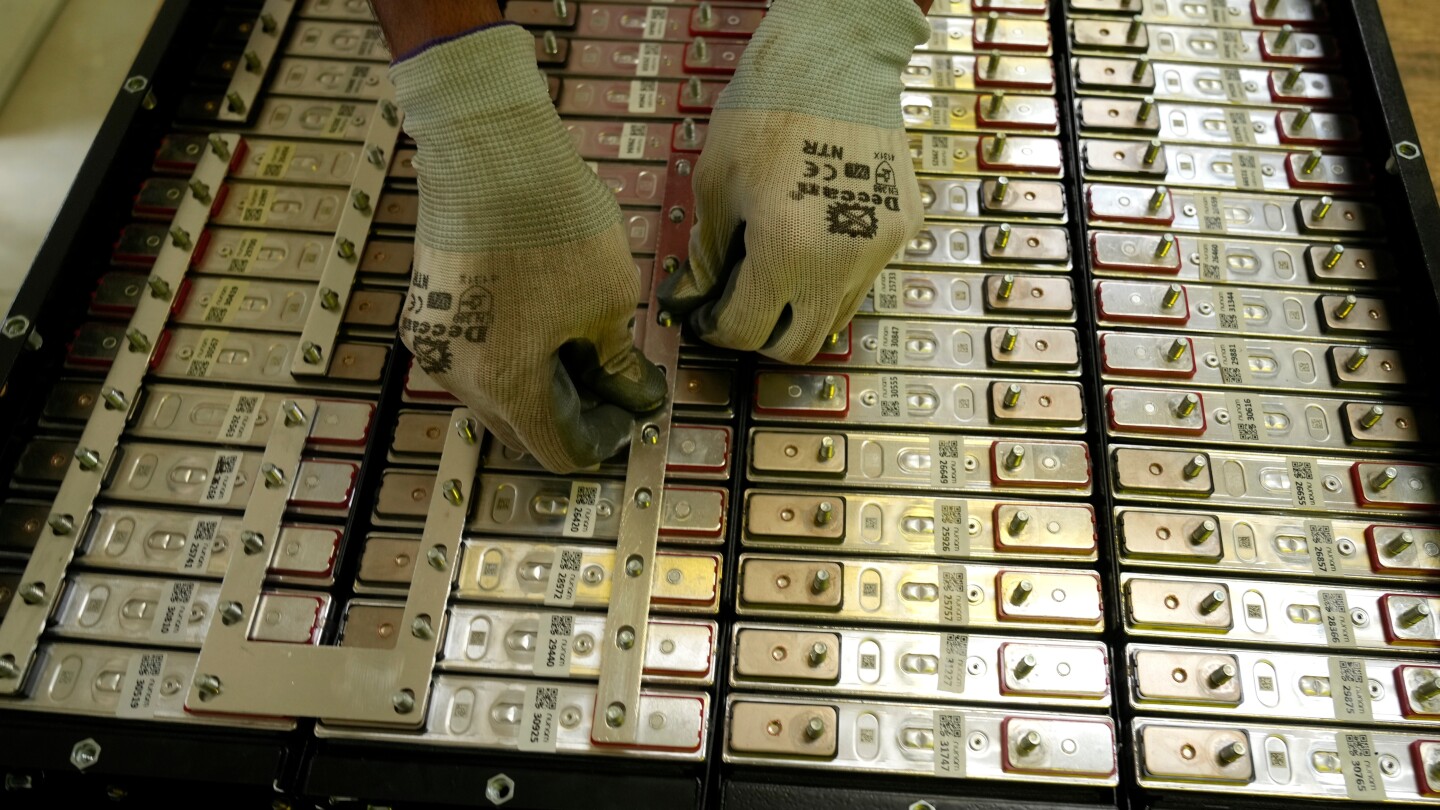
    Technical processes for battery recycling typically involve either shredding battery modules into fine powder or smelting them in industrial furnaces, followed by chemical treatment with acids to recover specific metals. Alternatively, discarded batteries can be repurposed for solar and wind energy storage after thorough testing and component cleaning. Properly executed, these processes can extract up to 90% of an EV battery’s contents.

    Environmental concerns persist, however. Nishchay Chadha, CEO of U.S.-based ACE Green Recycling, warns that improper recycling can release carbon monoxide and hazardous gases, while wastewater containing heavy metals may contaminate soil and water if disposed of incorrectly. “We’ve not expanded much in India because we don’t see much appreciation for clean operations,” Chadha noted.

    McNamara advocates for government-supported training programs to help informal workers transition to formal employment, emphasizing that “formalization will really help drive safety and accountability, especially considering that batteries are both defined by their toxicity as well as their potential.”

    Globally, critical minerals remain dominated by China’s mining, refining, and processing operations, according to the International Energy Agency. With no operational lithium mines currently, India depends heavily on imports. Effective mineral recovery from used products could significantly address this dependency, though Chadha cautions that India should take “baby steps first,” noting that China treats recycling as an essential—if sometimes unprofitable—component of its broader supply chain strategy.

    Despite challenges, industry optimism persists. Rajat Verma, founder and CEO of Lohum Cleantech, envisions substantial growth: “If the momentum that is there in India today continues, we can probably create five multibillion-dollar giants in this industry.” This sentiment reflects the broader recognition that battery recycling represents not just an environmental imperative but a strategic economic opportunity in India’s clean energy transition.

  • Dubai residents put down roots as average tenure surges to over a decade

    Dubai residents put down roots as average tenure surges to over a decade

    Dubai is undergoing a profound demographic transformation as new data reveals residents are increasingly putting down permanent roots in the emirate. According to the Betterhomes Future Living Report 2025, the average length of residency has surged to 10.5 years, marking a dramatic increase from 7.5 years recorded just one year prior. This represents one of the most significant behavioral shifts in tenant patterns witnessed in the past decade.

    The trend is particularly pronounced among Dubai’s rental population. Renters now report an average residency period of 9.9 years, up substantially from 6.7 years in 2024. Furthermore, tenants currently anticipate remaining in Dubai for an average of 10.7 years, compared to merely 7 years in the previous assessment period. These findings indicate substantially deeper emotional and financial commitments to the emirate, reflecting a strategic long-term planning mentality that was comparatively rare five years ago.

    Louis Harding, CEO of Betterhomes, characterized the data as a pivotal turning point in how residents perceive Dubai. “With 59% of tenants committing to Dubai for the long term, it’s evident that people are planning their lives here with far greater confidence and clarity than we’ve seen before,” Harding noted. “This shift reflects Dubai’s continued appeal as a stable, liveable city for both families and professionals.”

    Supporting this demographic evolution, Dubai’s real estate market demonstrates robust growth and investor confidence. The Dubai Land Department reported 125,538 real estate transactions worth approximately Dh431 billion during the first half of 2025, representing a 25% increase in value compared to the same period in 2024. Investor participation surged dramatically with 94,717 investors entering the market—a 26% year-on-year increase—including nearly 59,000 first-time investors. Notably, UAE residents constituted 45% of these new investors, signaling a growing trend of tenants transitioning into property ownership.

    Rupert Simmonds, Director of Leasing at Betterhomes, emphasized that extended tenancy durations reflect deliberate choice rather than necessity. “People are choosing to stay longer because the city supports long-term living, stability, and progression,” Simmonds observed. “Tenants are setting roots, planning ahead, and aligning their careers and families with a city they increasingly see as home.”

    Market dynamics further substantiate this transformation. Residential sales prices increased 7.8% compared to the second half of 2024 and 16.6% year-on-year from the first half of 2024, driven by vigorous transaction activity and sustained demand. Rental markets show early indications of stabilization after prolonged rapid growth, with rates dipping 0.6% from the latter half of 2024 despite maintaining a 9.9% year-on-year increase—suggesting a maturing market achieving balance between landlords and long-term tenants.

    The city’s development pipeline supports this upward residency trend, with approximately 17,200 residential units completed in the first half of 2025 and over 61,800 units currently under construction for delivery later this year.

    Collectively, these indicators present a coherent narrative: Dubai has evolved from a transient expatriate hub into a permanent destination where residents increasingly choose to settle, invest, and build futures. As the emirate continues expanding infrastructure, diversifying its economy, and enhancing its global stature, the trajectory toward long-term residency appears poised to accelerate further, cementing Dubai’s status as one of the world’s most desirable cities to establish lasting roots.

  • India signs trade pact with Oman as it expands Middle East ties

    India signs trade pact with Oman as it expands Middle East ties

    In a significant move to strengthen economic ties with Middle Eastern nations, India has formally established a comprehensive economic partnership agreement with Oman. The pact, signed on Thursday, represents a strategic effort by New Delhi to diversify its trade relationships amid escalating tariff pressures from the United States.

    Under the newly ratified agreement, Oman will extend zero-duty market access on more than 98% of its tariff lines, effectively covering the vast majority of Indian exports. This preferential treatment encompasses key Indian export sectors including precious gems and jewelry, textile manufacturing, pharmaceutical products, and automotive industries.

    In reciprocal arrangements, India will implement tariff reductions on approximately 78% of its tariff classifications, accounting for nearly 95% of imports from Oman by total value. The bilateral trade relationship between the two nations currently exceeds $10 billion annually.

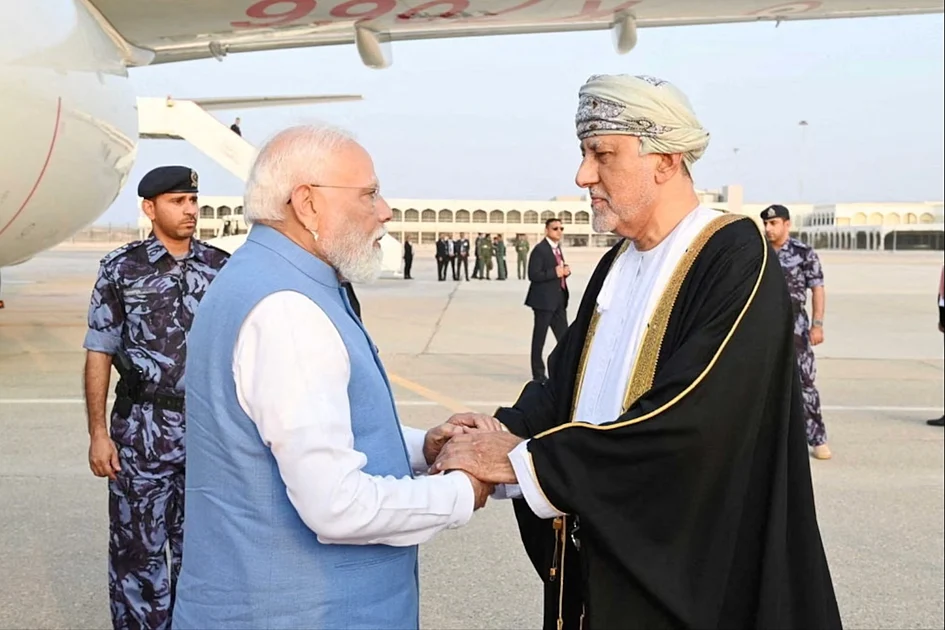
    Prime Minister Narendra Modi emphasized the agreement’s broader significance, stating that the partnership would ‘establish a renewed momentum for our trade relations, strengthen investment confidence, and create opportunities across multiple sectors.’ The agreement marks India’s second major trade pact this year, following similar arrangements with the United Kingdom.

    The timing of this agreement carries particular importance as Indian exporters face unprecedented tariff pressures from the United States. In late August, the Trump administration doubled duties on Indian goods to 50%—the highest rate globally—including a 25% retaliatory levy targeting India’s purchases of Russian oil.

    Strategic analysts note that the agreement extends beyond mere economic considerations. Ajay Srivastava of the Global Trade Research Initiative observed that the pact is ‘as much about geopolitics and regional presence as it is about tariffs.’ Oman’s geographic position as gateway to the Strait of Hormuz—a critical global oil transit corridor between Oman and Iran—enhances the agreement’s strategic value.

    Industry representatives project substantial benefits, with gem and jewelry exports anticipated to surge from $35 million to approximately $150 million within the next three years, according to Kirit Bhansali of the Gems & Jewellery Export Promotion Council.

    The agreement excludes certain sensitive commodities including dairy products, tea, coffee, rubber, and tobacco. Additionally, it creates new opportunities in Oman’s $12.5 billion services import market, where India currently maintains just a 5.3% market share.

  • India to revamp M&A rules to protect retail investors, expedite deals

    India to revamp M&A rules to protect retail investors, expedite deals

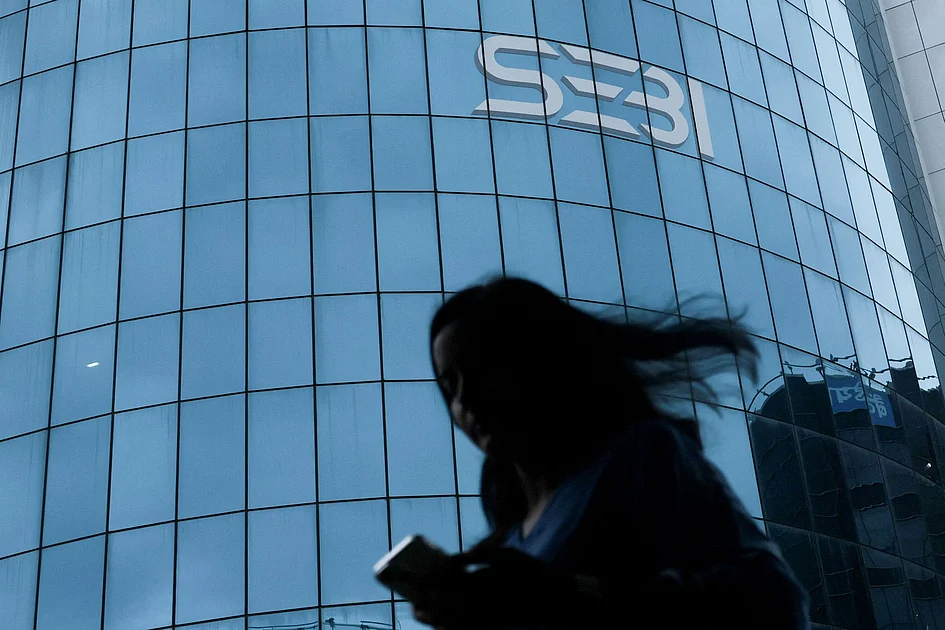
    India’s capital markets regulator is implementing sweeping reforms to its merger and acquisition framework designed to enhance protection for retail investors and streamline corporate transactions. The Securities and Exchange Board of India (SEBI) is proposing significant amendments to its takeover code that would fundamentally reshape how acquisitions are conducted in the country’s rapidly growing market.

    The comprehensive regulatory overhaul includes prohibiting acquirers from negotiating preferential deals with large shareholders for a six-month period following public open offers. This measure directly addresses historical instances where major investors received exclusive benefits not available to smaller shareholders. Additionally, SEBI plans to substantially reduce the completion timeline for open offers from the current two months to just 30 days, implementing accelerated regulatory clearance mechanisms to facilitate faster deal execution.

    A key innovation in the proposed framework involves introducing mandatory external valuation requirements for private share sales between large shareholders and selected parties. This ensures transparent and fair pricing mechanisms that protect all investors’ interests. The reforms emerge against a backdrop of intensified M&A activity throughout 2025, driven by the Reserve Bank of India’s policy allowing domestic banks to finance acquisitions and increasing foreign investment in Indian enterprises.

    SEBI Chairman Tuhin Kanta Pandey confirmed the regulatory initiative following a board meeting, indicating that detailed proposals would soon be released for public consultation. The revisions also encompass potential modifications to ‘creeping acquisition’ norms, which currently permit existing investors to increase their stakes by up to 5% annually without triggering mandatory open offers. This review aligns with global standards, as Singapore maintains a 1% threshold every six months while Hong Kong allows 2% annual increases.

    The regulatory gap became particularly evident in December 2022 when Adani Group acquired a 27.26% stake in New Delhi TV Ltd, providing founders a 17% premium over the open-offer price offered to minority shareholders just 18 days after the public offer. Although Adani subsequently revised terms for minority investors, the incident highlighted structural vulnerabilities in the existing framework that these reforms aim to address.

  • Tecom Group launches Dh615 million Innovation Hub Phase 4 in Dubai Internet City

    Tecom Group launches Dh615 million Innovation Hub Phase 4 in Dubai Internet City

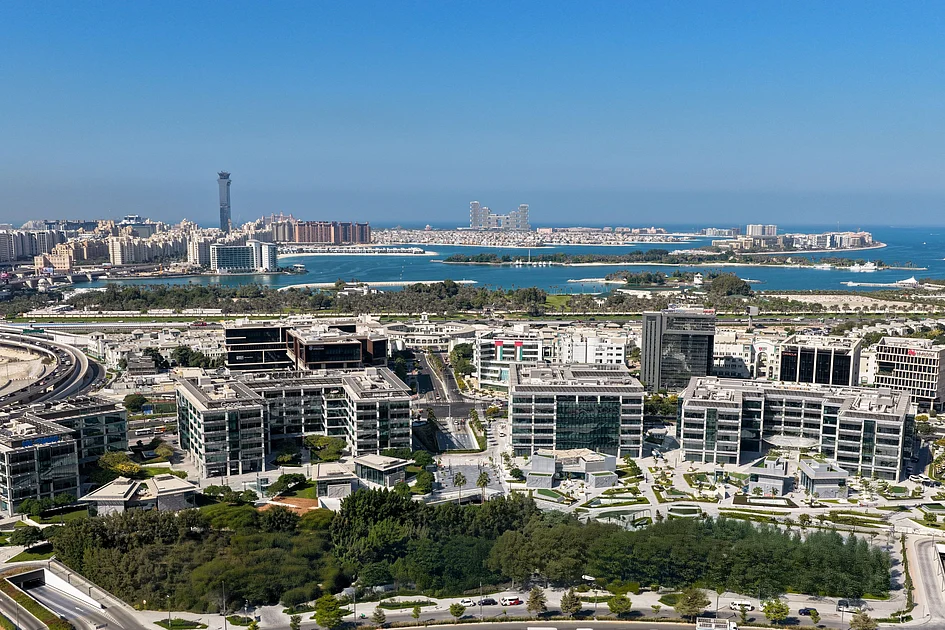
    Dubai’s technology sector receives a significant boost as Tecom Group PJSC announces the launch of Innovation Hub Phase 4, a Dh615 million ($167 million) development within Dubai Internet City. This strategic expansion addresses the growing demand for premium office spaces from multinational corporations operating in future-oriented economic sectors.

    The new development spans 263,000 square feet of gross leasable area, marking the fourth phase of the Innovation Hub project. This investment brings Tecom Group’s total commitment to the Innovation Hub initiative to approximately Dh2 billion, significantly strengthening Dubai Internet City’s position as the Middle East’s premier technology ecosystem.

    The decision to launch Phase 4 follows remarkable commercial success of previous phases. Innovation Hub Phase 3 achieved full occupancy ahead of its 2027 completion schedule, while Phase 2 is entirely leased to Fortune 500 companies and digital economy leaders. The original Phase 1 continues to serve as a cornerstone for global technology giants including Google and Gartner.

    Abdulla Belhoul, Chief Executive Officer of Tecom Group PJSC, emphasized the development’s strategic importance: ‘This launch demonstrates our ongoing commitment to supporting future-focused economic activity in Dubai and the UAE. Our nation’s pro-business environment, combined with visionary strategies like the UAE’s Digital Economy Strategy and Dubai Economic Agenda ‘D33′, continues to attract innovative global enterprises.’

    The project will be financed through Tecom Group’s existing resources while maintaining healthy leverage and liquidity positions. This expansion follows the Group’s strong financial performance in 2025, with nine-month revenues exceeding Dh2.1 billion representing 20% year-on-year growth, and net profit surpassing Dh1.1 billion with an 18% increase compared to the same period in 2024.

    Established in 1999, Dubai Internet City has evolved into the region’s largest technology hub, currently contributing to 65% of Dubai’s technology GDP. The district hosts a comprehensive ecosystem featuring premium Grade-A offices and 20 Research & Development and Innovation Centres, serving as a unifying base for digital economy companies worldwide.

    Innovation Hub Phase 4 is scheduled for completion in 2028 and will further enhance Tecom Group’s portfolio of commercial assets across its specialized business districts, which include Dubai Media City, Dubai Production City, and Dubai Design District among others.

  • ECB vindicates trader bets on no more rate cuts with upbeat economic view

    ECB vindicates trader bets on no more rate cuts with upbeat economic view

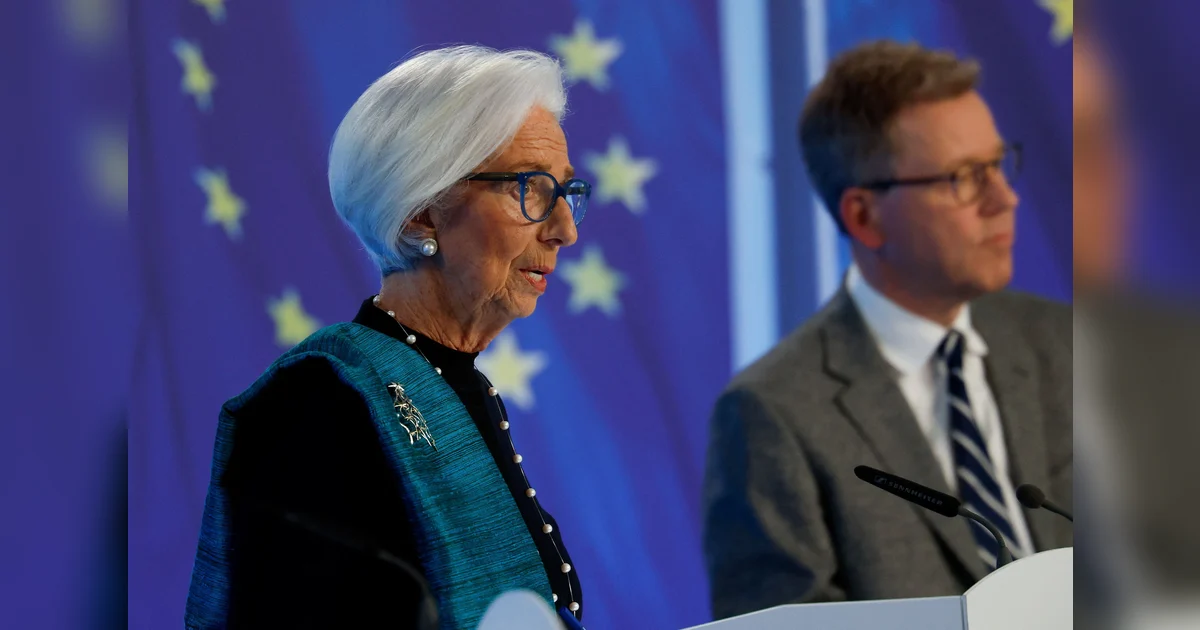
    The European Central Bank (ECB) has firmly aligned with market expectations by signaling an end to its interest rate cutting cycle, opting instead to maintain its current stance amid a significantly improved economic outlook. During its December meeting, the ECB Governing Council held its key deposit rate steady at 2.0% for the fourth consecutive meeting, marking a pivotal moment in the eurozone’s monetary policy trajectory.

    President Christine Lagarde reinforced the bank’s position that policy remains ‘in a good place,’ while explicitly acknowledging that neither rate cuts nor hikes were discussed during the deliberations. This stance comes as the ECB unveiled upgraded inflation projections for both 2025 and 2026, with the 2026 forecast notably revised upward to 1.9% from the previous 1.7% estimate.

    The bank’s inaugural 2028 inflation projection provided particularly significant insight, showing a return to the ECB’s coveted 2% target. Concurrent upward revisions to growth forecasts further strengthened the argument against additional monetary easing, effectively dismantling the dovish perspective that anticipated further cuts to address potential inflation undershooting.

    Market participants responded to the ECB’s communications with increased betting on the timing of the first rate hike, briefly pricing in more than a 50% probability of an increase by March 2027 before settling around 30%. This represents a dramatic reversal from earlier expectations that had anticipated potential cuts as recently as early December.

    The ECB’s hawkish pivot gained momentum following recent comments from policymaker Isabel Schnabel, who had suggested that the bank’s next move might indeed be a hike. Lagarde’s subsequent remarks served as measured pushback against these expectations, emphasizing the ‘highly uncertain’ outlook and the bank’s commitment to maintaining policy flexibility amid evolving economic conditions.