博客

  • Ukrainian drone attack triggers fire at a Russian oil terminal

    Ukrainian drone attack triggers fire at a Russian oil terminal

    As Russia’s full-scale invasion of Ukraine enters its fourth year, a wave of cross-border drone attacks has intensified over recent days, hitting two key targets in 24 hours: critical Russian energy infrastructure and a college dormitory in Russian-occupied eastern Ukraine, leaving multiple casualties and prompting sharp rhetoric from Moscow.

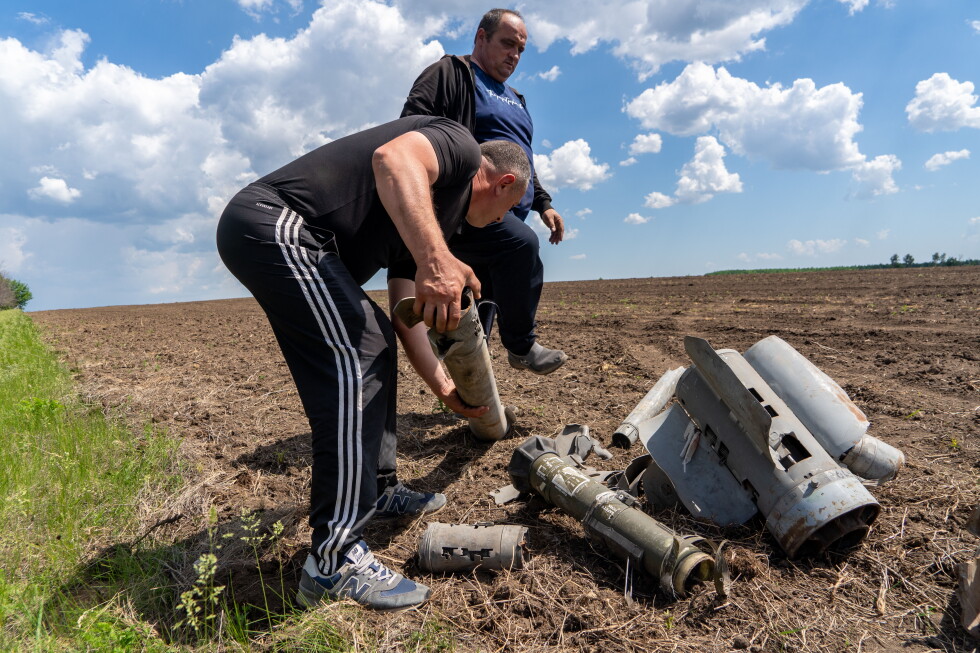
    On Saturday, regional authorities in Russia’s southern Krasnodar Krai confirmed that a Ukrainian drone assault sparked an overnight blaze at an oil terminal near the Black Sea port of Novorossiysk. According to local officials, falling wreckage from the downed drone ignited the fire, which also left two people injured. Officials did not immediately release the official name or exact location of the affected facility, but independent Russian news outlet Astra identified the terminal as Sheskharis, a major storage and export hub operated by Transneft, Russia’s state-run pipeline monopoly. The site serves as the final terminus for Transneft’s primary oil export pipelines running through southern Russia. Photographs shared by Astra show thick plumes of smoke rising above the terminal grounds, though the authenticity of the footage has not been independently verified. Ukraine has not yet issued an official statement confirming or denying responsibility for the Novorossiysk attack.

    This drone strike is part of a growing pattern of sustained attacks on Russian energy infrastructure, which analysts note is a core source of funding for Moscow’s ongoing invasion. In recent months, Kyiv has ramped up strikes on Russian oil and gas assets, a shift that comes as Ukraine has expanded its domestic development and deployment of mid- and long-range drone and missile systems to target Russian military and economic assets deep behind front lines. Attacks on key energy facilities linked to the Kremlin’s war budget have become a near-daily occurrence, according to open-source conflict tracking.

    In a separate development, pro-Moscow administrators in occupied Luhansk Oblast announced Saturday that the death toll from a Ukrainian drone strike on a college dormitory in Starobilsk, carried out overnight Friday, has risen to 11. Russian President Vladimir Putin condemned the attack during comments Friday, labeling it a deliberate “crime” against civilians and claiming that no military or law enforcement installations were located near the college building. Putin also ordered Russia’s top military leadership to draft a package of retaliatory measures in response to the strike.

    Russia requested an emergency session of the United Nations Security Council to address the Starobilsk attack, where the two countries traded sharp accusations over the incident. Ukrainian Ambassador to the U.N. Melnyk Andrii rejected Russian claims that Kyiv committed a war crime, dismissing the accusations as a “pure propaganda show.” He reaffirmed that Ukraine’s May 22 cross-border operations exclusively target infrastructure that supports Russia’s occupation and war effort.

    This escalation in drone operations on both sides comes amid ongoing international diplomatic wrangling over military and political support for Ukraine, with multiple Western powers debating new aid packages and potential pathways for peace talks. The Associated Press continues to cover all developments in the Russia-Ukraine war at its dedicated hub.
  • Lionel Scaloni remains calm and cool as Argentina prepares to defend its World Cup title

    Lionel Scaloni remains calm and cool as Argentina prepares to defend its World Cup title

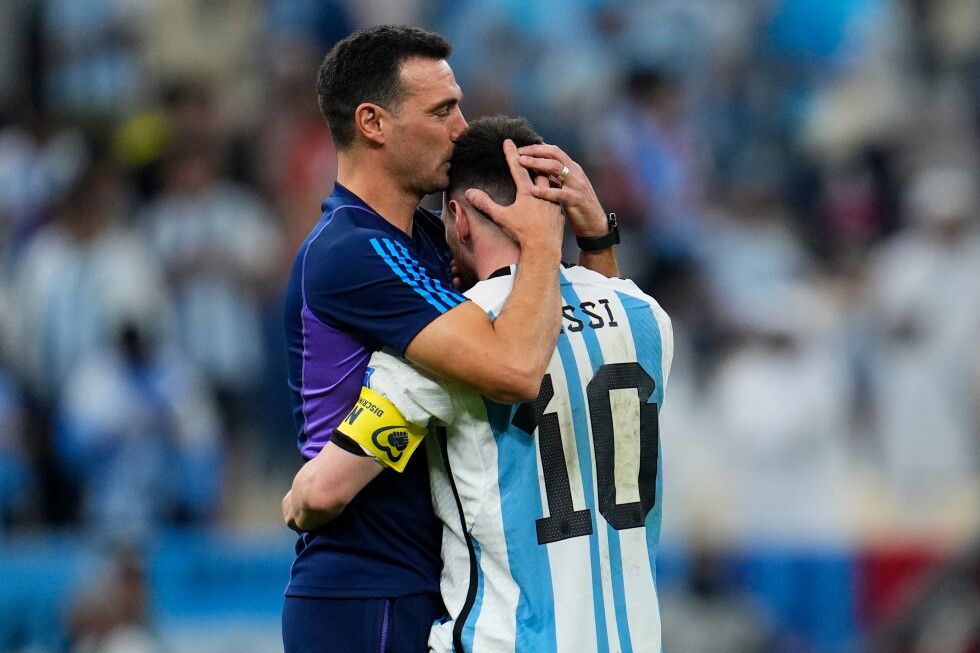
    As Argentina counts down to the 2026 FIFA World Cup, all eyes are fixed on head coach Lionel Scaloni, the quiet architect of the nation’s 2022 global title who is now chasing an almost unprecedented back-to-back championship. The iconic image of his icy composure after Gonzalo Montiel’s decisive penalty sealed Argentina’s third World Cup crown against France in 2022 remains etched in football fans’ memories: instead of erupting in celebration, Scaloni stood motionless and silent on the touchline, seemingly numb to the historic achievement he had just helped deliver. It was only minutes later, when a player embraced him and whispered the words “We are world champions,” that the coach finally broke down in tears. That unflappable temperament, it turns out, is no accident — it has been honed by a daily routine far from the roar of football stadiums.

    Longtime acquaintances of Scaloni trace his remarkable emotional control to his post-playing career hobby: long-distance cycling. Picked up on the advice of his friend, former Spanish tennis star Carlos Moyá, the 48-year-old dedicates two to three hours every day to pedaling, whether it be through the mountainous terrain of Mallorca — the Spanish island he calls home — or along the quiet trails of his native Pujato, in northwest Argentina. For Scaloni, cycling is far more than a fitness activity: it is a mental reset and a form of therapy that allows him to work through tactical plans, analyze opponents, and stay grounded amid the pressure of international football.

    “On the bike, you can think about your team, your opponent, how to prepare for the match. It really clears my head. It’s a good escape … it helps me lower my expectations, be calmer,” Scaloni explained in recent interviews.

    That calm has been tested repeatedly throughout his tenure as Argentina’s head coach, a role he never expected to hold long-term. After Argentina’s humiliating round-of-16 exit from the 2018 Russia World Cup, Scaloni — a former Argentina international with zero prior experience managing a professional club — stepped into the role on an interim basis, while the Argentine Football Association (AFA) courted high-profile candidates such as Mauricio Pochettino and Diego Simeone. At the time, even Argentine legend Diego Maradona dismissed him, sneering, “Scaloni? He can’t even direct traffic.”

    Undeterred by the widespread criticism of his inexperience, Scaloni steadily built a cohesive, hungry team. He led Argentina to the 2021 Copa América title, navigated a successful 2022 World Cup qualifying campaign, and silenced doubters again in Qatar after a shocking opening-match loss to Saudi Arabia. Mid-tournament, he revamped his lineup, giving opportunities to young rookies including Enzo Fernández, Alexis Mac Allister, and Julián Álvarez, and drew out the best performance of Lionel Messi’s long World Cup career, ultimately lifting the sport’s biggest prize.

    Today, Scaloni prepares to make history as only the third Argentine coach to lead the national side into consecutive World Cups, following legendary champions César Luis Menotti (1978, 1982) and Carlos Bilardo (1986, 1990). The youngest of the three, however, rejects any comparison to the iconic managers who came before him, noting “They have established careers, they defined an era.”

    Now, the challenge of repeating as champion looms larger than ever. No men’s World Cup champion has successfully defended their title since Brazil in 1962, and Scaloni faces no shortage of obstacles: his star player Messi, 38, is nearing the end of his international career; the AFA is mired in off-field turmoil, with leadership facing corruption accusations and widespread internal anger over league format changes and refereeing calls. Even World Cup preparation has drawn criticism: the AFA has arranged warm-up friendlies against low-ranked sides, including Indonesia, Puerto Rico, Angola, Mauritania, and Zambia, with two final pre-tournament matches scheduled against non-qualifiers Honduras and Iceland in June.

    Scaloni, for his part, has refused to publically air grievances. While he shocked fans in November 2023 by hinting at a potential exit after a qualifying win over Brazil — later clarifying he was overwhelmed by serious health issues affecting his elderly parents, amid unconfirmed rumors of friction with players over off-field behavior — he has remained in the role and stayed true to his no-nonsense approach. He has made clear to his squad that winning the 2022 title does not guarantee anyone a spot on the 2026 roster, demanding constant focus and hunger from his players.

    “I don’t dwell on past achievements; you always have to keep looking ahead,” he said in late 2025. “With this jersey, you don’t have time to relax and think your place is secure.”

    His approach has paid off in the years since Qatar: Argentina claimed back-to-back Copa América titles in 2021 and 2024, and finished top of South American 2026 World Cup qualifying, even with Messi missing multiple matches due to injury. 20 of the 26 players from the 2022 title-winning squad, including Messi, have been included in Scaloni’s preliminary 55-man roster for the upcoming tournament.

    Jorge Valdano, a 1986 World Cup champion with Argentina, praised Scaloni’s work in an interview with the Associated Press, noting “Argentina has achieved the best thing a national team can achieve: being a team. It’s a team with very clear leadership, that of the coach and Leo Messi, and players who haven’t lost their hunger.”

    Argentina kicks off its 2026 World Cup Group J campaign in Kansas City on June 16 against Algeria, followed by matches against Austria on June 22 and Jordan on June 27. Scaloni retains the same calm demeanor that carried his side to glory four years ago, fully aware of the weight of expectation from Argentine fans who demand another title and will not accept disappointment.

    “We’re doing well, we’re eager. We’re aware that our opponents will play us differently because we’re the reigning champions,” Scaloni said. “The important thing is that we’ll be there. After that, it’s football, and anything can happen.” “To win a World Cup, a lot of things have to come together, not just playing well. It’s very difficult, but not impossible.”

  • The remains of 4 Italian divers killed in a Maldives cave dive have been repatriated

    The remains of 4 Italian divers killed in a Maldives cave dive have been repatriated

    A tragic deep-sea diving accident off the coast of the Maldives has claimed six lives total, including five Italian divers and one Maldivian recovery diver, and the remains of the four remaining Italian victims have finally been flown home nearly two weeks after the incident, a Maldivian government spokesperson confirmed Saturday.

    The disaster unfolded on May 14, when a group of five Italian divers set out to explore an uncharted underwater cave in the Vaavu Atoll region of the Maldives. The group descended far past the Maldives’ official recreational depth limit of 30 meters, reaching the cave mouth at 50 meters and eventually penetrating to the cave’s innermost chamber around 60 meters below sea level. Shortly after entering the cave, all five divers went missing, cutting off contact with surface teams. On the day of the disappearance, recovery crews retrieved the body of the group’s diving instructor, Gianluca Benedetti, just outside the cave entrance, and his remains were immediately returned to Italy.

    What followed was a complex, high-stakes recovery operation that itself turned deadly. When a Maldivian military diver assigned to the mission, Mohamed Mahudhee, died during an early recovery attempt, the operation was temporarily halted amid safety concerns. To overcome the extreme depth and challenging cave conditions, three specialized Finnish deep cave diving experts were brought in to join the mission. Last week, the expert team successfully located the four remaining bodies clustered together in the cave’s deepest chamber.

    The victims have all been formally identified: the group included Monica Montefalcone, an associate professor of ecology at the University of Genoa; her 24-year-old daughter Giorgia Sommacal; Federico Gualtieri, a practicing marine biologist; Muriel Oddenino, a marine researcher; and lead instructor Benedetti. Maldivian authorities have already revealed key inconsistencies in the group’s dive permit application: while the trip did receive official approval, the submitted proposal did not disclose the exact location of the cave the team planned to explore, and at least two of the five divers were not listed on the official researcher permit submitted to regulators.

    In a press statement Saturday, Maldives President’s Spokesperson Mohamed Hussain Shareef announced that two separate formal investigations have been launched into the tragedy. The first probe will examine the circumstances that led to the deaths of the five Italian divers, while the second will specifically investigate the on-duty death of Mahudhee during the recovery effort. Shareef added that Italian authorities have agreed to share any autopsy findings from the repatriated remains to support the Maldivian investigations. Early Saturday morning, the four remains were officially repatriated to Italy, bringing a painful chapter of the tragedy to a close as authorities work to uncover what went wrong.

  • US Federal Reserve gets new chief

    US Federal Reserve gets new chief

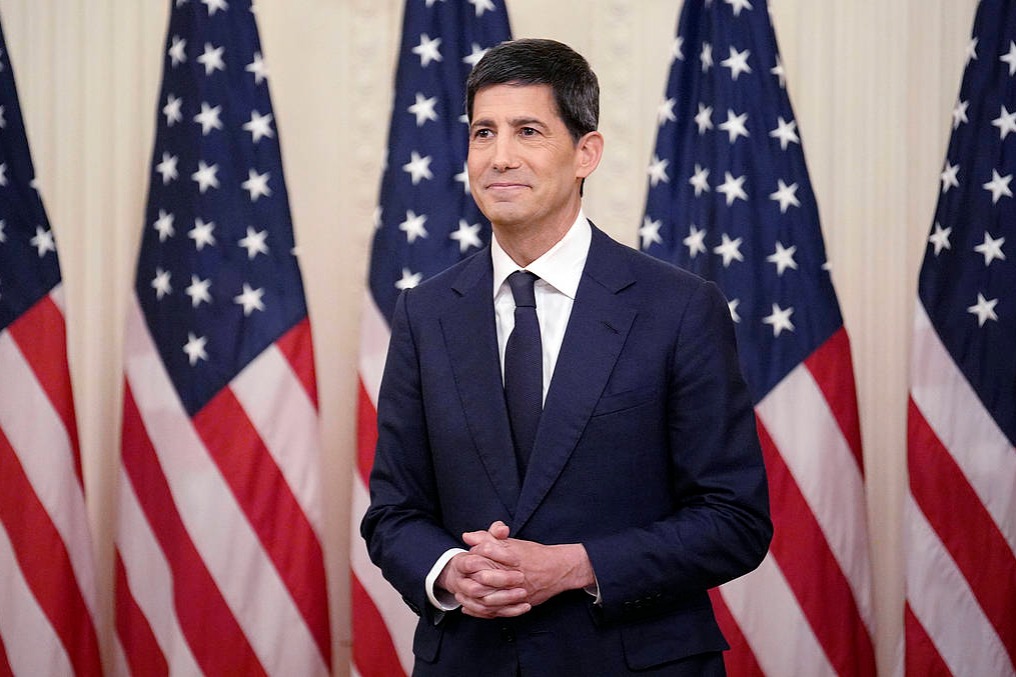
    On a Friday ceremony held in the White House East Room, Kevin Warsh officially took office as the 17th Chair of the United States Federal Reserve, marking the start of his four-year term at the helm of the world’s most influential central bank. The oath of office was administered by Supreme Court Justice Clarence Thomas, with the event hosted by U.S. President Donald Trump. Attendees included a roster of high-profile guests: senior White House administration officials, sitting members of Congress, sitting Supreme Court justices, and leading figures from the American business community.

    In remarks ahead of the swearing-in, Trump emphasized his expectation that Warsh would maintain full institutional independence from the executive branch. “I want Kevin to be totally independent. I want him to be independent and just do a great job,” Trump told the assembled audience. “Don’t look at me, don’t look at anybody. Just do your own thing and do a great job, okay?” Per CNBC reporting, this White House swearing-in marks the first time a Fed chair has taken office at the presidential residence since Alan Greenspan’s 1987 inauguration, a break from recent tradition that has drawn attention from political and financial observers.

    At 56, Warsh succeeds Jerome Powell, who led the Federal Reserve through post-pandemic recovery and a historic inflation surge starting in 2018. Powell, who will retain his seat on the Fed’s Board of Governors after stepping down from the chair role, has already signaled he will remain active in central bank governance.

    In his first public remarks as chair, Warsh reaffirmed the Federal Reserve’s core statutory mandates: fostering stable prices and maximizing sustainable employment. “When we pursue those aims with wisdom and clarity, independence and resolve, inflation can be lower, growth stronger, real take home pay higher and America can be more prosperous. And no less important, America’s place in the world is more secure,” Warsh stated. Outlining his policy and institutional agenda, he committed to leading what he called a “reform-oriented Federal Reserve,” saying the body would draw lessons from both past successes and missteps, move beyond rigid, outdated analytical frameworks and models, and uphold strict standards of integrity and accountability in all its operations.

    Warsh brings deep prior experience at the central bank: he served as a member of the Federal Reserve Board of Governors from 2006 to 2011, and after leaving the institution, he held academic appointments at the Stanford Graduate School of Business and the conservative think tank the Hoover Institution.

    Warsh’s inauguration comes amid a period of heightened tension between the Trump White House and the Federal Reserve, with the administration pushing repeatedly for looser monetary policy to pair with its signature policy agenda of tax cuts and broad financial deregulation designed to accelerate U.S. economic growth. Over the past 12 months, the Trump administration has moved repeatedly to exert greater political influence over the central bank’s decisions. Most notably, Trump attempted to remove Biden-appointed Board member Lisa Cook over unproven fraud allegations, and directed the U.S. Department of Justice to open an investigation into outgoing chair Jerome Powell connected to a Fed headquarters building renovation project. A federal judge later ruled that the investigation was an explicit attempt to pressure Powell into cutting interest rates or resigning from his post.

    That investigation was ultimately halted after Republican Senator Thom Tillis of North Carolina threatened to block Warsh’s Senate confirmation vote unless the probe was dropped, clearing the path for Warsh’s appointment.

    Going into his term, Warsh has positioned himself as an advocate for institutional change at the Fed, publicly calling for “regime change” that would overhaul how the central bank measures and communicates economic data to markets and the public. He has also signaled openness to lowering interest rates, while pushing back against claims he would defer to the White House on monetary policy. Warsh has repeatedly stated he will rely on his own independent judgment when setting policy, and will not take direct instructions from the executive branch.

    The new chair takes office at a critical moment for U.S. monetary policy. As of April 2026, the Federal Open Market Committee has held its benchmark federal funds rate steady at a range of 3.5% to 3.75%, keeping borrowing costs elevated to pull persistent inflation back down to the central bank’s longstanding 2% target. However, recent economic data has upended market expectations for imminent rate cuts. A U.S. Labor Department report released earlier this week showed annual consumer price inflation hit 3.8% in April, the highest reading recorded since May 2023. The sharp rise in price pressures has been fueled in large part by global energy market disruptions: tanker traffic disruptions in the Strait of Hormuz, sparked by the ongoing U.S.-Israeli military campaign against Iran, have driven sharp increases in global crude oil and retail gasoline prices, creating new headwinds for the Fed’s inflation fight.

  • Senegal’s president sacks prime minister Sonko after months of tensions

    Senegal’s president sacks prime minister Sonko after months of tensions

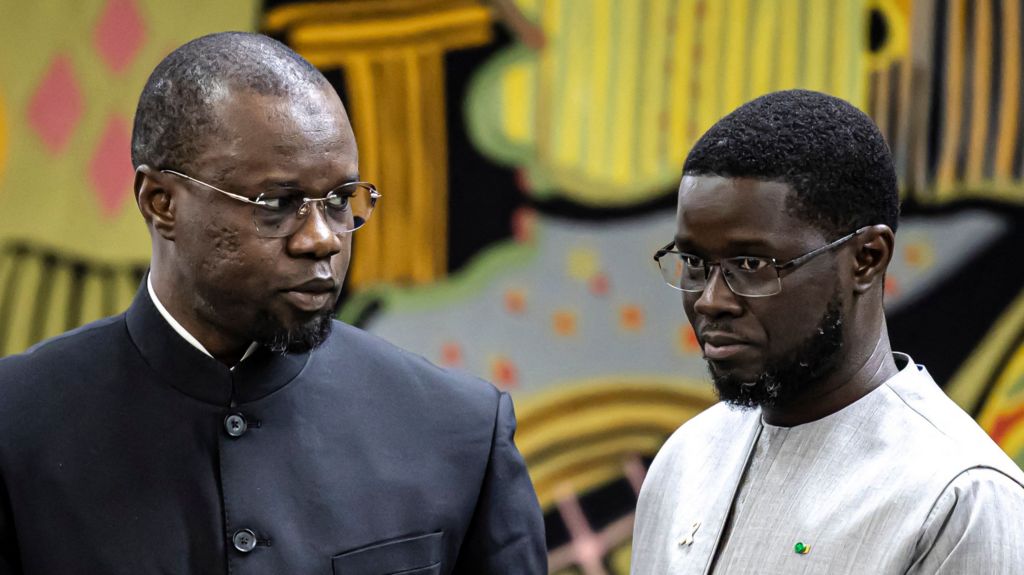
    West African nation Senegal has been thrown into sudden political turmoil this week, after President Bassirou Diomaye Faye announced the immediate dismissal of Prime Minister Ousmane Sonko and the full dissolution of the country’s sitting government. The dramatic move, which followed months of growing public and private friction between the two top political leaders, was formalized in a surprise presidential decree read live on national television by a senior aide to Faye.

    The decree explicitly confirmed that Sonko’s tenure as prime minister had been terminated, alongside the end of service for all sitting cabinet ministers and state secretaries that made up the administration. News of the dismissal quickly sparked public reaction, with Sonko — a firebrand populist who retains massive popularity among Senegal’s large youth demographic — taking to social media to share a measured response, saying he would “sleep with a light heart” following his exit from office.

    The political split comes at a particularly fragile moment for Senegal, which is already grappling with severe economic headwinds. Data from the International Monetary Fund shows the country’s total public debt has ballooned to 132% of its gross domestic product, putting growing pressure on the new administration that took power just over a year ago.

    The break between Faye and Sonko is one of the most surprising political turnarounds in recent African politics, given the deeply intertwined origins of their rise to power. Faye, a relatively unknown political figure before 2024, would likely never have won the presidency without Sonko’s full-throated backing. Sonko, who built the left-wing Pastef party into a major opposition force and was the early favorite to win the 2024 presidential election, was ultimately barred from running over a controversial defamation conviction. Instead of abandoning the race, Sonko tapped Faye as his replacement and threw the full weight of his political machine behind his candidacy.

    Remarkably, the pair secured a shocking election victory just 10 days after both were released from prison, where they had been held on political charges ahead of the vote. But the good political fortune that carried them to power quickly fractured, with public and private tensions simmering for months. Reports from inside the ruling party have confirmed Faye repeatedly criticized Sonko for what he called “excessive personalization” of power within Pastef, while Sonko hit back by publicly accusing Faye of a “failure of leadership” for refusing to defend him against political attacks.

    The dismissal came directly after a heated parliamentary session Tuesday, where Sonko launched open, direct criticism of Faye’s leadership, pushing the long-running tensions into a public break. By Tuesday evening, hundreds of student protesters had gathered in the streets of Dakar, Senegal’s capital, to voice their support for Sonko, signaling that the political rift could deepen in the coming days as the country prepares for a new administration to be formed.

    The upheaval leaves Senegal at a crossroads, with unresolved economic challenges and a ruling movement now split between its two most popular leaders, raising questions about the country’s near-term political and economic stability.

  • Russian war drama among favourites for top Cannes prize

    Russian war drama among favourites for top Cannes prize

    The 79th Cannes Film Festival is drawing to a close this Saturday, with a star-studded awards ceremony set to crown this year’s Palme d’Or winner following two weeks of glitzy premieres, industry parties, and global cinematic showcases. Among the crowded field of standout competitors, one title has risen to the forefront of pundits’ predictions: *Minotaur*, a taut family drama from exiled Russian filmmaker Andrey Zvyagintsev, rooted in the context of Russia’s full-scale invasion of Ukraine.

    The film centers on a cold, manipulative Russian businessman navigating the chaos of the country’s military mobilization for the war. In an interview with AFP, Zvyagintsev noted that his work carries a clear political message: “Those who agree that it’s time to put an end to this hell, and that it’s a nightmare and a disaster for Russia, those people will understand this film clearly.”

    While *Minotaur* holds the top spot among early favorites, it faces stiff competition from a diverse slate of international contenders. Critics also highlight *La Bola Negra*, a high-budget Spanish production exploring multiple queer experiences; the stylized black-and-white historical drama *Fatherland*; and *Fjord*, led by Norwegian star Renate Reinsve. Dark horses in the race include *A Man of His Time*, a historical piece following an ambitious official in France’s World War II collaborationist government, and *All of a Sudden*, the acclaimed quiet drama from Japanese director Ryusuke Hamaguchi.

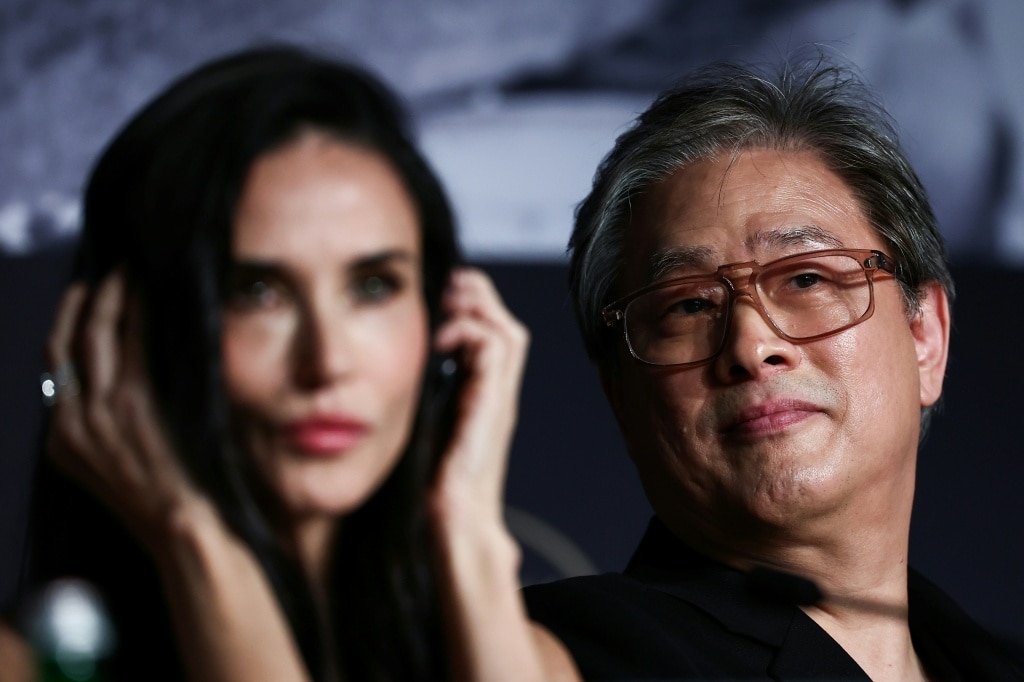
    Deciding the winner will be an international jury led by iconic South Korean filmmaker Park Chan-wook, with panelists including Hollywood A-lister Demi Moore and Oscar-winning director Chloe Zhao of *Nomadland* fame. The winner will be revealed during Saturday evening’s closing ceremony. Last year’s top honor went to *It Was Just an Accident*, a political thriller from jailed dissident Iranian director Jafar Panahi that examines torture and state violence in the Islamic Republic.

    Ahead of the main prize announcement, several awards have already been distributed across the festival’s parallel and side competitions. Iranian documentary *Rehearsals for a Revolution*, directed by exiled actress-filmmaker Pegah Ahangarani about political repression in Iran, took home the festival’s top documentary honor.

    In a historic moment for Nepali cinema, *Elephants in the Fog* — the first Nepali feature ever selected for Cannes official competition — claimed the Certain Regard section jury prize. Its entirely transgender cast celebrated the win with song and dance on stage, with lead actor Pushpa Thing Lama wrapping the Nepalese flag around director Abinash Bikram Shah’s neck during an emotional embrace. The Certain Regard top prize went to Austrian director Sandra Wollner for *Everytime*, described by jurors as a “gripping tale on grief.”

    In other early awards, 18-year-old Bradley Fiomona Dembeasset took home the best actor honor for his performance in *Congo Boy*, a crowd-pleasing rap drama following a Central African refugee that saw the young actor discovered during an open street casting in Bangui, the capital of the Central African Republic. British director Clio Barnard’s *I See Buildings Fall Like Lightning*, a portrait of five childhood friends that was one of the United Kingdom’s only feature entries at this year’s festival, claimed the top prize at the parallel Directors’ Fortnight section.

    While this year’s edition drew its usual share of A-list Hollywood stars from John Travolta to Cate Blanchett, major U.S. studios were notably absent from the lineup. No major American production house opted to premiere a big-budget blockbuster at Cannes this year, following the same absence from the February Berlin International Film Festival — a gap that has sparked industry discussion about why leading studios including Disney, Universal, and Warner Bros. are stepping back from major European film events.

    Beyond the race for the Palme d’Or, two key industry issues dominated conversation throughout the 11-day festival: the rising role of artificial intelligence in filmmaking production, and ongoing gender imbalance in the industry. Just five out of the 21 films competing for the festival’s top prize this year are directed by women, a statistic that has drawn renewed criticism from advocates calling for more equitable representation in global cinema.

  • FozBall fires again: New hero emerges as depleted Sea Eagles survive late scare to knock off the Titans

    FozBall fires again: New hero emerges as depleted Sea Eagles survive late scare to knock off the Titans

    For the Manly Sea Eagles, the narrative used to be simple: when star fullback Tom Trbojevic was sidelined, the team collapsed. But under first-year coach Kieran Foran, that long-held narrative is being rewritten, thanks to a breakout performance from an unlikely hero that sealed a tense 12-10 victory over the Gold Coast Titans on a rain-soaked Sydney night.

    Manly headed into the clash missing no fewer than four of their most impactful players. Tom Trbojevic was already out of action, while two other established fullback options—Lehi Hopoate (suspension) and Tolu Koula (State of Origin representative duty)—were also unavailable. To make matters worse, star forward Haumole Olakau’atu and winger Jojo Fifita were also watching from the stands. For a side that once relied entirely on their superstar fullback to deliver results, the odds of extending their recent winning run looked stacked against them.

    Step up Clayton Faulalo, the Sea Eagles’ fourth-choice fullback playing just his second senior NRL start in the position. The young utility produced two moments of individual magic that changed the course of the game. In the first half, he delivered a pinpoint, sharp pass to fill-in winger Blake Wilson that set up the opening try of the match. Later, he ran a brilliant line onto a perfectly timed inside ball from Ben Trbojevic to cross the line himself, stretching Manly’s lead and putting the Titans on the back foot.

    With just 21 minutes left on the clock, Faulalo absorbed a heavy hip drop tackle but shook off the impact to see out the full 80 minutes. By the final siren, he had racked up an impressive 238 running metres, turning in a career-best performance that has already sparked speculation he could become a targeted signing for rival clubs when his contract comes up in 2028.

    For the Titans, the match was supposed to be a celebration for one of their most beloved stalwarts. Mo Fotuaika entered the game poised to become the Gold Coast’s most capped player in club history, earning the record with his 174th appearance, breaking Mark Minichiello’s long-standing mark. But any hopes of a fairy tale upset quickly faded, as the visitors produced one of their most lethargic, error-ridden performances of the season.

    The Titans’ bad luck started early, when an opening try from Jaylan De Groot was ruled out for an earlier knock-on. By the final whistle, the side had conceded 16 unforced errors, even with key Manly stars sidelined. While they got a late consolation try through AJ Brimson in the final minute to set up a nervous closing few seconds, they could not complete the comeback, falling just short of what would have been a shocking comeback win. Even with their starting wingers each running for more than 200 metres, the Titans forward pack failed to step up in the absence of captain Tino Fa’asuamaleaui, leaving the side stuck in second-last place on the premiership ladder heading into their upcoming bye.

    For Manly, the win pushes them back into the top four on the NRL ladder, and extends their extraordinary run of form under Foran: the club great-turned-coach has now notched seven wins from just eight matches in charge, an incredible start to his senior coaching tenure. The result is even more notable given Foran only signed with the Titans as a player just 10 months prior to taking the Manly coaching job.

    There was one sour note for Manly to end the night, however. Ben Trbojevic, who ran for 122 metres and was one of Manly’s most dangerous players on the left edge, suffered a head clash in the second half while carrying the ball. Initially classified as a category two concussion, the injury was later downgraded to category one—but the star back-rower will still be forced to miss the Sea Eagles’ next clash against the Cronulla Sharks this coming Friday, joining brother Tom on the sidelines in a major late setback for Foran’s side.

  • DR Congo players told to isolate before World Cup

    DR Congo players told to isolate before World Cup

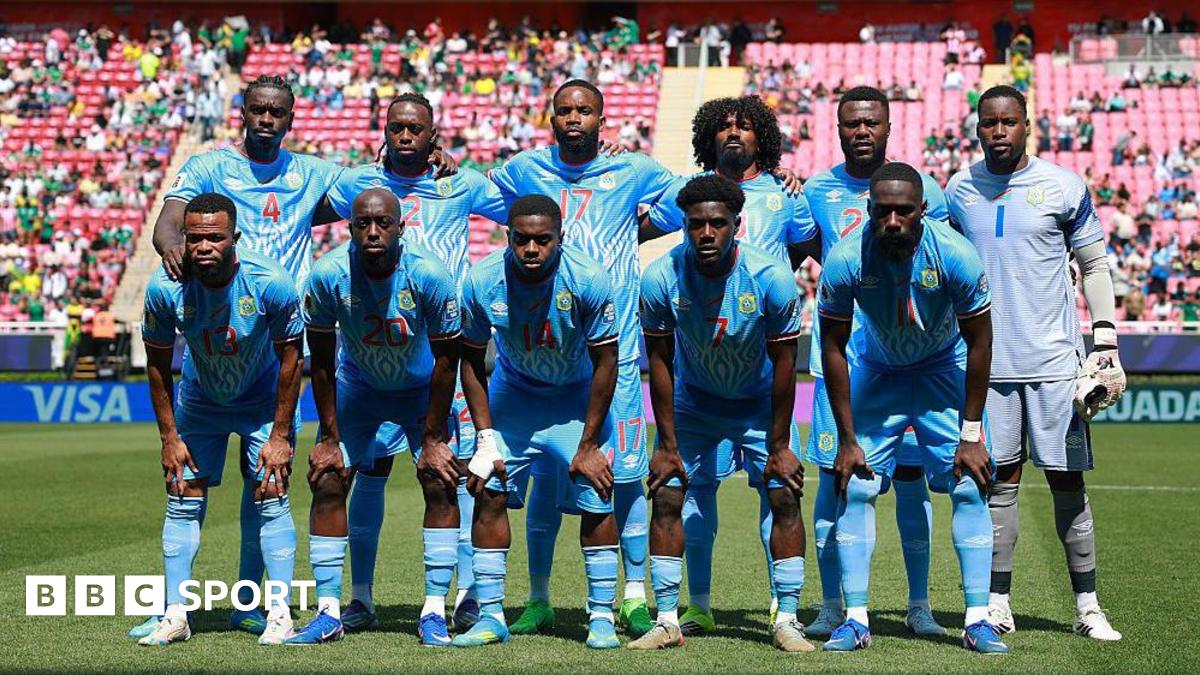
    The 2026 FIFA World Cup, set to kick off across North America next month, has hit an unprecedented public health barrier for one African participant, as the Democratic Republic of Congo’s national squad faces strict new entry rules from U.S. health authorities tied to a worsening Ebola outbreak in Central Africa.

    Amid the escalating risk, U.S. Centers for Disease Control and Prevention (CDC) regulations currently bar entry to the United States for any non-U.S. citizen who has traveled to DR Congo, Uganda, or South Sudan within the 21-day period before their planned arrival. To comply with these rules, DR Congo was forced to scrap its planned pre-tournament training camp in its capital Kinshasa, and the team has instead relocated its preparation to temporary training facilities in Belgium.

    Despite the location shift, White House World Cup Task Force Executive Director Andrew Giuliani emphasized that strict protocols remain non-negotiable for the squad to earn entry. The entire roster must remain in a locked health bubble within Belgium for the full 21-day waiting period before traveling to the U.S. for the tournament, Giuliani told ESPN. “They need to maintain that bubble or they risk not being able to travel to the United States. We cannot be any clearer,” he said.

    All of DR Congo’s senior squad players are currently based at club teams outside of the country, meaning they are not directly exposed to the outbreak and will not fall afoul of the existing travel restrictions so long as they avoid exposure during the pre-tournament period. Giuliani added that any additional support staff or personnel joining the squad from affected regions must be separated into an entirely separate isolation bubble to avoid putting the entire team’s participation at risk.

    “If they end up coming, and any of those people end up symptomatic, they are risking the entire team being able to come and compete in this World Cup,” he explained.

    The heightened protocols come just weeks after the World Health Organization upgraded the public health risk of the ongoing Ebola outbreak in DR Congo from “high” to “very high” earlier this month. WHO Director-General Dr. Tedros Adhanom Ghebreyesus noted that while the regional risk across Central Africa remains classified as high, the global risk level still sits at low, limiting the need for widespread international travel restrictions outside the immediate affected zone.

    In addition to their pre-tournament isolation in Belgium, DR Congo is scheduled to play two warm-up friendlies ahead of the World Cup: a June 3 matchup against Denmark in Belgium, followed by a June 9 clash with Chile in Spain. The African side will kick off their World Cup Group K campaign on June 17 against reigning champion Portugal, with additional group stage matches against Colombia and Uzbekistan to follow. The 48-team tournament will run from June 11 to July 19 across host cities in the United States, Mexico, and Canada.

  • How South African scientists identified hantavirus on a cruise ship thousands of miles away

    How South African scientists identified hantavirus on a cruise ship thousands of miles away

    On the morning of May 1, as South Africa paused to observe the Labor Day public holiday, leading South African infectious disease specialist Lucille Blumberg logged into her work email and encountered an urgent alert that would launch a rapid, cross-continental disease investigation. The message came from a public health colleague based in the United Kingdom, who was monitoring disease activity across remote South Atlantic British overseas territories. It detailed a worrying situation: a passenger from a Dutch cruise ship sailing thousands of miles across the Atlantic had been medically evacuated and admitted to a Johannesburg hospital for suspected pneumonia, with multiple other passengers and crew on the vessel already showing symptoms of illness.

    The passenger had been evacuated from the ship off Ascension Island, one of the British territories the UK-based colleague monitors, and Blumberg was asked to lead the follow-up investigation into the mysterious illness. Within hours, Blumberg and a team of specialists from South Africa’s National Institute for Communicable Diseases were mobilized, putting aside holiday plans to race against the clock to identify the cause of the growing outbreak on board the MV Hondius cruise liner.

    “Even though it was a public holiday, we moved, we moved really fast,” Blumberg recalled in an interview with the Associated Press. “It was busy. There were many conversations. There were online discussions, and there was laboratory testing happening at the time.” In what would become a defining display of global public health collaboration, the team achieved a breakthrough in less than 24 hours, confirming the evacuated patient was infected with hantavirus, a rare pathogen carried and spread by rodents.

    ### A Methodical Process of Elimination
    When the elderly British patient first arrived at the private Johannesburg hospital, he was in critical condition, and clinicians had no clear answer for what was causing his severe respiratory illness. By the time he was evacuated from the ship, two elderly Dutch passengers who had fallen ill on the cruise had already died, but the full scope of the outbreak had not yet come into focus. Health authorities on Ascension Island had only reported a cluster of pneumonia-like illnesses to the World Health Organization (WHO) without identifying a root cause.

    Initially, Blumberg and her team prioritized the most likely causes of a respiratory outbreak on a cruise ship. Their first working theories were Legionella, a common bacterium linked to cruise ship and hotel pneumonia outbreaks that causes Legionnaires’ disease, and avian influenza, since the ship’s itinerary included stops at South Atlantic islands where bird flu is well documented. “Legionella is well described in outbreaks in hotels and on cruise ships, and influenza certainly is. These people had visited islands where avian influenza is well documented,” Blumberg explained.

    Initial tests for both pathogens came back negative. The team ran a full panel of tests for dozens of other common respiratory illnesses, and all of those also returned negative results. It was only when the team shifted their focus to the ship’s full itinerary and the profile of passengers that a new lead emerged: the MV Hondius had sailed from Argentina, and most passengers on board were avid bird watchers who had spent time exploring remote areas of South America that are home to large rodent populations.

    ### Global Collaboration Drives Rapid Diagnosis
    The new clue led the South African team to test for a less common but well-documented pathogen in southern South America: hantavirus, specifically the Andes strain that is endemic to parts of Chile and Argentina. Their work was greatly accelerated by close collaboration with hantavirus specialists based in South America and the United States, with the WHO coordinating cross-border communication between experts. “You can get onto a Zoom online and ask your questions and get advice. This is not something every day. So that was quite extraordinary,” Blumberg noted of the international cooperation.

    By Saturday morning, just two days after the initial alert, Blumberg contacted the director of South Africa’s only laboratory equipped to test for hantavirus. Within hours, the lab director had mobilized her team on the weekend to process the samples. “I said, we want to do hanta, and she said, ‘yeah, I’m coming,’” Blumberg recalled. That same afternoon, initial tests on the evacuated patient’s blood samples came back positive for hantavirus. The team ran a second round of confirmatory testing to rule out error, and the positive result was upheld.

    ### Confirmation Paves the Way for Targeted Outbreak Response
    The positive diagnosis, which also confirmed the pathogen was the Andes hantavirus strain, allowed the WHO to immediately alert the cruise ship leadership and formally declare a hantavirus outbreak on board. Unlike most hantavirus strains, which cannot spread easily between humans, the Andes variant can pass from person to person, making rapid identification critical to implementing appropriate safety measures. After the diagnosis, Blumberg’s team also moved quickly to test tissue samples from a deceased Dutch passenger, one of the two who had died earlier in the outbreak. The woman had disembarked at St. Helena to accompany her husband’s remains before traveling to South Africa where she later died, and her posthumous test also returned positive for hantavirus.

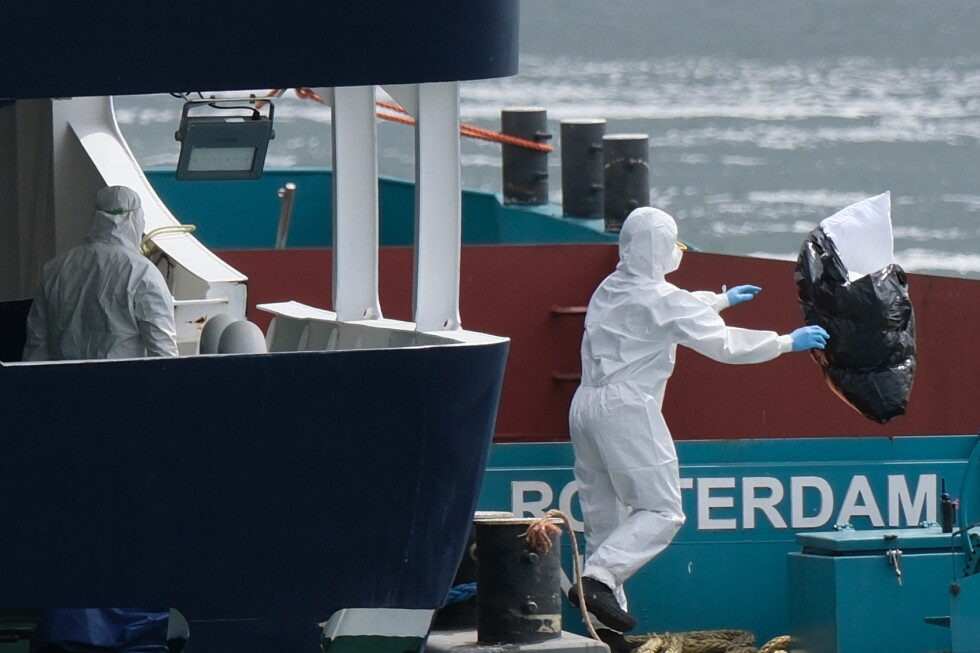
    “It was a bit of a wow moment,” Blumberg said. “And at least once you know what you’re dealing with, it’s much easier to respond.” As of the latest update from South Africa’s health ministry, the British patient who was the first confirmed case is now recovering in hospital and showing steady improvement. Meanwhile, the MV Hondius has completed its journey to its home port of Rotterdam in the Netherlands, where the vessel was thoroughly disinfected and all remaining crew have disembarked for monitoring.

    With 25 years of experience responding to disease outbreaks around the world, Blumberg framed the rapid identification of the cruise ship hantavirus as a case study in effective public health practice. “I’ve been doing outbreaks for 25 years. That’s what we do. We do them every day,” she said. “I think the important thing was to respond immediately to a question that clearly was urgent and then to take it from there.”

  • Man dies and three injured after horrific ute crash on dirt road

    Man dies and three injured after horrific ute crash on dirt road

    A devastating road accident in rural Western Australia has claimed one life and left four other people with severe injuries, after a utility vehicle veered off an unpaved roadway and rolled over early Saturday morning.

    The collision unfolded at approximately 12:30 a.m. along Samson Road in Jingalup, a small community located in the state’s Great Southern region. According to initial police reports, a 24-year-old man was operating a Toyota HiLux ute traveling southwest when he lost control of the vehicle, resulting in it rolling off the unpaved thoroughfare.

    The 30-year-old man seated in the front passenger seat sustained catastrophic traumatic injuries in the crash. Despite emergency response efforts, he was pronounced dead at the scene of the incident.

    The driver and three additional passengers – a 20-year-old man, a 19-year-old woman, and an 18-year-old man – all suffered serious but non-life-threatening harm in the rollover. All four injured survivors were transported by emergency medical personnel to Kojonup Hospital to receive urgent medical care and further treatment for their injuries.

    Multiple emergency services agencies responded to the incident, including St John Ambulance paramedics, local firefighting crews, and Western Australia Police, who secured the crash site to begin the official investigation.

    In the wake of the fatal tragedy, WA Police have issued a public appeal for any member of the community who may hold information relevant to the crash to step forward. Investigators are specifically asking for any available dashcam recordings, closed-circuit television footage, or mobile phone video that could document the moments before or after the collision, to assist with reconstructing how the incident occurred.

    Witnesses or people holding relevant evidence also have the option to submit information anonymously through Crime Stoppers, either via the organization’s official website or by calling the toll-free hotline at 1800 333 000. As of the latest update, official investigations into the exact cause and circumstances of the crash remain ongoing.