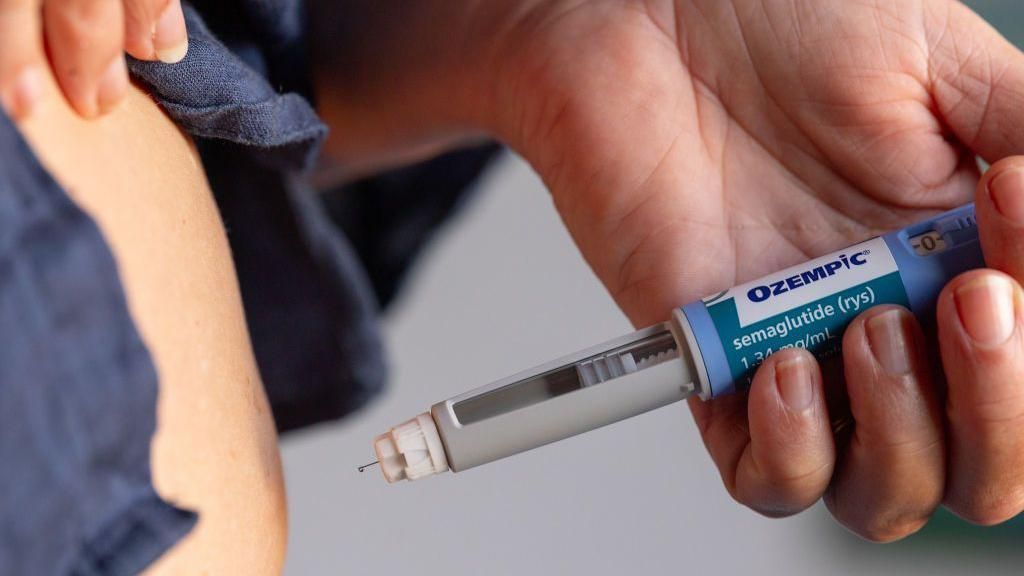
The global race to dominate the fast-expanding weight-loss pharmaceutical sector has erupted into open legal conflict, with Danish drugmaker Novo Nordisk — the manufacturer of blockbuster medications Wegovy and Ozempic — filing a federal lawsuit against its top competitor Eli Lilly in the United States on Tuesday. Novo Nordisk alleges Eli Lilly, which produces rival weight-loss and diabetes treatments Mounjaro and Zepbound, ran misleading national advertising campaigns that falsely positioned Lilly’s products as superior to Novo’s offerings.
According to the lawsuit, Eli Lilly’s advertising intentionally skewed comparisons by pitting its highest approved doses for obesity and type 2 diabetes against older, lower-dose formulations of Novo Nordisk’s drugs, while deliberately omitting Novo’s newer, higher-strength treatment options that have launched in recent years. The incorrect cross-comparisons specifically pit Mounjaro against Ozempic and Zepbound against Wegovy, the suit claims, with the misleading framing designed to deceive patients and providers by burying critical clinical context to manufacture a false impression of Lilly’s superiority.
John F. Kuckelman, senior vice president and group general counsel for Novo Nordisk, emphasized that patients and healthcare providers rely on accurate, up-to-date scientific data to make critical care decisions. “As new and more effective treatment options become available, people deserve accurate information that reflects the latest scientific evidence and helps them make informed care decisions,” Kuckelman said. “Healthcare companies have a responsibility to keep their public claims accurate and current — ineffective, fine-print disclaimers do not fix the misleading impression created by major national campaigns.”
Novo Nordisk is seeking a court order to force Eli Lilly to pull the contested advertisements and run a court-mandated corrective advertising campaign to correct the misinformation. If Eli Lilly refuses to voluntarily remove the misleading spots, Novo noted it will file a motion for a preliminary injunction in the coming days to block the ads from airing.
Eli Lilly has pushed back aggressively against the allegations, saying it stands firmly behind the accuracy and integrity of its advertising. A company spokesperson called the campaigns “truthful, transparent, and grounded in the most direct scientific evidence available — exactly what patients deserve.” The spokesperson added that Eli Lilly “will continue to focus on the science and defend against this lawsuit vigorously.” The Indianapolis-based drugmaker further argued that Novo is attempting to block the company from publishing results from what Eli Lilly calls a robust, gold-standard head-to-head comparison trial.
The legal clash comes as the two pharmaceutical giants fight for market share in a U.S. weight-loss drug industry that industry analysts project will grow to exceed $100 billion in annual value by 2030. The explosive growth of the GLP-1 weight-loss drug segment has turned competition between the two leading manufacturers into one of the most high-stakes business rivalries in the global healthcare sector, with billions of dollars in annual revenue on the line.