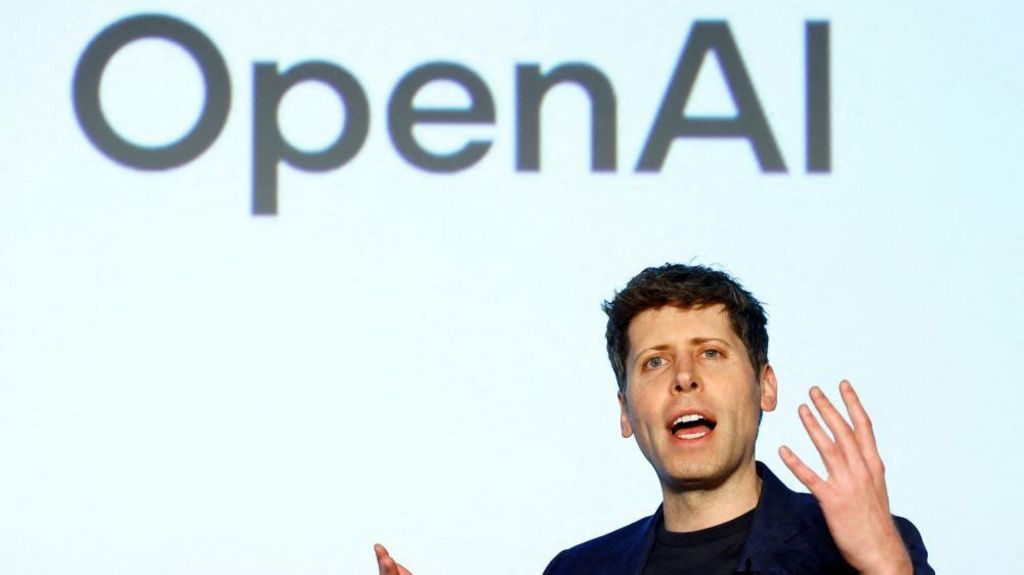
In a landmark legal move that has sent shockwaves through the global artificial intelligence industry, Florida has become the first U.S. state to file a civil lawsuit against OpenAI, the creator of the world-famous generative AI chatbot ChatGPT, targeting the company’s product design and inadequate safety protocols. The far-reaching legal action, brought by Florida Attorney General James Uthmeier, levels serious allegations against both OpenAI and its chief executive Sam Altman, claiming that the company prioritized rapid profit growth over public safety, endangering minors, facilitating violent criminals, and even encouraging vulnerable users to die by suicide.
Beyond the civil claims, Florida authorities are also conducting an active criminal investigation into whether ChatGPT played any role in a 2025 mass shooting at Florida State University that left two people dead. The complaint also names Altman as personally liable for what it describes as “reckless and wilful conduct”, arguing the executive showed “utter disregard for the risk to human life caused by his firm’s conduct”. The lawsuit outlines a range of violations, including deceptive and unfair trade practices, negligence, breaches of state product liability law, fraudulent misrepresentation, and the creation of a public nuisance. Prosecutors also reference two separate high-profile violent cases: the 2025 FSU shooting and the 2024 killing of two University of South Florida doctoral students, where the accused murderer allegedly used ChatGPT to ask for advice on disposing of human remains.
Speaking at a Monday press conference announcing the suit, Uthmeier framed the legal action as a necessary step to hold unregulated AI leaders accountable. “Sam Altman and ChatGPT have chosen the AI race over the safety and security of our kids. They have chosen profit over public safety, and we’re not going to stand for it here in Florida. So we will hold them accountable,” he said.
In an official response to the litigation, OpenAI pushed back against the claims, emphasizing that it has implemented what it calls “industry leading protections and policies” designed to keep users, particularly minors, safe. The company acknowledged the overwhelming grief of families who have lost loved ones in cases tied to ChatGPT use, noting “Losing a child is the most devastating tragedy that can happen to a family and we know that no words can come close to addressing the pain of such a loss.” OpenAI added that it has built minor safety directly into its platform, pointing to built-in age detection tools and parental monitoring features that allow caregivers to oversee their children’s AI usage. “We know pointing to this work will not bring a child back, but we’re committed to getting this right,” a company spokesperson added.
Florida’s lawsuit is not an isolated legal challenge for OpenAI; the company is already facing a growing wave of litigation from across North America focused on its safety practices. Multiple existing lawsuits claim ChatGPT has functioned as a “suicide coach” for vulnerable users and helped fuel harmful delusions that led to violence. Most notably, family members of victims from a mass shooting earlier this year in Tumbler Ridge, Canada, have also sued OpenAI, arguing the company banned the shooter’s ChatGPT account after detecting problematic usage but failed to alert law enforcement to the emerging threat. OpenAI has since apologized for not contacting police, but maintains the suspect’s activity did not meet its internal threshold for a credible, imminent threat of mass bodily harm.
OpenAI is far from the only major tech company facing mounting legal pressure over the safety and addictiveness of its digital products. Earlier this year, the father of a Florida man filed suit against Google, claiming the tech giant’s flagship AI product fueled a delusional spiral that ended with his son dying by suicide. Meanwhile, major social media platforms — including Meta, the parent company of Instagram, Snap Inc, TikTok, and Google-owned YouTube — face hundreds of lawsuits from U.S. states, school districts, and individual users alleging the companies intentionally design their platforms to be addictive to drive engagement, at the cost of public mental health. In a landmark ruling this March, a court found Meta and Google liable for harms caused to a 20-year-old plaintiff who argued the companies deliberately built addictive products, a decision that marked a major shift in U.S. product liability law. For decades, tech companies have successfully argued they cannot be held responsible for user-generated content hosted on their platforms, but a new wave of cases targeting harmful product design choices is increasingly gaining traction in courts across the country.
The Florida lawsuit also carries political undertones: Uthmeier and Florida Governor Ron DeSantis, both Republicans, have clashed with major AI companies that have received broad support from sitting U.S. President Donald Trump. Florida has openly pushed back against the Trump administration’s efforts to block state-level AI regulation, and recently proposed a state-level “Artificial Intelligence Bill of Rights” designed to strengthen consumer data privacy and protect Florida residents from the negative financial impacts of unregulated data center development.
To stay updated on the most important global AI developments and tech industry trends, readers can sign up for Reuters’ Tech Decoded newsletter.