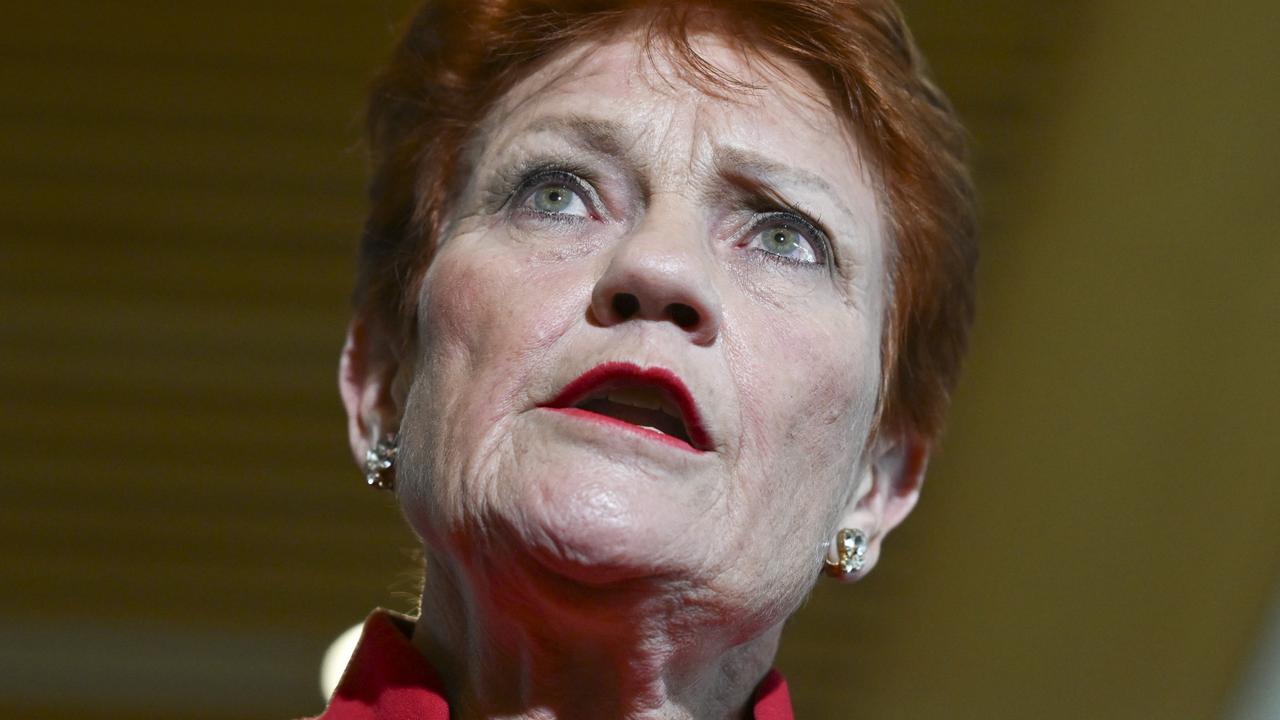
Fresh political polling data from Roy Morgan has revealed that Pauline Hanson’s One Nation has expanded its gap in primary voter support over the Liberal-National Coalition, marking the widest divide between the two right-aligned political forces since the chaotic leadership spill that ousted Sussan Ley and elevated Angus Taylor to the party’s top role.
Conducted between May 18 and 24 via text-based surveys with more than 1,600 registered Australian electors, the poll puts One Nation’s primary support at 25.5%, leaving the Coalition trailing at just 23% of intended primary votes. This milestone caps three straight weeks of One Nation outperforming even the federal Labor Party in primary vote tracking, a surge that followed the controversial announcement of negative gearing and capital gains tax adjustments in the 2026-27 federal budget.
Beyond voter intention, the poll also records a steep three-point drop in national government confidence, which now sits at a worrisome low of 65. A clear majority of 60.5% of respondents believe Australia is heading in the wrong direction, with only 25.5% holding the view that the country is on the right track. Analysts attribute the plummeting public confidence to ongoing fallout from fuel shortages and a broader national energy crisis, developments that have been amplified by the fragile current ceasefire between the United States and Iran in the Middle East.
In a public address addressing fuel market pressures on Monday, Prime Minister Anthony Albanese warned Australian households that the economic ripple effects of the Middle East conflict will continue to be felt domestically long after active hostilities end. “These are volatile and uncertain times, and I want to make it clear that when the conflict ends, that doesn’t mean that the economic tale concludes,” Albanese told reporters.
The poll indicates that if a federal election were held today, the incumbent Labor government would hold onto power, but would see its current parliamentary majority cut significantly. Even with its own drop in primary vote support, Labor still leads the Coalition 53% to 47% on a two-party preferred basis.
However, the data points to a major structural shift in Australian politics: poll analysts note that the next competitive federal election contest is increasingly shaping up to be a race between One Nation and Labor, rather than the traditional Labor-Coalition matchup. Modeling of head-to-head scenarios found that a One Nation contest against either major party would almost certainly result in a hung parliament, a outcome that would reshape legislative negotiation and governance in Canberra.