Hopes for a potential breakthrough peace agreement that could de-escalate conflict between the United States, Iran and Israel have sent shockwaves through global commodity and equity markets on Monday, driving a sharp drop in international oil prices and lifting major Asian stock benchmarks to multi-month or record highs.
The latest round of diplomatic optimism traces back to comments made by former U.S. President Donald Trump over the weekend. In Saturday social media remarks, Trump confirmed that a framework deal with Tehran had been “largely negotiated,” adding that final details would be unveiled in the near future. He noted he had held constructive conversations with the leaders of major Gulf energy exporters including Saudi Arabia, the United Arab Emirates and Qatar to discuss a draft peace memorandum of understanding, and also said a separate call with Israeli Prime Minister Benjamin Netanyahu had “gone very well.”
By Sunday, however, Trump struck a more cautious tone on the Truth Social platform, urging his negotiating team not to rush finalizing an agreement. “Both sides must take their time and get it right. There can be no mistakes!” he wrote. While Trump has reaffirmed that any finalized deal would “absolutely” prevent Iran from developing a nuclear weapon and would result in the reopening of the Strait of Hormuz – the critical global energy shipping choke point – he has yet to release full specifics of the proposed agreement.
Iranian officials have offered a measured take on the ongoing talks. Foreign ministry spokesman Esmaeil Baqaei told Iranian state television that U.S. and Iranian negotiating positions have grown closer over the past week, but cautioned that convergence does not guarantee final deals on core sticking points, and hit out at Washington for what he described as “contradictory statements” from U.S. officials.
The Strait of Hormuz, the narrow waterway connecting the Gulf oil exporting region to global markets, has been effectively closed to commercial shipping since the outbreak of hostilities on February 28. Roughly 20% of the world’s daily oil and liquefied natural gas supplies transit through the route, making its closure a major disruption to global energy security. The conflict escalated in early March, when Iran threatened to target any commercial vessels attempting to pass through the strait in retaliation for U.S. and Israeli military strikes on Iranian targets; Tehran subsequently launched retaliatory attacks on Israel and U.S.-aligned Gulf states including Saudi Arabia, Bahrain and the United Arab Emirates. A ceasefire took effect in early April, and Washington and Tehran have been holding negotiations on a long-term peace deal ever since.
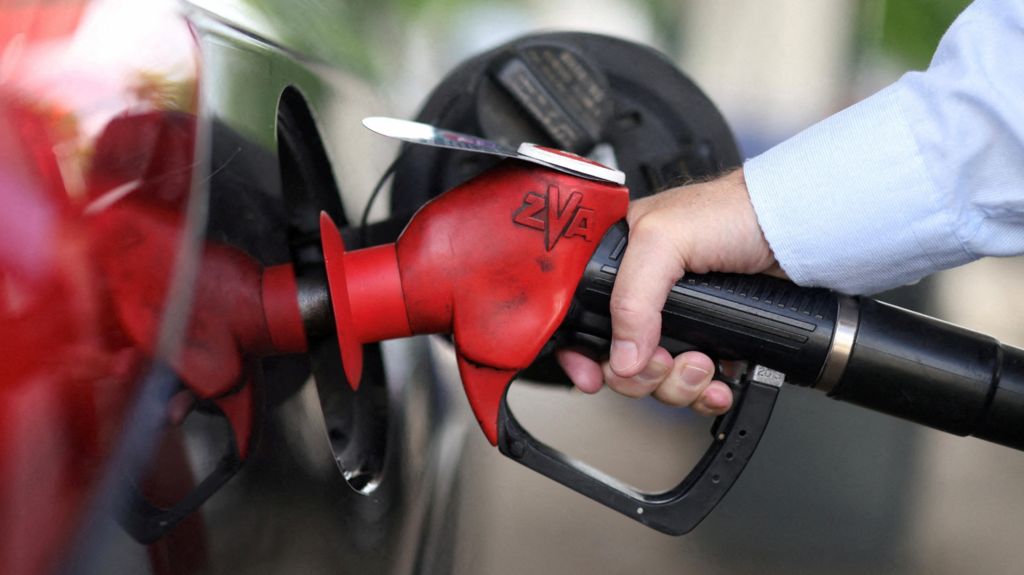
Market reaction to the weekend diplomatic developments was swift on Monday Asian trading hours. Global benchmark Brent crude fell 5% to trade at $98.36 per barrel, while U.S. West Texas Intermediate crude dropped 5.3% to settle at $91.50 per barrel. Major equity markets rallied across the region: Japan’s Nikkei 225 index gained 2.5% to cross the 65,000 point threshold for the first time in history. Both Japan and South Korea, which rely heavily on Gulf energy imports, have faced disproportionate economic pressure from the closure of the strait and subsequent energy price spikes. U.K. and U.S. financial and energy markets were closed Monday for public holidays, so formal trading reaction to the news will not be seen until Tuesday.
Energy analysts note that while the diplomatic breakthrough has delivered near-term relief to jittery energy markets, long-term supply risks remain elevated. “There is now some light at the end of the tunnel, which will bring some near term oil price relief,” said Saul Kavonic, head of energy research at MST Financial. “But even in the most optimistic scenario from here, oil markets will remain tight through 2027 given the time required to normalise oil flows through the Strait, repair damaged oil facilities, and rebuild global oil stocks that have seen record depletion since the war began.”