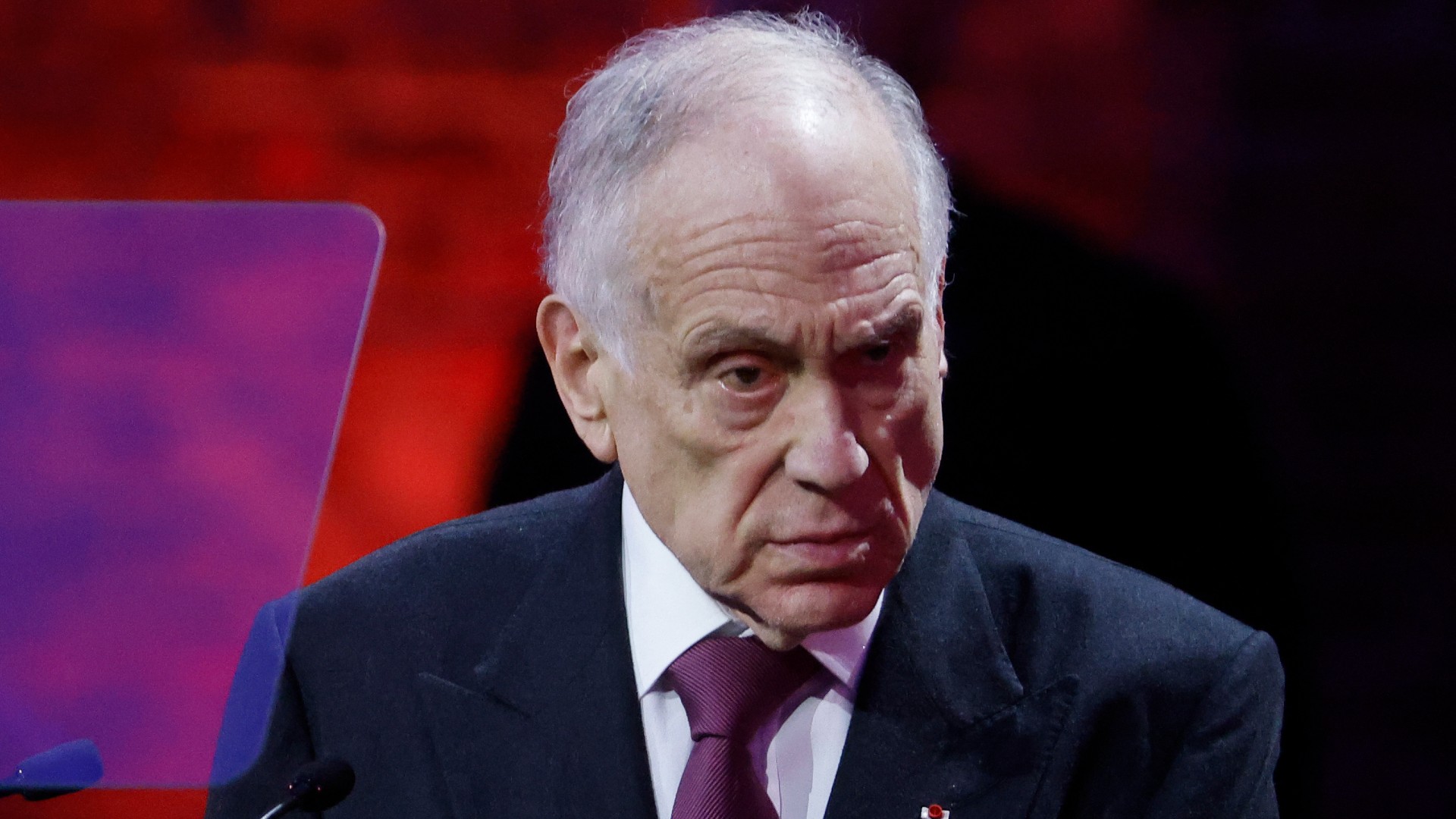
Ronald Lauder, the prominent American billionaire, head of the World Jewish Congress, and onetime close confidant of Israeli Prime Minister Benjamin Netanyahu, has issued a scathing public rebuke of the long-serving leader, claiming Netanyahu repeatedly discarded historic opportunities for regional peace to safeguard his own political career. The explosive remarks were published last week in an extensive interview with Israeli outlet Haaretz, timed just days ahead of Israel’s latest national elections, marking a dramatic break from a figure who spent decades as one of Netanyahu’s most influential and loyal international backers. Lauder, a former U.S. ambassador who first befriended Netanyahu in the 1980s during his tenure as Israel’s UN representative, recalled acting as Netanyahu’s personal intermediary for secret, months-long peace negotiations in the late 1990s with then-Syrian President Hafez al-Assad and Lebanese Prime Minister Rafik Hariri. Over 10 to 15 months of shuttling repeatedly between Israel, Syria, and occasionally Lebanon, Lauder said he helped draft a 10-point framework agreement that Assad had already signed off on, which would have included a negotiated Israeli withdrawal from the Golan Heights and demilitarized Hezbollah as a strictly political organization. He claimed Netanyahu had personally authorized every step of the process and pledged to sign the final deal, only to abruptly backtrack by demanding Lauder first secure the approval of hardline defense minister Ariel Sharon — a condition Lauder viewed as a deliberate, face-saving maneuver to avoid the political backlash of ceding territory, even though it meant killing the landmark agreement entirely. “He chose politics over peace. He put his political future before the deal. That’s where he lost me. I saw him afterward, but it was never the same. He betrayed me,” Lauder stated bluntly. The rift deepened further when Lauder, at Netanyahu’s initial encouragement, invested in Israel’s Channel 10 television station, only for Netanyahu to repeatedly lash out when the outlet’s news coverage grew critical of his leadership; Lauder said the dispute “destroyed” their once-close friendship, a break he kept private for years to avoid unnecessary public conflict. In the wide-ranging interview, Lauder went on to slam Netanyahu for empowering extreme far-right ministers Itamar Ben Gvir and Bezalel Smotrich, arguing their inflammatory policies targeting Palestinians have eroded Israel’s democratic norms, damaged critical ties with Arab neighbors and Western allied governments, and alienated large swathes of diaspora Jewish communities across Europe and the United States, including eroding longstanding bipartisan U.S. congressional support for Israel. “If Ben Gvir and Smotrich’s parties play any role in government in the future, Israel is doomed,” Lauder warned. “What you have is a dictator, a one-person show. Israel is a democracy, but Netanyahu is not playing by the rules of democracy.” Though he has fully severed his physical ties to Israel — selling his Tel Aviv apartment and donating his Beersheba home to the Jewish National Fund, with no plans to return — Lauder emphasized he remains a committed Zionist who loves Israel and is speaking out entirely out of care for the country’s long-term survival. The interview was published as Israel faces a crippling political deadlock in the immediate aftermath of this week’s general election: with 91% of votes counted by Thursday morning, Netanyahu’s right-wing bloc was projected to secure only 53 Knesset seats, falling far short of the 61-seat majority needed to form a stable government, while former military chief Gadi Eisenkot’s opposing centrist camp earned 48 seats and Arab Israeli parties claimed 19. Netanyahu’s path to retaining power now hinges on luring opposition defectors or negotiating a unity government that could potentially exclude his far-right allies, while failed coalition talks would trigger yet another snap election and leave him serving in a caretaker role indefinitely. Lauder added that he still believes viable regional peace deals are within reach, including with current Syrian President Ahmed al-Sharaa, whom he described as a pragmatic, capable leader focused on rebuilding his war-torn country, and rejected calls to designate Qatar an enemy state. He reserved his sharpest criticism for Netanyahu’s legacy, noting the leader could have gone down in history as one of Israel’s greatest statesmen, but is instead on track to be remembered as a failure. No response from Netanyahu to Lauder’s allegations had been released by the time Haaretz published the interview.
‘No going back’: World Jewish Congress chief Ronald Lauder abandons Netanyahu’s Israel