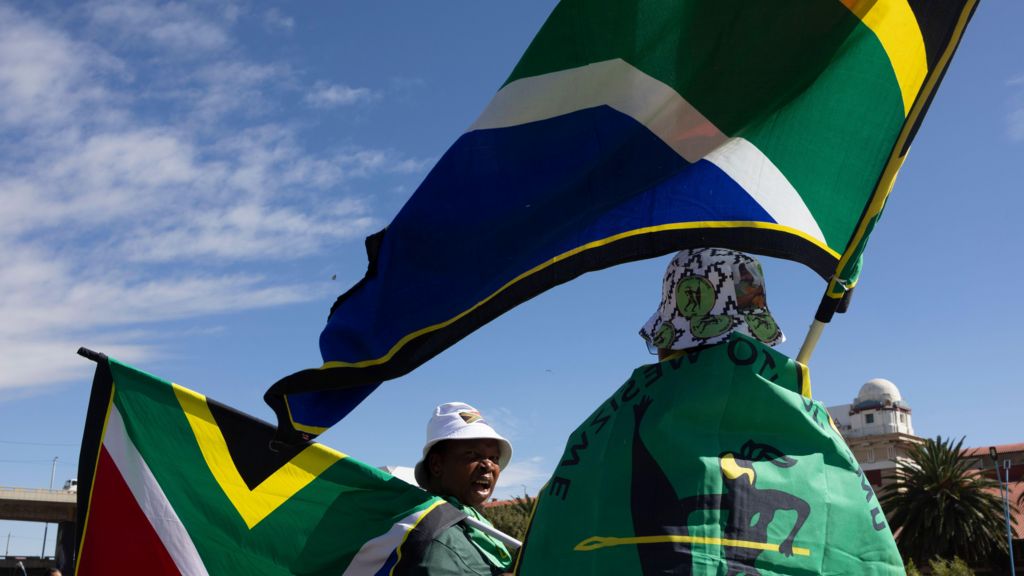
A wave of violent anti-immigrant attacks targeting foreign nationals across South Africa has sparked diplomatic tension between the continent’s most industrialized nation and Nigeria, after Abuja formally called in Pretoria’s acting high commissioner to address the escalating crisis.
According to an official statement from Nigeria’s foreign ministry, the scheduled Monday meeting will center on delivering Nigeria’s formal and profound concern over the recent string of xenophobic actions, including organized anti-immigration marches by nativist groups, documented assaults on Nigerian citizens, and coordinated attacks on businesses owned by Nigerian nationals. Ministry officials have explicitly warned that the ongoing unrest poses a tangible risk to the longstanding bilateral relations between the two African economic powerhouses.
Local South African media reports confirm that at least six foreign nationals have been killed in recent weeks: two Nigerian citizens and four Ethiopian nationals, with additional attacks recorded against migrants from other African countries across the country. As the economic hub of Southern Africa, South Africa has for decades drawn migrant workers from across the continent seeking greater employment opportunities and economic stability, a trend that has fueled growing resentment among segments of the local population.
South African President Cyril Ramaphosa has publicly condemned the violent attacks on migrants, but has also coupled this condemnation with a warning to all foreign residents that they must abide by South Africa’s domestic immigration laws. During his annual Freedom Day address last week, which marked the anniversary of South Africa’s first post-apartheid democratic elections in 1994, Ramaphosa reminded citizens of the critical solidarity and support African nations across the continent provided during the decades-long fight against the racist apartheid regime.
Despite this official message of unity, anti-immigrant sentiment has hardened in many communities. Many South African residents blame undocumented migrants for straining public services, taking scarce formal employment opportunities from local workers, and fueling rising rates of organized crime, particularly drug trafficking. Hardline anti-immigration groups have taken to extrajudicial patrols, stopping people outside public facilities including hospitals and schools to demand proof of legal residency.
During a large anti-immigrant march held in the capital Pretoria last week, organizers ordered all foreign-owned businesses to shut their doors ahead of the demonstration to avoid potential violence. One Nigerian resident, speaking to BBC Pidgin on the sidelines of the unrest, expressed deep disappointment with the targeting of African migrants. “It is not okay because we are blacks, we are brothers… everybody comes here just to survive,” he said.
A South African security worker, who was blocked from reaching his job by the protest march, echoed that frustration. “It’s not what we expected as fellow Africans,” he told reporters. “It’s just making us scared – imagine if we’re scared in our own African continent – what if we go to Europe?”
Nigeria is not the only African nation to take formal diplomatic action over the unrest. Last month, Ghana also summoned South Africa’s top diplomatic envoy after a viral video spread widely across social media showing a Ghanaian man being aggressively confronted by anti-immigrant activists who demanded he show proof of legal immigration status.
The current rise in xenophobic tension traces back to earlier this year, when controversy erupted after the head of Nigeria’s community in the South African port city of KugoMpo, formerly known as East London, was installed in a traditional local leadership position loosely translated as “king.” Many local South African residents framed the move as an illegitimate power grab by foreign communities, stoking widespread anger that has since spread across the country.
Official South African government data estimates that roughly 2.4 million legal migrants currently reside in the country, accounting for just under 4% of the total national population. Demographers estimate that a much larger number of migrants reside in the country without formal immigration documentation. The vast majority of migrants come from neighboring Southern African countries including Lesotho, Zimbabwe and Mozambique, nations that have a long history of providing migrant labor to South Africa’s economy. A far smaller share of the migrant population hails from Nigeria.