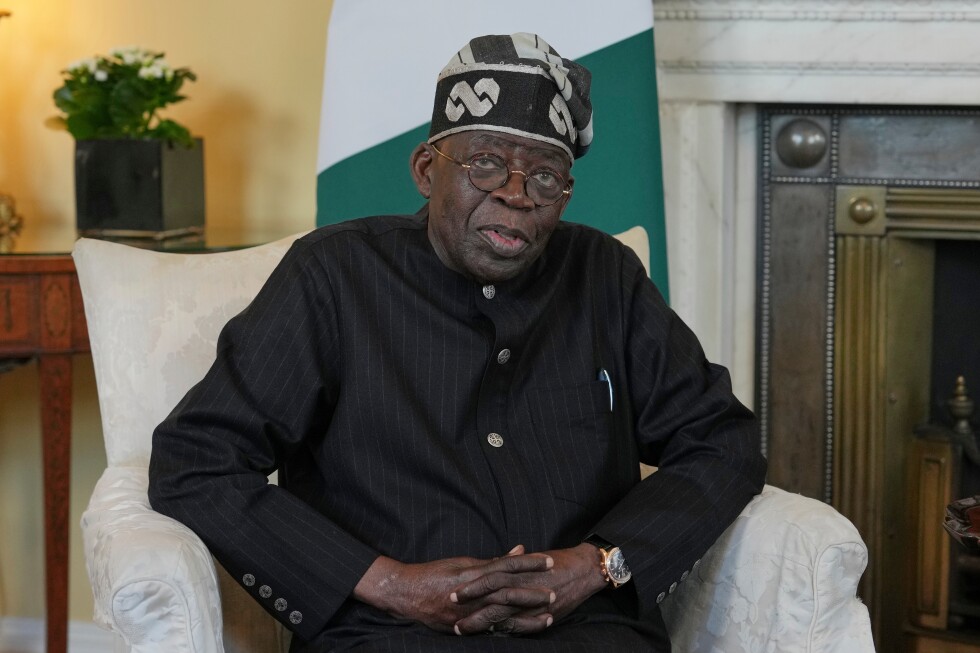
ABUJA, NIGERIA – In a major security development that has underscored rising political instability across West Africa, Nigerian federal authorities have filed terrorism and treason charges against six individuals, among them a retired army major general and an active-duty police inspector, over an alleged conspiracy to topple democratically elected President Bola Tinubu. Details of the charges are laid out in an official charge sheet reviewed by the Associated Press on Tuesday.
All six accused individuals are currently in government custody, while a seventh suspect – Timpre Sylva, a former governor of Nigeria’s Bayelsa State – remains at large. Sylva is specifically accused of aiding the conspirators by concealing details of their planned coup from authorities. The 13-count formal charge alleges that the co-conspirators “conspired with one another to levy war against the state to overawe the president of the Federal Republic.”
This case marks the formal prosecution of a plot authorities first said they foiled back in January, when the government initially announced that multiple military officers would face trial. The conspiracy traces back to late 2025, when security forces first took 16 military officers into custody over what military leadership at the time described only as “acts of indiscipline and breaches of service regulations.” That vague initial characterization fueled widespread public speculation of a secret coup plot, a rumor the Nigerian government initially denied before confirming the foiled attempt earlier this year.
As Africa’s most populous country, Nigeria has a fraught political history of military takeovers, with five successful coups recorded across the 20th century. However, the nation has maintained uninterrupted civilian democratic rule since its transition to democracy in 1999, making an attempted coup against the sitting government a major break from decades of stability.
The alleged plot against Tinubu’s administration fits into a growing regional trend: West and Central Africa have seen a sharp surge in both successful military takeovers and attempted coups in recent years, with the most recent disrupted plots uncovered in Benin and Guinea-Bissau just last year. Regional security and political analysts note that this wave of attempted putsches follows a consistent pattern: they emerge in nations grappling with disputed election outcomes, constitutional crises, widespread unaddressed security failures, and deep-seated youth discontent over economic stagnation and lack of opportunity.