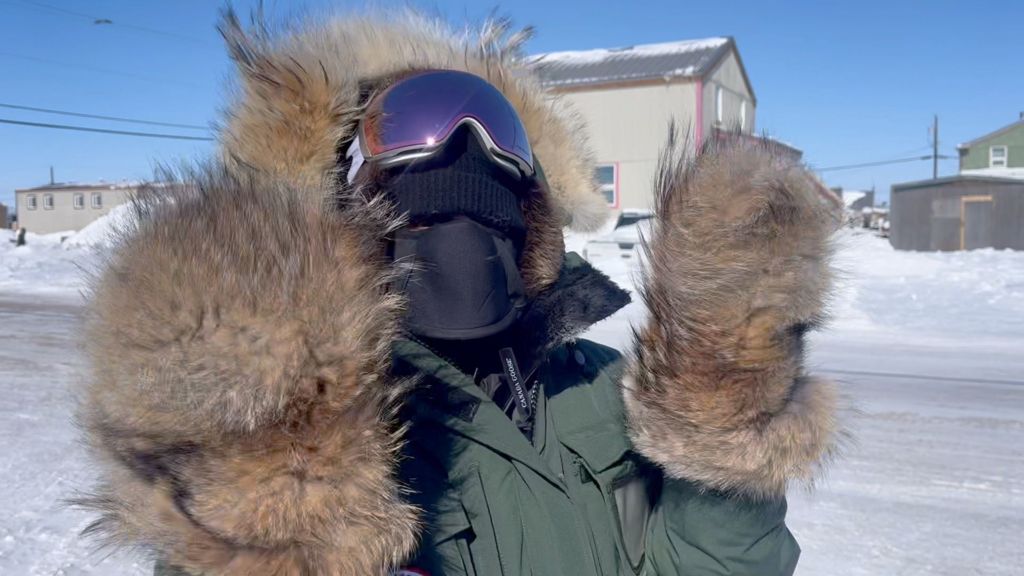
Covering a story in one of the harshest cold-weather environments on Earth requires more than just preparation—it demands endurance, adaptability, and a willingness to push past the limits of human comfort. For two BBC correspondents, Nadine Yousif and Eloise Alanna, that challenge became a reality when they embarked on a five-day journey across Canada’s frozen Arctic, embedded with the nation’s military rangers, facing sustained temperatures as low as -30 degrees Celsius and the constant threat of frostbite.
Canada’s Arctic region is a remote, sparsely populated landscape that plays a critical role in the country’s national security and sovereignty, making the work of Canadian military rangers here vital. These reservists regularly patrol the vast icy expanse, conducting reconnaissance, supporting local communities, and maintaining a persistent presence in the strategically important northern territory. For the journalists, joining a patrol offered an unfiltered, first-hand look at the realities of operating in one of the coldest inhabited regions on the planet, far from the amenities of southern urban centers.
Over the course of their five-day trek, Yousif and Alanna confronted a cascade of environmental threats that tested their resilience. Sub-zero temperatures bite through even the most advanced cold-weather gear, turning routine tasks like adjusting camera equipment or checking notes into dangerous ventures that increase the risk of tissue damage from frostbite. Every exposure to the open air carries risk, and the team had to remain constantly vigilant for early warning signs of frostbite and hypothermia, conditions that can escalate into life-threatening emergencies in minutes in these conditions.
Working alongside the experienced military rangers, the journalists learned to navigate the frozen terrain, adapt to the unforgiving climate, and document the little-seen work of Canada’s northern patrols. The expedition offered audiences a rare, intimate glimpse into the challenges faced by both service members and the small Indigenous communities that call the Canadian Arctic home, highlighting the harsh realities of life and work in a region that is increasingly gaining strategic and climate attention globally.