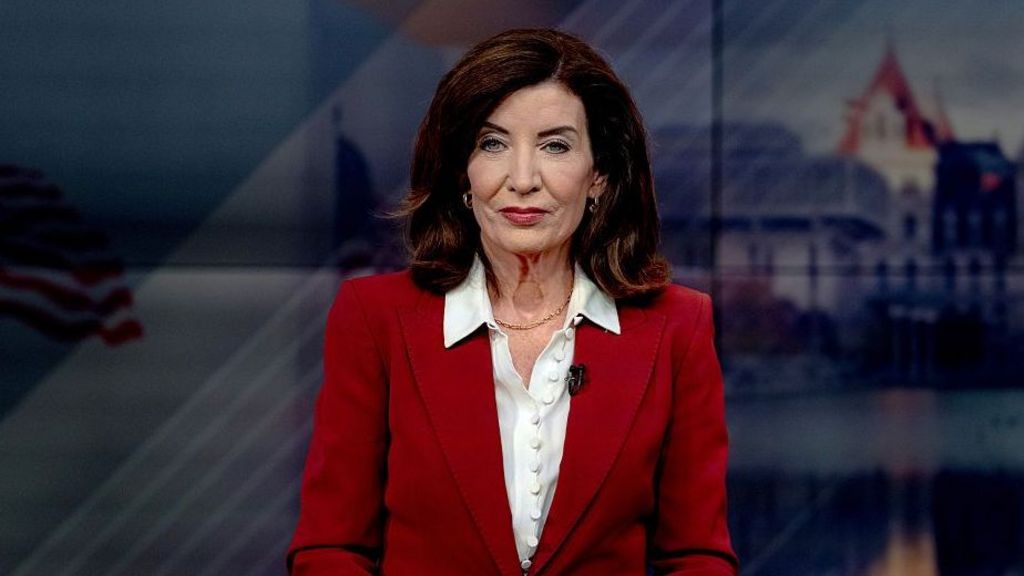
New York Governor Kathy Hochul has unveiled a landmark oversight agreement that will shift jurisdiction for all future sexual offence reports at Ivy League institution Cornell University from campus police to the New York State Police, following widespread public and academic outcry over the botched handling of a 2024 alleged gang rape case. The policy shift traces its origins to the civil lawsuit filed in mid-September by a student identified publicly only as Jane Doe, who claims she was drugged and sexually assaulted by seven male peers, dubbed the “Cornell Seven”, at a university-affiliated fraternity house earlier this year. The plaintiff’s legal filing accuses Cornell’s campus law enforcement and administrative leadership of failing to implement adequate survivor support protocols, neglecting to pursue rigorous investigative steps, and imposing disproportionately lenient disciplinary measures against the accused students. After initially issuing statements defending its internal case management, Cornell’s leadership later conceded that its response to Jane Doe’s allegations fell well below required standards of care and procedural rigor. The controversy has rippled across Cornell’s campus for weeks, sparking unprecedented backlash from academic staff. This week, the university’s Faculty Senate – the governing body representing tenured and tenure-track professors, lecturers, and research staff – convened in a closed-door session to formalize plans for a campus-wide no-confidence vote targeting the university’s senior administration, including sitting president Michael Kotlikoff. The voting period opens this Friday and will remain active through 6 November; while the resolution carries no formal binding authority to remove leadership, a successful no-confidence outcome would represent a historic public rebuke that could escalate calls for sweeping leadership turnover and structural campus safety reform. Prior to Governor Hochul’s new mandate, Cornell had rolled out a limited set of internal reforms earlier this month, including hiring additional dedicated sexual assault investigators to its campus police division, a step that failed to satisfy state officials who had already condemned the original case handling as deeply flawed. Hochul, who publicly stated she was “deeply disturbed” by the documented gaps in Cornell’s response, took further action earlier this month by appointing New York Attorney General Letitia James as a special prosecutor to lead a fully reopened criminal review of Jane Doe’s case, to determine if formal criminal charges should be filed against the seven accused individuals. In public remarks announcing the new state police partnership on Thursday, Hochul emphasized that sexual assault survivors are entitled to transparent, expert-led investigative processes that prioritize their wellbeing. “When someone summons the courage to report a sexual assault, they deserve absolute certainty that their allegations will be taken seriously, and thoroughly investigated by law enforcement personnel with specialized training to support survivors through every step of the process,” Hochul stated. “Survivors should never have to doubt the institutions that are tasked with protecting their safety and upholding their rights.” The newly signed formal agreement between New York State Police and Cornell eliminates the decades-long local policy that routed all campus sexual offence reports exclusively through the university’s internal police force, a framework that survivors’ advocacy groups have criticized for years for inherent conflicts of interest, as campus law enforcement reports directly to university leadership that often prioritizes institutional reputation over survivor justice.
New York police will now investigate Cornell sex complaints, governor says