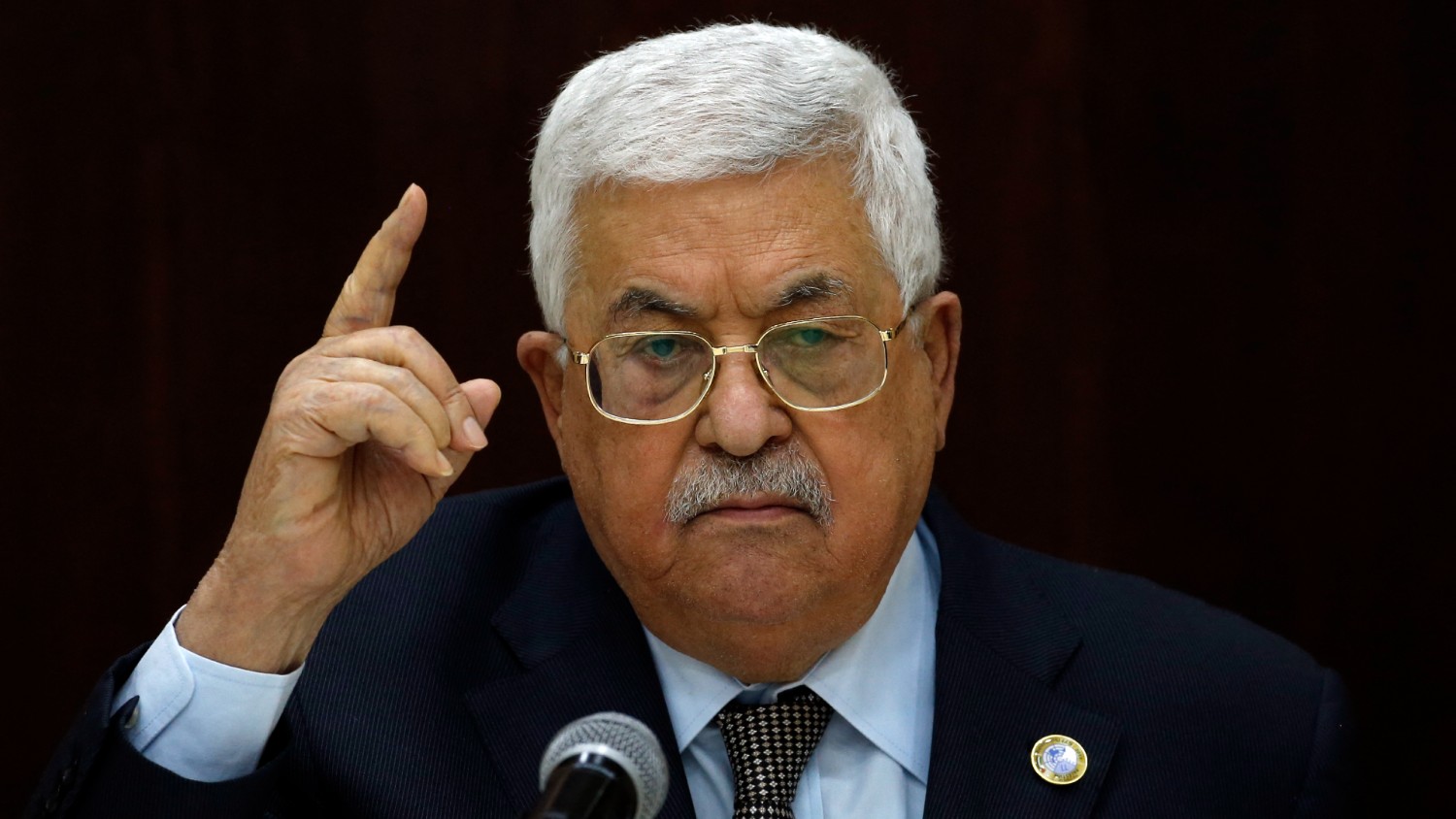
For the second straight year, Washington has blocked travel visas for Palestinian Authority officials seeking to attend the United Nations General Assembly in New York, drawing sharp international criticism from the European Union and top UN officials over what observers call a clear violation of US hosting obligations.
The European Union’s diplomatic service publicly called on the United States to reverse its decision Saturday, stressing that Washington holds binding legal responsibilities under its headquarters agreement with the United Nations as the host of the global body’s headquarters. EU spokesman Anouar El Anouni stated, “In light of its existing headquarters agreements with the UN and its obligations as host state, we urge the United States for this decision to be reconsidered.” The bloc also expressed deep regret over the continuation of the travel ban, which bars the official Palestinian delegation from taking part in in-person UNGA proceedings.
UN Secretary-General António Guterres has already aligned with the EU’s position, saying he holds serious concern that the visa refusals directly undermine the State of Palestine’s ability to fully participate in UN institutional work. In a partial workaround, the UNGA recently passed a vote to allow Palestinian President Mahmoud Abbas to address the upcoming 81st General Assembly session via a pre-recorded video statement.
The US State Department confirmed earlier this week that it is extending visa restrictions to cover both PA and Palestine Liberation Organization officials. Washington has justified the ban by leveling multiple accusations against Palestinian leadership, claiming the PA has failed to implement required domestic reforms and pursues actions that harm prospects for two-state peace. Specific US grievances include the PA’s push for international recognition of Palestinian statehood outside of direct negotiations with Israel, and its practice of providing financial stipends to the families of Palestinians imprisoned by Israeli authorities.
Critics have highlighted a stark double standard in Washington’s visa policy: no comparable travel ban has been imposed on Israeli officials, even as the International Criminal Court has an active arrest warrant outstanding for Israeli Prime Minister Benjamin Netanyahu over alleged war crimes in the Gaza Strip.
Even with the in-person travel block, Abbas’s pre-recorded address, scheduled for next week, is expected to ramp up international pressure for widespread formal recognition of Palestinian statehood. The speech will build on growing momentum over the past year, as major Western nations including the United Kingdom, France, and Canada have extended formal recognition to the Palestinian state. Abbas is also set to draw global attention to the catastrophic humanitarian crisis unfolding in Gaza, the accelerating expansion of illegal Israeli settlements in the occupied West Bank, and rising violent attacks against Palestinian communities by Israeli settlers in the territory.
Palestine’s Ministry of Foreign Affairs has welcomed the UNGA resolution allowing a virtual address, framing the vote as a meaningful victory over efforts to exclude Palestine from the annual UNGA gathering.
In a contrasting move that has drawn further attention to US visa policy, the State Department announced this week that it has approved visas for a limited number of Iranian officials to attend the UNGA, after weeks of uncertainty. The announcement came via a cryptic post on X from State Department spokesperson Tommy Pigott, who framed the restricted access as a punitive measure against the Iranian government. “While ordinary Iranians endure brutal repression, water and electricity shortages, and soaring inflation, the regime’s officials want to go on shopping sprees in New York. Not on our watch,” Pigott wrote. He added that the US would not allow Iranian regime elites to use the UNGA gathering for luxury shopping sprees funded by Iranian public money, at a time when the regime diverts national wealth to support what the US labels terrorist proxy groups.
According to reporting from The New York Times, the approved visas include strict geographic restrictions that limit the Iranian delegation’s movement within Manhattan, and the total number of visiting officials will be smaller than the delegation that attended last year’s UNGA. The delegation is expected to be led by newly elected Iranian President Masoud Pezeshkian and Foreign Minister Abbas Araghchi, who has served as Iran’s lead nuclear negotiator with the US alongside parliamentary speaker Mohammad Bagher Ghalibaf. This UNGA gathering comes as cross-border tensions between the US, Israel and Iran have remained elevated for seven consecutive months.