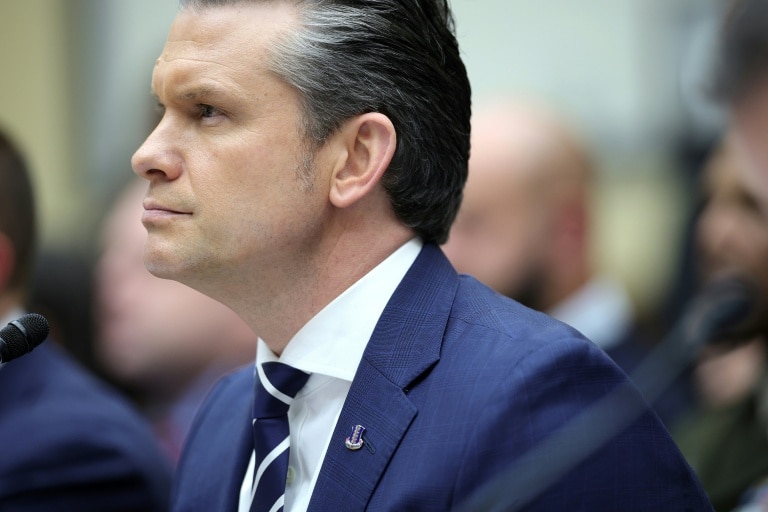
A new wave of transatlantic tension has emerged after U.S. Defense Secretary Pete Hegseth ordered the withdrawal of approximately 5,000 American military personnel from Germany, a move that has drawn pushback from NATO leadership and top congressional Republicans alike. The decision unfolds against a backdrop of growing friction between the second Trump administration and European capitals, rooted in disagreements over the ongoing Middle East conflict, trade policy, and burden-sharing for regional collective defense.
The Pentagon’s withdrawal order, announced Friday by spokesman Sean Parnell, is projected to wrap up over a six to 12-month timeline. As of the end of 2025, the U.S. maintained 36,436 active-duty troops stationed in Germany — by far the largest American force footprint in any European NATO member, dwarfing the 12,662 troops in Italy and 3,814 in Spain. The withdrawal marks the first major step forward on a threat Trump has wielded against European allies across both of his presidential terms, centered on his demand that European nations take ownership of their own defense rather than relying on U.S. security guarantees.
In a statement posted to X Saturday, NATO confirmed it was collaborating with U.S. officials to parse the details of the new force posture adjustment. NATO spokeswoman Allison Hart framed the shift as a reminder of the urgency for European allies to ramp up their defense investment and carry a larger share of responsibility for shared transatlantic security. German officials have struck a measured tone in response, with Defense Minister Boris Pistorius noting that a drawdown of U.S. troops from Germany and broader Europe was an anticipated development. Foreign Minister Johann Wadephul added that Berlin has been preparing for the reduction and is holding structured, trust-based discussions on the change across all NATO bodies. He did, however, draw a clear line around large strategic American installations, noting that critical hubs like Ramstein Air Base — which serves as a linchpin for both U.S. and NATO operations across the region — are not on the table for any changes, as they serve an irreplaceable role for both sides.
The decision has already faced skepticism from senior Republican lawmakers who oversee U.S. military policy. In a joint public statement released Saturday, Senate Armed Services Committee Chair Roger Wicker and House Armed Services Committee Chair Mike Rogers warned that pulling thousands of troops from Germany sends a dangerous, misaligned signal to Russian President Vladimir Putin at a moment of heightened global security tension. The pair acknowledged that Germany has already followed Trump’s calls to increase defense spending, and has granted U.S. aircraft access to German bases and airspace for operations tied to the ongoing Iran conflict. Still, they argued that even with increased European investment, it will take years for allies to convert that spending into the conventional military capability needed to take full ownership of deterrence on the continent.
The troop drawdown comes on the heels of a public verbal clash between Trump and German Chancellor Friedrich Merz, who earlier this week claimed Iran was “humiliating” Washington at the negotiating table over the conflict in the Middle East. It also coincides with a separate escalation in transatlantic trade tensions: Trump announced this week that tariffs on EU-produced cars and trucks will rise from 15% to 25% starting next week, arguing the bloc has failed to honor the terms of a trade agreement reached between the two sides last summer. Analysts view the dual moves as a clear sign of the Trump administration’s willingness to use economic and military leverage to force European allies to align with its foreign policy priorities, particularly in the Middle East.
Trump has made no secret of his willingness to extend troop cuts beyond Germany to other European NATO allies that have refused to back U.S. policy in the Iran conflict. Speaking to reporters Thursday, he confirmed he is considering pulling U.S. troops from both Italy and Spain, citing their lack of support for Washington’s efforts in the region. “Italy has not been of any help to us and Spain has been horrible, absolutely horrible,” Trump told reporters. “Yeah, probably, I probably will. Why shouldn’t I?” He added that the drawdown is in part targeted at allies that have refused to contribute to a U.S.-backed peacekeeping force for the Strait of Hormuz, a critical global energy waterway that Tehran has effectively closed in recent months. The continuing rift over the Middle East war has already deepened divides between Washington and many European capitals, and the troop withdrawal is expected to accelerate negotiations over the future of the NATO alliance’s force posture across the continent.