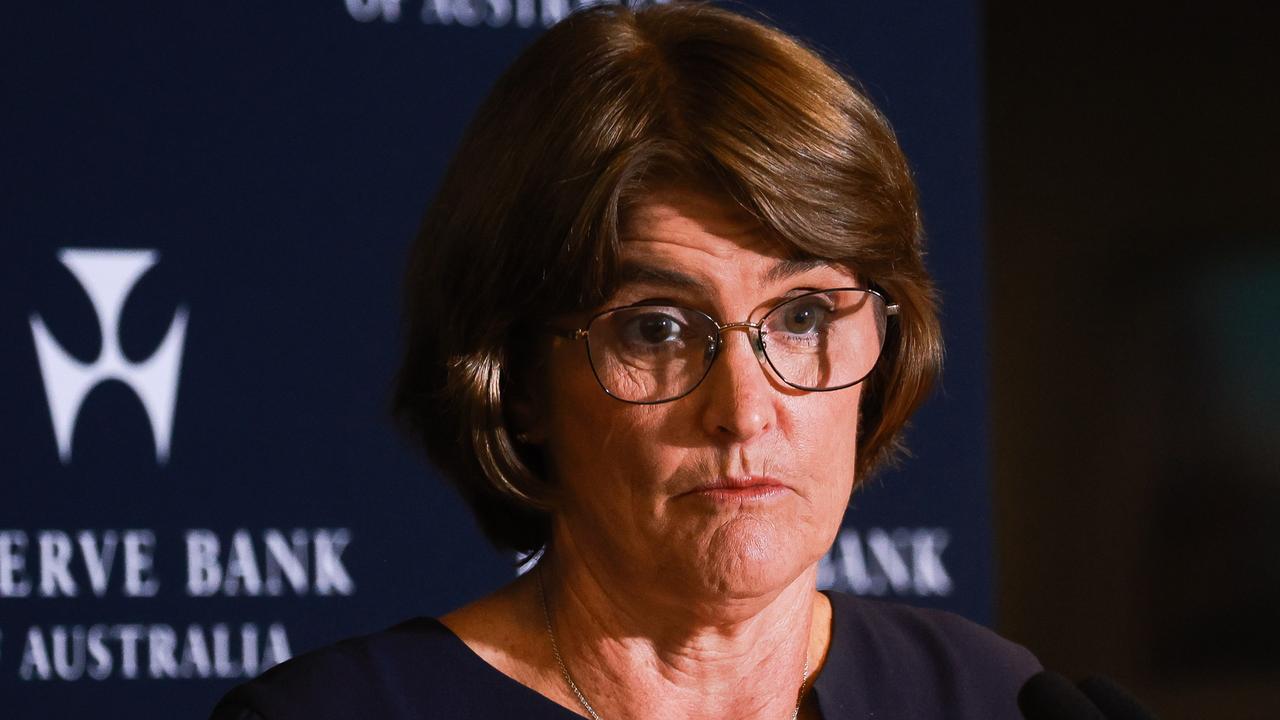
Ahead of the Reserve Bank of Australia’s (RBA) upcoming May policy meeting, three-quarters of leading Australian economists and financial industry experts are sounding the alarm: mortgage-holding households across the country are set to face another round of interest rate increases that will stretch household budgets even further.
A recent nationwide poll conducted by comparison platform Finder, which surveyed 36 financial experts and economists, found 27 respondents are convinced RBA Governor Michele Bullock will have no alternative but to greenlight another cash rate hike when the board meets next Tuesday. If this prediction holds, the increase will mark the RBA’s third consecutive rate rise following hikes in February and March, undoing the temporary cash rate relief Australian borrowers enjoyed in 2025.
The RBA already lifted the cash rate by a combined 50 basis points across its first two meetings of 2026, pushing the benchmark rate up to 4.10%. Should policymakers opt for a further 25 basis point increase in May, Australians holding the country’s average $736,259 home loan will see their annual mortgage repayments jump by an extra $2,657, according to Finder’s calculations.
The calls for another rate hike come after hotter-than-expected March quarter inflation data released this week gave policymakers more justification to tighten monetary policy. New figures from the Australian Bureau of Statistics (ABS) show headline inflation climbed 1.1% over the three months to March, driven largely by skyrocketing global oil prices that have hit Australian motorists hard for months. Annual inflation hit 4.6% in the 12 months ending March 2026, marking the highest annual inflation rate Australia has seen since September 2023, when the national economy was in its post-COVID-19 rebound phase.
Petrol costs alone surged 32.8% in March, pushing the broader transportation category up 9.2% month-on-month. Even the RBA’s preferred core inflation measure, the trimmed mean — which strips out volatile price swings to give a clearer view of underlying inflation pressures — came in at 3.3% over the 12 months to March, holding steady at the same level recorded in previous readings.
Wealth Within Group chief investment analyst Dale Gillham, one of the experts predicting a hike, said stubbornly rising inflation leaves the RBA with little room to hold rates steady. “I don’t think they have much choice, given inflation is still rising,” he noted, though he added he does not support the move, arguing that government overspending is the root cause of Australia’s persistent inflation.
AMP chief economist Shane Oliver echoed that view, pointing out that core inflation already sits well above the RBA’s 2-3% target range, even before the full flow-on effects of higher oil prices filter through to other sectors of the economy, including airfares, fertiliser, plastics and broader retail transport costs. “And there is a rising risk that inflation expectations are rising again impacting wage claims,” Oliver said. “So the RBA is likely to hike again to improve its confidence that inflation will fall back to target on a reasonable timeframe.”
Not all experts are convinced a hike is on the cards, however. Queensland University of Technology adjunct professor and personal finance specialist Noel Whittaker argues the RBA will choose to hold rates steady, pointing to the extreme financial pressure already crushing Australian households. “To me, it would be economic madness to raise rates in this time of uncertainty,” Whittaker said, noting that while a recession has been forecast for months, it has not yet materialized, meaning the central bank also has no reason to cut rates in the near term.