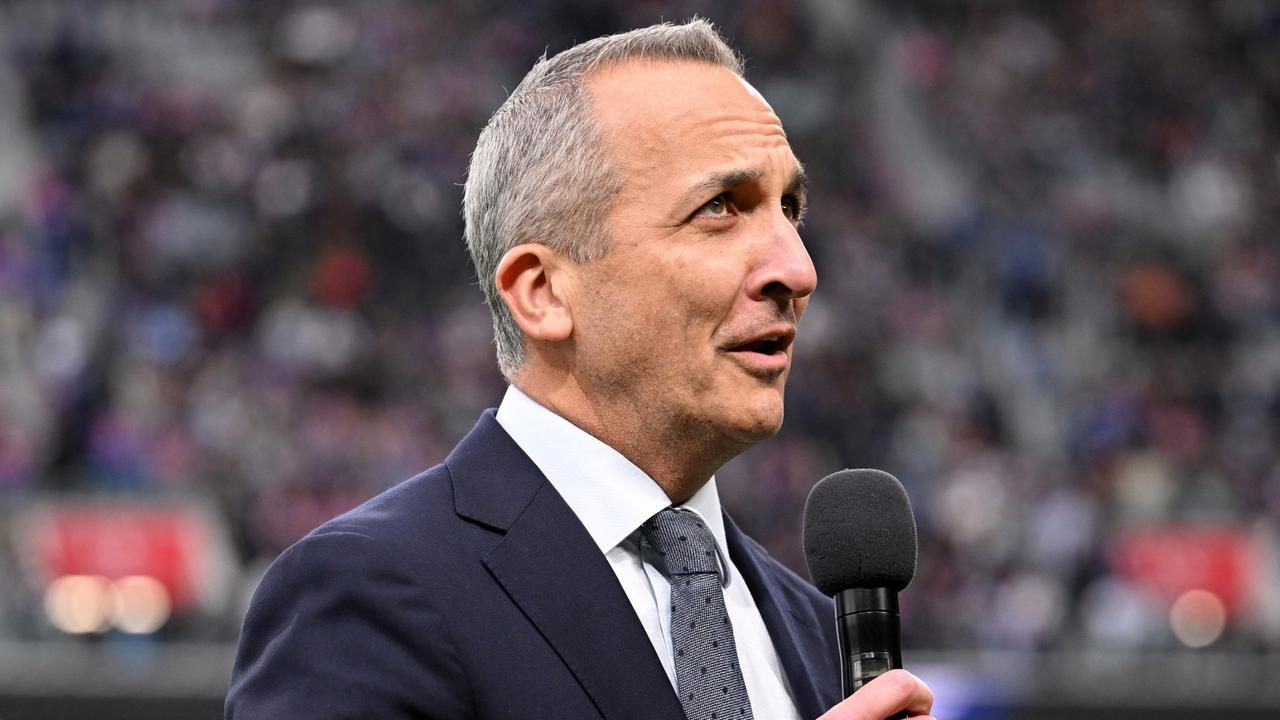
When Andrew Abdo walks through the doors of Rugby League Central on Wednesday morning, he will close out a 11-year tenure with Australia’s National Rugby League, three years of which he spent as the organization’s chief executive. For Abdo, the departure brings a tangle of emotions: sadness at leaving a role he deeply values, pride in the transformative gains the sport has made under his leadership, and quiet confidence that rugby league is primed for continued growth after his exit. He will next take the helm as chief executive of Tennis Australia, replacing outgoing CEO Craig Tiley.
Abdo’s path to the top of the NRL began when he joined the organization in 2013, earning a promotion to CEO in 2020. His tenure tested his leadership from the start, as he steered the entire competition through the unprecedented upheaval of the COVID-19 pandemic. Beyond navigating public health crisis, he leaves a legacy of tangible expansion: he oversaw the addition of two new franchises to the NRL ecosystem, and just last week finalized the most lucrative broadcast rights deal in the sport’s history. That multi-year agreement locks in long-term financial stability that positions the NRL for sustained growth for years to come.
Even on his final day at Moore Park headquarters, Abdo shows no sign of slowing down, he says. He is committed to handing over the role in full order, leaving all ongoing projects in the best possible shape for his successor. While the ARLC conducts a search for a permanent replacement, chairman Peter V’landys will step in to cover the CEO role on an interim basis, and Abdo says he has full faith in the organization’s leadership to maintain momentum. “I don’t think you’re going to see any slowing in momentum, and there’s plenty to do,” Abdo told NewsWire in an interview ahead of his final day. “I’ll be supporting strongly from the sidelines.”
Abdo’s final official public engagement as NRL CEO took place at Sydney’s Museum of Contemporary Art, where he helped launch *The Captains*, a landmark portrait exhibition honoring 12 of the most influential team leaders in the NRL Women’s (NRLW) competition. The launch marked 20 years of the Harvey Norman Women in League initiative, with long-time women’s rugby league supporter and Harvey Norman CEO Katie Page joining Abdo on stage, alongside exhibiting artist Cherine Fahd and NRLW stars Tiana Penitani Gray and Tayla Preston.
Reflecting on the milestone ahead of his departure, Abdo called the moment a poignant chance to measure how far women’s rugby league has come during his tenure. “I can not feel extremely privileged to have played a part in that, but also really proud because we have unbelievable athletes and officials that are just driving the game and taking it forward,” he said. “The players are unbelievable athletes on the field, but they’re just such great role models off the field.” He added that the exhibition itself, hosted at one of Australia’s leading contemporary art institutions, is a sign of how far women’s rugby league has evolved from its early days to become a core part of Australian sporting culture.
Founded in 2018, the NRLW has grown rapidly in visibility and participation in the six years since its launch. Under the new broadcast rights deal, Abdo confirmed the competition will retain its current season structure, with the men’s and women’s premiership grand finals set to continue being held on the same day. While the long-term shape of the competition remains open — with a number of current clubs already expressing interest in adding NRLW franchises and expansion on the horizon in new markets including Western Australia and Papua New Guinea — Abdo says he is a firm believer in sustainable growth that does not compromise on competition quality.
“I don’t think there’s a limit to the level of growth,” he said. Under the new broadcast deal, he predicts the sport will see continued growth in youth registration, a deeper talent pipeline producing new elite stars, and growing commercial and cultural investment that will open new opportunities for women and girls across the country. “These are wonderful opportunities for us to harness talent and to keep growing at pretty steep growth rates, but doing so sustainably where we’re not compromising on the quality of the competition and the athletes.”