After seven days of deliberation that failed to produce a unanimous verdict, a Massachusetts judge has formally declared a mistrial in the closely watched murder case against Lindsay Clancy, a 36-year-old former nurse accused of killing her three young children in 2023. The stunning outcome has left the case, and Clancy’s future, in legal limbo, deepening national divides over postpartum mental health and criminal responsibility that have gripped the American public for months.
Clancy does not dispute that she killed her children — 5-year-old Cora, 3-year-old Dawson, and 8-month-old Callan — at their family home in Massachusetts. Immediately after the killings, she attempted suicide by stabbing herself and jumping from a second-story window, a trauma that left her permanently paralyzed. She has pleaded not guilty to three counts of first-degree murder, with her legal team arguing she was severely impaired by postpartum psychosis at the time of the crimes and cannot be held criminally liable for her actions.
The case moved through six weeks of testimony before the jury entered deliberations. Over the course of seven days, totaling more than 40 hours of discussion, the jury signaled three times that they were unable to reach the unanimous verdict required by Massachusetts law, which demands a finding of guilt beyond a reasonable doubt to secure a conviction. On the final day of deliberations, Clancy’s lead attorney Kevin Reddington made a last-ditch effort to avoid a deadlock: he requested that one holdout juror, who the jury noted had failed to follow instructions on the reasonable doubt standard, be removed from the panel.
Judge Jeffrey Sullivan denied Reddington’s request and ordered the jury back to continue deliberations. When the panel returned an hour later still unable to reach a consensus, Sullivan ruled there was no alternative but to declare a mistrial. Reddington immediately filed an emergency appeal to the Massachusetts Supreme Judicial Court, asking the state’s highest court to order the jury to resume deliberations and force questioning of the holdout juror. The high court rejected the appeal, clearing the way for the mistrial ruling to take effect.
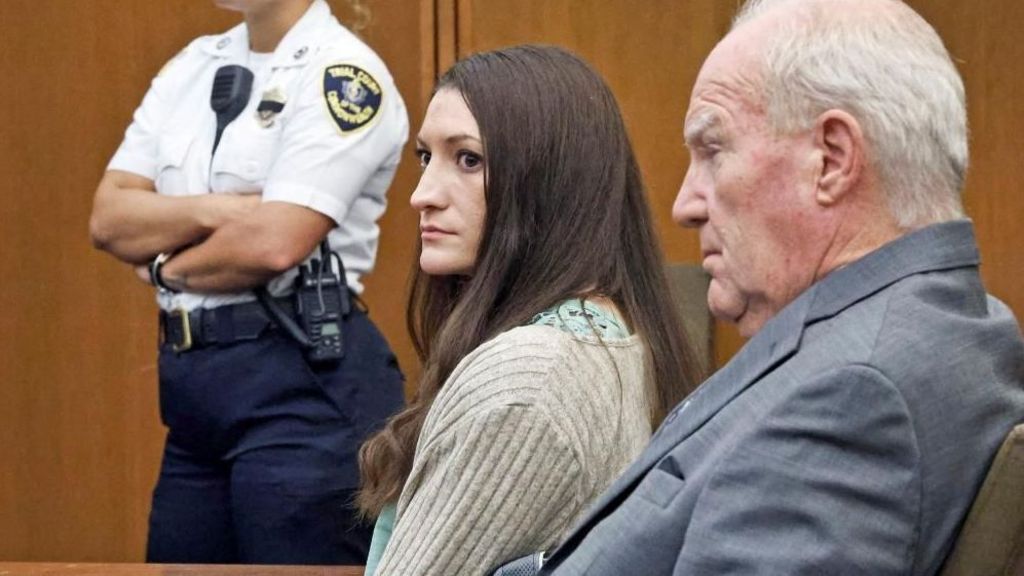
Court observers described a quiet, shocked atmosphere in the courtroom as the ruling was announced. Clancy appeared downcast and expressionless, while Reddington was visibly upset by the outcome. Outside the courthouse, Reddington told reporters he believed 11 of the 12 jurors leaned toward a verdict favorable to Clancy, with only a single holdout blocking consensus. No official information about the jury’s internal deliberations or individual positions has been released to the public.
A hung jury and subsequent mistrial do not resolve the case: it does not confirm Clancy’s guilt, nor does it result in an acquittal. Clancy will remain in custody at a mental health facility, held on the existing first-degree murder charges, while prosecutors weigh their next steps. A status hearing is scheduled for September 29, where the prosecution will outline its plans for moving forward. Options available to prosecutors include holding a second trial or negotiating a plea agreement with Clancy’s defense team.
Plymouth County District Attorney Timothy Cruz told reporters Friday that no final decision had been made, and his office would review the case with its legal team before determining whether to pursue a new trial. “The facts are Lindsay Clancy killed her three children and the evidence suggested to us that she was in control of her actions when she committed those homicides,” Cruz said. Reddington has already announced he plans to file a motion to reconsider the mistrial ruling, which will be heard at the September hearing.
The horrific nature of the crimes, combined with the central question of postpartum mental health, has made the case a national sensation that has deeply divided public opinion. Hundreds of journalists covered the trial daily, and thousands of Americans followed live streamed proceedings closely, sparking widespread debate over how the criminal legal system should treat people experiencing severe postpartum psychiatric episodes. The high level of public attention even drew comment from U.S. President Donald Trump, who weighed in from the White House Friday. He called the case a “horrible tragedy” and noted, “She did a horrible, horrible thing. Can’t be worse. I assume there’s going to be another trial… But you’ll find out what the price to pay is. There’ll be a price.”
This story contains details of violence and suicide that may be distressing to some readers. If you or someone you know is experiencing suicidal thoughts or mental health distress, support is available globally through Befrienders Worldwide at www.befrienders.org, and in the United Kingdom through the BBC Action Line at bbc.co.uk/actionline.