Amid ongoing implementation of the European Union’s landmark new migration and asylum pact, the bloc’s top migration official has reaffirmed that non-negotiable international human rights standards will govern any proposed asylum return hubs planned in non-EU countries, pushing back against widespread criticism from rights advocacy groups.
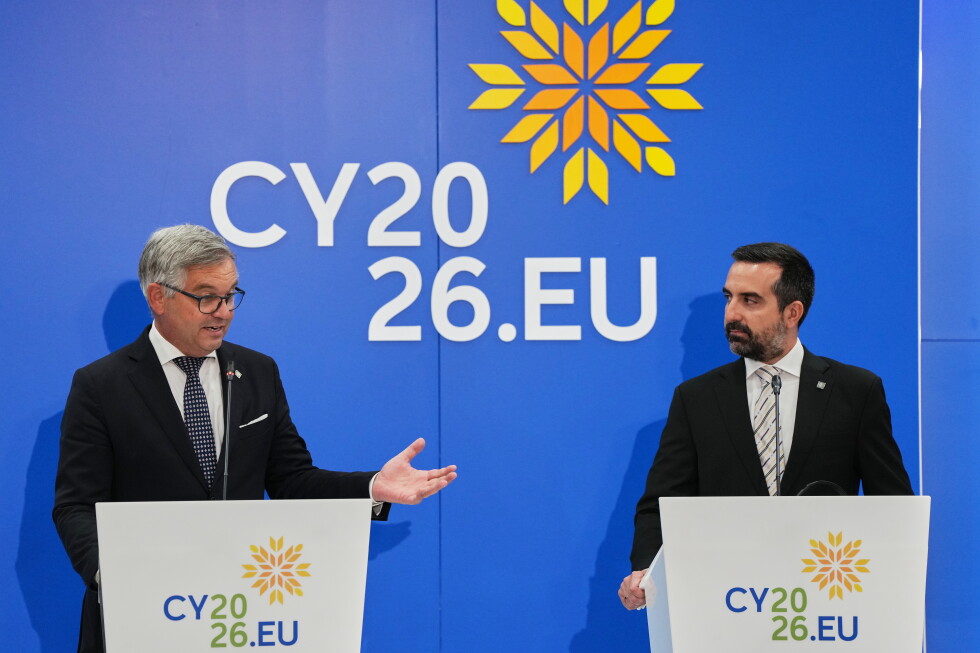
Speaking at a press conference hosted during a gathering of EU migration ministers in Nicosia, Cyprus on Friday, EU Migration Commissioner Magnus Brunner emphasized that every agreement establishing these processing centers for rejected asylum seekers will undergo independent review to guarantee full compliance with legal protections. Brunner confirmed that both the International Organization for Migration and the United Nations Refugee Agency will participate in the vetting process to audit the terms of any finalized deal, stressing that “Human rights standards and international law is non-negotiable.”
The return hub framework, a central provision of the EU’s updated migration policy, has drawn significant skepticism from human rights organizations, which have raised urgent alarms that the facilities could devolve into overcrowded long-term detention centers, leaving failed asylum seekers trapped in prolonged legal limbo with no clear path forward. Critics have also warned that the pact’s streamlined assessment processes could cut off access to protection for legitimate asylum claimants.
On the same day, Greece’s migration ministry confirmed that a coalition of five EU member states — Greece, Germany, Austria, Denmark, and the Netherlands — are currently in active negotiations with several African nations to host the hubs on their territory. Under the coalition’s current timeline, agreements with the unnamed third countries are expected to be finalized this year, with the facilities scheduled to become operational by 2027. When pressed to name the countries under consideration, Brunner deferred to the negotiating member states, noting that “We created the rules, we create the basis, but it’s up to the member state to negotiate agreements if they want to.”
Cyprus, which currently holds the bloc’s rotating six-month presidency, will join the return hub negotiations once its term ends on July 1, according to Cypriot Deputy Minister for Migration Nicholas Ioannides. Ioannides pushed back against rights groups’ criticism of the new pact, arguing that the framework’s core goal is to prepare the bloc for future large-scale migration flows, similar to the 2015 refugee crisis that caught EU institutions off guard. “These groups disagree with the gist of this project, with the whole architecture,” Ioannides said, adding that implementing clear new rules is the EU’s top priority to avoid repeating past unpreparedness.
Brunner defended the new migration pact, arguing that it delivers more effective, streamlined rules that target criminal people smuggling networks and irregular migration routes, while concentrating protection resources on claimants with legitimate humanitarian needs. He pointed to early data showing the bloc’s migration reforms are already delivering results: irregular arrivals along the Western Balkan route have plummeted 90% over the past three years, and crossings from Turkey to Greece’s Aegean islands dropped 67% in the first four months of this year compared to previous periods.
In a separate development announced Friday, Cyprus has finalized a bilateral agreement with Lithuania to relocate migrants already granted international protection to the Baltic EU member state, a small but significant step to share migration responsibility across the bloc.