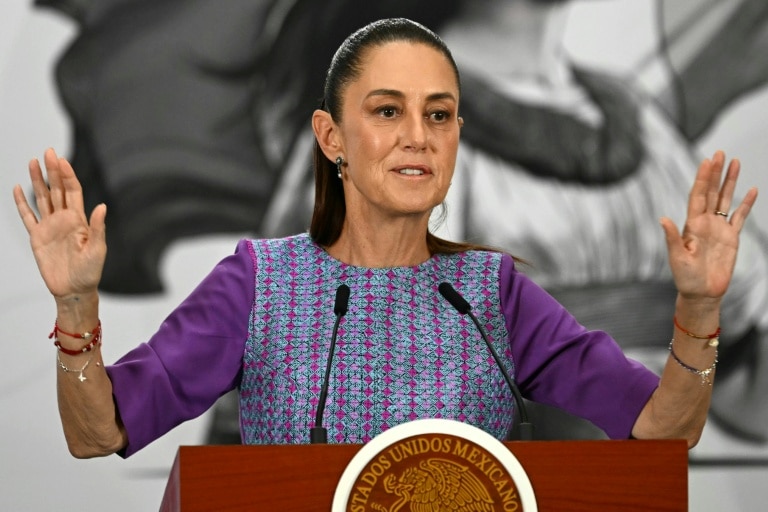
In a major development that has escalated cross-border diplomatic friction, Mexico’s President Claudia Sheinbaum has publicly stated that Mexico will only act on a potential extradition request for a sitting state governor if Washington provides irrefutable evidence to back up unprecedented U.S. drug trafficking charges. The bombshell accusations were announced Wednesday by the U.S. Department of Justice, which named Sinaloa Governor Ruben Rocha Moya and nine other individuals as co-conspirators collaborating with the infamous Sinaloa Cartel to smuggle massive volumes of illicit narcotics into the United States. Rocha Moya, who has led the violence-plagued northern Mexican state since 2021, is a prominent member of Sheinbaum’s own left-leaning Morena party and a close political ally of former president Andres Manuel Lopez Obrador, the movement’s founder. With a 40-year career in Mexican public service, the 76-year-old governor has previously served as a state legislator, president of the University of Sinaloa, senior advisor to two prior Sinaloa governors, and the state party leader for Morena. Speaking at her regular morning press briefing on Thursday, Sheinbaum laid out a clear legal framework for moving forward: if Mexico’s Attorney General’s Office receives conclusive, lawfully compliant evidence from U.S. authorities, or uncovers evidence of criminal wrongdoing through its own independent investigation, it will fulfill its obligations under any extradition request. However, Sheinbaum added that if sufficient evidence never materializes, it will become clear that the Justice Department’s allegations are rooted in political motives rather than legal fact. Hours after the charges were made public, Rocha Moya took to social media to reject the accusations outright, framing them as a deliberate political attack on Morena, Mexico’s ruling populist movement. Notably, all other nine individuals facing U.S. charges are also affiliated with the Morena party. Sheinbaum emphasized that this marks the first occasion in history that the United States has publicly unsealed narcotrafficking charges against a sitting Mexican governor or any similarly high-ranking sitting Mexican official. Reaffirming her government’s commitment to accountability, the president stressed “We aren’t going to protect anyone.” This unprecedented legal action comes at a moment when bilateral relations between Mexico and the Trump administration are already stretched thin. Recent weeks have seen tensions rise following the death of two U.S. agents, widely reported to be CIA personnel, during an operation linked to a drug seizure. The pair died in a car crash in the northern border state of Chihuahua, and Mexican authorities confirmed the agents had never obtained formal permission from Sheinbaum’s government to conduct operations on Mexican soil. The Sinaloa Cartel, one of Mexico’s most powerful transnational criminal organizations, is among six Mexican drug trafficking groups that the Trump administration has formally designated as foreign terrorist organizations. For months, Washington has pressured Sheinbaum to approve expanded U.S. counter-cartel intervention inside Mexico, including proposals for unilateral drone strikes and the deployment of U.S. military personnel. While the Mexican president has expressed openness to deeper bilateral cooperation on intelligence sharing, she has repeatedly rejected any deployment of U.S. armed forces on Mexican territory, calling such a move a direct violation of Mexico’s national sovereignty and political independence.