In a groundbreaking resolution to one of the highest-stakes regulatory cases facing Big Tech in recent years, Meta Platforms has agreed to a $16.7 billion settlement and sweeping platform overhauls to resolve allegations brought by 29 U.S. states that the social media giant deliberately designed its platforms to harm young users, according to a federal court filing made public Wednesday.
The multi-state lawsuit, which kicked off its second week of trial before the settlement was reached, accused Meta of intentionally building addictive algorithmic features for Facebook and Instagram to hook teen users, deliberately misleading the public about the documented mental health and safety risks of its products, and illegally harvesting personal data from children under the age of 13. The proposed deal brings an end to a years-long legal battle and sets a new precedent for industry-wide regulation of social media content targeted at minors.
Legal analysts note that the regulatory changes mandated by the settlement go further than any voluntary safety commitments Meta has previously adopted, coming after years of sustained public outcry from parents, child development experts and public health officials over the well-documented harms of unregulated social media use for adolescents. Growing global scrutiny of social media’s impact on teens has already spurred widespread adoption of age verification rules and school cell phone bans across dozens of countries, with policymakers pointing to the U.S. case as a catalyst for stricter global regulation.
The most transformative elements of the agreement are not the financial penalties, but the binding structural changes Meta will be required to implement to its core platforms within months. Under the terms, all teen accounts will automatically be locked out of Facebook and Instagram between midnight and 6 a.m. local time by default, and cumulative daily usage across Meta’s apps will be capped at two hours for users under 18 (time spent on direct messaging and long-form video is excluded from the limit). If other major social media platforms adopt equivalent safety rules, the restrictions will be tightened further: the overnight block will expand from 10 p.m. to 7 a.m., and the total daily usage cap will drop to one hour per app, with a two-hour overall maximum.
For 10 years after the agreement takes effect, an independent auditor jointly selected by Meta and the state coalition, and funded entirely by the company, will oversee compliance with the new rules to ensure enforcement. The $16.7 billion settlement payment will be disbursed in 10 annual installments to the participating states, with California set to receive between $1.5 billion and $2.1 billion over the decade as the lead plaintiff in the case, and New York slated to receive up to $1.13 billion.
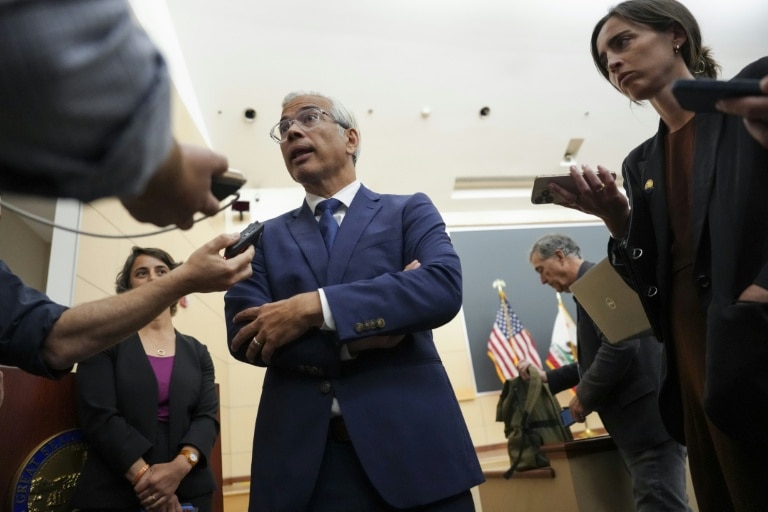
California Attorney General Rob Bonta framed the outcome as a turning point for child online safety, saying in a statement following the filing: “Meta has agreed to make massive transformations that will reduce the risk of harm from its platforms — and will do it within months.” He added that the deal delivers “real change, real transparency, and real enforceable protections for children.”
Crucially, the settlement does not require Meta to admit any liability or wrongdoing, a standard term in such regulatory agreements. The company has consistently denied all allegations brought by the states, and the deal still requires final approval from a federal judge to go into effect. It also does not resolve thousands of outstanding personal injury claims and separate litigation from U.S. school districts that are still pending against the company.
During the first week of trial, witnesses testified that Meta internal documents showed company leaders knew its existing teen safety tools were ineffective, with some even being “designed to fail” to protect business metrics. On the second day of the trial, Instagram head Adam Mosseri admitted that he had publicly promoted new teen safety tools years ago without disclosing that early testing showed extremely low user adoption rates. Meta founder and CEO Mark Zuckerberg had been scheduled to testify in the case before the settlement was reached.
Meta had previously warned that an adverse courtroom ruling in the case could have exposed the company to more than $1 trillion in potential statutory penalties, making the 29-state litigation one of the most financially and reputationally high-stakes cases in the company’s history.