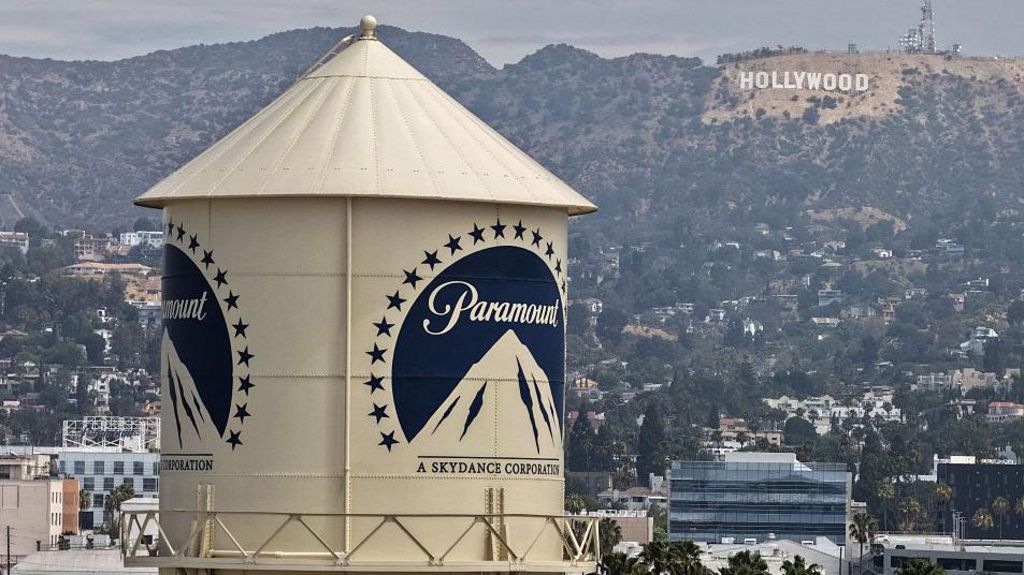
In a major antitrust development shaking the global media industry, a United States federal judge has issued a temporary restraining order halting the planned $110 billion merger between entertainment heavyweights Paramount Skydance and Warner Bros. Discovery, blocking the combination for 14 days. The ruling comes in response to a high-stakes lawsuit filed by a coalition of 12 US states, led by California and New York, which argues that the proposed merger would cripple market competition and force higher costs for consumers across the country. Prosecutors representing the state coalition warned that merging two of Hollywood’s most prominent studios would inflict widespread harm on multiple stakeholders, from independent movie theater operators and basic cable distribution networks to the general audiences that consume their content. Lawyers for the two media conglomerates have pushed back against the claims, countering that state regulators have misjudged the current media landscape, and that merging their operations would unlock greater efficiency for their streaming platforms, which have faced mounting pressure in a crowded, highly competitive market. US District Judge Araceli Martínez-Olguín issued the 14-day injunction on Monday, one week after hearing oral legal arguments from both sides in the case. The court order explicitly prohibits either company from completing the merger or beginning any process of integrating their business operations during the two-week period. In her written ruling, Judge Martínez-Olguín emphasized that the coalition of states had raised substantial, credible questions about how the proposed merger would disrupt the existing ecosystem for motion picture distribution. She noted that if the court allowed the merger to move forward before reaching a final verdict, undoing the combination later would be functionally near-impossible, comparing it to the difficulty of “unscrambling the egg” once an egg has been broken and mixed. The judge also rejected the media companies’ core arguments, stating that the public’s critical interest in enforcing antitrust regulations to preserve competitive markets outweighs any disruption caused by a temporary pause to the merger process. She added that both Paramount Skydance and Warner Bros. Discovery remain fully operational, independent companies that can compete effectively in the open market while the legal process plays out. If the merger were to ultimately receive final approval, it would bring to an end a century of fierce head-to-head rivalry between two of Hollywood’s most iconic and successful entertainment creators. The combined company would control an unparalleled catalog of legendary entertainment franchises, ranging from *Harry Potter*, Batman, *Mission: Impossible* and *Top Gun* to major cable news and entertainment networks including CNN, MTV, and Nickelodeon. Industry analysts estimate that a merged Paramount-Warner Bros. entity would be responsible for more than a quarter of all major theatrical film releases in the United States, giving it unprecedented leverage over distribution and pricing across the sector. Monday’s ruling marks a significant early setback for the two companies, which have been pushing for the merger as a strategy to better navigate the ongoing upheaval and intense competition that defines the modern streaming landscape. The next court hearing to evaluate the case has been scheduled for August, where both sides will present further arguments ahead of a final ruling on whether the merger can proceed.