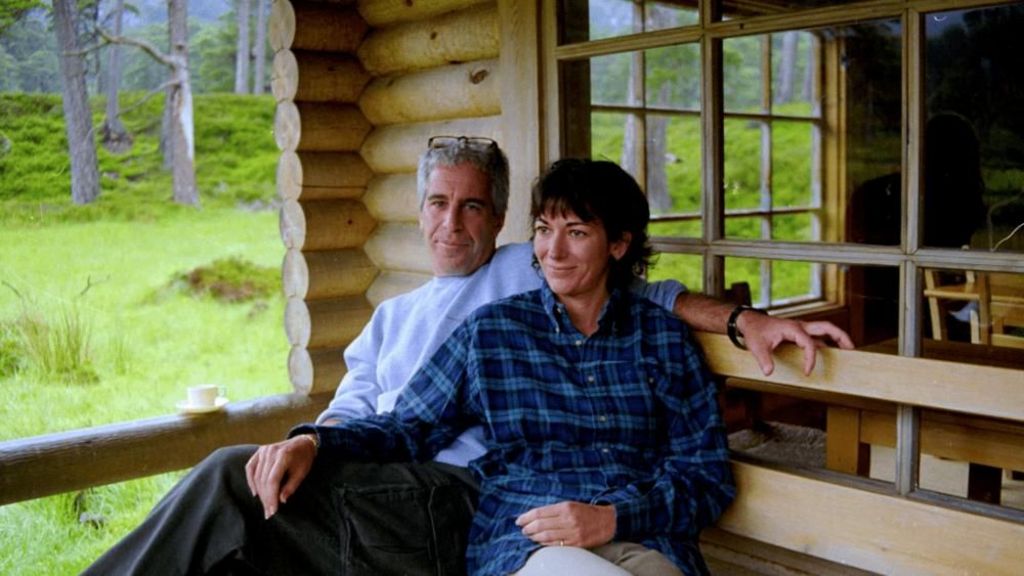
Convicted sex trafficker Ghislaine Maxwell will exercise her constitutional right against self-incrimination during a closed-door deposition with the U.S. House Oversight Committee on Monday, according to her legal representative. The deposition will be conducted virtually from the federal prison in Texas where Maxwell is serving a 20-year sentence for her role in Jeffrey Epstein’s exploitation network.
Attorney David Oscar Markus confirmed to BBC that his client would “take the 5th,” referencing the Fifth Amendment protection that allows individuals to avoid answering questions that might implicate them in criminal activity. Instead of responding to committee inquiries, Maxwell will deliver a prepared statement at the commencement of the proceedings, as disclosed by Democratic Representative Ro Khanna.
The congressional investigation seeks to explore several critical aspects of the Epstein case, including Maxwell’s previous court filing that referenced “four named co-conspirators” and 25 unindicted individuals connected to the Epstein investigation. Lawmakers also intend to question Maxwell about her social connections with former President Donald Trump and whether presidential pardons were ever discussed with her defense team.
This deposition marks a departure from Maxwell’s previous cooperation with federal investigators. Representative Khanna noted the inconsistency with her July meeting with Deputy Attorney General Todd Blanche, where she reportedly answered questions about similar subject matter without invoking constitutional protections. During that encounter, Maxwell denied witnessing any inappropriate conduct by Trump or former President Bill Clinton and disputed the existence of Epstein’s rumored “client list.
The long-awaited testimony coincides with the Justice Department’s release of millions of previously confidential documents from its Epstein investigation, compelled by congressional legislation passed last year. Beginning Monday, members of Congress will have access to nearly three million unredacted pages at Justice Department facilities.
Epstein survivor advocates continue to push for greater transparency, releasing a video statement on Sunday calling for fuller disclosure of documents and reduced redactions. Federal officials have consistently denied allegations of concealing information or protecting powerful individuals connected to the case.